Starting an aquarium can be exciting, but it also comes with responsibilities. This guide will help beginners understand the essentials of caring for live aquarium fish. From choosing the right fish to maintaining a clean environment, we’ve got you covered with simple tips and tricks.
Key Takeaways
- Choose freshwater fish for easier care when starting out.
- Regularly test and adjust water quality to keep your fish healthy.
- Establish a cleaning routine to maintain a clean aquarium environment.
- Introduce new fish slowly to prevent stress and ensure compatibility.
- Budget for both initial setup and ongoing maintenance costs.
Choosing the Right Live Aquarium Fish
When starting your aquarium journey, selecting the right fish is crucial. Different fish have unique needs and personalities, so it’s important to choose wisely. Here are some popular options:
Popular Freshwater Fish for Beginners
- Guppies: Colorful and easy to care for.
- Neon Tetras: Small, peaceful, and great for community tanks.
- Betta Fish: Vibrant and can be kept alone due to territorial behavior.
Popular Saltwater Fish for Beginners
- Clownfish: Hardy and friendly, perfect for beginners.
- Blue Hippo Tang: Beautiful and relatively easy to care for.
- Yellow Tang: Bright and active, adding color to your tank.
Factors to Consider When Choosing Fish
- Tank Size: Ensure your tank is large enough for the fish you want. A good rule is one inch of fish per gallon of water.
- Compatibility: Some fish are aggressive, while others are peaceful. Research which species can live together.
- Water Conditions: Freshwater fish are generally easier to maintain than saltwater fish, which require more specific conditions.
Remember, the right fish can make your aquarium a vibrant and enjoyable environment. Consider brands like Omega One for quality fish food and Advatec for reliable aquarium equipment to support your aquatic pets.
Setting Up Your First Aquarium
Setting up your first aquarium can be an exciting journey! Here are some essential steps to help you get started:
Selecting the Right Tank Size
- Choose a tank size that fits your space and budget. A larger tank is often easier to maintain because it provides a more stable environment for fish.
- Consider the types of fish you want; some need more space than others.
- Popular brands like Polyplab offer various tank sizes suitable for beginners.
Essential Equipment for Your Aquarium
To create a healthy environment for your fish, you will need:
- Filter: Keeps the water clean and clear.
- Heater: Maintains the right temperature for your fish.
- Lighting: Essential for plant growth and fish visibility.
- Water Conditioner: Makes tap water safe for fish.
- Aquarium Kit: Consider Terrarium Starter Kits for a complete setup.
Creating a Suitable Environment
- Clean the tank: Rinse the aquarium and decorations with water (no soap!).
- Add substrate: Use gravel or sand at the bottom of the tank.
- Decorate: Include plants and ornaments to create hiding spots for your fish.
Remember: Patience is key! Allow your aquarium to cycle before adding fish. This process helps establish beneficial bacteria that keep the water healthy.
By following these steps, you can create a thriving home for your aquatic friends!
Understanding Water Quality
Maintaining good water quality is crucial for the health of your aquarium fish. Poor water conditions can lead to stress and disease, making it essential to monitor and adjust water parameters regularly.
Importance of Water Parameters
Water parameters such as pH, ammonia, nitrites, and nitrates play a significant role in the well-being of your fish. Here’s a quick overview of these parameters:
| Parameter | Ideal Range | Effects of Imbalance |
|---|---|---|
| pH | 6.5 – 7.5 | Stress, disease |
| Ammonia | 0 ppm | Toxic, fatal |
| Nitrites | 0 ppm | Toxic, fatal |
| Nitrates | < 20 ppm | Stress, poor health |
How to Test and Adjust Water Quality
- Use a Test Kit: Regularly test your water using a reliable test kit.
- Adjust as Needed: If parameters are off, use appropriate products to adjust them. For example, dechlorinators can help treat tap water.
- Regular Water Changes: Change 10-15% of the water weekly to maintain quality.
Common Water Quality Issues
- Cloudy Water: Often caused by overfeeding or inadequate filtration. Regular water changes can help clear it up.
- Algae Growth: Can be managed by controlling light exposure and nutrient levels.
- Fish Stress: Monitor water quality and ensure compatibility among tank mates to reduce stress.
Keeping your aquarium clean and well-maintained is essential for a thriving aquatic environment. Remember, all products used should be safe for your fish and plants. Regular attention to water quality will lead to a healthier and more vibrant aquarium.
Feeding Your Live Aquarium Fish
Types of Fish Food
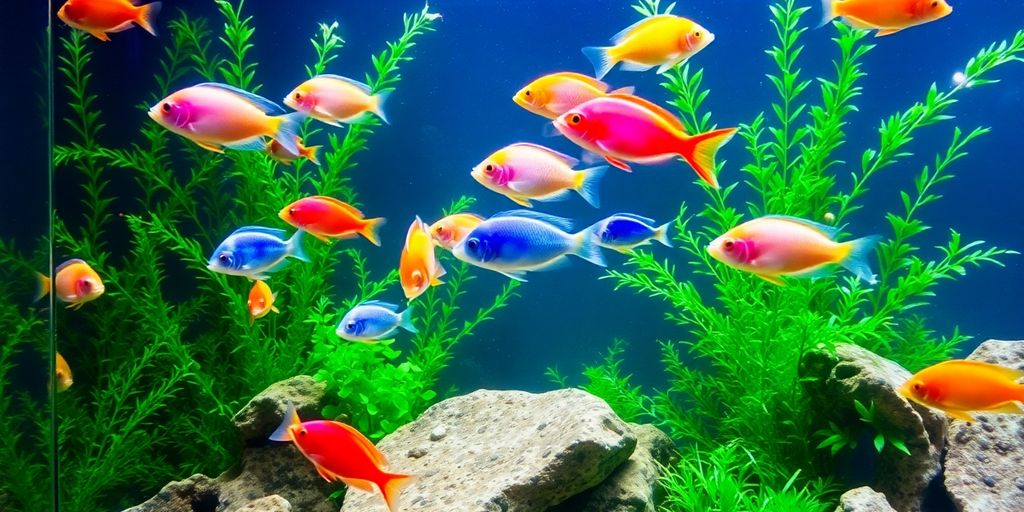
When it comes to feeding your fish, there are several types of food to consider:
- Flakes: Common and easy to use.
- Pellets: Nutrient-rich and available in various sizes.
- Live or Frozen Food: Great for stimulating natural hunting behavior.
- Specialized Diets: Tailored for specific fish types.
Feeding Schedules and Amounts
Feeding your fish properly is essential for their health. Here are some tips:
- Feed your fish twice a day.
- Only give them what they can eat in about five minutes.
- Consider multiple small feedings throughout the day for species that prefer it.
Tips for Healthy Feeding Habits
- Avoid overfeeding, as it can lead to poor water quality.
- Monitor your fish’s behavior; if they seem uninterested in food, it might be time to adjust their diet.
- Always choose high-quality food to ensure your fish get the nutrients they need.
Keeping a consistent feeding routine helps maintain a healthy aquarium environment.
In summary, understanding the types of food, establishing a feeding schedule, and following healthy feeding habits are crucial for the well-being of your fish. Remember, a well-fed fish is a happy fish!
Maintaining a Clean Aquarium
Keeping your aquarium clean is essential for the health of your fish. Regular maintenance helps prevent problems that can arise in a fish tank. Here are some key points to consider:
Regular Cleaning Schedule
- Water Changes: Change 10-15% of the water weekly to remove waste and toxins.
- Filter Maintenance: Clean or replace filter media every month to ensure efficient filtration.
- Algae Control: Regularly scrub the tank walls and manage nutrient levels to keep algae growth in check.
How to Clean Your Tank
- Turn Off Equipment: Always turn off heaters and filters before cleaning.
- Siphon Gravel: Use a gravel vacuum to remove debris and waste from the substrate.
- Wipe Surfaces: Clean the glass with a non-toxic cleaner or a damp cloth.
Tools for Aquarium Maintenance
- Gravel Vacuum: Essential for cleaning the substrate.
- Algae Scraper: Helps keep the glass clear of algae.
- Water Test Kits: Monitor water parameters like pH, ammonia, and nitrates.
Maintaining a clean aquarium is not just about aesthetics; it’s crucial for the well-being of your fish. Regular attention to water quality and cleanliness will create a thriving environment for your aquatic pets.
Incorporating quality products like Kessil lighting and AQUAEL filters can enhance your aquarium’s health. Additionally, using reliable aquarium heaters ensures a stable environment for your fish. By following these tips, you can enjoy a beautiful and healthy aquarium!
Ensuring Fish Health and Preventing Disease
Common Fish Diseases and Symptoms
Fish can face various health issues, and recognizing the signs early is crucial. Here are some common diseases to watch for:
- Ich: Look for white spots on the fish’s body.
- Fin Rot: Notice any frayed or discolored fins.
- Dropsy: Watch for swelling in the abdomen.
Preventative Measures
To keep your fish healthy, consider these important steps:
- Quarantine new fish before introducing them to your main tank.
- Maintain clean water conditions by performing regular water changes.
- Monitor water quality parameters like pH and ammonia levels.
Treatment Options
If your fish do get sick, here are some treatment options:
- Use medications specifically designed for the disease.
- Adjust the environment, such as temperature and salinity, to help recovery.
- Consult a vet for professional advice if needed.
Keeping your fish healthy is not just about treatment; sustainability starts with health. Regular monitoring and proactive care can prevent many issues.
Remember, proper aquarium lights can also play a role in maintaining a healthy environment by supporting plant growth and enhancing the overall well-being of your fish.
Decorating Your Aquarium
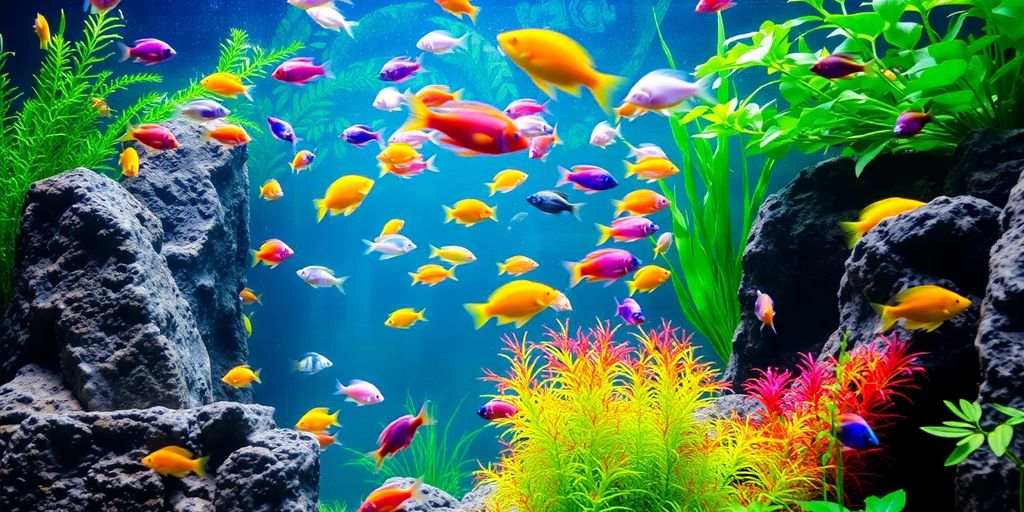
Creating a beautiful aquarium is an exciting part of fishkeeping. The right decorations can enhance the look of your tank and provide a comfortable environment for your fish. Here are some tips to help you get started:
Choosing Plants and Ornaments
- Live Plants: They improve water quality and provide hiding spots for fish.
- Plastic Plants: Easier to maintain but don’t offer the same benefits as live plants.
- Ornaments: Choose items that mimic natural habitats, like rocks or caves, to create shelter for your fish.
Creating Hiding Spots and Enrichment
- Use Driftwood: It adds a natural look and provides hiding spots.
- Rocks and Caves: These can create territories for your fish, reducing stress.
- Aquarium Kits and Cabinets: These often come with themed decorations that can enhance your tank’s appearance.
Balancing Aesthetics and Functionality
- Safety First: Ensure all decorations are non-toxic and safe for your fish.
- Stability: Make sure structures are stable to prevent them from collapsing.
- Avoid Overcrowding: Too many decorations can stress fish and limit their swimming space.
Remember, a well-decorated aquarium not only looks good but also supports the health and happiness of your fish. Using products from brands like Seachem can help maintain water quality while enhancing your tank’s beauty.
Cycling Your Aquarium
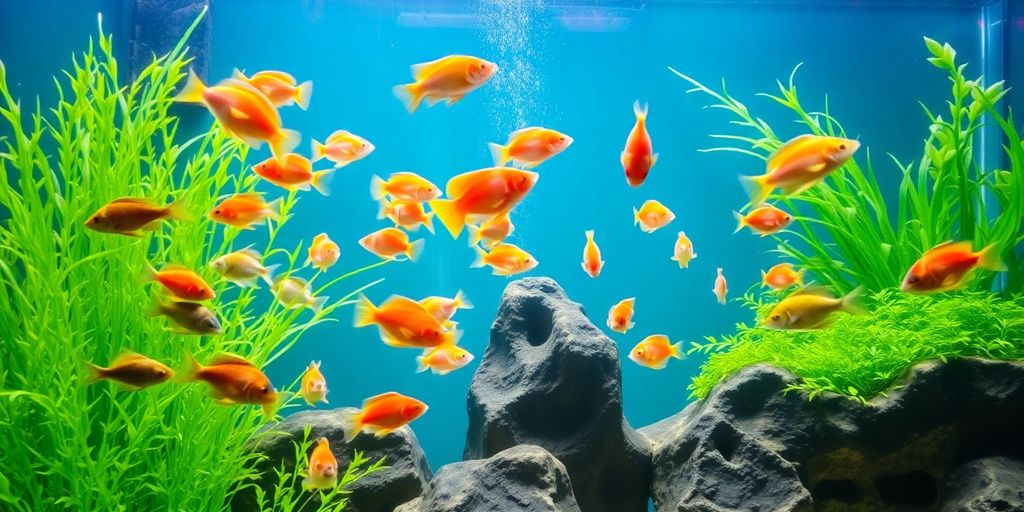
Cycling your aquarium is a crucial step in creating a healthy environment for your fish. This process helps establish beneficial bacteria that convert harmful substances into safer ones. Without cycling, your fish may suffer from toxic levels of ammonia and nitrite.
What is Aquarium Cycling?
Aquarium cycling refers to the process of developing a biological filter in your tank. This involves:
- Growing beneficial bacteria that break down fish waste.
- Converting harmful ammonia into less toxic nitrate.
- Ensuring a stable environment for your aquatic pets.
Steps to Cycle Your Tank
- Set Up Your Aquarium: Start by filling your tank with dechlorinated water and installing all necessary equipment.
- Add Ammonia Source: You can use fish food or pure ammonia to kickstart the cycling process.
- Monitor Water Parameters: Regularly check levels of ammonia, nitrite, and nitrate. This will help you understand the cycling progress.
- Wait for Stabilization: The cycling process usually takes a few weeks. Only introduce fish once the water parameters stabilize.
Monitoring and Maintaining the Cycle
During the cycling period, keep an eye on your water quality. Here’s a simple table to help you track your parameters:
| Parameter | Ideal Level | Action Needed |
|---|---|---|
| Ammonia | 0 ppm | Add more bacteria or wait |
| Nitrite | 0 ppm | Add more bacteria or wait |
| Nitrate | < 20 ppm | Perform partial water changes |
Remember: Patience is key! Rushing the process can lead to unhealthy conditions for your fish.
Cycling is essential for a thriving aquarium. Once your tank is cycled, you can enjoy a beautiful aquatic environment, just like in screen terrariums.
Introducing New Fish to Your Aquarium
Adding new fish to your aquarium can be exciting, but it’s important to do it right to keep your aquatic friends healthy. Acclimating new fish is a slow, steady process that helps them adjust to their new home.
Acclimating New Fish
- Float the Bag: Start by floating the bag with your new fish in the aquarium for about 15 minutes. This helps equalize the temperature.
- Add Tank Water: After 15 minutes, add a small amount of your aquarium water to the bag. Wait another 15 minutes and repeat this step.
- Release the Fish: Finally, gently net the fish and place them in the tank. Avoid adding the bag water to your aquarium to prevent introducing any harmful substances.
Quarantine Procedures
Before introducing new fish, it’s wise to quarantine them for about two weeks. This helps prevent any diseases from spreading to your existing fish. During this time, monitor their health and behavior closely.
Monitoring New Additions
Once your new fish are in the tank, keep an eye on them for the first few days. Look for signs of stress or aggression. Use Aquarium Test Strips to check water parameters like pH and ammonia levels, ensuring a safe environment for all your fish.
Remember, patience is key when introducing new fish. Rushing the process can lead to stress and health issues for your aquatic pets!
Handling Common Issues
Dealing with Algae Growth
Algae can be a common problem in aquariums, often caused by excess nutrients and light. Here are some steps to manage it:
- Limit light exposure: Reduce the amount of time your aquarium lights are on each day.
- Control feeding: Avoid overfeeding your fish, as uneaten food can contribute to algae growth.
- Regular cleaning: Perform routine water changes and clean the tank to remove algae buildup.
Managing Aggressive Fish
Some fish can be territorial or aggressive, which can lead to stress or injury among tank mates. To handle this:
- Research species compatibility: Before adding new fish, ensure they can coexist peacefully.
- Provide hiding spots: Use plants and decorations to create safe spaces for timid fish.
- Monitor behavior: Keep an eye on interactions and be ready to separate aggressive fish if necessary.
Troubleshooting Equipment Problems
Equipment failures can disrupt your aquarium’s environment. Here’s how to address common issues:
- Check power sources: Ensure all equipment is plugged in and functioning.
- Regular maintenance: Clean filters and check for wear and tear on equipment.
- Have backups: Consider keeping spare parts for essential equipment like heaters and filters.
Keeping your aquarium healthy requires attention to detail. Regular maintenance and monitoring can help you avoid many common issues.
By being proactive and informed, you can create a thriving environment for your fish. Remember, investing in quality aquarium accessories and being mindful of your setup can make a significant difference. If you’re also interested in other pets, consider exploring reptile products for a diverse experience!
Budgeting for Your Aquarium
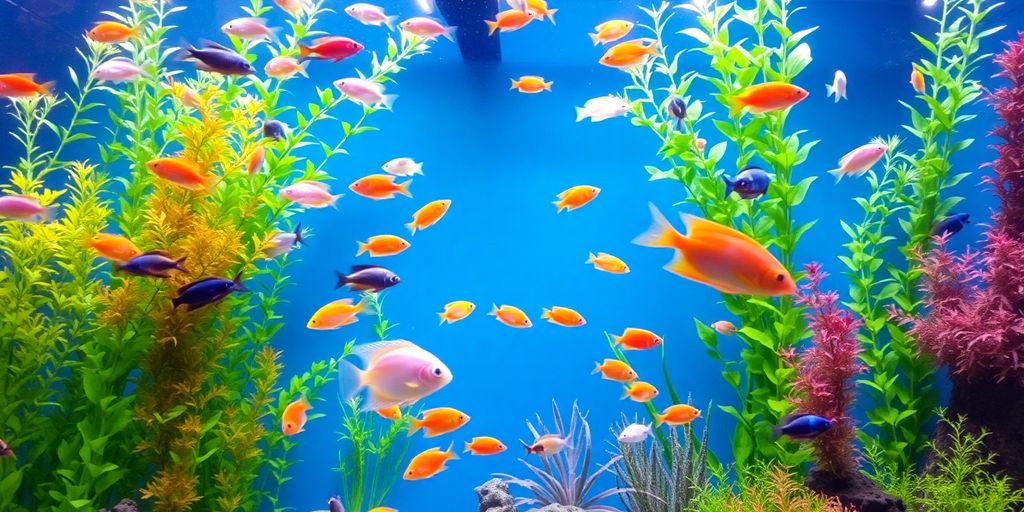
When starting your aquarium journey, it’s essential to plan your budget carefully. Initial setup costs can add up quickly, so knowing what to expect is crucial.
Initial Setup Costs
- Tank: The size and type of tank you choose will significantly impact your budget. A larger tank generally costs more but can be easier to maintain.
- Filtration System: Investing in a quality filtration system is vital for keeping your fish healthy. This is one of the most important pieces of essential equipment.
- Lighting: Proper lighting is necessary for both fish and plants. It can vary in price depending on the type you choose.
- Decorations: Adding plants and ornaments can enhance the beauty of your aquarium but also adds to the initial costs.
Ongoing Maintenance Expenses
- Food: Regularly purchasing fish food is a recurring cost that should be factored into your budget.
- Water Treatments: You may need to buy water conditioners and other treatments to maintain water quality.
- Veterinary Care: Occasionally, your fish may need medical attention, which can add to your expenses.
Cost Breakdown Table
| Item | Estimated Cost Range |
|---|---|
| Tank | $50 – $500+ |
| Filtration System | $30 – $300 |
| Lighting | $20 – $200 |
| Decorations | $10 – $100 |
| Monthly Food | $10 – $30 |
| Water Treatments | $5 – $20 |
| Veterinary Care | $20 – $100+ |
Remember, planning ahead can save you money in the long run. By understanding your budget, you can create a thriving aquarium without breaking the bank!
Setting up an aquarium can be exciting, but it’s important to keep your budget in mind. Start by planning your expenses for fish, equipment, and maintenance. Don’t forget to check out our website for great deals on essential aquarium supplies!
Final Thoughts on Fish Care
Caring for aquarium fish can be a fun and rewarding experience. By following the tips and tricks outlined in this guide, you can create a healthy and happy home for your fish. Remember to keep their tank clean, provide the right food, and monitor their environment regularly. With a little patience and effort, you’ll enjoy watching your fish thrive. So dive in, and enjoy the colorful world of fishkeeping!
Frequently Asked Questions
What fish are best for beginners?
Some great fish for beginners include goldfish, neon tetras, and betta fish. They are easy to care for and can adapt well to new environments.
How do I set up my first aquarium?
Start by choosing the right tank size, adding essential equipment like a filter and heater, and filling it with dechlorinated water.
How often should I feed my fish?
Feed your fish twice a day, giving them only what they can eat in about five minutes to avoid overfeeding.
What should I do if my fish gets sick?
If your fish shows signs of illness, check the water quality first. You may need to change some water and consider medication if necessary.
How can I keep my aquarium clean?
Regularly clean your tank by removing debris, vacuuming the gravel, and changing 25% of the water every few weeks.
What is cycling an aquarium?
Cycling is the process of establishing beneficial bacteria in your tank that help break down harmful waste, making the water safe for fish.
How do I introduce new fish to my tank?
Acclimate new fish by floating their bag in the tank for 15 minutes, then gradually mix some tank water into the bag before releasing them.
What equipment do I need for my aquarium?
You’ll need a filter, heater, aquarium vacuum, water test kit, and lighting to keep your fish healthy and happy.