Setting up a freshwater aquarium can be a rewarding and enjoyable experience. This guide will help you understand the different types of fish, how to create a proper environment, and the essential maintenance needed to keep your aquatic companions healthy. Whether you’re a beginner or looking to enhance your existing setup, this guide provides valuable information to ensure success in your fishkeeping journey.
Key Takeaways
- Choose the right fish species that get along well together.
- Make sure your aquarium is properly set up with the right equipment.
- Regularly test and maintain water quality for fish health.
- Feed your fish a balanced diet suitable for their species.
- Learn about aquascaping to create a beautiful and functional tank.
Understanding Freshwater Fish Varieties
Popular Freshwater Fish Species
When starting your aquarium, it’s essential to know about the most popular freshwater fish. Here are some favorites:
- Betta Fish: Known for their vibrant colors and flowing fins.
- Goldfish: A classic choice, easy to care for.
- Neon Tetras: Small, colorful fish that thrive in schools.
Rare and Exotic Freshwater Fish
For those looking to add something unique, consider these rare options:
- Arowana: A stunning fish that can grow quite large.
- Discus: Known for their round shape and bright colors, but require special care.
- Flowerhorn Cichlid: A hybrid fish with a distinctive head shape.
Choosing Fish Based on Temperament
Understanding fish temperament is crucial for a peaceful aquarium. Here are some tips:
- Aggressive Species: Avoid mixing aggressive fish with peaceful ones.
- Schooling Fish: Always keep them in groups to reduce stress.
- Bottom Feeders: Include them to help maintain tank cleanliness.
Remember: Researching fish species before buying is vital for a harmonious aquarium.
| Fish Type | Temperament | Ideal Tank Size |
|---|---|---|
| Betta Fish | Aggressive | 5 gallons |
| Goldfish | Peaceful | 20 gallons |
| Neon Tetras | Peaceful | 10 gallons |
| Arowana | Semi-aggressive | 55 gallons |
| Discus | Sensitive | 50 gallons |
Setting Up Your Freshwater Aquarium
Setting up your aquarium is an exciting journey that requires careful planning. Following the right steps can help you create a thriving environment for your fish. Here’s how to get started:
Selecting the Right Tank Size
- Consider your space: Make sure you have enough room for the tank and its equipment.
- Choose a size: Larger tanks are generally easier to maintain because they provide more stable water conditions.
- Think about the fish: Different species need different amounts of space.
Essential Aquarium Equipment
To set up your aquarium, you will need:
- Filtration system: Keeps the water clean and safe for your fish.
- Heater: Maintains the right temperature for your fish species.
- Lighting: Provides the necessary light for both fish and plants.
| Equipment | Purpose |
|---|---|
| Filtration System | Cleans the water |
| Heater | Keeps water at the right temperature |
| Lighting | Supports plant growth and fish health |
Creating a Suitable Environment
- Clean the tank: Rinse the tank and decorations with water (no soap!).
- Add substrate: Choose a substrate that suits your fish and plants.
- Decorate: Include plants and hiding spots to make your fish feel safe.
Remember, a well-planned aquarium not only looks good but also helps your fish thrive. Take your time to set it up right!
Water Quality and Maintenance
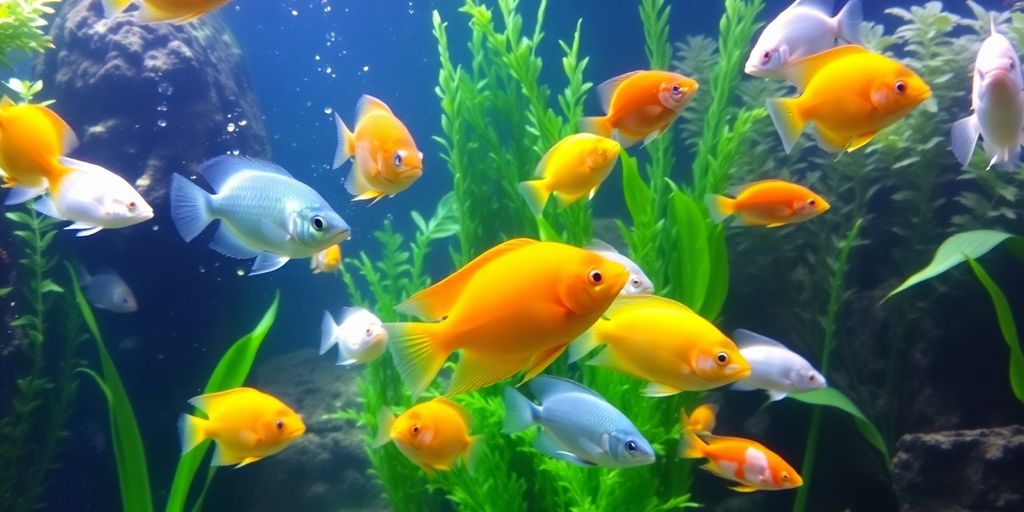
Maintaining good water quality is essential for the health of your fish. Every aquarium should be tested for pH, ammonia, nitrite, and nitrate levels. Regular monitoring helps ensure a stable environment for your aquatic companions.
Importance of Water Testing
- Regular testing helps detect harmful chemicals.
- It allows you to make necessary adjustments to keep fish healthy.
- Testing should be done weekly, especially for ammonia and nitrite levels.
Maintaining Optimal pH Levels
- Most freshwater fish thrive in a pH range of 6.5-7.5.
- Use a reliable test kit to monitor pH levels.
- Adjustments can be made using pH up or down solutions as needed.
Regular Cleaning and Upkeep
- Perform water changes of 10-15% every 1-2 weeks. This helps remove waste and keeps the water clean.
- Clean or replace filter media regularly to maintain efficient filtration.
- Control algae growth through regular cleaning and managing nutrient levels.
Keeping your aquarium clean and well-maintained is key to a thriving aquatic ecosystem. Regular attention to water quality contributes significantly to the overall well-being of your fish.
Feeding Your Freshwater Fish
Types of Fish Food
When it comes to feeding your fish, understanding the different types of food is essential. Here are some common options:
- Flakes: Great for most fish, easy to digest.
- Pellets: Good for larger fish, providing balanced nutrition.
- Live or Frozen Food: Such as brine shrimp or bloodworms, which can enhance color and vitality.
- Specialized Diets: Tailored for specific species, like herbivore or carnivore diets.
Feeding Schedules and Portions
Establishing a proper feeding schedule is crucial. Most fish do well with one feeding per day, but some may need more:
- Adult Fish: Feed once or twice daily.
- Young Fish: They may require three or more feedings.
- Monitor Portions: Only give what they can eat in a few minutes to avoid overfeeding.
Special Dietary Needs
Some fish have unique dietary requirements. For example:
- Cichlids: Often need high-protein diets.
- Goldfish: Prefer sinking pellets or flakes designed for them.
- Herbivores: Benefit from plant-based foods like spirulina.
Maintaining a balanced diet is vital for your fish’s health and longevity. Regularly check their behavior and appearance to ensure they are thriving.
Summary Table of Fish Food Types
| Food Type | Best For | Nutritional Benefits |
|---|---|---|
| Flakes | Most freshwater fish | Easy to digest |
| Pellets | Larger fish | Balanced nutrition |
| Live/Frozen Food | Color enhancement | High protein content |
| Specialized Diets | Specific species | Tailored nutrition |
Aquarium Plants and Decorations
Benefits of Live Plants
Adding plants to your aquarium is not just for looks. They help keep the water clean and provide oxygen for your fish. Here are some benefits:
- Oxygenation: Plants absorb carbon dioxide and release oxygen, which is essential for fish survival.
- Aesthetics: They make your aquarium look beautiful and natural.
- Hiding Spots: Plants give fish places to hide, reducing stress, especially for shy species.
Choosing the Right Plants
When selecting plants, consider the following:
- Light Requirements: Some plants need a lot of light, while others thrive in low light. For example, Java Fern is great for low-light tanks, while Ludwigia needs more light.
- Care Level: Beginners should start with easy-care plants like Vallisneria or Java Moss. Advanced aquarists can try more demanding plants.
- Compatibility: Ensure the plants you choose are suitable for your fish and tank conditions.
Decorations for Your Aquarium
Decorations can enhance the beauty of your tank. Here are some ideas:
- Natural Elements: Use rocks, driftwood, and live plants to create a natural look.
- Themed Decor: Consider adding items like sunken ships or ancient ruins for a unique touch.
- Safety First: Always choose non-toxic decorations to keep your fish safe.
Remember, a well-decorated aquarium not only looks good but also provides a healthy environment for your fish. Regular maintenance is key to keeping everything in balance!
Fish Health and Disease Prevention
Common Fish Diseases
Fish can face various health issues, and it’s important to recognize them early. Some common diseases include:
- Ich: A parasite that causes white spots on fish.
- Fin Rot: A bacterial infection that leads to frayed fins.
- Swim Bladder Disease: Affects fish buoyancy and swimming ability.
Preventative Measures
To keep your fish healthy, consider these tips:
- Regular Water Changes: Aim for a 25% water change weekly to maintain optimal water quality.
- Proper Filtration: Ensure your filter is working efficiently to remove waste and toxins.
- Quarantine New Fish: Always isolate new fish for a few weeks before adding them to your main tank to prevent disease spread.
Treatment Options
If your fish do get sick, here are some treatment options:
- Medications: Use appropriate treatments for specific diseases.
- Environmental Adjustments: Sometimes, changing water temperature or pH can help.
- Consult a Vet: For serious issues, seek professional advice.
Keeping your fish in a clean and stable environment is crucial for their health. Regular water testing can help you catch problems early.
Summary
By understanding common diseases and implementing preventative measures, you can ensure a thriving aquarium. Remember, healthy fish are happy fish!
Breeding Freshwater Fish
Breeding Conditions
Breeding freshwater fish can be a rewarding experience. Creating the right environment is key to successful breeding. Here are some important factors to consider:
- Water Quality: Ensure the water is clean and well-filtered.
- Temperature: Most fish prefer warmer water during breeding.
- Space: Provide enough room for the fish to swim and breed comfortably.
Raising Fry
Once the eggs hatch, you will have tiny fish called fry. Here’s how to care for them:
- Separate the Fry: Move them to a different tank to prevent them from being eaten.
- Feeding: Start with fine powdered food or specialized fry food.
- Water Changes: Regularly change the water to keep it clean and safe.
Selective Breeding Techniques
Selective breeding can help you create fish with desired traits. Here’s how to do it:
- Choose Healthy Parents: Select fish that are strong and vibrant.
- Monitor Offspring: Keep track of the traits of the fry.
- Repeat the Process: Breed the best offspring to continue improving the traits.
Breeding fish requires patience and care, but it can lead to a thriving aquarium filled with beautiful fish.
By following these guidelines, you can successfully breed freshwater fish and enjoy the process of raising new aquatic companions!
Compatibility and Community Tanks
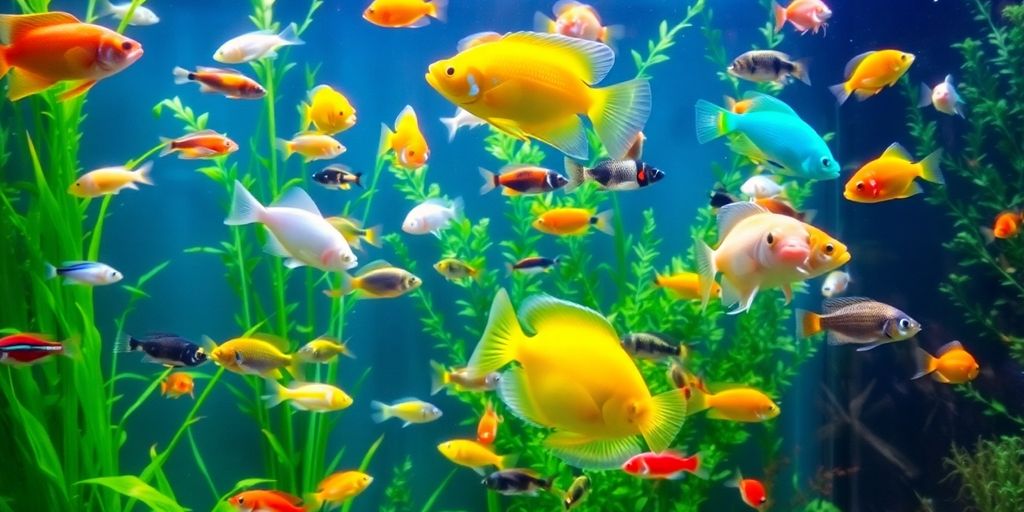
Creating a peaceful community tank is essential for the happiness of your fish. Choosing the right species is key to ensuring they coexist without stress. Here are some important points to consider:
Choosing Compatible Species
- Temperament: Look for peaceful fish that get along well with others.
- Size: Ensure that the fish are similar in size to prevent larger fish from bullying smaller ones.
- Water Conditions: Select fish that thrive in the same water temperature and pH levels.
Managing Aggressive Fish
- Research: Before adding any fish, research their behavior and compatibility.
- Tank Size: A larger tank can help reduce aggression by providing more space.
- Hiding Spots: Include plants and decorations to create hiding spots for shy fish.
Creating a Balanced Ecosystem
- Diversity: A mix of species can help maintain balance and reduce stress.
- Regular Monitoring: Keep an eye on fish behavior and water quality to ensure a healthy environment.
| Fish Species | Temperament | Ideal Tank Size | Compatibility |
|---|---|---|---|
| Guppies | Peaceful | 10 gallons | High |
| Tetras | Peaceful | 20 gallons | High |
| Cichlids | Aggressive | 30 gallons | Low |
Remember, the key to a successful community tank is to ensure that all fish can live together happily. Regular observation and adjustments can help maintain harmony in your aquarium.
Advanced Aquascaping Techniques
Design Principles
Creating a stunning aquarium requires thoughtful design. Here are some key principles to consider:
- Balance: Ensure that the elements in your tank are evenly distributed.
- Focal Points: Use larger decorations or plants to draw attention.
- Depth: Arrange plants and rocks to create a sense of depth.
Incorporating Hardscape Elements
Hardscape elements like rocks and driftwood are essential for a natural look. Here’s how to use them:
- Choose the Right Materials: Select non-toxic rocks and driftwood.
- Layering: Place larger pieces at the back and smaller ones in front.
- Secure Placement: Ensure that all elements are stable to prevent collapse.
Maintaining Aquascapes
To keep your aquascape looking its best, follow these maintenance tips:
- Regular Water Changes: Change 10-15% of the water weekly to maintain quality.
- Trimming Plants: Regularly trim overgrown plants to keep the design intact.
- Cleaning: Remove algae and debris to keep the environment healthy.
Remember, a well-maintained aquascape not only looks beautiful but also supports the health of your fish.
By mastering these advanced techniques, you can transform your aquarium into a breathtaking aquatic landscape. Whether you’re a beginner or an experienced aquarist, these tips will help you achieve aquascaping mastery.
Seasonal Care for Freshwater Fish
Adjusting Care in Different Seasons
As the seasons change, so do the needs of your fish. Understanding these changes is crucial for keeping your aquatic friends healthy. Here are some tips:
- Spring: Increase feeding as fish become more active.
- Summer: Monitor water temperature closely; consider using fans or chillers if it gets too hot.
- Fall: Prepare for cooler temperatures by gradually reducing feeding.
- Winter: Ensure your heater is functioning properly to maintain a stable environment.
Handling Temperature Fluctuations
Temperature changes can stress fish. To manage this:
- Use a reliable thermometer to monitor water temperature.
- Adjust the heater settings gradually to avoid shocking the fish.
- Consider insulating the tank during extreme weather.
Seasonal Feeding Tips
Feeding schedules may need to change with the seasons:
- In warmer months, fish may require more frequent feedings.
- In colder months, reduce the amount of food to prevent overfeeding.
- Always observe your fish’s behavior to adjust feeding accordingly.
Keeping a close eye on your fish during seasonal changes can help prevent stress and illness. Regularly check water quality and adjust care routines as needed.
| Season | Feeding Frequency | Temperature Management |
|---|---|---|
| Spring | Increase | Monitor closely |
| Summer | Regular | Use fans/chillers |
| Fall | Gradually reduce | Prepare for cold |
| Winter | Decrease | Ensure heater works |
Budgeting for Your Freshwater Aquarium
Setting up a freshwater aquarium can be a fun and rewarding hobby, but it’s important to plan your budget carefully. Here are some key points to consider:
Initial Setup Costs
- Tank and Stand: The cost of your aquarium will vary based on size. For example, a smaller tank (like a 20-gallon setup) might cost around $200 to $400. Larger tanks can cost significantly more.
- Filtration System: A good filtration system is essential for keeping your fish healthy. Expect to spend between $50 to $300 depending on the type and size.
- Lighting: Proper lighting is crucial for both fish and plants. Budget around $30 to $150 for quality lights.
- Decorations and Substrate: Adding plants, rocks, and substrate can range from $50 to $200.
Ongoing Maintenance Expenses
- Food: Fish food can cost about $10 to $30 per month, depending on the number and type of fish.
- Water Treatments: Regular water testing and treatments can add another $10 to $20 monthly.
- Veterinary Care: If your fish get sick, be prepared for potential vet costs, which can vary widely.
Cost-Effective Tips and Tricks
- Buy Used Equipment: Check local listings for second-hand tanks and equipment to save money.
- DIY Decorations: Create your own decorations using safe materials to cut costs.
- Plan Ahead: Before committing to a large tank, consider your budget and the ongoing costs involved.
Remember: A well-planned budget can help you enjoy your aquarium without unexpected financial stress.
By understanding these costs, you can create a beautiful and thriving aquatic environment for your fish while keeping your finances in check.
Setting up a freshwater aquarium can be exciting, but it’s important to plan your budget carefully. From the tank and filters to food and decorations, costs can add up quickly. Make sure to check out our website for tips and affordable products to help you get started without breaking the bank!
Final Thoughts on Choosing Freshwater Fish
In conclusion, picking the right freshwater fish for your aquarium is an exciting journey. By understanding the needs of different fish species, you can create a happy and healthy home for them. Remember to consider factors like tank size, water conditions, and the compatibility of the fish you choose. Regular maintenance and monitoring of water quality are also key to keeping your aquatic friends thriving. With the right knowledge and care, your aquarium can become a beautiful and peaceful part of your home. Enjoy the process and happy fishkeeping!
Frequently Asked Questions
What types of freshwater fish are best for beginners?
Some great options for beginners include guppies, tetras, and bettas. These fish are generally easy to care for and get along well with others.
How do I know what size aquarium to choose?
The size of your aquarium depends on the type and number of fish you want. A larger tank is usually better because it helps keep the water stable.
What equipment do I need for a freshwater aquarium?
You’ll need a filter, heater, and lighting. Additionally, having a water test kit is important to check the water quality.
How often should I clean my aquarium?
You should do partial water changes every 1-2 weeks and clean the tank decorations and substrate as needed.
What should I feed my freshwater fish?
Feed your fish high-quality flakes or pellets designed for their species. Some fish also enjoy occasional treats like frozen or freeze-dried foods.
How can I tell if my fish are healthy?
Healthy fish are active, have bright colors, and eat regularly. Watch for signs of illness like lethargy or unusual swimming.
Can I keep different species of fish together?
Yes, but it’s important to choose compatible species. Research their temperaments and needs to ensure they can live together happily.
What should I do if my fish get sick?
Isolate the sick fish if possible and check your water quality. You may need to treat the tank with medication based on the illness.