Setting up an aquarium can be an exciting journey, but it requires careful planning and the right supplies to ensure a healthy environment for your fish. This guide will help you choose the best materials and equipment, making it easier for you to create a thriving fish tank. From selecting the right size aquarium to understanding the importance of water quality, we’ve got you covered with essential tips and tricks.
Key Takeaways
- Choose the right tank size based on space and fish type.
- Invest in a good filtration system to keep water clean.
- Maintain a stable temperature with a reliable heater.
- Regularly test water quality to ensure a healthy environment.
- Select safe decorations and substrates for your fish tank.
Choosing the Right Aquarium Size and Location
When setting up an aquarium, the first step is to choose the right size and location. The size of your tank will depend on several factors, including the space available in your home and the type of fish you want to keep. Here are some key points to consider:
Factors to Consider for Aquarium Size
- Tank Dimensions: Consider the tank’s dimensions, including its height, width, and length, to ensure it fits comfortably in the chosen location. Be mindful of access for maintenance and feeding.
- Weight Considerations: Larger tanks can be quite heavy when filled with water, so ensure your chosen spot can support the weight.
- Fish Space: A larger aquarium provides more space for fish to swim and grow, which is essential for their health.
Ideal Locations for Aquariums
- Stable Surface: Start by finding a spot that’s level and sturdy. Your fish tank needs a strong, stable base to avoid any tipping or shaking.
- Away from Sunlight: Avoid placing the aquarium in direct sunlight to prevent temperature fluctuations and algae growth.
- Low Traffic Areas: Choose a location away from high traffic areas to minimize stress for your fish.
Avoiding Common Placement Mistakes
- Temperature Control: Do not place the aquarium near heat sources, as this can cause temperature changes that are harmful to fish.
- Accessibility: Ensure there is enough space around the tank for maintenance tasks like cleaning and feeding.
- Weight Support: Always check that the surface can handle the weight of the filled aquarium to prevent accidents.
Proper planning and consideration of these factors will help create an ideal environment for your aquarium and make it easier for you to maintain and enjoy.
Essential Aquarium Filtration Systems
Keeping your aquarium clean is crucial for the health of your fish. A good filtration system is essential to remove waste and toxins from the water. Here’s a breakdown of the different types of filtration systems:
Types of Filtration Systems
- Mechanical Filtration: This type removes physical debris from the water, such as uneaten food and fish waste.
- Chemical Filtration: This method uses materials like activated carbon to remove impurities and toxins from the water.
- Biological Filtration: This relies on beneficial bacteria to break down harmful substances like ammonia and nitrite into less harmful nitrate.
| Filtration Type | Description | Pros | Cons |
|---|---|---|---|
| Mechanical | Removes debris | Simple to use | Needs regular cleaning |
| Chemical | Removes toxins | Improves water quality | Needs replacement media |
| Biological | Uses bacteria to break down waste | Natural process | Takes time to establish |
Choosing the Right Filter for Your Tank
When selecting a filter, consider the following:
- Tank Size: Ensure the filter is suitable for your aquarium size.
- Fish Type: Different fish have different needs; some may require stronger filtration.
- Maintenance: Choose a filter that fits your maintenance routine.
Maintaining Your Filtration System
To keep your filtration system working well:
- Clean the filter media regularly.
- Replace chemical media as needed.
- Monitor water quality to ensure the filter is effective.
Remember, maintaining a clean environment is key to a thriving aquarium. Regular checks and cleaning will help your fish live longer and healthier lives!
Selecting the Best Aquarium Heaters
Types of Aquarium Heaters
When it comes to aquarium heaters, there are several types to choose from:
- Submersible Heaters: These are fully submerged in the water and are the most common type.
- In-Line Heaters: These are installed in the filter system and heat the water as it passes through.
- Immersion Heaters: These are used for larger tanks and can heat a lot of water quickly.
How to Choose the Right Heater
Choosing the right heater is crucial for your fish’s health. Here are some key points to consider:
- Tank Size: The heater’s wattage should match your tank size. For example, a 50-watt heater is suitable for a 10-gallon tank.
- Temperature Range: Ensure the heater can maintain the desired temperature for your fish species.
- Safety Features: Look for heaters with overheat protection and automatic shut-off features.
Proper Heater Maintenance
To keep your heater functioning well:
- Regularly check the heater for any signs of wear or damage.
- Clean the heater to prevent algae buildup.
- Monitor the water temperature frequently to ensure it stays stable.
Remember: A stable temperature is essential for a healthy aquarium. Proper maintenance of your heater can prevent many common issues.
| Heater Type | Recommended Wattage | Suitable Tank Size |
|---|---|---|
| Submersible | 50W | Up to 10 gallons |
| In-Line | 100W | 20-50 gallons |
| Immersion | 300W | 90-125 gallons |
Choosing the right heater is vital for your aquarium’s success. Understanding the wattage needed for your tank size will help you maintain a thriving environment for your fish. For more detailed information, refer to the aquarium heater size guide to learn how to calculate the right wattage for single or multiple aquarium heaters, based on the room temperature and desired tank water temperature.
Aquarium Lighting Options
Types of Aquarium Lighting
When setting up your aquarium, choosing the right lighting is crucial. Here are the main types:
- LED Lights: These are energy-efficient and last a long time. They provide bright light and can enhance the colors of your fish.
- Fluorescent Lights: These are a more affordable option but don’t last as long as LEDs. They are good for general lighting.
- Compact Fluorescent Lights: These are a middle ground between LEDs and regular fluorescent lights, offering decent efficiency and lifespan.
Benefits of Proper Lighting
Proper lighting is essential for a thriving aquarium. Here are some benefits:
- Promotes Plant Growth: Plants need light to grow, and the right spectrum helps them thrive.
- Enhances Fish Colors: Good lighting can make your fish look more vibrant and beautiful.
- Creates a Natural Environment: Simulating day and night cycles helps fish feel more at home.
Choosing the Right Lighting for Your Tank
To select the best lighting for your aquarium, consider the following:
- Tank Size: Larger tanks may need multiple light sources.
- Type of Fish and Plants: Different species have different lighting needs.
- Budget: LED lights are more expensive upfront but save money in the long run due to their efficiency.
Important Note: Limit your aquarium lighting to 7-10 hours a day to prevent excessive algae growth. Using a timer can help maintain this schedule.
| Type of Light | Lifespan (Years) | Energy Efficiency | Cost (Approx.) |
|---|---|---|---|
| LED | 10-20 | High | $$ |
| Fluorescent | 1-2 | Medium | $ |
| Compact Fluorescent | 2-5 | Medium | $$ |
Importance of Water Quality and Testing
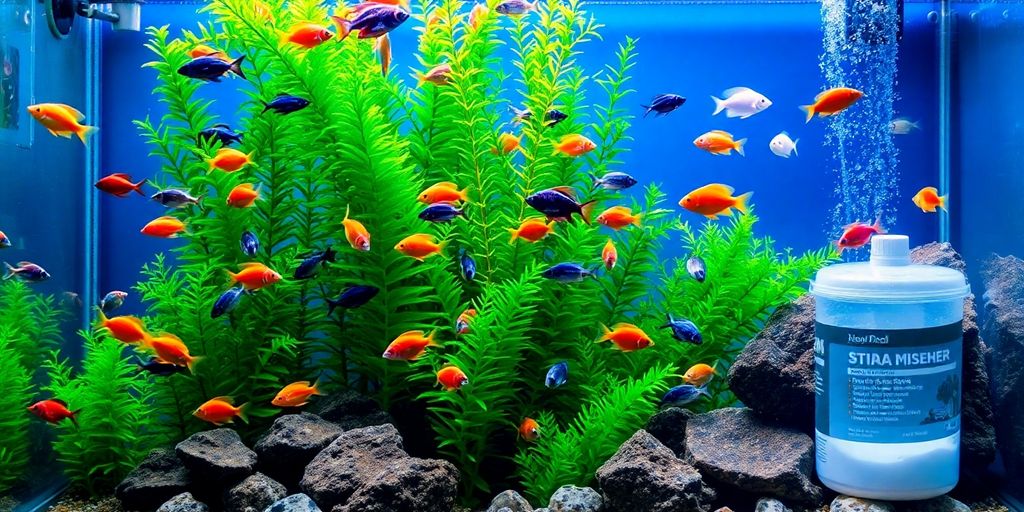
Maintaining good water quality is essential for a healthy aquarium. Poor water quality can stress your fish, making them more likely to get sick. Here are some key points to consider:
Essential Water Parameters to Monitor
- pH Levels: The pH level indicates how acidic or basic the water is. Different fish need different pH levels to thrive.
- Ammonia and Nitrite: These are toxic to fish. Regular testing helps ensure they stay at safe levels.
- Nitrate: While less harmful than ammonia, high levels can still be dangerous. Regular monitoring is crucial.
Using Aquarium Test Strips
Using test strips is a simple way to check water quality. For example, the Advatec 5 in 1 aquarium test strips can measure pH, hardness, nitrite, and nitrate levels. This helps you keep your fish safe and healthy.
| Parameter | Ideal Range |
|---|---|
| pH | 6.5 – 7.5 |
| Ammonia | 0 ppm |
| Nitrite | 0 ppm |
| Nitrate | < 20 ppm |
Maintaining Optimal Water Quality
- Regular Water Changes: Change 10-20% of the water every month to remove toxins.
- Use a Good Filter: A quality filtration system helps keep the water clean.
- Monitor Regularly: Test your water weekly, especially during the first few weeks after setting up your aquarium.
Regular testing and maintenance are key to preventing issues like algae blooms and fish diseases. By keeping an eye on water quality, you can create a thriving environment for your aquatic pets.
Choosing the Right Substrate and Decorations
The substrate and decorations in your aquarium are essential for creating a beautiful and healthy environment for your fish. Here’s what you need to know:
Types of Aquarium Substrates
- Gravel: This is a popular choice because it provides a stable base for plants and allows beneficial bacteria to grow. It comes in various colors and sizes, making it versatile for different setups.
- Sand: Ideal for certain fish species, sand can create a natural look and is easy for fish to dig in.
- Commercial soils: These are specially designed for planted tanks, providing nutrients for plant growth.
Selecting Safe and Aesthetic Decorations
- Rocks and Driftwood: These natural elements can enhance the look of your aquarium while providing hiding spots for fish.
- Artificial Plants: If you prefer low maintenance, artificial plants can add color without the need for care.
- Avoid Sharp Objects: Ensure that any decorations are smooth and safe for your fish to prevent injuries.
Aquascaping Tips and Techniques
- Balance and Proportion: Arrange your decorations to create a balanced look. Use larger items as focal points and smaller ones to fill in.
- Visual Impact: Choose colors and textures that complement each other and enhance the overall aesthetic of your aquarium.
- Research Styles: Look into different aquascaping styles, like Dutch or Nature Aquarium, for inspiration.
Remember, the right substrate and decorations not only beautify your tank but also create a thriving environment for your aquatic life. Choose wisely!
Feeding Your Fish: Best Practices
Types of Fish Food
When it comes to feeding your fish, there are several types of food to consider:
- Flakes: Great for most fish, easy to digest.
- Pellets: Ideal for larger fish, providing balanced nutrition.
- Freeze-Dried: A treat that adds variety to their diet.
- Live Food: Such as brine shrimp, which can stimulate natural hunting behavior.
How Often to Feed Your Fish
A general guideline is to offer an amount they can consume within a few minutes, typically two to three times a day. This helps prevent overfeeding, which can lead to poor water quality and health issues for your fish. Remember, less is often more!
Avoiding Overfeeding
Overfeeding can harm your fish and your aquarium. Here are some tips to avoid this:
- Feed only what they can eat in a few minutes.
- Observe your fish; if they leave food uneaten, reduce the amount.
- For bottom-feeding fish, 1 wafer or tablet can be fed for every two or three bottom fish every other day.
Keeping a close eye on your fish’s eating habits is essential for maintaining a healthy aquarium environment. Regular monitoring can help you adjust their diet as needed.
By following these best practices, you can ensure your fish stay healthy and happy!
Aquarium Plants: Selection and Care
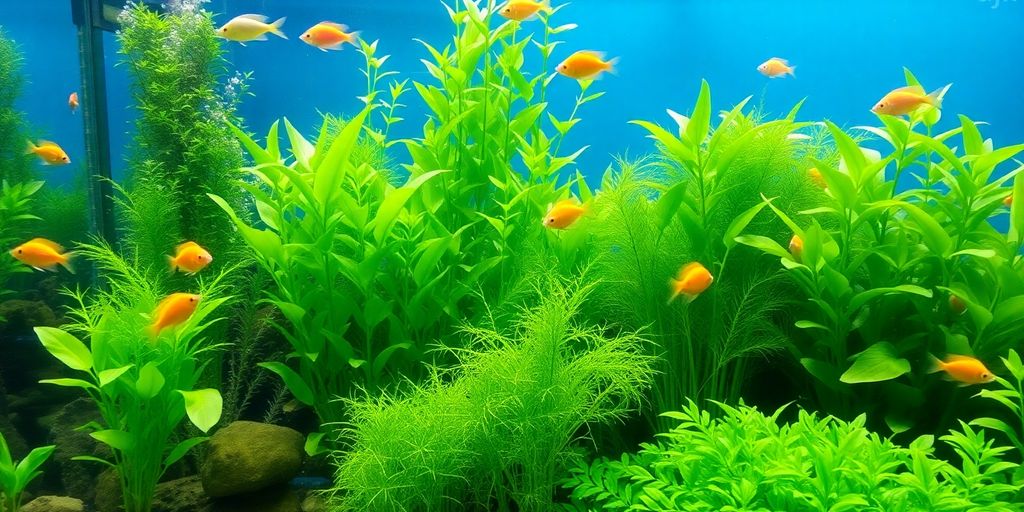
Benefits of Live Plants
Adding live plants to your aquarium can greatly enhance its beauty and health. Live plants not only look great but also help keep the water clean. They absorb harmful substances and provide oxygen for your fish. Here are some key benefits:
- Oxygen Production: Plants release oxygen, which is essential for fish survival.
- Nutrient Absorption: They absorb excess nutrients, reducing algae growth.
- Hiding Spots: Plants offer natural hiding places for shy fish.
Choosing the Right Plants for Your Tank
When selecting plants, consider the following factors:
- Light Requirements: Different plants need different amounts of light. Make sure to choose plants that match your tank’s lighting.
- Water Conditions: Some plants thrive in specific water conditions. Check the pH and temperature of your tank.
- Plant Hardiness: Beginners should start with hardy plants that are easy to care for. Java Moss and Dwarf Hairgrass are great options.
Plant Care and Maintenance
To keep your plants healthy, follow these tips:
- Regular Trimming: Trim plants regularly to prevent overgrowth and maintain shape.
- Fertilization: Use aquatic plant fertilizers to provide essential nutrients.
- Water Quality: Regularly test your water to ensure it remains clean and balanced.
Remember, a well-planted aquarium not only looks beautiful but also creates a healthier environment for your fish.
Top 5 Beginner-Friendly Plants
| Plant Name | Light Needs | Growth Rate |
|---|---|---|
| Java Moss | Low | Slow |
| Dwarf Hairgrass | Medium to High | Fast |
| Anacharis | Medium | Fast |
| Wendt’s Water Trumpet | Low to Medium | Slow |
| African Water Fern | Low to Medium | Slow |
Setting Up Your Aquarium: Step-by-Step Guide
Setting up your aquarium can be an exciting journey! Follow these steps to create a beautiful and healthy environment for your fish.
1. Clean the Tank
- Rinse the aquarium with warm water to remove dust.
- Avoid using soap, as it can harm your fish.
2. Install Equipment
- Set up the filtration system, heater, and lighting according to the instructions.
- Make sure everything is securely attached.
3. Add Substrate and Decorations
- Carefully add the substrate to the tank. Rinse it first to remove debris.
- Arrange decorations based on your plan, keeping in mind the needs of your fish and plants.
4. Add Water
- Fill the aquarium with water. Use a plate to pour it gently onto the substrate to avoid disturbing it.
- Add any water treatments, like dechlorinator, as needed.
5. Cycle the Tank
- Start the nitrogen cycle by adding a source of ammonia, like fish food.
- Monitor the water parameters and let beneficial bacteria grow for several weeks before adding fish.
6. Introduce Plants
- Plant aquatic plants in the substrate, trimming any damaged parts first.
- Space them out to allow for growth.
7. Introduce Fish
- Once the nitrogen cycle is stable, gradually add your fish.
- Acclimate them slowly to prevent shock by floating their bag in the tank and adding aquarium water over time.
8. Monitor and Adjust
- Regularly check water parameters, temperature, and the health of your fish and plants.
- Make adjustments as needed to keep a balanced environment.
By following these steps, you can create a thriving habitat for your aquatic companions.
Highlights
- Clean the Tank: Rinse the aquarium with warm water to remove any dust or contaminants. Avoid using soap or cleaning agents, as they can be harmful to your fish.
- Install Equipment: Install the filtration system, heater, and lighting according to the manufacturer’s instructions. Ensure that all equipment is properly positioned and securely attached.
- Add Substrate and Decorations: Carefully add the chosen substrate to the aquarium. Rinse the substrate beforehand to remove any debris. Arrange the decorations according to your aquascaping plan, considering the needs of your fish and plants.
- Add Water: Fill the aquarium with water. Use a plate or a bowl to gently pour the water onto the substrate to avoid disturbing it. Fill the tank about halfway, and then add any water treatments, such as dechlorinator, as recommended for your water source.
- Cycle the Tank: Start the nitrogen cycle by adding a source of ammonia, such as fish food or pure ammonia. Monitor the water parameters and allow the beneficial bacteria to establish for several weeks before adding fish.
- Introduce Plants: Carefully plant the aquatic plants in the substrate. Trim any damaged leaves or roots before planting. Ensure that the plants are properly spaced to allow for their growth.
- Introduce Fish: Once the nitrogen cycle is established and the water parameters are stable, you can gradually introduce your fish to the aquarium. Acclimate them slowly to prevent shock by floating their bag in the tank and gradually adding aquarium water over time. Release the fish into the tank after acclimation.
- Monitor and Adjust: Regularly monitor water parameters, temperature, and the health of your fish and plants. Make necessary adjustments to maintain a healthy and balanced aquarium environment.
By following these steps, you can set up an aquarium that provides a beautiful and thriving habitat for your aquatic companions.
Maintaining a Healthy Aquarium
Keeping your aquarium healthy is essential for the well-being of your fish and plants. Regular maintenance helps create a thriving environment. Here are some key tasks to keep in mind:
Regular Cleaning and Maintenance Tasks
- Water Changes: Change about 25% of your water every one to two weeks to keep it clean and safe for your fish. This helps remove toxins and maintain water quality.
- Tank Cleaning: Clean the glass and decorations to prevent algae buildup. Use an algae scraper for the glass and rinse decorations with aquarium water.
- Filter Maintenance: Check and clean your filter monthly to ensure it’s working properly. A clean filter is vital for maintaining good water quality.
Monitoring Fish Health
- Observe Behavior: Keep an eye on your fish for any signs of stress or illness. Look for changes in swimming patterns or eating habits.
- Check Water Parameters: Use test strips to monitor essential water parameters like pH, ammonia, and nitrate levels. This is crucial for fish health.
- Regular Feeding: Feed your fish a balanced diet but avoid overfeeding, as this can lead to poor water quality.
Troubleshooting Common Issues
If you notice any problems, here are some common issues and solutions:
- Algae Growth: If algae is growing too quickly, consider reducing the light exposure or adjusting the feeding schedule.
- Fish Illness: If a fish appears sick, isolate it to prevent spreading illness to others. Consult an expert if needed.
- Water Cloudiness: Cloudy water can indicate overfeeding or a filter issue. Check your feeding habits and clean the filter.
Regular maintenance is key to a successful aquarium. By dedicating time to care for your fish and plants, you will enjoy a vibrant underwater world.
Summary
Maintaining a healthy aquarium involves regular water changes, cleaning, and monitoring fish health. By following these steps, you can ensure a thriving environment for your aquatic friends. Remember, a well-maintained aquarium is a happy aquarium!
Aquarium Kits and Accessories
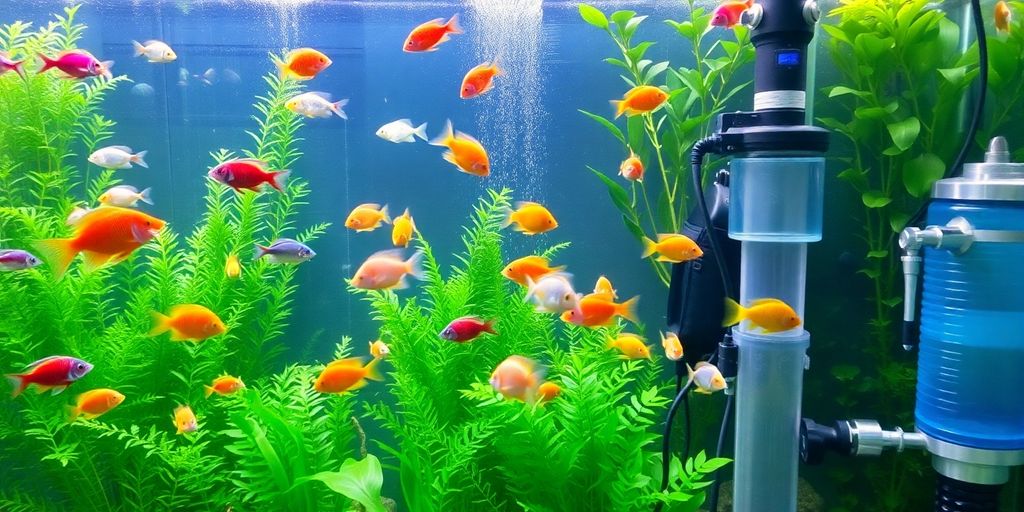
When setting up an aquarium, having the right accessories can make all the difference. Aquarium kits often come with essential items that simplify the setup process. Here’s what you need to know:
Benefits of Aquarium Kits
- Convenience: Kits usually include everything you need to start your aquarium, from the tank to the filter.
- Cost-Effective: Buying a kit can be cheaper than purchasing items separately.
- Compatibility: All components are designed to work well together, reducing the chance of issues.
Essential Accessories for Your Tank
- Filtration System: Keeps the water clean and healthy for your fish.
- Heater: Maintains the right temperature for tropical fish.
- Lighting: Enhances the beauty of your aquarium and supports plant growth.
- Substrate: Provides a base for plants and helps with filtration.
- Decorations: Items like rocks and plants create a natural environment for your fish.
Upgrading and Customizing Your Aquarium
- Add More Plants: Live plants can improve water quality and provide hiding spots for fish.
- Unique Decor: Consider a fish tank decor kit with artificial plants and hideouts to create a vibrant environment. These are made of safe and non-toxic resin, allowing fish to explore freely.
- 3D Printed Accessories: Unique options like a 3D printed fish cave can add character to your tank while providing shelter for your fish.
Remember, the right accessories not only enhance the look of your aquarium but also contribute to the health and happiness of your fish. Regularly check and maintain these items to ensure a thriving aquatic environment!
If you’re looking to set up an aquarium, our kits and accessories are perfect for you! We offer everything you need to create a beautiful underwater world. Don’t wait—visit our website today to explore our amazing selection and find the perfect items for your aquarium!
Final Thoughts on Aquarium Supplies
In conclusion, setting up a successful aquarium requires careful thought and the right materials. From filters and heaters to food and lighting, each item plays a key role in keeping your fish happy and healthy. Remember to choose supplies that fit your tank size and the needs of your fish. Regular testing of water quality is also important to ensure a safe environment for your aquatic friends. With the right supplies and a little effort, you can create a beautiful underwater world that you and your fish will enjoy for years to come.
Frequently Asked Questions
What size aquarium should I choose for my home?
The size of your aquarium depends on the space you have and the type of fish you want. Bigger tanks are usually easier to maintain because they hold more water.
How do I set up my aquarium?
Start by cleaning the tank, adding substrate and decorations, filling it with water, and then cycling it before adding fish.
What type of filter do I need?
Choose a filter based on your tank size and the fish you have. There are different types like internal, external, and hang-on-back filters.
How often should I change the water?
It’s good to change 10-20% of the water every week or two to keep it clean and healthy for your fish.
Can I keep live plants in my aquarium?
Yes! Live plants can help keep the water clean and provide hiding spots for fish. Just make sure to choose plants that fit your tank’s conditions.
What should I feed my fish?
Feed your fish a balanced diet that suits their species. Be careful not to overfeed, as leftover food can pollute the water.
How can I tell if my fish are healthy?
Healthy fish are usually active, have bright colors, and eat well. Watch for signs like lethargy or unusual swimming patterns.
What should I do if my fish get sick?
If you notice sick fish, check the water quality first. You may need to treat them with medication or adjust the tank conditions.