Creating a successful saltwater reef tank can be a fun and rewarding experience. However, it requires careful planning and attention to detail. This guide provides essential tips to help you build and maintain a thriving underwater ecosystem that mimics the beauty of natural coral reefs.
Key Takeaways
- Choose a larger tank for better stability and easier maintenance.
- Invest in quality equipment like lighting and filtration for a healthy environment.
- Regularly test water quality to ensure the health of your aquatic life.
- Be patient and take your time when setting up and maintaining your tank.
- Select compatible fish and corals to create a balanced ecosystem.
Choosing the Right Tank Size and Location
Factors to Consider for Tank Size
When starting a saltwater reef tank, selecting the right size is crucial. A larger tank offers more stability in water chemistry, making it easier to maintain a healthy environment. Here are some key points to consider:
- Space: Ensure you have enough room for the tank and equipment.
- Budget: Larger tanks can be more expensive, but they often lead to better success rates.
- Livestock: The size of your tank will determine the types and number of fish and corals you can keep.
Ideal Locations for a Saltwater Reef Tank
Choosing the right spot for your tank is just as important as the size. Here are some tips:
- Away from Direct Sunlight: This helps prevent overheating and algae growth.
- Stable Surface: Ensure the floor can support the weight of a full tank.
- Accessibility: Make sure you can easily reach the tank for maintenance.
Avoiding Common Placement Mistakes
To ensure your tank thrives, avoid these common mistakes:
- Placing near drafts: Avoid areas near doors or windows that can cause temperature fluctuations.
- Ignoring electrical outlets: Ensure you have easy access to power for your equipment.
- Not measuring space: Always measure the area before purchasing a tank to avoid surprises.
Remember, a well-planned environment is crucial for the health and happiness of your aquatic life.
By considering these factors, you can create a thriving saltwater reef tank that will be a beautiful addition to your home.
Essential Equipment for Your Saltwater Reef Tank
Creating a successful saltwater reef tank requires the right equipment. Here are the key components you need:
Lighting Systems for Coral Growth
Corals depend on light for their growth. Choosing the right lighting system is essential to mimic natural sunlight. Here are some popular options:
- LED Lights: Energy-efficient and customizable.
- T5 Fluorescent Lights: Good for larger tanks.
- Metal Halide Lights: Provide intense light but generate more heat.
Filtration Options for Clean Water
A clean environment is vital for your tank’s health. You should consider:
- Protein Skimmers: Remove organic waste before it breaks down.
- Canister Filters: Provide mechanical, chemical, and biological filtration.
- Sumps: Offer additional water volume and filtration options.
Circulation and Water Movement Devices
Water movement is crucial for coral health. Here are devices to consider:
- Powerheads: Create water flow and simulate ocean currents.
- Wave Makers: Mimic natural wave action for a more dynamic environment.
- Return Pumps: Essential for water circulation from the sump back to the tank.
Proper equipment selection is the foundation of a thriving reef tank. Investing in quality lighting, filtration, and circulation systems will help you create a beautiful underwater ecosystem.
| Equipment Type | Purpose |
|---|---|
| Lighting | Coral growth |
| Filtration | Water clarity |
| Circulation | Nutrient delivery |
Setting Up Your Saltwater Reef Tank
Step-by-Step Guide to Initial Setup
Setting up your reef tank is an important process that helps create a healthy environment for your marine life. Here’s a simple guide to get you started:
- Gather Your Equipment: Before you add any water, make sure you have all your equipment ready. This includes the tank, stand, lighting, filtration system, and heater. It’s easier to set everything up when the tank is empty.
- Add Substrate and Live Rock: Start by putting a layer of substrate (like sand) at the bottom of the tank. Then, place live rock in the tank. This not only looks good but also helps filter the water by housing beneficial bacteria.
- Fill the Tank with Saltwater: Mix reef-grade sea salt with dechlorinated water to create saltwater. Aim for a salinity level between 1.023 and 1.025 specific gravity. Fill the tank slowly to avoid disturbing your setup.
- Install and Start Equipment: Once the tank is full, turn on your equipment, including the filtration system and heater. Check for any leaks and ensure everything is working properly.
Adding Substrate and Live Rock
- Substrate: Use fine sand or crushed coral as substrate. This helps mimic a natural reef environment.
- Live Rock: Choose high-quality live rock. It’s essential for biological filtration and provides hiding spots for fish.
Filling the Tank with Saltwater
- Mixing Saltwater: Use a ratio of 1 cup of salt per gallon of water. Always mix in a separate container before adding it to the tank.
- Testing Salinity: Use a hydrometer to check the salinity level. Adjust as needed before filling the tank completely.
Remember: Patience is key when setting up your reef tank. Allow time for the tank to cycle before adding any fish or corals. This ensures a stable environment for your aquatic life.
Installing and Starting Equipment
- Filtration System: Ensure your filtration system is suitable for the size of your tank. A good filter keeps the water clean and clear.
- Heater: Set your heater to maintain a temperature between 75°F and 80°F, which is ideal for most reef inhabitants.
- Lighting: Use LED lights that can support coral growth. Adjust the light cycle to mimic natural day and night conditions.
By following these steps, you’ll be well on your way to creating a thriving saltwater reef tank!
Maintaining Water Quality in Your Reef Tank
Regular Testing of Water Parameters
To keep your reef tank healthy, regular testing is essential. You should monitor key parameters like pH, ammonia, nitrites, and nitrates. Here’s a quick list of what to check:
- pH: Aim for 8.1 to 8.4.
- Salinity: Keep it between 1.020 and 1.025.
- Nitrate: Levels should be below 20 mg/l, especially for stony corals, which prefer it below 10 mg/l.
Balancing pH, Salinity, and Temperature
Maintaining the right balance is crucial for your tank’s inhabitants. Here are some tips:
- Use a reliable heater to keep the temperature stable, ideally around 78-80°F.
- Adjust salinity gradually to avoid shocking your fish and corals.
- Regularly check and adjust pH levels to keep them within the ideal range.
Using Test Kits Effectively
Using test kits can help you keep track of your water quality. Here’s how:
- Test your water weekly, especially during the cycling process.
- Use a comprehensive test kit that checks for multiple parameters, including nitrates and phosphates.
- Keep a log of your test results to spot trends and make adjustments as needed.
Regular water changes are fundamental to maintaining an aquarium. A good baseline is to change twenty percent of the water volume every week. This helps remove toxins and replenish essential elements.
By following these tips, you can create a thriving environment for your reef tank inhabitants, ensuring they stay healthy and vibrant.
Selecting the Right Inhabitants for Your Reef Tank
Creating a successful reef tank means carefully choosing its inhabitants. The right mix of fish, corals, and invertebrates not only enhances the beauty of your aquarium but also helps maintain a healthy ecosystem. Here’s how to make informed choices:
Choosing Compatible Fish Species
- Research Compatibility: Not all fish get along. Look for species that can coexist peacefully. For example, clownfish are known to be friendly with anemones.
- Consider Size and Behavior: Ensure the fish you choose won’t outgrow the tank or become aggressive.
- Popular Beginner Fish: Some great options include:
- Clownfish
- Damselfish
- Gobies
Selecting Corals for Your Tank
- Start with Hardy Corals: Soft corals like zoanthids and mushrooms are great for beginners. They adapt well to aquarium life and require less light.
- Gradually Add More Demanding Species: As you gain experience, consider adding LPS (Large Polyp Stony) and SPS (Small Polyp Stony) corals, which need more stable conditions.
- Coral Placement: Ensure corals are placed where they can receive adequate light and water flow.
Incorporating Invertebrates
- Choose Clean-Up Crews: Invertebrates like snails, shrimp, and crabs help keep the tank clean by eating algae and leftover food. Cleaner shrimp can even help control parasites on fish.
- Be Mindful of Behavior: Some invertebrates can be aggressive. Research their behavior to avoid issues in your tank.
- Diversity is Key: A mix of different invertebrates can create a balanced ecosystem.
Remember: Introducing new inhabitants requires careful acclimation to prevent shock from sudden changes in water conditions. Use the drip acclimation method to help them adjust gradually.
By thoughtfully selecting your tank’s inhabitants, you can create a vibrant and thriving reef ecosystem that will bring joy for years to come!
Feeding Your Reef Tank Inhabitants

Types of Food for Marine Fish
Feeding your marine fish a varied diet is essential for their health. Here are some common types of food:
- Flakes: Easy to use and suitable for many fish species.
- Pellets: Nutrient-rich and often preferred by larger fish.
- Frozen Food: Provides a natural diet and is great for picky eaters.
- Live Food: Excellent for stimulating natural hunting behavior.
Feeding Schedules and Techniques
To keep your fish healthy, establish a consistent feeding schedule. Here are some tips:
- Feed small amounts 2-3 times a day.
- Observe your fish to ensure they eat everything within a few minutes.
- Turn off filtration pumps during feeding to prevent food loss (highlight: turn off filtration pumps).
Supplements for Coral Health
Corals also need proper nutrition. Consider these supplements:
- Liquid Coral Foods: Enhance growth and color.
- Amino Acids: Support coral health and reproduction.
- Vitamin Supplements: Boost overall vitality.
Regular feeding and proper nutrition are key to a thriving reef tank. By providing a balanced diet, you ensure the health of both fish and corals, creating a vibrant underwater ecosystem.
Managing Algae and Pests in Your Reef Tank
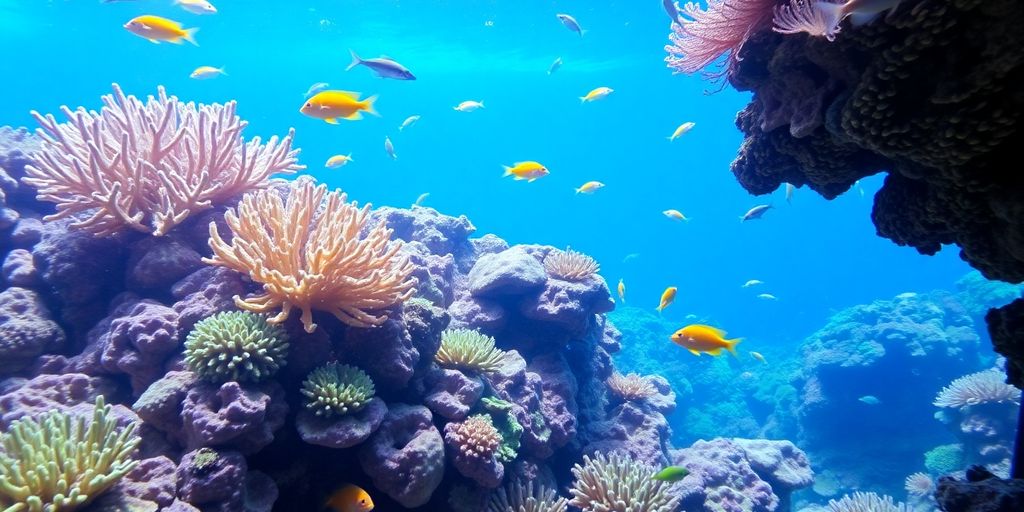
Keeping a saltwater reef tank healthy means managing algae and pests effectively. Here are some essential tips:
Preventing Algae Overgrowth
- Regular Water Changes: Change 10-20% of the water every two weeks to keep nutrient levels low.
- Limit Feeding: Overfeeding can lead to excess nutrients, which promote algae growth.
- Add Cleanup Crew: Introduce snails and hermit crabs to help control algae naturally.
Identifying and Removing Pests
- Common Pests: Look out for bristle worms, aiptasia, and flatworms. These can harm your tank’s ecosystem.
- Manual Removal: Use tweezers or a siphon to remove pests directly from the tank.
- Natural Predators: Consider adding fish or invertebrates that eat these pests, like certain wrasses or peppermint shrimp.
Using Clean-Up Crews Effectively
- Diverse Crew: A mix of snails, crabs, and shrimp can help keep your tank clean. Each type targets different waste and algae.
- Monitor Their Health: Ensure your clean-up crew is thriving; unhealthy crews can lead to more problems.
Regular maintenance and vigilance are key to a thriving reef tank. By staying proactive, you can enjoy a beautiful underwater environment without the hassle of algae and pests.
Summary Table of Common Algae and Pests
| Type of Algae/Pest | Control Method | Notes |
|---|---|---|
| Cyanobacteria | Manual removal, reduce nutrients | Can suffocate corals |
| Bryopsis | Manual removal, natural predators | Can be tough to eliminate |
| Aiptasia | Manual removal, peppermint shrimp | Can spread quickly |
Routine Maintenance for a Thriving Reef Tank

Keeping your reef tank healthy requires regular care. Routine maintenance is essential to ensure a vibrant ecosystem. Here are some key tasks to keep in mind:
Weekly and Monthly Maintenance Tasks
- Water Changes: Change 10-20% of the water every two weeks to remove toxins and replenish minerals. This helps maintain a stable environment for your fish and corals.
- Testing Water Parameters: Regularly check pH, salinity, and other important levels. This ensures that your tank remains a safe habitat for its inhabitants.
- Cleaning: Use algae magnets or scrapers to keep the glass clear. Regularly clean your filtration system to ensure it works efficiently.
Cleaning and Replacing Equipment
- Protein Skimmer: Clean the collection cup frequently to keep your tank smelling fresh.
- Filters: Replace filter socks and clean pumps regularly to maintain water quality.
- Lighting: Check and clean your lights to ensure they provide adequate illumination for coral growth.
Monitoring Tank Health
- Observe Inhabitants: Keep an eye on your fish and corals for any signs of stress or illness.
- Adjustments: Be ready to make changes to water parameters if you notice any issues.
- Record Keeping: Maintain a log of water tests and maintenance tasks to track your tank’s health over time.
Regular maintenance and prompt troubleshooting are vital for a successful reef tank. By staying proactive, you can enjoy a stunning marine ecosystem that thrives over time.
Summary Table of Maintenance Tasks
| Task | Frequency | Purpose |
|---|---|---|
| Water Changes | Every 2 weeks | Remove toxins, replenish minerals |
| Test Water Parameters | Weekly | Ensure safe habitat |
| Clean Equipment | Monthly | Maintain efficiency |
Advanced Tips for Experienced Reef Keepers
Optimizing Coral Growth and Coloration
To achieve vibrant coral growth, focus on the following:
- Lighting: Use high-quality LED lights that mimic natural sunlight. Adjust the spectrum to suit different coral types.
- Nutrient Levels: Maintain slightly elevated nitrates (2.5 – 5 ppm) and phosphates (.03-.05) to promote healthy coral growth.
- Water Flow: Ensure strong water circulation to deliver nutrients and prevent algae overgrowth.
Advanced Filtration Techniques
Utilize advanced filtration methods to keep your tank clean:
- Protein Skimmers: Invest in a high-quality skimmer to remove organic waste.
- Algae Reactors: Use algae reactors to control nutrient levels effectively.
- Refugiums: Incorporate a refugium to grow beneficial macroalgae that compete with nuisance algae.
Innovative Lighting Solutions
Explore new lighting technologies:
- Programmable LED Systems: These allow you to simulate natural light cycles, enhancing coral health.
- Spectrum Control: Adjust the light spectrum to cater to specific coral needs, promoting better growth and coloration.
- Dimming Features: Use dimming options to reduce light intensity during certain times, mimicking natural conditions.
Remember: Patience is key in this hobby. Regularly monitor your tank’s health and make adjustments as needed. Avoid unnecessary changes to maintain stability, which is crucial for a thriving reef environment.
Highlights
- Coral Growth: Focus on lighting and nutrient levels.
- Filtration: Use protein skimmers and refugiums.
- Lighting Innovations: Explore programmable LED systems.
Troubleshooting Common Reef Tank Issues
Even with careful attention, reef tanks can face various challenges. Here are some common issues and how to tackle them:
Identifying Signs of Stress in Fish and Corals
- Coral Bleaching: If you notice your corals losing color, it may be due to too much light or other stressors. Coral bleaching is often a sign that something is wrong.
- Fish Behavior: Watch for unusual swimming patterns or hiding. These can indicate stress or illness.
- Physical Changes: Look for signs like spots, lesions, or unusual growths on fish and corals.
Addressing Water Quality Problems
- Test Regularly: Use test kits to monitor key parameters like pH, ammonia, and nitrates. Keeping these levels stable is crucial for a healthy tank.
- Water Changes: Regular water changes can help dilute harmful substances and replenish essential minerals.
- Filtration: Ensure your filtration system is working effectively. Clean or replace filters as needed to maintain water clarity.
Dealing with Equipment Failures
- Routine Checks: Regularly inspect all equipment, including pumps and heaters, to catch any issues early.
- Backup Systems: Consider having backup equipment, like a spare heater or pump, to avoid emergencies.
- Manufacturer Support: If equipment fails, consult the manufacturer for troubleshooting tips or warranty options.
Regular maintenance and prompt troubleshooting are essential for the success of your reef tank. By staying vigilant and proactive, you can enjoy a stunning, dynamic marine ecosystem that thrives over time.
Sustainable Practices for Reef Tank Owners

Creating a thriving reef tank goes beyond just aesthetics; it also involves being responsible towards the environment. Here are some essential practices to consider:
Eco-Friendly Equipment Choices
- Choose energy-efficient equipment to reduce your carbon footprint.
- Opt for LED lighting systems that consume less power and last longer.
- Use filtration systems that minimize waste and energy use.
Sourcing Sustainable Livestock
- Purchase fish and corals from reputable suppliers who practice sustainable harvesting.
- Consider captive-bred species to help reduce pressure on wild populations.
- Avoid buying endangered species to protect marine biodiversity.
Reducing Waste and Energy Consumption
- Implement a routine for regular water changes to maintain water quality without excessive waste.
- Use natural methods for pest control instead of harmful chemicals.
- Recycle old equipment and materials whenever possible.
By adopting these practices, you not only create a beautiful underwater world but also contribute to the health of our oceans.
Incorporating these sustainable practices into your reef tank setup will help ensure a healthier environment for both your aquatic life and the planet. Remember, every small step counts!
If you’re a reef tank owner, adopting sustainable practices is essential for the health of your aquarium and the environment. Simple steps like using energy-efficient equipment and choosing eco-friendly products can make a big difference. Want to learn more about how to care for your reef tank responsibly? Visit our website for tips and products that support sustainability!
Final Thoughts on Your Reef Tank Journey
Creating a successful saltwater reef tank is a rewarding adventure that requires patience and care. By following the tips in this guide, you can build a beautiful underwater world that thrives. Remember to regularly check your water quality, maintain your equipment, and learn about your fish and corals. Each step you take brings you closer to a vibrant and healthy reef. Enjoy the process, and don’t hesitate to seek help from fellow aquarists. Your reef tank will not only be a stunning display but also a source of joy and learning for years to come.
Frequently Asked Questions
What size tank is best for a saltwater reef?
A larger tank is usually better because it helps keep water conditions stable. It can hold more fish and corals, making it easier to care for.
How do I choose the right location for my tank?
Pick a spot away from direct sunlight to avoid overheating and algae growth. Make sure the surface can hold the tank’s weight and is easy to access for maintenance.
What equipment do I need for my saltwater reef tank?
You’ll need a good lighting system, a filtration system to clean the water, and devices to keep water moving. These help create a healthy environment for your fish and corals.
How often should I test my water?
Test your water regularly, especially when you first set up your tank. For new tanks, check every few days. Once it’s stable, testing once a week is usually enough.
What should I feed the fish in my reef tank?
Fish need a balanced diet. You can feed them flakes, pellets, or frozen foods. Make sure to give them the right type of food for their species.
How can I prevent algae growth in my tank?
Keep up with regular water changes and don’t overfeed your fish. Good water movement and lighting can also help control algae.
What should I do if my fish or corals look sick?
Check your water quality first. If it’s off, fix it. If the problem continues, you may need to separate the sick fish or coral and seek advice from an expert.
Are there eco-friendly practices for reef tank owners?
Yes! Use energy-efficient equipment, buy sustainable fish and corals, and minimize waste to help protect marine environments.