Setting up a freshwater fish tank can be a fun and rewarding experience. However, it requires careful planning and attention to detail to ensure the health and happiness of your aquatic pets. This guide offers essential tips for creating and maintaining the perfect environment for your fish, from understanding water quality to selecting the right species and equipment.
Key Takeaways
- Regularly test water quality to keep fish healthy.
- Choose fish that can live together peacefully.
- Maintain a stable temperature and pH for a thriving environment.
- Incorporate plants and decorations for a natural habitat.
- Perform regular water changes to ensure clean water.
Understanding the Basics of Freshwater for Fish Tanks
Importance of Water Quality
Maintaining high water quality is crucial for the health of your fish. Poor water conditions can lead to stress and diseases. Here are some key points to remember:
- Regular water changes (10-20% every 1-2 weeks) help keep the tank clean.
- Use water testing kits to monitor levels of ammonia, nitrite, and nitrate.
- Always treat tap water with a conditioner before adding it to the tank.
Role of pH Levels
The pH level of your tank water affects fish health. Most freshwater fish thrive in a pH range of 6.8 to 7.8. Here’s how to manage it:
- Test the pH regularly using test strips.
- Adjust pH with buffers if necessary.
- Be aware that sudden changes can stress fish.
Impact of Temperature
Temperature is another vital factor. Fish are sensitive to temperature changes, which can affect their metabolism and behavior. Here are some tips:
- Keep the water temperature stable, ideally between 74°F and 78°F for most species.
- Use a reliable heater and thermometer to monitor the temperature.
- Avoid placing the tank in direct sunlight or near heating vents.
Remember, a well-planned aquarium setup is the foundation for a healthy fish tank. Take your time to research and create an environment that suits your fish’s needs!
Choosing the Right Freshwater Fish for Your Tank
Compatibility of Fish Species
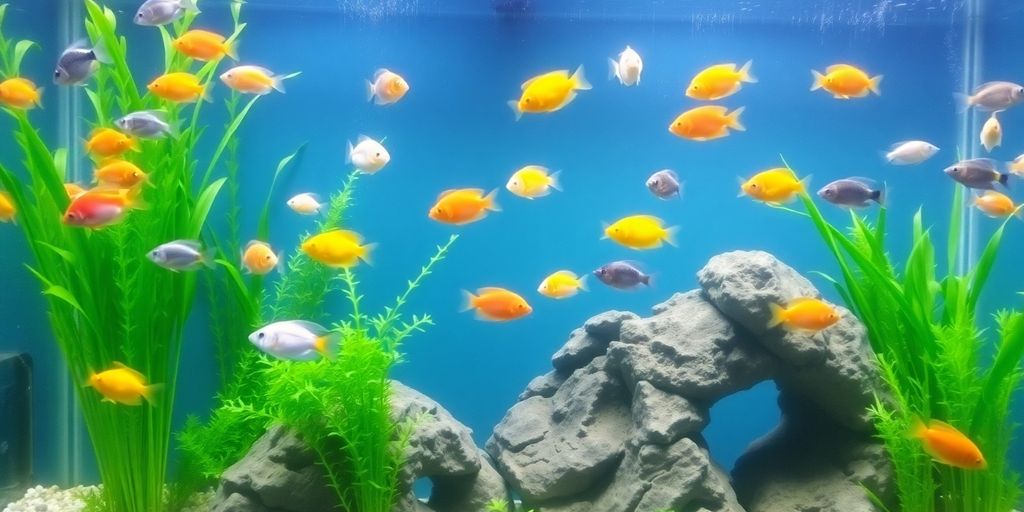
When selecting fish for your aquarium, compatibility is key. Some fish are peaceful, while others can be aggressive. Here are some tips:
- Research fish species to ensure they can live together.
- Avoid mixing aggressive fish with peaceful ones.
- Consider the size of the fish; larger fish may need more space and can be more territorial.
Considerations for Fish Size
Fish size matters when stocking your tank. Here’s what to keep in mind:
- Adult Size: Make sure to know how big your fish will grow.
- Tank Size: A larger tank can support more fish and provide a stable environment.
- Space for Swimming: Ensure there’s enough room for fish to swim freely without overcrowding.
Behavioral Traits to Watch
Understanding fish behavior is essential for a healthy tank. Look for:
- Active Fish: Healthy fish are usually active and curious.
- Signs of Stress: Fish that hide often or show unusual behavior may be stressed.
- Color Changes: Bright colors usually indicate healthy fish, while dull colors can be a sign of illness.
| Fish Type | Compatibility | Size (inches) | Care Level |
|---|---|---|---|
| Neon Tetra | High | 1.5 | Easy |
| Goldfish | Low | 6-12 | Moderate |
| Molly | High | 3-4 | Easy |
| Betta | Low | 3 | Moderate |
Choosing the right fish is not just about looks; it’s about creating a balanced ecosystem that thrives together. By following these tips, you can create a vibrant and healthy fish tank that both you and your fish will enjoy!
Setting Up Your Freshwater Fish Tank
Creating a beautiful and healthy freshwater fish tank requires careful planning. Here are some essential steps to get you started:
Selecting the Ideal Tank Size
- Size Matters: Choose a tank that fits your space and the number of fish you want. A larger tank (at least 20 gallons) is often easier to maintain.
- Shape: Rectangular tanks are popular because they provide more surface area for oxygen exchange.
- Material: Decide between glass and acrylic. Glass is heavier and more durable, while acrylic is lighter but can scratch easily.
Choosing the Right Substrate
- Gravel: A common choice that allows for good water flow.
- Sand: Better for certain fish species that prefer a softer bottom.
- Decorations: Use rocks, driftwood, and plants to create hiding spots and visual interest.
Incorporating Plants and Decorations
- Live Plants: They help oxygenate the water and provide shelter for fish. Good options include Java fern and Anubias.
- Artificial Plants: Easier to maintain but may not provide the same benefits as live plants.
- Hiding Spots: Ensure there are plenty of places for fish to hide, which can reduce stress.
Remember: The first step to creating a planted tank is to choose the right plants. Some plants need more light than others, so it is important to research which plants will thrive in your setup.
By following these steps, you can create a thriving environment for your fish that is both functional and visually appealing. Happy fishkeeping!
Maintaining Water Quality in Freshwater Fish Tanks
Keeping your fish tank clean is very important for the health of your fish. Regularly checking and maintaining water quality helps prevent diseases and keeps your aquatic friends happy.
Regular Water Testing
To ensure a healthy environment, you should regularly test your water. Here are some key parameters to monitor:
- pH Level: Ideal range is between 6.8 and 7.8.
- Ammonia Levels: Should be at 0 ppm.
- Nitrate Levels: Keep below 20 ppm for most fish.
| Parameter | Ideal Range |
|---|---|
| pH | 6.8 – 7.8 |
| Ammonia (NH3) | 0 ppm |
| Nitrate (NO3) | < 20 ppm |
Using Water Conditioners
Water conditioners can help improve water quality by removing harmful chemicals. For example, using a conditioner that neutralizes chlorine is essential when adding tap water to your tank. Additionally, consider using products that help maintain hardness levels, which can be crucial for certain fish species.
Regular water changes (10-20% every 1-2 weeks) are vital to keep your fish healthy and happy. This helps maintain the right balance of beneficial bacteria and removes toxins.
Managing the Nitrogen Cycle
Understanding the nitrogen cycle is key to maintaining water quality. Here’s how it works:
- Ammonia is produced from fish waste and uneaten food.
- Beneficial bacteria convert ammonia into nitrites, which are still harmful.
- Another type of bacteria then converts nitrites into nitrates, which are less toxic and can be removed through water changes or absorbed by plants.
By following these tips, you can ensure that your fish tank remains a safe and enjoyable environment for your aquatic pets!
Feeding Your Freshwater Fish
Feeding your fish the right way is crucial for their health and happiness. Understanding their dietary needs will help you choose the best food and feeding schedule.
Types of Fish Food
- Flakes: Great for surface feeders. For example, Omega One Freshwater Flakes are rich in nutrients and help enhance color.
- Pellets: Ideal for bottom feeders. Omega One Goldfish Pellets provide essential nutrition and reduce waste in the tank.
- Frozen or Live Food: Good for carnivorous fish. This includes options like brine shrimp or bloodworms.
Feeding Schedules
- Frequency: Most fish do well with feeding once or twice a day.
- Portion Size: Only give what they can eat in about 2 minutes to avoid overfeeding.
- Special Needs: Some fish may require different feeding times, especially nocturnal species.
Avoiding Overfeeding
- Overfeeding can lead to poor water quality and health issues for your fish. Monitor their eating habits and adjust accordingly.
Regularly check your fish’s behavior and adjust their diet as needed. Healthy fish are active and vibrant!
Monitoring Fish Health in Freshwater Tanks
Signs of Healthy Fish
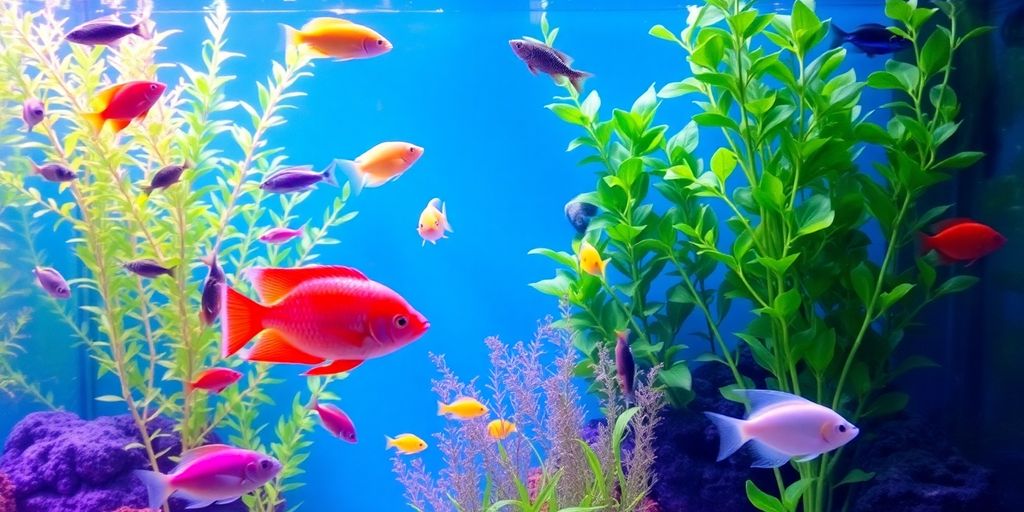
Keeping an eye on your fish is essential for their well-being. Healthy fish are usually active and curious. Here are some signs to look for:
- Bright colors
- Normal swimming patterns
- Good appetite
If you notice any changes, it might indicate a problem.
Common Fish Diseases
Fish can get sick just like any other pet. Some common diseases include:
- Ich (White Spot Disease)
- Fin Rot
- Dropsy
- Fungal Infections
Preventative Measures
To keep your fish healthy, consider these steps:
- Regular water changes: Aim for a 25% water change weekly to keep the water clean and fresh.
- Monitor water quality: Test for pH, ammonia, and nitrate levels regularly.
- Quarantine new fish: Always isolate new fish for at least two weeks before adding them to your main tank.
Keeping your fish in an optimal environment is crucial. Regular testing and maintenance can help prevent common issues, ensuring a thriving aquatic environment.
The Role of Filtration Systems in Freshwater Tanks
Maintaining a clean and healthy environment for your fish is crucial, and filtration systems play a vital role in achieving this. They help keep the water clear and safe for your aquatic pets.
Types of Filtration Systems
- Canister Filters: These are powerful and suitable for larger tanks. They can handle a significant amount of water and are great for maintaining water quality.
- Hang-On-Back Filters: Easy to install and maintain, these filters are popular among beginners. They hang on the back of the tank and are effective for smaller setups.
- Internal Filters: These are submerged in the tank and work well for smaller aquariums. They are compact and efficient.
Choosing the Right Filter
When selecting a filter, consider the following:
- Tank Size: Ensure the filter matches your tank’s volume.
- Fish Type: Different fish have varying needs, and some filters can help maintain specific water conditions.
- Maintenance: Look for filters that are easy to clean and maintain regularly.
Regular maintenance of your filtration system is essential. Clean the filter media every month to prevent clogging and ensure optimal performance.
Maintenance of Filtration Systems
To keep your filter working effectively:
- Clean the filter media regularly.
- Check for blockages in the pump.
- Replace filter cartridges as needed.
By investing in a good filtration system, you can create a healthier environment for your fish, preventing the growth of harmful bacteria and ensuring they thrive in their habitat. Remember, a well-maintained filter is key to a successful aquarium!
Balancing the Ecosystem in Your Freshwater Tank
Creating a balanced ecosystem in your fish tank is crucial for the health of your aquatic life. A well-maintained ecosystem can reduce the need for frequent cleaning and water changes. Here are some key points to consider:
Introducing Algae-Eaters
- Snails: Great for cleaning up leftover food and algae.
- Shrimp: They help keep the tank clean and are fun to watch.
- Fish: Some fish, like certain types of catfish, also help manage algae.
Maintaining Balance
- Regular Testing: Use water test kits to monitor pH, ammonia, nitrite, and nitrate levels. This helps ensure a healthy environment for your fish.
- Plant Life: Incorporate live plants, as they absorb harmful chemicals and provide oxygen. Fast-growing plants are especially beneficial.
- Feeding Practices: Avoid overfeeding, which can lead to waste buildup and poor water quality.
A balanced ecosystem not only supports fish health but also creates a more enjoyable viewing experience for you.
By following these tips, you can create a thriving fish tank that mimics a natural ecosystem, ensuring the well-being of your aquatic pets.
Seasonal Adjustments for Freshwater Fish Tanks
As the seasons change, so do the needs of your fish tank. Making the right adjustments is crucial for keeping your fish healthy and happy. Here are some essential tips:
Temperature Control
- Monitor the water temperature regularly, especially during summer and winter.
- Use heaters or chillers to maintain a stable environment.
- Most freshwater fish thrive in temperatures between 75°F and 80°F.
Adjusting Light Cycles
- Change the duration of light exposure based on the season. Longer days in summer can stress fish if not adjusted.
- Aim for about 10-12 hours of light per day.
- Use timers to automate the light schedule for consistency.
Seasonal Feeding Tips
- Fish may eat less in colder months, so adjust feeding schedules accordingly.
- In warmer months, consider adding more protein-rich foods to their diet.
- Always observe your fish’s behavior to determine their feeding needs.
Keeping a close eye on your fish tank’s environment is essential for their health. Regular adjustments can make a big difference in their well-being.
By following these tips, you can ensure that your fish tank remains a thriving ecosystem throughout the year. Remember, regular monitoring and adjustments are key to a successful aquarium!
Aquascaping Tips for Freshwater Fish Tanks
Creating a stunning aquascape can transform your fish tank into a beautiful underwater landscape. Here are some essential tips to help you get started:
Designing Your Layout
- Plan your design: Before placing items in the tank, sketch out your layout.
- Use a variety of heights: Place taller plants at the back and shorter ones in the front.
- Create open spaces: Leave areas for fish to swim freely, mimicking their natural habitat.
Using Hardscape Elements
- Choose natural materials: Look for rocks and driftwood that are safe for your fish.
- Position strategically: Arrange hardscape elements to create hiding spots and territories for your fish.
- Balance the layout: Ensure that hardscape doesn’t overpower the plants.
Incorporating Plants and Decorations
- Select compatible plants: Choose plants that thrive in your tank’s conditions, like Java Fern and Anubias.
- Mix colors and textures: Use a variety of plants to create visual interest.
- Regular maintenance: Trim dead leaves and clean algae to keep your plants healthy.
Remember, a well-planned aquascape not only looks good but also supports the health of your fish. Take your time to create a balanced environment that mimics nature!
Essential Equipment for Freshwater Fish Tanks
Setting up a freshwater fish tank requires key equipment to ensure a healthy environment for your fish. Here are the essential items you need:
1. Heaters and Thermometers
- Heaters: These are crucial for maintaining the right water temperature. Choose a heater that matches your tank size.
- Thermometers: Regularly check the water temperature to ensure it stays within the ideal range for your fish species.
2. Lighting Systems
- LED Lights: These are energy-efficient and can be adjusted for different light needs. They help replicate a natural day-night cycle.
- Specialized Lighting: Some plants and fish may require specific light spectrums, so research your species’ needs.
3. Air Pumps and Aeration
- Air Pumps: These help increase oxygen levels in the water, which is vital for fish health.
- Aeration Devices: Use these to create water movement, which can also help with oxygen exchange.
Regular maintenance of your equipment is essential for a thriving aquarium. By investing in quality tools, you can create a safe and beautiful home for your fish.
Summary Table of Essential Equipment
| Equipment Type | Purpose |
|---|---|
| Heaters | Maintain water temperature |
| Thermometers | Monitor water temperature |
| LED Lights | Provide necessary lighting |
| Air Pumps | Increase oxygen levels |
| Aeration Devices | Promote water movement and oxygen exchange |
By ensuring you have the right equipment, you can create a stable and healthy environment for your aquatic pets.
Creating Hiding Spots and Territories for Fish
Importance of Hiding Spots
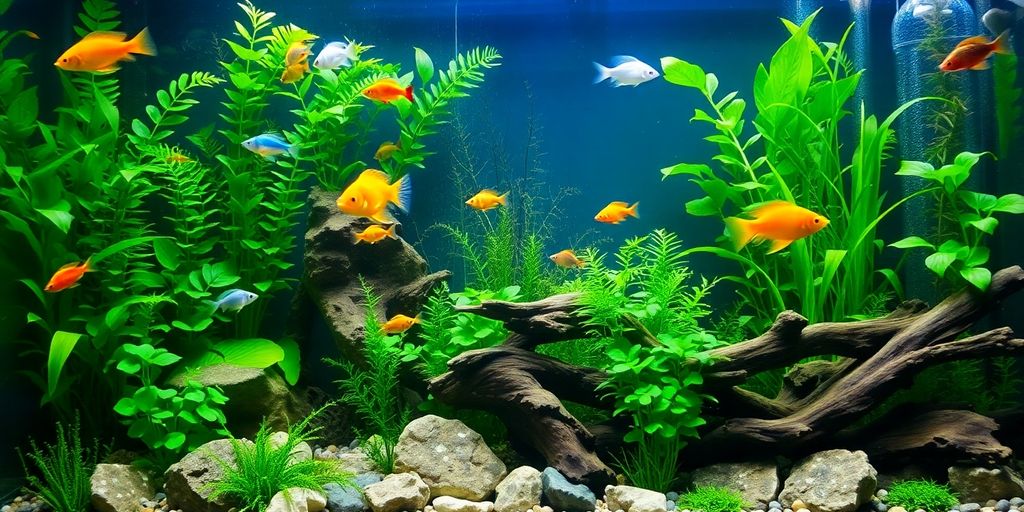
Fish need places to hide to feel safe and secure in their environment. Creating hiding spots helps reduce stress and encourages natural behaviors. You can use various materials to create these spots, such as:
- Rocks
- Driftwood
- Live plants
Using Plants and Decorations
Incorporating plants and decorations not only beautifies your tank but also provides essential hiding spots. Here are some ideas:
- Rocks: Stack them to form caves.
- Driftwood: Position it to create shaded areas.
- Live Plants: Use tall plants to provide cover and create a natural look.
Managing Territorial Fish
Some fish can be territorial, which means they may defend their space aggressively. To manage this:
- Ensure there are enough hiding spots for all fish.
- Introduce new fish gradually to reduce stress.
- Observe fish behavior to identify any signs of aggression.
Remember, a well-planned aquarium setup is the foundation for a healthy fish tank. Take your time to research and create an environment that suits your fish’s needs!
To create a thriving environment for your fish, it’s essential to set up hiding spots and territories. These areas not only provide safety for your fish but also help reduce stress and encourage natural behaviors. Consider using rocks, plants, or decorations to create these spaces. For more tips and products to enhance your aquarium, visit our website today!
Final Thoughts on Freshwater Tank Care
Creating a healthy environment for your fish is key to their happiness and well-being. By following the tips in this article, you can keep your aquarium clean and balanced. Regular water testing, proper feeding, and maintaining the right temperature are all important steps. Remember, a well-cared-for tank not only looks great but also helps your fish thrive. Enjoy the process of building your underwater world, and watch as your aquatic friends flourish in their perfect home!
Frequently Asked Questions
What types of fish can live together in a tank?
You can keep fish that are friendly and have similar needs. Research their behavior to make sure they get along.
How often should I change the water in my fish tank?
It’s good to change about 20-30% of the water every 1-2 weeks to keep it clean and healthy.
What should I do if my fish look sick?
Watch for signs like not eating or swimming strangely. If you notice these, check the water quality and consider consulting an expert.
How do I know if my water is safe for fish?
Use test strips to check the water for harmful substances like ammonia and nitrites. Keeping these levels low is important.
Can I use tap water in my fish tank?
Yes, but make sure to use a water conditioner to remove harmful chemicals like chlorine.
What kind of food should I give my fish?
Choose high-quality fish food that matches the type of fish you have. Variety is key for a balanced diet.
How can I keep my fish tank clean?
Regularly remove waste, do water changes, and clean the tank’s decorations and substrate to prevent algae.
Why is it important to have plants in my fish tank?
Plants help keep the water clean by absorbing excess nutrients and provide hiding spots for fish.