Creating the perfect fish tank can be a fun and rewarding experience. Whether you’re just starting out or have been keeping fish for years, this guide will help you understand the key steps to set up a beautiful and healthy aquarium. From choosing the right tank to selecting compatible fish and plants, we’ve got you covered on your journey to creating an aquatic paradise.
Key Takeaways
- Choose the right size and type of tank for your space and budget.
- Research fish species and plants to ensure they can live together happily.
- Set up your tank with the right equipment and decorations for a healthy environment.
- Regularly check water quality and perform water changes to keep your fish healthy.
- Enjoy the calming benefits of having an aquarium in your home.
Choosing the Right Fish Tanks
When it comes to setting up your aquarium, selecting the right tank is crucial. The tank you choose will affect not only the health of your fish but also the overall look of your space. Here are some key factors to consider:
Factors to Consider
- Available Space: Measure the area where you plan to place the tank. Ensure it fits well without overcrowding the room.
- Budget: Determine how much you can spend. Remember, the initial cost is just the beginning; ongoing maintenance and equipment also add up.
- Experience Level: Are you a beginner or a seasoned aquarist? Your experience will guide your choice of tank size and complexity.
Types of Fish Tanks
There are various types of fish tanks available:
- Freshwater Tanks: Easier to maintain and suitable for beginners.
- Saltwater Tanks: More complex but can house a wider variety of fish.
- Nano Tanks: Compact and perfect for small spaces, but require careful planning.
Pros and Cons of Different Materials
| Material | Pros | Cons |
|---|---|---|
| Glass | Durable, clear visibility | Heavy and can break easily |
| Acrylic | Lightweight, shatter-resistant | Scratches easily |
| Plastic | Affordable, lightweight | Less durable, can warp over time |
Choosing the right tank is the first step to creating your aquatic paradise. Whether you prefer the sleek look of rimless tanks or the practicality of all-in-one setups, understanding your needs will help you make the best choice. Remember to consider brands that offer quality products to ensure a healthy environment for your fish.
Selecting Compatible Fish and Plants
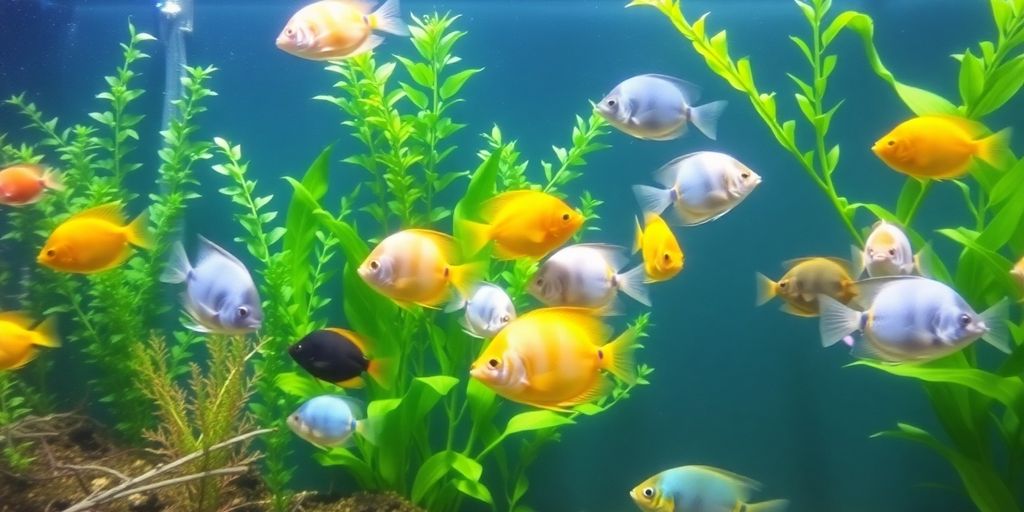
Choosing the right fish and plants for your aquarium is crucial for creating a thriving aquatic environment. Researching the specific needs of different species is essential to ensure they can coexist peacefully.
Researching Fish Species
- Size Matters: Larger fish need more space. Make sure your tank is big enough for their adult size.
- Social Behavior: Some fish are more aggressive than others. Look for peaceful species if you want a harmonious tank.
- Water Conditions: Different fish thrive in different water conditions. Check the pH and temperature requirements.
Choosing Aquatic Plants
- Lighting Needs: Consider the type of Aquarium Lights you have. Some plants need bright light, while others prefer low light.
- Growth Rate: Fast-growing plants can help absorb excess nutrients and keep algae at bay.
- Compatibility: Ensure the plants you choose can thrive in the same conditions as your fish.
Ensuring Compatibility
- Mixing Species: Avoid overcrowding by following the guideline of one inch of fish per gallon of water.
- Tank Mates: Research which fish species can live together without conflict.
- Plant and Fish Harmony: Some fish may eat certain plants, so choose species that are compatible.
Remember, a well-planned aquarium not only looks beautiful but also promotes a healthy ecosystem for your fish and plants. By taking the time to select compatible species, you can create a peaceful underwater paradise.
Setting Up Your Fish Tank
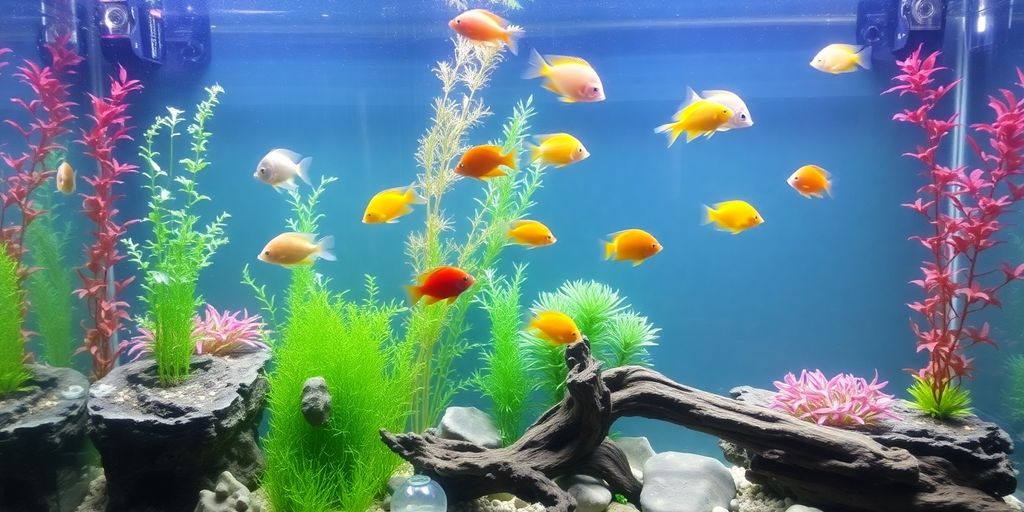
Setting up your fish tank is an exciting step in creating your aquatic paradise. Here’s how to do it right!
Preparing the Tank
- Clean the tank: Rinse it with warm water to remove any dust or residues. Avoid using soap or chemicals.
- Choose a location: Find a stable, level surface away from direct sunlight and heat sources.
- Install Aquarium Kits and Cabinets: These can help organize your equipment and enhance the look of your tank.
Installing Equipment
- Filter: Essential for maintaining water quality. Choose one that suits your tank size.
- Heater: Necessary for tropical fish. Set it to the appropriate temperature for your species.
- Lighting: Select lights that promote plant growth and enhance the tank’s beauty.
Adding Substrate and Decorations
- Substrate: Use gravel or sand as a base. Rinse it thoroughly before adding it to the tank.
- Decorations: Include rocks, plants, and hiding spots for fish. This helps create a natural environment.
Tip: Plan your layout before adding items to ensure a balanced look and enough swimming space for your fish.
By following these steps, you can create a beautiful and functional fish tank that will thrive for years to come. Remember, careful planning is key to a successful aquarium setup!
Maintaining Water Quality
Monitoring Water Parameters
Keeping an eye on your water quality is essential for a healthy fish tank. Regularly check the following parameters:
- pH levels: Aim for a stable pH that suits your fish species.
- Ammonia and nitrite levels: These should be at zero for a safe environment.
- Nitrate levels: Keep these low to prevent algae growth.
Regular Water Changes
Make water changes part of your weekly tasks. This helps remove toxins and keeps your fish happy. Here’s a simple schedule:
- Change 10-15% of the water weekly.
- Use a gravel vacuum to clean debris from the substrate as you remove water.
- Add dechlorinated water back into the tank.
Using Filtration Systems
A good filtration system is crucial for maintaining water quality. Here are some types:
- Mechanical filters: Remove debris and particles.
- Biological filters: Help break down harmful substances.
- Chemical filters: Remove toxins and impurities.
Keeping your fish tank clean and well-maintained is not just about aesthetics; it’s about creating a thriving environment for your aquatic friends. Regular maintenance ensures a balanced ecosystem, promoting the health and happiness of your fish.
By following these steps, you can ensure that your fish tank remains a beautiful and healthy habitat for your aquatic life.
Decorating Your Aquarium
Creating a beautiful aquarium is all about making it a safe and enjoyable space for your fish. Here are some key points to consider:
Natural vs. Synthetic Decorations
- Natural decorations like rocks and driftwood can provide hiding spots and create a more realistic environment.
- Synthetic decorations can be colorful and easy to clean, but ensure they are safe for your fish.
- Mixing both types can create a visually appealing and functional habitat.
Creating a Theme
- Choose a theme that reflects your style, such as a tropical paradise or a rocky riverbed.
- Use colors and shapes that complement each other to enhance the overall look.
- Consider the needs of your fish and plants when designing your theme.
Safety Considerations
- Ensure all decorations are free from sharp edges that could harm your fish.
- Avoid using materials that can leach harmful chemicals into the water.
- Regularly check decorations for wear and tear to maintain a safe environment.
Remember, a well-decorated aquarium not only looks great but also provides a healthy habitat for your aquatic life.
By thoughtfully selecting decorations, you can create a stunning underwater world that brings joy to both you and your fish.
Summary Table of Decoration Options
| Type of Decoration | Pros | Cons |
|---|---|---|
| Natural | Realistic, safe for fish | Can be heavy, may require maintenance |
| Synthetic | Colorful, easy to clean | May not be as realistic, check for safety |
In conclusion, decorating your aquarium is a fun and creative process. By considering the needs of your fish and the aesthetic you want to achieve, you can create a beautiful aquatic environment that everyone will enjoy!
Aquascaping Techniques
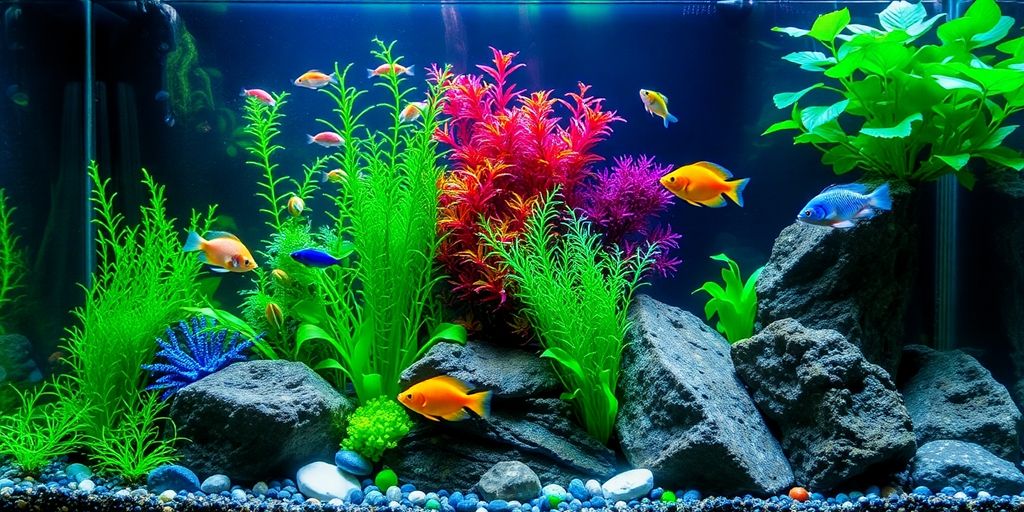
Aquascaping is the art of designing beautiful underwater landscapes in your fish tank. It involves arranging plants, rocks, and decorations to create a stunning environment for your fish. A well-planned aquascape can enhance the beauty of your aquarium.
Design Principles
- Balance: Ensure that your layout feels even and harmonious. This can be achieved by distributing elements evenly throughout the tank.
- Depth: Use different heights of plants and decorations to create a sense of depth. Include foreground, midground, and background aquatic plants to enhance the overall aquascape.
- Focal Points: Create a central point of interest, such as a unique rock or a cluster of colorful plants, to draw the viewer’s eye.
Planting Strategies
- Choose the Right Plants: Select plants that thrive in your tank’s conditions. Consider using Terrarium Starter Kits for easy plant selection.
- Layering: Place taller plants in the back and shorter ones in the front to create a natural look.
- Spacing: Leave enough space between plants to allow for growth and to prevent overcrowding.
Incorporating Hardscape Elements
- Rocks and Driftwood: Use natural materials like rocks and driftwood to add texture and interest to your aquascape. These can also provide hiding spots for fish.
- Aquarium Accessories: Consider adding decorative items that complement your theme, but ensure they are safe for aquatic life.
- Glass Terrariums: For a unique twist, you can use glass terrariums as part of your aquascaping to create a layered effect.
Remember, aquascaping is a creative process. Experiment with different layouts and materials to find what works best for you!
Understanding Fish Behavior
Recognizing Stress Signs
Fish can show signs of stress in various ways. Understanding these signs is crucial for their well-being. Here are some common indicators:
- Rapid gill movement
- Hiding or staying at the bottom
- Loss of appetite
Promoting Natural Behaviors
To keep your fish happy, it’s important to encourage their natural behaviors. This can include:
- Providing hiding spots with plants or decorations.
- Ensuring enough swimming space.
- Keeping compatible species together to reduce aggression.
Social Dynamics in Fish Tanks
Fish are social creatures, and their interactions can be fascinating. Here are some key points:
- Some species thrive in groups, while others prefer solitude.
- Peaceful interactions can lead to a harmonious tank environment.
- Observing fish can provide insights into their social structures and behaviors.
Understanding fish behavior not only enhances their quality of life but also enriches your experience as an aquarist. By recognizing stress signs and promoting natural behaviors, you create a thriving aquatic community.
Managing Aquarium Lighting
Types of Aquarium Lights
When it comes to aquarium lighting, there are several types to consider:
- LED Lights: Energy-efficient and long-lasting, these lights are popular among aquarists. Brands like Kessil offer high-quality options that enhance the colors of your fish and plants.
- Fluorescent Lights: These are commonly used and provide good light for both fish and plants. They come in various sizes and colors.
- Incandescent Lights: While not as common, they can be used for specific setups but are less energy-efficient.
Setting Up a Lighting Schedule
To keep your fish and plants healthy, it’s important to establish a consistent lighting schedule:
- Duration: Aim for 10-12 hours of light per day.
- Timing: Use a timer to ensure lights turn on and off at the same time each day.
- Adjustments: Be ready to adjust based on the needs of your specific plants and fish.
Impact on Fish and Plants
Proper lighting is crucial for the health of your aquarium:
- Photosynthesis: Plants need light to grow, and the right spectrum can enhance their growth.
- Fish Behavior: Fish are more active with a regular light cycle, mimicking their natural environment.
- Algae Control: Too much light can lead to algae growth, so balance is key.
Remember: Quality lighting not only beautifies your aquarium but also supports the well-being of its inhabitants. Brands like AQUAEL provide excellent options for various setups.
By understanding the types of lights available, setting a proper schedule, and recognizing their impact, you can create a thriving aquatic environment.
Feeding Your Fish
Choosing the Right Food
When it comes to feeding your fish, selecting the right food is crucial. Different fish species have unique dietary needs. Here are some common types of fish food:
- Flakes: Great for surface feeders.
- Pellets: Ideal for mid-water feeders.
- Frozen or live food: Excellent for carnivorous fish.
Feeding Schedules
Most fish will do well with two meals a day. The timing is not critical, with the exception of nocturnal feeders. If you have nocturnal fish in your tank, such as catfish, consider feeding them at night. Here’s a simple feeding schedule:
- Morning: Feed your fish their main meal.
- Evening: Offer a smaller portion or a different type of food.
- Night (if applicable): Feed nocturnal species.
Avoiding Overfeeding
Overfeeding can lead to poor water quality and health issues for your fish. Here are some tips to prevent overfeeding:
- Only feed what your fish can consume in 2-3 minutes.
- Remove any uneaten food after feeding.
- Monitor your fish’s behavior and adjust portions accordingly.
Remember, a healthy diet leads to happy fish! Regularly check your fish’s health and adjust their diet as needed.
Summary
Feeding your fish properly is essential for their health and happiness. By choosing the right food, establishing a feeding schedule, and avoiding overfeeding, you can ensure your aquatic friends thrive in their environment.
| Food Type | Best For | Notes |
|---|---|---|
| Flakes | Surface feeders | Easy to use |
| Pellets | Mid-water feeders | Nutrient-rich |
| Frozen/Live Food | Carnivorous fish | Provides natural diet |
Troubleshooting Common Issues
Identifying Health Problems
When your fish seem unwell, it’s important to act quickly. Here are some common signs of health issues:
- Lethargy: Fish that are not swimming around may be sick.
- Color Changes: If your fish lose their vibrant colors, it could indicate stress or illness.
- Abnormal Swimming: Fish that swim erratically or float upside down need immediate attention.
Dealing with Algae
Algae can be a nuisance in your aquarium. Here are some tips to manage it:
- Reduce Lighting Duration: Limit the time your lights are on to prevent algae growth.
- Avoid Overfeeding: Excess food can lead to algae blooms. Feed only what your fish can consume in a few minutes.
- Use Algae-Eating Fish: Consider adding fish like plecos or snails that help control algae naturally.
Preventing Equipment Failures
To keep your aquarium running smoothly, regular maintenance is key. Here’s what to do:
- Check Filters Regularly: Ensure your Fluval filter is clean and functioning properly.
- Monitor Water Levels: Keep an eye on water levels and top off as needed.
- Test Water Parameters: Regularly test for pH, ammonia, and nitrate levels to catch issues early.
Remember, a well-maintained tank leads to happy fish! Regular checks can prevent many common problems and ensure a thriving aquatic environment.
Enjoying the Benefits of Fish Tanks
Owning a fish tank can bring a lot of joy and benefits to your life. From reducing stress to providing educational opportunities, the advantages are numerous. Here are some key benefits:
Stress Reduction
- Watching fish swim can be calming and help lower anxiety levels.
- The gentle sound of water can create a peaceful atmosphere in your home.
- Studies show that aquariums can lower blood pressure and promote relaxation.
Educational Opportunities
- Fish tanks offer a chance to learn about aquatic ecosystems and the importance of biodiversity.
- You can observe fish behavior and plant growth, enhancing your understanding of nature.
- Kids can learn responsibility by helping with tank maintenance and feeding.
Aesthetic Appeal
- A well-decorated aquarium can be a stunning focal point in any room.
- Using products like Omega One fish food and Seachem water conditioners can enhance the health and beauty of your tank.
- Incorporating Polyplab products can help maintain a vibrant underwater environment.
Keeping an aquarium is not just about having fish; it’s about creating a slice of nature in your home. With the right equipment, like Aquarium Heaters, you can ensure a comfortable habitat for your aquatic friends.
Fish tanks can bring a lot of joy and relaxation to your home. They not only look beautiful but also help create a peaceful atmosphere. If you’re thinking about starting your own aquarium, visit our website for tips and the best products to get you started!
Final Thoughts on Your Aquarium Journey
In summary, creating your ideal aquarium is all about careful planning and a love for fish. By picking the right tank, choosing compatible fish and plants, and keeping a close eye on water quality, you can build a beautiful underwater world. Remember, it’s not just about having fish in water; it’s about creating a lively space that brings joy and peace to your home. So, take the plunge and start your aquarium adventure today! Your aquatic paradise awaits!
Frequently Asked Questions
What size aquarium should I choose for beginners?
For beginners, a 20-gallon tank is often recommended. It’s big enough to maintain stable water conditions and gives you room for fish and plants.
How do I know if my fish and plants are compatible?
Research the specific needs of each fish and plant species. Look for information on their water requirements, space needs, and temperament.
What type of filter is best for my aquarium?
A hang-on-back filter is a good choice for most tanks. It’s easy to install and maintain while providing effective filtration.
How often should I change the water in my aquarium?
Aim to change about 10-15% of the water weekly. This helps keep the water clean and healthy for your fish.
Can I use tap water in my aquarium?
Yes, but make sure to treat it with a water conditioner to remove harmful chemicals like chlorine.
What decorations are safe for my fish tank?
Natural decorations like rocks and driftwood are great options. Avoid anything sharp or painted with toxic materials.
How do I prevent algae growth in my tank?
Limit light exposure and avoid overfeeding your fish. Regular water changes also help control algae.
What should I feed my fish?
Choose high-quality fish food that suits the species you have. A varied diet, including flakes, pellets, and occasional treats, is best.