Setting up a saltwater aquarium can be both exciting and challenging. Whether you’re a beginner or an experienced aquarist, having the right equipment is essential for maintaining a healthy fish tank. This article will cover the must-have items to help you create a thriving aquatic environment, ensuring your fish and other marine life flourish.
Key Takeaways
- Choose the right tank material and size for your space.
- Invest in a good filtration system to keep water clean.
- Maintain the right temperature with a reliable heater.
- Use appropriate lighting to support fish and plant life.
- Regularly test water quality to ensure a healthy environment.
Choosing the Right Aquarium Tank and Stand
When starting a saltwater aquarium, selecting the right tank and stand is crucial. Here’s what you need to consider:
Glass vs. Acrylic Tanks
- Glass Tanks: Durable and scratch-resistant, but heavier.
- Acrylic Tanks: Lighter and more flexible in shape, but can scratch easily.
Selecting the Appropriate Tank Size
- Consider the space available in your home.
- A larger tank can provide a more stable environment for fish.
- Remember, a gallon of water weighs about 8.34 pounds, so a 50-gallon tank can weigh over 400 pounds when full.
Importance of a Sturdy Stand
- Ensure the stand is rated for the weight of your tank.
- A sturdy stand prevents accidents and keeps your aquarium safe.
- If unsure about your floor’s strength, consult a contractor for advice.
Tip: Always choose a stand that can support the full weight of your aquarium, including water and decorations. This will help avoid any potential disasters.
By understanding these key points, you can create a safe and enjoyable environment for your aquatic pets.
Essential Filtration Systems for Saltwater Tanks
Types of Filtration Systems
When setting up a saltwater tank, choosing the right filtration system is crucial. There are several types:
- Canister Filters: Great for larger tanks, they provide powerful filtration.
- Hang-On-Back Filters: Easy to install and maintain, suitable for smaller tanks.
- Sump Filters: Ideal for advanced setups, they offer excellent filtration and water volume.
Choosing the Right Filter Media
Selecting the right filter media is essential for maintaining water quality. Here are some options:
- Activated Carbon: Removes impurities and odors.
- Filter Pads: Capture debris and particles.
- Biological Media: Supports beneficial bacteria for biological filtration.
| Filter Type | Best For | Example Product |
|---|---|---|
| Canister Filter | Large tanks | Fluval FX6 |
| Hang-On-Back Filter | Small to medium tanks | Seachem Tidal 75 |
| Sump Filter | Advanced setups | Custom-built sump |
Maintaining Your Filtration System
Regular maintenance is key to keeping your filtration system running smoothly. Here are some tips:
- Clean or replace filter media regularly to ensure optimal performance.
- Check for clogs in the system to prevent water flow issues.
- Monitor water parameters to ensure the filter is effectively maintaining water quality.
Keeping your filtration system in top shape is vital for a healthy aquarium environment. Regular checks and maintenance can prevent many common issues that arise in saltwater tanks.
Heating and Temperature Control
Types of Aquarium Heaters
When setting up a saltwater aquarium, choosing the right heater is crucial. There are mainly three types of heaters:
- Submersible Heaters: These are placed directly in the water and are very effective.
- In-Line Heaters: These are connected to the filtration system and heat the water as it passes through.
- Hang-On Heaters: These are mounted outside the tank and are less common for saltwater setups.
Setting Up a Thermometer
A thermometer is essential for monitoring the water temperature. Here are some options:
- Stick-On Thermometers: Easy to read and attach to the tank.
- Floating Thermometers: These float on the surface and are also easy to read.
- Digital Thermometers: Provide precise readings and can be placed anywhere in the tank.
Maintaining Optimal Temperature
Maintaining the right temperature is vital for your fish’s health. Tropical saltwater fish generally prefer tank temperatures in the range of 76-82 degrees Fahrenheit. Here are some tips to keep the temperature stable:
- Regularly check the temperature with your thermometer.
- Adjust the heater settings as needed.
- Consider using a backup heater for larger tanks to ensure consistent heating.
Remember, sudden temperature changes can stress your fish, so make adjustments gradually.
In summary, using quality equipment like AQUAEL heaters and reliable thermometers will help you maintain a healthy environment for your aquatic life.
Lighting Options for Saltwater Aquariums
Types of Aquarium Lighting
When setting up a saltwater aquarium, choosing the right lighting is crucial. There are several types of aquarium lights available:
- LED Lights: These are the most popular choice for modern aquariums. They are energy-efficient, produce little heat, and offer customizable lighting options.
- Fluorescent Lights: These are less expensive but may not provide the same intensity as LEDs.
- Metal Halide Lights: These are powerful but generate a lot of heat and require more energy.
Benefits of LED Lighting
LED lights are favored by many reef tank enthusiasts due to their efficiency and advanced control features. They provide superb light quality and can be programmed for different times of the day, mimicking natural sunlight. Here are some benefits:
- Long lifespan
- Low energy consumption
- Adjustable spectrum for different coral types
Setting Up a Lighting Schedule
To maintain a healthy environment for your fish and corals, it’s important to set up a consistent lighting schedule. Here’s a simple guide:
- Morning: Start with a gradual increase in light intensity to simulate sunrise.
- Midday: Reach full brightness for about 6-8 hours.
- Evening: Gradually decrease the light to simulate sunset.
- Night: Turn off the lights completely or use a moonlight setting.
Remember, the right lighting can enhance the beauty of your aquarium and promote the health of your aquatic life.
In conclusion, investing in quality lighting, such as Kessil products, can make a significant difference in your saltwater aquarium’s success. Choose wisely to create a vibrant underwater world!
Water Quality and Testing
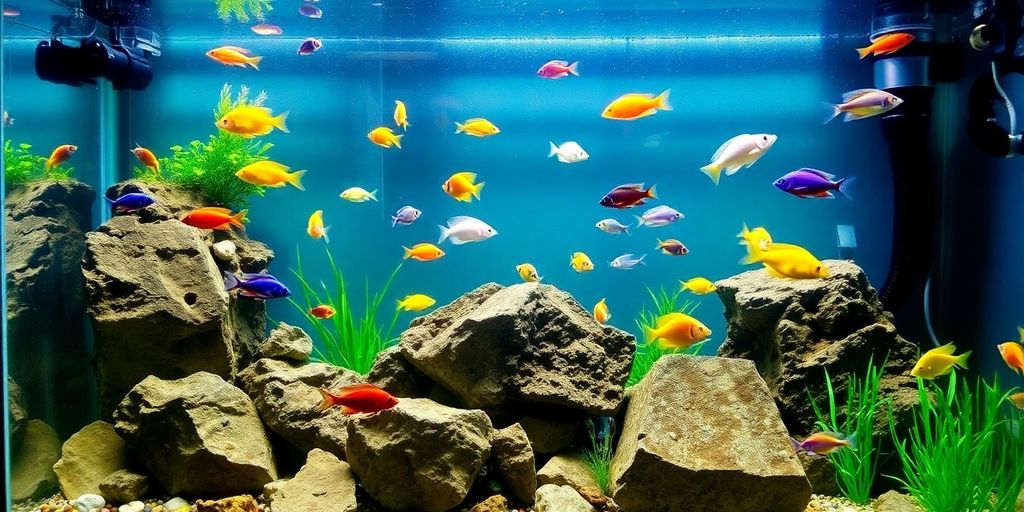
Maintaining good water quality is essential for the health of your saltwater fish. Regular testing helps prevent stress and illness in your fish. Here are some key points to consider:
Importance of Water Testing
- Testing your water regularly ensures that harmful compounds like ammonia, nitrite, and nitrate are kept in check.
- It helps you maintain a balanced environment for your aquatic life.
- Regular checks can prevent costly mistakes that could harm your fish.
Types of Water Test Kits
You can choose from various test kits available:
- Advatec Essential Test Strip Kit: Tests for 6 parameters, making it suitable for both freshwater and saltwater aquariums.
- API Marine Saltwater Master Test Kit: Monitors ammonia, nitrites, and nitrates, crucial for cycling your tank.
- Ammonia Test Strips: Essential for monitoring ammonia levels, especially in new tanks.
| Test Kit Type | Parameters Tested | Price |
|---|---|---|
| Advatec Kit | 6 | $22.99 |
| API Kit | Ammonia, Nitrite, Nitrate | $28.00 |
| Ammonia Strips | Ammonia | $15.99 |
Interpreting Test Results
- Understand what the numbers mean for your fish’s health.
- If levels are too high, take immediate action by performing water changes or adjusting your filtration.
- Regular testing is especially important during the first few weeks of setting up your aquarium.
Remember, keeping your water parameters stable is key to a thriving aquarium. Regular testing can save you from potential disasters!
Protein Skimmers and Their Importance
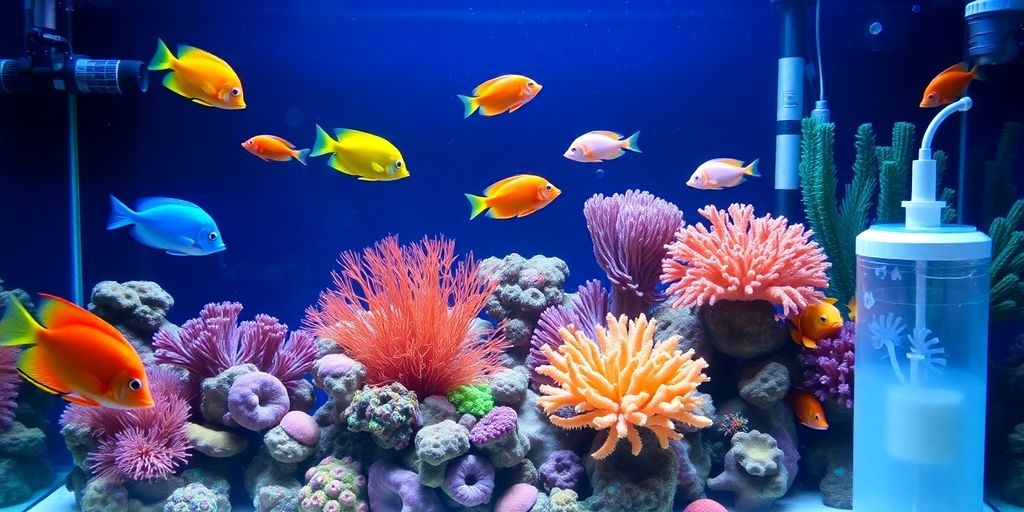
How Protein Skimmers Work
A protein skimmer is a special device that helps keep your aquarium clean. It works by removing tiny bits of waste and extra nutrients from the water. By taking out waste at a molecular level, it helps control nutrient levels and stops algae from growing too much. This is especially important in saltwater tanks where fish and corals need clean water to thrive.
Choosing the Right Protein Skimmer
When picking a protein skimmer, consider the size of your tank and how many fish you have. For smaller tanks with fewer fish, you might not need one. But for larger tanks or those with many fish, a skimmer is a good idea. Here are some tips:
- Size matters: Make sure the skimmer is suitable for your tank size.
- Type of skimmer: There are different types, like hang-on-back or in-sump skimmers.
- Budget: Prices can vary, so find one that fits your budget.
Maintaining Your Protein Skimmer
To keep your skimmer working well, regular maintenance is key. Here are some steps:
- Clean the collection cup: Empty it regularly to prevent buildup.
- Check the pump: Make sure it’s running smoothly.
- Adjust settings: Fine-tune the air and water flow for best results.
Remember, protein skimmers are not just for looks; they play a crucial role in keeping your aquarium healthy. They help maintain the delicate balance of your tank by removing dissolved organic waste before it turns into harmful substances. This is essential for the well-being of your fish and corals, especially if you feed them fish food regularly.
By using a protein skimmer, you can ensure a cleaner and healthier environment for your aquatic life.
Powerheads and Wave Makers
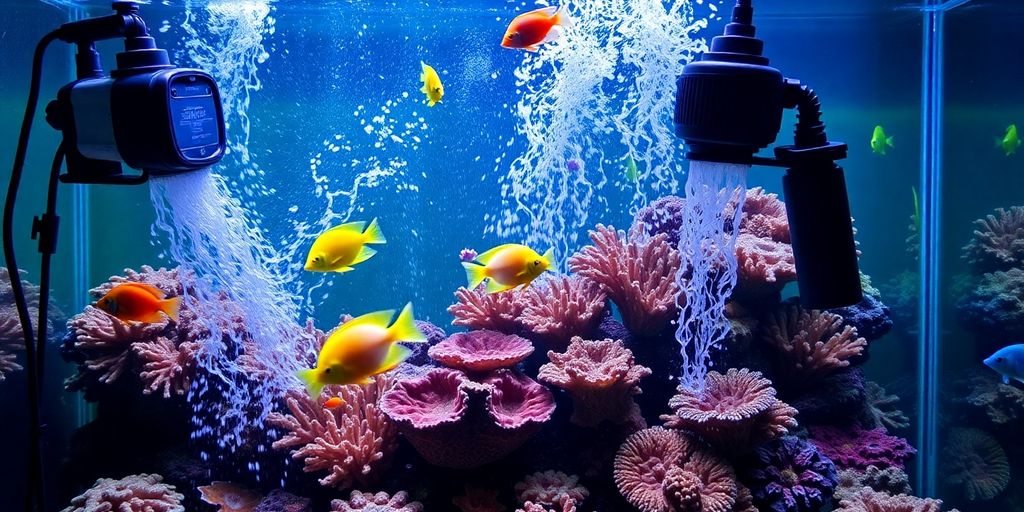
Benefits of Water Movement
Water movement is crucial in a saltwater aquarium. It helps to:
- Maintain water quality by preventing dead spots.
- Simulate natural environments for fish and corals.
- Enhance oxygen exchange, which is vital for aquatic life.
Choosing the Right Powerhead
When selecting a powerhead, consider:
- Flow rate: Ensure it matches your tank size.
- Energy efficiency: Look for models that save power.
- Adjustability: Choose a powerhead with adjustable flow settings.
Setting Up Wave Makers
Wave makers create a natural wave effect in your tank. Here’s how to set them up:
- Position them at opposite ends of the tank for balanced flow.
- Adjust the flow rate to avoid excessive turbulence.
- Monitor your fish behavior to ensure they are comfortable.
Proper water movement is essential for a healthy aquarium. It not only supports fish health but also enhances the overall beauty of your tank. Investing in quality powerheads and wave makers can make a significant difference.
Substrate and Decor
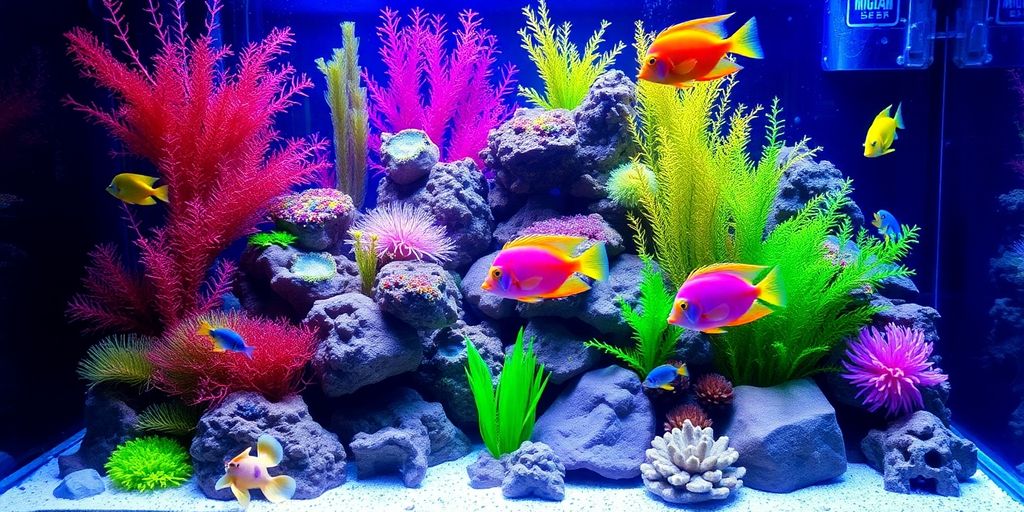
Choosing the Right Substrate
Substrate is the material that lines the bottom of your aquarium. It serves both aesthetic and functional purposes. Sand is the most popular choice for saltwater tanks because it looks natural and helps maintain water quality. Here are some common types of substrate:
- Live Sand: Contains beneficial bacteria that help with biological filtration.
- Crushed Coral: Can help stabilize pH levels in your tank.
- Fine Sand: Ideal for bottom-feeding fish and invertebrates.
| Substrate Type | Benefits |
|---|---|
| Live Sand | Adds beneficial bacteria |
| Crushed Coral | Stabilizes pH levels |
| Fine Sand | Great for burrowing fish |
Decorating Your Aquarium
Decorating your aquarium is known as aquascaping. This involves using natural elements like rocks, plants, and ornaments to create a beautiful environment for your fish. Adding decor can provide hiding spots for fish, which helps reduce stress. Here are some ideas for decoration:
- Live Rock: Provides shelter and helps with biological filtration.
- Aquatic Plants: Enhance the look and provide oxygen.
- Terrarium Accessories: Can be used to create unique landscapes.
Importance of Live Rock
Live rock is essential in a saltwater aquarium. It not only looks great but also plays a crucial role in maintaining water quality. It provides a habitat for beneficial bacteria and offers hiding spots for fish. Using live rock can help create a balanced ecosystem in your tank.
Remember, the right substrate and decor can significantly impact the health and happiness of your aquatic life. Choose wisely to create a thriving environment!
Salt Mix and Salinity Control
Maintaining the right salinity level in your saltwater aquarium is crucial for the health of your fish and corals. A proper salt mix is essential to create a balanced environment. Here’s what you need to know:
Choosing the Right Salt Mix
- Look for high-quality reef salt that contains essential minerals.
- Popular options include Instant Ocean and Fritz ProAquatics.
- Always check the label for the right mix for your specific tank needs.
Using a Hydrometer or Refractometer
To measure salinity accurately, you can use:
- Hydrometer: A simple tool that measures salinity based on water density.
- Refractometer: More accurate but also more expensive.
| Tool Type | Price Range | Accuracy Level |
|---|---|---|
| Hydrometer | $10 – $30 | Moderate |
| Refractometer | $30 – $100 | High |
Maintaining Salinity Levels
- Regularly test your water to ensure salinity stays within the ideal range (1.020 – 1.025).
- Perform water changes with pre-mixed saltwater or your own mix.
- Use reverse osmosis deionized (RODI) water to avoid contaminants.
Keeping salinity stable helps control excessive growth of algae, resulting in a much more visually appealing reef tank.
By following these guidelines, you can create a thriving environment for your aquatic life.
Beneficial Bacteria and Biological Filtration
Role of Beneficial Bacteria
Beneficial bacteria are essential for maintaining a healthy aquarium. They help break down toxic waste products like ammonia and nitrite into less harmful substances. This process is known as biological filtration. Without these bacteria, your fish could become sick or even die due to poor water quality.
Using Bacteria Additives
To quickly establish a colony of beneficial bacteria, you can use commercial bacteria additives. These products, like Fritz Aquatics Saltwater Nitrifying Bacteria, can jumpstart the cycling process in your tank. Here’s how to use them:
- Add the bacteria to your tank according to the product instructions.
- Monitor water parameters regularly to ensure the bacteria are thriving.
- Perform water changes as needed to maintain a healthy environment.
Maintaining Biological Filtration
To keep your beneficial bacteria healthy, follow these tips:
- Avoid overfeeding your fish, as excess food can lead to waste buildup.
- Regularly clean your filter media without using tap water, which can kill beneficial bacteria.
- Ensure your aquarium has a proper balance of fish and plants to support the bacteria.
Maintaining a stable environment is crucial for the health of your beneficial bacteria. This stability will help your aquarium thrive.
In summary, beneficial bacteria play a vital role in your aquarium’s ecosystem. By using bacteria additives and maintaining proper conditions, you can ensure a healthy environment for your fish. Don’t forget to consider Aquarium Kits and Cabinets for a complete setup!
Essential Maintenance Supplies
Maintaining a saltwater aquarium requires the right tools and supplies. Here are some essential items every aquarist should have:
Water Conditioners and Treatments
- Water conditioners help neutralize harmful chemicals like chlorine and chloramine in tap water.
- Keep basic fish medications on hand for treating infections.
- Regularly test your water quality to ensure a healthy environment for your fish.
Cleaning Tools and Accessories
- A siphon vacuum is crucial for performing water changes effectively.
- Use algae scrapers to keep your tank clean and clear.
- Aquarium nets are handy for catching fish or removing debris.
Routine Maintenance Tips
- Test your water regularly to monitor ammonia, nitrite, and nitrate levels.
- Change a portion of the water weekly to maintain quality.
- Keep a log of maintenance tasks to track what has been done.
Remember, having spare parts for your equipment can save you time and stress during maintenance.
By keeping these supplies on hand, you can ensure a thriving environment for your aquatic life.
Advanced Equipment for Expert Aquarists
As you dive deeper into the world of saltwater aquariums, investing in advanced equipment can significantly enhance your setup. Here are some essential tools that every expert aquarist should consider:
UV Sterilizers
UV sterilizers are crucial for maintaining water quality. They help eliminate harmful microorganisms, ensuring a healthier environment for your fish and corals. These devices use ultraviolet light to kill bacteria, viruses, and algae in the water.
Automatic Top-Off Systems
An automatic top-off (ATO) system is a game-changer for maintaining water levels. It automatically adds fresh water to your tank as it evaporates, helping to keep salinity levels stable. This is especially important in saltwater tanks where fluctuations can stress fish and corals.
Advanced Monitoring Systems
Advanced monitoring systems, like the Hydros, offer versatile features such as liquid dosing, temperature monitoring, and pH tracking. These systems are ideal for both saltwater and freshwater setups, providing real-time data to help you maintain optimal conditions.
| Equipment Type | Benefits |
|---|---|
| UV Sterilizers | Kills harmful microorganisms |
| Automatic Top-Off | Maintains stable water levels |
| Advanced Monitoring | Real-time data for optimal conditions |
Essential Aquarium Accessories
In addition to the advanced equipment, don’t forget about essential aquarium accessories. These can include:
- Protein Skimmers: Remove organic waste from the water.
- Powerheads and Wave Makers: Enhance water movement and oxygenation.
- Quality Test Kits: Regularly check water parameters to ensure a healthy environment.
Investing in advanced equipment not only improves the health of your aquarium but also enhances your overall experience as an aquarist.
By incorporating these advanced tools into your setup, you can create a thriving aquatic environment that supports the health and beauty of your saltwater fish and corals.
For serious aquarists, having the right tools can make all the difference. Explore our top-notch equipment designed for expert fish keepers. Whether you need advanced filters, heaters, or lighting, we have everything to help you create the perfect aquatic environment. Visit our website today to discover more and elevate your aquarium experience!
Final Thoughts on Saltwater Fish Tank Essentials
Setting up a saltwater fish tank can be a fun adventure for both beginners and seasoned fish keepers. The right equipment is key to creating a healthy home for your fish. From test kits that check water quality to filters that keep the water clean, each piece plays an important role. Remember to regularly monitor your tank’s conditions and make adjustments as needed. With the right tools and a bit of patience, you can enjoy a beautiful and thriving saltwater aquarium.
Frequently Asked Questions
What equipment do I need to start a saltwater aquarium?
To begin a saltwater aquarium, you will need a tank, a sturdy stand, filtration system, heater, thermometer, lighting, protein skimmer, substrate, and salt mix.
Is it difficult to maintain a saltwater tank?
Maintaining a saltwater tank can be tricky at first, but with regular care and monitoring, it becomes easier over time.
How often should I test the water in my aquarium?
For new tanks, test the water every other day for the first six weeks. After that, weekly tests are usually sufficient.
What is the best size tank for beginners?
A 40-gallon tank is a great starting point for beginners. It provides enough space for fish and helps stabilize water conditions.
Do I need a protein skimmer for my tank?
While not essential for lightly stocked tanks, a protein skimmer can help maintain water quality in more crowded setups.
How do I control the salinity in my aquarium?
You can measure salinity using a hydrometer or refractometer. Regularly check and adjust the salt levels as needed.
What kind of lighting is best for saltwater aquariums?
LED lights are popular for saltwater tanks because they are energy-efficient and can provide the right spectrum for coral growth.
Can I keep freshwater fish in a saltwater tank?
No, freshwater fish cannot survive in saltwater. You need to choose fish that are specifically suited for saltwater environments.