Creating a fish tank website can be an exciting project. Whether you’re a beginner or an expert, this guide will help you build a fantastic online space for fish enthusiasts. From choosing the right tank to integrating e-commerce features, we cover everything you need to know to make your website a success.
Key Takeaways
- Select a tank size that fits your needs and space.
- Use quality materials for durability and safety.
- Design a user-friendly layout to keep visitors engaged.
- Create interesting content with images and videos.
- Implement SEO strategies to increase visibility.
Choosing the Right Fish Tank for Your Website
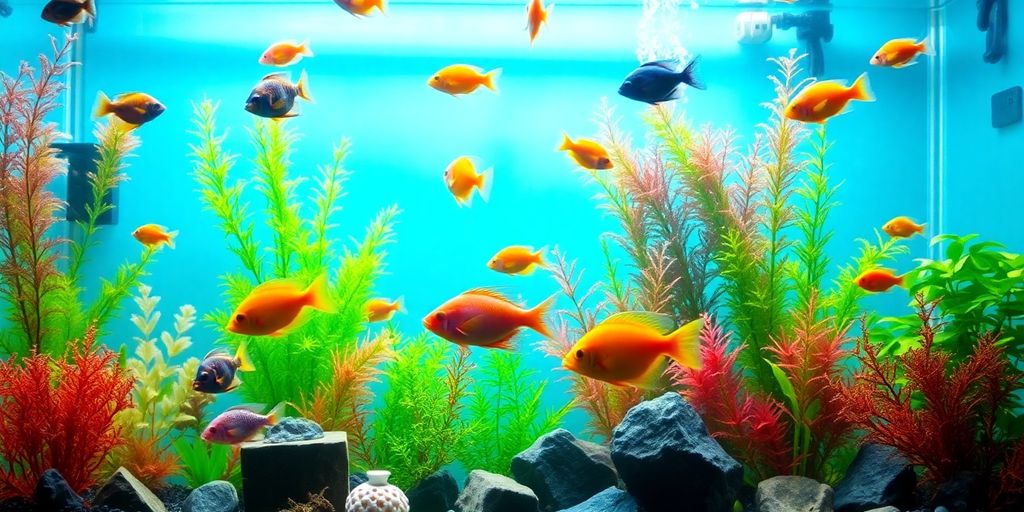
When creating a fish tank website, the first step is to choose the right tank. This decision will impact everything from the types of fish you can keep to the overall aesthetic of your site.
Understanding Different Tank Sizes
Selecting the right size is crucial. Here are some key points to consider:
- Bigger is better: Larger tanks provide more stable water conditions, which is essential for fish health.
- Space for growth: Ensure the tank is spacious enough for the fish to thrive.
- Volume matters: A tank size of 30 to 200 gallons is often recommended for a self-sustaining environment.
Selecting the Best Material
The material of your tank can affect durability and appearance. Common options include:
- Glass: Offers clarity and is easy to clean.
- Acrylic: Lighter and more impact-resistant but can scratch easily.
- Fiberglass: Durable and often used for larger installations.
Pros and Cons of Various Shapes
Different shapes can influence the look and functionality of your tank. Here’s a quick comparison:
| Shape | Pros | Cons |
|---|---|---|
| Rectangular | Maximizes surface area | Can be bulky |
| Round | Aesthetically pleasing | Limited space for fish |
| Cube | Compact and modern | Less water volume |
Incorporating aquarium lights is also essential for both plant growth and fish visibility.
Choosing the right tank is the foundation of a successful fish tank website. It sets the stage for everything else, from equipment to fish selection.
Essential Equipment for a Fish Tank Website
Creating a successful fish tank website requires understanding the essential equipment that will help you maintain a thriving aquatic environment. Choosing the right gear is crucial for both the health of your fish and the overall aesthetic of your tank.
Filters and Pumps
- Filters are vital for keeping the water clean and providing oxygen. They help remove waste and toxins, ensuring a healthy habitat for your fish.
- Pumps circulate water, which is essential for maintaining temperature and distributing nutrients.
- Consider the size of your tank when selecting filters and pumps to ensure they are effective.
Lighting Options
- Proper lighting is necessary for both fish and plants. Fluorescent lights are popular as they provide the right spectrum for growth.
- Ensure your lighting setup mimics natural conditions, as this will help your aquatic life thrive.
- A good rule of thumb is to provide about 6-8 hours of light daily.
Heating Systems
- If you are keeping tropical fish, a heating system is essential to maintain the right water temperature.
- Choose a heater that is appropriate for your tank size to avoid overheating or underheating.
- Regularly check the temperature to ensure it stays within the ideal range for your fish species.
Remember: The right equipment not only enhances the beauty of your tank but also ensures a healthy environment for your aquatic friends.
| Equipment Type | Purpose | Key Features |
|---|---|---|
| Filters | Clean water | Size, type (canister, hang-on) |
| Pumps | Circulate water | Flow rate, energy efficiency |
| Lighting | Provide light | Type (LED, fluorescent), intensity |
| Heaters | Maintain temperature | Wattage, adjustable settings |
Designing Your Fish Tank Website Layout
Creating a visually appealing and functional website layout is crucial for attracting visitors. A well-designed layout can enhance user experience and keep visitors engaged. Here are some key aspects to consider:
User-Friendly Navigation
- Ensure that your website is easy to navigate.
- Use clear labels for menu items.
- Include a search bar for quick access to content.
Responsive Design Tips
- Make sure your website looks good on all devices, including phones and tablets.
- Test your layout on different screen sizes.
- Use flexible images and grids to adapt to various resolutions.
Incorporating Visual Elements
- Use high-quality images of fish tanks and aquatic life to draw attention.
- Consider adding videos that showcase tank setups or maintenance tips.
- Create infographics to present information in a visually appealing way.
| Element | Importance | Example |
|---|---|---|
| Navigation | High | Clear menu structure |
| Responsiveness | Essential | Mobile-friendly design |
| Visuals | Engaging | High-quality images |
A great layout not only attracts visitors but also encourages them to explore your content further. Remember, brands that invest in design often see better engagement and retention rates.
Creating Engaging Content for Your Fish Tank Website
Creating engaging content is essential for attracting and retaining visitors to your fish tank website. Here are some key areas to focus on:
Writing Informative Articles
- Provide valuable information about fish care, tank setup, and maintenance.
- Discuss popular products like Omega One fish food and Screen Terrariums for aquatic plants.
- Share tips and tricks that can help beginners and experienced aquarists alike.
Using High-Quality Images
- Use clear, vibrant images of fish and tanks to draw in visitors.
- Consider creating a gallery showcasing different tank setups.
- Ensure images are optimized for fast loading times to enhance user experience.
Incorporating Videos and Tutorials
- Create video tutorials on setting up tanks or caring for specific fish species.
- Host live Q&A sessions to engage with your audience directly.
- Use videos to demonstrate product reviews or comparisons, helping users make informed decisions.
Engaging content not only attracts visitors but also encourages them to return for more insights and tips.
By focusing on these areas, you can create a rich and engaging experience for your audience, making your fish tank website a go-to resource for fish enthusiasts. Remember, the more engaging your content, the more likely visitors will return!
SEO Strategies for a Fish Tank Website
Keyword Research and Usage
To attract visitors to your fish tank website, keyword research is essential. Focus on finding keywords that not only bring traffic but also generate revenue. Here are some steps to follow:
- Use tools like Google Keyword Planner to find relevant keywords.
- Analyze competitors to see which keywords they rank for.
- Choose specific keywords that match your niche, avoiding broad topics.
On-Page SEO Techniques
On-page SEO helps improve your website’s visibility. Here are some effective techniques:
- Optimize title tags and meta descriptions with your target keywords.
- Use header tags (H1, H2, H3) to structure your content.
- Ensure your images have alt text that describes them accurately.
Building Backlinks
Building backlinks is crucial for boosting your site’s authority. Focus on site-wide relevance for better rankings. Here are some strategies:
- Reach out to fish tank bloggers for guest posting opportunities.
- Participate in online forums and include links to your site.
- Collaborate with influencers in the aquarium community to share your content.
Remember, a well-optimized website not only attracts visitors but also keeps them engaged. Regularly update your content to maintain relevance and authority in the fish tank niche.
Integrating E-Commerce Features
Setting Up an Online Store
Creating an online store for your fish tank website is essential for selling products like Terrarium Starter Kits. Here are some steps to get started:
- Choose an E-Commerce Platform: Select a platform that suits your needs, such as Shopify or WooCommerce.
- Design Your Store: Make sure your store is visually appealing and easy to navigate.
- Add Products: List your products with clear descriptions and high-quality images.
Managing Product Listings
Once your store is set up, managing your product listings is crucial. Here are some tips:
- Regular Updates: Keep your inventory updated to avoid selling out-of-stock items.
- SEO Optimization: Use relevant keywords in your product descriptions to improve search visibility.
- Customer Reviews: Encourage customers to leave reviews to build trust and credibility.
Secure Payment Gateways
To ensure safe transactions, integrating secure payment gateways is a must. Consider these options:
- PayPal: Widely used and trusted by customers.
- Stripe: Offers a seamless checkout experience.
- Square: Great for both online and in-person sales.
Integrating e-commerce features can significantly enhance your fish tank website, making it easier for customers to find and purchase products they need for their aquatic adventures.
By following these steps, you can create a successful online store that meets the needs of fish tank enthusiasts.
Building a Community Around Your Fish Tank Website
Creating a vibrant community is essential for your fish tank website. Engaging with fellow fish enthusiasts can enhance the experience for everyone involved. Here are some effective ways to build that community:
Creating Forums and Discussion Boards
- Set up a dedicated space for users to share their experiences and ask questions.
- Encourage members to post their aquarium setups and share tips.
- Regularly moderate discussions to keep the environment friendly and informative.
Encouraging User-Generated Content
- Invite users to submit articles or videos about their fish tank journeys.
- Host contests for the best aquarium photos or setups, offering small prizes.
- Feature user stories on your homepage to inspire others.
Hosting Online Events and Contests
- Organize webinars with experts to discuss fish care and tank maintenance.
- Plan seasonal contests, like a "Best Tank of the Month" competition.
- Create live Q&A sessions where users can interact with professionals.
Building a community is not just about numbers; it’s about creating a space where everyone feels welcome and valued.
By implementing these strategies, you can foster a supportive environment that encourages learning and sharing among fish tank enthusiasts. This will not only enhance user engagement but also establish your website as a go-to resource in the fishkeeping community.
Maintaining Your Fish Tank Website
Keeping your fish tank website in top shape is essential for providing a great experience for your visitors. Regular maintenance ensures that your site runs smoothly and stays relevant. Here are some key areas to focus on:
Regular Updates and Backups
- Content Updates: Regularly add new articles or blog posts about fish care, like using Kessil lighting for optimal growth.
- Software Updates: Keep your website platform and plugins updated to avoid security issues.
- Backups: Schedule backups at least once a month to prevent data loss.
Monitoring Website Performance
- Speed Tests: Use tools to check your website’s loading speed. A slow site can drive visitors away.
- Analytics: Regularly review your site’s analytics to understand visitor behavior and adjust your content accordingly.
- Mobile Responsiveness: Ensure your site looks good on mobile devices, as many users browse on their phones.
Ensuring Website Security
- SSL Certificate: Make sure your website has an SSL certificate to protect user data.
- Security Plugins: Use security plugins to monitor for threats and vulnerabilities.
- User Permissions: Regularly review user permissions to ensure only authorized individuals have access to sensitive areas.
Maintaining your fish tank website is like caring for a real aquarium; it requires attention and regular care to thrive.
By focusing on these areas, you can create a vibrant online space that attracts and retains visitors, just like a well-maintained fish tank keeps its inhabitants happy and healthy!
Monetizing Your Fish Tank Website
Affiliate Marketing
One of the best ways to earn money from your fish tank website is through affiliate marketing. You can promote products like Aquarium Accessories and earn a commission for every sale made through your links. Here are some steps to get started:
- Choose a niche: Focus on specific products like aquarium kits or fish food.
- Join affiliate programs: Sign up for programs that offer products related to fish tanks.
- Create content: Write reviews or guides that include your affiliate links.
Sponsored Content
Another option is to collaborate with brands for sponsored content. This can include:
- Product reviews: Share your thoughts on new aquarium products.
- How-to guides: Create articles that feature specific brands.
- Social media posts: Promote products on your social media channels.
Offering Premium Memberships
You can also create a membership section on your website. This could include:
- Exclusive content: Provide in-depth articles or videos on fish care.
- Discounts on products: Offer members special deals on Aquarium Kits and Cabinets.
- Community access: Create a forum where members can share tips and experiences.
Remember, building a successful monetization strategy takes time and effort. Focus on providing value to your audience, and the profits will follow!
Showcasing Successful Fish Tank Projects
Case Studies and Testimonials
When it comes to creating a stunning fish tank, real-life examples can be incredibly inspiring. Here are some successful projects that showcase innovative designs and effective maintenance:
- Living Art Aquatics: They designed a beautiful reef tank for a dental office, captivating patients with its vibrant marine life.
- ICM: Their innovative aquarium designs transform hospitality spaces, making them perfect for hotels and restaurants.
- Advatec Aquatics: Their guide emphasizes careful planning and quality equipment for large fish aquariums, ensuring a healthy ecosystem.
Photo Galleries
Visuals play a crucial role in showcasing successful fish tank projects. Here are some key elements to consider:
- Diverse Aquascapes: Highlight different styles, from natural biotopes to modern designs.
- Fish Compatibility: Show how various species coexist harmoniously in well-planned tanks.
- Plant Varieties: Include images of lush aquatic plants that enhance the tank’s beauty.
Video Tours
Video content can bring fish tank projects to life. Consider these ideas:
- Time-lapse Videos: Capture the growth of plants and fish over time.
- Maintenance Tutorials: Share tips on keeping tanks clean and healthy, featuring products like Seachem for water quality.
- Behind-the-Scenes: Show the setup process, including challenges faced and solutions found.
Showcasing successful projects not only inspires others but also builds a community of fish tank enthusiasts.
Utilizing Social Media to Promote Your Fish Tank Website
Creating Shareable Content
Creating content that people want to share is key to growing your audience. Here are some ideas:
- Engaging posts about fish care tips, like the importance of aquarium heaters.
- Fun facts about different fish species.
- Beautiful photos of unique fish tanks.
Engaging with Followers
Interaction is crucial. Respond to comments and messages promptly. Consider:
- Hosting Q&A sessions about fish tank maintenance.
- Running polls to understand what your audience wants to see.
- Sharing user-generated content to build community.
Running Social Media Campaigns
Campaigns can boost your visibility. Here are some effective strategies:
- Contests where followers share their fish tank setups.
- Collaborations with influencers in the aquarium niche.
- Seasonal promotions on products like aquarium heaters.
Social media is a powerful tool for connecting with fellow fish enthusiasts and sharing your passion for aquariums. Engagement is key!
Want to make your fish tank website shine? Use social media to share stunning photos, helpful tips, and exciting updates! Connect with fellow fish lovers and drive traffic to your site. Don’t miss out—visit us today for all your aquatic needs!
Final Thoughts on Your Dream Fish Tank Website
Creating your dream fish tank website can be a fun and rewarding project. By following the steps outlined in this guide, you can build a site that not only showcases your aquarium but also connects you with other fish enthusiasts. Remember to choose the right products, share your experiences, and keep learning about aquarium care. With the right tools and community support, your website can inspire others and help you enjoy your fish-keeping journey even more. So, dive in and start building your perfect fish tank website today!
Frequently Asked Questions
What size fish tank should I choose for my website?
It’s best to start with a medium to large tank, around 30 to 200 gallons, so you can keep different types of fish and plants.
What materials are good for building a fish tank?
Common materials include glass and acrylic. Glass is sturdy, while acrylic is lighter and less likely to break.
What equipment do I need for my fish tank?
You’ll need filters, pumps, lights, and heaters to keep your fish healthy and the water clean.
How can I design my fish tank website layout?
Focus on easy navigation, a responsive design that works on all devices, and use lots of images to make it appealing.
What content should I create for my fish tank website?
Write helpful articles, use high-quality photos, and consider adding videos or tutorials to engage visitors.
How can I improve my fish tank website’s SEO?
Do keyword research, use SEO techniques on your pages, and try to get other websites to link back to yours.
Can I sell products on my fish tank website?
Yes! You can set up an online store, manage product listings, and use secure payment options to sell items.
How can I build a community around my fish tank website?
Create forums for discussions, encourage visitors to share their experiences, and host online events or contests.