Setting up a sea water aquarium can be an exciting adventure for beginners. This guide will help you understand the essential steps and tips to create a beautiful and healthy underwater environment. From choosing the right tank to selecting the perfect fish, we’ll cover everything you need to know to get started on your aquarium journey.
Key Takeaways
- Select a tank size that fits your space and budget.
- Use a reliable filtration system to keep the water clean.
- Test water regularly to maintain good quality for fish.
- Choose fish and invertebrates that are compatible with each other.
- Regular maintenance is key to a thriving aquarium.
Choosing the Right Sea Water Aquarium
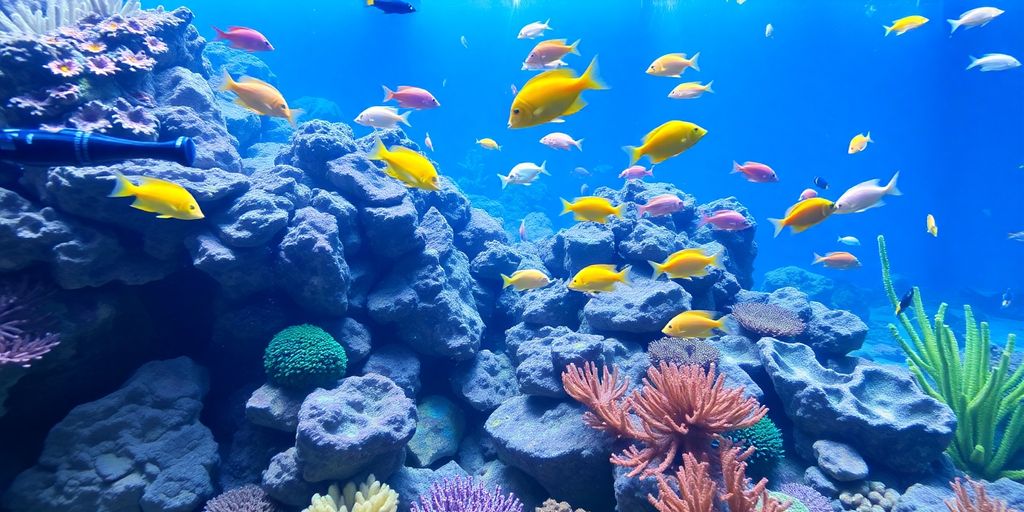
When starting your journey into the world of sea water aquariums, selecting the right tank is crucial. Here are some key factors to consider:
Types of Sea Water Aquariums
- Fish-Only Tanks: These are simpler and often less expensive. They focus on keeping fish without complex coral setups.
- Reef Tanks: These are more advanced and include live corals and invertebrates, creating a vibrant ecosystem.
- Nano Tanks: Smaller tanks that are great for beginners but require careful management due to limited space.
Size Considerations
- Small Tanks (10-30 gallons): Easier to manage but can be more challenging to maintain stable water conditions.
- Medium Tanks (30-75 gallons): A good balance for beginners, offering more stability and options for fish.
- Large Tanks (75+ gallons): Require more investment and space but allow for a wider variety of fish and corals.
Material Options
| Material Type | Pros | Cons |
|---|---|---|
| Glass | Scratch-resistant, clear view | Heavier, can break easily |
| Acrylic | Lighter, more impact-resistant | Scratches easily, can warp |
| Plastic | Lightweight, affordable | Less durable, can discolor over time |
Tip: Always consider your long-term goals and space availability before making a purchase. Starting with the right tank can set you up for success in this rewarding hobby!
Essential Equipment for Your Sea Water Aquarium
Setting up a sea water aquarium requires some essential equipment to ensure a healthy environment for your aquatic life. Here are the key components you will need:
Filtration Systems
- Protein Skimmer: This device removes organic waste before it breaks down, keeping your water clean.
- Canister Filter: Provides mechanical, chemical, and biological filtration, ensuring clear and healthy water.
- UV Sterilizer: Helps eliminate harmful microorganisms, keeping your tank safe.
Lighting Options
- LED Lights: Energy-efficient and customizable, perfect for coral growth.
- T5 Fluorescent Lights: Great for a variety of marine life, providing a full spectrum of light.
- Metal Halide Lights: Ideal for deeper tanks, offering intense light for coral reefs.
Heating Solutions
- Submersible Heaters: Maintain a stable temperature, crucial for tropical fish.
- Inline Heaters: Efficient and space-saving, these are installed in the filtration system.
- Temperature Controllers: Automatically regulate the heater, ensuring consistent warmth.
Remember: Investing in quality equipment is vital for the success of your aquarium. It not only helps maintain water quality but also supports the health of your fish and corals.
| Equipment Type | Recommended Brands | Price Range |
|---|---|---|
| Protein Skimmer | Reef Octopus, AquaMaxx | $100 – $300 |
| LED Lights | Kessil, Fluval | $50 – $500 |
| Submersible Heaters | Eheim, Aqueon | $20 – $100 |
Setting Up Your Sea Water Aquarium
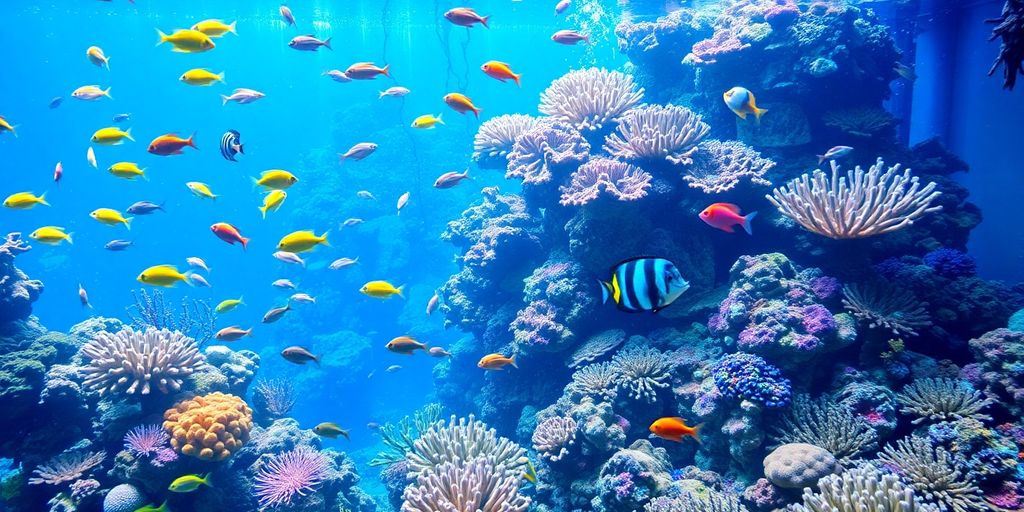
Setting up your sea water aquarium is an exciting journey! Here are the key steps to get you started:
Preparing the Tank
- Choose a suitable location for your aquarium, away from direct sunlight and heat sources.
- Clean the tank thoroughly with water (no soap) to remove any dust or residues.
- Place the tank on a sturdy stand that can support its weight.
Adding Substrate and Decorations
- Use live sand or crushed coral as substrate to help with filtration.
- Add decorations like rocks and plants to create a natural habitat for your fish.
- Ensure that all decorations are aquarium-safe to avoid harming your aquatic life.
Filling with Water and Adding Salt
- Fill the tank with fresh water, leaving some space at the top.
- Mix in the appropriate amount of sea salt to create a saline environment. Refer to the salt package for specific instructions.
- Use a water conditioner to remove any harmful chemicals from tap water.
Tip: Cycling your tank is crucial. Make sure to properly cycle your tank before adding any fish. This helps establish beneficial bacteria that will keep your aquarium healthy.
By following these steps, you’ll be well on your way to creating a beautiful sea water aquarium!
Cycling Your Sea Water Aquarium
Cycling your sea water aquarium is a crucial step in creating a healthy environment for your fish and other aquatic life. This process helps establish beneficial bacteria that break down harmful substances.
Understanding the Nitrogen Cycle
The nitrogen cycle is the process that converts harmful ammonia into less harmful substances. Here’s how it works:
- Ammonia is produced from fish waste and uneaten food.
- Beneficial bacteria convert ammonia into nitrites, which are still harmful.
- Another type of bacteria then converts nitrites into nitrates, which are less harmful and can be managed with regular water changes.
Methods for Cycling
There are several methods to cycle your aquarium:
- Fishless Cycling: Add ammonia to the tank without fish. This method is safer and faster.
- Fish-in Cycling: Introduce a few hardy fish and feed them lightly. This method requires careful monitoring of water parameters.
- Using Live Rock: Adding live rock can introduce beneficial bacteria and speed up the cycling process.
Monitoring Water Parameters
Regularly check your water parameters to ensure a successful cycle. Here’s a simple table to help you track:
| Parameter | Ideal Range | Frequency of Testing |
|---|---|---|
| Ammonia | 0 ppm | Twice a week |
| Nitrite | 0 ppm | Twice a week |
| Nitrate | < 20 ppm | Weekly |
| pH | 8.1 – 8.4 | Weekly |
Remember, patience is key during the cycling process. It can take several weeks, but it’s essential for creating a thriving aquatic environment.
By understanding the cycling process, you can ensure a stable and healthy habitat for your sea water aquarium inhabitants. Following these steps will help you in creating the perfect ecosystem for your fish and corals.
Selecting Fish and Invertebrates for Your Sea Water Aquarium
Beginner-Friendly Fish Species
When starting your saltwater aquarium, it’s important to choose fish that are easy to care for. Here are some great options:
- Clownfish: Known for their vibrant colors and friendly nature.
- Damselfish: Hardy and adaptable, making them perfect for beginners.
- Goby Fish: Small and peaceful, they add charm to your tank.
Choosing Invertebrates
Invertebrates can enhance the beauty of your aquarium. Consider these:
- Cleaner Shrimp: They help keep the tank clean and are fun to watch.
- Snails: Great for algae control and easy to care for.
- Starfish: Unique and colorful, they add interest to your setup.
Compatibility Considerations
Before adding any fish or invertebrates, ensure they can live together peacefully. Here are some tips:
- Research: Look up the species to understand their needs and behaviors.
- Tank Size: Make sure your tank is large enough for all inhabitants.
- Avoid Aggressive Species: Some fish can be territorial, so choose wisely.
Remember: Starting with a few species is best. As you gain experience, you can add more variety to your aquarium.
In summary, selecting the right fish and invertebrates is crucial for a successful saltwater aquarium. Start with beginner-friendly species and ensure compatibility for a thriving underwater environment!
Feeding Your Sea Water Aquarium Inhabitants
Feeding your sea water aquarium inhabitants is crucial for their health and happiness. A balanced diet is essential to keep your fish and invertebrates thriving. Here are some key points to consider:
Types of Fish Food
- Flakes: Great for surface feeders.
- Pellets: Ideal for mid-water and bottom feeders.
- Frozen Food: Provides variety and is often more nutritious.
- Live Food: Such as brine shrimp or worms, can stimulate natural hunting behavior.
Feeding Schedules
- Daily Feeding: Most fish benefit from being fed once or twice a day.
- Portion Control: Only feed what they can consume in a few minutes to avoid overfeeding.
- Variety: Rotate different types of food to ensure a balanced diet.
Supplementing Diets
- Vitamins: Consider adding vitamin supplements to enhance health.
- Specialized Foods: Some species may require specific diets, like herbivore pellets for plant-eating fish.
Remember, maintaining a healthy diet is key to preventing diseases and ensuring a vibrant aquarium environment.
In summary, understanding the dietary needs of your aquarium inhabitants will help you create a thriving underwater ecosystem. Regularly monitor their health and adjust their diet as needed to keep them happy and healthy!
Maintaining Water Quality in Your Sea Water Aquarium
Keeping your aquarium’s water clean is essential for the health of your fish and plants. Regular maintenance is key to a thriving sea water aquarium.
Regular Testing
- Test your water at least twice a week for important parameters like pH, ammonia, and nitrate levels. This helps catch any issues early.
- Use reliable test kits to monitor water quality. Here’s a quick reference for common parameters:
| Parameter | Ideal Range |
|---|---|
| pH | 7.8 – 8.5 |
| Ammonia | 0 ppm |
| Nitrate | < 20 ppm |
| Phosphate | < 0.03 ppm |
Water Changes
- Perform regular water changes, ideally 20% weekly. This helps remove toxins and replenish essential minerals.
- Always match the temperature of the new water to avoid shocking your fish.
Dealing with Common Issues
- If you notice algae blooms, consider reducing feeding and increasing water changes. This can help maintain a cleaner environment.
- Regularly clean your equipment to prevent buildup and ensure everything runs smoothly.
Maintaining water quality is not just about testing; it’s about creating a balanced ecosystem for your aquatic life.
By following these tips, you can ensure a healthy and vibrant sea water aquarium for your fish and plants. Remember, a little effort goes a long way in keeping your aquarium thriving!
Aquascaping Your Sea Water Aquarium
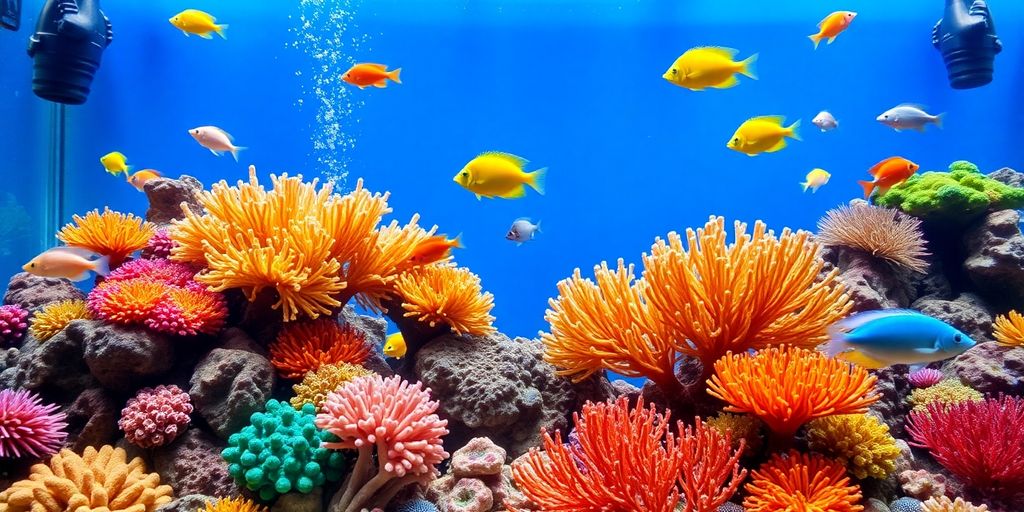
Aquascaping is the art of designing the underwater world of your aquarium. Creating a beautiful aquascape can enhance the overall look of your tank and provide a healthy environment for your fish. Here are some key principles to consider:
Design Principles
- Balance: Use the Golden Ratio to create a pleasing layout. This means arranging elements in a way that feels natural and harmonious.
- Layering: Place larger rocks at the back and smaller ones in front to create depth.
- Flow: Ensure that water can circulate freely around your decorations to maintain a healthy environment.
Choosing Rocks and Corals
- Types of Rocks: Use live rocks for beneficial bacteria or dry rocks for a more controlled setup.
- Coral Placement: Position corals where they can receive adequate light and flow, avoiding overcrowding.
- Variety: Mix different sizes and shapes of rocks to create visual interest.
Creating a Balanced Ecosystem
- Plant Selection: Choose plants that thrive in saltwater and complement your fish.
- Fish Compatibility: Ensure that the fish you select can coexist peacefully in the environment you create.
- Regular Maintenance: Keep your aquascape clean and monitor water quality to support the health of your aquatic life.
Remember, aquascaping is about expressing your creativity while ensuring a safe habitat for your fish. Enjoy the process and let your imagination guide you!
Troubleshooting Common Problems in Sea Water Aquariums
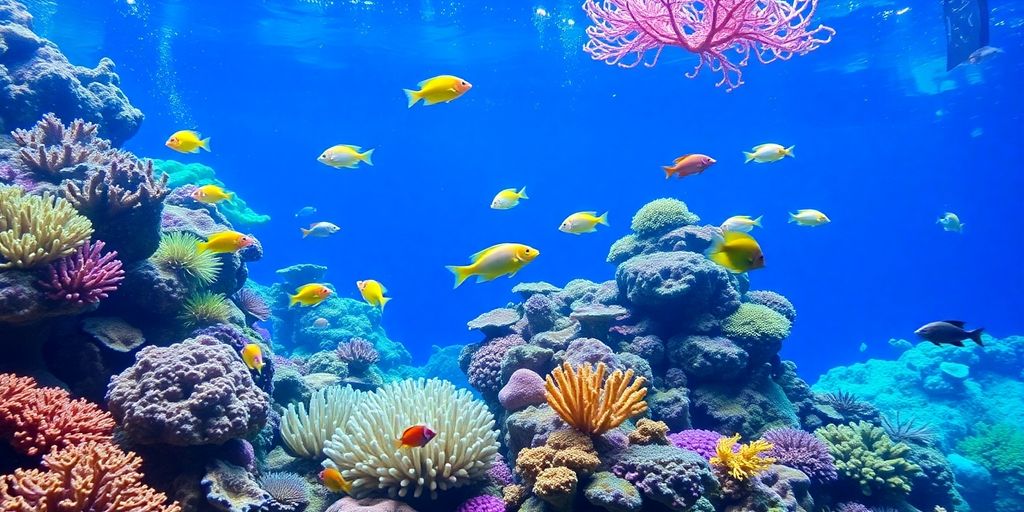
Setting up a sea water aquarium can be a rewarding experience, but it can also come with its share of challenges. Here are some common problems you might face and how to tackle them.
Identifying and Treating Diseases
Fish diseases can be tricky to spot. Look for signs like unusual swimming patterns, discoloration, or lesions. Here are some common diseases:
- Ich (White Spot Disease): Look for white spots on fish. Treat with a medicated bath.
- Fin Rot: Check for frayed fins. Improve water quality and consider antibiotics.
- Velvet Disease: Look for a dusty appearance on fish. Use copper treatments.
Handling Algae Blooms
Algae blooms can quickly take over your aquarium, making it look unappealing. Here are some steps to manage them:
- Reduce Light: Limit lighting to 6-8 hours a day.
- Increase Water Flow: Use pumps to improve circulation.
- Regular Cleaning: Perform water changes and clean decorations.
Equipment Malfunctions
Sometimes, equipment can fail, leading to problems in your aquarium. Here’s what to check:
- Filtration Issues: Ensure your filter is clean and functioning properly. Replace filter media as needed.
- Heater Problems: Check if the heater is maintaining the right temperature. Replace if faulty.
- Lighting Failures: If your lights go out, replace bulbs or fixtures as necessary.
Remember, regular maintenance is key to preventing many of these issues. Keeping a close eye on your aquarium will help you catch problems early and keep your aquatic environment thriving!
Advanced Tips for Sea Water Aquarium Enthusiasts
Automating Maintenance
Automation can save you time and effort. Consider using devices like automatic water changers and feeders. Here are some benefits of automation:
- Consistency: Ensures regular maintenance without manual effort.
- Convenience: Reduces the frequency of manual tasks.
- Precision: Helps maintain optimal water conditions.
Advanced Filtration Techniques
Using advanced filtration can greatly improve water quality. Here are some options:
- Protein Skimmers: Remove organic waste before it breaks down.
- Refugiums: Provide a safe space for beneficial organisms.
- Activated Carbon: Helps remove impurities and toxins.
Cultivating Coral Reefs
Creating a thriving coral reef requires careful planning. Here are some tips:
- Choose the Right Corals: Select species that are compatible with your tank.
- Monitor Water Parameters: Regularly check pH, salinity, and temperature.
- Provide Adequate Lighting: Use LED lights that mimic natural sunlight.
Remember, patience is key in this hobby. Take your time to learn and adapt your methods for the best results!
If you’re passionate about sea water aquariums, you won’t want to miss out on our expert tips! Dive deeper into the world of marine life and enhance your aquarium experience. Visit our website for more insights and special offers that can help you create the perfect underwater habitat!
Final Thoughts on Your Sea Water Aquarium Journey
Creating a beautiful sea water aquarium can be a fun and rewarding experience. As you start this journey, remember to keep learning and experimenting. Make sure to regularly check your water quality, as this is key to keeping your fish and plants healthy. Don’t be afraid to ask for help from fellow aquarium lovers or online communities. They can offer great advice and support. With patience and care, your aquarium will not only look amazing but also provide a happy home for your aquatic friends. Enjoy the process and happy fishkeeping!
Frequently Asked Questions
What type of fish can I keep in a saltwater aquarium?
For beginners, consider fish like clownfish, damselfish, or gobies. These species are hardy and adapt well to new environments.
How do I set up my saltwater aquarium?
Start by choosing a tank, adding substrate and decorations, and mixing salt with water before filling the tank.
What equipment do I need for a saltwater aquarium?
Essential equipment includes a filtration system, heater, and proper lighting to keep your fish and corals healthy.
How often should I test my water?
Test your water weekly, especially for ammonia, nitrite, and nitrate levels, to ensure a healthy environment.
What is the nitrogen cycle?
The nitrogen cycle is the process that converts harmful ammonia into less harmful substances, helping to keep your tank safe for fish.
How do I feed my fish properly?
Feed your fish small amounts of food 1-2 times a day. Remove any uneaten food to keep the tank clean.
What should I do if my fish are sick?
Isolate the sick fish, check water parameters, and treat with appropriate medications. Consult an expert if needed.
How can I maintain water quality?
Regular water changes, testing, and monitoring your tank’s conditions help maintain good water quality.