Buying aquarium fish online can be an exciting adventure, but it comes with its own set of challenges. Knowing how to pick a healthy fish and a reliable seller is crucial for ensuring your new aquatic friends thrive in their new home. This guide will help you navigate the process of purchasing fish online by offering essential tips and insights.
Key Takeaways
- Research sellers to find trustworthy online stores that specialize in fish.
- Always check customer reviews to gauge the quality and health of the fish.
- Prepare your aquarium properly before introducing new fish to avoid stress.
- Use proper acclimation methods to help fish adjust to their new environment.
- Monitor fish behavior after arrival to catch any health issues early.
Choosing the Right Online Store to Buy Aquarium Fish
When buying aquarium fish online, it’s essential to choose a reliable store. A good online store can make a big difference in your fish-buying experience. Here are some tips to help you find the right one:
Researching Reputable Sellers
- Look for stores that specialize in aquarium supplies and fish sales.
- Check if they provide detailed information about the fish, including health status and origin.
- Ensure they have a good reputation among fellow fish enthusiasts.
Reading Customer Reviews
- Customer reviews can give you insights into the quality of the fish and service.
- Look for feedback on the health of the fish upon arrival and the seller’s customer service.
- Pay attention to any recurring issues mentioned by customers.
Checking Return Policies
- A clear return policy is crucial in case the fish arrive unhealthy.
- Make sure the store offers a guarantee for the fish they sell.
- Understand the steps you need to take if you need to return a fish.
Remember, buying fish online can be a great way to discover the best deals on cheap fish for sale online. Always prioritize the health and well-being of your aquatic pets.
By following these tips, you can ensure a positive experience when purchasing fish online. Consider brands like Omega One for high-quality fish food to keep your new pets healthy!
Understanding Different Types of Aquarium Fish
When it comes to setting up your aquarium, understanding the different types of fish is crucial. This knowledge helps you create a balanced and thriving aquatic environment.
Freshwater vs. Saltwater Fish
Freshwater fish are generally easier to care for and are perfect for beginners. They thrive in water with low salinity. On the other hand, saltwater fish require more complex care and are often more vibrant in color. Here’s a quick comparison:
| Feature | Freshwater Fish | Saltwater Fish |
|---|---|---|
| Care Level | Easier | More complex |
| Cost | Generally lower | Generally higher |
| Variety | Wide range available | Often more colorful |
Popular Freshwater Species
Some popular freshwater fish include:
- Betta Fish: Known for their vibrant colors and flowing fins.
- Goldfish: A classic choice for beginners.
- Guppies: Small, colorful, and easy to care for.
- Cichlids: Diverse and often territorial.
- Catfish: Great for cleaning the tank.
Popular Saltwater Species
Saltwater fish can be stunning additions to your aquarium. Some favorites are:
- Clownfish: Famous for their bright colors and friendly nature.
- Tang: Known for their vibrant colors and active swimming.
- Lionfish: Striking appearance but requires careful handling.
- Angelfish: Beautiful and graceful, but need larger tanks.
Understanding the differences between fish types is essential for creating a healthy aquarium. Make sure to choose fish that are compatible with each other and suited to your tank’s environment.
In addition to choosing the right fish, don’t forget about fish food. Selecting the right type of food is vital for their health. Always check that the food meets the dietary needs of your chosen species. Remember, the right care and attention will help your fish thrive in their new home!
Preparing Your Aquarium for New Fish
Setting up your aquarium properly is essential for the health and happiness of your new fish. Here are the key steps to ensure a smooth transition for your aquatic friends.
Setting Up the Tank
- Choose the Right Location: Place your aquarium in a stable area away from direct sunlight to prevent algae growth.
- Install Equipment: Set up your aquarium accessories like filters, heaters, and lights before adding water.
- Fill with Water: Use dechlorinated water to fill your tank, ensuring it’s at the right temperature for your fish.
Cycling the Aquarium
Cycling your aquarium is crucial to establish beneficial bacteria that break down harmful waste. Here’s how:
- Fishless Cycling: Add ammonia to simulate fish waste, allowing bacteria to grow.
- Monitor Parameters: Regularly test for ammonia, nitrites, and nitrates to ensure a healthy environment.
- Wait for Stabilization: This process can take 4-6 weeks, so be patient!
Choosing the Right Equipment
Investing in quality aquarium kits and cabinets can make a big difference. Here’s what you need:
- Filter: Keeps the water clean and clear.
- Heater: Maintains a stable temperature for your fish.
- Lighting: Enhances the beauty of your aquarium and supports plant growth.
Remember, preparing your aquarium is a vital step in ensuring your fish thrive. A well-set-up tank leads to happy and healthy aquatic life!
Selecting Healthy Fish Online
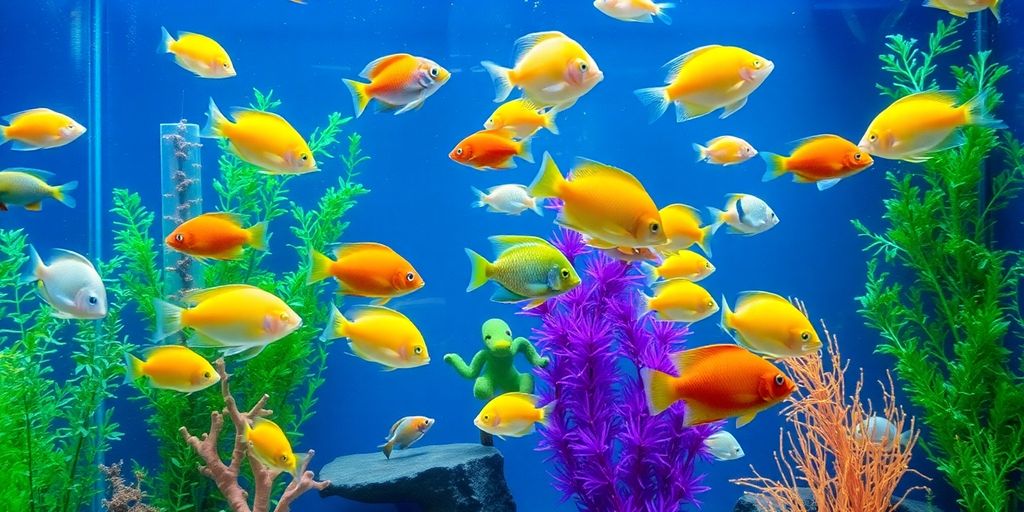
Signs of Healthy Fish
When buying fish online, it’s crucial to know what to look for to ensure you’re getting healthy specimens. Here are some signs:
- Bright colors: Healthy fish should have vibrant colors, indicating good health.
- Active behavior: Look for fish that swim actively and show curiosity.
- Clear eyes and fins: Healthy fish have clear eyes and fins without any signs of damage or discoloration.
Avoiding Common Health Issues
To prevent bringing home sick fish, consider these tips:
- Research the species: Understand the common health issues associated with the fish you want.
- Check seller reviews: Look for feedback from other customers about the health of the fish they received.
- Ask about their care: Inquire how the seller maintains their fish, including water quality and feeding practices.
Quarantine Procedures
Before introducing new fish to your main tank, it’s wise to quarantine them. Here’s how:
- Set up a separate tank: Use a small tank to isolate new arrivals.
- Monitor for 2-4 weeks: Watch for any signs of illness or stress.
- Gradual introduction: If they appear healthy, slowly introduce them to your main tank to minimize stress.
Remember, proper acclimation is key to ensuring your new fish thrive in their new environment. Using quality equipment like Aquarium Lights can help maintain a healthy habitat. Always consider reputable brands like Advatec for your aquarium needs.
Shipping and Handling of Aquarium Fish
When buying fish online, shipping and handling are crucial to ensure your new aquatic friends arrive healthy and safe. Here are some key points to consider:
Proper Packaging Methods
- Insulated Packaging: Sellers should use insulated boxes to keep fish warm or cool, depending on the weather.
- Oxygen Supply: Fish need oxygen during transport, so bags should be filled with oxygen, not just water.
- Heat Packs: In colder months, heat packs can help maintain a stable temperature.
Temperature Control During Shipping
- Monitor Temperature: The temperature inside the shipping box should be checked regularly.
- Shipping Duration: Shorter shipping times are better for fish health. Aim for overnight shipping when possible.
- Weather Considerations: Avoid shipping during extreme weather conditions to prevent stress on the fish.
Handling Fish Upon Arrival
- Immediate Inspection: Check the fish for any signs of stress or illness as soon as they arrive.
- Acclimation Process: Gradually introduce the fish to your aquarium environment to reduce shock. Use methods like the floating the bag method or drip acclimation method.
- Quarantine New Arrivals: Always quarantine new fish for a few weeks to ensure they are healthy before introducing them to your main tank.
Remember, the right shipping practices can make a big difference in the health of your fish. Always choose reputable sellers like Polyplab who prioritize the well-being of their aquatic products.
Acclimating Your New Fish
When you bring new fish home, proper acclimation is essential to ensure their health and happiness. Here are some effective methods to help your fish adjust to their new environment:
Floating the Bag Method
- Float the sealed bag containing your fish in the aquarium for about 15 minutes. This helps the fish gradually adjust to the water temperature.
- After 15 minutes, add a cup of aquarium water to the bag. Repeat this every 5-10 minutes for about an hour.
- Finally, use a net to gently transfer the fish into the aquarium, avoiding any water from the bag. This prevents introducing any potential contaminants into your tank.
Drip Acclimation Method
- Set up a drip line from your aquarium to the bag containing your fish. This can be done using airline tubing.
- Allow water to drip into the bag slowly, about 2-4 drops per second. This method takes longer but is gentler on the fish.
- After about an hour, when the bag is full, use a net to transfer the fish to the aquarium, discarding the bag water.
Monitoring Fish Behavior
- After introducing your fish, keep an eye on their behavior. Look for signs of stress, such as hiding or erratic swimming.
- Ensure that your aquarium is equipped with proper lighting, like Kessil lights, to create a comfortable environment.
Remember, acclimating your new fish properly is crucial for their survival and well-being. Taking the time to do this right can make a big difference in their health and happiness!
Feeding Your Aquarium Fish
Feeding your fish properly is essential for their health and happiness. A balanced diet helps them thrive and shows off their vibrant colors. Here are some key points to consider:
Types of Fish Food
- Flakes: Easy to use and suitable for many fish species.
- Pellets: Great for larger fish; they can sink or float.
- Frozen Food: Offers variety and is often more nutritious.
Creating a Feeding Schedule
To keep your fish healthy, establish a feeding routine:
- Feed small amounts twice a day.
- Observe their behavior to adjust portions.
- Skip a day once a week to prevent overfeeding.
Avoiding Overfeeding
Overfeeding can lead to poor water quality. To avoid this:
- Only feed what fish can consume in a few minutes.
- Remove any uneaten food promptly.
- Monitor water parameters regularly.
Remember, a well-fed fish is a happy fish, but moderation is key to a thriving aquarium! For high-quality fish food, consider brands like Seachem and Omega One, which provide essential nutrients for your aquatic friends.
Nutritional Needs of Fish
Different fish have unique dietary requirements. Here’s a quick guide:
- Herbivores: Need plant-based foods like algae.
- Carnivores: Require protein-rich foods.
- Omnivores: Thrive on a mix of both.
By understanding these aspects of fish feeding, you can create a healthy and vibrant environment for your aquatic pets. Remember to always check the ingredients and choose high-quality food for the best results!
Maintaining Water Quality in Your Aquarium
Keeping your aquarium’s water quality in check is essential for the health of your fish. Good water quality involves keeping parameters such as pH, ammonia, nitrite, and nitrate levels within safe ranges. Regular testing and monitoring are crucial to ensure a thriving aquatic environment.
Regular Water Testing
- Test your water at least once a week.
- Use test strips or liquid kits to check for:
- pH levels
- Ammonia (should be 0 ppm)
- Nitrite (should be 0 ppm)
- Nitrate (ideally below 40 ppm)
Using Water Conditioners
- If using city water, always add a water conditioner to remove chlorine.
- For well water, check the pH balance and hardness frequently.
Performing Water Changes
- Change about 15% of the water weekly to keep it fresh.
- Use an aquarium siphon to remove debris and waste effectively.
- Refill the tank with water that is within two degrees of the original tank temperature.
Remember, maintaining stable water chemistry is vital for the health of your fish. Fluctuations can stress your fish and lead to health issues.
Cleaning the Aquarium
- Remove algae using a scraper; avoid soaps or chemicals.
- Clean the filter monthly to prevent clogs.
- Trim dead leaves from live plants to keep the tank looking good and healthy.
By following these steps, you can create a safe and enjoyable environment for your fish, ensuring they thrive in their underwater home!
Common Mistakes to Avoid When Buying Fish Online
When buying fish online, it’s easy to make mistakes that can lead to unhappy fish or even loss. Here are some common pitfalls to avoid:
Impulse Buying
Buying fish on a whim can lead to poor choices. Always take your time to research the species you want and ensure they fit your aquarium’s environment. Consider the following:
- Compatibility with existing fish
- Size of the fish and tank
- Specific care requirements
Ignoring Compatibility
Not all fish get along. Before making a purchase, check:
- Territorial behavior of the species.
- Swimming patterns to ensure they can coexist.
- The size difference between species to avoid predation.
Overlooking Shipping Conditions
Shipping can be stressful for fish. Ensure the seller uses proper packaging methods, such as:
- Insulated boxes to maintain temperature.
- Oxygen-filled bags to keep fish alive.
- Heat packs during colder months.
Remember, using Aquarium Test Strips is essential for monitoring water quality after your fish arrive. Regular testing helps you maintain a healthy environment for your new pets.
By avoiding these mistakes, you can ensure a smoother experience when buying fish online and create a thriving aquarium environment!
Enhancing Your Aquarium with Accessories
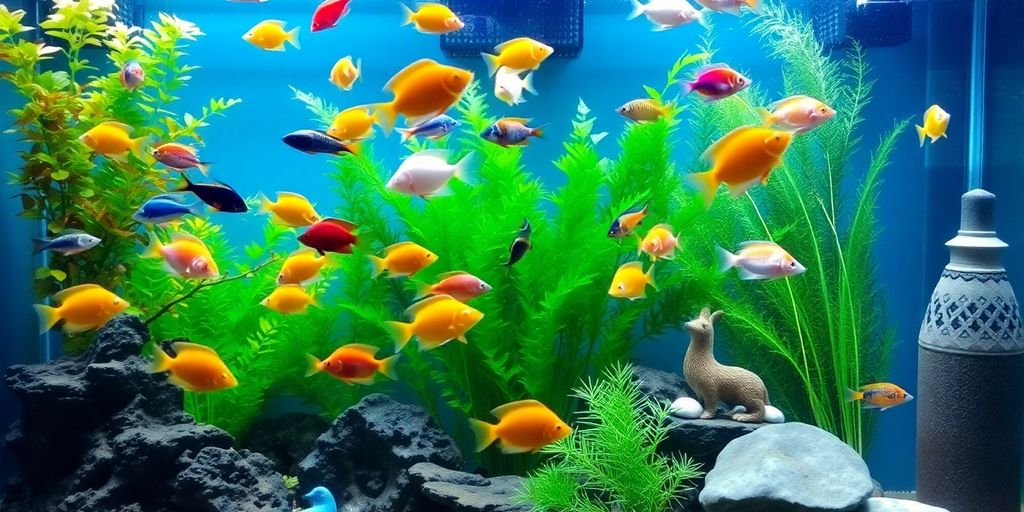
Creating a beautiful aquarium goes beyond just adding fish. The right accessories can significantly improve the health and appearance of your tank. Here are some essential accessories to consider:
Choosing the Right Plants
- Live Plants: They help maintain water quality and provide shelter for fish.
- Artificial Plants: Easy to maintain and come in various designs.
- Floating Plants: These can help reduce algae growth by blocking excess light.
Adding Decorative Elements
- Rocks and Driftwood: These create hiding spots and add natural beauty.
- Background Screens: They enhance the visual depth of your aquarium.
- Aquarium Ornaments: Choose fish-friendly materials that won’t harm your aquatic life.
Using Proper Lighting
- LED Lights: Energy-efficient and long-lasting, ideal for plant growth.
- Fluorescent Lights: Great for enhancing colors and supporting aquatic plants.
- Incandescent Lights: Less common but can be used for specific needs.
| Type of Accessory | Benefits | Considerations |
|---|---|---|
| Live Plants | Improve water quality | Requires maintenance |
| Rocks/Driftwood | Natural hiding spots | Ensure they are safe for fish |
| LED Lights | Energy-efficient | Initial cost may be higher |
Remember, investing in quality accessories can make a significant difference in your aquarium’s health and appearance. Don’t forget to check for spare parts and aquarium filter media to keep your equipment running smoothly!
Long-Term Care for Your Aquarium Fish
Taking care of your aquarium fish is a long-term commitment that requires attention and knowledge. Here are some essential aspects to consider:
Regular Health Checks
- Monitor your fish regularly for any signs of illness or distress. Look for changes in behavior, such as lethargy or loss of appetite.
- Check for physical signs like discoloration or unusual spots.
- Keep a record of any health issues to track patterns over time.
Adjusting Diet as Fish Grow
- As your fish grow, their dietary needs may change. Ensure you provide food that meets their nutritional requirements.
- Consider using high-quality fish food that enhances color and supports growth.
- Variety is key: Include different types of food to keep your fish healthy and engaged.
Handling Fish Illnesses
- If you notice any signs of illness, act quickly. Quarantine sick fish to prevent spreading diseases.
- Research the specific illness and consult with a vet if necessary.
- Regularly clean your aquarium and maintain proper water quality to reduce the risk of illness.
Remember, maintaining a healthy environment is crucial for your fish’s well-being. Regular maintenance of Aquarium Pumps and Filters is essential for efficient waste removal and water circulation.
By following these guidelines, you can ensure a thriving environment for your aquatic pets, making your aquarium a beautiful and lively space.
Taking care of your aquarium fish is important for their health and happiness. Regular maintenance, like checking water quality and feeding them the right food, can make a big difference. For more tips and products to help you care for your fish, visit our website today!
Final Thoughts on Buying Aquarium Fish Online
Buying fish online can be a great way to find the perfect pets for your aquarium. Remember to do your homework before making a purchase. Look for trusted sellers who care about their fish and provide clear information about their health. Always check how the fish will be shipped to ensure they arrive safely. Once your new fish are home, give them time to adjust and keep an eye on their health. By following these tips, you can enjoy a thriving aquarium filled with happy, healthy fish.
Frequently Asked Questions
How do I choose a trustworthy online store for buying fish?
Look for stores that specialize in fish and have good reviews. Check if they provide details about the fish’s health and shipping methods.
What types of fish can I buy online?
You can find both freshwater and saltwater fish. Popular choices include Betta fish, Goldfish, and Clownfish.
How should I prepare my aquarium before adding new fish?
Make sure your tank is clean, properly cycled, and has the right temperature and water conditions.
What signs indicate a fish is healthy?
Healthy fish are active, have bright colors, and swim freely. Look for clear eyes and fins that are not frayed.
What should I do if my fish arrives sick?
Contact the seller immediately to understand their return policy and get advice on next steps.
How do I acclimate new fish to my aquarium?
Float the bag in your tank for 15 minutes, then gradually mix in tank water over an hour before releasing the fish.
What should I feed my aquarium fish?
Different fish have different diets. Use high-quality fish food suitable for the species you have.
How can I maintain good water quality in my aquarium?
Regularly test the water, change it as needed, and use water conditioners to keep it healthy.