Sourcing wholesale live fish for your aquarium business can be a rewarding venture, but it requires careful planning and research. This guide will walk you through the essential steps to find reliable suppliers, evaluate fish quality, understand legal requirements, negotiate effectively, and ensure your business thrives. Whether you’re a beginner or looking to enhance your existing operations, these tips will help you successfully navigate the world of wholesale live fish.
Key Takeaways
- Research online and local suppliers to find the best deals.
- Always check the health and quality of the fish before purchasing.
- Understand the legal requirements for selling live fish in your area.
- Negotiate prices and terms to get the best deals from suppliers.
- Build strong relationships with local breeders and industry experts.
Finding Reliable Wholesale Live Fish Suppliers
Researching Online Suppliers
Finding the right suppliers online can be a game-changer for your aquarium business. Start by looking for reputable online stores that specialize in live fish. Here are some tips to help you:
- Check reviews and ratings from other customers.
- Look for suppliers that offer a variety of freshwater and saltwater fish.
- Ensure they have clear shipping policies to guarantee the health of the fish during delivery.
Attending Trade Shows and Expos
Trade shows are excellent opportunities to meet suppliers face-to-face. Here’s what to do:
- Network with industry professionals to build relationships.
- Discover new products and trends in the aquarium business.
- Negotiate prices directly with suppliers for better deals.
Joining Buying Groups and Cooperatives
Consider joining a buying group to increase your purchasing power. This can lead to:
- Bulk discounts on orders.
- Access to exclusive deals that individual businesses might not get.
- A community of other aquarium business owners to share tips and resources.
Building strong relationships with suppliers is essential for long-term success in the aquarium business. By sourcing from reliable suppliers, you ensure the health and quality of the fish you offer to your customers.
Evaluating the Quality of Wholesale Live Fish
Checking Supplier Reputation
When sourcing live fish, the reputation of your supplier is crucial. Look for suppliers with positive reviews and a solid track record. You can check:
- Online reviews and ratings
- Recommendations from fellow aquarium enthusiasts
- Industry certifications or memberships
Inspecting Fish Health and Condition
Before making a purchase, always inspect the fish. Healthy fish should:
- Have clear, bright eyes
- Show vibrant colors
- Swim actively without signs of distress
| Health Indicator | Description |
|---|---|
| Clear Eyes | No cloudiness or redness |
| Active Swimming | No lethargy or unusual behavior |
| Bright Colors | No fading or discoloration |
Understanding Supplier Policies
It’s essential to know the policies of your supplier. Key points to consider include:
- Return and refund policies
- Health guarantees for the fish
- Shipping and handling procedures
Understanding these policies can help you avoid potential losses and ensure a smooth transaction.
By following these steps, you can ensure that you are sourcing high-quality fish for your aquarium business, which is vital for maintaining a successful operation. Remember, the ornamental fish market is valued at USD 6.43 billion in 2023, and ensuring quality can help you tap into this growing market effectively.
Understanding Legal Requirements for Wholesale Live Fish
Before starting your aquarium business, it’s important to know the legal requirements that govern the sale of live fish. Following these rules is essential to avoid fines or even shutting down your business. Here are some key legal points to consider:
Licensing and Permits
- You will need to register your business as a legal entity, such as a sole proprietorship or corporation.
- Obtain necessary licenses, including a wholesale fish dealers license and possibly a retail fish dealers license.
- Check if you need a catch-out pond license or other specific permits based on your location.
Import and Export Regulations
- If you plan to import fish, familiarize yourself with the regulations that apply to importing live animals.
- Ensure compliance with any international laws if you are sourcing fish from other countries.
Health and Safety Standards
- Understand the health regulations that apply to the care and sale of live fish.
- Regular inspections may be required to ensure that your fish are healthy and that your facility meets safety standards.
| Requirement Type | Description |
|---|---|
| Business Registration | Register as a legal entity |
| Licenses | Obtain necessary licenses |
| Health Inspections | Regular checks to ensure fish health |
By understanding and following these legal requirements, you can build a strong foundation for your aquarium business and operate confidently within the law.
Negotiating Prices and Terms with Suppliers

When it comes to sourcing wholesale live fish, negotiating effectively with suppliers can lead to significant savings and better terms. Here are some key strategies to consider:
Bulk Order Discounts
- Ask for discounts on larger orders. Many suppliers offer lower prices for bulk purchases.
- Consider combining orders with other businesses to reach bulk pricing.
- Keep an eye out for seasonal sales or special promotions.
Payment Terms and Conditions
- Discuss flexible payment options. Some suppliers may allow you to pay after receiving the goods.
- Negotiate terms that suit your cash flow, such as extended payment periods.
- Ensure you understand any penalties for late payments to avoid unexpected costs.
Exclusive Deals and Offers
- Inquire about exclusive deals for loyal customers. This can include special pricing or early access to new products.
- Build a strong relationship with your suppliers to increase your chances of receiving exclusive offers.
- Regularly communicate with suppliers to stay informed about upcoming promotions.
Building a good relationship with your suppliers can lead to better deals and terms in the long run.
By following these strategies, you can effectively negotiate prices and terms that benefit your aquarium business. Remember, the goal is to create a win-win situation for both you and your suppliers!
Setting Up Your Aquarium Business for Success
Starting an aquarium business can be exciting and rewarding. Here are some key steps to ensure your success:
Choosing the Right Location
- Visibility is key: Look for a spot that is easy to find and has good foot traffic.
- Consider nearby competitors: Make sure you are not too close to other aquarium stores.
- Accessibility: Ensure your location is easy for customers to reach.
Designing an Efficient Layout
- Create a welcoming atmosphere: Use bright colors and good lighting to attract customers.
- Organize products logically: Group similar items together to make shopping easier.
- Allow space for customers to move around comfortably.
Stocking Essential Equipment and Supplies
- Start with the basics: Make sure to have tanks, filters, and food.
- Offer a variety of fish: Include both popular and unique species to attract different customers.
- Keep an eye on trends: Stay updated on what types of fish and supplies are in demand.
By focusing on these areas, you can enhance profitability in aquarium businesses. From inventory management to customer engagement, each aspect plays a vital role in determining the overall profitability of your venture.
Transporting and Acclimating Wholesale Live Fish
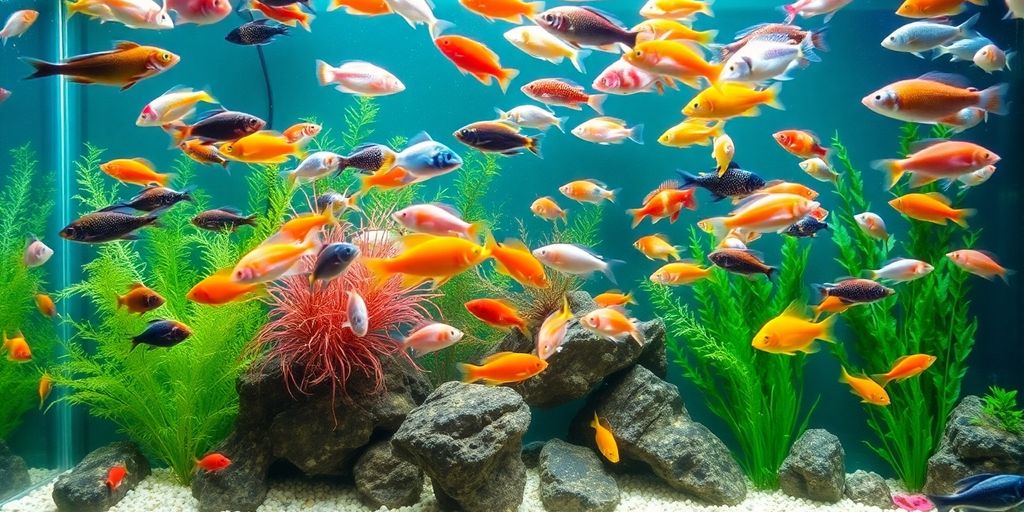
When you receive live fish, it’s crucial to handle them properly to ensure their health and well-being. Proper acclimation is key to reducing stress and ensuring a smooth transition into your aquarium.
Preparing for Shipment
- Choose a reliable supplier who uses appropriate shipping methods.
- Ensure that the fish are packed securely in insulated boxes with adequate oxygen.
- Check the weather conditions to avoid extreme temperatures during transport.
Handling Fish During Transport
- Minimize movement: Keep the transport box stable to avoid stressing the fish.
- Monitor temperature: Use heat packs or cold packs as needed to maintain a stable temperature.
- Limit exposure: Unpack the fish as soon as possible upon arrival to reduce stress.
Acclimating Fish to New Environment
- Temperature acclimation: Float the sealed bags in your tank for 15-30 minutes. This allows the water in the bags to gradually reach the same temperature as your aquarium water.
- Drip acclimation: Slowly mix tank water into the bag over a period of time to help the fish adjust to the new water chemistry. This is especially important for fish that have been shipped.
- Quarantine: Always quarantine new arrivals for at least 30 days to monitor for any signs of illness before introducing them to your main tank.
Remember, taking the time to acclimate your fish properly can lead to a healthier and more vibrant aquarium.
| Step | Action | Duration |
|---|---|---|
| 1 | Temperature acclimation | 15-30 minutes |
| 2 | Drip acclimation | 30 minutes |
| 3 | Quarantine | 30 days |
Maintaining the Health of Wholesale Live Fish
Regular Health Checks
To keep your fish healthy, regular health checks are essential. This includes:
- Observing fish behavior for signs of stress or illness.
- Checking for any visible signs of disease, such as spots or lesions.
- Monitoring water quality parameters like pH, ammonia, and nitrite levels.
Quarantine Procedures
Before introducing new fish to your main tank, always:
- Isolate new arrivals in a separate quarantine tank for at least 30 days.
- Observe for any signs of illness or stress during this period.
- Treat any detected issues before adding them to your main aquarium.
Disease Prevention and Treatment
Preventing disease is better than treating it. Here are some tips:
- Maintain a clean and well-filtered environment to reduce stress on fish.
- Use high-quality food to boost fish immunity.
- Regularly change water to keep it fresh and free from harmful substances.
Keeping your fish healthy is not just about feeding them; it’s about creating a stable and clean environment for them to thrive.
Summary Table of Health Check Parameters
| Parameter | Ideal Range |
|---|---|
| pH | 6.5 – 7.5 |
| Ammonia | 0 ppm |
| Nitrite | 0 ppm |
| Nitrate | < 20 ppm |
| Temperature | 75 – 80°F |
Marketing Your Aquarium Business
Building an Online Presence
Creating a strong online presence is essential for attracting customers. Use high-quality images and engaging content to showcase your products. Set up profiles on popular social media platforms like Facebook, Instagram, and Twitter. This will help you connect with potential customers and build a community around your brand.
Utilizing Social Media
Social media is a powerful tool for marketing your aquarium business. Here are some strategies to consider:
- Engage with your audience: Respond to comments and messages promptly. Encourage customers to share their experiences.
- Run contests or giveaways: This can increase engagement and attract new followers.
- Use targeted advertising: Utilize social media ads to reach specific demographics that are likely to be interested in your products.
Participating in Community Events
Getting involved in local events can help you connect with your community and promote your business. Consider:
- Setting up a booth at local fairs or markets.
- Hosting workshops on aquarium care or fishkeeping.
- Collaborating with local schools for educational programs about aquatic life.
Building a strong community presence can significantly enhance your brand’s reputation and customer loyalty.
Summary Table of Marketing Strategies
| Strategy | Description |
|---|---|
| Online Presence | Create profiles on social media platforms. |
| Social Media Engagement | Respond to comments and run contests. |
| Community Involvement | Participate in local events and workshops. |
Sustainable Practices in the Aquarium Business
In today’s world, sustainability is more important than ever, especially in the aquarium business. By adopting eco-friendly practices, you can not only help the environment but also attract customers who care about sustainability.
Sourcing Fish Responsibly
- Partner with reputable breeders and suppliers who prioritize ethical practices.
- Avoid purchasing fish from sources that engage in harmful practices like overfishing.
- Ensure that your suppliers are committed to sustainability.
Offering Eco-Friendly Products
- Stock your store with environmentally friendly supplies, such as:
- LED lighting
- Energy-efficient filters
- Non-toxic decorations
- Educate customers on the benefits of using sustainable products in their aquariums.
Reducing Waste
- Minimize packaging waste by using biodegradable or recyclable materials.
- Encourage customers to bring reusable bags or containers when buying fish or supplies.
- Implement a recycling program for old equipment and packaging materials.
Conserving Water
- Install water-saving devices in your store, like low-flow faucets and toilets.
- Teach customers about water conservation in their aquarium maintenance routines, such as using rainwater for water changes.
Educating Customers
- Provide educational resources on sustainable aquarium practices, including:
- Proper fish care
- Water quality management
- Eco-friendly aquascaping techniques
- Host workshops or seminars on sustainability to engage your community.
By implementing these sustainable practices, you can differentiate your aquarium business from competitors and contribute to the preservation of aquatic ecosystems for future generations.
Supporting Conservation Efforts
- Partner with local conservation organizations or participate in community clean-up events to raise awareness about environmental issues.
- Consider donating a portion of your profits to support projects that improve the quality of life for small seafood-producing communities, as seen in initiatives like the Monterey Bay Aquarium Community Development Fund.
Building Relationships with Industry Experts
Partnering with Local Breeders
Establishing connections with local breeders can be a game changer for your aquarium business. These partnerships can provide you with high-quality fish at competitive prices. By working together, you can ensure a steady supply of healthy fish for your store.
Collaborating with Aquarium Equipment Suppliers
Working with suppliers of aquarium equipment can help you offer a wider range of products. Here are some benefits of these collaborations:
- Access to exclusive discounts
- Ability to bundle products for customers
- Enhanced product knowledge from suppliers
Consulting with Aquatic Veterinarians
Building relationships with aquatic veterinarians can add credibility to your business. They can provide valuable advice on:
- Fish health and disease prevention
- Treatment options for sick fish
- Best practices for maintaining a healthy aquarium environment
Establishing strong partnerships can help your aquarium business thrive and navigate challenges more effectively.
Networking with Industry Experts
Attending industry events and trade shows is a great way to meet experts. You can gain insights into the latest trends and innovations in the aquarium industry. Networking can open doors to new opportunities and collaborations.
Summary
Building relationships with industry experts is essential for the success of your aquarium business. By partnering with local breeders, collaborating with equipment suppliers, and consulting with veterinarians, you can enhance your offerings and ensure the health of your fish.
Conclusion
In conclusion, investing time in building these relationships can lead to long-term success and growth for your aquarium business.
Additional Resources
- Stay updated with the latest news in the industry to keep your business competitive.
- Explore local resources to find the best suppliers and partners for your needs.
Handling Customer Service and Support
Managing Customer Inquiries
Providing excellent customer service is key to keeping your aquarium business thriving. Here are some tips to manage customer inquiries effectively:
- Be Prompt: Respond to inquiries as quickly as possible.
- Be Clear: Use simple language to explain your products and services.
- Be Friendly: A warm tone can make a big difference in customer satisfaction.
Handling Returns and Warranty Claims
Returns and warranty claims can be tricky, but handling them well can build trust. Here’s how:
- Set Clear Policies: Make sure your return and warranty policies are easy to find and understand.
- Document Everything: Keep records of all transactions and communications.
- Be Fair: Treat customers with respect and fairness to encourage loyalty.
Providing After-Sales Support
After a sale, your job isn’t done. Here’s how to keep customers happy:
- Follow Up: Check in with customers to see if they are satisfied with their purchase.
- Offer Help: Be available to answer any questions they may have about their new fish or equipment.
- Encourage Feedback: Ask for reviews and suggestions to improve your service.
Remember, happy customers are likely to return and recommend your business to others.
By focusing on these areas, you can create a positive experience for your customers, which is essential for the success of your aquarium business.
When it comes to customer service, we’re here to help you every step of the way. If you have questions or need support, don’t hesitate to reach out! Visit our website for more information and to explore our wide range of aquatic products. Your satisfaction is our priority!
Final Thoughts on Sourcing Wholesale Live Fish
In conclusion, finding the right wholesale live fish for your aquarium business is key to your success. By choosing trusted suppliers, you can ensure the health and quality of your fish. Remember to consider factors like the type of fish, their needs, and how they will fit into your existing setup. Always keep learning about fish care and stay updated on best practices. With the right approach, you can create a thriving aquarium business that delights your customers and keeps your fish happy.
Frequently Asked Questions
What should I do if my order arrives damaged?
If your order comes damaged, write down the issues on the Bill of Lading (BOL) and tell the delivery driver right away. Make sure to take pictures of the damage to help with the claim.
How do I return an item or file a warranty claim?
To return an item or file a warranty claim, contact your sales representative, email help@advatecaquatics.com, or call 440-AQUATIC (278-2842). It’s helpful to have photos or videos of the defective product.
Is there a minimum order for glass or cabinets?
No, you don’t need to order $1,000 worth of glass or cabinets to buy them. As long as your total order is over $1,000, you can purchase them.
What areas do you ship to?
We ship to the continental United States, specifically the lower 48 states. We can provide special pricing for customers in Canada.
Who do I contact if I have questions or problems?
If you have any questions or issues, reach out to your sales rep, email help@advatecaquatics.com, or call 440-AQUATIC (278-2842).
What happens if my entire order can’t be fulfilled?
We don’t backorder items. If we can’t fulfill your entire order, you’ll need to reorder those items.
How can I ensure the health of the fish I buy?
Choose suppliers who have a good reputation and offer healthy fish. Look for retailers that provide quarantine services before shipping.
What should I consider when sourcing fish for my aquarium?
Always check the supplier’s reputation, the health of the fish, and any legal requirements for importing or exporting fish.