Shopping for aquarium fish online can be a fun and exciting experience. However, it’s important to know how to choose the right fish for your tank and ensure they are healthy. This guide will help you navigate the world of online fish shopping, from selecting the right species to maintaining a healthy aquarium environment.
Key Takeaways
- Understand the benefits of buying fish online, such as convenience and a wider selection.
- Check the health of fish before purchasing by looking for signs of vitality.
- Choose fish that are compatible with your tank size and other inhabitants.
- Ensure you have the right equipment, like filters and heaters, for your aquarium setup.
- Follow proper acclimation procedures to reduce stress for your new fish.
Understanding Online Aquarium Fish Shopping
Benefits of Online Shopping for Aquarium Fish
Shopping for aquarium fish online offers several advantages:
- Convenience: You can browse a wide variety of fish from the comfort of your home.
- Variety: Online stores often have a larger selection than local shops.
- Price Comparison: Easily compare prices across different retailers.
Common Concerns and How to Address Them
Many people worry about buying fish online. Here are some common concerns:
- Fish Health: Ensure you buy from reputable sellers who provide health guarantees.
- Shipping Stress: Choose sellers that use proper packaging to minimize stress during transport.
- Return Policies: Familiarize yourself with the return policies in case of issues.
Reputable Online Fish Retailers
When shopping online, look for retailers that are well-reviewed by other fish enthusiasts. Here are some tips:
- Check Reviews: Look for feedback from previous customers.
- Specialization: Choose stores that focus on aquarium supplies and fish sales, as they are more likely to be knowledgeable and trustworthy.
- Customer Service: Good retailers will have responsive customer service to help with any questions or concerns.
Remember, bigger is better when it comes to aquariums. Opt for more space than the minimum required to ensure stable temperatures and water conditions.
By understanding these aspects of online aquarium fish shopping, you can make informed decisions and enjoy a successful fish-keeping experience!
Choosing the Right Fish for Your Aquarium
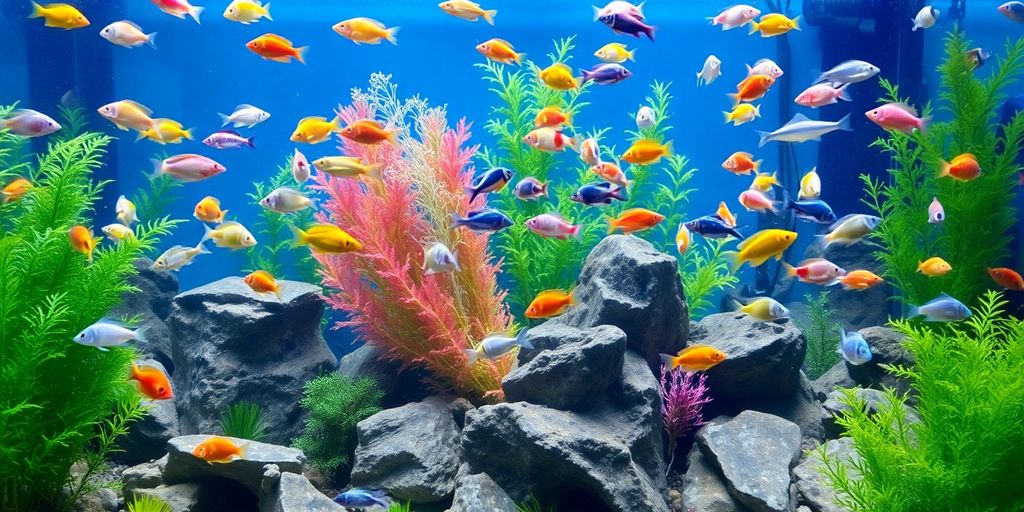
Setting up an aquarium is exciting, but selecting the right fish is essential for a successful experience. Here are some key factors to consider:
Assessing Your Tank Size and Setup
- Tank Size: Ensure your tank is large enough for the fish you want. Some fish need more space than others.
- Setup: Consider the type of environment you want to create. Different fish thrive in different setups.
Compatibility of Different Fish Species
- Peaceful Fish: Fish like tetras and guppies are great for community tanks.
- Aggressive Fish: Species like cichlids may need more space and careful monitoring.
- Bottom Dwellers: Fish such as corydoras catfish can help keep the tank clean.
| Fish Type | Example Species | Compatibility |
|---|---|---|
| Community Fish | Tetras, Guppies | High |
| Aggressive Fish | Cichlids, Bettas | Low |
| Bottom Dwellers | Corydoras, Kuhli Loaches | Moderate |
Popular Fish for Beginners
- Goldfish: Easy to care for and widely available.
- Betta Fish: Colorful and can live alone.
- Neocaridina Shrimp: Great for cleaning and adding color.
Choosing the right fish is crucial for a healthy aquarium. Always research the species to ensure they can live together peacefully and thrive in your setup.
Evaluating Fish Health Before Purchase
Signs of Healthy Fish
When shopping for fish online, it’s crucial to know how to spot a healthy fish. Here are some key signs:
- Bright colors: Healthy fish usually have vibrant colors.
- Active behavior: Look for fish that swim around energetically.
- Clear eyes: Healthy fish have clear, bright eyes without any cloudiness.
Common Health Issues to Watch For
Be aware of these common health problems:
- Ich: White spots on the fish’s body.
- Fin rot: Frayed or discolored fins.
- Swim bladder disease: Difficulty swimming or floating.
Quarantine Procedures for New Fish
To keep your aquarium safe, follow these quarantine steps:
- Isolate new fish for at least two weeks.
- Monitor for signs of illness during this period.
- Test water parameters regularly to ensure a healthy environment.
Remember: Taking the time to evaluate fish health before purchase can save you from future problems in your aquarium. Healthy fish lead to a thriving aquarium!
Essential Equipment for Your Aquarium
Setting up a successful aquarium requires the right tools. Here are the must-have items:
Types of Aquarium Filters
- Mechanical Filters: Remove debris and particles from the water.
- Biological Filters: Support beneficial bacteria that break down waste.
- Chemical Filters: Remove impurities and toxins from the water.
| Filter Type | Purpose |
|---|---|
| Mechanical | Removes physical debris |
| Biological | Supports beneficial bacteria |
| Chemical | Removes toxins and impurities |
Importance of Aquarium Heaters
- Heaters maintain a stable water temperature, which is crucial for fish health. Tropical fish often need warmer water, so a reliable heater is essential.
- Look for heaters with adjustable settings to match the needs of your specific fish species.
Choosing the Right Lighting
- Proper lighting enhances the beauty of your aquarium and supports plant growth. Different types of lighting include:
- LED Lights: Energy-efficient and long-lasting.
- Fluorescent Lights: Good for plant growth but may need replacement more often.
- Incandescent Lights: Less common but can be used for specific setups.
Remember: The right equipment is vital for creating a thriving underwater world. Each piece plays a role in maintaining a healthy environment for your fish.
By investing in quality equipment, you ensure a stable and vibrant habitat for your aquatic pets. Don’t overlook the essentials!
Setting Up Your Aquarium for New Fish
Setting up your aquarium is an exciting step in your fish-keeping journey. Proper preparation is key to ensuring a healthy environment for your new aquatic friends.
Cycling Your Aquarium
- Unbox and Prepare Equipment: Start by unpacking your aquarium and checking that all parts are included. Install the filtration system, heater, and lighting as per the instructions.
- Fill the Aquarium with Water: Use dechlorinated water to fill your tank. Make sure the temperature matches the needs of the fish you plan to keep.
- Test Water Parameters: Before adding fish, check the pH, ammonia, nitrite, and nitrate levels to ensure a safe environment.
Selecting the Right Substrate
- Choose a substrate that suits the type of fish you want. For example:
- Gravel is great for most freshwater fish.
- Sand is ideal for bottom-dwellers like catfish.
- Soil is perfect for planted tanks.
Decorations and Plants for a Healthy Environment
- Add hiding spots: Use rocks, caves, or plants to create safe spaces for your fish.
- Live plants: They not only beautify the tank but also help maintain water quality.
- Avoid sharp edges: Ensure decorations are smooth to prevent injury to your fish.
Remember, a well-set-up aquarium is not just about aesthetics; it’s about creating a thriving habitat for your fish.
By following these steps, you can create a welcoming home for your new fish, ensuring they thrive in their new environment. Happy fish-keeping!
Feeding Your Aquarium Fish
Types of Fish Food
When it comes to feeding your fish, there are several types of food to consider:
- Flakes: Common and easy to use.
- Pellets: Good for larger fish.
- Frozen or Live Food: Great for picky eaters.
- Specialized Diets: Tailored for specific species.
Feeding Schedules and Amounts
Most fish will do well with two meals a day. The timing is not critical, with the exception of nocturnal feeders. Here are some tips for feeding:
- Feed small amounts that can be consumed in a few minutes.
- Adjust the amount based on the fish’s size and species.
- Observe your fish to ensure they are eating well.
Using Automatic Feeders
Automatic feeders can help maintain a consistent feeding schedule. They are especially useful if you are away from home. Here are some benefits:
- Reduces overfeeding.
- Ensures fish are fed regularly.
- Can be programmed for specific times.
Remember: Overfeeding can lead to poor water quality and health issues for your fish. Monitor their eating habits closely!
Maintaining Water Quality
Regular Water Testing
To keep your fish healthy, regular water testing is crucial. You should check for:
- pH levels
- Ammonia
- Nitrites
- Nitrates
Using test strips can help you monitor these levels easily. For best results, test your water at least once a week, especially if you notice any signs of poor water quality in an aquarium.
Water Changes and Treatments
Performing regular water changes is essential. Aim for:
- Partial water changes of 10-15% weekly
- Complete water changes every month
- Use water conditioners to remove harmful chemicals
This helps maintain a clean environment for your fish and reduces stress.
Managing Algae Growth
Algae can quickly take over your aquarium if not managed. Here are some tips:
- Control light exposure to your tank.
- Avoid overfeeding your fish.
- Use algae-eating fish or snails to help keep it in check.
Regular maintenance and monitoring are essential for keeping your aquarium’s water quality optimal. Simple practices like avoiding overfeeding, not overcrowding, and performing regular water changes can make a big difference.
By following these steps, you can ensure a healthy and vibrant environment for your aquatic friends!
Handling Fish Transportation
When you order fish online, it’s important to handle their transportation carefully to ensure they arrive healthy and happy. Proper preparation can make a big difference! Here are some key steps to follow:
Preparing for Fish Arrival
- Set up your aquarium: Before your fish arrive, make sure your tank is ready. This includes having the right filter, heater, and decorations.
- Check shipping details: Look for retailers that offer reliable shipping options. For example, Shipping Aquarium Fish Depot provides door-to-door delivery across the United States, ensuring your fish are transported safely.
- Plan for acclimation: Once your fish arrive, you’ll need to acclimate them to their new environment. This helps reduce stress and ensures a smooth transition.
Acclimating Fish to Their New Home
- Float the bag: When your fish arrive, float the sealed bag in your aquarium for about 15 minutes to equalize the temperature.
- Gradually mix water: After 15 minutes, open the bag and add a small amount of tank water to the bag every 5 minutes for about 30 minutes.
- Release the fish: Finally, gently net the fish and place them in the tank, discarding the water from the bag.
Reducing Stress During Transport
- Use insulated packaging: Ensure that the fish are packed in insulated boxes to maintain temperature.
- Add oxygen: Make sure the bags are filled with enough oxygen to keep the fish comfortable during their journey.
- Check weather conditions: Before shipping, check the weather at the destination and adjust the packing accordingly.
Remember, taking these steps can help ensure your fish arrive healthy and ready to thrive in their new home!
Troubleshooting Common Issues
Identifying and Treating Fish Diseases
When you notice something wrong with your fish, it’s important to act quickly. Common signs of illness include unusual swimming patterns, lack of appetite, and visible spots or lesions. Here are some common diseases:
- Ich (White Spot Disease): Look for white spots on the fish’s body. Treatment involves raising the water temperature and using medication.
- Fin Rot: This appears as frayed or discolored fins. Improve water quality and consider using antibiotics.
- Swim Bladder Disease: Fish may float or sink awkwardly. Adjust their diet and consider fasting them for a few days.
Dealing with Aggressive Fish
Some fish can be territorial or aggressive. To manage this:
- Research Compatibility: Before adding new fish, check if they are compatible with your current tank mates.
- Provide Hiding Spots: Use plants and decorations to create hiding places for shy fish.
- Monitor Behavior: Keep an eye on interactions and be ready to separate aggressive fish if necessary.
Preventing and Managing Tank Crashes
A tank crash can be devastating. Here’s how to prevent it:
- Regular Maintenance: Perform water changes and clean filters regularly to maintain water quality.
- Test Water Parameters: Use test kits to check pH, ammonia, nitrites, and nitrates.
- Avoid Overcrowding: Ensure your tank isn’t overstocked, as this can lead to stress and poor water quality.
Remember, keeping a close eye on your fish and their environment can help you catch problems early. Regular maintenance and monitoring are key to a healthy aquarium.
Enhancing Your Aquarium Experience
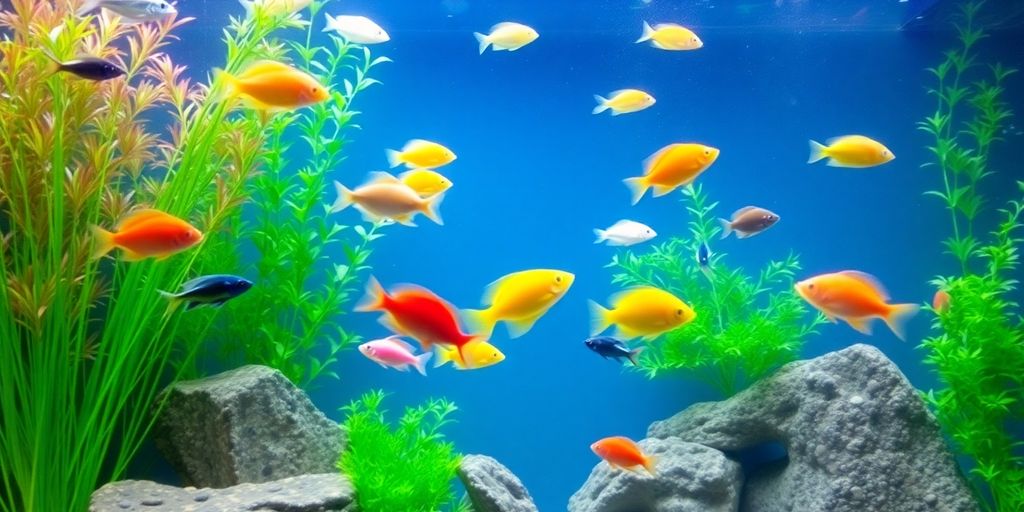
Creating a beautiful aquarium is not just about the fish; it’s also about the environment you create for them. A well-designed aquarium can be a stunning centerpiece in your home. Here are some tips to enhance your aquarium experience:
Adding Live Plants and Decorations
- Live Plants: They provide oxygen and hiding spots for fish, making the environment more natural.
- Decorations: Use rocks, driftwood, and themed items to create a visually appealing setup.
- Safety First: Ensure all materials are non-toxic to keep your fish safe.
Creating a Balanced Ecosystem
- Fish Compatibility: Choose fish that get along to reduce stress.
- Water Quality: Regularly test and maintain water conditions to keep fish healthy.
- Feeding: Provide a balanced diet to support growth and vibrant colors.
Tips for Aquascaping
- Plan Your Layout: Sketch your design before setting up.
- Layering: Use taller plants in the back and shorter ones in the front for depth.
- Natural Look: Aim for a natural appearance by mimicking underwater habitats.
Remember, a thriving aquarium is a reflection of the care you put into it. Regular maintenance and thoughtful design will lead to a rewarding experience for both you and your fish.
By following these tips, you can create an aquarium that not only looks great but also supports the health and happiness of your aquatic pets. Enjoy the journey of building your underwater paradise!
Understanding Fish Behavior
Recognizing Normal vs. Abnormal Behavior
Understanding fish behavior requires a keen eye, patience, and a willingness to learn about the unique habits of your aquatic pets. Normal behavior includes swimming actively, exploring their environment, and interacting peacefully with tank mates. In contrast, abnormal behavior may involve hiding excessively, aggressive interactions, or lack of appetite.
Social Dynamics in Community Tanks
Fish species often have different social needs. Some prefer to be in groups, while others are solitary. Here are some common social dynamics:
- Schooling Fish: These fish thrive in groups and feel safer when surrounded by their kind.
- Territorial Fish: Some species may become aggressive if they feel their territory is threatened.
- Peaceful Inhabitants: Certain fish are known for their calm and non-aggressive nature, making them suitable for community setups where harmony among species is essential.
Behavioral Enrichment for Fish
To keep your fish happy and healthy, consider adding enrichment to their environment. This can include:
- Hiding Spots: Use rocks, plants, or decorations to create safe spaces.
- Varied Diet: Offer different types of food to stimulate their senses.
- Tank Mates: Choose compatible species that encourage natural behaviors.
Providing a stimulating environment is essential for the well-being of your fish. It helps reduce stress and promotes natural behaviors, leading to a healthier aquarium.
Fish are fascinating creatures, and understanding their behavior can enhance your aquarium experience. By observing how they interact with their environment and each other, you can create a healthier habitat for them. Want to learn more about keeping your fish happy and healthy? Visit our website for tips and products that can help!
Final Thoughts on Online Fish Shopping
In conclusion, shopping for aquarium fish online can be a fun and rewarding experience. By following the tips in this guide, you can make sure you choose the right fish for your home. Remember to check the seller’s reputation, understand the needs of the fish, and prepare your tank properly before bringing your new pets home. With a little research and care, you can create a beautiful underwater world that you and your fish will enjoy for years to come.
Frequently Asked Questions
What are the advantages of shopping for aquarium fish online?
Buying fish online is convenient. You can browse a wide selection from home, often at better prices. Plus, you can read reviews and compare different types of fish easily.
How can I ensure the fish I buy are healthy?
Look for clear signs of health, like bright colors and active swimming. Reputable sellers usually provide detailed care information.
What should I do if my fish arrive in poor condition?
Contact the seller right away. Most reputable stores will offer a refund or replacement if the fish arrive unhealthy.
How do I know which fish are compatible with each other?
Research each species’ needs and behaviors. Some fish are peaceful, while others can be aggressive. Make sure to choose fish that can live together.
What do I need to set up my aquarium properly?
You’ll need a tank, filter, heater, and lights. It’s also good to have decorations and plants for your fish to feel at home.
How often should I feed my fish?
Most fish should be fed once or twice a day. Be careful not to overfeed, as it can pollute the water.
What is the best way to transport fish from the store to my home?
Keep the fish in their original bag and place it in a cooler or insulated bag. Try to minimize the time they spend out of water.
How can I tell if my fish are sick?
Watch for signs like not eating, unusual swimming patterns, or changes in color. If you notice these, consult an expert.