Setting up an aquarium can be a fun and rewarding experience. Choosing the right fish store is essential for getting healthy fish and the best supplies. This guide will help you understand what to look for in a fish aquarium store, what supplies you need, and how to keep your aquatic life happy and thriving.
Key Takeaways
- Select a store that offers a variety of healthy fish and quality supplies.
- Read customer reviews to ensure good service and healthy fish.
- Consider the benefits of shopping locally versus online.
- Invest in essential equipment like filters, heaters, and lights for a stable environment.
- Regularly test water quality to keep your fish healthy.
Choosing the Right Fish Aquarium Store
When you’re ready to dive into the world of aquariums, finding the right fish store is essential. Here are some key points to help you make the best choice:
Factors to Consider
- Location: Is the store nearby or do you prefer online shopping?
- Selection: Look for stores that offer a variety of fish and supplies, including brands like Omega One.
- Expertise: Knowledgeable staff can provide valuable advice on fish care and equipment.
Importance of Customer Reviews
- Feedback: Check online reviews to see what other customers say about their experiences.
- Quality Assurance: Stores with positive reviews are more likely to provide healthy fish and quality products.
- Trustworthiness: A good reputation can save you from potential issues down the line.
Local vs. Online Stores
- Local Stores: You can see the fish in person and get immediate help from staff.
- Online Stores: Often have a wider selection and can deliver directly to your door.
- Considerations: Think about shipping policies and the store’s return policy for live fish.
Remember, the right store can make a big difference in your aquarium journey. Choose wisely to ensure a healthy environment for your aquatic friends!
Essential Aquarium Supplies for Beginners
Setting up your first aquarium can be exciting! To ensure a healthy environment for your fish, you’ll need some essential supplies. Here’s a quick guide to get you started:
Aquarium Kits
- All Products in a kit make it easy for beginners.
- Look for kits that include:
- Tank
- Filter
- Heater
- Lighting
Filtration Systems
A good filtration system is crucial for keeping your aquarium clean. Here are some common types:
- Hang-on-back filters: Easy to install and maintain.
- Canister filters: Great for larger tanks and provide excellent filtration.
- Internal filters: Compact and suitable for smaller tanks.
| Filter Type | Pros | Cons |
|---|---|---|
| Hang-on-back | Easy to use | Limited filtration capacity |
| Canister | High efficiency | More expensive |
| Internal | Space-saving | Can be noisy |
Heaters and Thermometers
To keep your fish comfortable, you need a heater. Choose one that matches your tank size. Look for:
- Adjustable thermostats for precise temperature control.
- Reliable brands to ensure safety.
- Proper wattage based on your tank’s volume.
Remember, investing in quality equipment is key to a thriving aquarium. It helps maintain a beautiful and healthy aquatic environment.
By selecting the right supplies, you can create a safe and enjoyable home for your fish!
Selecting the Best Fish for Your Aquarium

Choosing the right fish for your aquarium is crucial for creating a lively and healthy environment. Here’s what you need to know:
Popular Freshwater Fish
- Tetras: These small, colorful fish are perfect for beginners and love to school together.
- Corydoras Catfish: Peaceful bottom dwellers that help keep the tank clean.
- Guppies: Hardy and easy to care for, they come in many colors.
Popular Saltwater Fish
- Clownfish: Known for their bright colors and friendly nature, they are a favorite among aquarists.
- Tang Fish: Beautiful and help control algae in the tank.
- Blennies: Great for algae control and have unique personalities.
Compatibility and Care Requirements
When selecting fish, consider their compatibility:
- Behavior: Some fish are aggressive, while others are peaceful. Research their temperaments.
- Water Parameters: Ensure the fish can thrive in the same water conditions, such as pH and temperature.
- Diet: Different species have different dietary needs. For example, catfish food is essential for bottom dwellers like Corydoras.
| Fish Type | Ideal Tank Size | Compatibility |
|---|---|---|
| Tetras | 10 gallons | Peaceful |
| Clownfish | 20 gallons | Semi-aggressive |
| Corydoras Catfish | 15 gallons | Peaceful |
Remember: Introducing fish gradually helps maintain a stable environment. Start with a few and monitor their behavior before adding more.
In conclusion, selecting the right fish is essential for a thriving aquarium. Don’t forget to check out various brands and aquarium accessories to enhance your setup!
Understanding Aquarium Filtration Systems
Keeping your aquarium clean and healthy is essential for your fish. A good filtration system is vital for maintaining water quality. Here’s what you need to know about filtration systems:
Types of Filters
- Mechanical Filters: These filters remove debris and particles from the water. They act like a coffee filter, trapping waste.
- Biological Filters: These use beneficial bacteria to break down harmful waste, making the water safer for your fish.
- Chemical Filters: These remove toxins and impurities using materials like activated carbon.
| Filter Type | Pros | Cons |
|---|---|---|
| Mechanical Filters | Easy to clean | Needs frequent maintenance |
| Biological Filters | Reduces harmful waste | Takes time to establish |
| Chemical Filters | Removes toxins quickly | Needs replacement regularly |
Maintenance Tips
- Regularly check and clean your filters to ensure they work effectively.
- Replace filter media as needed to maintain water quality.
- Test water parameters frequently to catch any issues early.
Remember, keeping your aquarium clean is vital for the health of your fish. Regular maintenance and the right filtration system can make all the difference!
In addition to filters, consider investing in Aquarium Kits and Cabinets to help organize your setup and keep everything in one place. This can make maintenance easier and more efficient!
Proper Lighting for a Healthy Aquarium
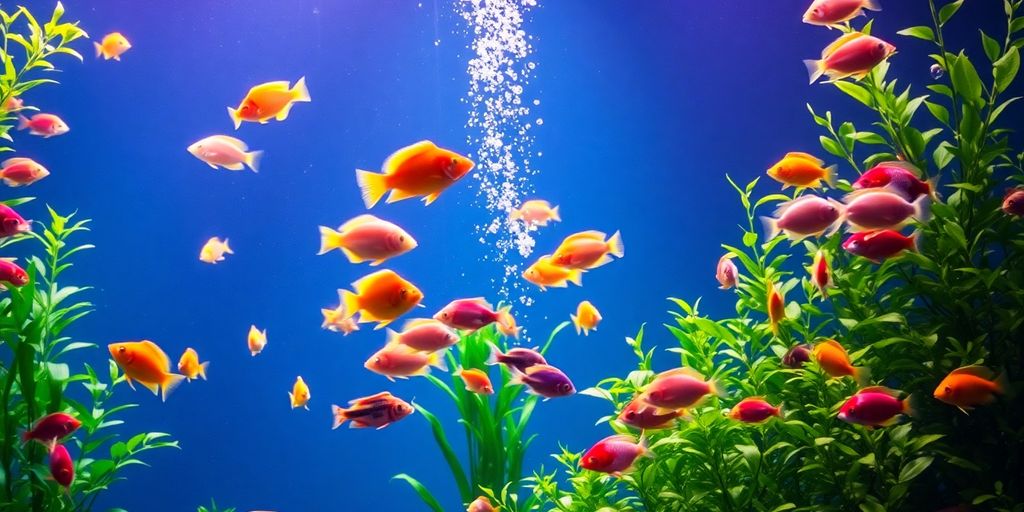
Types of Aquarium Lights
When setting up your aquarium, choosing the right aquarium lights is essential. Here are some popular options:
- LED Lights: Energy-efficient and customizable, these lights are great for both freshwater and saltwater tanks.
- Fluorescent Lights: Commonly used, they provide good light for plants and fish at an affordable price.
- Metal Halide Lights: These lights are powerful and often used for reef tanks, providing bright light that supports coral growth.
| Type of Light | Pros | Cons |
|---|---|---|
| LED | Energy-efficient, customizable | Higher initial cost |
| Fluorescent | Good for plants, affordable | Shorter lifespan |
| Metal Halide | Bright, supports coral growth | Generates heat, more expensive |
Benefits of Proper Lighting
Proper lighting not only enhances the beauty of your aquarium but also supports the health of its inhabitants. Here’s how:
- Plant Growth: Adequate lighting is vital for photosynthesis, helping plants thrive and providing oxygen for fish.
- Fish Behavior: The right lighting can reduce stress in fish, making them more active and vibrant.
- Aesthetic Appeal: Good lighting can make your aquarium look stunning, showcasing the colors of your fish and plants beautifully.
Lighting Schedules
To mimic natural conditions, aim for a light cycle of about 10-12 hours a day. This helps maintain a healthy environment for both fish and plants.
Remember: The right lighting can transform your aquarium into a vibrant underwater world, making it a joy to observe.
Conclusion
In conclusion, investing in quality aquarium lights is crucial for creating a beautiful and healthy aquarium. By selecting the right type of lighting, you can ensure that your aquatic life flourishes and your aquarium remains a stunning centerpiece in your home.
Maintaining Water Quality in Your Aquarium
Keeping your aquarium’s water quality high is crucial for the health of your fish. Regular maintenance is key to a thriving aquatic environment. Here are some important practices to follow:
Importance of Water Testing
- Test Regularly: Use a reliable testing kit like the Advatec Master Test Strip Kit to check for pH, ammonia, nitrite, and nitrate levels. This kit tests for 11 parameters, ensuring your fish are safe from harmful chemicals.
- Monitor Changes: Keep an eye on any sudden changes in water quality, as they can stress your fish.
- Adjust as Needed: If you find any issues, take action quickly to correct them.
Common Water Quality Issues
| Water Parameter | Ideal Range |
|---|---|
| pH | 6.5 – 7.5 |
| Ammonia | 0 ppm |
| Nitrate | < 20 ppm |
| Nitrite | 0 ppm |
Tips for Maintaining Optimal Water Conditions
- Water Changes: Change 20-30% of the water every two weeks to remove waste and toxins.
- Clean Equipment: Regularly clean filters and other equipment to ensure they function properly.
- Monitor Fish Health: Look for signs of stress or illness in your fish, as this can indicate water quality issues.
Maintaining good water quality is not just about aesthetics; it’s crucial for the health and happiness of your aquatic pets. By following these steps, you can create a safe and beautiful environment for your fish.
Dealing with Algae
Algae can grow quickly in your tank. Here are some tips to manage it:
- Reduce Feeding: Overfeeding can lead to excess nutrients.
- Increase Water Changes: Regular water changes help keep nutrient levels low.
- Add Cleanup Crew: Snails and shrimp can help eat algae.
Fixing Water Quality Issues
If you notice problems like algae blooms or cloudy water, here are some steps to take:
- Identify the Cause: Check for overfeeding or excess nutrients.
- Use Algae Removal Tools: Tools like algae scrapers can help keep your tank clean.
- Consider Adding Cleaner Critters: Shrimp and snails can help keep the tank clean.
By staying vigilant and following these practices, you can ensure a healthy environment for your aquatic friends!
Feeding Your Fish: Best Practices
Feeding your fish is an important part of keeping them healthy and happy. It’s best to feed them several times a day because fish spend all day hunting for and grazing on food. Here’s what you need to know:
Types of Fish Food
- Flakes: Common and easy to use for many fish.
- Pellets: Great for larger fish; they sink and provide balanced nutrition.
- Freeze-Dried Food: A treat for fish, like bloodworms, that adds variety.
Feeding Schedules
- Daily Feeding: Most fish do well with one or two feedings a day.
- Amount: Feed only what they can eat in 2-3 minutes to avoid waste.
- Special Needs: Some fish may need specific diets or feeding times.
Special Dietary Needs
- Herbivores: Need plant-based foods like algae wafers.
- Carnivores: Require protein-rich foods, such as shrimp or fish meal.
- Omnivores: Enjoy a mix of both plant and animal foods.
Remember, a balanced diet is key to keeping your fish healthy and vibrant. Regularly check their health and adjust their diet as needed.
By understanding these aspects of fish feeding, you can create a thriving aquatic environment that keeps your fish happy and healthy!
Aquarium Plants and Decorations
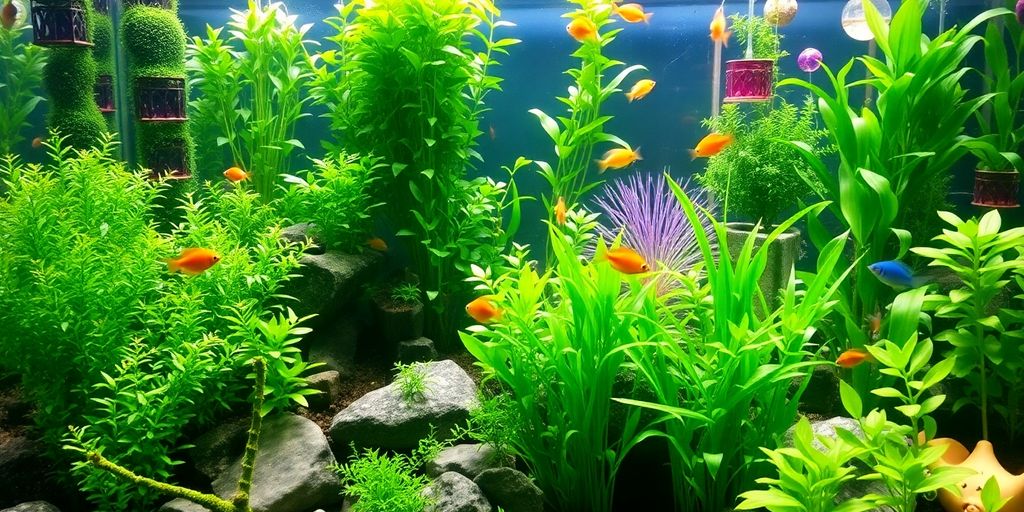
Creating a beautiful aquarium is not just about the fish; it’s also about how you decorate the tank. A well-decorated aquarium can enhance the overall look and feel of your aquatic environment. Here are some key points to consider:
Benefits of Live Plants
- Live plants not only look great but also help improve water quality by filtering out harmful substances.
- They provide oxygen for your fish, creating a healthier environment.
- Live plants can also serve as hiding spots for shy fish, making them feel more secure.
Choosing the Right Plants
When selecting plants for your aquarium, consider the following:
- Research Plant Needs: Different plants have different light and water requirements. For beginners, easy-to-care-for plants like Java fern and Anubias are great choices.
- Select Plant Types: Choose from various types of plants:
- Foreground Plants: Such as dwarf hairgrass.
- Midground Plants: Like crypts.
- Background Plants: Such as Vallisneria.
- Maintenance: Regularly check your plants for health and growth. Trim dead leaves to keep your aquarium looking tidy.
Decorating Your Aquarium
Decorations can be mostly left up to your personal preference, and the sky’s the limit! Here are some tips:
- Natural Elements: Use rocks and pieces of wood to create hiding spots and focal points in your tank.
- Artificial Decorations: These can be fun and colorful, but ensure they are safe for your fish. Avoid anything that could leak chemicals into your tank, like paint or concrete.
- Avoid Overcrowding: Keep in mind how much space you have to work with to avoid overcrowding your tank.
Remember, the goal is to create a safe and enjoyable environment for your fish while also making it visually appealing for you!
Summary Table of Plant Options
| Plant Type | Care Level | Light Requirement |
|---|---|---|
| Java Fern | Easy | Low to Medium |
| Anubias | Easy | Low to Medium |
| Vallisneria | Moderate | Medium to High |
In conclusion, investing in quality plants and decorations, like those from Fluval, can make a significant difference in your aquarium’s health and appearance. Happy decorating!
Advanced Aquarium Setups
Creating an advanced aquarium can be an exciting journey for any fish lover. This section will explore three popular types of advanced setups: reef tanks, biotope aquariums, and breeding tanks.
Reef Tanks
Reef tanks are designed to mimic the vibrant ecosystems found in oceans. They require specific equipment and care to maintain the delicate balance of marine life. Here are some key components:
- Live Rock: Provides biological filtration and habitat for fish.
- Corals: Add color and complexity to the tank.
- Lighting: Specialized lights are essential for coral growth.
Biotope Aquariums
Biotope aquariums replicate a specific natural environment, showcasing fish and plants from a particular region. This setup allows for a deeper understanding of aquatic ecosystems. Consider these elements:
- Native Species: Choose fish and plants that coexist in the same habitat.
- Natural Substrate: Use sand or gravel that mimics the natural environment.
- Water Parameters: Maintain specific pH and temperature levels suitable for the chosen biotope.
Breeding Tanks
Breeding tanks are designed to encourage fish reproduction. They require careful planning and setup to ensure the safety of both parents and fry. Here are some tips:
- Separate Tank: Use a separate tank to prevent adult fish from eating the fry.
- Gentle Filtration: Ensure the filter is gentle enough not to harm the fry.
- Hiding Places: Provide plenty of plants or decorations for fry to hide in.
Setting up an advanced aquarium requires dedication and knowledge, but the rewards are immense. You’ll not only create a beautiful display but also contribute to the health of aquatic life.
By understanding these advanced setups, you can create a thriving aquatic environment that showcases the beauty of underwater life. Whether you choose a reef tank, a biotope, or a breeding tank, each offers unique challenges and rewards that can enhance your aquarium experience. Don’t forget to check out Terrarium Starter Kits and Aquarium Test Strips for a complete setup!
Troubleshooting Common Aquarium Problems
Aquariums can face various issues, even with the best care. Here are some common problems and how to fix them:
Identifying Sick Fish
Fish can get sick for many reasons. Here are some signs to look for:
- Lethargy: Fish that are not swimming around much.
- Loss of Appetite: If your fish are not eating.
- Visible Spots or Lesions: Look for white spots or sores on their bodies.
If you notice these signs, it’s important to act quickly. You might need to quarantine sick fish and treat them with appropriate medications.
Dealing with Algae
Algae can grow quickly in your tank. Here are some tips to manage it:
- Reduce Feeding: Overfeeding can lead to excess nutrients.
- Increase Water Changes: Regular water changes help keep nutrient levels low.
- Add Cleanup Crew: Snails and shrimp can help eat algae.
Fixing Water Quality Issues
Water quality is crucial for fish health. Use a test kit to check:
- pH Levels
- Ammonia
- Nitrate and Nitrite Levels
| Water Parameter | Ideal Range |
|---|---|
| pH | 6.5 – 7.5 |
| Ammonia | 0 ppm |
| Nitrate | < 20 ppm |
| Nitrite | 0 ppm |
Regular maintenance and prompt troubleshooting are essential for a thriving aquarium. By staying vigilant, you can ensure a healthy environment for your aquatic friends!
Aquascaping: Creating a Beautiful Underwater Landscape
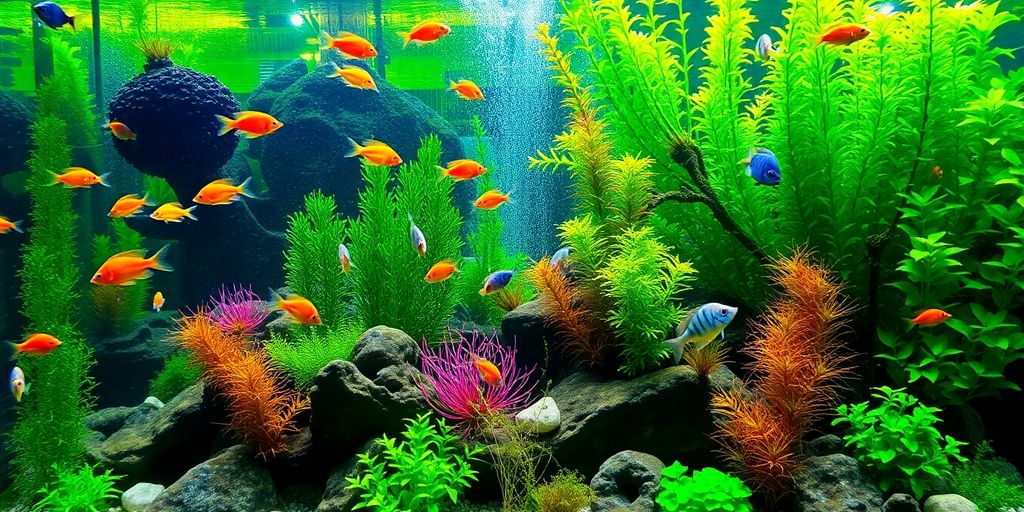
Creating a stunning aquascape in your aquarium is essential for both beauty and the health of your aquatic life. A well-designed aquascape can enhance the overall health of your aquarium. Here are some key principles to consider:
Essential Aquascaping Tools
To get started, you’ll need the right tools:
- Aquascaping scissors: For trimming plants.
- Tweezers: To place plants precisely.
- Rulers: To measure and plan your layout.
Design Principles
When designing your aquascape, keep these principles in mind:
- Balance: Distribute elements evenly to create harmony.
- Focal Points: Use rocks or plants to draw attention.
- Layering: Arrange plants in layers for depth.
Choosing the Right Plants
Select plants that fit your aquarium’s conditions:
- Foreground plants: Such as dwarf hairgrass.
- Midground plants: Like crypts.
- Background plants: Such as Vallisneria.
Maintaining Your Aquascape
To keep your aquascape healthy:
- Regularly trim plants to prevent overgrowth.
- Monitor water quality to ensure a thriving environment.
- Use Screen Terrariums for additional plant growth if needed.
Remember, the goal is to create a safe and enjoyable environment for your fish while also making it visually appealing for you!
Aquascaping is all about making your own stunning underwater world. With the right plants, rocks, and fish, you can create a beautiful scene right in your home. Want to learn more about how to start your aquascaping journey? Visit our website for tips and products that can help you build the perfect aquarium!
Final Thoughts on Your Aquarium Journey
In summary, exploring a fish aquarium store can be both fun and informative. You’ll discover all the items you need to create a beautiful underwater world, from fish and plants to filters and food. Caring for your aquatic pets is a rewarding adventure that takes time and knowledge. Whether you’re just starting out or want to add to your collection, having the right supplies and guidance is essential. So, jump in, check out your options, and enjoy the calm and fascinating world of fish!
Frequently Asked Questions
What size aquarium is best for beginners?
A 20-gallon tank is a good start. It’s easier to care for and gives fish a stable home.
How do I pick the right fish for my aquarium?
Look up different fish types to find ones that can live together and fit in your tank.
What equipment do I need for my aquarium?
You’ll need a filter, heater, and light. Decorations and plants are also nice for the fish.
How often should I clean my aquarium?
Clean your tank every two weeks, and change some water each week to keep it fresh.
What type of food should I feed my fish?
Fish need different foods. Look for flakes, pellets, or freeze-dried options that suit your fish.
How can I keep the water quality good?
Test the water regularly for ammonia and nitrates. Use water treatments and do water changes often.
What should I do if my fish are sick?
Put sick fish in a separate tank and ask a vet or research common fish illnesses for help.
Can I use tap water in my aquarium?
Yes, but treat it with a conditioner to remove harmful chemicals like chlorine.