Creating an aquarium can be a fun and rewarding hobby. It allows you to bring a piece of nature into your home and observe the beauty of aquatic life. This guide will help you understand the basics of setting up your own aquarium, from choosing the right biome to maintaining a healthy environment for your fish and plants.
Key Takeaways
- Aquarium biomes replicate natural habitats, providing a comfortable home for aquatic life.
- Choosing the right tank size and equipment is crucial for a successful setup.
- Aquascaping combines art and science to create beautiful underwater landscapes.
- Proper lighting enhances plant growth and showcases the beauty of your aquarium.
- Regular maintenance is key to keeping your aquarium healthy and thriving.
Understanding the Concept of Aquaria Aquarium
Definition and Importance
An aquarium is a transparent container that holds aquatic life, such as fish and plants. These environments allow us to observe and appreciate the beauty of underwater ecosystems. Aquaria are not just for decoration; they serve educational purposes and can be a source of joy for many.
Historical Background
The history of aquariums dates back to ancient times. The first known aquariums were created by the Romans around 100 BC, using marble boxes to keep fish. Over the years, the design evolved, leading to the modern aquaria we see today. The term "aquarium" was popularized in the 19th century, and since then, various brands like AQUAEL have emerged, offering innovative products for enthusiasts.
Types of Aquaria
There are several types of aquaria, each catering to different aquatic environments:
- Freshwater Aquariums: These are the most common and are easier to maintain.
- Saltwater Aquariums: These require more care and are often more expensive due to the complexity of marine life.
- Brackish Aquariums: A mix of salt and freshwater, these are home to unique species that thrive in such conditions.
| Type of Aquarium | Description | Difficulty Level |
|---|---|---|
| Freshwater | Easier to maintain, suitable for beginners | Low |
| Saltwater | More complex, requires special equipment | High |
| Brackish | Unique species, requires specific conditions | Medium |
Creating an aquarium is not just about aesthetics; it’s about replicating a natural habitat that supports life.
In summary, understanding the concept of aquaria is essential for anyone looking to create their perfect underwater world. By knowing the history, types, and importance of aquariums, you can make informed decisions that enhance your aquatic experience.
Selecting the Right Aquarium Biome
Creating a stunning aquarium biome starts with understanding the natural habitats you want to replicate. Here’s how to get started:
Researching Natural Habitats
Begin by exploring different ecosystems. Whether it’s a lush rainforest or a rocky riverbed, research is key. Look for inspiration in books, documentaries, or even local nature spots. This will help you decide which biome resonates with you.
Compatibility of Species
Once you’ve chosen a biome, it’s crucial to select species that can thrive together. Make sure the fish, plants, and decor you choose are compatible. For example, a tropical setup might include colorful fish and vibrant plants, while a desert biome could feature reptiles and glass terrariums.
Gathering Inspiration
Don’t hesitate to gather ideas from various sources. You can find great examples in aquarium forums, social media, or even local pet stores. Look for Terrarium Starter Kits and Reptile Products that can help you create a cohesive theme.
Here’s a quick checklist to guide your selection:
- Choose a biome that interests you.
- Research species that fit your chosen habitat.
- Plan your layout to ensure all elements work together.
Creating an aquarium biome is not just about aesthetics; it’s about building a thriving ecosystem that reflects the beauty of nature.
By following these steps, you can create a captivating underwater world that brings joy and education to your home. Remember, the right choices will lead to a healthy and beautiful aquarium!
Setting Up Your Aquaria Aquarium
Choosing the Right Tank Size
When starting your aquarium journey, selecting the right tank size is crucial. A larger tank provides a more stable environment for your fish and plants. Here are some key points to consider:
- Space: Ensure you have enough room for the tank and its stand.
- Volume: A minimum of 20 gallons is recommended for beginners.
- Shape: Consider whether you want a rectangular or cube-shaped tank.
Essential Equipment
To create a thriving aquatic environment, you’ll need the right equipment. Here’s a list of essentials:
- [Aquarium Kits and Cabinets](https://advatecaquatics.com/aquarium-kits-cabinets/): These often come with everything you need to start.
- Filter: A good filter keeps the water clean and healthy.
- Heater: Necessary for maintaining the right temperature.
- Lighting: LED lights are great for plant growth.
- Test Kits: Regularly check water quality to ensure a healthy habitat.
Initial Water Setup
Setting up the water correctly is vital for your aquarium’s success. Follow these steps:
- Rinse the tank: Clean the tank with water (no soap).
- Add substrate: Use a quality substrate for plants.
- Fill with water: Use dechlorinated water to avoid harming your fish.
- Install equipment: Set up your filter and heater before adding any fish.
Remember, patience is key! Allow your aquarium to cycle for a few weeks before introducing any fish. This will help create a balanced environment.
By following these steps, you can set up a beautiful and healthy aquarium that will thrive for years to come. Enjoy the process of creating your underwater world!
Designing Captivating Aquascapes
Creating a stunning aquascape is more than just placing plants and rocks in your aquarium; it’s about crafting a beautiful underwater world. A well-designed aquascape can transform your aquarium into a living piece of art. Here are some key aspects to consider:
Planning Your Design
- Choose a Theme: Decide on a cohesive theme that reflects your style.
- Sketch Your Layout: Visualizing your design can help you make better choices.
- Research Styles: Look into different aquascaping styles to find what resonates with you.
Plant Selection and Placement
- Choose Compatible Plants: Select plants that work well together in terms of color and growth.
- Consider Growth Rates: Mix fast and slow-growing plants to maintain balance.
- Lighting Needs: Ensure your plant choices match the aquarium lights you plan to use.
Incorporating Hardscape Elements
- Use Rocks and Driftwood: These elements add structure and depth to your design.
- Create Natural Flow: Arrange hardscape materials to mimic natural environments.
- Balance Aesthetics and Function: Ensure that your design is not only beautiful but also beneficial for your aquatic life.
Remember, your aquascape is a habitat for your fish. It’s essential to consider their needs while designing.
By following these guidelines and using the right aquarium accessories, you can create an aquascape that is both visually stunning and supportive of aquatic life. Enjoy the process and watch your aquarium flourish!
Innovative Aquarium Lighting Techniques
Lighting plays a crucial role in showcasing your aquarium’s beauty. The right lighting can enhance colors and create stunning visual effects in your underwater world. Here are some innovative techniques to consider:
Choosing the Right Spectrum
Different light spectrums can significantly impact plant growth and the overall health of your aquarium. For instance, Aqueon and Kessil offer various lighting options that cater to specific needs. Here’s a quick overview:
| Light Type | Spectrum Benefits |
|---|---|
| Full Spectrum | Supports plant growth and fish health |
| RGB Lighting | Enhances color vibrancy |
| UV Lighting | Essential for coral in saltwater tanks |
Adjusting Light Intensity
Finding the right light intensity is essential. Too much light can lead to algae growth, while too little can hinder plant development. Here are some tips:
- Start with a moderate intensity and adjust based on plant response.
- Use timers to create a natural day-night cycle.
- Monitor algae growth to gauge light levels.
Creating Visual Effects
Innovative lighting can transform your aquarium into a mesmerizing display. Consider these techniques:
- Highlighting specific areas with focused lighting.
- Using colored LEDs to create mood and ambiance.
- Incorporating dimmable lights for flexibility.
Experimenting with different lighting setups can lead to a unique and captivating aquarium experience. Remember, the goal is to create a balance that benefits both your plants and fish while enhancing the visual appeal of your aquascape.
By understanding these innovative lighting techniques, you can create a stunning underwater world that thrives and captivates viewers.
Maintaining a Healthy Aquaria Aquarium
Regular Water Changes
Changing your water regularly is crucial for a healthy aquarium. Aim to replace about 50% of the water every month. This helps remove toxins and replenish nutrients. Here are some key points to remember:
- Avoid changing more than 50% at once to prevent spikes in nitrogen levels.
- Use a gravel vacuum to remove waste and old water easily.
- Always condition new water before adding it to the tank.
Pruning and Maintenance
To keep your plants healthy and your aquarium looking great, regular maintenance is essential. Here are some tasks to consider:
- Trim plants as needed to prevent overcrowding.
- Clean the glass weekly to prevent algae buildup.
- Rearrange decor occasionally to mimic natural changes in the habitat.
Monitoring Water Parameters
Keeping an eye on your water quality is vital. Test your water at least once a week to ensure:
- pH levels are stable.
- Ammonia and nitrite levels are low.
- Use a reliable test kit, like those from Polyplab, to get accurate results.
Maintaining a healthy aquarium is not just about aesthetics; it’s about creating a thriving ecosystem for your aquatic life. Regular care leads to a vibrant underwater world that you can enjoy for years to come!
Incorporating Water Features in Your Aquarium
Benefits of Waterfalls and Streams
Water features like waterfalls and streams are not just pretty to look at; they also help keep your aquarium healthy. Here are some benefits:
- Aeration: Waterfalls add oxygen to the water, which is great for fish and plants.
- Natural Flow: Stream pumps mimic the natural currents found in rivers, making your fish feel more at home.
- Visual Appeal: These features create a stunning focal point in your aquarium, enhancing its beauty.
Using Bubblers for Oxygenation
Bubblers are another fantastic addition to your aquarium. They work by releasing tiny bubbles that rise to the surface, increasing oxygen levels in the water. Here’s why you should consider them:
- Improved Oxygen Levels: More oxygen means healthier fish.
- Aesthetic Value: Bubblers can create a soothing sound and look great in your setup.
- Easy to Install: Most bubblers are simple to set up and maintain.
Creating Natural Water Flow
To make your aquarium feel more like a natural habitat, consider how water flows in nature. Here are some tips:
- Positioning: Place your water features strategically to create gentle currents.
- Use of Equipment: Invest in quality Aquarium Pumps and Filters to ensure smooth water movement.
- Experiment: Don’t be afraid to try different setups until you find what works best for your aquatic life.
Incorporating water features into your aquarium can transform it from ordinary to extraordinary. By adding elements like waterfalls, streams, and bubblers, you not only enhance the beauty of your tank but also support a healthy ecosystem.
Exploring Custom Aquarium Backgrounds
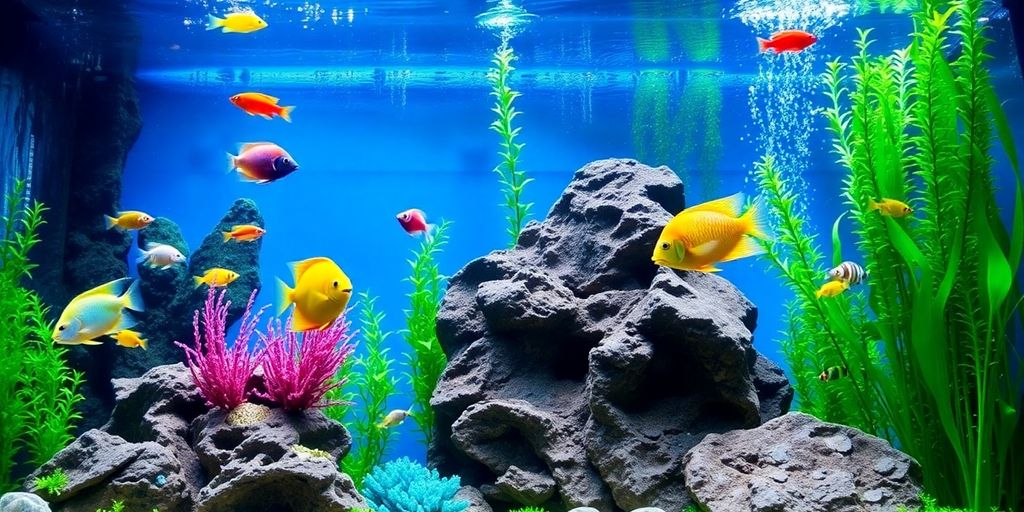
Creating a stunning aquarium involves more than just filling it with water and fish. One of the most important aspects is the background. Custom backgrounds can transform your aquarium into a captivating underwater world! Here’s what you need to know:
Choosing Natural Backgrounds
- Realistic Appearance: Natural backgrounds mimic the look of real aquatic environments, enhancing the overall aesthetic.
- Material Options: You can choose from various materials like rocks, plants, and even sand to create a lifelike setting.
- Seachem Products: Consider using Seachem products for a more natural look and feel in your aquarium.
Benefits of Artificial Backgrounds
- Easy Maintenance: Artificial backgrounds are often easier to clean and maintain than natural ones.
- Durability: They can last longer without degrading, making them a cost-effective choice.
- Variety of Designs: You can find many designs that fit your theme, from rocky landscapes to lush jungles.
Installation Tips
- Measure Your Tank: Ensure the background fits your aquarium perfectly.
- Secure Properly: Use adhesive or clips to keep the background in place.
- Consider Lighting: Think about how the background will look under different lighting conditions.
Custom backgrounds not only enhance the beauty of your aquarium but also provide a sense of depth and dimension. Incorporating terrarium accessories can further elevate your design.
By carefully selecting and installing the right background, you can create a stunning visual experience that showcases your aquatic life beautifully.
Aquarium Care Tips for Beginners
Essential Maintenance Tasks
Taking care of your aquarium is crucial for the health of your fish. Here are some key tasks to keep in mind:
- Regular Water Changes: Change 10-20% of the water weekly to keep it clean and fresh.
- Clean the Tank: Use a gravel vacuum to remove debris and waste from the bottom.
- Monitor Water Parameters: Check pH, ammonia, and nitrate levels regularly to ensure a safe environment.
Common Mistakes to Avoid
Many beginners make mistakes that can harm their fish. Here are some to watch out for:
- Overfeeding your fish, which can lead to poor water quality.
- Not cycling the tank before adding fish, which can cause harmful spikes in ammonia.
- Ignoring the compatibility of species, leading to stress or aggression.
Tips for Long-term Success
To ensure your aquarium thrives over time, consider these tips:
- Invest in quality equipment, like an Exo-Terra filter and heater.
- Keep spare parts handy for quick repairs.
- Educate yourself about the specific needs of your fish and plants.
Maintaining an aquarium is not just about keeping fish; it’s about creating a balanced ecosystem that thrives. Regular care and attention will lead to a beautiful underwater world that you can enjoy for years to come.
By following these tips, you can create a healthy and vibrant aquarium that brings joy and beauty to your home. Remember, patience and consistency are key!
The Reward of Creating an Aquaria Aquarium
Creating an aquaria aquarium is not just a hobby; it’s a journey filled with joy and discovery. When you set up your own underwater world, you gain a deeper connection to nature and the aquatic life within it. Here are some of the key rewards:
Educational Benefits
- Understanding Ecosystems: You learn about the delicate balance of aquatic ecosystems.
- Hands-On Learning: Managing an aquarium teaches responsibility and care.
- Research Skills: You’ll find yourself researching species compatibility and habitat needs.
Connecting with Nature
- Relaxation: Watching fish swim can be a calming experience.
- Creativity: Designing your aquarium allows for artistic expression.
- Awareness: You become more aware of environmental issues affecting aquatic life.
Personal Satisfaction
- Achievement: Successfully maintaining an aquarium brings a sense of accomplishment.
- Community: Joining aquarium clubs or online forums connects you with fellow enthusiasts.
- Showcase: Your aquarium can be a beautiful centerpiece in your home.
Creating an aquaria aquarium is a rewarding experience that combines creativity, education, and a connection to nature. It’s a chance to build a thriving ecosystem right in your living room.
In addition to these rewards, using the right equipment is crucial. Investing in All Products like Aquarium Test Strips and Aquarium Heaters ensures a healthy environment for your aquatic friends. Remember, the effort you put into your aquarium will reflect in its beauty and health!
Building your own aquarium can be a fun and rewarding experience! Not only do you get to create a beautiful underwater world, but you also learn a lot about caring for fish and plants. If you’re ready to dive into this exciting hobby, visit our website for all the supplies you need to get started!
Final Thoughts on Your Underwater Adventure
Creating your own aquarium biome is an exciting journey that brings a piece of nature right into your home. By choosing the right environment, setting up your tank with suitable plants and fish, and taking care of your mini-ecosystem, you can enjoy the beauty of aquatic life every day. This experience not only helps you learn more about underwater habitats but also allows you to appreciate the unique charm of each biome. So, get ready to dive in, unleash your creativity, and build your very own underwater paradise!
Frequently Asked Questions
What is an aquaria aquarium?
An aquaria aquarium is a special kind of fish tank that tries to copy a natural underwater environment. It includes plants, fish, and decorations that make it feel like a real habitat.
Why should I create an aquarium biome?
Creating an aquarium biome helps you learn about nature. It gives you a chance to see how different plants and animals live together in a balanced way.
What types of aquaria can I choose from?
You can pick from many types of aquaria, like freshwater, saltwater, or even brackish water tanks. Each type has its own unique look and needs.
How do I pick the right fish for my aquarium?
When choosing fish, make sure they can live together peacefully. Research their needs and make sure they fit well in the environment you want to create.
What equipment do I need for my aquarium?
You’ll need a good tank, a filter to keep the water clean, a heater for temperature control, and lights to help plants grow.
How often should I change the water in my aquarium?
It’s important to change a part of the water regularly, usually about 10-15% each week, to keep your fish healthy and the water clean.
Can I add decorations to my aquarium?
Absolutely! You can add rocks, plants, and other decorations to make your aquarium look nice and provide hiding spots for your fish.
What is the best way to maintain my aquarium?
Regular maintenance includes checking water levels, cleaning the tank, and making sure your fish are healthy. It’s also important to trim plants and clean decorations.