Setting up a saltwater aquarium can be a rewarding adventure. It allows you to bring a slice of the ocean into your home, filled with vibrant fish and beautiful corals. However, to create a thriving marine ecosystem, you need to understand the essential parts and equipment that will help maintain a healthy environment for your aquatic life. This guide highlights the key components you need for a successful saltwater aquarium.
Key Takeaways
- Choose a tank that is long and wide for better stability and light penetration.
- Live rock and sand are crucial for natural filtration and providing habitats for marine life.
- Proper filtration systems are necessary to keep the water clean and safe for fish.
- Maintaining the right temperature is vital for the health of your aquatic creatures.
- Regular maintenance and using the right tools will help ensure the long-term success of your aquarium.
Choosing the Right Tank for Your Saltwater Aquarium
When starting a saltwater aquarium, selecting the right tank is crucial. The tank serves as the foundation for your marine ecosystem, and making the right choice can lead to a thriving environment for your fish and corals.
Glass vs. Acrylic: Pros and Cons
Both glass and acrylic tanks have their advantages and disadvantages:
| Material | Pros | Cons |
|---|---|---|
| Glass | – Scratch-resistant |
       - Retains clarity over time
       - Generally less expensive | - Heavier and fragile
       - Limited shapes available |
| Acrylic | – Lightweight and easy to move
– Impact-resistant
– Flexible shapes possible | – Scratches easily
– May yellow over time |
Ideal Tank Size and Shape
Choosing the right size and shape is essential for a successful aquarium. Here are some considerations:
- Small Tanks (Nano Tanks): Good for beginners but limited species options.
- Medium Tanks: Offers a balance of variety and stability.
- Large Tanks: More stable and visually impressive, but require more investment.
For example, the IM 40 is great for more water volume, while the Waterbox 35.2 is popular for its matching stand and volume.
All-in-One Tank Systems
All-in-one systems, like those from Seachem, simplify setup by including essential components. These systems can save you time and money, making them a great choice for beginners. They often come with built-in filtration and lighting, which can help you get started quickly.
Remember, the right tank is not just about aesthetics; it’s about creating a stable environment for your marine life.
By carefully considering your options, you can set the stage for a successful saltwater aquarium journey!
The Importance of Live Rock and Sand
Natural Filtration Benefits
Live rock and sand are essential for creating a healthy marine environment. These materials act as natural filters, helping to break down waste and maintain water quality. The beneficial bacteria that thrive in these substrates convert harmful ammonia and nitrites into less toxic nitrates, which are safer for fish and other marine life.
Creating Habitats for Marine Life
Live rock and sand provide crucial habitats for various marine organisms. They offer:
- Shelter for fish and invertebrates
- Hiding spots for shy species
- Grazing areas for herbivores
This combination of rock and sand creates a more balanced ecosystem, allowing for a diverse range of marine life to thrive.
Selecting Quality Live Rock and Sand
When choosing live rock and sand, consider the following:
- Source: Ensure you buy from reputable suppliers like Advatec.
- Type: Look for rock that is porous and has a variety of shapes.
- Condition: Check for signs of health, such as vibrant colors and minimal algae growth.
Using a rock and sand combination is the most beneficial because you receive microorganisms that specifically live in the sand and others that live specifically in the rock.
In summary, incorporating quality live rock and sand into your aquarium setup is vital for establishing a thriving marine ecosystem. They not only enhance the aesthetic appeal of your tank but also play a significant role in maintaining water quality and providing habitats for marine life.
Essential Filtration Systems for a Healthy Aquarium

Maintaining a clean and healthy environment in your saltwater aquarium is crucial for the well-being of your marine life. A robust filtration system is essential to keep the water clear and free from harmful substances. Here are the key types of filtration systems you should consider:
Biological Filtration Explained
Biological filtration is vital for breaking down harmful waste products. It relies on beneficial bacteria that colonize surfaces in your aquarium. Here are some important points:
- Surface Area: More surfaces mean more bacteria, which helps in breaking down waste.
- Avoid Over-Cleaning: Too much cleaning can kill beneficial bacteria, leading to water quality issues.
- Aquarium Accessories: Use bio-wheels, filter cartridges, or bio-balls to enhance biological filtration.
Mechanical Filtration Options
Mechanical filtration physically removes debris and particles from the water. Here are some common options:
- Canister Filters: These are compact and can handle both freshwater and saltwater setups.
- Hang-On Filters: Easy to install and maintain, suitable for smaller tanks.
- Sumps: These are secondary tanks that increase water volume and provide additional filtration space.
Chemical Filtration Necessities
Chemical filtration helps remove impurities and odors from the water. Here’s what you need to know:
- Activated Carbon: This is commonly used to absorb toxins and improve water clarity.
- Regular Replacement: Old carbon loses its effectiveness, so change it regularly.
- Larger Filters: Choosing a larger filter than needed can reduce maintenance frequency and improve water quality.
Ensuring proper filtration is the backbone of a thriving saltwater aquarium. With the right systems in place, you can create a vibrant and healthy marine ecosystem.
Heating and Cooling: Maintaining the Perfect Temperature

Choosing the Right Heater
To keep your marine life happy, the right heater is essential. Many fish and corals thrive in warmer waters, so having a reliable heater is crucial. Here are some types of heaters:
- Submersible Heaters: These are placed directly in the tank and provide efficient heat.
- In-line Heaters: These connect to your filtration system and heat water as it flows through.
- Under-gravel Heaters: These sit below the substrate, warming the tank from the bottom up.
Cooling Solutions for Warm Climates
In hot environments, keeping your aquarium cool is just as important. Chillers help maintain the right temperature by cooling the water before it returns to the tank. Here’s what to consider:
- Size and Capacity: Make sure the chiller matches your tank size.
- Noise Level: Some chillers can be noisy, so check their decibel ratings.
Monitoring and Adjusting Temperature
Using a thermometer is key to ensuring your aquarium stays at the right temperature. Here are some tips:
- Regular Checks: Monitor the temperature daily to catch any fluctuations.
- Quality Thermometers: Use digital or stick-on thermometers for accurate readings.
- Adjust as Needed: If the temperature is off, adjust your heater or chiller accordingly.
Maintaining the right temperature isn’t just about comfort; it’s vital for the health of your marine life. By mastering heating and cooling, you create an environment where your aquatic pets can thrive.
Remember, brands like AQUAEL offer reliable aquarium heaters that can help you maintain the perfect temperature for your marine ecosystem. Keeping a stable temperature is essential for preventing stress and disease in your fish and corals.
| Temperature Range | Ideal for |
|---|---|
| 78-82°F | Tropical Fish |
| 75-78°F | Reef Aquariums |
Lighting: Illuminating Your Marine Ecosystem
Types of Aquarium Lighting
When it comes to lighting your saltwater aquarium, there are several options to consider:
- LED Lights: These are energy-efficient and can be adjusted to showcase your marine life beautifully. They last longer than traditional bulbs, making them a popular choice.
- Metal Halides: Known for their intense light, these are great for deeper tanks where light needs to reach the bottom. They create a natural shimmering effect, mimicking sunlight in the ocean.
- T5 Fluorescents: These tubes provide a broad spectrum of light, which is essential for coral health. They are reliable and can be mixed and matched for desired effects.
Setting Up a Lighting Schedule
Creating a lighting schedule is crucial for the health of your aquarium. Here are some tips:
- Consistency: Aim for a regular on-off cycle to mimic natural day and night.
- Duration: Most aquariums benefit from 10-12 hours of light per day.
- Timers: Using timers can help automate the process, ensuring your lights turn on and off at the same time every day.
Importance of Light for Corals and Plants
Proper lighting is essential for the health of corals and aquatic plants. Without adequate light, these organisms cannot perform photosynthesis, which is vital for their growth and survival. Here’s why:
- Coral Growth: Corals rely on light to thrive, as they have symbiotic algae that need light to produce energy.
- Coloration: Good lighting enhances the vibrant colors of corals, making your aquarium visually stunning.
- Health: Insufficient light can lead to stress and disease in corals, affecting the entire ecosystem.
In summary, choosing the right lighting system is key to creating a thriving marine ecosystem. Whether you opt for Kessil lights or other options, ensure that your setup meets the needs of your aquatic life.
Water Quality: Testing and Maintenance
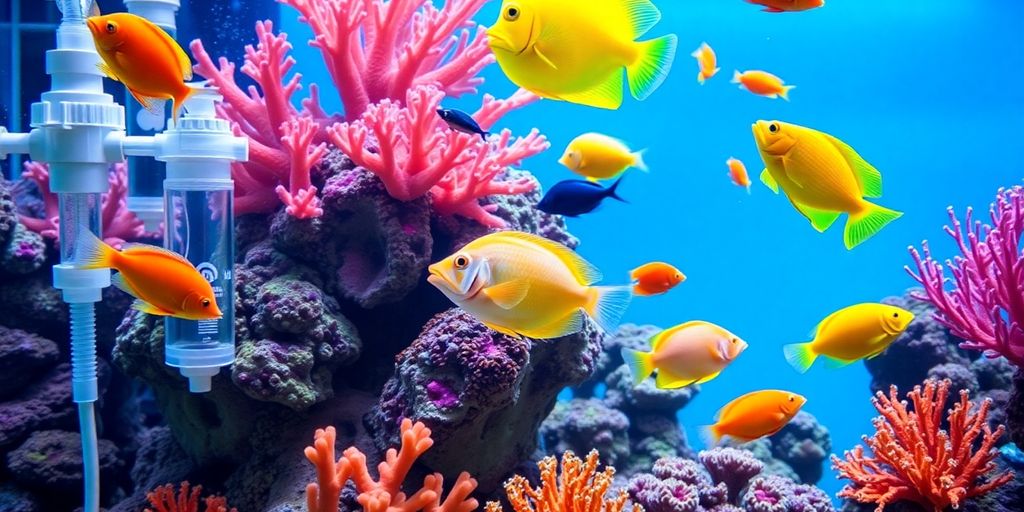
Maintaining water quality is crucial for a thriving marine ecosystem. Regular testing ensures that your aquarium remains a healthy environment for its inhabitants. Here are some key aspects to consider:
Essential Water Parameters to Monitor
- pH Level: The ideal pH for a marine aquarium is between 8.1 and 8.4. Regular monitoring helps prevent stress on fish and invertebrates.
- Salinity: Measured in parts per thousand (ppt), the specific gravity should be maintained between 1.020 and 1.026, depending on the species in your tank.
- Nitrates and Nitrites: High levels can be harmful. Regular testing helps keep these levels in check to avoid algae blooms.
Using Test Kits Effectively
To accurately monitor water quality, use reliable test kits. Here are some common tests:
- Ammonia: Critical during the initial setup to monitor biological filtration.
- Calcium: Important for reef tanks, as corals require optimal calcium levels.
- Alkalinity: Helps stabilize pH levels and is essential for overall water quality.
Regular Water Changes and Top-Offs
Performing regular water changes is vital for maintaining a healthy aquarium. Here’s a simple schedule:
- Weekly: Change 10-20% of the water to remove toxins.
- Monthly: Test all water parameters to ensure they are within the desired range.
- As Needed: Top off evaporated water with fresh, treated water.
Regular maintenance and testing are key to a successful marine aquarium. By keeping an eye on water quality, you can create a thriving environment for all your aquatic life.
For all products related to water testing and maintenance, ensure you choose high-quality options that suit your specific needs. This will help you maintain a balanced and healthy marine ecosystem.
Aeration and Water Movement
Benefits of Proper Aeration
Good aeration is crucial for a healthy aquarium. It helps maintain oxygen levels and supports the overall well-being of marine life. Here are some key benefits:
- Oxygen Supply: Ensures fish and invertebrates have enough oxygen to thrive.
- Gas Exchange: Helps remove harmful gases like carbon dioxide from the water.
- Waste Removal: Circulation carries waste away from corals and other organisms.
Types of Aeration Equipment
To achieve proper aeration, consider using:
- Air Pumps: These create bubbles that increase surface agitation.
- Airstones: They distribute air evenly throughout the tank.
- Powerheads: These help circulate water and prevent dead spots.
Ensuring Adequate Water Circulation
Proper water movement is essential for a thriving marine ecosystem. Here are some tips:
- Position Equipment Wisely: Place pumps and powerheads to create a circular flow.
- Monitor Flow Rates: Adjust the flow to suit the needs of your tank’s inhabitants.
- Regular Maintenance: Clean equipment to ensure optimal performance.
Maintaining good water movement is vital for the health of your aquarium. It not only supports fish but also helps corals and other marine life flourish.
By focusing on aeration and water movement, you can create a vibrant and healthy environment for your aquatic friends. Remember, proper aeration is not just about bubbles; it’s about creating a balanced ecosystem that mimics natural conditions.
Aquascaping Tools and Techniques

Creating a beautiful aquarium is not just about filling it with water and fish; it’s about crafting an underwater masterpiece. A well-designed tank enhances the natural behaviors of its inhabitants and makes for a stunning display.
Essential Tools for Aquascaping
- Tweezers: Perfect for placing corals or plants precisely where you want them.
- Scissors: Great for trimming plants or soft corals to keep them healthy and looking good.
- Spacers and Levels: These help create a balanced and harmonious layout in your tank.
Maintaining Your Aquascape
To keep your aquarium looking its best, regular maintenance is key. Here are some important tasks:
- Clean the tank walls: Use algae scrapers to ensure clear views and optimal light for your marine life.
- Check plant health: Trim any dead or overgrown plants to promote growth.
- Monitor water quality: Regular testing helps maintain a thriving ecosystem.
Choosing the Right Brands
When selecting aquascaping tools, consider reputable brands known for quality. Investing in good tools can make a significant difference in your aquarium’s appearance and health.
A well-maintained aquascape not only looks beautiful but also supports the health of your fish and plants, creating a thriving environment for all.
By using the right tools and techniques, you can create a stunning aquarium that is both functional and visually appealing. Happy aquascaping!
Supplementing Your Aquarium: Additives and Trace Elements
Importance of Trace Elements
Trace elements are vital for the health of your marine ecosystem. They help in various biological processes and ensure that your fish and corals thrive. Adding the right trace elements can significantly improve your aquarium’s health.
Common Supplements for Marine Tanks
Here are some common supplements you might consider:
- Calcium: Essential for coral growth.
- Magnesium: Helps maintain proper calcium levels.
- Iodine: Important for the health of invertebrates.
Dosing and Monitoring Levels
To ensure your aquarium remains healthy, it’s crucial to monitor and dose trace elements correctly. The method of choice for determining the trace element concentrations in your saltwater aquarium is the so-called inductively coupled plasma, or ICP for short. Regular testing will help you maintain optimal levels.
| Element | Ideal Concentration (ppm) |
|---|---|
| Calcium | 400-450 |
| Magnesium | 1250-1350 |
| Iodine | 0.06-0.08 |
Regularly supplementing your aquarium with the right additives can lead to a more vibrant and balanced marine ecosystem.
By understanding the importance of trace elements and how to manage them, you can create a thriving environment for your aquatic life. Remember, Seachem Reef Trace Elements supplies a broad range of trace elements demonstrated to be necessary for proper reef health and growth.
Quarantine Tanks and Disease Prevention
Setting Up a Quarantine Tank
A quarantine tank is essential for keeping your main aquarium safe. This separate space allows you to monitor new fish for diseases before introducing them to your main tank. Here are some key steps to set it up:
- Choose the Right Size: A 10-20 gallon tank is usually sufficient for most fish.
- Add Basic Equipment: Include a heater, filter, and air pump to maintain water quality.
- Use a Simple Substrate: A bare bottom or fine sand makes cleaning easier.
Identifying and Treating Common Diseases
When you have new fish, watch for signs of illness. Common diseases include:
- Ich: White spots on the fish’s body.
- Fin Rot: Frayed or discolored fins.
- Velvet Disease: A dusty appearance on the fish.
If you notice any of these symptoms, treat the fish in the quarantine tank with appropriate medications.
Best Practices for Introducing New Fish
To ensure a smooth introduction of new fish into your main tank, follow these guidelines:
- Acclimate Slowly: Gradually introduce new fish to the tank’s water conditions over a few hours.
- Observe for 2-4 Weeks: Keep the new fish in the quarantine tank for at least two weeks to monitor their health.
- Use Quality Products: Consider using products like Polyplab to enhance water quality and reduce stress for your fish.
A quarantine tank is not just an extra step; it’s a vital part of maintaining a healthy aquarium. By taking the time to isolate new arrivals, you protect your entire marine ecosystem from potential diseases.
Routine Maintenance and Upkeep
Maintaining a saltwater aquarium is crucial for keeping your marine life healthy and vibrant. Regular upkeep not only enhances the beauty of your tank but also prevents potential issues. Here are some essential tasks to keep in mind:
Daily, Weekly, and Monthly Tasks
- Daily Checks:
- Weekly Tasks:
- Monthly Maintenance:
Using Algae Scrapers and Gravel Vacuums
- Algae Scrapers:
- Gravel Vacuums:
Tips for Long-Term Success
Regular maintenance is key to a thriving aquarium. By staying proactive, you can enjoy a beautiful and healthy marine ecosystem.
By following these guidelines, you can ensure that your saltwater aquarium remains a stunning and healthy environment for all its inhabitants. Remember, consistency is vital in maintaining a successful marine ecosystem!
Advanced Equipment for Enthusiasts
Diving deeper into the world of saltwater aquariums, enthusiasts often seek advanced equipment to enhance their marine ecosystems. These tools can significantly improve the health and beauty of your tank.
Protein Skimmers and Their Benefits
Protein skimmers are essential for removing dissolved organic compounds from the water before they can harm your fish and corals. Here are some key points about protein skimmers:
- Efficiency: They help reduce the load on biological filters, allowing for a larger population of fish and invertebrates.
- Placement: Consider where to install your skimmer for optimal performance.
- Types: There are various models available, so choose one that fits your tank size and needs.
Using UV Sterilizers
UV sterilizers are another great addition to your aquarium toolkit. They help eliminate harmful microorganisms in the water, promoting a healthier environment. Here’s why you might want one:
- Clarity: They improve water clarity by reducing algae and bacteria.
- Health: Helps prevent disease outbreaks among your fish.
- Maintenance: Regular use can reduce the need for chemical treatments.
Automated Systems for Ease of Maintenance
Automated systems can make aquarium care much easier. These systems can handle tasks like water changes and dosing supplements. Consider the following:
- Convenience: They save time and ensure consistent care.
- Precision: Automated systems can deliver exact amounts of additives, improving water quality.
- Integration: Many systems can be integrated with controllers like the reef-pi diy aquarium controller hardware hat, which offers unmatched flexibility and cost efficiency for aquarium enthusiasts.
Investing in advanced equipment not only enhances the beauty of your aquarium but also supports a thriving marine ecosystem.
In summary, advanced equipment like protein skimmers, UV sterilizers, and automated systems can greatly benefit your saltwater aquarium. For those starting out, consider Terrarium Starter Kits that include some of these essential tools to kickstart your journey!
If you’re serious about your hobby, having the right gear is key. Explore our top-notch equipment designed for true enthusiasts. Don’t miss out on the best products to elevate your experience! Visit our website today to discover more!
Conclusion
Setting up a saltwater aquarium is an exciting journey that requires careful planning and the right tools. From maintaining the right temperature to using live rock for natural filtration, each part plays a vital role in creating a healthy marine environment. Remember, it’s not just about having the best equipment; it’s also about understanding how to care for your aquatic life. Regular maintenance and learning about your tank’s needs will help ensure your fish and corals thrive. With dedication and the right knowledge, you can enjoy the beauty of a vibrant underwater world right in your home.
Frequently Asked Questions
What size tank is best for a saltwater aquarium?
A larger tank is usually better because it creates a more stable environment. Aim for at least 30 gallons.
How do I keep the water clean in my aquarium?
Use a good filtration system and do regular water changes to keep the water clean and healthy.
What temperature should my saltwater aquarium be?
Most marine fish do well in temperatures between 78-82°F. Make sure to check regularly.
Why is live rock important in a saltwater tank?
Live rock helps filter the water and provides homes for fish and other sea creatures.
How often should I feed my fish?
Feed your fish small amounts 1-2 times a day. Avoid overfeeding, as it can harm water quality.
What kind of lighting do I need for my aquarium?
LED lights are popular because they are energy-efficient and can support coral growth.
Do I need a quarantine tank?
Yes, a quarantine tank is important for isolating new fish to prevent spreading diseases.
What are the benefits of using a protein skimmer?
A protein skimmer removes waste and helps keep the water clean, which is vital for a healthy aquarium.