Setting up a fish tank is an exciting adventure that involves more than just filling a glass box with water and adding fish. To create a beautiful and healthy aquatic environment, you need the right supplies. From filtration systems to lighting and maintenance tools, each item plays a crucial role in keeping your fish happy and healthy. This guide will help you understand the essential supplies every aquarist needs to ensure their aquarium thrives.
Key Takeaways
- A sturdy aquarium stand is vital for supporting the weight of the tank and ensuring safety.
- Choosing the right filtration system is crucial for maintaining clean and healthy water for your fish.
- Proper lighting enhances the beauty of your aquarium and supports plant growth.
- Regular water quality checks and maintenance are necessary to keep your fish healthy.
- Investing in the right tools makes aquarium care easier and more effective.
Choosing the Right Aquarium Stand

When setting up your aquarium, the stand is crucial for both stability and aesthetics. A sturdy stand ensures that your tank remains safe and secure, preventing any accidents that could harm your fish or damage your home.
Importance of a Sturdy Stand
- A strong stand supports the weight of the tank, which can be significant, especially for larger sizes like a 55-gallon aquarium.
- It helps maintain the level of the tank, which is essential for proper water circulation and filtration.
- A well-built stand can enhance the overall look of your aquarium setup.
Materials to Consider
When choosing a stand, consider the following materials:
- Wood: Offers a classic look and is very sturdy.
- Metal: Provides a modern aesthetic and is often more durable.
- Plastic: Lightweight and resistant to water damage, but may not support larger tanks well.
| Material | Pros | Cons |
|---|---|---|
| Wood | Sturdy, aesthetic | Can warp if wet |
| Metal | Durable, modern | Can rust if not treated |
| Plastic | Lightweight, water-resistant | May not support heavy tanks |
Custom vs. Pre-made Stands
- Custom Stands: Tailored to fit your specific tank size and style, but can be more expensive.
- Pre-made Stands: Readily available and often more affordable, but may not fit all tank sizes perfectly.
In conclusion, selecting the right aquarium stand is essential for a thriving aquarium. Always check the brands and reviews to ensure you are making a wise investment for your aquatic environment.
Essential Aquarium Filtration Systems
Aquarium filtration is crucial for keeping your fish healthy and your water clean. A good filtration system helps maintain a balanced ecosystem in your tank. Here are the main types of filtration:
Types of Filters
- Mechanical Filtration: This type traps debris and particles as water passes through a filter pad.
- Chemical Filtration: Activated carbon is used to remove toxins from the water.
- Biological Filtration: Beneficial bacteria break down harmful substances like ammonia, making the water safe for fish.
Choosing the Right Filter for Your Tank
Selecting the right filter depends on your tank size and the type of fish you have. Here’s a quick guide:
| Tank Size | Recommended Filter Type |
|---|---|
| Small (up to 10 gallons) | Sponge Filter |
| Medium (10-50 gallons) | Hang-on Power Filter |
| Large (50+ gallons) | Canister Filter |
Maintenance Tips for Filters
To keep your filter working well, follow these tips:
- Clean the filter media regularly to prevent clogging.
- Replace activated carbon every month.
- Check for any leaks or unusual noises.
Regular maintenance of your filtration system is key to a thriving aquarium. Without it, your fish could be at risk.
In addition to filters, consider other aquarium accessories that can enhance your tank’s environment. Proper filtration is just one part of creating a healthy habitat for your aquatic friends!
Aquarium Lighting Options
Benefits of Proper Lighting
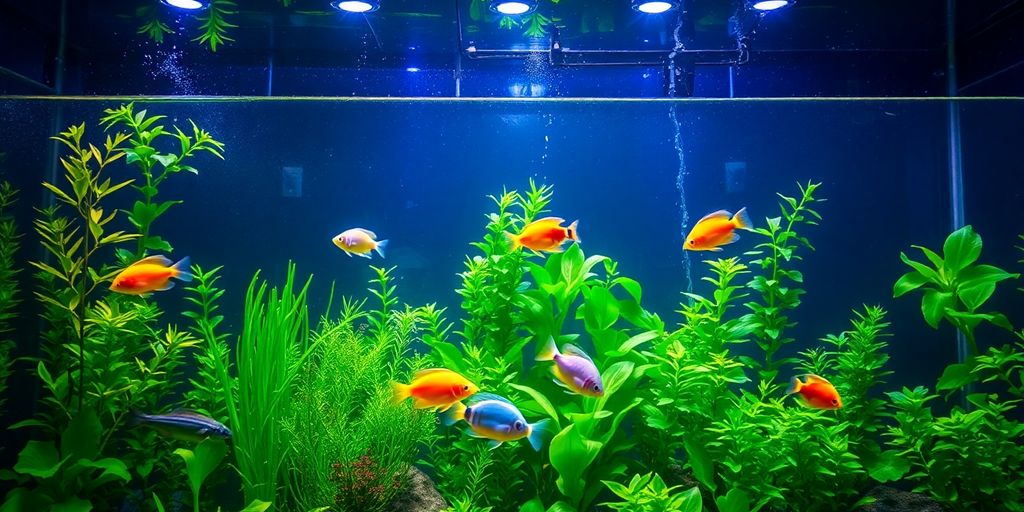
Proper lighting is essential for a healthy aquarium. It helps plants grow and keeps fish vibrant. The right aquarium lights can also reduce algae growth, making your tank look cleaner and more appealing.
Types of Aquarium Lights
There are several types of aquarium lights to choose from:
- Incandescent Lights: These are less common now but can still be found.
- Fluorescent Lights: Available in various forms, including standard and compact.
- Metal Halide Lights: Great for larger tanks but can be expensive.
- LED Lights: These are popular due to their energy efficiency and long lifespan. Brands like Kessil offer high-quality options that are perfect for both freshwater and saltwater tanks.
| Type of Light | Lifespan (Hours) | Energy Efficiency | Cost Range |
|---|---|---|---|
| Incandescent | 1,000 | Low | Low |
| Fluorescent | 7,000 | Medium | Medium |
| Metal Halide | 10,000 | Medium | High |
| LED | 25,000 | High | Medium-High |
Lighting for Freshwater vs. Saltwater Tanks
Freshwater and saltwater tanks have different lighting needs. Freshwater plants often thrive under moderate lighting, while saltwater tanks may require more intense lighting to support coral growth. Choosing the right light is crucial for the health of your aquatic life.
Remember, the right lighting can make your aquarium not just functional but also a beautiful centerpiece in your home!
Maintaining Optimal Water Temperature
Importance of a Heater
A heater is essential for keeping your aquarium at the right temperature. Fish thrive in stable environments, and a heater helps maintain that stability. Without it, temperature fluctuations can stress your fish, leading to health issues.
Choosing the Right Heater
When selecting a heater, consider the following:
- Size: Match the heater wattage to your tank size. A general rule is 5 watts per gallon.
- Type: Common types include:
- Hanging heaters: Easy to set up and great for beginners.
- Immersion heaters: Submersible and effective but need caution to avoid fish contact.
- In-line heaters: Built into plumbing, safest option for fish.
- Thermostat: Ensure it has a reliable thermostat to maintain the desired temperature.
Using a Thermometer
A thermometer is crucial for monitoring your tank’s temperature. Regular checks help ensure your heater is functioning correctly. The optimal temperature for most freshwater fish is around 75°F (24°C).
| Fish Type | Ideal Temperature Range |
|---|---|
| Tropical Fish | 75°F – 80°F |
| Goldfish | 65°F – 75°F |
| Betta Fish | 78°F – 80°F |
Maintaining the right temperature is vital for fish health. Regular monitoring can prevent stress and illness.
By keeping your aquarium’s temperature stable, you create a healthy environment for your fish, ensuring they live long and happy lives. Remember, a well-maintained tank is a thriving tank!
Aquarium Water Quality Management
Maintaining a healthy aquarium is all about keeping the water quality in check. Good water quality is essential for the health of your fish and plants. Here are some key points to consider:
Using Water Conditioners
- Water conditioners help remove harmful substances from tap water, such as chlorine and heavy metals.
- Always use a conditioner when setting up your tank or changing the water.
- Popular brands include Advatec and API Stress Coat.
Testing Water Parameters
Regular testing is crucial. You should check:
- Ammonia: Should be at 0 ppm.
- Nitrite: Should also be at 0 ppm.
- Nitrate: Keep it as low as possible.
- pH Level: Generally safe between 6.5 and 7.5, depending on your fish species.
| Parameter | Ideal Level |
|---|---|
| Ammonia | 0 ppm |
| Nitrite | 0 ppm |
| Nitrate | < 20 ppm |
| pH | 6.5 – 7.5 |
Regular Water Changes
- Change 10-15% of the water weekly to keep waste levels low.
- This helps maintain optimal water conditions for your fish.
- Use a gravel vacuum to remove debris from the substrate.
Keeping your aquarium clean and well-maintained is key to a thriving ecosystem. Regular checks and changes will help you avoid problems down the line.
By following these steps, you can ensure that your aquarium remains a safe and healthy environment for your aquatic pets. Remember, a little effort goes a long way in maintaining ideal water quality parameters in your tank!
Aquarium Air Pumps and Circulation
Benefits of Air Pumps
Air pumps are essential for keeping your aquarium healthy. They help to oxygenate the water, which is crucial for your fish to breathe. Additionally, they ensure that the water is evenly heated, preventing warm spots that can harm your fish. Here are some key benefits:
- Improved oxygen levels for fish
- Even water temperature throughout the tank
- Enhanced water movement, which can help with filtration
Types of Air Pumps
There are various types of air pumps available, each with its own features:
- Single Outlet Pumps: Basic models that provide air to one location.
- Dual Outlet Pumps: Like the dual outlets 8w ultra quiet aerator, these allow for multiple air stones or decorations.
- High-Volume Pumps: Designed for larger tanks, providing more air flow.
| Type of Pump | Best For | Price Range |
|---|---|---|
| Single Outlet | Small tanks | $10 – $20 |
| Dual Outlet | Medium tanks | $20 – $40 |
| High-Volume | Large tanks | $40 – $100 |
Installation and Maintenance
Setting up an air pump is straightforward. Here’s how:
- Choose a location: Place the pump above the water level to prevent backflow.
- Connect the tubing: Attach the tubing to the pump and run it to the desired location in the tank.
- Add an air stone: This helps to diffuse the air into smaller bubbles, which is better for oxygenation.
Regular maintenance is also important. Check the pump every few weeks to ensure it’s working properly and clean the air stones to prevent clogging.
Remember, while air pumps are beneficial, they may not be necessary if you have good circulation from your aquarium pumps and filters. Always assess your tank’s needs before purchasing additional equipment.
Substrate and Gravel for Your Aquarium
Choosing the right substrate and gravel is crucial for your aquarium’s health and appearance. The substrate not only enhances the look of your tank but also provides a habitat for beneficial bacteria. Here are some key points to consider:
Types of Substrate
- Gravel: A popular choice for many aquarists, it allows for good water flow and is easy to clean.
- Sand: Ideal for certain fish species and plants, sand can create a natural look.
- Commercial Soils: Products like Seachem and Omega One offer specialized substrates for planted tanks.
Choosing the Right Gravel
When selecting gravel, consider the following:
- Size: Smaller gravel can trap debris, while larger pieces allow for better water flow.
- Color: Choose a color that complements your fish and plants.
- Type: Ensure the gravel is safe for your fish species.
Cleaning and Maintenance
Regular maintenance is essential to keep your substrate healthy:
- Vacuuming: Use a gravel vacuum to remove waste and debris.
- Water Changes: Regular water changes help maintain water quality.
- Testing: Regularly test your water parameters to ensure a healthy environment.
Remember, the right substrate can make a significant difference in your aquarium’s ecosystem. It’s not just about aesthetics; it’s about creating a thriving habitat for your fish and plants!
Aquarium Plants and Decorations
Benefits of Live Plants
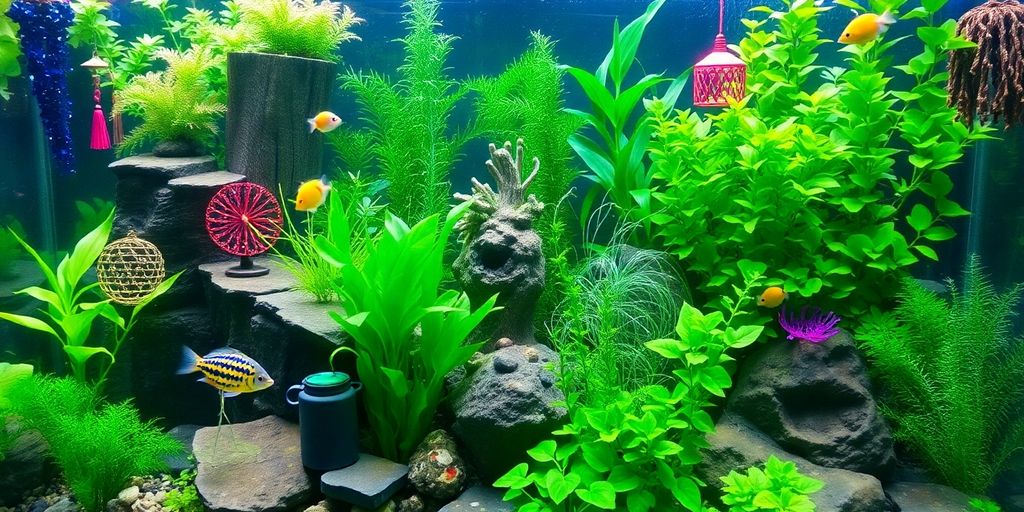
Adding live plants to your aquarium can create a more natural environment for your fish. They help improve water quality by absorbing harmful substances and providing oxygen. Here are some key benefits:
- Natural Filtration: Plants can help filter out toxins.
- Habitat: They provide hiding spots for fish, reducing stress.
- Aesthetic Appeal: Live plants enhance the beauty of your aquarium.
Choosing the Right Plants
When selecting plants, consider the type of tank you have. For example, Fluval offers a variety of plants suitable for both freshwater and saltwater tanks. Here are some popular choices:
- Anubias: Great for beginners, low light needs.
- Java Fern: Hardy and adaptable.
- Cryptocoryne: Offers a variety of colors and shapes.
Decorative Elements
In addition to plants, decorations can enhance your aquarium’s look. Here are some options:
- Rocks and Stones: Create natural landscapes.
- Driftwood: Adds character and provides hiding spots.
- Aquarium Substrate: Choose gravel or sand to complement your plants.
Remember, a well-decorated aquarium not only looks good but also supports the health of your fish. Regular maintenance of plants and decorations is essential for a thriving ecosystem.
Essential Aquarium Maintenance Tools
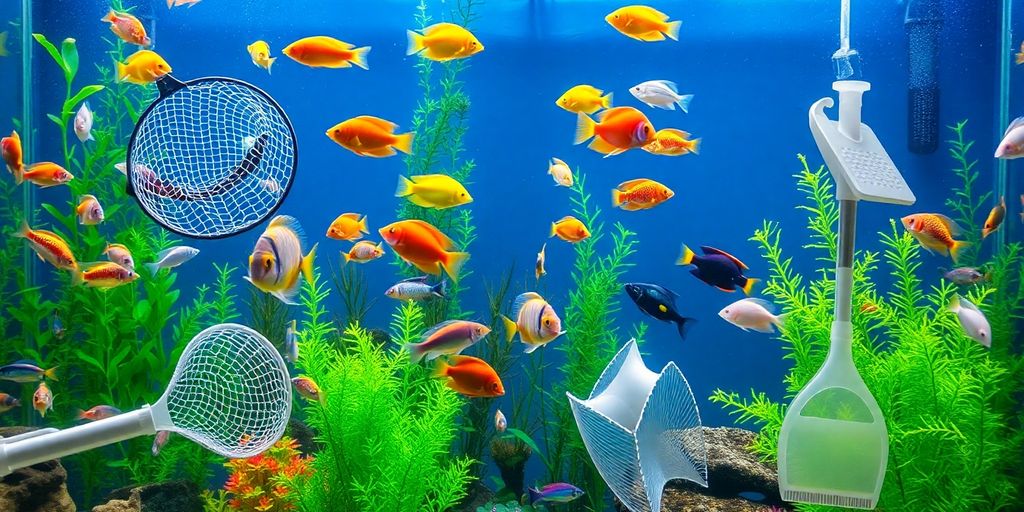
Maintaining a clean and healthy aquarium is essential for the well-being of your fish. Here are some must-have tools:
Gravel Vacuums
A gravel vacuum is a handy tool designed to make cleaning your tank easier. It helps remove debris and waste from the substrate without disturbing your fish. Regular use of a gravel vacuum keeps your water quality high.
Algae Scrapers
Algae scrapers are crucial for keeping your aquarium glass clear. They help remove stubborn algae that can build up over time. Using an algae scraper regularly will enhance the beauty of your tank and ensure your fish have a clear view of their environment.
Siphons and Buckets
Siphons are great for performing water changes. They allow you to easily remove water from the tank while also cleaning the substrate. Pairing a siphon with a bucket makes the process efficient and less messy.
Summary of Essential Tools
| Tool Type | Purpose |
|---|---|
| Gravel Vacuum | Cleans substrate and removes waste |
| Algae Scraper | Clears algae from tank surfaces |
| Siphon | Facilitates water changes and cleaning |
Remember, investing in quality tools can make a significant difference in maintaining your aquarium. All Products related to aquarium maintenance can be found in various stores, including Aquarium Kits and Cabinets that come with essential tools included.
By using these tools regularly, you can ensure a thriving environment for your aquatic friends!
Feeding Your Fish
Types of Fish Food
When it comes to feeding your fish, there are several types of fish food available:
- Flakes: Great for most fish, easy to digest.
- Pellets: Good for larger fish, they sink and can be more nutritious.
- Frozen or Live Food: Ideal for carnivorous fish, providing natural nutrients.
Feeding Schedules
Establishing a consistent feeding schedule is crucial. Here are some tips:
- Feed your fish twice a day for optimal health.
- Use a timer to help maintain a routine.
- Observe your fish to adjust the amount based on their appetite.
Avoiding Overfeeding
Overfeeding can lead to serious health issues for your fish. A good rule of thumb is to give your fish no more food than they will consume in less than five minutes. When in doubt, underfeed. You can always give them more later.
Remember, a balanced diet is key to a thriving aquarium. Each fish species has unique dietary needs, so do your research to ensure you’re providing the right fish food.
| Fish Type | Recommended Food Type | Feeding Frequency |
|---|---|---|
| Goldfish | Flakes | 2 times a day |
| Betta | Pellets | 1-2 times a day |
| Cichlids | Frozen or Live Food | 1-2 times a day |
Aquarium Safety and Precautions
Handling Electrical Equipment
When working with electrical equipment in your aquarium, safety is crucial. Always unplug devices before cleaning or making adjustments. Here are some tips to keep in mind:
- Use a GFCI (Ground Fault Circuit Interrupter) outlet.
- Keep electrical cords away from water.
- Regularly check for frayed wires or damaged plugs.
Preventing Leaks
Leaks can cause serious damage to your home and harm your fish. To prevent leaks:
- Regularly inspect your tank and equipment for cracks.
- Ensure all seals are intact and replace any worn-out parts.
- Use a waterproof mat under your aquarium to catch any spills.
Safe Cleaning Practices
Cleaning your aquarium is essential, but it must be done safely. Here are some practices to follow:
- Use aquarium-safe cleaning products.
- Avoid using soap or chemicals that can harm fish.
- Rinse all equipment thoroughly before placing it back in the tank.
Keeping your aquarium safe is not just about the fish; it’s about protecting your home and ensuring a healthy environment for your aquatic friends. Regular checks and maintenance can prevent many issues.
By following these precautions, you can create a safe and thriving environment for your fish. Remember, a little care goes a long way in maintaining a healthy aquarium!
Setting Up a Freshwater vs. Saltwater Tank
When it comes to setting up an aquarium, you have two main choices: freshwater or saltwater. Freshwater tanks are generally easier and cheaper to maintain than saltwater tanks. Here’s a quick breakdown of the differences:
Basic Differences
- Cost: Saltwater tanks can be about five times more expensive to set up than freshwater tanks.
- Equipment: Saltwater setups require specialized gear like protein skimmers and additional water additives.
- Maintenance: Freshwater fish are more forgiving of water quality changes, making them easier for beginners.
Equipment Needed
| Equipment Type | Freshwater Tank | Saltwater Tank |
|---|---|---|
| Tank Size | At least 16 gallons | At least 30 gallons |
| Filtration System | Standard filter | Protein skimmer |
| Lighting | Basic LED | High-powered lighting |
| Water Testing | Aquarium Test Strips | Specialized kits |
Maintenance Requirements
- Regular Water Changes: Freshwater tanks need changes every 1-2 weeks, while saltwater tanks may require more frequent changes.
- Testing Water Quality: Use aquarium test strips to monitor pH, ammonia, and nitrate levels.
- Feeding: Be cautious with feeding; overfeeding can lead to water quality issues in both types of tanks.
Setting up an aquarium can be a fun and rewarding experience. Take your time to research and choose the right setup for your needs.
In summary, if you’re just starting out, a freshwater tank is a great choice. However, if you’re ready for a challenge, a saltwater tank can be a beautiful addition to your home. Just remember to plan ahead and gather all the necessary supplies, including Terrarium Starter Kits for any plants you might want to include!
When you’re thinking about starting an aquarium, it’s important to know the differences between freshwater and saltwater tanks. Each type has its own needs and benefits. If you’re ready to dive into the world of fishkeeping, visit our website for tips and products that can help you set up the perfect tank!
Final Thoughts on Essential Fish Tank Supplies
In summary, keeping a healthy fish tank is a rewarding adventure. It’s not just about having fish; it’s about building a beautiful and safe home for them. Each item you choose, from the must-haves to the nice-to-haves, is important for making your aquarium thrive. Think carefully about what you need, because happy fish come from a well-cared-for tank!
Frequently Asked Questions
What supplies do I need for a fish tank?
You’ll need a tank, a filter, a heater, lights, and some decorations. You also need water conditioner and a way to test the water.
How often should I change the water in my aquarium?
It’s best to change about 10-15% of the water every week or 20-25% every two weeks to keep it clean.
What type of fish is good for beginners?
Some easy fish for beginners are guppies, bettas, and tetras. They are hardy and can adapt well to new tanks.
How do I know if my fish are healthy?
Healthy fish are active, have bright colors, and eat well. If they are hiding a lot or have faded colors, they might be stressed.
What should I feed my fish?
You can feed your fish flakes, pellets, or frozen food. Make sure to choose food that is right for the type of fish you have.
How can I keep my aquarium clean?
Regularly use a gravel vacuum to remove debris, clean the filter, and do water changes to keep the tank clean.
Do I need to use a water conditioner?
Yes, a water conditioner helps remove harmful chemicals from tap water, making it safe for your fish.
What is the best way to set up a new aquarium?
Start by choosing a tank, adding substrate and decorations, filling it with water, and setting up the filter and heater. Let it cycle for a few weeks before adding fish.