Setting up a reef aquarium can be a fun and rewarding experience. However, it requires careful planning and knowledge to ensure that your fish thrive in their new home. This guide will help you navigate the process of choosing and caring for reef fish, making your aquarium journey smoother and more enjoyable.
Key Takeaways
- Research fish compatibility before adding them to your tank.
- Maintain high water quality to keep your fish healthy.
- Choose the right equipment to support your aquarium’s ecosystem.
- Be cautious when buying fish online; ensure the seller is reputable.
- Consider captive-bred fish for better health and sustainability.
Choosing the Right Reef Fish Online
When it comes to setting up a saltwater aquarium, selecting the right fish is crucial. Here are some key points to consider:
Factors to Consider
- Temperament: Choose fish that are peaceful and can coexist without fighting.
- Dietary Needs: Make sure you can provide the right food for your fish.
- Tank Size: Ensure your aquarium is large enough for the fish you want to keep.
Popular Species
If you’re new to the hobby, consider starting with these hardy fish:
- Ocellaris Clownfish: Known for their vibrant colors and friendly nature.
- Blue-Green Chromis: Active swimmers that add movement to your tank.
- Royal Gramma: A small, colorful fish that is easy to care for.
Avoiding Common Mistakes
- Research: Always check the compatibility of fish before adding them to your tank.
- Quarantine Procedures: Ask about the seller’s quarantine practices to ensure healthy fish. For example, quarantined saltwater fish are less likely to carry diseases.
- Buying Captive Bred: Opt for captive bred fish when possible, as they are often healthier and more resilient.
Remember: Proper research and planning can help you create a thriving aquarium environment. Regular maintenance and observation can prevent many issues before they arise.
Top Websites to Buy Reef Fish Online
When it comes to purchasing reef fish, knowing where to shop is essential. Here are some top websites to consider:
Trusted Retailers
- Salty Underground: This site is known for its wide selection of saltwater fish and marine life. They focus on quality and customer service.
- LiveAquaria: A popular choice among hobbyists, LiveAquaria offers a variety of fish and has a good reputation for healthy livestock.
- Aquatic Arts: This retailer specializes in both fish and plants, making it a great one-stop shop for your aquarium needs.
Customer Reviews
- Always check customer reviews before making a purchase. Look for feedback on:
- Fish health upon arrival
- Shipping speed and packaging
- Customer service experiences
Shipping Policies
- Free Shipping: Some retailers offer free shipping on orders over a certain amount. This can save you money.
- Live Arrival Guarantee: Ensure the retailer has a policy that guarantees live arrival of your fish. This is crucial for your peace of mind.
- Quarantine Procedures: Ask about their quarantine practices to ensure the fish are healthy before they reach you.
Remember: Researching your options can lead to a better experience and healthier fish for your aquarium!
Understanding Reef Fish Compatibility
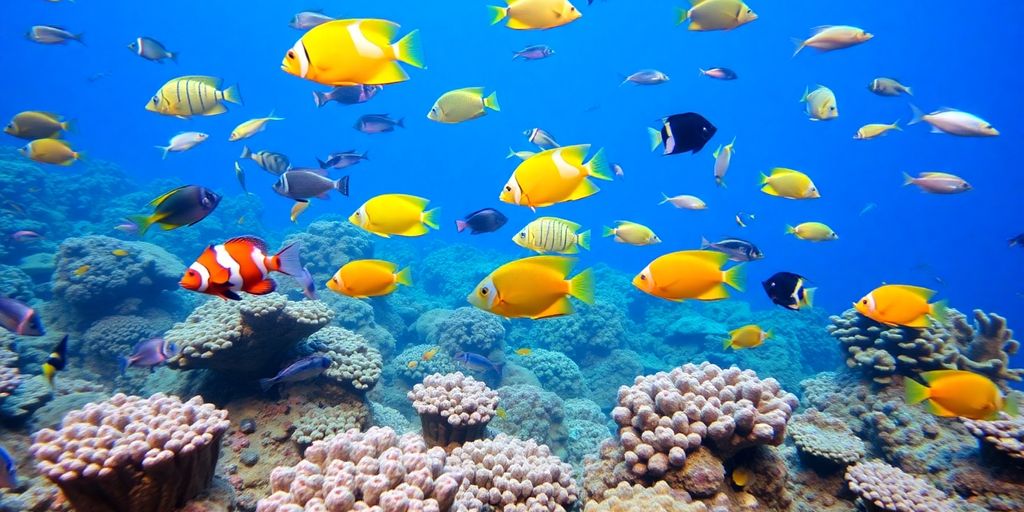
Peaceful vs. Aggressive Species
When setting up your aquarium, it’s crucial to understand the temperament of the fish you want. Some fish are peaceful, while others can be quite aggressive. Here are some key points to consider:
- Size: Fish of similar sizes are less likely to bully each other.
- Temperament: Research each species to know their behavior.
- Diet: Ensure all fish can eat the same type of food.
Community Tank Setups
Creating a harmonious community tank involves selecting the right fish. Here are some popular combinations:
- Clownfish and damselfish
- Gobies and blennies
- Angelfish and tangs
These pairings often coexist well, enhancing the beauty of your aquarium.
Species-Specific Needs
Different species have unique requirements. Here’s a quick overview:
| Fish Type | Compatibility Level | Notes |
|---|---|---|
| Clownfish | High | Territorial but can be friendly |
| Gobies | High | Peaceful and social |
| Angelfish | Moderate | Can be aggressive towards smaller fish |
Remember: Keeping a balanced community is key to a thriving aquarium. Researching compatibility can save you from future headaches. By understanding the needs and behaviors of your fish, you can create a harmonious environment that enhances the beauty of your aquarium.
Essential Equipment for Your Reef Aquarium
Setting up a reef aquarium requires specific tools to keep your fish and corals healthy. Here’s what you need:
Filtration Systems
- Protein skimmers: These help remove waste before it breaks down, keeping the water cleaner.
- Canister filters: Great for mechanical and chemical filtration, they help maintain water clarity.
- Sump systems: These provide extra filtration and water volume, which can help stabilize water conditions.
Lighting Options
- LED lights: Essential for coral growth. For example, the Fluval Marine & Reef LED Strip Light (22 Watts) is a good choice for optimal illumination.
- Heaters: Keep the water temperature stable, ideally around 78°F (25.6°C). Look for reliable brands to ensure consistent heating.
Heating Solutions
- Aquarium heaters: These are crucial for maintaining the right temperature in your tank. A good heater can prevent temperature fluctuations that stress fish.
| Equipment Type | Recommended Product | Price |
|---|---|---|
| LED Lighting | Fluval Marine & Reef LED Strip Light, 22W | $158.99 |
| Protein Skimmer | Fluval Sea PS1 Protein Skimmer | $65.30 |
| Canister Filter | Seachem Tidal 110 Gallon Hang On Back Filter | $79.99 |
| Aquarium Heater | Fluval Glass Aquarium Heater | $29.99 |
Remember: Proper equipment is crucial for the success of your aquarium. Investing in quality gear will save you time and money in the long run.
Feeding Your Reef Fish
Feeding your reef fish is essential for their health and happiness. Different fish have unique dietary needs, so it’s important to know what type of fish you have and what they should eat.
Types of Fish Food
- Carnivores: Fish like lionfish and groupers need a high-protein diet. You can feed them:
- Herbivores: Fish such as tangs and rabbitfish thrive on plant matter. Suitable foods include:
- Omnivores: Clownfish and angelfish enjoy a mix of plant and animal foods. You can offer:
Feeding Schedules
- Feed your fish twice a day for optimal health.
- Offer only what they can consume in a few minutes to avoid overfeeding.
- Monitor their eating habits to adjust portions as needed.
Remember: A balanced diet is key to keeping your fish healthy and vibrant. Overfeeding can lead to health issues and poor water quality.
Supplementing Diets
- Consider using high-quality foods like Omega One products, which are known for enhancing fish health and color. For example, their marine flakes are rich in omega fatty acids, promoting strong immune systems.
By understanding the dietary needs of your fish and providing a varied diet, you can help ensure they thrive in your aquarium!
Maintaining Water Quality
Testing Water Parameters
To keep your aquarium healthy, you should regularly test the following water parameters:
- Ammonia
- Nitrite
- Nitrate
- pH
- Salinity
Using test strips like the Advatec 5 in 1 Test Strips can simplify this process. These strips help you monitor essential levels, ensuring a balanced environment for your fish.
| Parameter | Ideal Range |
|---|---|
| Ammonia | 0 ppm |
| Nitrite | 0 ppm |
| Nitrate | < 20 ppm |
| pH | 7.8 – 8.5 |
| Salinity | 1.020 – 1.025 |
Common Water Issues and Solutions
Here are some common water issues and their solutions:
- High Ammonia Levels: Perform a water change and check your filtration system.
- Low pH: Add a buffer to raise the pH gradually.
- High Nitrate Levels: Increase water changes and consider adding live plants.
Regular water testing is essential to avoid common mistakes as a beginner. New setups can be unstable, and monitoring things like ammonia, nitrates, and phosphates helps you keep everything in balance.
By following these guidelines, you can create a thriving environment for your saltwater reef fish.
Creating the Ideal Habitat
Creating a suitable environment for your reef fish is essential for their health and happiness. A well-planned habitat can significantly enhance the well-being of your aquatic life. Here are some key aspects to consider:
Choosing the Right Substrate
- Sand vs. Gravel: While many choose sand, some fish, like the sand-sifting goby, need it for survival.
- Depth Matters: A deeper sand bed can support more beneficial organisms.
- Compatibility: Ensure the substrate is suitable for the species you plan to keep.
Decorations and Hiding Spots
- Live Rock: Provides natural hiding spots and helps maintain water quality.
- PVC Pipes: An affordable option for creating secure spaces for fish.
- Plants and Corals: Not only beautify the tank but also offer shelter.
Lighting and Its Importance
- Types of Lights: Different fish and corals require various lighting conditions.
- Light Cycles: Aim for about 12 hours of light daily to mimic natural conditions.
- Avoid Overexposure: Too much light can stress fish and promote algae growth.
| Aspect | Recommendation |
|---|---|
| Substrate Type | Sand or fine gravel |
| Hiding Spots | Live rock, PVC pipes |
| Light Duration | 10-12 hours daily |
Remember, creating the perfect ecosystem is about balancing all these elements. Proper planning ensures a balanced environment that promotes the health and happiness of your aquatic life.
Quarantine Procedures for New Fish
When you bring home new fish, it’s crucial to follow proper quarantine procedures to keep your aquarium healthy. Quarantining new fish helps prevent diseases from spreading. Here’s how to do it:
Importance of Quarantine
- Quarantine provides a safe space for new fish away from your main tank.
- It allows you to observe for any signs of illness.
- You can treat sick fish without risking the health of your other fish.
Setting Up a Quarantine Tank
- Choose a tank: A small tank (10-20 gallons) is usually sufficient.
- Add equipment: Include a filter, heater, and air pump.
- Use a simple setup: Keep it bare with just a hiding spot to reduce stress.
Signs of Healthy Fish
- Look for active swimming and normal eating behavior.
- Check for clear eyes and intact fins.
- Observe for any unusual spots or lesions on the body.
Quarantining new fish is a simple yet effective way to ensure a healthy aquarium. Regular observation and care can prevent many issues before they arise.
Summary Table of Quarantine Steps
| Step | Description |
|---|---|
| 1. Set up a quarantine tank | Use a small tank with basic equipment. |
| 2. Observe fish behavior | Look for signs of stress or illness. |
| 3. Treat if necessary | Administer medications if any issues arise. |
By following these steps, you can help ensure that your new fish thrive in their new home!
Budgeting for Your Reef Aquarium
Setting up a reef aquarium can be a thrilling experience, but planning your budget is essential. Knowing the costs involved helps you avoid unexpected expenses later. Here’s a breakdown of what to expect:
Initial Setup Costs
- Aquarium Tank: The size of your tank affects the price. A 20-gallon tank starts around $100, while larger tanks can cost $500 or more.
- Filtration System: A good filtration system is crucial. Expect to spend between $100 and $300.
- Lighting: Quality lighting is vital for coral health. Prices range from $50 for basic LED lights to over $400 for advanced systems.
- Live Rock and Substrate: Live rock costs about $5 to $10 per pound, and substrate can range from $30 to $100.
- Fish and Coral: Fish can cost anywhere from $10 to $100 each, while corals can range from $20 to several hundred dollars.
| Item | Estimated Cost |
|---|---|
| Aquarium Tank | $100 – $500 |
| Filtration System | $100 – $300 |
| Lighting | $50 – $400 |
| Live Rock (per pound) | $5 – $10 |
| Fish (each) | $10 – $100 |
| Coral (each) | $20 – $500 |
Ongoing Maintenance Expenses
- Food: Quality fish food costs around $10 to $30 per month.
- Water Testing Kits: Regular testing is necessary, costing about $20 to $50 every few months.
- Replacement Filters and Supplies: Budget around $50 to $100 annually for replacements.
Cost-Saving Tips
- Buy Used Equipment: Check local listings for second-hand tanks and equipment.
- Start Small: Begin with a smaller tank to minimize initial costs and expand later.
- DIY Projects: Consider making your own filtration or lighting systems if you’re handy.
Remember, patience and planning are key to creating a successful and beautiful saltwater reef aquarium!
Common Health Issues in Reef Fish
Keeping your reef fish healthy is essential for a vibrant aquarium. [Recognizing common health issues early](https://advatecaquatics.com/the-ultimate-guide-to-choosing-the-best-freshwater-pet-fish-for-your-home-aquarium/) can save your fish. Here are some frequent problems:
Identifying Diseases
- Ich (White Spot Disease): Look for tiny white spots on the fish’s body.
- Fin Rot: Check for frayed or discolored fins.
- Marine Flukes: These parasites can cause stress and illness.
Treatment Options
If your fish show signs of illness, consider these treatments:
- Medicated Dips: Effective for treating external parasites.
- Antibiotics: Use for bacterial infections, but consult a vet first.
- Salt Baths: Helpful for certain parasites and stress relief.
Preventative Measures
To keep your fish healthy, follow these steps:
- Quarantine New Fish: Always isolate new arrivals for at least two weeks.
- Regular Water Testing: Use test kits to monitor pH, ammonia, and nitrate levels.
- Observe Fish Behavior: Look for signs of stress, like rapid breathing or hiding.
Maintaining a clean and stable environment is essential for preventing diseases in your aquarium. Regular maintenance can save your fish from many health issues.
By being proactive and observant, you can ensure a long and healthy life for your aquatic friends. Remember, early detection is the best way to manage fish health!
Lighting and Its Importance
Lighting is a key part of keeping a healthy reef aquarium. It affects everything from tiny organisms to beautiful corals and fish. Choosing the right lighting can help your marine life thrive.
Types of Aquarium Lights
Here are some common types of lights you might consider:
- LED Lights: Energy-efficient and great for coral growth.
- Fluorescent Lights: Good for general lighting but may not be as effective for corals.
- Metal Halide Lights: Provide strong light but can be hot and use more energy.
Lighting for Fish vs. Corals
- Fish generally need less light than corals. They can handle a range of lighting conditions.
- Corals, on the other hand, require specific light types to grow well.
- Blue light can be effective for coral growth, as long as it produces enough PAR (Photosynthetically Active Radiation).
Setting Up a Light Cycle
To keep your fish and corals healthy, consider these tips:
- Run lights for about 10-12 hours a day. This mimics natural sunlight.
- Include a dark period to help fish rest and reduce stress.
- Avoid excessive light exposure to prevent algae growth.
Remember, proper lighting is crucial for the success of your aquarium. Investing in quality gear will save you time and money in the long run.
Conclusion
Choosing the right lighting is essential for a thriving reef aquarium. By understanding the needs of your fish and corals, you can create a beautiful and healthy environment for your marine life.
Popular Reef Fish for Beginners
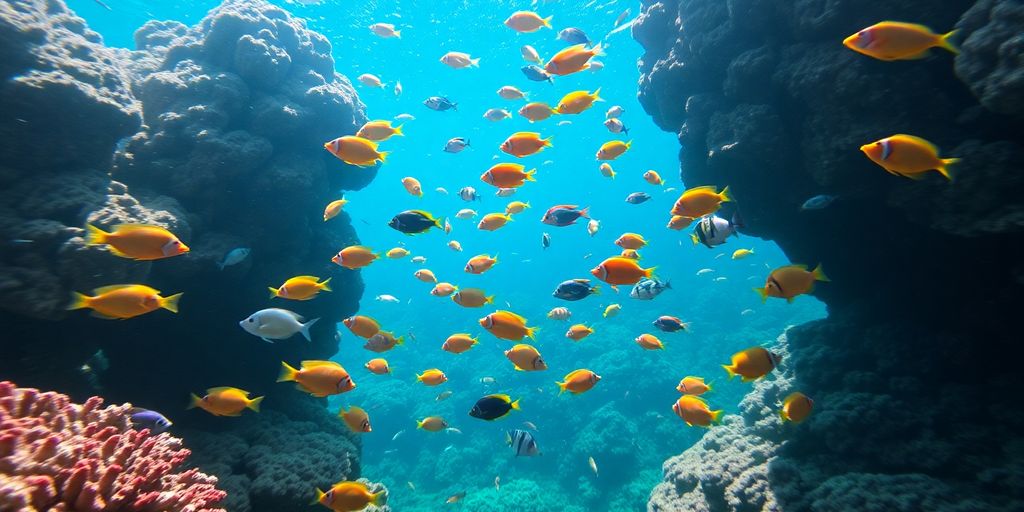
Starting a saltwater aquarium can be exciting, especially when choosing the right fish. Here are some popular options that are perfect for beginners:
Hardy Species
- Ocellaris Clownfish: Known for their bright colors and friendly nature, these fish are a favorite among new aquarists. They are also easy to care for and can live for many years.
- Blue-Green Chromis: These active swimmers add movement to your tank and are quite hardy, making them a great choice for beginners.
- Royal Gramma: This small, colorful fish is not only beautiful but also easy to maintain, making it ideal for new hobbyists.
Beginner-Friendly Fish
- Damselfish: These fish are tough and can adapt to various conditions, but be cautious as they can be territorial.
- Starry Blenny: A unique fish that is fun to watch and easy to care for, perfect for a community tank.
- Firefish: Known for their vibrant colors and peaceful nature, they are a great addition to any beginner’s aquarium.
Captive Bred vs. Wild Caught
Choosing captive bred fish is often better for beginners. They are usually healthier, less stressed, and more accustomed to aquarium life. While they may cost a bit more, the benefits are worth it.
Remember: Starting with hardy fish can lead to a more successful aquarium experience. Choose wisely and enjoy your new hobby!
If you’re new to the world of aquariums, choosing the right fish can be a fun adventure! Some of the best reef fish for beginners include clownfish, damselfish, and gobies. These fish are not only colorful but also easy to care for. Want to learn more about setting up your aquarium? Visit our website for tips and products that will help you create a beautiful underwater home!
Final Thoughts on Buying Reef Fish Online
In conclusion, buying reef fish online can be a fun and rewarding experience if you take the right steps. Always do your homework before making a purchase. Look for trusted sellers and check their reviews. Make sure the fish you choose are healthy and suitable for your tank. Remember to think about the needs of your fish, like their food and space. With the right care and attention, your new marine friends can thrive and bring joy to your home. Happy fish keeping!
Frequently Asked Questions
What should I consider when buying reef fish online?
When buying reef fish online, think about the fish’s compatibility with your tank, their diet needs, and the size of your aquarium.
Which fish are good for beginners?
Some great beginner fish include Ocellaris Clownfish, Blue-Green Chromis, and Royal Gramma. They’re hardy and easy to care for.
How do I ensure my fish are healthy before buying?
Look for sellers who quarantine their fish before selling. Ask about their health and feeding habits.
What equipment do I need for a reef aquarium?
You’ll need a good filtration system, proper lighting, and a heater to maintain the right temperature.
How often should I feed my reef fish?
Feed your fish once or twice a day, but make sure to give them the right amount of food to avoid waste.
What are common diseases in reef fish?
Common diseases include ich, fin rot, and velvet disease. It’s important to monitor your fish for any signs of illness.
How can I maintain water quality in my aquarium?
Use water testing kits to check for ammonia, nitrite, and nitrate levels. Regular water changes help keep the water clean.
What is the best way to acclimate new fish to my tank?
Acclimate new fish slowly by floating the bag in the tank for about 15 minutes, then gradually mix tank water into the bag.