If you’re an aquarist looking for a large fish tank, you’re in for a treat! There are many options available that fit various budgets and styles. This article will guide you through the best large fish tanks for sale nearby, focusing on affordable choices that any fish lover can enjoy.
Key Takeaways
- Explore top brands that offer large fish tanks.
- Find popular models that suit different needs.
- Read customer reviews to help make informed choices.
- Discover where to buy large fish tanks locally and online.
- Learn essential features to consider when choosing a tank.
Top Large Fish Tanks for Sale Near Me
Best Brands to Consider
When looking for large fish tanks, consider these top brands:
- Aqueon: Known for their durable tanks and accessories.
- Fluval: Offers a variety of sizes and styles, perfect for both freshwater and saltwater setups.
- Marineland: Popular for their innovative designs and reliable filtration systems.
Popular Models Available
Here are some popular models you can find:
| Model Name | Size (Gallons) | Price Range |
|---|---|---|
| Aqueon 120 Gallon | 120 | $300 – $500 |
| Fluval 260 Gallon | 260 | $600 – $800 |
| Marineland 150 Gallon | 150 | $400 – $600 |
Customer Reviews and Ratings
Many customers praise the quality and design of these tanks. Here are some highlights:
- Aqueon tanks often receive high ratings for their easy setup and durability.
- Fluval is frequently mentioned for its excellent filtration systems.
- Marineland tanks are loved for their aesthetic appeal and functionality.
Investing in a quality fish tank can enhance your home and provide a beautiful habitat for your aquatic friends.
Affordable Large Fish Tanks for Every Budget
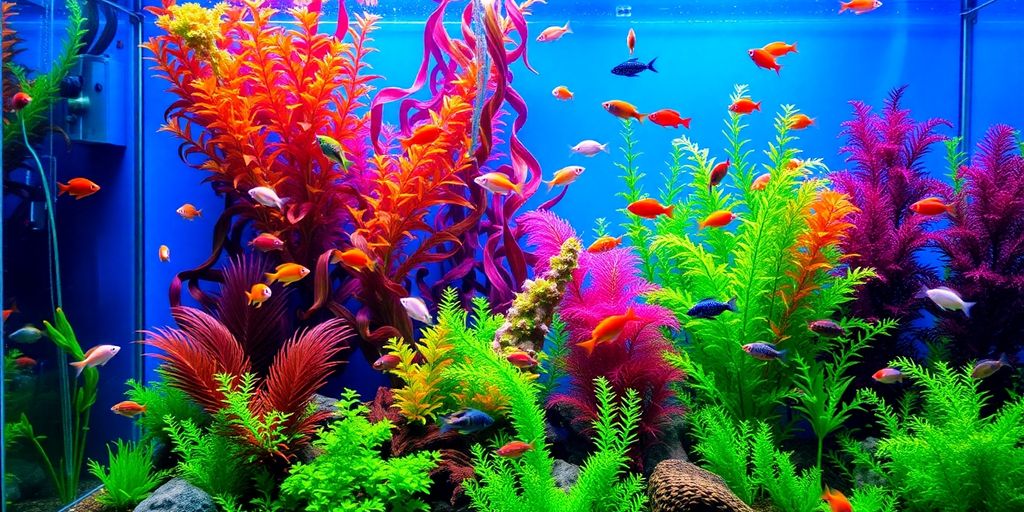
When it comes to finding a large fish tank that fits your budget, there are plenty of options available. You don’t have to break the bank to create a beautiful aquatic environment. Here’s a breakdown of choices for every price range:
Budget-Friendly Options
- Starter Kits: These often include everything you need to get started, such as the tank, filter, and heater. Look for brands like Aquael and Fluval.
- Compact Tanks: Smaller tanks, like the Bow Front 5 in 1 Aquarium, can be found for as low as $30.96.
- Used Tanks: Check local listings for second-hand tanks that are still in great condition.
Mid-Range Selections
- Quality Brands: Consider tanks from brands like Top Fin and Aqueon, which offer good quality at reasonable prices.
- Size Matters: A 40-gallon tank can be found for around $345.45, providing ample space for your fish.
- Accessories Included: Some mid-range tanks come with built-in filtration systems, which can save you money in the long run.
High-End Choices
- Premium Tanks: If you’re looking for something special, consider custom-built tanks or those with advanced features like LED lighting. Prices can range from $1,000 to $5,000.
- Unique Designs: Rimless tanks or those with unique shapes can add a stunning visual element to your home.
- Long-Term Investment: High-end tanks often come with warranties and better materials, making them a worthwhile investment.
| Price Range | Features | Example Models |
|---|---|---|
| Under $100 | Basic setups, small sizes | Bow Front 5 in 1 Aquarium |
| $100 – $500 | Mid-size tanks, starter kits | Top Fin Open Glass Aquarium |
| Over $500 | Custom designs, premium materials | Aqua Dream 500 Gallon Aquarium |
Remember, investing in a quality tank can lead to a healthier environment for your fish and a more enjoyable experience for you as an aquarist!
Where to Find Large Fish Tanks for Sale Near Me
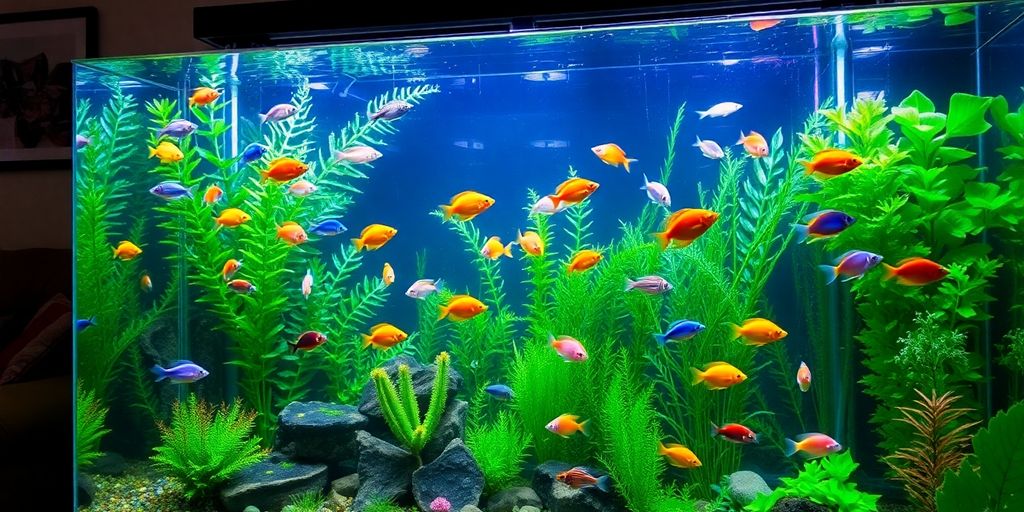
Finding the right place to buy a large fish tank can be exciting and overwhelming. Here are some great options to consider:
Local Pet Stores
- Convenience: Local pet stores often have a variety of tanks available.
- Expert Advice: Staff can provide tips on tank setup and maintenance.
- Immediate Purchase: You can take your tank home right away.
Online Retailers
- Wider Selection: Online stores offer a larger variety of brands and sizes.
- Price Comparisons: You can easily compare prices to find the best deal.
- Home Delivery: Many online retailers provide delivery right to your door.
Specialty Aquarium Shops
- Expert Knowledge: Staff are usually very knowledgeable about aquariums.
- Unique Options: You might find custom or unique tank designs.
- Community Events: Some shops host events for fish enthusiasts.
| Store Type | Pros | Cons |
|---|---|---|
| Local Pet Stores | Convenient, immediate purchase | Limited selection |
| Online Retailers | Wide selection, price comparisons | Shipping costs |
| Specialty Shops | Expert advice, unique options | May be pricier |
Remember: Always check for customer reviews to ensure you are buying from a reputable source!
Essential Features to Look for in Large Fish Tanks
When choosing a large fish tank, there are several important features to consider to ensure a healthy environment for your aquatic friends.
Tank Material and Build Quality
- Material: Look for tanks made from high-quality glass or acrylic. Glass is more scratch-resistant, while acrylic is lighter and less prone to breakage.
- Thickness: Thicker glass or acrylic provides better durability and stability, especially for larger tanks.
- Seams: Check the seams for quality; well-sealed tanks prevent leaks.
Filtration Systems
- Type: Choose between canister filters, hang-on-back filters, or internal filters based on your tank size and fish type.
- Capacity: Ensure the filter can handle the tank’s volume. A good rule is to have a filter rated for at least double the tank’s capacity.
- Maintenance: Look for filters that are easy to clean and maintain.
Lighting Options
- LED vs. Fluorescent: LED lights are energy-efficient and last longer, while fluorescent lights are cheaper but may need more frequent replacement.
- Adjustability: Consider lights that can be adjusted for intensity and spectrum to support plant growth and enhance fish colors.
- Timers: Automatic timers can help maintain a consistent light cycle, which is crucial for fish health.
Remember, bigger is better when it comes to aquariums. Larger tanks provide more stable temperatures and water conditions, making it easier to maintain a healthy environment for your fish.
Summary Table
| Feature | Recommendation |
|---|---|
| Material | High-quality glass or acrylic |
| Filtration Type | Canister or hang-on-back |
| Lighting Type | LED for efficiency |
| Maintenance Ease | Easy-to-clean filters |
| Size | Larger tanks for stability |
Setting Up Your Large Fish Tank
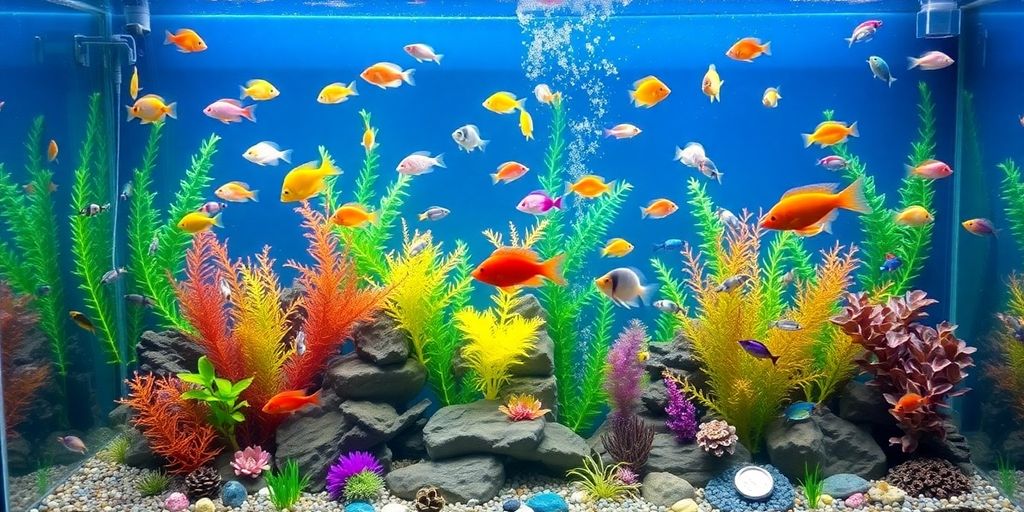
Setting up a large fish tank can be an exciting adventure! Here are some key steps to help you get started:
Choosing the Right Location
- Pick a stable surface: Ensure the tank is on a sturdy table or stand.
- Avoid direct sunlight: This helps prevent algae growth.
- Consider visibility: Place it where you can enjoy watching your fish.
Installing Equipment
- Set up the filtration system: This is crucial for keeping the water clean.
- Add the heater if you have tropical fish: Make sure it’s set to the right temperature.
- Install the lighting: Choose lights that suit your fish and plants.
Cycling the Tank
- Cycle the tank: This process helps establish beneficial bacteria. It usually takes 4-6 weeks.
- Test the water regularly: Check for ammonia, nitrites, and nitrates.
- Add fish gradually: Start with a few hardy species to ensure the tank is stable.
Remember, patience is key! Setting up your tank properly will lead to a healthier environment for your fish.
By following these steps, you can create a beautiful and thriving aquatic habitat. Happy fish-keeping!
Maintaining Your Large Fish Tank
Regular Cleaning Tips
To keep your large fish tank healthy, regular cleaning is essential. Here are some tips:
- Perform a 50% water change every two months to maintain water quality.
- Clean the mechanical filter media once a week to ensure proper filtration.
- Avoid vacuuming the substrate too often to preserve beneficial bacteria.
Water Quality Management
Monitoring water quality is crucial for the health of your fish. Use test strips to check:
- pH levels
- Nitrite and nitrate levels
- General hardness
| Parameter | Ideal Range |
|---|---|
| pH | 6.5 – 7.5 |
| Nitrite | 0 ppm |
| Nitrate | < 20 ppm |
Common Issues and Solutions
Fish tanks can face various problems. Here are some common issues and their solutions:
- Algae Growth: Reduce light exposure and increase water changes.
- Cloudy Water: Check filtration and perform a water change.
- Fish Stress: Ensure proper tank mates and avoid overcrowding.
Regular maintenance and attention to your tank’s health are key to a thriving aquarium. Stay proactive to prevent issues before they arise!
Best Accessories for Large Fish Tanks
Heaters and Thermometers
When it comes to maintaining a healthy environment for your fish, heaters and thermometers are essential. They help keep the water at a stable temperature, which is crucial for the well-being of your aquatic pets. Here are some popular options:
- Submersible Heaters: Ideal for larger tanks, these heaters can be fully submerged and provide consistent warmth.
- Thermometers: Digital thermometers are easy to read and can give you accurate temperature readings.
Decorations and Plants
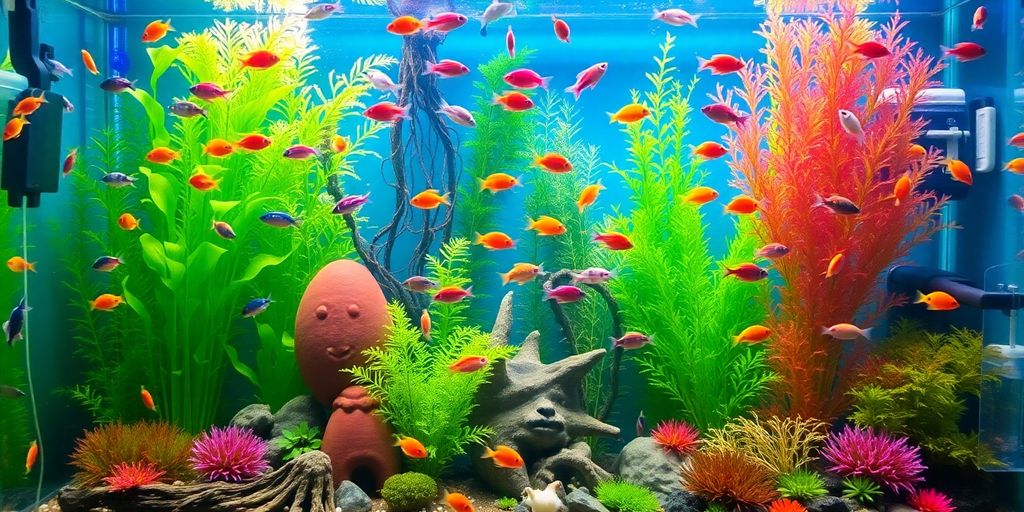
Adding decorations and plants not only enhances the beauty of your tank but also provides hiding spots for your fish. Consider these options:
- Artificial Plants: Low maintenance and come in various styles.
- Aquarium Castles: These can serve as fun hiding spots for fish and add a unique look to your tank. For example, a large resin coral castle can be a great centerpiece.
Feeding Equipment
Proper feeding equipment ensures your fish get the right amount of food without overfeeding. Here are some must-haves:
- Automatic Feeders: Great for busy aquarists, these devices can dispense food at scheduled times.
- Feeding Rings: Help keep food in one area, making it easier for fish to eat.
Remember, the right accessories can make a big difference in the health and happiness of your fish. Investing in quality products will pay off in the long run!
Benefits of Owning a Large Fish Tank
Owning a large fish tank can bring many advantages to your home and lifestyle. One of the biggest benefits is the aesthetic appeal it adds to your space. A well-maintained aquarium can be a stunning centerpiece in any room.
Aesthetic Appeal
- Large tanks can showcase a variety of colorful fish and plants.
- They create a calming atmosphere, making your home feel more inviting.
- A beautifully designed tank can enhance your interior decor.
Health Benefits
- Studies show that watching fish swim can help reduce stress and lower blood pressure. This makes having a large fish tank a great way to promote relaxation in your home.
- Caring for fish can also provide a sense of responsibility and routine, which can be beneficial for mental health.
Educational Value
- Large fish tanks can serve as a great educational tool for children and adults alike. They can learn about aquatic ecosystems, fish behavior, and the importance of water quality.
- Keeping fish can spark interest in biology and environmental science, encouraging further exploration of these subjects.
A large fish tank not only beautifies your space but also contributes to your well-being and knowledge.
In summary, owning a large fish tank offers numerous benefits, from enhancing your home’s beauty to providing health and educational advantages. Whether you are a beginner or an experienced aquarist, the rewards of maintaining a large aquarium are plentiful.
Comparing Freshwater and Saltwater Large Fish Tanks
When choosing between freshwater and saltwater tanks, it’s essential to understand their differences. Freshwater tanks are generally easier to maintain than saltwater tanks, making them a popular choice for beginners. Here’s a quick comparison:
Pros and Cons of Freshwater Tanks
- Easier Maintenance: Freshwater tanks require less specialized equipment and are more forgiving with water quality.
- Lower Cost: Generally, freshwater fish and plants are less expensive than their saltwater counterparts.
- Variety of Fish: There are many species available that thrive in freshwater environments.
Pros and Cons of Saltwater Tanks
- Stunning Aesthetics: Saltwater tanks can showcase vibrant corals and exotic fish, creating a beautiful underwater scene.
- Diverse Ecosystem: Saltwater tanks can support a wider variety of marine life, including invertebrates.
- Higher Maintenance: They require more equipment, like protein skimmers and specific lighting, and are sensitive to water changes.
| Feature | Freshwater Tanks | Saltwater Tanks |
|---|---|---|
| Maintenance Level | Easier | More Complex |
| Cost | Generally Lower | Generally Higher |
| Fish Variety | Many Freshwater Species | Exotic Marine Species |
| Equipment Needed | Basic | Specialized |
Which is Right for You?
- If you’re a beginner, starting with a freshwater tank might be the best option. It allows you to learn the basics of fish care without overwhelming complexity.
- For those looking for a more challenging and visually stunning setup, a saltwater tank can be rewarding but requires commitment and knowledge.
Remember, the larger the tank, the more stable the water conditions, making it easier to maintain a healthy environment for your fish. Choose wisely based on your experience and commitment level!
Expert Tips for Large Fish Tank Enthusiasts
Advanced Aquascaping Techniques
Creating a stunning aquascape can transform your tank into a beautiful underwater landscape. Here are some tips:
- Plan your layout: Sketch your design before starting.
- Use natural materials like rocks and driftwood for a realistic look.
- Consider the height and depth of plants to create layers.
Breeding Fish in Large Tanks
Breeding fish can be rewarding. Here’s how to get started:
- Choose compatible species: Research which fish can breed together.
- Set up a breeding area with plants or spawning mops.
- Monitor water conditions closely to ensure a healthy environment.
Handling Fish Diseases
Fish can get sick, but early detection is key. Here’s what to do:
- Observe your fish: Look for signs of illness like unusual swimming or spots.
- Quarantine sick fish to prevent spreading.
- Use appropriate treatments based on the disease identified.
Remember, patience is essential in fishkeeping. Regular maintenance and observation can lead to a thriving aquarium!
Innovative Large Fish Tank Designs
Custom-Built Tanks
Custom-built tanks are becoming increasingly popular among aquarists. These tanks can be designed to fit specific spaces and styles, allowing for a unique look in your home or office. Luxury aquariums often feature high-quality materials and advanced filtration systems, making them both beautiful and functional.
Unique Shapes and Sizes
Unlike traditional rectangular tanks, modern designs include various shapes such as:
- Cylinder tanks
- Corner aquariums
- Wall-mounted tanks
These distinct designs not only save space but also add a creative touch to your decor.
Incorporating Technology
Many innovative tanks now come with integrated technology, such as:
- Smart lighting systems that adjust based on the time of day.
- Automated feeding systems for convenience.
- Advanced filtration systems that maintain water quality effortlessly.
Innovative designs in large fish tanks can transform your aquatic experience, making it more enjoyable and visually appealing.
If you’re looking to create a stunning aquatic display, check out our unique large fish tank designs! These tanks not only enhance your space but also provide a perfect home for your fish. Visit our website to explore a variety of options and find the perfect fit for your needs!
Final Thoughts on Finding Your Perfect Fish Tank
In conclusion, choosing the right large fish tank can be a fun and rewarding experience. With so many affordable options available, every aquarist can find a tank that fits their needs and budget. Whether you’re just starting out or you’re a seasoned fish keeper, there’s a perfect tank waiting for you. Remember to consider the size, style, and type of fish you want to keep. Happy fish keeping!
Frequently Asked Questions
What size tank is best for beginners?
For beginners, a tank between 20 to 55 gallons is usually a good choice. It’s large enough to support fish but not too big to manage.
How do I set up my fish tank?
First, rinse the tank and decorations with water. Then, add substrate, fill the tank with water, install the filter and heater, and let it cycle before adding fish.
What fish can I keep together?
It depends on the species. Generally, small, peaceful fish can be kept together, but avoid mixing aggressive fish with timid ones.
How often should I clean my tank?
You should do a partial water change every 1-2 weeks and clean the tank decorations and substrate as needed.
What is cycling a tank?
Cycling a tank means establishing beneficial bacteria to break down fish waste, which helps keep the water clean and safe for fish.
Can I use tap water in my fish tank?
Yes, but you should treat it with a dechlorinator to remove harmful chemicals like chlorine.
How do I know if my fish are healthy?
Healthy fish are active, have bright colors, and eat regularly. Look for signs of stress or illness, like unusual swimming patterns.
What equipment do I need for a large fish tank?
For a large tank, you’ll need a good filter, heater, lighting, and possibly an air pump and decorations.