If you’re looking to enhance your aquarium with vibrant and lively saltwater fish, you’ve come to the right place. This guide will help you explore various species available for purchase online, ensuring you make informed choices for your aquatic environment. From understanding the best types of fish for beginners to knowing how to maintain a healthy aquarium, we’ve got you covered.
Key Takeaways
- Explore popular saltwater fish species like clownfish and tangs for your aquarium.
- Consider your tank size and fish compatibility when choosing new additions.
- Buying fish online offers convenience and a wider selection than local stores.
- Proper setup and acclimation are crucial for the health of new fish.
- Regular maintenance and monitoring of water quality keep your aquarium thriving.
Top Saltwater Fish Species for Your Aquarium
When setting up a saltwater aquarium, choosing the right fish is crucial. Here are some popular species that can thrive in your tank:
Clownfish Varieties
- Ocellaris Clownfish: Known for their vibrant orange color and friendly nature, they are perfect for beginners.
- Maroon Clownfish: These are larger and more aggressive, making them suitable for experienced aquarists.
- Black Clownfish: A unique variant that adds a striking look to your aquarium.
Popular Tang Species
- Blue Tang: Famous for its bright blue color, it requires a larger tank and good water quality.
- Yellow Tang: Hardy and easy to care for, they are a favorite among beginners.
- Powder Blue Tang: Known for its stunning appearance, but it needs careful monitoring of water conditions.
Unique Gobies
- Diamond Goby: Great for sand sifting, they help keep the substrate clean.
- Green Clown Goby: Small and peaceful, they can be kept in smaller tanks.
- Tailspot Blenny: A fun addition, they are known for their quirky behavior and algae-eating habits.
Choosing the right fish can make your aquarium a vibrant and lively environment.
These species not only add color but also contribute to the overall health of your aquarium. Make sure to consider their compatibility and care requirements before making a purchase!
How to Choose the Right Live Saltwater Fish for Sale Online
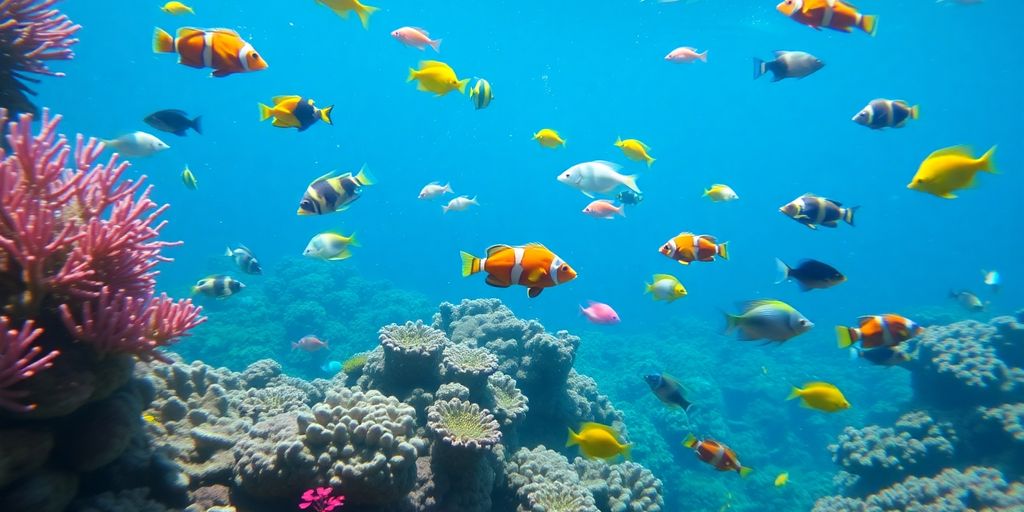
Choosing the right live saltwater fish for your aquarium can be a fun but challenging task. Here are some key points to consider:
Assessing Tank Size and Compatibility
- Tank Size: Make sure your tank is big enough for the fish you want. Some fish need more space than others.
- Compatibility: Not all fish get along. Research which species can live together peacefully.
- Minimum Tank Size: Check the minimum tank size for each species before buying.
Understanding Fish Behavior
- Social Needs: Some fish are social and need companions, while others prefer to be alone.
- Territoriality: Be aware that some fish can be aggressive and may need their own space.
- Feeding Habits: Different fish have different diets. Make sure you can provide the right food.
Considering Care Level
- Beginner-Friendly: If you’re new to fishkeeping, start with hardy species that are easier to care for.
- Advanced Care: Some fish require special conditions and more experience to keep healthy.
- Research: Always read up on the care requirements of any fish you’re considering.
Remember, research is key to ensuring a happy and healthy aquarium environment. Take your time to learn about the fish you want before making a purchase!
Benefits of Buying Live Saltwater Fish Online
Convenience and Variety
Buying live saltwater fish online offers unmatched convenience. You can browse a wide selection of species from the comfort of your home. Here are some key benefits:
- Wide Selection: Access to various species that may not be available locally.
- Easy Comparison: Quickly compare prices and species from different sellers.
- Home Delivery: Fish are delivered right to your door, saving you time and effort.
Access to Expert Advice
When purchasing online, you often have access to expert advice. Many online retailers provide:
- Detailed Care Guides: Information on how to care for specific fish species.
- Customer Support: Assistance with any questions you may have about your purchase.
- Community Forums: Engage with other aquarists for tips and advice.
Quality and Health Guarantees
Many reputable online fish sellers offer quality guarantees. This means:
- Health Checks: Fish are often checked for health before shipping.
- Return Policies: If a fish arrives unhealthy, you may be able to return it.
- Captive-Bred Options: Many sellers focus on captive-bred fish, which are generally healthier and more adaptable to aquarium life.
Buying live saltwater fish online not only saves time but also opens up a world of options for both beginners and experienced aquarists. Explore the best options available to enhance your aquarium experience!
Setting Up Your Aquarium for New Saltwater Fish
Setting up your aquarium is an exciting step in your journey as an aquarist. Creating a suitable environment for your new fish is crucial for their health and happiness. Here’s how to get started:
Essential Equipment
- Tank: Choose a tank size that fits your space and the fish you want.
- Filter: A good filter keeps the water clean and safe.
- Heater: Most saltwater fish need warm water, so a heater is essential.
- Lighting: Proper lighting helps maintain the health of your fish and any corals you may have.
Water Parameters
- Salinity: Aim for a salinity of 1.020 to 1.025.
- pH Level: Keep the pH between 8.1 and 8.4.
- Temperature: Maintain a temperature between 75°F and 80°F.
| Parameter | Ideal Range |
|---|---|
| Salinity | 1.020 – 1.025 |
| pH Level | 8.1 – 8.4 |
| Temperature | 75°F – 80°F |
Acclimation Process
- Drip Method: Slowly introduce your fish to the new environment by using the drip method. This helps them adjust to the water conditions.
- Monitor Behavior: Watch for signs of stress, like hiding or rapid gill movement.
- Feeding: Wait a few days before feeding to allow your fish to settle in.
Setting up your aquarium properly is key to ensuring your fish thrive. Take your time and enjoy the process!
Feeding Your Saltwater Fish
Types of Fish Food
When it comes to feeding your saltwater fish, variety is key. Here are some common types of fish food:
- Flakes: Great for surface feeders.
- Pellets: Ideal for mid-water feeders.
- Frozen Food: Provides a natural diet and is often more nutritious.
Feeding Schedules
Establishing a consistent feeding schedule is important. Here’s a simple guide:
- Young Fish: Feed 2-3 times a day.
- Adult Fish: Feed once or twice a day.
- Special Diets: Some fish may require specific feeding times.
Nutritional Requirements
To keep your fish healthy, ensure their diet includes:
- Proteins: Essential for growth and energy.
- Vitamins: Important for immune function.
- Fats: Necessary in moderation, especially polyunsaturated fatty acids like omega-3.
Remember: A varied diet helps prevent nutritional deficiencies and keeps your fish vibrant and active.
By following these guidelines, you can ensure your saltwater fish receive the best care possible!
Maintaining a Healthy Saltwater Aquarium
Keeping your saltwater aquarium in top shape is essential for the health of your fish and corals. Regular maintenance is key to a thriving aquatic environment.
Regular Cleaning and Maintenance
- Clean the tank and equipment at least once a month.
- Change 10-15% of the water weekly to keep it fresh.
- Rinse filters and check for any blockages.
Monitoring Water Quality
- Test water parameters regularly, including pH, salinity, and ammonia levels.
- Use test kits to ensure your water is safe for your fish.
- Keep a log of your water tests to track changes over time.
| Parameter | Ideal Range |
|---|---|
| pH | 7.8 – 8.5 |
| Salinity | 1.020 – 1.025 |
| Ammonia | 0 ppm |
| Nitrate | < 20 ppm |
Preventing Common Diseases
- Quarantine new fish before adding them to your main tank.
- Observe your fish for signs of illness, such as unusual swimming or lack of appetite.
- Maintain a stable environment to reduce stress on your fish.
Keeping your aquarium clean and monitoring water quality will help prevent diseases and ensure a healthy habitat for your aquatic life.
By following these steps, you can create a beautiful and healthy environment for your saltwater fish. Remember, a little effort goes a long way in maintaining your aquarium!
Popular Saltwater Fish for Beginners
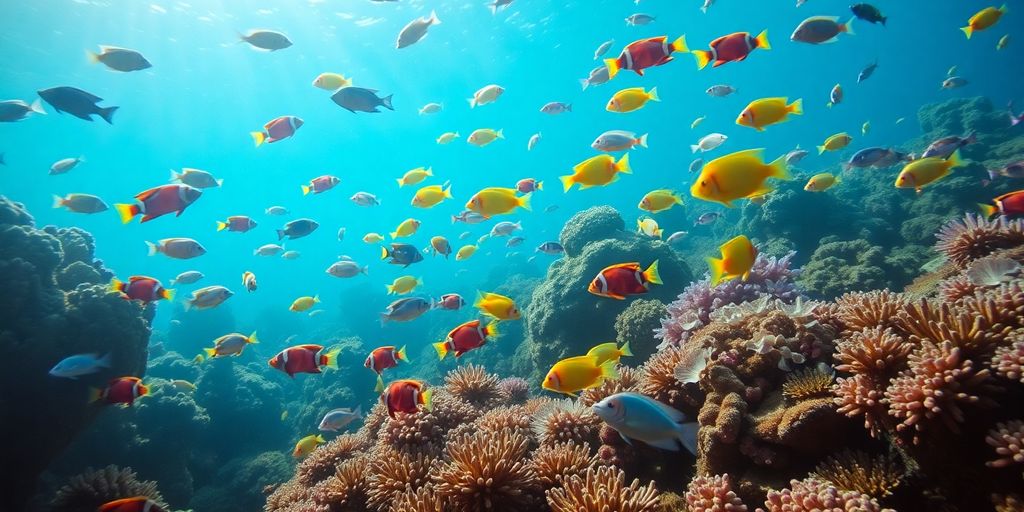
When starting your saltwater aquarium, choosing the right fish is crucial. Here are some popular options that are perfect for beginners:
Hardy Species
- Clownfish: Known for their vibrant colors and friendly nature, clownfish are a favorite among new aquarists.
- Royal Gramma: This small fish is not only beautiful but also very hardy, making it a great choice for beginners.
- Firefish: With their striking appearance, firefish are easy to care for and adapt well to new environments.
Peaceful Fish
- Green Chromis: These fish are peaceful and social, often seen swimming in groups.
- Pajama Cardinal: Known for their calm demeanor, they are perfect for community tanks.
- Lawnmower Blenny: This fish helps keep algae in check while being easy to care for.
Low-Maintenance Options
- Tailspot Blenny: A small, active fish that requires minimal care.
- Yellow Coris Wrasse: This fish is not only colorful but also helps control pests in the tank.
- Diamond Goby: Known for their sand-sifting behavior, they are fun to watch and easy to maintain.
Remember: Always check the compatibility of fish before adding them to your tank. This will help ensure a peaceful environment for all your aquatic friends!
Advanced Saltwater Fish for Experienced Aquarists
Rare and Exotic Species
For seasoned aquarists, keeping rare and exotic fish can be a thrilling challenge. Some popular choices include:
- Asfur Angelfish: Known for its stunning colors, it thrives in tanks with plenty of hiding spots and a stable environment.
- Mandarinfish: This fish is beautiful but requires a well-established tank with ample live rock for feeding.
- Butterflyfish: These fish are visually striking but can be sensitive to water quality and tank mates.
Challenging Fish to Keep
Some fish are not for the faint of heart. Here are a few that require extra care:
- Clown Triggerfish: Known for its vibrant colors, it can be aggressive and needs a large tank.
- Napoleon Wrasse: This fish grows large and requires a spacious environment with specific water conditions.
- Lionfish: While stunning, they are venomous and need careful handling and tank management.
Special Care Requirements
To successfully keep advanced saltwater fish, consider the following:
- Water Quality: Regular testing and maintenance are crucial. Ensure parameters like pH, salinity, and ammonia levels are optimal.
- Diet: Many advanced species have specific dietary needs. Research and provide a varied diet to keep them healthy.
- Tank Setup: Create a suitable environment with plenty of hiding spots and appropriate tank mates to reduce stress.
Remember: Keeping advanced saltwater fish can be rewarding but requires dedication and knowledge. Always do thorough research before adding new species to your aquarium.
Captive-Bred vs. Wild-Caught Saltwater Fish
When it comes to choosing saltwater fish, you often face a choice between captive-bred and wild-caught species. Each option has its own set of advantages and challenges.
Pros and Cons of Captive-Bred
- Easier Adaptation: Fish like the Biota Yellow Tang are bred in captivity, making them adjust more easily to aquarium life. They are also less likely to carry disease.
- Sustainability: Captive breeding can help protect certain species from extinction due to habitat destruction and overfishing.
- Higher Cost: Captive-bred fish often come with a higher price tag, but the benefits can outweigh the costs.
Challenges of Wild-Caught Fish
- Stress and Health Risks: Wild-caught fish may experience stress during capture and transport, leading to health issues. Many do not start eating well and can carry internal parasites.
- Sustainability Concerns: The majority of saltwater fish sold are still wild-caught, raising questions about the sustainability of these practices. Many reef keepers care about the sustainability of wild reef life.
- Survival Rates: A significant number of wild-caught fish do not survive the journey from the ocean to your aquarium, with many dying before they even reach the store.
| Feature | Captive-Bred | Wild-Caught |
|---|---|---|
| Adaptation | Easier to adapt | Harder to adapt |
| Health Risks | Lower risk of disease | Higher risk of disease |
| Cost | Generally more expensive | Usually cheaper |
| Environmental Impact | Positive for conservation | Can harm ecosystems |
In summary, while both captive-bred and wild-caught fish have their place in the aquarium hobby, buying captive-bred fish is often the better choice for both the fish and the environment. Consider your options carefully before making a purchase!
Creating a Thriving Reef Tank
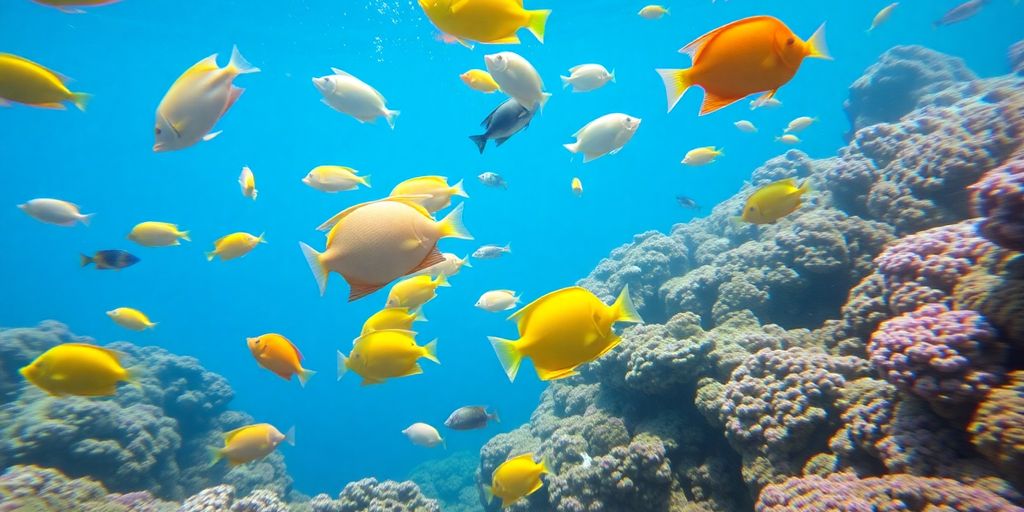
Creating a successful reef tank requires careful planning and attention to detail. A well-balanced ecosystem is essential for the health of your aquatic life. Here are some key points to consider:
Selecting Coral Companions
- Choose hardy coral species that can adapt to your tank conditions.
- Ensure compatibility with your fish and other invertebrates.
- Research the specific needs of each coral type, such as light and flow requirements.
Balancing Fish and Corals
- Start with a mix of fish and corals that complement each other.
- Monitor the growth of corals and adjust fish populations accordingly.
- Avoid overcrowding to maintain a healthy environment.
Lighting and Filtration Needs
- Use high-quality LED lights to mimic natural sunlight.
- Invest in a reliable filtration system to keep water clean and clear.
- Regularly test water parameters to ensure they are within the ideal range.
Maintaining stable water parameters is crucial for the health of your corals and fish.
By following these guidelines, you can create a vibrant and thriving reef tank that showcases the beauty of marine life.
Seasonal Considerations for Buying Saltwater Fish
When it comes to purchasing live saltwater fish, the season can greatly affect your choices and the health of the fish. Understanding seasonal trends is crucial for a successful aquarium. Here are some key points to consider:
Best Times to Buy
- Spring and Fall are generally the best seasons for buying saltwater fish. Fish are more active and easier to transport during these times.
- Summer can be tricky due to high temperatures, which can stress fish during shipping. Be cautious when ordering during this season.
- Winter may also pose challenges, especially with shipping delays due to weather conditions.
Seasonal Species Availability
- Certain species are more readily available during specific seasons. For example:
- Clownfish are often in higher supply in the spring.
- Tangs may be more available in the fall.
Shipping and Handling Tips
- Always check the shipping policies of the seller, especially during hot weather. Fish can suffer if not handled properly.
- Consider using express shipping during summer months to ensure the fish arrive safely.
Remember, the health of your new fish depends on the conditions they are shipped in. Always prioritize their well-being when making a purchase!
Customer Favorites: Best-Selling Saltwater Fish
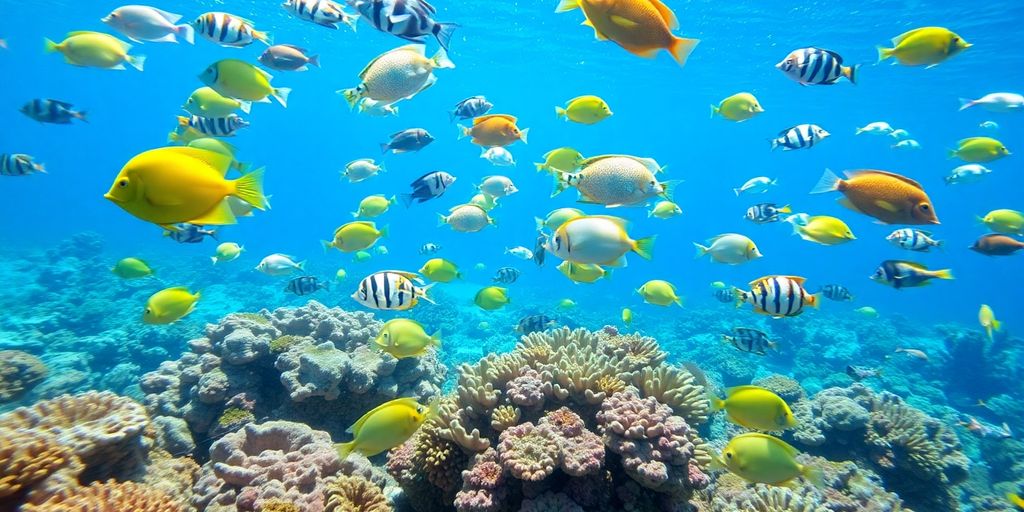
Top-Rated Species
When it comes to popular saltwater fish, some species stand out for their beauty and ease of care. Here are a few customer favorites:
- Clownfish: Known for their vibrant colors and friendly nature, clownfish are a great addition to any aquarium.
- Tang Fish: These fish are not only colorful but also help keep your tank clean by eating algae.
- Damselfish: Hardy and easy to care for, damselfish are perfect for beginners.
Customer Reviews
Many aquarists rave about their experiences with these fish. Here’s what some customers have to say:
- "The clownfish I bought are so lively and beautiful!"
- "My tang fish has been a great addition; it keeps the algae in check."
- "Damselfish are tough little guys; they’ve thrived in my tank!"
Popular Fish Packs
For those looking to stock their aquarium, consider these popular fish packs:
- Clownfish Pack: Includes 2 clownfish for a great price.
- Tang Trio: A mix of three different tang species.
- Beginner’s Bundle: A selection of hardy fish perfect for new aquarists.
Buying live saltwater fish online offers a wide variety and convenience. You can find healthy fish from trusted sources, ensuring a successful start to your aquarium journey.
Summary Table of Best-Selling Fish
| Fish Species | Price Range | Care Level |
|---|---|---|
| Clownfish | $10 – $30 | Easy |
| Tang Fish | $20 – $100 | Moderate |
| Damselfish | $5 – $15 | Easy |
Discover the top saltwater fish that our customers love! From vibrant colors to unique personalities, these fish are sure to brighten up your aquarium. Don’t miss out on the chance to enhance your underwater world. Visit our website today to explore our best-selling options!
Final Thoughts on Buying Live Saltwater Fish Online
In conclusion, exploring the world of live saltwater fish online can be both exciting and rewarding. With so many options available, it’s important to choose wisely. Make sure to do your homework on the types of fish that will thrive in your aquarium. Always consider factors like tank size, water conditions, and the compatibility of different species. By following these tips, you can create a vibrant and healthy underwater environment. Happy fishkeeping!
Frequently Asked Questions
What are the best saltwater fish for beginners?
Some good choices for beginners include clownfish, damselfish, and gobies. They are hardy and easy to care for.
How can I tell if a fish is healthy before buying it?
Look for clear eyes, bright colors, and active swimming. Avoid fish that seem lethargic or have visible signs of illness.
What should I do if my new fish don’t eat?
Try offering different types of food. Sometimes fish need time to adjust to a new environment before they start eating.
How do I acclimate my new saltwater fish?
Float the bag in your tank for about 15 minutes, then slowly mix tank water into the bag. After another 15 minutes, gently place the fish in the tank.
Can I keep different species of fish together?
Yes, but make sure to research compatibility. Some fish can be aggressive or territorial.
How often should I feed my saltwater fish?
Feed them once or twice a day, but only give them what they can eat in a few minutes to avoid overfeeding.
What is the best way to maintain water quality in my aquarium?
Regularly test your water, do partial water changes, and clean your filters to keep the water healthy.
Are captive-bred fish better than wild-caught?
Yes, captive-bred fish are usually healthier and more adapted to aquarium life, making them easier to care for.