Setting up a fish tank in your home can be a fun and rewarding experience. Whether you’re a beginner or an experienced aquarist, creating the perfect aquarium involves careful planning and consideration. This guide will help you understand what you need to think about when choosing the right fish tank for your space, the type of fish you want, and how to maintain a healthy environment for your aquatic friends.
Key Takeaways
- Assess your space carefully to find the best spot for your aquarium.
- Choose the right tank size based on your available space and the types of fish you want.
- Decide between freshwater and saltwater tanks based on your experience and preferences.
- Research fish species to ensure they are compatible and will thrive together.
- Regular maintenance is key to keeping your aquarium healthy and beautiful.
Assessing Your Space for Home Fish Tanks
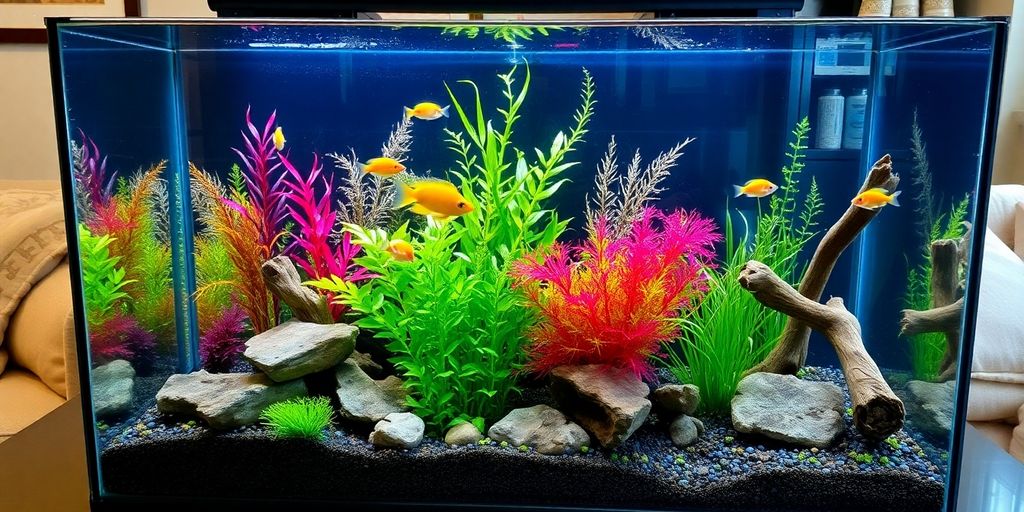
Setting up a fish tank can be a fun project, but it’s important to start by assessing your space. Here are some key factors to consider:
Evaluating Room Size and Location
- Measure the area where you plan to place the tank. Ensure it’s on a flat, sturdy surface.
- Consider the weight of the tank when filled; a 20-gallon tank can weigh over 200 pounds!
- Choose a location that allows you to enjoy the view from multiple angles.
Considering Lighting Conditions
- Avoid placing the tank in direct sunlight, as it can cause algae growth and temperature fluctuations.
- Look for a spot with stable lighting, away from heating or cooling vents.
- If you have shy fish, a quieter area with less foot traffic is ideal.
Determining Surface Stability
- Ensure the surface can support the weight of the tank, especially if it’s on an upper floor.
- Use an aquarium stand or a solid table designed for heavy loads.
- Check that the surface is waterproof to prevent damage from spills.
Remember: Proper placement is crucial for the health of your fish and the enjoyment of your aquarium.
By taking these steps, you can create a perfect environment for your aquatic pets. Happy fish keeping!
Choosing the Right Tank Size for Your Home Fish Tanks
Choosing the right size for your aquarium is essential for the health of your fish and the enjoyment of your setup. Larger tanks are generally easier to maintain because they provide a more stable environment. Here are some key points to consider:
Benefits of Larger Tanks
- More water volume helps dilute toxins, making it safer for fish.
- You can keep a greater variety of fish without overcrowding.
- Larger tanks allow for more creative aquascaping.
Advantages of Smaller Tanks
- Easier to manage and maintain, especially for beginners.
- They require less space, making them suitable for smaller homes.
- Lower initial cost for setup and equipment.
Balancing Ambition with Practicality
When deciding on tank size, consider the following:
- Space Availability: Measure the area where you plan to place the tank.
- Fish Size and Quantity: Remember the rule of one inch of fish per gallon of water. This guideline helps prevent overcrowding.
- Future Plans: Think about whether you might want to expand your fish collection later.
| Tank Size (Gallons) | Recommended Fish Length (Inches) | Fish Quantity (Max) |
|---|---|---|
| 10 | 10 | 10 |
| 20 | 20 | 20 |
| 50 | 50 | 50 |
Remember, a larger tank can support more fish, leading to a more productive system, while a smaller tank is easier to manage and maintain.
Choosing the right tank size is a balance between your ambition and the practical aspects of fish care. Take your time to evaluate your options before making a decision!
Deciding Between Freshwater and Saltwater Home Fish Tanks
When choosing between freshwater and saltwater tanks, it’s essential to understand the differences and benefits of each type. Freshwater tanks are generally easier to maintain, making them a popular choice for beginners. Here’s a breakdown of the two options:
Ease of Freshwater Tanks
- Lower Maintenance: Freshwater tanks require less equipment and are easier to set up.
- Wider Variety of Fish: You can find many species that are easier to care for, such as Goldfish and Guppies.
- Cost-Effective: Generally, freshwater setups are less expensive than saltwater ones.
Diversity of Saltwater Tanks
- Vibrant Colors: Saltwater fish often have more vivid colors and unique patterns.
- Variety of Species: Saltwater tanks can house a diverse range of fish and invertebrates, including Clownfish and Tangs.
- Reef Possibilities: You can create beautiful reef environments with corals and other marine life.
Specific Requirements for Each Type
| Feature | Freshwater Tanks | Saltwater Tanks |
|---|---|---|
| Setup Complexity | Easier | More complex |
| Cost | Generally lower | Generally higher |
| Fish Variety | Limited to freshwater species | Includes exotic marine species |
| Equipment Needs | Basic filtration and heating | Advanced filtration and lighting |
Choosing the right type of tank is crucial for your success as an aquarist. Take your time to research and consider your options before making a decision.
In summary, both freshwater and saltwater tanks have their unique advantages. Freshwater tanks are great for beginners, while saltwater tanks offer a more colorful and diverse aquatic experience. Make sure to evaluate your preferences and resources before diving in!
Selecting Fish and Inhabitants for Your Home Fish Tanks
Researching Fish Species
Choosing the right fish is essential for a successful aquarium. Start by researching different species to find those that fit your tank size and water type. Here are some popular options:
- Goldfish: Great for beginners, but need a larger tank.
- Betta Fish: Colorful and easy to care for, but keep them alone to avoid fighting.
- Tetras: Peaceful schooling fish that thrive in groups.
Understanding Compatibility
Compatibility is key when selecting fish. Some fish can be aggressive or territorial, while others are peaceful. Here’s a quick guide:
- Schooling Fish: Tetras, rasboras, and danios are peaceful schooling fish.
- Bottom Dwellers: Corydoras catfish and kuhli loaches are peaceful bottom dwellers.
- Predatory Fish: Larger fish may eat smaller ones, so choose wisely.
Creating a Balanced Ecosystem
To maintain a healthy aquarium, aim for a balanced ecosystem. This includes:
- Diverse Species: Mix different types of fish to create a vibrant community.
- Proper Filtration: Ensure your tank has a good filtration system to keep the water clean.
- Regular Monitoring: Check water parameters regularly to keep fish healthy.
A well-planned aquarium not only looks beautiful but also provides a safe home for your fish. Bigger is better when it comes to aquariums, so go for more space than the minimum required. Larger volumes have more stable temperatures and water conditions.
Choosing the Best Filtration System for Home Fish Tanks
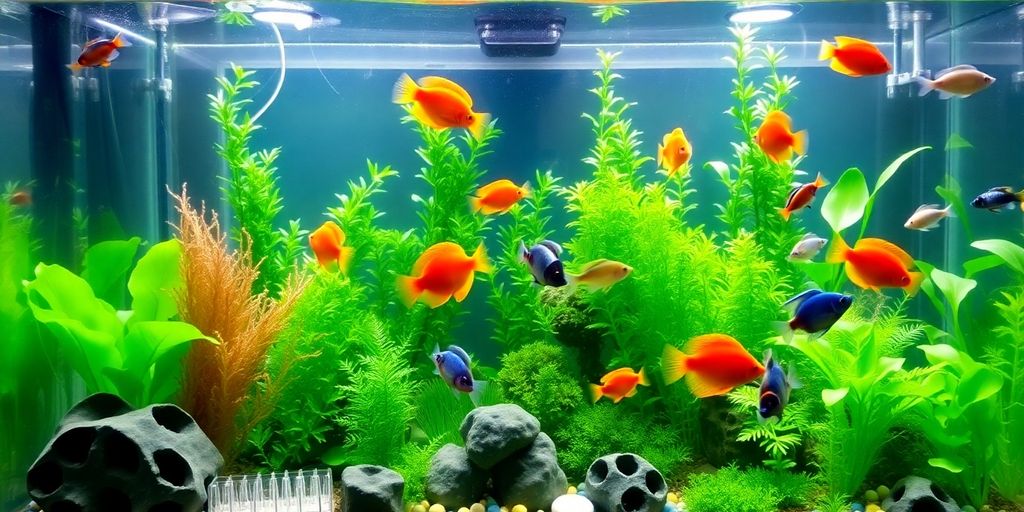
When setting up your aquarium, choosing the right filtration system is crucial for maintaining a healthy environment for your fish. Here’s a breakdown of the different types of filtration systems:
Types of Filtration Systems
- Mechanical Filtration: This type removes solid debris like uneaten food and fish waste. It’s essential for keeping the water clear.
- Chemical Filtration: This uses materials like activated carbon to remove dissolved pollutants that can discolor the water and create odors.
- Biological Filtration: This relies on beneficial bacteria to break down harmful substances like ammonia and nitrite into less harmful nitrate.
Mechanical vs. Chemical Filtration
| Type | Purpose | Maintenance Frequency |
|---|---|---|
| Mechanical | Traps solid waste | Regularly (weekly) |
| Chemical | Removes toxins and odors | Monthly |
| Biological | Converts harmful substances | Monthly water changes |
Biological Filtration Options
- BIO-Wheel® Technology: This method allows bacteria to thrive on a rotating wheel, enhancing oxygen exposure.
- Sponge Filters: Great for smaller tanks, they provide both mechanical and biological filtration.
- Canister Filters: These are versatile and can handle larger tanks, offering multiple filtration options.
Tip: Always ensure your filtration system matches the size and type of your aquarium. A well-chosen filter will help maintain water quality and keep your fish healthy.
In conclusion, selecting the right filtration system is a key step in creating a thriving aquarium. Regular maintenance and monitoring will ensure your aquatic environment remains clean and safe for your fish.
Picking the Right Substrate and Decor for Home Fish Tanks
Choosing the right substrate and decorations is essential for creating a beautiful and healthy environment for your fish. The substrate is the foundation of your aquarium, and it can greatly affect the overall look and feel of your tank.
Types of Substrates
- Gravel: A popular choice for many aquarists, gravel comes in various colors and sizes. It allows for good water flow and is easy to clean.
- Sand: Ideal for certain fish species, sand provides a natural look and is gentle on fish that like to dig.
- Specialized substrates: These are designed for planted tanks and can help promote healthy plant growth.
Choosing Decorations
When selecting decorations, consider the following:
- Natural materials: Rocks, driftwood, and live plants can create a more natural habitat for your fish.
- Artificial decorations: These can add color and interest but ensure they are safe for aquatic life.
- Hiding places: Fish need places to hide and feel secure. Include caves, plants, and other structures to create a balanced environment.
Important Tips
- Always rinse new substrate and decorations before adding them to your tank to avoid cloudy water.
- Avoid using soap or cleaning products, as residues can harm your fish.
- Consider the needs of your fish species when choosing both substrate and decor.
Remember, the right substrate and decor not only enhance the beauty of your aquarium but also contribute to the health and happiness of your fish.
Summary Table
| Substrate Type | Benefits | Best For |
|---|---|---|
| Gravel | Easy to clean, good water flow | Most freshwater fish |
| Sand | Natural look, gentle for digging | Certain bottom dwellers |
| Specialized Substrates | Promotes plant growth | Planted tanks |
Lighting for Optimal Growth in Home Fish Tanks
Proper lighting is essential for the health of your fish and plants. Choosing the right light can make a big difference in your aquarium’s success. Here’s what you need to know:
Importance of Proper Lighting
- Lighting helps plants grow and thrive.
- It enhances the colors of your fish, making them more vibrant.
- Different species have different lighting needs, so research is key.
Types of Aquarium Lights
| Type of Light | Description | Best For |
|---|---|---|
| LED | Energy-efficient and long-lasting | Freshwater and saltwater tanks |
| Fluorescent | Good for plant growth | Planted tanks |
| Incandescent | Less efficient, but can be used for fish-only tanks | Fish-only setups |
Choosing the Right Spectrum and Intensity
- For most freshwater aquariums, a light between 5,000 to 8,000 kelvin is ideal. This range supports both plant and fish life.
- Adjust the intensity based on the needs of your plants and fish. Too much light can lead to algae growth.
- Use a timer to maintain a consistent day-night cycle, ideally 7 to 10 hours of light per day.
Remember, proper lighting not only supports plant growth but also creates a beautiful display in your aquarium.
By understanding these aspects of aquarium lighting, you can create a thriving environment for your aquatic life.
Maintaining Water Parameters in Home Fish Tanks
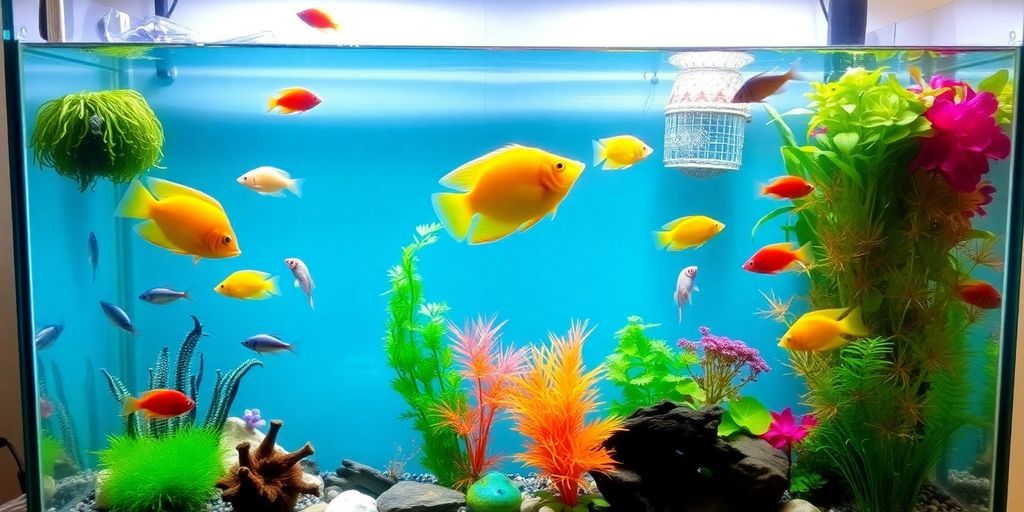
Keeping your fish tank healthy requires regular attention to water quality. Consistent maintenance is key to ensuring a thriving aquatic environment. Here are some essential practices:
Essential Water Tests
- pH Levels: Aim for a pH between 6.5 and 7.5 for most freshwater fish.
- Ammonia: Should be at 0 ppm; high levels can be toxic.
- Nitrate and Nitrite: Keep nitrate below 20 ppm and nitrite at 0 ppm.
| Parameter | Ideal Range |
|---|---|
| pH | 6.5 – 7.5 |
| Ammonia | 0 ppm |
| Nitrate | < 20 ppm |
| Nitrite | 0 ppm |
Setting Up a Maintenance Routine
- Regular Water Changes: Change 25-30% of the water every two weeks to maintain quality. This helps remove waste and toxins. (Consider this a vital step for your fish’s health.)
- Monitor Fish Health: Look for signs of stress or illness, such as unusual swimming or loss of appetite.
- Clean the Tank: Regularly clean the glass and decorations to prevent algae buildup.
Importance of Regular Water Changes
Regular water changes not only improve water quality but also help in maintaining a balanced ecosystem in your tank.
By following these guidelines, you can create a safe and healthy environment for your fish, ensuring they thrive in their home. Remember, a little effort goes a long way in fishkeeping!
Aquascaping and Design for Home Fish Tanks
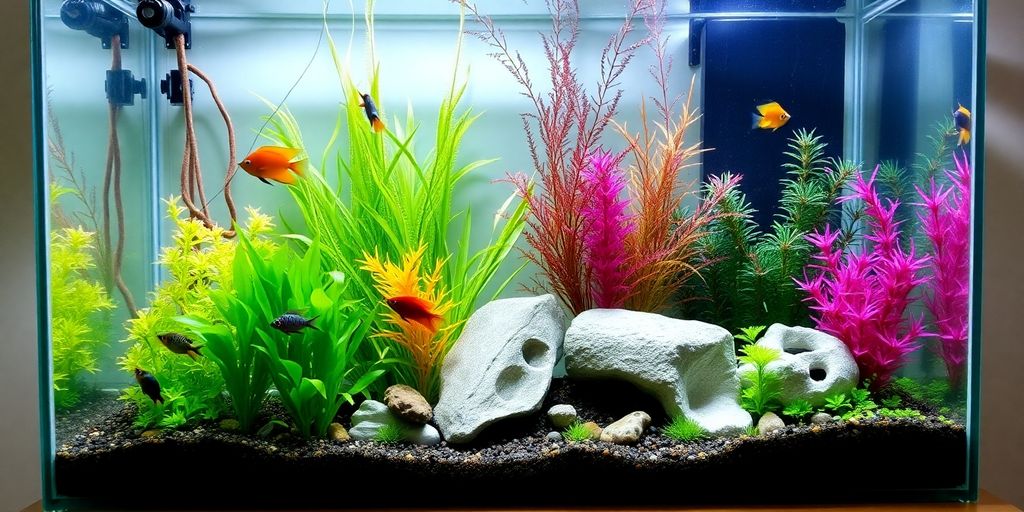
Creating a beautiful aquarium is not just about the fish; it’s also about how you arrange the plants, rocks, and decorations. Aquascaping is the art of designing your tank to make it visually appealing while ensuring a healthy environment for your fish.
Popular Aquascaping Styles
- Nature Style: Mimics natural landscapes with plants and rocks.
- Dutch Style: Focuses on plant arrangement and color.
- Iwagumi Style: Uses rocks as the main feature, with minimal plants.
Balancing Aesthetics and Function
When designing your aquarium, keep in mind:
- Fish Needs: Ensure there are hiding spots and open swimming areas.
- Plant Growth: Choose plants that thrive in your tank’s conditions.
- Maintenance: Design for easy cleaning and water changes.
Incorporating Plants and Rocks
- Choose the Right Plants: Select plants that suit your tank’s lighting and water conditions.
- Use Natural Rocks: Incorporate rocks that provide shelter and enhance the look of your tank.
- Create Hiding Places: Use driftwood or decorations to give fish places to hide, which helps reduce stress.
Remember, a well-designed aquarium not only looks good but also supports the health of your aquatic life.
By following these guidelines, you can create a stunning and functional aquarium that both you and your fish will enjoy!
Seeking Expert Advice for Home Fish Tanks
Consulting with Professionals
When setting up your aquarium, don’t hesitate to ask for help. Professionals at your local fish store can provide valuable insights. They can help you with:
- Choosing the right tank size
- Selecting compatible fish
- Understanding necessary equipment like filters and heaters
Finding Reliable Resources
In addition to local experts, there are many online resources available. Look for:
- Blogs that focus on aquarium care
- YouTube channels with tutorials
- Forums where experienced aquarists share tips
Joining Aquarium Communities
Connecting with other fish enthusiasts can be very helpful. Consider:
- Joining local aquarium clubs
- Participating in online forums
- Attending aquarium expos or workshops
Seeking expert advice can make a big difference in your aquarium journey. It helps you avoid common mistakes and ensures a healthy environment for your fish.
By gathering information from various sources, you can create a thriving aquatic habitat that enhances your home decor and brings joy to your life!
If you’re thinking about setting up a fish tank at home, getting advice from experts can really help. They can guide you on the best equipment, fish types, and care tips to keep your aquatic friends happy and healthy. For more information and to explore our wide range of products, visit our website today!
Final Thoughts on Your Aquarium Journey
Setting up your dream fish tank can be a fun and rewarding experience. Remember to think about the size, type of fish, and the equipment you need. Each choice you make will help create a happy home for your fish. Take your time to learn about the needs of your aquatic friends, and don’t hesitate to ask for help if you need it. With a little patience and care, your aquarium will thrive, bringing joy and beauty to your space.
Frequently Asked Questions
What size aquarium should I get for my home?
The size of your aquarium depends on the space you have and the type of fish you want. A bigger tank, like 20 gallons or more, is usually easier to care for and allows for more fish.
Is it better to have a freshwater or saltwater tank?
Freshwater tanks are easier for beginners and require less maintenance. Saltwater tanks can have more colorful fish and coral but need more care and equipment.
How do I choose the right fish for my tank?
Research different fish species to see which ones fit your tank size and water type. Make sure they can live together happily.
What kind of filter do I need for my aquarium?
You’ll need a good filter to keep the water clean. There are different types like hang-on-back, canister, and sponge filters. Choose one that suits your tank size.
How often should I change the water in my aquarium?
It’s a good idea to change about 10-15% of the water every week to keep it clean and healthy for your fish.
What decorations can I put in my tank?
You can use rocks, plants, and other decorations that are safe for fish. Just make sure they don’t have sharp edges that could hurt your fish.
How do I set up the lighting for my aquarium?
Use lights that are suitable for the type of plants and fish you have. Different species have different lighting needs.
Where can I find help if I have questions about my aquarium?
You can ask for advice at your local fish store or join online aquarium communities for tips and support.