Setting up a tropical fish tank can be a fun and exciting journey, transforming a simple aquarium into a lively underwater world. For beginners, understanding how to choose the right tank, select the best fish, and maintain a healthy environment is key to ensuring your aquatic friends thrive. This guide will walk you through the essential steps to create and care for your tropical fish tank, making it a rewarding hobby for all.
Key Takeaways
- Start with a larger tank for better stability and easier maintenance.
- Choose the right equipment, including heaters, filters, and lighting, to create a healthy environment.
- Always cycle your tank before adding fish to prevent harmful conditions.
- Select beginner-friendly fish species that are compatible with each other.
- Regularly test and maintain water quality to keep your fish healthy.
Choosing the Right Tropical Fish Tank
When starting your journey into the world of tropical fish, selecting the right tank is crucial. A well-chosen tank not only enhances the beauty of your aquatic environment but also ensures the health and happiness of your fish.
Tank Size and Shape
Choosing the right size tank is essential. Here are some key points to consider:
- Bigger is better: Larger tanks provide more stable water conditions, which is vital for fish health.
- Recommended sizes for beginners range from 30 to 100 liters.
- Consider the shape: A wider tank offers more swimming space, which is beneficial for fish.
Material Considerations
Most tanks are made from glass or acrylic. Here’s a quick comparison:
| Material | Pros | Cons |
|---|---|---|
| Glass | Scratch-resistant, durable | Heavier, can break |
| Acrylic | Lighter, more impact-resistant | Scratches easily |
Placement and Location
The location of your tank is just as important as the tank itself. Here are some tips:
- Place your tank away from direct sunlight to prevent algae growth.
- Ensure it’s on a stable surface to avoid accidents.
- Keep it in a quiet area to reduce stress for your fish.
Remember, a well-placed tank can make all the difference in creating a thriving aquatic environment.
For beginners, Terrarium Starter Kits can be a great option, as they often come with everything you need to get started. By following these guidelines, you’ll be well on your way to creating a beautiful tropical fish tank that your aquatic friends will love!
Essential Equipment for Your Tropical Fish Tank
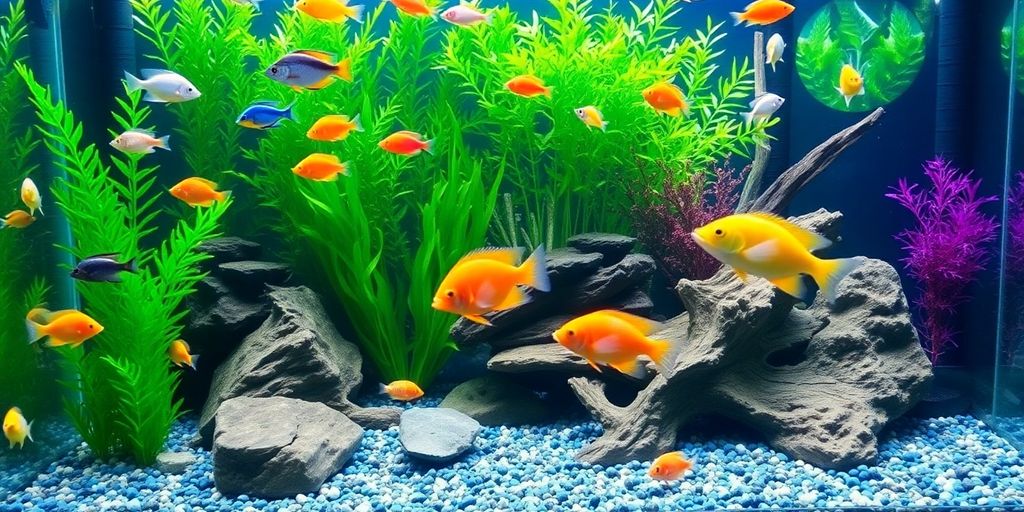
Setting up a tropical fish tank requires some essential equipment to ensure a healthy environment for your aquatic friends. Here’s what you need:
Heaters and Thermometers
- Heater: Tropical fish thrive in warm water, typically between 75-80°F (24-27°C). A reliable heater with a built-in thermostat is crucial for maintaining this temperature.
- Thermometer: Always monitor the water temperature to ensure it stays within the ideal range.
Filtration Systems
- Filter: A good filter is vital for keeping the water clean. Choose one that fits your tank size and provides both mechanical and biological filtration. Brands like Fluval offer excellent options.
- Biological Filter Start: This helps introduce beneficial bacteria to your tank, which is essential for the nitrogen cycle.
Lighting Options
- Aquarium Lights: Proper lighting is important for plant growth and to showcase your fish. LED lights are energy-efficient and can be adjusted to suit your tank’s needs.
- Light Intensity: Different fish and plants require varying light levels, so research your specific needs to avoid issues like algae growth.
Remember, the right equipment is key to creating a thriving aquatic environment.
By gathering these essential items, you’ll be well on your way to setting up a vibrant tropical fish tank that your fish will love!
Setting Up Your Tropical Fish Tank
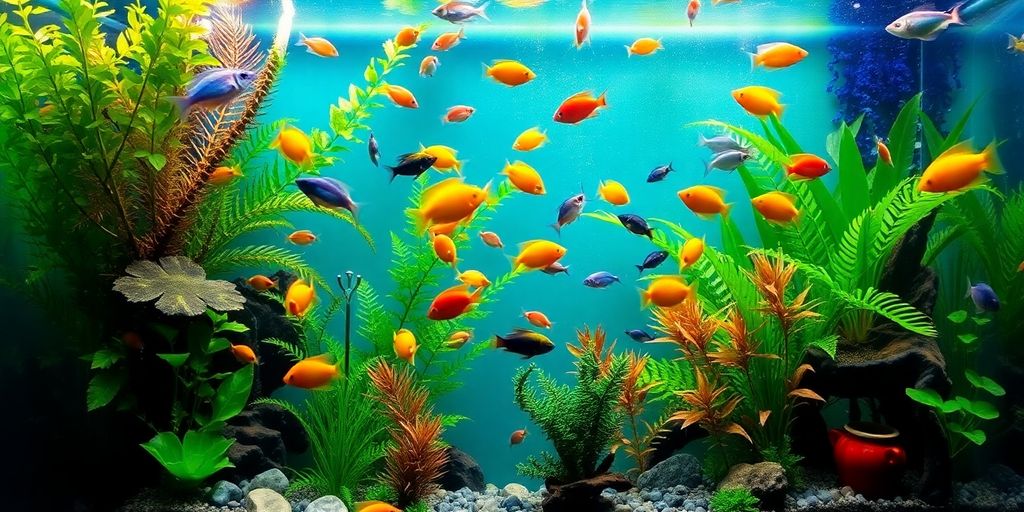
Setting up your tropical fish tank is an exciting journey that transforms a simple container into a lively aquatic world. Following the right steps is essential to ensure a healthy environment for your fish.
Cleaning and Inspecting the Tank
- Rinse the Tank: Use warm water to clean the tank, avoiding any soap or chemicals.
- Check for Leaks: Fill the tank with water and let it sit for a few hours to ensure there are no leaks.
- Inspect for Scratches: Look for any scratches or damage that could affect the tank’s integrity.
Adding Substrate and Decorations
- Choose Substrate: Popular options include gravel, sand, or specialized plant substrates. Make sure to rinse it thoroughly before adding it to the tank.
- Decorate Wisely: Add rocks, driftwood, or artificial plants to create hiding spots for your fish. This not only enhances the look but also provides a natural habitat.
- Avoid Overcrowding: While it’s fun to decorate, overcrowding can stress your fish. Keep it balanced.
Installing Equipment
- Heater: Tropical fish thrive in warmer waters, so a reliable heater is crucial. Aim for a temperature between 75-80°F (24-27°C).
- Filter: A good filtration system is vital for maintaining water quality. Brands like Omega One offer excellent options.
- Lighting: Proper lighting is important for both fish and plants. LED lights are energy-efficient and customizable.
Setting up your tank correctly is the first step to a successful aquarium. Take your time and enjoy the process!
Cycling Your Tropical Fish Tank
Cycling your tropical fish tank is a crucial step to ensure a healthy environment for your aquatic pets. This process allows beneficial bacteria to grow, breaking down harmful substances in the water. Here’s how to do it:
Understanding the Nitrogen Cycle
The nitrogen cycle is a natural process that transforms harmful ammonia from fish waste into less harmful nitrates. This cycle usually takes about 4-6 weeks.
Steps to Cycle Your Tank
- Introduce Ammonia: You can add a small amount of fish food to the tank. As it decomposes, it will release ammonia, which is essential for starting the cycle.
- Monitor Water Parameters: Use a test kit to check ammonia, nitrite, and nitrate levels regularly. You’ll first see a rise in ammonia, then nitrites, and finally, nitrates.
- Be Patient: Cycling takes time. Avoid adding fish too soon, as this can lead to stress or illness.
- Perform Water Changes: If ammonia or nitrite levels get too high, do a partial water change (20-30%) to help dilute them while keeping some beneficial bacteria.
Monitoring Water Parameters
Keep an eye on your water quality. Here’s a simple table to track your levels:
| Parameter | Ideal Level | Action Needed |
|---|---|---|
| Ammonia | 0 ppm | Add fish food |
| Nitrite | 0 ppm | Water change |
| Nitrate | < 20 ppm | Monitor weekly |
Conclusion
Cycling your tank is essential for creating a stable environment for your fish. Remember, patience is key! Once your tank is cycled, you can start adding fish. For more tips on setting up your tank, check out resources like Advatec and various aquarium accessories that can help you along the way!
Selecting the Best Tropical Fish for Beginners
Choosing the right tropical fish is an exciting part of setting up your aquarium. It’s important to select fish that are easy to care for and compatible with each other. Here are some popular beginner species:
Popular Beginner Species
- Guppies: Colorful and lively, they are great for beginners.
- Neon Tetras: Small and peaceful, they add vibrant colors to your tank.
- Betta Fish: Known for their beauty, but they should be kept alone due to aggression.
Compatibility and Behavior
When selecting fish, consider their behavior and compatibility:
- Research each species: Some fish are more aggressive than others.
- Avoid overcrowding: Too many fish can stress them and lead to health issues.
- Ask for advice: Local aquarium specialists can help you choose the right mix.
Where to Buy Healthy Fish
- Local fish stores: They often have a variety of healthy fish.
- Aquarium expos: Great places to find unique species.
- Online retailers: Ensure they have good reviews and a return policy.
Remember, the right fish food is essential for keeping your fish healthy. Brands like Kessil offer high-quality options that cater to different species’ needs.
By following these guidelines, you can create a vibrant and thriving tropical fish tank that will bring joy for years to come!
Feeding Your Tropical Fish
Types of Fish Food
When it comes to feeding your tropical fish, there are several options available:
- Flakes: Great for most fish, easy to digest.
- Pellets: Ideal for larger fish, providing a balanced diet.
- Granules: Suitable for bottom feeders and smaller species.
Choosing the right food is crucial for keeping your fish healthy and vibrant. Different species have different dietary needs, so it’s important to research what works best for your fish.
Feeding Schedules
To keep your fish happy, feed them small amounts of food 2 to 3 times a day. This helps prevent overfeeding, which can lead to poor water quality and health issues. Here’s a simple feeding schedule:
- Morning: Feed a small amount.
- Afternoon: Offer another small portion.
- Evening: Final feeding before lights out.
Avoiding Overfeeding
Overfeeding can cause serious problems:
- Digestive issues: Fish can become bloated or sick.
- Water quality: Uneaten food decomposes, creating toxins.
- Stress: Fish may become stressed due to poor living conditions.
Remember, a well-fed fish is a happy fish! Regularly monitor your fish’s health and adjust their diet as needed. Using products like Polyplab can help maintain a healthy environment with their Aquarium Pumps and Filters to ensure optimal water conditions. Always choose All Products that are safe and suitable for your aquatic friends.
Maintaining Water Quality
Keeping your tropical fish tank healthy is essential for the well-being of your aquatic life. Regular maintenance ensures a vibrant ecosystem. Here are some key points to consider:
Regular Water Testing
- Test your water weekly for ammonia, nitrite, and nitrate levels.
- Use reliable test kits from brands like Seachem to ensure accuracy.
- Keep a log of your water parameters to track changes over time.
Water Changes
- Perform water changes every 1-2 weeks, replacing 20-25% of the water.
- This helps remove toxins and maintain a balanced environment.
- If ammonia or nitrite levels rise, consider a larger water change (up to 30%).
Using Water Conditioners
- Always treat tap water with a conditioner before adding it to your tank.
- Products from Laguna can help neutralize harmful chemicals.
- This step is crucial to protect your fish from chlorine and heavy metals.
Maintaining water quality is not just about testing; it’s about creating a safe haven for your fish. Regular care will lead to a thriving aquarium.
By following these steps, you can ensure that your tropical fish tank remains a healthy and beautiful environment for your aquatic friends. Remember, a little effort goes a long way in keeping your tank vibrant!
Decorating Your Tropical Fish Tank
Creating a beautiful tropical fish tank is one of the most enjoyable parts of fish-keeping. Choosing the right decorations can enhance the beauty of your aquarium and provide a stimulating environment for your fish. Here are some tips to help you get started:
Choosing Plants and Ornaments
- Live Plants: They not only look great but also help maintain water quality.
- Artificial Plants: Easy to care for and come in various styles.
- Ornaments: Consider caves, driftwood, or even glass terrariums to create hiding spots for your fish.
Creating Hiding Spots
- Fish feel safer when they have places to hide. Use rocks, plants, and decorations to create these spots.
- Ensure that the hiding spots are safe and won’t harm your fish.
- Avoid overcrowding your tank, as this can lead to stress for your fish.
Avoiding Overcrowding
- Too many decorations can limit swimming space and affect water flow.
- Aim for a balanced look that allows your fish to swim freely while still providing interesting areas to explore.
- Always wash new decorations before adding them to your tank to remove any harmful residues.
Remember, a well-decorated tank not only looks good but also promotes the health and happiness of your aquatic life. Proper planning ensures a balanced environment that promotes the health and happiness of your aquatic life.
By following these guidelines, you can create a stunning tropical fish tank that is both beautiful and functional. Don’t forget to check out reptile products for unique decoration options that can add flair to your aquarium!
Common Tropical Fish Tank Problems and Solutions
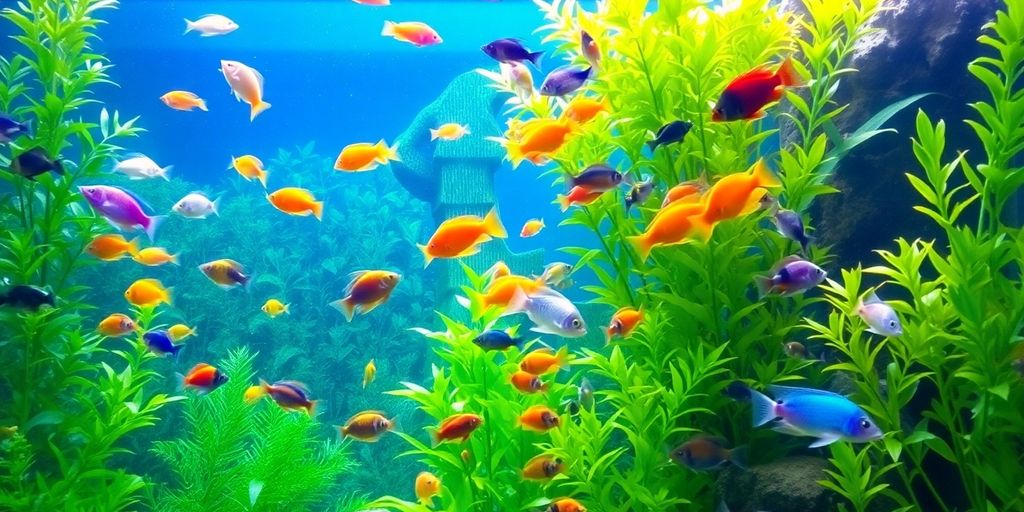
Algae Control
Algae can be a common issue in tropical fish tanks. The best way to fight algae is to keep nitrates low in the aquarium with water changes. This also helps keep phosphorus low in the aquarium. Here are some tips to manage algae:
- Perform regular water changes.
- Limit light exposure to 8-10 hours a day.
- Use algae-eating fish or snails.
Dealing with Fish Illnesses
Fish can get sick just like any other pet. It’s important to recognize symptoms early. Here are some common signs of illness:
- Changes in swimming behavior.
- Loss of appetite.
- Visible spots or lesions on the skin.
If you notice any of these signs, consider isolating the affected fish and consulting a vet or an aquarium specialist.
Equipment Malfunctions
Sometimes, equipment can fail, leading to problems in your tank. Here’s how to handle it:
- Check your heater and filter regularly.
- Keep a backup heater and filter on hand.
- Monitor water parameters frequently to catch issues early.
Remember, maintaining a healthy tank environment is key to preventing problems. Regular maintenance and monitoring can save you a lot of trouble down the line.
In addition to these solutions, consider using terrarium accessories and screen terrariums to enhance your tank’s environment and prevent issues before they arise.
Seasonal Care for Your Tropical Fish Tank
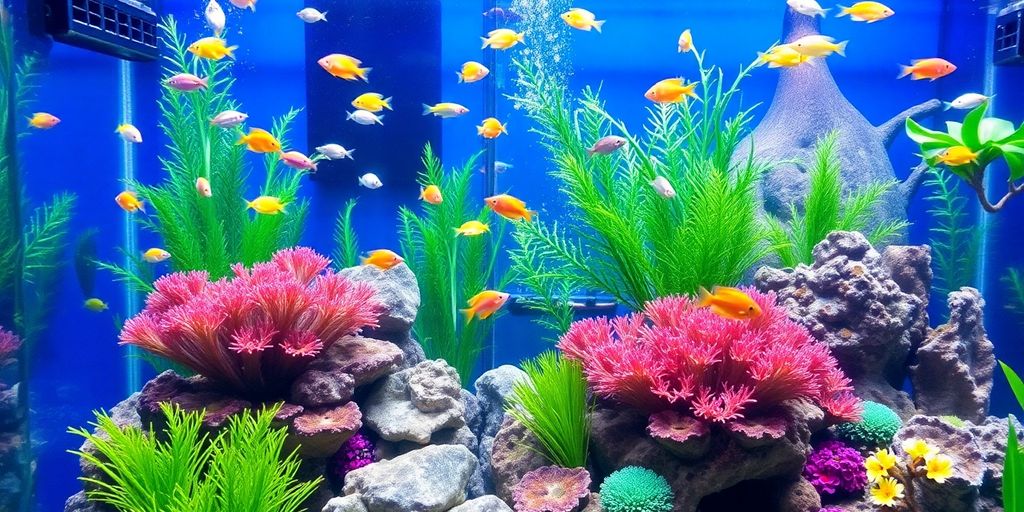
Taking care of your tropical fish tank changes with the seasons. Here’s how to keep your fish happy and healthy all year round.
Summer Care Tips
- Keep the water cool: Tropical fish thrive in warmer waters, but extreme heat can be harmful. Use fans or air conditioning to maintain a temperature between 75-80°F (24-27°C).
- Increase aeration: Warmer water holds less oxygen. Consider adding an air pump to ensure your fish have enough oxygen.
- Monitor algae growth: With more sunlight, algae can grow quickly. Regularly check and clean your tank to prevent overgrowth.
Winter Care Tips
- Maintain warmth: Ensure your heater is working properly. Tropical fish need a consistent temperature, so check it regularly.
- Reduce feeding: Fish are less active in colder months. Cut back on feeding to avoid waste buildup in the tank.
- Check for drafts: Make sure your tank is not near windows or doors that can let in cold air.
Handling Temperature Fluctuations
- Use a thermometer: Regularly check the water temperature to avoid sudden changes.
- Gradual adjustments: If you need to change the temperature, do it slowly to prevent shocking your fish.
- Insulate your tank: In extreme weather, consider insulating your tank to keep the temperature stable.
Remember, a stable environment is key to keeping your fish healthy. Regular checks and adjustments can make a big difference in their well-being.
By following these seasonal tips, you can create a thriving environment for your tropical fish, ensuring they remain vibrant and healthy throughout the year!
Advanced Tips for Thriving Tropical Fish Tanks
Aquascaping Techniques
Creating a beautiful underwater landscape is an art. Aquascaping involves arranging plants, rocks, and decorations in a way that mimics nature. Here are some tips:
- Use a variety of plant heights for depth.
- Incorporate driftwood or rocks for natural hiding spots.
- Avoid overcrowding to ensure fish have space to swim.
Breeding Tropical Fish
If you’re interested in breeding, start with species that are known to breed easily, like guppies or bettas. Here’s a simple guide:
- Set up a separate breeding tank.
- Provide plenty of hiding spots for fry.
- Monitor water quality closely to ensure a healthy environment.
Using CO2 Systems
Adding a CO2 system can enhance plant growth significantly. Here’s why it’s beneficial:
- Promotes lush, vibrant plants.
- Helps maintain stable pH levels.
- Reduces algae growth by outcompeting it for nutrients.
Remember, proper setup and maintenance of your tank is crucial for a thriving aquatic environment.
In addition to these tips, consider investing in Aquarium Kits and Cabinets for a more organized and aesthetically pleasing setup. This can help streamline your maintenance routine and enhance the overall look of your tank.
Common Mistakes to Avoid
To ensure your tank thrives, be aware of these common pitfalls:
- Not enough water changes can lead to poor water quality. (Highlight: "not enough water changes")
- Overstocking the tank can stress fish. (Highlight: "overstocking the tank")
- Using too much fertilizer can harm plants and fish alike. (Highlight: "using too much fertilizer")
By following these advanced tips, you can create a stunning and healthy tropical fish tank that will flourish for years to come!
If you want your tropical fish tank to really shine, follow these advanced tips! From choosing the right plants to maintaining water quality, every detail matters. For more expert advice and to find the best products for your aquarium, visit our website today!
Final Thoughts on Your Tropical Fish Journey
Setting up a tropical fish tank can be a fun and exciting adventure. By following the steps in this guide, you can create a beautiful home for your fish. Remember to choose the right tank, keep the water clean, and provide a safe environment for your aquatic friends. With patience and care, your tank will thrive, bringing joy and color to your space. Enjoy the process, and don’t hesitate to learn more as you go along. Happy fish-keeping!
Frequently Asked Questions
What size tank is best for beginners?
For beginners, a tank between 50 to 100 liters is a good choice. It gives enough space for fish and is easier to manage.
How do I keep the water clean in my tank?
Using a good filter is key. Regular water changes and testing the water also help keep it clean.
What kind of fish should I start with?
Popular beginner fish include guppies, tetras, and bettas. They are colorful and easy to care for.
How often should I feed my fish?
Feed your fish once or twice a day. Only give them what they can eat in a few minutes.
What do I do if my fish get sick?
If your fish seem sick, check the water quality first. You may need to treat them with specific medications.
How can I prevent algae in my tank?
Limit the amount of light your tank gets and avoid overfeeding your fish to help control algae.
Do I need to cycle my tank before adding fish?
Yes, cycling the tank is important. It helps good bacteria grow to keep the water safe for your fish.
What decorations are safe for my fish tank?
Choose decorations made for aquariums, like rocks, plants, and ornaments. Always wash them before adding them to the tank.