Setting up a saltwater aquarium is an exciting adventure, but it requires careful planning and the right tools. This guide will help you understand the essential equipment you need to create a thriving underwater environment. From filtration systems to lighting solutions, each piece plays a vital role in keeping your marine life healthy and happy.
Key Takeaways
- A good filtration system is essential for clean water and fish health.
- Powerheads help create natural water currents, improving oxygen levels.
- Regularly test your water to keep track of important parameters like pH and ammonia.
- Maintaining the right temperature with heaters and thermometers is crucial for tropical fish.
- Proper lighting not only makes your aquarium look good but also supports plant and coral growth.
Filtration Systems: The Lifeline of Your Aquarium
The filtration system is the heart of your aquarium. It removes waste, toxins, and uneaten food, keeping the water clean for your fish. Here are some common types:
Types of Filtration Systems
- Hang-On-Back (HOB) Filters: These are easy to install and maintain, making them suitable for smaller tanks and beginners.
- Canister Filters: More powerful than HOB filters, canister filters are suitable for medium to large tanks. They offer multi-stage filtration.
- Sump Filters: Common in larger tanks, these sit below your aquarium and provide excellent filtration, plus a place to hide equipment.
- Protein Skimmers: Particularly important in saltwater aquariums, protein skimmers remove organic waste before it breaks down and affects water quality.
Choosing the Right Filter
When selecting a filter, consider the size of your aquarium and the type of fish you have. Here are some tips:
- Match the filter capacity to your tank size.
- Look for filters that offer multiple stages of filtration.
- Consider ease of maintenance and replacement parts.
Maintenance Tips for Filtration Systems
To keep your filtration system running smoothly:
- Clean or replace filter media regularly.
- Check for clogs and clean the intake and output.
- Monitor water flow to ensure optimal performance.
Remember, a well-maintained filtration system is crucial for a healthy aquarium environment. Regular checks and maintenance will help you avoid problems down the line.
In summary, investing in a quality filtration system is essential for the health of your aquarium. Whether you choose a simple HOB filter or a more complex canister system, ensure it meets the needs of your aquatic life. Don’t forget to consider Aquarium Kits and Cabinets for a complete setup!
Powerheads: Creating Natural Water Currents
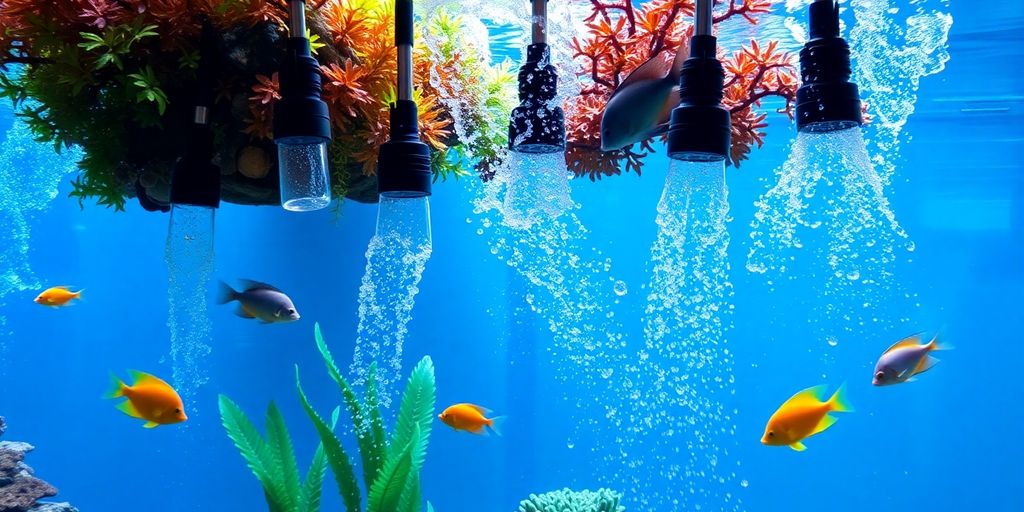
Powerheads are essential for simulating the natural currents found in the ocean, which is crucial for the health of your aquarium. These devices enhance water circulation and oxygen levels, making your aquatic environment more vibrant and lively.
Benefits of Using Powerheads
- Improved Water Movement: Helps distribute heat and nutrients evenly.
- Enhanced Oxygenation: Increases oxygen levels, benefiting fish and corals.
- Prevention of Dead Spots: Reduces areas where debris can accumulate.
Types of Powerheads
| Type | Description |
|---|---|
| Standard Powerhead | Basic model for general use. |
| Adjustable Powerhead | Allows you to control the flow rate. |
| Wave Makers | Creates waves for a more natural environment. |
Installation and Maintenance
- Placement: Position powerheads to create a circular flow in the tank.
- Regular Cleaning: Clean the intake and impeller regularly to ensure efficiency.
- Check Spare Parts: Keep spare parts handy for quick repairs.
Remember, using powerheads effectively can transform your aquarium into a thriving ecosystem. Proper water movement is key to maintaining a healthy environment for your fish and corals.
In conclusion, powerheads are a vital part of your aquarium setup, working alongside aquarium pumps and filters to create a balanced habitat. By understanding their benefits and maintenance, you can ensure your aquatic life thrives.
Testing Kits: Keeping Water Parameters in Check
Essential Water Parameters to Monitor
To keep your aquarium healthy, it’s important to regularly check the following water parameters:
- pH: Aim for a stable range between 6.5 and 8.2.
- Ammonia and Nitrite: These should be at 0 ppm to avoid stress on your fish.
- Nitrate: Keep this below 20 ppm for a healthy environment.
| Parameter | Ideal Range |
|---|---|
| pH | 6.5 – 8.2 |
| Ammonia | 0 ppm |
| Nitrite | 0 ppm |
| Nitrate | < 20 ppm |
Types of Testing Kits
There are various testing kits available to help you monitor your aquarium’s water quality:
- Liquid Test Kits: These are often more accurate and can test multiple parameters.
- Test Strips: Quick and easy to use, but may not be as precise.
- Digital Meters: Provide instant readings for specific parameters like pH and salinity.
How to Use Testing Kits Effectively
Using testing kits correctly is crucial for accurate results:
- Follow Instructions: Always read the instructions that come with your kit.
- Test Regularly: Make it a habit to test your water weekly.
- Record Results: Keep a log of your test results to track changes over time.
Regular testing is vital for maintaining a safe environment for your fish. Using high-quality kits like Advatec ensures accurate testing and actionable insights.
Heaters and Thermometers: Maintaining Optimal Temperature
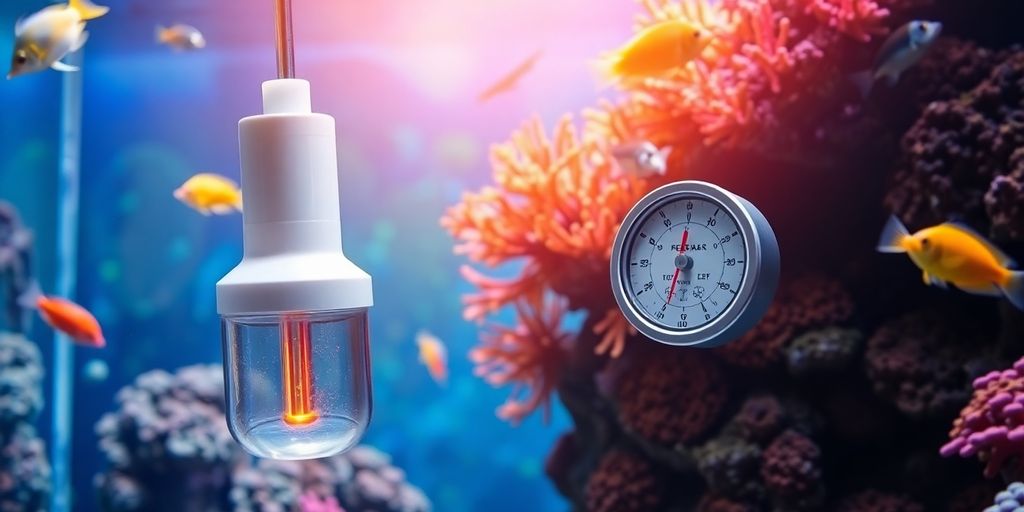
Choosing the Right Heater
To keep your saltwater fish happy, you need to maintain a consistent water temperature, usually between 75-82°F. Aquarium heaters are essential for this task. Here are some tips for choosing the right one:
- Size Matters: Make sure the heater is suitable for your tank size. A general rule is 5 watts per gallon.
- Type of Heater: Consider using a submersible heater for better heat distribution.
- Brand Quality: Look for reliable brands like AQUAEL for durability and performance.
Types of Thermometers
Monitoring the water temperature is just as important as heating it. Here are some common types of thermometers:
- Digital Thermometers: These provide quick and accurate readings.
- Stick-On Thermometers: Easy to use, but may not be as precise.
- Floating Thermometers: Good for larger tanks, but can be less convenient.
| Type | Pros | Cons |
|---|---|---|
| Digital Thermometers | Accurate and fast | Requires batteries |
| Stick-On Thermometers | Simple to use | May lose accuracy over time |
| Floating Thermometers | Good for large tanks | Can be hard to read |
Installation and Maintenance Tips
To ensure your heater and thermometer work effectively, follow these tips:
- Placement: Position the heater near a water flow area for even heating.
- Regular Checks: Monitor the temperature daily to catch any fluctuations.
- Clean Regularly: Remove any algae or debris from the heater and thermometer to maintain accuracy.
Keeping your aquarium at the right temperature is crucial for the health of your fish. Regular monitoring and maintenance will help create a thriving environment for your aquatic friends. Remember, a stable temperature is key to a successful aquarium!
Lighting Solutions: More Than Just Illumination
Types of Aquarium Lights
When it comes to lighting your saltwater aquarium, there are several options to consider:
- LED Lights: These are the most popular choice for modern aquariums. They are energy-efficient, produce little heat, and offer customizable lighting options.
- T5 Fluorescent Lights: These provide strong light output and are good for promoting coral growth, but they consume more energy than LEDs.
- Metal Halide Lights: Known for their intense brightness, these lights are often used in larger tanks but can generate a lot of heat.
Benefits of Proper Lighting
Proper lighting is essential for the health of your aquarium. Here are some key benefits:
- Promotes Coral Growth: Corals rely on light for photosynthesis, making it crucial for their survival.
- Enhances Aesthetics: Good lighting makes your fish and corals look vibrant and colorful.
- Supports Healthy Ecosystem: Proper light helps maintain the balance of your aquarium’s ecosystem.
Lighting Setup and Maintenance
Setting up and maintaining your aquarium lights is important for long-term success:
- Choose the Right Type: Depending on your tank’s needs, select the appropriate lighting system.
- Regularly Check Bulbs: Make sure to replace bulbs as needed to ensure optimal performance.
- Use a Timer: This helps simulate natural light cycles, which is beneficial for your aquatic life.
In summary, investing in quality lighting solutions like Kessil can significantly enhance your aquarium’s health and beauty.
Protein Skimmers: Essential for Water Quality
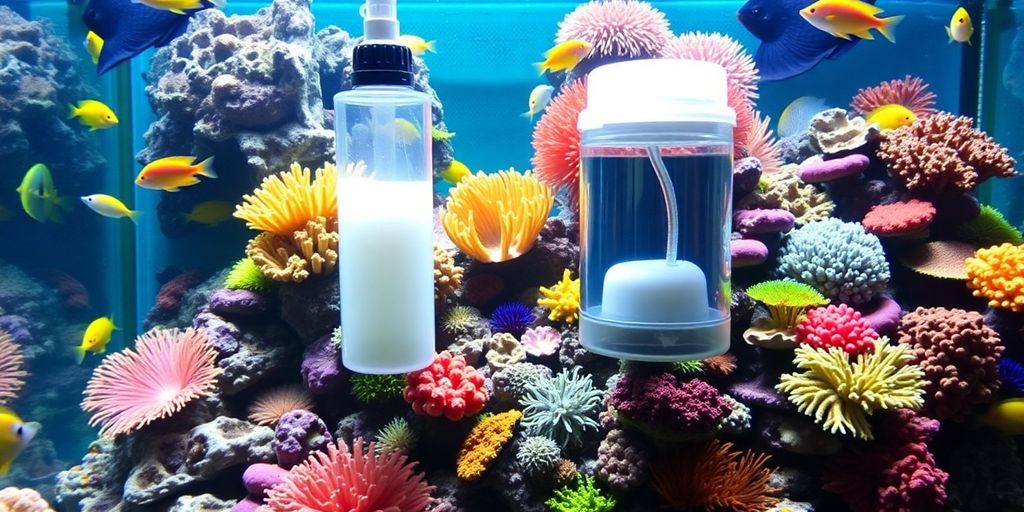
How Protein Skimmers Work
Protein skimmers are vital for keeping your saltwater aquarium clean. They work by removing dissolved organic compounds (DOCs) from the water before they can break down and harm your fish. This helps maintain a healthier environment for your aquatic life.
Choosing the Right Protein Skimmer
When selecting a protein skimmer, consider the following:
- Size of your aquarium: Make sure the skimmer is suitable for your tank’s volume.
- Type of skimmer: Options include hang-on-back models and in-sump skimmers.
- Brand reputation: Look for trusted brands like Omega One and Reef Octopus.
Maintenance and Troubleshooting
To keep your protein skimmer functioning well, follow these tips:
- Regular cleaning: Clean the skimmer every 1-2 months to prevent buildup.
- Check water depth: The recommended water depth is 7-8 inches for optimal performance.
- Break-in period: A new skimmer usually takes 1-2 weeks to break in before it works effectively.
Keeping your protein skimmer in good shape is essential for a thriving aquarium. Regular maintenance ensures that your fish and corals stay healthy and vibrant!
Live Rock and Substrate: Building a Natural Habitat
Creating a thriving aquarium starts with the right foundation. Live rock and substrate are essential components that help establish a natural habitat for your aquatic life. They not only enhance the beauty of your tank but also play a crucial role in maintaining water quality.
Benefits of Live Rock
- Biological Filtration: Live rock is home to beneficial bacteria that help break down waste, making it vital for a healthy ecosystem.
- Natural Habitat: It provides hiding spots and surfaces for fish and invertebrates, mimicking their natural environment.
- Aesthetic Appeal: The unique shapes and colors of live rock can create stunning aquascapes.
Choosing the Right Substrate
When selecting substrate, consider the following:
- Type: Options include sand, gravel, or specialized substrates like aragonite.
- Depth: A depth of 1-2 inches is usually sufficient, while planted tanks may need 2-3 inches for root support.
- Compatibility: Ensure the substrate is suitable for the types of fish and plants you plan to keep.
| Substrate Type | Pros | Cons |
|---|---|---|
| Gravel | Easy to clean, good for most fish | Can trap waste if not cleaned regularly |
| Sand | Ideal for certain fish, looks natural | Can compact, harder to clean |
Remember, the right substrate can make a big difference in your aquarium’s ecosystem. Choose wisely to create a thriving environment for your aquatic life!
Setting Up Live Rock and Substrate
- Prepare the Tank: Start with a clean tank and ensure all equipment is ready.
- Add Substrate: Pour your chosen substrate evenly across the bottom.
- Place Live Rock: Arrange the live rock to create caves and open spaces for fish to swim.
Incorporating live rock and substrate is a fundamental step in setting up your aquarium. With the right choices, you can create a beautiful and healthy environment for your fish. If you’re new to this hobby, consider looking into Terrarium Starter Kits that often include essential components for a successful setup.
Aquarium Stands and Cabinets: Supporting Your Setup
When setting up your aquarium, choosing the right stand or cabinet is crucial. A sturdy base not only supports the weight of the tank but also enhances the overall look of your setup. Here are some key points to consider:
Choosing the Right Stand
- Material: Look for stands made from durable materials like wood or metal.
- Size: Ensure the stand fits your aquarium size perfectly.
- Weight Capacity: Check the weight limit to avoid any accidents.
Benefits of Aquarium Cabinets
- Storage: Cabinets provide extra space for storing aquarium accessories like food, filters, and cleaning tools.
- Aesthetics: A well-designed cabinet can enhance the beauty of your aquarium.
- Stability: Cabinets often have leveling feet, ensuring a stable setup.
| Feature | Stand | Cabinet |
|---|---|---|
| Storage Space | Limited | Ample |
| Aesthetic Appeal | Basic | Enhanced |
| Stability | Moderate | High |
Installation and Safety Tips
- Level the Stand: Use a level tool to ensure your stand is even.
- Secure the Tank: Make sure the tank is properly placed on the stand.
- Check for Stability: Gently shake the tank to ensure it’s secure.
Remember, a solid stand or cabinet is essential for a safe and beautiful aquarium setup. It not only supports your tank but also showcases your aquatic life beautifully.
Choosing the right stand or cabinet can make a significant difference in your aquarium experience. Popular brands offer various options to suit different styles and budgets, so take your time to find the perfect fit!
Decor and Accessories: Enhancing Your Aquarium’s Aesthetics
Creating a visually appealing aquarium is not just about the fish; it’s also about the decor and accessories you choose. The right decorations can transform your tank into a stunning underwater landscape. Here are some key points to consider:
Types of Aquarium Decor
- Live Plants: These improve water quality and provide natural hiding spots for fish.
- Artificial Plants: Easier to maintain, they still offer a natural look without the need for special care.
- Natural Rocks and Driftwood: These add a realistic touch and can create hiding spots for your fish.
Benefits of Using Live Decor
- Improves Water Quality: Live plants absorb carbon dioxide and release oxygen, benefiting your fish.
- Natural Habitat: They provide essential hiding spots, making fish feel secure.
- Aesthetic Appeal: Live decor enhances the beauty of your aquarium, making it more enjoyable to watch.
How to Arrange Decor for Best Results
- Layering: Use a mix of tall plants and low decorations to create depth.
- Open Spaces: Ensure there are clear swimming paths for your fish.
- Safety First: Make sure all decorations are safe and free from harmful substances.
Remember, a well-decorated aquarium not only looks good but also supports the health and happiness of your fish. Incorporating Terrarium Accessories can also enhance your setup, providing additional options for creating a vibrant aquatic environment.
In summary, choosing the right decor and accessories is essential for both the aesthetics and health of your aquarium. By carefully selecting and arranging these elements, you can create a thriving habitat for your aquatic life.
Water Quality Management: Ensuring a Healthy Environment
Maintaining good water quality is essential for the health of your fish. Regular testing and monitoring are crucial to ensure that parameters like pH, ammonia, nitrite, and nitrate levels stay within safe ranges.
Importance of Water Quality
- Healthy fish require clean water to thrive.
- Poor water quality can lead to stress and disease.
- Regular checks help prevent problems before they start.
Tools for Managing Water Quality
To keep your aquarium thriving, you should regularly check the following water parameters:
| Parameter | Ideal Range |
|---|---|
| pH | 6.5 – 8.2 |
| Ammonia | 0 ppm |
| Nitrite | 0 ppm |
| Nitrate | < 20 ppm |
Regular Maintenance Practices
- Change 10% of the water weekly.
- Do a larger 25% change monthly.
- Always use dechlorinated water to refill your tank.
Keeping your aquarium clean and balanced is the most important part of ensuring your fish stay healthy and happy.
By following these steps, you can maintain a safe and healthy environment for your aquatic friends!
Safety Tips for Saltwater Aquariums
Electrical Safety Measures
When setting up your aquarium, always prioritize electrical safety. Ensure that all electrical devices, like heaters and filters, are properly grounded. Use a GFCI (Ground Fault Circuit Interrupter) outlet to prevent electrical shocks. This is crucial for keeping both your fish and your home safe.
Handling Fish Safely
When you need to handle your fish, do so gently. Here are some tips:
- Use a fish net to avoid stressing them out.
- Always wet your hands before touching them to protect their slime coat, which is vital for their health.
- Avoid sudden movements to keep your fish calm.
Preventing Leaks and Spills
To avoid water damage, regularly check for leaks in your aquarium. Here are some steps to follow:
- Use a waterproof mat under your tank to catch any spills.
- Inspect the tank and equipment for any signs of leaks.
- If you notice any leaks, fix them immediately to protect your home.
Keeping your aquarium safe is essential for both your fish and your home. Regular checks can prevent accidents and ensure a healthy environment for your aquatic friends.
By following these simple tips, you can create a safe and healthy environment for your fish while protecting your home from potential water damage. Remember, a little caution goes a long way!
Keeping a saltwater aquarium can be a fun adventure, but safety is key! Make sure to regularly check your water quality and keep an eye on your fish. Always use the right equipment to avoid accidents. For more tips and to find the best products for your aquarium, visit our website today!
Final Thoughts on Saltwater Aquarium Essentials
In conclusion, setting up a saltwater aquarium can be a fun and rewarding experience. By gathering the right tools and understanding how to care for your marine life, you can create a beautiful underwater world. Remember, each piece of equipment plays a vital role in keeping your fish healthy and happy. From filters that clean the water to heaters that keep it warm, every accessory is important. As you learn more about your aquarium, you might find new tools that fit your needs even better. Enjoy your journey in fishkeeping, and may your aquarium thrive!
Frequently Asked Questions
What type of filtration system is best for my saltwater aquarium?
The best filtration system depends on your tank size and the type of fish you have. Hang-on-back filters are great for smaller tanks, while canister filters work well for larger setups.
How often should I test my aquarium water?
It’s a good idea to test your water at least once a week. This helps you keep track of important levels like pH, ammonia, and nitrate.
What temperature should I maintain in my saltwater aquarium?
Most saltwater fish prefer a temperature between 75°F and 82°F. A reliable heater will help keep the water warm.
Do I need a protein skimmer for my aquarium?
Yes, a protein skimmer is important for removing waste before it breaks down, which helps keep your water clean and healthy.
How can I create water movement in my tank?
You can use powerheads to create natural water currents. This helps with oxygenation and keeps your fish active.
What kind of lighting is best for a saltwater aquarium?
LED lights are popular because they save energy and last a long time. They also provide the right light for corals and other plants.
How often should I clean my aquarium?
You should perform regular maintenance, including cleaning the filter and changing some water, every 1-2 weeks.
What should I do if my fish are acting strangely?
If your fish are behaving oddly, check the water parameters immediately. Changes in water quality can affect fish health.