Setting up a saltwater aquarium can be both thrilling and a bit scary for beginners. With the right information and tools, you can create a beautiful underwater world in your home. This guide will help you understand the essential equipment needed for your first saltwater tank, making the process easier and more enjoyable.
Key Takeaways
- Choose a tank size of at least 55 gallons for better stability.
- Invest in a quality filtration system to keep your water clean.
- A heater and thermometer are crucial for maintaining the right temperature.
- Using live rock helps create a natural environment and improves water quality.
- Regular water testing is key to keeping your fish healthy.
Choosing the Right Tank and Stand
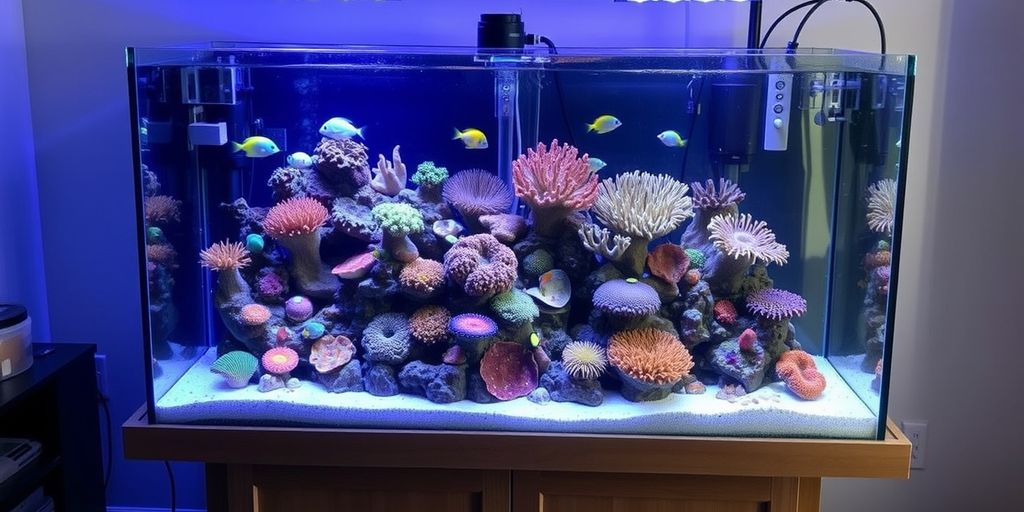
When starting a saltwater aquarium, selecting the right tank and stand is crucial. You need to consider the size, material, and support for your aquarium.
Glass vs. Acrylic Tanks
Both glass and acrylic tanks have their pros and cons:
- Glass Tanks: Easier to clean and less prone to scratching. They are also generally more affordable.
- Acrylic Tanks: Lighter and can be molded into various shapes. However, they can scratch easily but can be polished to remove scratches.
| Feature | Glass Tanks | Acrylic Tanks |
|---|---|---|
| Weight | Heavier | Lighter |
| Scratching | Less | More |
| Cleaning Ease | Easier | Harder |
Recommended Tank Sizes for Beginners
For beginners, it’s best to start with a tank that is at least 30 gallons. This size helps maintain stable water conditions. Here are some recommended sizes:
- 30-50 gallons: Good for beginners, easier to manage.
- 50-100 gallons: More room for fish and decorations, but requires more equipment.
- Under 30 gallons: Can be tricky due to rapid changes in water quality.
Importance of a Sturdy Stand
A sturdy stand is essential to support the weight of your filled tank. Remember, a gallon of water weighs about 8.34 pounds. For example, a 50-gallon tank can weigh over 400 pounds when full. Here are some tips for choosing a stand:
- Ensure it is rated for the size of your tank.
- Look for materials that resist water damage, like metal or treated wood.
- Avoid stands that wobble or are unstable.
A well-chosen tank and stand can make your aquarium experience enjoyable and successful.
In summary, whether you choose a Seachem or Kessil product, the right tank and stand will set the foundation for a thriving saltwater aquarium.
Essential Filtration Systems
Filtration is a crucial part of maintaining a healthy saltwater aquarium. Choosing the right filtration system can make a big difference in the health of your fish and plants. There are several types of filtration systems available, each with its own benefits and drawbacks.
Types of Filtration Systems
- Canister Filters: These are versatile and can handle mechanical, biological, and chemical filtration all in one unit. They are easy to install and maintain, making them a popular choice for beginners.
- Wet/Dry Trickle Filters: These filters are effective at processing ammonia and nitrites, which helps increase the oxygen content in the water. They may require more plumbing but are favored by many saltwater aquarists.
- Power Filters: These are typically hung on the back of the tank and are user-friendly. They are great for smaller tanks and can be a good starting point for beginners.
Choosing the Right Filter for Your Tank
When selecting a filter, consider the following:
- Tank Size: Ensure the filter is suitable for your tank’s volume.
- Type of Fish: Some fish produce more waste than others, requiring a more robust filtration system.
- Budget: Filters come in various price ranges, so choose one that fits your budget while meeting your aquarium’s needs.
Maintaining Your Filtration System
Regular maintenance is key to keeping your filtration system running smoothly:
- Clean the Filter Media: Rinse or replace filter media as needed to prevent clogging.
- Check for Blockages: Ensure that water flows freely through the system.
- Monitor Water Quality: Regularly test your water to ensure the filter is working effectively.
Remember, a well-maintained filtration system is essential for a thriving aquarium. It not only removes waste but also provides a place for beneficial bacteria to grow, which helps break down harmful substances.
In summary, understanding the different types of filtration systems and how to maintain them is vital for any beginner. Investing in quality aquarium accessories will help ensure a successful start to your saltwater aquarium journey.
Heating and Temperature Control
Selecting a Heater
When setting up your saltwater aquarium, choosing the right heater is crucial. Most tropical saltwater fish thrive in temperatures between 76-82°F. Here are some tips for selecting a heater:
- Wattage: The wattage of the heater should match the size of your tank. A general rule is 5 watts per gallon.
- Type: Consider using a submersible heater for better efficiency.
- Safety Features: Look for heaters with automatic shut-off features to prevent overheating.
Importance of a Thermometer
A thermometer is essential for monitoring your tank’s temperature. Here are some types to consider:
- Stick-on Thermometers: Easy to read and install.
- Floating Thermometers: Provide accurate readings but can be less convenient.
- Digital Thermometers: Offer precise readings and often come with alarms for temperature fluctuations.
Using a Chiller for Temperature Regulation
In warmer climates or during summer months, a chiller can help maintain a stable temperature. Here’s why you might need one:
- Prevent Overheating: Keeps the water cool during hot weather.
- Stable Environment: Helps maintain a consistent temperature, reducing stress on fish.
- Compatibility: Ensure the chiller is suitable for your tank size.
Maintaining the right temperature is vital for the health of your fish. A stable environment helps prevent stress and disease, ensuring a thriving aquarium.
By investing in quality aquarium heaters and monitoring tools, you can create a comfortable habitat for your aquatic life. Remember, temperature control is key to a successful saltwater aquarium!
Lighting for Saltwater Aquariums
Types of Aquarium Lighting
When setting up a saltwater aquarium, choosing the right aquarium lights is crucial. There are several types of lighting options available:
- LED Lights: Energy-efficient and long-lasting, these are great for both fish-only and reef tanks.
- Fluorescent Lights: Commonly used, but may need to be replaced more often than LEDs.
- Metal Halide Lights: Provide intense light, ideal for coral growth but can be expensive to run.
Choosing the Right Light Spectrum
The spectrum of light is important for the health of your aquarium. Here are some key points to consider:
- Blue Light: Promotes coral growth and enhances colors in fish.
- White Light: Good for general visibility and plant growth.
- Full Spectrum: Mimics natural sunlight, beneficial for all types of marine life.
Setting Up a Lighting Schedule
A proper lighting schedule helps maintain a healthy environment:
- Duration: Aim for 10-12 hours of light per day.
- Consistency: Keep the schedule consistent to avoid stressing your fish.
- Timers: Use timers to automate the lighting process.
Proper lighting is essential for the health of your aquarium. Without it, your fish and corals may struggle to thrive.
In summary, investing in quality lighting, such as Fluval products, can make a significant difference in the success of your saltwater aquarium. Make sure to choose the right type and spectrum to meet the needs of your aquatic life.
The Role of Protein Skimmers
What is a Protein Skimmer?
A protein skimmer is a special device used in saltwater aquariums to remove organic waste from the water. It helps keep your tank clean by eliminating harmful substances like waste and uneaten food. This is important because these compounds can harm fish and other aquatic life if they build up.
Benefits of Using a Protein Skimmer
Using a protein skimmer has several advantages:
- Reduces organic waste: It helps to keep the water cleaner.
- Improves water quality: Cleaner water means healthier fish.
- Less frequent water changes: You won’t need to change the water as often.
How to Maintain Your Protein Skimmer
To keep your protein skimmer working well, follow these tips:
- Regular cleaning: Clean the skimmer every few weeks to remove buildup.
- Check the pump: Ensure the pump is functioning properly.
- Adjust settings: Make sure the skimmer is set to the right level for your tank size.
Maintaining a protein skimmer is essential for a healthy aquarium. It can save you time and effort in the long run.
For beginners, investing in a good protein skimmer can make a big difference in the health of your aquarium. You can find various options in the market, including All Products that cater to different tank sizes and needs.
Substrate and Aquascaping
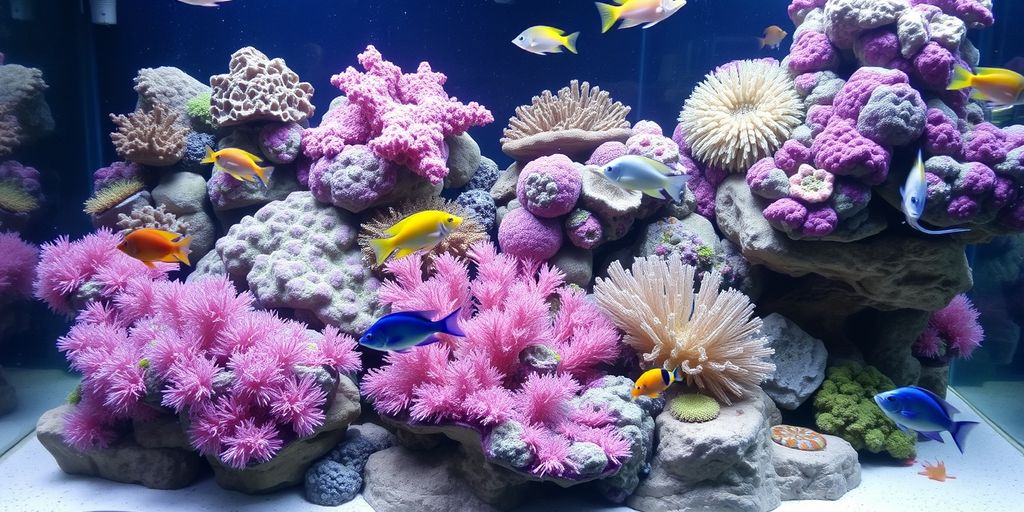
Types of Substrate
Choosing the right substrate is crucial for your saltwater aquarium. The most common type is sand, which not only looks natural but also supports the health of your tank. Here are some popular options:
- Live Sand: Contains beneficial bacteria that help with biological filtration.
- Crushed Coral: Can help maintain pH levels in your aquarium.
- Gravel: Less common but can be used for certain setups.
Benefits of Live Sand
Live sand is a fantastic choice for beginners. It:
- Provides a habitat for beneficial bacteria.
- Helps in breaking down waste materials.
- Supports bottom-dwelling fish and invertebrates.
Aquascaping Tips for Beginners
Creating a beautiful aquascape can enhance the look of your aquarium. Here are some tips to get started:
- Plan Your Layout: Sketch your design before placing items in the tank.
- Use Natural Decor: Incorporate rocks, driftwood, and plants to create hiding spots for fish.
- Layer Your Substrate: Aim for a depth of 1-2 inches to make cleaning easier.
Remember, a well-designed tank not only looks good but also provides a safe environment for your fish. Creating hiding spots can reduce stress and aggression among your aquatic pets.
By understanding the importance of substrate and aquascaping, you can create a thriving environment for your saltwater aquarium. Choosing the right materials will set the foundation for a successful tank setup!
Water Quality and Testing
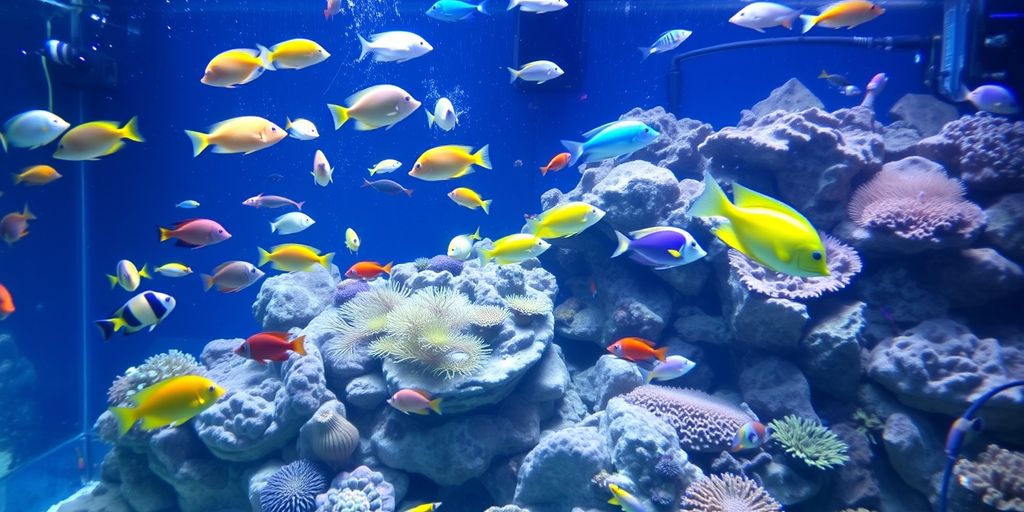
Maintaining good water quality is crucial for the health of your saltwater aquarium. Regular testing helps ensure a safe environment for your fish. Here are some key points to consider:
Importance of Water Testing
- Testing your water helps you monitor harmful compounds like ammonia, nitrite, and nitrate.
- These compounds can build up from uneaten food, waste, and decaying matter.
- Using a reliable test kit is essential for keeping your tank healthy.
Types of Water Test Kits
| Test Type | Purpose |
|---|---|
| Ammonia Test | Measures toxic ammonia levels |
| Nitrite Test | Checks for harmful nitrite |
| Nitrate Test | Monitors nitrate levels, which can be harmful in high amounts |
| pH Test | Assesses the acidity or alkalinity of the water |
How to Use Test Kits Effectively
- Follow the instructions on the test kit carefully.
- Collect a water sample from your tank.
- Add the necessary reagents and compare the color change to the chart provided.
- Record your results to track changes over time.
Regular testing is the best way to prevent problems before they start. Keeping track of your water quality can save your fish from stress and illness.
Using products like Advatec can help maintain water quality by providing essential nutrients and stabilizing conditions. Remember, a healthy tank leads to happy fish!
Adding Salt and Maintaining Salinity
Choosing the Right Salt Mix
When setting up your saltwater aquarium, selecting the right salt mix is crucial. You can either buy premixed saltwater or create your own. If you choose to mix your own, here’s what you’ll need:
- A large bucket or plastic tub
- A high-quality salt mix
- An aquarium pump for mixing
- A heater and thermometer
- A refractometer or hydrometer
Using a Hydrometer or Refractometer
To measure salinity, you can use either a hydrometer or a refractometer. A hydrometer is simpler and cheaper, while a refractometer is more accurate but costs more. Regular testing is essential to keep your aquarium healthy.
| Tool | Price Range | Accuracy Level |
|---|---|---|
| Hydrometer | $10 – $30 | Moderate |
| Refractometer | $30 – $100 | High |
Tips for Maintaining Salinity Levels
Maintaining the right salinity is vital for your fish’s health. Here are some tips:
- Test salinity weekly.
- Add fresh, conditioned water to replace evaporation losses.
- Mix saltwater to the correct salinity before adding it to the tank.
Remember, using regular tap water can introduce harmful chemicals. Always use reverse osmosis deionized (RODI) water for the best results.
By following these guidelines, you can ensure a stable environment for your aquatic life. Investing in quality equipment like AQUAEL products and Aquarium Kits and Cabinets can make this process easier and more effective.
Essential Maintenance Supplies
When starting a saltwater aquarium, having the right maintenance supplies is crucial for keeping your fish healthy and your tank clean. Here are some essential items you should consider:
Basic Cleaning Tools
- Aquarium nets: Useful for catching fish or removing debris.
- Siphon vacuum: Helps with water changes and cleaning the substrate.
- Algae scrapers: Keep your tank glass clear of algae buildup.
Water Conditioners and Treatments
- Water conditioner: Neutralizes harmful chemicals in tap water, making it safe for your fish.
- Fish medications: Keep some on hand for treating common fish diseases.
- Test kits: Essential for monitoring water quality, including ammonia and nitrate levels.
| Item | Purpose | Brands |
|---|---|---|
| API Saltwater Test Kit | Tests for ammonia, nitrite, and nitrate | API |
| Seachem Prime | Water conditioner | Seachem |
| Tetra Algae Control | Algae treatment | Tetra |
Important Maintenance Tips
- Regularly check water parameters to ensure a healthy environment.
- Keep a log of maintenance tasks to track what has been done.
- Always have a backup plan for emergencies, like a spare heater or powerhead.
Remember, maintaining your aquarium is not just about cleaning; it’s about creating a thriving habitat for your aquatic life.
By investing in these essential maintenance supplies, you can ensure a successful start to your saltwater aquarium journey!
Powerheads and Water Movement
What is a Powerhead?
A powerhead is a device that helps move water in your aquarium. It creates water flow, which is important for keeping your fish and corals healthy. Good water movement helps distribute nutrients and oxygen throughout the tank. Depending on your tank size, you might need one or more powerheads to achieve the right flow.
Benefits of Water Movement
Water movement is crucial for several reasons:
- Oxygen Distribution: It helps oxygen reach all areas of the tank.
- Nutrient Circulation: Keeps food and nutrients moving, so all inhabitants can access them.
- Waste Removal: Helps prevent waste from settling at the bottom.
Choosing the Right Powerhead
When selecting a powerhead, consider the following:
- Tank Size: Larger tanks may require multiple powerheads.
- Flow Rate: Look for a powerhead that can provide the right flow for your specific tank setup.
- Adjustability: Some powerheads allow you to adjust the flow rate, which can be beneficial as your tank matures.
| Powerhead Model | Flow Rate (GPH) | Suitable Tank Size (Gallons) |
|---|---|---|
| Model A | 200 | 20-30 |
| Model B | 400 | 30-50 |
| Model C | 800 | 50-100 |
Remember to keep spare parts on hand for your powerheads. This ensures you can quickly fix any issues that arise, keeping your aquarium running smoothly!
Live Rock and Biological Filtration
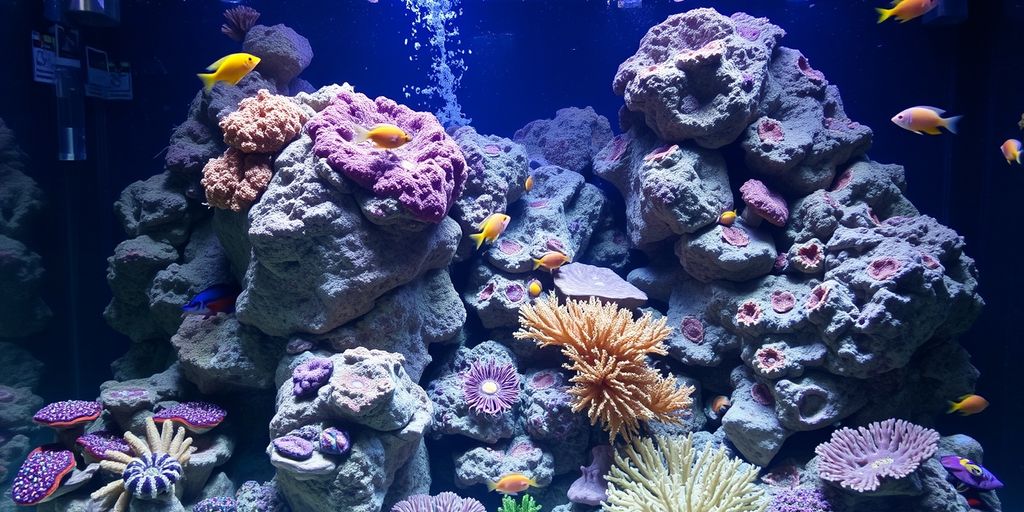
What is Live Rock?
Live rock is a crucial component of a saltwater aquarium. It is not just a decorative element; it plays a significant role in the biological filtration of your tank. Live rock promotes the rapid establishment of an effective biological filter and a microbial community similar to those found in mature reef tanks. This means that it helps keep your water clean and healthy for your fish and other marine life.
Benefits of Live Rock
Using live rock in your aquarium has several advantages:
- Natural Filtration: It provides a habitat for beneficial bacteria that break down waste.
- Habitat for Marine Life: Many fish and invertebrates find shelter in the crevices of live rock.
- Aesthetic Appeal: Live rock adds beauty and a natural look to your aquarium.
Setting Up Biological Filtration
To effectively set up biological filtration in your aquarium, follow these steps:
- Choose Quality Live Rock: Select rock that is dense and has a variety of shapes and sizes.
- Cycle Your Tank: Allow the tank to cycle for several weeks to establish beneficial bacteria.
- Monitor Water Quality: Regularly test your water parameters to ensure a healthy environment.
Remember, the right setup can make a big difference in the health of your aquarium. Using Aquarium Pumps and Filters alongside live rock can enhance your filtration system.
In conclusion, incorporating live rock into your saltwater aquarium is essential for creating a thriving ecosystem. It not only supports biological filtration but also enhances the overall beauty of your tank. For beginners, considering Terrarium Starter Kits that include live rock can simplify the setup process and ensure a successful start to your aquarium journey.
Decor and Tank Aesthetics
Creating a visually appealing aquarium is just as important as maintaining a healthy environment for your fish. The right decorations can enhance the beauty of your fish tank and provide essential hiding spots for your aquatic friends. Here are some key points to consider:
Choosing Natural Decor
- Natural materials: Use rocks, driftwood, and coral to mimic a fish’s natural habitat.
- Reptile Products: Some reptile decorations can also be suitable for aquariums, adding unique textures and shapes.
- Avoid sharp edges: Ensure that any decor is safe for your fish to prevent injuries.
Benefits of Aquatic Plants
- Oxygen production: Live plants help produce oxygen, benefiting your fish.
- Natural filtration: They can assist in filtering water and absorbing excess nutrients.
- Aesthetic appeal: Plants add color and movement, making your tank more lively.
Creating Hiding Spots for Fish
- Caves and tunnels: Use rocks or specially designed decorations to create hiding spots.
- Plant clusters: Group plants together to form natural shelters.
- Variety in height: Incorporate decorations of different heights to create depth and interest.
Remember, a well-decorated tank not only looks good but also provides a safe and stimulating environment for your fish.
By carefully selecting your decor, you can create a stunning aquarium that is both beautiful and functional. Consider these tips as you plan your tank’s aesthetics!
Creating a beautiful aquarium is not just about the fish; it’s also about how you decorate it. Adding plants, rocks, and colorful backgrounds can make your tank look amazing. Want to learn more about making your aquarium stunning? Visit our website for tips and products that can help!
Final Thoughts on Starting Your Saltwater Aquarium
Setting up a saltwater aquarium can be a fun and rewarding experience. With the right equipment and a bit of patience, you can create a beautiful underwater world. Remember, it’s important to do your research and understand what your fish and other sea creatures need to thrive. Regular maintenance is key to keeping your aquarium healthy. Don’t be afraid to ask for help or advice from more experienced aquarists. Enjoy your journey into the fascinating world of saltwater fishkeeping!
Frequently Asked Questions
What size tank is best for beginners?
It’s usually better to start with a tank that is at least 55-60 gallons. This size helps keep the water stable, making it easier to care for your fish.
Do I need a special filter for my saltwater tank?
Yes, saltwater tanks need specific filtration systems to keep the water clean and safe for the fish. Look for filters that are designed for saltwater use.
How do I keep the water temperature right?
You will need a heater to maintain the right temperature for your fish. A thermometer is also important to check the water temperature regularly.
What kind of lighting do I need for my aquarium?
Different fish and plants need different types of light. Generally, LED lights are a good choice because they are energy-efficient and provide the right spectrum for growth.
What is a protein skimmer and do I need one?
A protein skimmer helps remove waste from the water before it breaks down. It’s not absolutely necessary, but it can help keep your tank cleaner.
How often should I test my water?
You should test your water at least once a week to check for harmful substances like ammonia and nitrites. This helps keep your fish healthy.
How can I maintain the right salt level in my tank?
Use a hydrometer or refractometer to measure the salinity of your water. Regularly adding the right salt mix will help maintain the correct levels.
What basic supplies do I need for maintenance?
You’ll need cleaning tools, water conditioners, and possibly medications to keep your fish healthy. A water test kit is also essential.