Starting a marine aquarium can be an exciting adventure. However, it comes with its own set of challenges. This guide will help you navigate the essential steps to choose the right marine fish for your aquarium. From understanding the basics to selecting compatible species, we cover everything you need to know to create a thriving underwater environment.
Key Takeaways
- Do thorough research on marine fish before making a purchase.
- Choose hardy species like clownfish and chromis for beginners.
- Consider the size of your aquarium when selecting fish.
- Ensure the fish you choose can live together peacefully.
- Maintain good water quality for the health of your marine fish.
Understanding the Basics Before You Buy Marine Fish
Before diving into the world of marine fish, it’s crucial to understand some basic principles that will help you make informed decisions. Research is key to ensuring a successful aquarium experience.
Importance of Research
Taking the time to research is essential. Here are some points to consider:
- Know the species: Different fish have varying needs and behaviors.
- Understand their origins: Research where the fish come from and the fishing practices used. This helps in making ethical choices.
- Learn about their compatibility: Some fish can be aggressive, while others are peaceful. Understanding these traits can prevent future issues.
Setting Up Your Aquarium
Setting up your aquarium properly is vital. Here are some steps to follow:
- Choose the right tank size: Bigger tanks are often more stable.
- Select appropriate equipment: Invest in quality filtration systems and heaters.
- Consider the substrate: Sand or gravel can affect the health of your fish.
| Equipment Type | Recommended Brand | Notes |
|---|---|---|
| Filtration System | Omega One | Great for maintaining water quality |
| Lighting Options | LED | Energy-efficient and effective |
| Heating System | Adjustable Heater | Keeps temperature stable |
Budget Considerations
Budgeting is crucial when starting your marine aquarium. Here are some tips:
- Initial setup costs: Tanks, equipment, and decorations can add up quickly.
- Ongoing expenses: Don’t forget about food, water changes, and maintenance supplies.
- Consider captive-bred fish: They may cost more upfront but are often healthier and more sustainable.
Remember, investing in quality equipment and fish can lead to a more enjoyable and sustainable aquarium experience.
By understanding these basics, you’ll be better prepared to choose the right marine fish for your aquarium and create a thriving underwater environment.
Top Marine Fish Species for Beginners
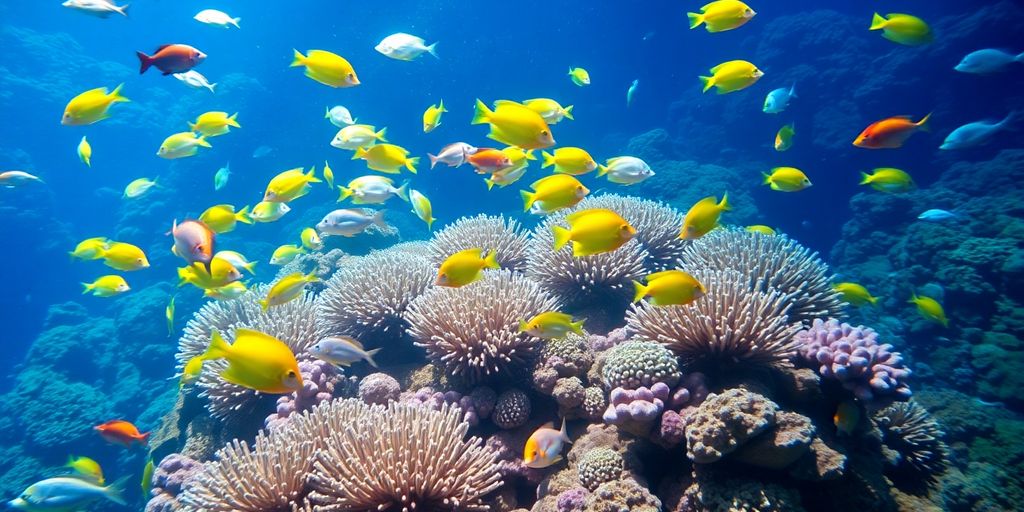
When starting your journey into the world of marine aquariums, choosing the right fish is crucial. Here are some of the best options for beginners:
Ocellaris Clownfish
Ocellaris clownfish, often known as Nemo, are a favorite among new fish keepers. They are hardy and easy to care for, making them perfect for beginners. These fish thrive in smaller tanks and can adapt to various water conditions. They are also known for their vibrant colors and friendly nature.
Blue-Green Chromis
Blue-green chromis are another excellent choice for beginners. They are peaceful and can be kept in groups, adding a splash of color to your aquarium. These fish are also quite hardy and can tolerate a range of water conditions. They are known for their active swimming behavior, which makes them fun to watch.
Royal Gramma
Royal gramma fish are small, colorful, and easy to care for. They are known for their striking purple and yellow colors. These fish are generally peaceful and can coexist with other species in a community tank. They also accept a variety of fish food, making feeding straightforward.
| Fish Species | Size (inches) | Temperament | Care Level |
|---|---|---|---|
| Ocellaris Clownfish | 3-4 | Semi-aggressive | Easy |
| Blue-Green Chromis | 2-3 | Peaceful | Easy |
| Royal Gramma | 3-4 | Peaceful | Easy |
In summary, these fish are not only beautiful but also suitable for beginners. They can thrive in a well-maintained aquarium and provide a great introduction to marine fishkeeping.
Starting with hardy species like clownfish, chromis, and gramma can lead to a successful and enjoyable aquarium experience.
Factors to Consider When Choosing Marine Fish
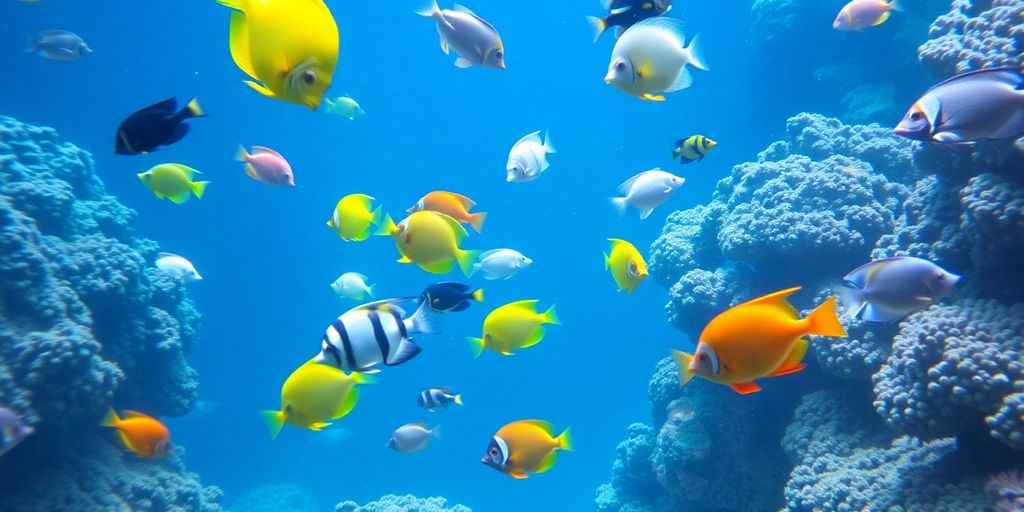
Choosing the right marine fish for your aquarium is crucial for creating a thriving aquatic environment. Here are some key factors to keep in mind:
Fish Temperament
- Compatibility is key. Some fish are peaceful, while others can be aggressive. It’s important to select species that can coexist without issues.
- Observe the behavior of potential fish. Look for signs of stress, such as rapid breathing or hiding.
- Consider the social structure of your tank. Some fish prefer to be in groups, while others are solitary.
Dietary Needs
- Different fish have different dietary requirements. Make sure you can provide the right food for your chosen species.
- Research the types of food available, including flakes, pellets, and frozen options.
- Keep in mind that some fish may require special diets, which can affect your overall maintenance routine.
Tank Size Requirements
- Ensure your tank is large enough for the fish you want. Some species need more space to swim and thrive.
- A general rule is to allow one inch of fish per gallon of water, but this can vary based on species.
- Remember that larger fish will need more room as they grow, so plan accordingly.
| Factor | Considerations |
|---|---|
| Fish Temperament | Compatibility, social structure |
| Dietary Needs | Types of food, special diets |
| Tank Size Requirements | Size of fish, growth potential |
Choosing the right fish is essential for a healthy aquarium. Always do your research before making a purchase to ensure a harmonious environment.
By considering these factors, you can create a balanced and enjoyable marine aquarium that supports the health and happiness of your fish. Don’t forget to also think about your aquarium lights, as they play a significant role in the overall well-being of your aquatic life.
How to Ensure Compatibility Among Marine Fish
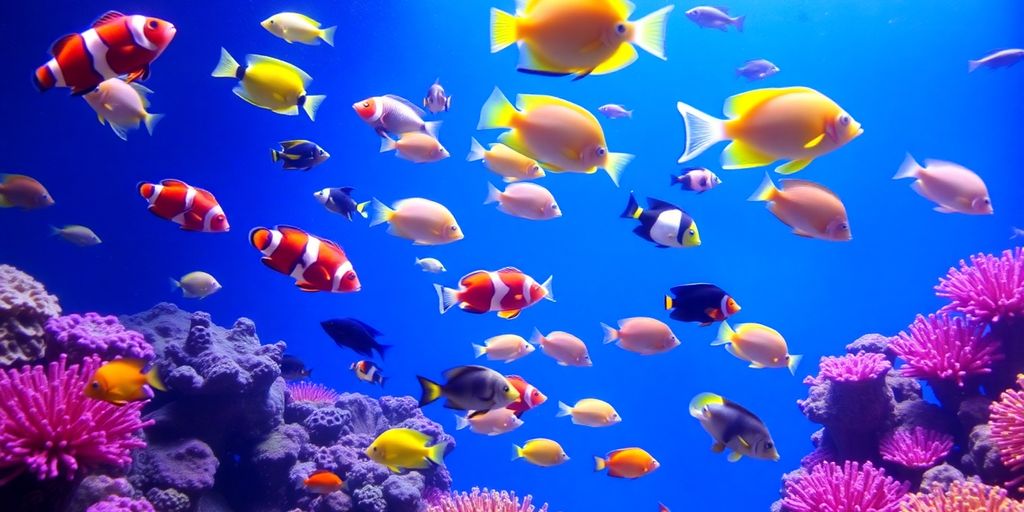
Peaceful vs. Aggressive Species
When selecting fish for your aquarium, understanding the difference between peaceful and aggressive species is crucial. Choosing the right mix can prevent conflicts and stress. Here are some tips:
- Research Compatibility: Use compatibility charts to see which fish can coexist. For example, pairing a clownfish with a damselfish is often successful.
- Observe Behavior: Watch how fish interact in the store before buying. Look for signs of aggression or stress.
- Consider Size: Larger fish can bully smaller ones, so ensure they are of similar sizes.
Community Tank Strategies
Creating a harmonious community tank involves careful planning. Here are some strategies:
- Introduce Fish Gradually: Add new fish slowly to allow established fish to adjust.
- Provide Hiding Spots: Use rocks and plants to create hiding places, which can help reduce stress.
- Monitor Interactions: Keep an eye on how fish behave together, especially in the first few weeks.
Avoiding Common Pitfalls
To ensure a peaceful aquarium, avoid these common mistakes:
- Ignoring Compatibility: Always check if species can live together. Mixing aggressive and peaceful fish can lead to problems.
- Overcrowding: Too many fish can cause stress and aggression. Stick to the recommended number for your tank size.
- Neglecting Quarantine: Always quarantine new fish to prevent disease from spreading to your main tank. This is where Advatec can help with effective quarantine solutions.
Remember, a well-planned aquarium leads to a thriving ecosystem. Prioritize compatibility to enjoy a beautiful and peaceful underwater world!
Essential Equipment for a Marine Aquarium
Setting up a marine aquarium requires careful planning and the right equipment. Here are some essential items you’ll need:
Filtration Systems
- Protein Skimmer: This device helps remove organic waste from the water. It’s recommended to choose one that is oversized for your tank size.
- Powerheads: These help circulate water in the tank, ensuring that all areas receive proper flow. Aim for a turnover rate of 10-50 times the total volume of your aquarium.
- Reverse Osmosis System: This is crucial for providing clean freshwater. Look for systems that produce at least 75 gallons per day.
Lighting Options
- LED Lights: Affordable and effective, these lights can be connected to a timer to simulate day and night cycles. Aim for about 12 hours of light per day.
- Aquarium Controller: This device helps maintain stable conditions in your tank, making it easier to manage lighting and other equipment.
Heating and Temperature Control
- Heater: A reliable heater is essential to maintain the right temperature for your marine fish. Choose one that is appropriate for your tank size.
- Thermometer: Regularly check the water temperature to ensure it stays within the ideal range for your fish.
Remember, investing in quality equipment is key to a thriving marine environment.
Additional Considerations
- Aquarium Kits and Cabinets: These can simplify the setup process by providing all necessary components in one package.
- Test Kits: Regularly test your water for pH, ammonia, nitrite, and nitrate levels to keep your fish healthy.
By ensuring you have the right equipment, you can create a safe and enjoyable environment for your marine fish.
Maintaining Water Quality in Your Marine Aquarium
Keeping your marine aquarium healthy is crucial for the well-being of your fish. Regular maintenance is key to ensuring a thriving environment. Here are some important aspects to consider:
Regular Water Changes
- Perform water changes weekly, ranging from 10% to 30%.
- This helps remove toxins and replenish essential minerals.
- Use a reliable water conditioner to treat new water before adding it to the tank.
Monitoring Salinity Levels
- Use a hydrometer or refractometer to check salinity.
- Aim for a salinity of 31.5-36 parts per million (ppm).
- Consistency is important; choose a brand of salt and stick with it.
Testing pH and Other Parameters
- Regularly test for pH, ammonia, nitrites, and nitrates.
- Ideal pH levels should be around 8.1 to 8.4.
- Keep a journal to track changes and results.
| Parameter | Ideal Range |
|---|---|
| Salinity | 31.5 – 36 ppm |
| pH | 8.1 – 8.4 |
| Ammonia | 0 ppm |
| Nitrites | 0 ppm |
| Nitrates | < 20 ppm |
Remember, maintaining water quality is not just about numbers; it’s about creating a healthy habitat for your fish. Regular testing and adjustments will help prevent common issues and promote a thriving aquatic environment.
By following these guidelines, you can ensure that your marine fish live in a safe and clean environment, making your aquarium a beautiful and enjoyable part of your home.
Feeding Your Marine Fish: Tips and Best Practices
Types of Fish Food
Feeding your marine fish the right food is crucial for their health. Here are some common types:
- Flake Food: Easy to use and store.
- Frozen Food: Offers a variety of nutrients.
- Live Food: Great for stimulating natural hunting behavior.
Feeding Schedules
Establishing a feeding schedule helps maintain water quality and fish health. Here’s a simple guide:
- Feed once or twice a day.
- Observe your fish: Adjust the amount based on their appetite.
- Avoid overfeeding: This can lead to poor water quality.
Important Nutritional Tips
To keep your fish healthy, consider these tips:
- Variety is key: Mix different types of food to ensure balanced nutrition.
- Include omega-3 fatty acids: These are essential for fish health.
- Check food freshness: Always monitor the shelf life of dry food.
Remember, meeting the nutritional needs of your fish is essential for their growth and survival.
By following these guidelines, you can create a healthy feeding routine for your marine fish. Don’t forget to invest in quality equipment like Kessil lights to enhance your aquarium’s environment!
Common Health Issues and How to Prevent Them
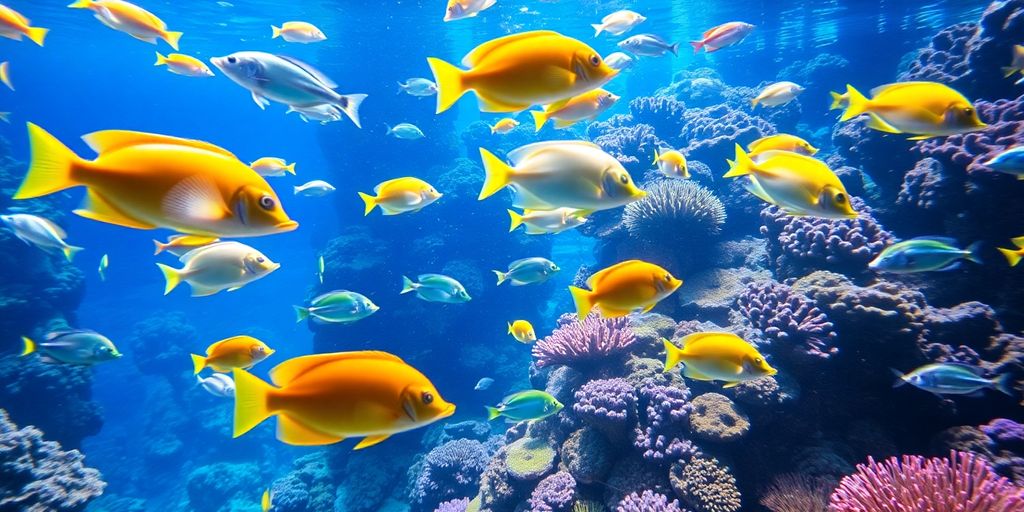
Recognizing Signs of Stress
Monitoring your fish is crucial. Look for signs of stress such as:
- Rapid breathing
- Rubbing against objects (flashing)
- Hiding excessively
Common Aquarium Diseases
Here’s a list of common diseases that can affect your marine fish:
| Disease | Symptoms | Treatment |
|---|---|---|
| Ich (White Spot) | White spots on the body | Use aquarium salt baths |
| Fin Rot | Frayed or torn fins | Anti-fungal medications |
| Velvet Disease | Yellow or rusty dust on fish | Gram-negative antibiotics |
Preventative Measures
To keep your fish healthy, consider these steps:
- Quarantine new fish before adding them to your main tank.
- Maintain good water quality by regularly testing parameters.
- Use high-quality aquarium accessories from trusted brands like AQUAEL.
Keeping your fish healthy is not just about treatment; it’s about prevention. Regular maintenance and observation can save you a lot of trouble in the long run.
Conclusion
By being proactive and observant, you can help prevent many common health issues in your marine aquarium. Always remember that a healthy environment leads to healthy fish!
The Benefits of Captive-Bred Marine Fish
Captive-bred marine fish offer several advantages that make them a great choice for aquarium enthusiasts. Choosing captive-bred fish can lead to a healthier aquarium experience. Here are some key benefits:
Environmental Impact
- Sustainable Practices: Captive breeding helps reduce the pressure on wild populations, allowing marine ecosystems to thrive.
- Less Damage to Reefs: By purchasing captive-bred fish, you support practices that minimize harm to natural habitats.
- Conservation Efforts: Many breeding programs focus on endangered species, helping to maintain their populations.
Health and Hardiness
- Disease Resistance: Fish bred in captivity are generally less likely to carry diseases, making them easier to care for. For instance, Ocellaris clownfish raised in controlled environments adapt better to aquarium life and are less prone to illness.
- Easier Acclimation: Captive-bred fish are accustomed to aquarium conditions, which means they adjust more easily when introduced to a new tank. This is crucial since many wild-caught fish struggle to adapt, leading to stress and potential death.
- Better Feeding Habits: These fish are often trained to eat prepared foods, reducing the risk of dietary issues.
Availability and Cost
- Wider Selection: As captive breeding becomes more popular, a variety of species are becoming available, making it easier to find the right fish for your tank.
- Long-Term Investment: While they may cost more upfront, the health benefits and reduced risk of disease can save you money in the long run.
| Benefit | Captive-Bred Fish | Wild-Caught Fish |
|---|---|---|
| Disease Resistance | High | Low |
| Acclimation Ease | Easy | Difficult |
| Environmental Impact | Positive | Negative |
Investing in captive-bred fish not only supports sustainable practices but also enhances your aquarium’s health and stability. By choosing these fish, you contribute to a more responsible hobby.
In conclusion, opting for captive-bred marine fish is a wise choice for both beginners and experienced aquarists. They provide a healthier, more sustainable option that benefits both the fish and the environment. Remember to check out All Products related to captive-bred fish for your aquarium needs!
Creating a Natural Habitat for Your Marine Fish
Creating a natural habitat for your marine fish is essential for their health and happiness. A well-designed environment can significantly reduce stress and promote natural behaviors. Here are some key elements to consider:
Aquascaping Ideas
- Use Live Rock: This not only provides hiding spots but also helps in biological filtration.
- Create Caves and Overhangs: Fish love to explore and hide, so make sure to include various structures.
- Plan for Visibility: Arrange rocks and decorations so you can easily see your fish while they swim.
Choosing the Right Substrate
- Sand vs. Gravel: Most marine fish prefer sand, especially species like the sand-sifting goby.
- Depth Matters: A substrate depth of 1-2 inches is often ideal for many fish.
- Avoiding Cleanliness Issues: Some hobbyists recommend no substrate to keep the tank cleaner.
Incorporating Live Plants and Corals
- Select Hardy Plants: Plants like mangroves can enhance the aesthetic and provide shelter.
- Coral Types: Soft corals are often easier to care for and can add color to your tank.
- Balance: Ensure that the plants and corals you choose are compatible with your fish species.
A well-planned habitat not only looks good but also supports the well-being of your fish. Always research the needs of each species before making decisions.
By focusing on these aspects, you can create a thriving environment that mimics the natural ocean habitat, ensuring your marine fish live a happy and healthy life.
Advanced Tips for Experienced Marine Fish Keepers
Handling Sensitive Species
When dealing with sensitive species, it’s crucial to create a stable environment. Maintaining consistent water parameters is key. Here are some tips:
- Use high-quality Aquarium Heaters to keep the temperature stable.
- Regularly check salinity and pH levels.
- Avoid sudden changes in water conditions.
Breeding Marine Fish
Breeding can be rewarding but requires preparation. Consider these steps:
- Research the specific needs of the species you want to breed.
- Set up a separate breeding tank with appropriate conditions.
- Use products from trusted brands like Fluval for filtration and water quality.
Upgrading Your Aquarium Setup
As you gain experience, you might want to upgrade your setup. Here are some ideas:
- Invest in better lighting to support coral growth.
- Consider adding a sump for improved filtration.
- Explore Reptile Products for unique habitat enhancements.
Remember, the more you learn, the better your fish will thrive. Always prioritize their health and happiness!
If you’re an experienced marine fish keeper, it’s time to take your aquarium to the next level! Explore advanced techniques and tips that can enhance your fish-keeping skills. Don’t miss out on the latest products and advice—visit our website for more information and special offers!
Final Thoughts on Choosing Marine Fish
In conclusion, picking the right marine fish for your aquarium can be a fun and rewarding experience. Remember to think about the fish’s needs, like tank size and water conditions, before making a choice. It’s also important to consider how different fish get along with each other. By doing your homework and being patient, you can create a beautiful underwater world that thrives. Enjoy your journey into the world of marine fish, and happy fishkeeping!
Frequently Asked Questions
What are some good saltwater fish for beginners?
Great choices for beginners include hardy fish like clownfish, damselfish, and blue-green chromis.
How long should I wait before adding fish to my saltwater tank?
You should let your tank cycle for at least six weeks before adding any fish.
Can I keep different types of fish together in my tank?
Yes, but it’s important to choose peaceful fish that get along well, like clownfish and gobies.
How many fish can I have in a 55-gallon tank?
In a 55-gallon tank, you should limit it to about 12 inches of fish, which is usually around three 4-inch fish.
What should I consider when setting up my aquarium?
Make sure to think about the size of the tank, the type of fish you want, and the equipment you’ll need.
How can I keep my fish healthy?
Regular water changes, monitoring water quality, and feeding them properly are key to keeping your fish healthy.
What is the best way to feed my marine fish?
Feed your fish a balanced diet, stick to a schedule, and avoid giving them too much food at once.
Why should I consider captive-bred fish?
Captive-bred fish are usually healthier, more resilient, and have less impact on wild populations.