Setting up an aquarium can be a fun and rewarding experience. To ensure your fish thrive, it’s important to gather the right supplies. This guide will help you understand the essential items needed for a successful fish tank, making it easier for beginners to create a healthy aquatic environment.
Key Takeaways
- Choose a tank made of glass or acrylic, keeping in mind the size and weight.
- Invest in a good filtration system for clean water and healthy fish.
- Maintain the right temperature with an appropriate heater and thermometer.
- Select suitable lighting to enhance the beauty of your aquarium and support plant growth.
- Regular maintenance and water testing are crucial for a thriving aquarium.
Choosing the Right Aquarium Tank
When setting up an aquarium, selecting the right tank is crucial. The type of tank you choose can greatly affect the health and happiness of your fish. Here are some key points to consider:
Glass vs. Acrylic Tanks
- Glass tanks are more scratch-resistant and provide a clearer view of your fish.
- Acrylic tanks are lighter and can be molded into various shapes, but they can scratch easily.
- Both types have their pros and cons, so think about your needs and preferences.
Ideal Tank Sizes for Different Fish
Choosing the right size tank is essential. For example:
- Small fish like guppies can thrive in a 10-gallon tank.
- Larger fish, such as goldfish, need at least a 20-gallon tank.
- Remember to think about how big your fish will grow; some adult fish can become quite large.
| Fish Type | Minimum Tank Size |
|---|---|
| Betta | 5 gallons |
| Guppy | 10 gallons |
| Goldfish | 20 gallons |
| Cichlid | 30 gallons |
Importance of a Sturdy Stand
- A sturdy stand is vital to support the weight of the tank. Water is heavy, and a gallon weighs about eight pounds.
- Ensure the stand is level and can hold the tank securely.
- Aquarium accessories like filters and heaters should also fit comfortably around the tank.
Choosing the right aquarium tank is the first step to creating a thriving aquatic environment. Take your time to research and select wisely!
Essential Filtration Systems

Aquarium filtration is crucial for maintaining a healthy environment for your fish. A good filter keeps the water clean and safe. There are three main types of filtration:
Types of Aquarium Filters
- Mechanical Filters: These filters trap debris and particles from the water.
- Chemical Filters: They use materials like activated carbon to remove toxins from the water.
- Biological Filters: These rely on beneficial bacteria to break down harmful substances like ammonia.
| Filter Type | Best For | Example |
|---|---|---|
| Mechanical | All tanks | Filter pads |
| Chemical | All tanks | Activated carbon |
| Biological | All tanks | Bio-Wheel technology |
Benefits of Mechanical, Chemical, and Biological Filtration
- Mechanical filtration helps keep the water clear by removing visible debris.
- Chemical filtration is essential for eliminating harmful chemicals and toxins.
- Biological filtration is vital for breaking down waste products, ensuring a balanced ecosystem.
Maintaining Filter Efficiency
To keep your filter working well:
- Clean or replace filter media regularly.
- Check the flow rate to ensure it’s adequate for your tank size.
- Monitor water quality to catch any issues early.
Regular maintenance of your filtration system is key to a thriving aquarium. Without it, your fish may suffer from poor water quality.
By understanding these filtration systems, you can create a safe and healthy home for your aquatic pets. Remember, investing in the right equipment is essential for a thriving aquarium!
Heating and Temperature Control
Types of Aquarium Heaters
When setting up your aquarium, choosing the right heater is crucial. Here are the common types of heaters you might consider:
- Hanging Heaters: These are easy to set up and great for beginners. They sit outside the tank wall and are usually included in aquarium kits.
- Immersion Heaters: Also known as submersible heaters, these are commonly used but can be dangerous if fish get too close. Consider using a barrier for safety.
- In-line Heaters: These are built into the plumbing and are the safest option since fish won’t come into contact with them.
Ideal Temperature Ranges for Different Fish
Most tropical fish thrive in water temperatures between 75°F and 79°F. Here’s a quick reference for some common fish:
| Fish Type | Ideal Temperature (°F) |
|---|---|
| Betta Fish | 76 – 82 |
| Goldfish | 65 – 75 |
| Neon Tetra | 70 – 81 |
Using Thermometers for Accurate Monitoring
To ensure your heater is working properly, it’s essential to use a thermometer. Here are some tips:
- Choose a digital thermometer for easy reading.
- Place the thermometer away from the heater to get an accurate average temperature.
- Regularly check the temperature to avoid sudden changes that can stress your fish.
Maintaining a stable water temperature is vital for the health of your aquarium. Rapid changes can be harmful to your fish.
By investing in quality [aquarium heaters](https://advatecaquatics.com/all-aquarium-heaters/) and monitoring tools, you can create a safe and comfortable environment for your aquatic friends.
Lighting Your Aquarium
Types of Aquarium Lighting
When it comes to aquarium lights, there are several options to choose from:
- Incandescent
- Fluorescent (standard, compact, high output)
- Metal Halide
- LED (Light Emitting Diode)
Among these, LED lights are becoming increasingly popular due to their long lifespan and energy efficiency. Brands like Kessil and Fluval offer excellent LED options that can enhance the beauty of your aquarium while being cost-effective in the long run.
Benefits of LED Lights
- Long-lasting: LED lights can last for years, reducing the need for frequent replacements.
- Energy-efficient: They consume less power compared to traditional bulbs.
- Low heat output: This helps maintain a stable water temperature, which is crucial for fish health.
Lighting for Plant Growth
Proper lighting is essential not just for fish but also for any live plants in your aquarium. Here are some tips:
- Choose the right spectrum: Plants thrive under specific light wavelengths.
- Duration: Limit lighting to 7-10 hours a day to prevent excessive algae growth.
- Positioning: Ensure lights are evenly distributed to avoid dark spots in the tank.
Important Note: Always consider the needs of both your fish and plants when selecting lighting. The right setup can create a vibrant and healthy environment for all your aquatic life.
Summary
In summary, selecting the right lighting for your aquarium is crucial for the health of your fish and plants. With options like Kessil and Fluval, you can find effective solutions that fit your needs and budget. Investing in quality lighting will pay off in the long run!
Substrate and Gravel Choices
Choosing the right substrate and gravel is essential for a healthy aquarium. The substrate not only enhances the look of your tank but also supports beneficial bacteria. Here are some key points to consider:
Types of Substrate
- Gravel: A popular choice, easy to clean, and comes in various colors.
- Sand: Great for certain fish and plants, but can compact easily.
- Commercial Soils: Ideal for planted tanks, providing nutrients for plants.
Benefits of Different Gravel Types
- Polished Gravel: Smooth and safe for fish.
- Bioactive Substrate: Supports good bacteria and helps with plant growth.
- Coated Gravel: Reduces leaching of harmful substances into the water.
How to Clean and Maintain Substrate
- Rinse gravel thoroughly before adding it to the tank.
- Use a siphon or gravel vacuum during water changes to remove debris.
- Regularly check for compacted areas and stir the substrate gently to aerate it.
Remember, a well-maintained substrate contributes to overall water quality and fish health. Regular cleaning and the right choice of substrate can make a significant difference in your aquarium’s ecosystem.
For a thriving aquarium, consider using products like Omega One for fish food, which can complement your setup by providing essential nutrients for your fish.
Decorations and Habitat Enhancements

Creating a beautiful aquarium goes beyond just filling it with water and fish. Decorations and habitat enhancements play a crucial role in making your aquarium a thriving environment. Here are some key points to consider:
Choosing Safe Decorations
- Natural Materials: Use items like driftwood, rocks, and plants that are safe for fish. Avoid anything that could leach harmful chemicals into the water.
- Artificial Options: If you prefer low-maintenance, consider using artificial plants and decorations. They can add color without the need for special care.
- Brands: Look for reputable brands that specialize in aquarium decor to ensure safety and quality.
Creating Hiding Spots for Fish
- Caves and Tunnels: Fish feel secure when they have places to hide. Adding caves or tunnels can help reduce stress.
- Plants: Both live and artificial plants can provide cover. Live plants also help improve water quality.
- Aquarium Kits and Cabinets: Many kits come with decorations included, making it easier to set up a balanced environment.
Using Live Plants vs. Artificial Plants
- Live Plants: They enhance the beauty of your aquarium and provide oxygen. However, they require more maintenance and specific lighting.
- Artificial Plants: Easier to care for and can be cleaned easily, but they don’t contribute to the ecosystem.
- Balance: A mix of both can create a visually appealing and functional habitat.
Remember, a well-decorated aquarium not only looks good but also supports the health and happiness of your fish. Regularly check and maintain your decorations to ensure they remain safe and clean.
Water Quality and Testing
Maintaining good water quality is crucial for the health of your fish. Regular testing helps ensure a safe environment. Here are some key points to consider:
Importance of Water Conditioners
- Water conditioners remove harmful substances from tap water, such as chlorine and heavy metals.
- Always treat tap water before adding it to your aquarium.
- Using a water conditioner is essential when setting up your aquarium or changing the water.
Using Test Kits Effectively
- Aquarium Test Strips are a quick way to check water quality.
- Test for ammonia, nitrite, nitrate, and pH levels regularly.
- Aim for a pH range of 5.5-7.5 for most freshwater fish.
| Parameter | Ideal Level |
|---|---|
| Ammonia | 0 ppm |
| Nitrite | 0 ppm |
| Nitrate | < 20 ppm |
| pH | 6.5 – 7.5 |
Maintaining Optimal pH Levels
- Test your water at least once a month.
- Adjust pH levels if necessary using appropriate products.
- Keep an eye on changes, especially if fish show signs of stress.
Regular water testing is vital for a thriving aquarium. It helps prevent issues before they become serious problems.
By following these guidelines, you can create a healthy environment for your fish, ensuring they thrive in their aquatic home!
Feeding Your Fish
Types of Fish Food
When it comes to feeding your fish, there are several types of fish food available:
- Flakes: Great for most small fish.
- Pellets: Ideal for larger fish and can sink or float.
- Freeze-dried: A tasty treat that can be given occasionally.
Feeding Schedules and Portions
To keep your fish healthy, follow these guidelines:
- Feed your fish twice a day.
- Only give them what they can eat in about five minutes.
- Remove any uneaten food to prevent water pollution.
Avoiding Overfeeding
Overfeeding can harm your fish and water quality. Here are some tips to avoid it:
- Monitor how much your fish eat.
- Adjust portions based on their activity level.
- Use a timer to help keep a consistent feeding schedule.
Remember, a well-fed fish is a happy fish! Keeping an eye on their diet is essential for a thriving aquarium.
By understanding the right types of fish food and feeding practices, you can ensure your aquatic friends stay healthy and vibrant. Proper nutrition is key to their well-being, so always choose quality food and monitor their intake closely.
Routine Maintenance and Cleaning

Keeping your aquarium clean is essential for the health of your fish. Regular maintenance helps prevent problems and keeps your aquatic environment thriving. Here are some key tasks to consider:
Weekly and Monthly Cleaning Tasks
- Water Changes: Change 10-20% of the water every week to remove waste and toxins.
- Filter Maintenance: Check and clean your filter every month. Replace spare parts as needed to ensure efficiency.
- Gravel Vacuuming: Use a gravel vacuum to remove debris and waste from the substrate during water changes.
Using Siphons and Gravel Vacuums
- Siphon: A siphon helps you remove water and waste simultaneously. It’s a simple tool that makes cleaning easier.
- Gravel Vacuum: This tool is designed to clean the gravel while performing water changes. It’s effective in keeping your tank clean.
Preventing Algae Growth
- Limit Light Exposure: Keep your aquarium lights on for only 7-10 hours a day to reduce algae growth.
- Regular Cleaning: Wipe down the glass and decorations to prevent algae buildup.
- Monitor Nutrients: Overfeeding can lead to excess nutrients, which promote algae. Feed your fish only what they can eat in a few minutes.
Maintaining a clean aquarium is not just about aesthetics; it’s crucial for the health of your fish. Regular checks and cleaning can prevent serious issues down the line.
Air Pumps and Aeration
Benefits of Air Pumps
Air pumps are essential for keeping your aquarium healthy. They help to oxygenate the water, making it easier for your fish to breathe. A well-oxygenated tank promotes fish health and activity. Here are some key benefits of using air pumps:
- Increases oxygen levels in the water.
- Helps maintain even water temperature.
- Reduces the risk of stagnant water areas.
Choosing the Right Air Pump
When selecting an air pump, consider the size of your aquarium. For example:
| Model | Max Tank Size | Price |
|---|---|---|
| Tetra Whisper Air Pump | Up to 10 gallons | $9.59 |
| Uniclife Dual Outlet Pump | 10 – 100 gallons | $41.89 |
| Hitop Adjustable Pump | Varies | $33.99 |
Using Air Stones and Bubble Walls
Air stones and bubble walls can enhance the aeration in your tank. They create tiny bubbles that increase surface area for gas exchange. Here’s how to use them effectively:
- Place the air stone or bubble wall at the bottom of the tank.
- Connect it to the air pump using tubing.
- Adjust the air flow to create a gentle stream of bubbles.
Remember: Regularly check your air pump and accessories to ensure they are functioning properly. Aqueon offers reliable options for air pumps that can suit various tank sizes.
Setting Up a Freshwater Aquarium
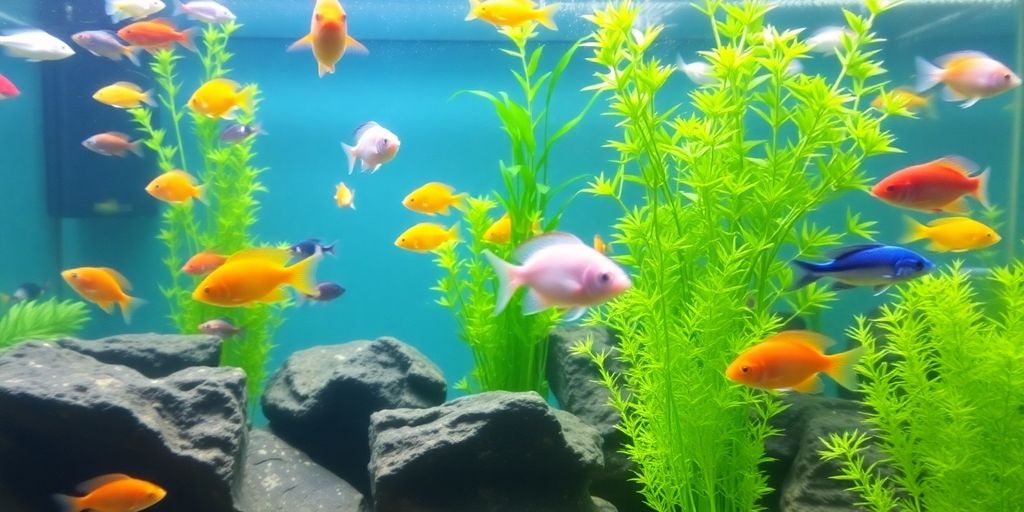
Setting up a freshwater aquarium can be an exciting adventure! Here’s a simple guide to help you get started.
Initial Setup Steps
- Choose the Right Location: Avoid spots with direct sunlight or near heat sources. This helps prevent algae growth and keeps your fish comfortable.
- Select Your Tank: Pick a tank that suits your space and the fish you want. A minimum of 16 gallons is recommended for most fish.
- Gather Supplies: You’ll need:
- Aquarium stand
- Filter
- Heater
- Light
- Water conditioner
- Test kit
- Substrate
- Decorations
Cycling Your Aquarium
Before adding fish, it’s crucial to cycle your aquarium. This process establishes beneficial bacteria that help break down waste. This step is vital for a healthy environment. It usually takes about 4-6 weeks.
Introducing Fish to the Tank
Once your tank is cycled, you can start adding fish. Here are some tips:
- Add fish slowly, one or a few at a time.
- Monitor water quality regularly.
- Ensure the fish are compatible with each other.
Setting up a freshwater aquarium is not just about adding water and fish; it’s about creating a balanced ecosystem that thrives.
Summary
Setting up a freshwater aquarium involves careful planning and patience. By following these steps, you can create a beautiful and healthy home for your fish. Remember, the right supplies and setup are key to a thriving aquarium!
Special Considerations for Saltwater Tanks
Setting up a saltwater aquarium can be a rewarding experience, but it comes with its own set of challenges. Understanding these unique requirements is crucial for success.
Differences Between Freshwater and Saltwater Tanks
- Cost: Saltwater tanks are generally more expensive to set up than freshwater tanks. You will need specialized equipment like protein skimmers and higher-powered lighting.
- Fish Tolerance: Saltwater fish are less tolerant of changes in water quality compared to freshwater fish. This means you need to be more careful with water parameters.
- Salinity Levels: Maintaining the right salinity is essential. You will need to regularly check and adjust the salt levels in your tank.
Essential Saltwater Equipment
- Protein Skimmer: Helps remove organic waste from the water.
- Live Rock: Provides natural filtration and a habitat for beneficial bacteria.
- Test Kits: Regularly test for ammonia, nitrite, nitrate, and pH levels to ensure a healthy environment.
| Equipment | Purpose |
|---|---|
| Protein Skimmer | Removes organic waste |
| Live Rock | Natural filtration and habitat |
| Test Kits | Monitor water quality |
Maintaining Salinity Levels
- Use a refractometer to measure salinity accurately.
- Regularly add salt mix to maintain proper levels.
- Monitor salinity during water changes to avoid drastic shifts.
Remember, setting up a saltwater aquarium requires patience and attention to detail. Always use All Products designed for saltwater tanks to ensure the health of your fish.
By keeping these considerations in mind, you can create a thriving saltwater environment for your aquatic friends. With the right tools and knowledge, your aquarium can flourish, making it a beautiful addition to your home. Don’t forget to check out Advatec for quality supplies!
When setting up a saltwater tank, there are some important things to keep in mind. First, make sure to choose the right equipment, like filters and heaters, to keep your fish healthy. It’s also crucial to monitor the water quality regularly. If you’re looking for the best products to help you create a thriving saltwater environment, visit our website for more tips and tools!
Final Thoughts on Setting Up Your Aquarium
Creating a successful aquarium is both fun and rewarding. By gathering the right supplies and understanding how to care for your fish, you can build a beautiful underwater world. Remember, your fish depend on you for a clean and safe home. Regular maintenance, like changing the water and checking the filter, is key to keeping your fish happy and healthy. Take your time, do your research, and enjoy the journey of fishkeeping. With patience and care, your aquarium will thrive, bringing joy to your life and a sense of peace to your space.
Frequently Asked Questions
What type of aquarium is easiest to set up?
A freshwater community aquarium is the best choice for beginners. It has colorful and hardy fish that are simple to care for.
How often should I clean my aquarium?
You should do a partial water change every 1-2 weeks and a full cleaning once a month.
What size tank should I get for my fish?
A tank of at least 16 gallons is ideal for most freshwater fish. Smaller fish like bettas can live in a 5-gallon tank.
Do I need a heater for my fish tank?
Most tropical fish need a heater to keep the water at the right temperature, usually between 75-79°F.
How do I test the water quality in my aquarium?
You can use water test kits to check levels of ammonia, nitrite, nitrate, and pH to ensure it’s safe for your fish.
What is the best way to feed my fish?
Feed your fish small amounts once or twice a day, and avoid overfeeding to keep the water clean.
What type of filter should I use?
A good filter should provide mechanical, chemical, and biological filtration to keep the water clean.
Can I use decorations in my aquarium?
Yes, you can use safe decorations to enhance the look of your tank and provide hiding spots for your fish.