Setting up a freshwater fish tank can be an exciting adventure, especially for beginners. It involves careful planning and attention to detail to create a healthy and beautiful environment for your aquatic pets. This guide will walk you through the essential steps to ensure your fish thrive and your tank remains a vibrant addition to your home.
Key Takeaways
- Select the right tank size and material for your space and needs.
- Invest in good equipment like filters and heaters to keep water clean and at a stable temperature.
- Regularly test water quality to ensure a safe environment for your fish.
- Choose fish species that are compatible and suitable for beginners.
- Perform routine maintenance, including water changes and cleaning, to prevent common issues.
Choosing the Right Fresh Water Fish Tank
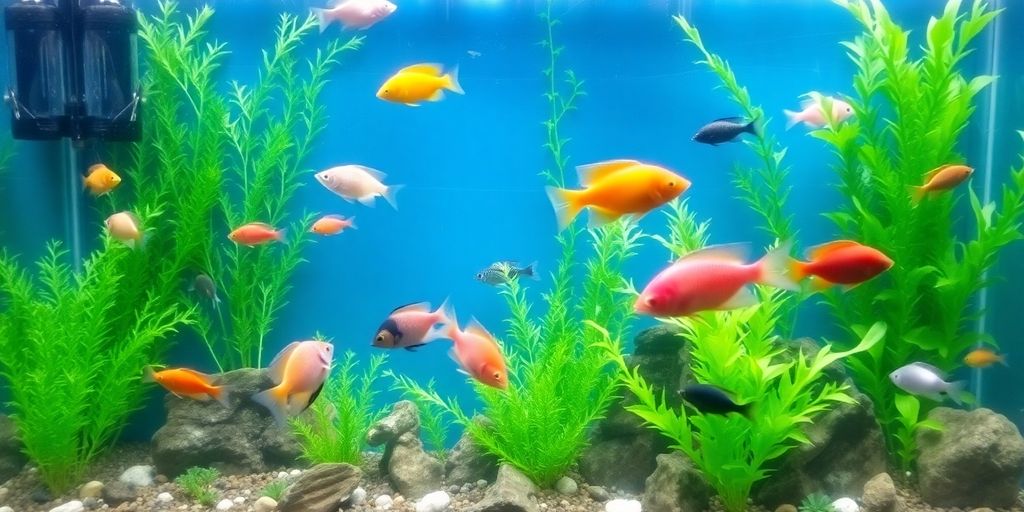
When starting your journey into the world of fishkeeping, selecting the right tank is crucial. Here are some key factors to consider:
Factors to Consider
- Space Available: Make sure you have enough room for the tank and its stand.
- Fish Species: Different fish need different tank sizes and environments.
- Maintenance: Larger tanks are often easier to maintain than smaller ones.
Glass vs. Acrylic Tanks
| Type | Pros | Cons |
|---|---|---|
| Glass | Durable, scratch-resistant | Heavier |
| Acrylic | Lighter, flexible shapes | Scratches easily |
Ideal Tank Size for Beginners
- 10-20 gallons: Good for beginners, easy to manage.
- 20-50 gallons: More stable water conditions, better for fish health.
- Over 50 gallons: Requires more equipment but allows for a larger variety of fish.
Remember, a larger tank can provide a more stable environment for your fish, making it easier to maintain water quality and temperature.
By understanding these factors, you can create a safe and enjoyable environment for your aquatic pets.
Setting Up Your Fresh Water Fish Tank
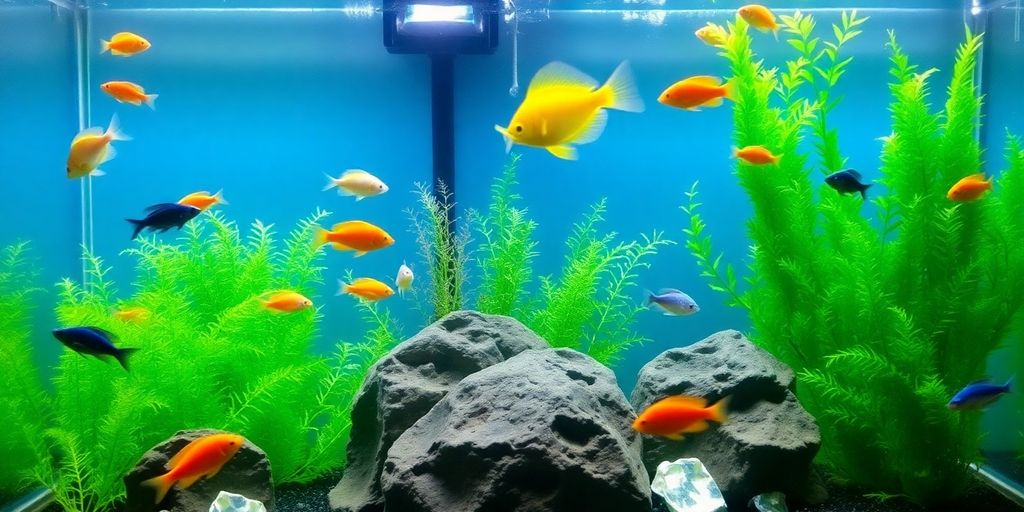
Selecting a Suitable Location
Choosing the right spot for your fish tank is very important. Here are some tips:
- Avoid direct sunlight to prevent algae growth.
- Ensure the surface is sturdy and level to support the tank’s weight.
- Keep it away from heat sources like radiators or air conditioners.
Installing the Tank and Stand
Once you have a good location, follow these steps to set up your tank:
- Clean the tank and accessories to remove dust.
- Place the tank on the stand and ensure it is level.
- Add substrate (gravel or sand) to the bottom of the tank.
- Install the filter and heater, hiding them with decorations if possible.
- Fill the tank with water and add a dechlorinator to make it safe for fish.
Adding Substrate and Decorations
Substrate is the material at the bottom of your tank. Here’s how to add it:
- Rinse the substrate to remove dust before adding it to the tank.
- Use decorations like rocks and plants to create hiding spots for your fish.
- Consider using live plants to help maintain water quality.
Setting up your tank correctly is crucial for a healthy environment. Take your time to ensure everything is done right, and your fish will thrive!
Essential Equipment for a Fresh Water Fish Tank
Setting up a fresh water fish tank requires some essential equipment to ensure a healthy environment for your fish. Here are the key components you will need:
Filtration Systems
A good filtration system is crucial for maintaining clean water. Here are some common types:
- Canister Filters: Great for larger tanks, providing powerful filtration.
- Hang-On-Back Filters: Easy to install and maintain, suitable for smaller tanks.
- Sump Filters: Ideal for advanced setups, offering excellent filtration and water volume.
Heating and Temperature Control
Keeping the right temperature is vital for your fish’s health. Here are some tips:
- Choose a heater rated for your tank size.
- Consider a heater with a built-in thermostat for better control.
- Regularly check the temperature to keep it within the ideal range (75-80°F).
Tip: Investing in quality equipment can significantly impact the health of your fish. Proper tools not only enhance your aquarium’s appearance but also ensure a thriving ecosystem for your aquatic pets.
Lighting Options
Proper lighting is essential for both fish and plants. Here are some options:
- LED Lights: Energy-efficient and long-lasting.
- Metal Halide Lights: Great for deeper tanks but can generate heat.
- T5 Fluorescent Lights: Suitable for various types of plants.
| Type of Light | Advantages | Disadvantages |
|---|---|---|
| LED | Energy-efficient | Initial cost can be high |
| Metal Halide | Excellent light output | Generates heat |
| T5 Fluorescent | Affordable | Shorter lifespan |
By gathering the right equipment, you can create a beautiful and healthy environment for your fish. Remember, the right tools make all the difference!
Choosing the Right Fish for Your Fresh Water Tank
Beginner-Friendly Fish Species
When starting your first freshwater tank, it’s important to choose fish that are easy to care for. Here are some great options:
- Bettas: Colorful and hardy, they can thrive in smaller tanks.
- Tetras: These small fish are social and do well in groups.
- Guppies: Known for their vibrant colors, they are also easy to care for.
Compatibility and Behavior
Understanding fish compatibility is crucial. Here are some tips:
- Research: Always check if the species can live together peacefully.
- Schooling Fish: Some fish, like tetras, prefer to be in groups of five or more.
- Territorial Fish: Be cautious with species that can be aggressive, like some cichlids.
Quarantine Procedures
Before introducing new fish to your tank, consider these steps:
- Set Up a Quarantine Tank: This helps prevent diseases from spreading.
- Observe for Symptoms: Watch for any signs of illness for at least two weeks.
- Use Quality Food: Feed them high-quality food like Omega One to boost their health.
Remember, choosing the right fish is essential for a thriving aquarium. Take your time to research and plan before making your selections!
Maintaining Water Quality in Your Fresh Water Tank
Keeping your fish tank clean and healthy is essential for the well-being of your aquatic pets. Regular maintenance is key to ensuring a thriving environment. Here are some important aspects to consider:
Testing Water Parameters
To maintain optimal water quality, you should regularly test the following:
- pH levels: Aim for a range of 6.5 to 7.5.
- Ammonia and Nitrite: Both should be at 0 ppm.
- Nitrate: Keep it below 20 ppm.
Using a reliable test kit, like the Advatec Master Test Strip Kit, can help you monitor these levels effectively.
Performing Regular Water Changes
Water changes are crucial for maintaining water quality. Here’s a simple schedule:
- Change 10-15% of the water weekly.
- For larger tanks, consider a 20% change every two weeks.
- Always use a water conditioner to remove harmful chemicals from tap water.
Remember, water changes should be done regularly, ideally once a week. Performing partial changes helps avoid removing the fish from the tank, which can cause stress.
Dealing with Common Issues
If you notice problems like algae blooms or cloudy water, here are some steps to take:
- Identify the cause: Check for overfeeding or excess nutrients.
- Use a protein skimmer: This can help remove organic waste.
- Consider adding cleaner critters: Shrimp and snails can help keep the tank clean.
Brands to Consider
When selecting equipment for your tank, consider trusted brands like Fluval and API for reliable testing kits and filtration systems. These brands are known for their quality and effectiveness in maintaining water quality.
By following these tips, you can create a healthy and beautiful environment for your fish, ensuring they thrive in your care!
Feeding Your Fresh Water Fish
Feeding your fish properly is essential for their health and happiness. Here are some key points to consider:
Types of Fish Food
When it comes to fish food, there are several options:
- Flakes: Great for most fish and easy to digest.
- Pellets: Ideal for larger fish, providing balanced nutrition.
- Freeze-Dried: A treat that enhances color and health.
- Live Food: Such as brine shrimp, which can stimulate natural hunting behavior.
Feeding Schedule
Establishing a feeding routine is important:
- Feed your fish once or twice a day.
- Only give them what they can eat in a few minutes.
- Adjust the amount based on the fish species and size.
Avoiding Overfeeding
Overfeeding can lead to health issues:
- Monitor your fish’s behavior and adjust feeding amounts.
- Remove any uneaten food after a few minutes to keep the tank clean.
- Regularly check water quality to ensure a healthy environment.
Choosing the right fish food is crucial for the health and happiness of your aquatic pets. Brands like Fluval offer high-quality options that cater to different fish needs.
By following these guidelines, you can ensure your fish thrive in their environment!
Aquascaping Your Fresh Water Tank
Creating a beautiful aquascape in your fish tank can be a fun and rewarding experience. Aquascaping is an art form that uses live plants to create an underwater landscape. Here are some tips to help you get started:
Choosing Plants and Decorations
- Select the right plants: Choose plants that are suitable for your tank size and lighting conditions. Some popular options include:
- Anubias
- Java Fern
- Amazon Sword
- Use natural decorations: Incorporate rocks, driftwood, and other natural elements to create hiding spots for your fish.
- Consider the layout: Plan your layout before planting to ensure a balanced and visually appealing design.
Creating Hiding Spots
- Provide shelter: Fish feel safer when they have places to hide. Use plants and decorations to create small caves and shaded areas.
- Layer your plants: Place taller plants in the back and shorter ones in the front to create depth in your tank.
- Avoid overcrowding: Make sure not to overcrowd your tank with too many decorations or plants, as this can stress your fish.
Maintaining Plant Health
- Regular trimming: Keep your plants healthy by trimming dead leaves and overgrown stems.
- Monitor water quality: Test your water parameters regularly to ensure a healthy environment for your plants and fish.
- Use fertilizers: Consider using liquid fertilizers to provide essential nutrients for your plants.
Remember, a well-planned aquascape not only enhances the beauty of your tank but also creates a healthy environment for your fish. Start with a beginner’s guide to help you set up a planted tank that is both functional and beautiful!
Monitoring and Adjusting Tank Conditions
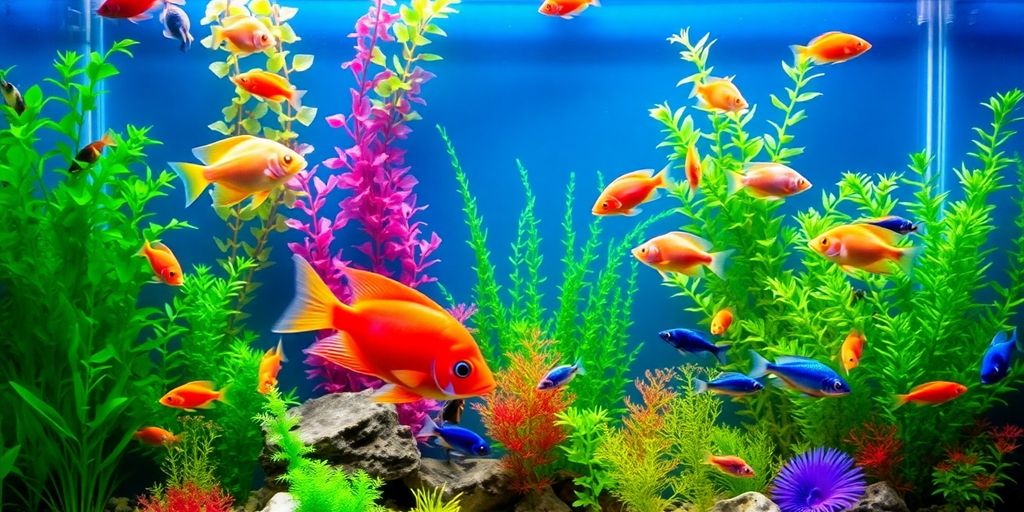
Using Thermometers and Heaters
To keep your fish happy, monitoring the temperature is essential. Here are some tips:
- Use a reliable thermometer to check the water temperature regularly.
- Place the thermometer away from the heater for accurate readings.
- Adjust the heater settings to maintain a stable temperature between 74°F and 80°F (23°C to 27°C).
Adjusting pH Levels
Maintaining the right pH level is crucial for fish health. Follow these steps:
- Test the water weekly using a pH test kit.
- Aim for a pH range of 6.5 to 7.5 for most freshwater fish.
- If adjustments are needed, use pH increasers or decreasers as per the manufacturer’s instructions.
Monitoring Fish Health
Regularly check your fish for signs of stress or illness. Here’s what to look for:
- Behavior changes: Are they swimming erratically or hiding?
- Physical signs: Look for spots, discoloration, or frayed fins.
- Feeding habits: Are they eating normally?
Keeping a close eye on your tank conditions is vital. Regular testing and adjustments can prevent many common issues, ensuring a healthy environment for your fish.
| Parameter | Ideal Range | Action Needed if Out of Range |
|---|---|---|
| Temperature | 74°F – 80°F | Adjust heater settings |
| pH | 6.5 – 7.5 | Use pH adjusters |
| Ammonia | 0 ppm | Perform a water change |
| Nitrite | 0 ppm | Perform a water change |
| Nitrate | < 20 ppm | Perform a water change |
Troubleshooting Common Problems
Algae Control
Algae can be a common issue in fish tanks. Here are some tips to manage it:
- Limit light exposure: Keep the tank away from direct sunlight.
- Reduce feeding: Overfeeding can lead to excess nutrients.
- Add algae-eating fish: Consider species like snails or certain fish that help control algae growth.
Cloudy Water Solutions
Cloudy water can be caused by various factors. Here’s how to clear it up:
- Check your filter: Ensure it’s working properly and clean it if needed.
- Perform a water change: Changing 10-15% of the water can help.
- Avoid overfeeding: Remove any uneaten food promptly to prevent cloudiness.
| Cause | Solution |
|---|---|
| Overfeeding | Reduce food amounts |
| New tank setup | Allow time for cycling |
| Poor filtration | Clean or replace filter media |
Handling Fish Diseases
Fish can get sick, and it’s important to act quickly. Here’s what to do:
- Observe behavior: Look for signs like gasping or unusual swimming patterns.
- Quarantine sick fish: Isolate them to prevent spreading diseases.
- Consult a vet: If unsure, seek professional advice for treatment options.
Remember, maintaining good water quality is essential for preventing many common issues. Regular testing can help you catch problems early!
Advanced Tips for Fresh Water Fish Tanks
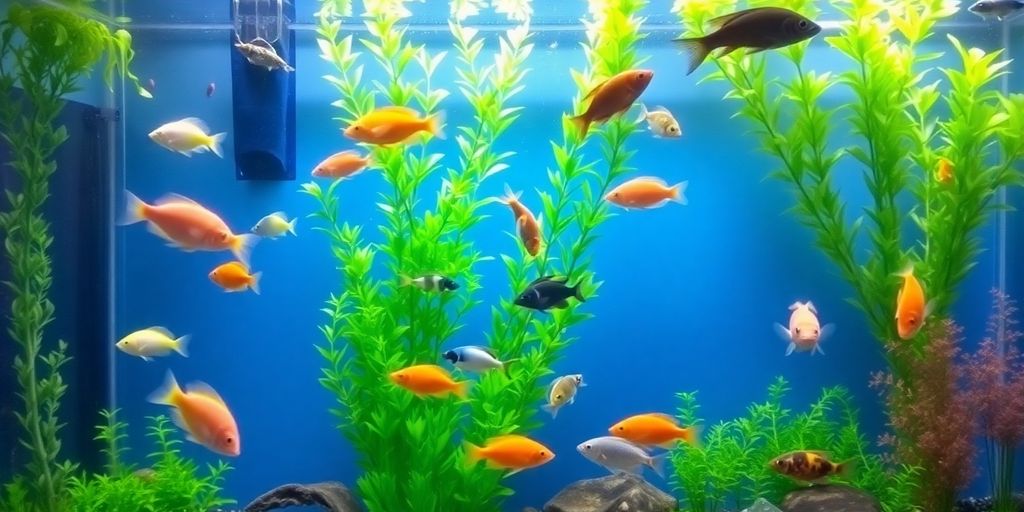
Using CO2 Systems
Adding a CO2 system can greatly enhance the growth of aquatic plants in your tank. This is especially beneficial for planted tanks. Here are some key points to consider:
- Types of CO2 Systems:
- Pressurized CO2 systems: More efficient and controllable.
- DIY yeast systems: Cost-effective but less stable.
- Benefits of CO2:
- Promotes healthy plant growth.
- Helps maintain water quality by reducing algae growth.
Advanced Filtration Techniques
To keep your tank clean and healthy, consider these advanced filtration options:
- Canister Filters: Great for larger tanks, providing powerful filtration.
- Sump Filters: Ideal for advanced setups, offering excellent filtration and water volume.
- Refugium Filters: Help maintain a balanced ecosystem by growing beneficial algae.
| Filter Type | Best For | Example Product |
|---|---|---|
| Canister Filter | Large tanks | Fluval FX6 |
| Sump Filter | Advanced setups | Custom-built sump |
| Hang-On-Back Filter | Small to medium tanks | Seachem Tidal 75 |
Creating a Biotope Tank
A biotope tank replicates a specific natural environment. Here’s how to create one:
- Choose a specific habitat: Research the natural habitat of your chosen fish species.
- Select appropriate plants and decorations: Use plants and substrates that mimic the natural environment.
- Maintain water parameters: Regularly test and adjust water conditions to match the natural habitat.
Remember, creating a biotope tank not only enhances the beauty of your aquarium but also provides a more comfortable environment for your fish.
Lighting Options
Proper lighting is crucial for both fish and plant health. Consider using Aquarium Lights that:
- Mimic natural sunlight to promote plant growth.
- Are energy-efficient, such as LED lights.
- Can be adjusted for different times of the day to simulate natural light cycles.
By following these advanced tips, you can create a thriving and beautiful freshwater fish tank that will be a joy to maintain and observe!
If you’re looking to take your freshwater fish tank to the next level, consider these advanced tips! From optimizing water quality to choosing the right plants, every detail matters. For more expert advice and top-notch products, visit our website today!
Final Thoughts on Your Freshwater Fish Tank Journey
Setting up a freshwater fish tank is an exciting adventure that can bring joy to your home. Remember to take your time and follow the steps carefully. Choosing the right tank, equipment, and fish is key to creating a happy environment for your aquatic friends. Regular maintenance, like checking water quality and cleaning, will keep your tank healthy. Don’t hesitate to ask for help or do more research if you need it. With patience and care, your fish tank can thrive and become a beautiful part of your life.
Frequently Asked Questions
What should I consider when choosing a fish tank?
Look at the size, material (glass or acrylic), and the fish you want to keep.
How do I set up my fish tank?
Clean the tank, add substrate, install equipment, and fill it with water.
What equipment do I need for a freshwater tank?
You’ll need a filter, heater, lights, and decorations.
How do I choose fish for my tank?
Start with easy-to-care-for species and check if they get along.
How often should I change the water?
Change about 10-15% of the water weekly to keep it clean.
What should I feed my fish?
Use fish flakes or pellets that match your fish’s diet.
How can I make my tank look nice?
Add plants, rocks, and decorations to create a beautiful environment.
What should I do if my fish get sick?
Isolate sick fish and check water quality; consider using medication.