Setting up an aquarium can be a fun and rewarding hobby. However, knowing what supplies you need and where to find the best deals can be overwhelming. This guide is designed to help you navigate the world of aquarium supplies and fish, making it easier for you to create a thriving aquatic environment.
Key Takeaways
- Pick the right size tank for your space and budget.
- Invest in a good filter to keep the water clean.
- Use a heater to maintain the right temperature for your fish.
- Choose lighting that suits both fish and plants.
- Regularly check water quality to keep your aquatic life healthy.
Choosing the Right Aquarium Tank and Stand
When starting your aquarium journey, selecting the right tank and stand is essential. Here’s what to keep in mind:
Types of Aquarium Tanks
- Glass Tanks: These are strong and scratch-resistant but can be heavy.
- Acrylic Tanks: Lighter and flexible in shape, but they can scratch easily.
Selecting the Ideal Stand
- Ensure the stand can support the full weight of your tank, including water and decorations.
- A sturdy stand prevents accidents and keeps your aquarium safe.
- If unsure about your floor’s strength, consult a contractor for advice.
Tank Placement Tips
- Choose a stable surface for your tank.
- Avoid direct sunlight to prevent algae growth.
- Make sure you can easily access the tank for maintenance and feeding.
Remember, a sturdy cabinet not only enhances the look of your aquarium but also ensures its safety and stability.
By understanding these key points, you can create a safe and enjoyable environment for your aquatic pets. Don’t forget to explore various brands and aquarium accessories to enhance your setup!
Essential Aquarium Equipment for Beginners
Setting up your first aquarium can be exciting, but having the right equipment is essential for success. Here are some key items you’ll need:
Filtration Systems
- Keep your water clean: A good filtration system is crucial for maintaining a healthy environment for your fish. It helps remove waste and toxins from the water.
- Types of filters:
- External Filters
- Hang-On-Back Filters
- Internal Filters
Aquarium Heaters
- Maintain the right temperature: Heaters are important for keeping your fish comfortable. Most tropical fish thrive in warmer water, so choose a heater that fits your tank size.
- Look for:
- Adjustable temperature settings
- Reliable brands
Lighting Options
- Enhance your aquarium’s beauty: Proper lighting not only makes your tank look great but also supports plant growth. Consider LED lights for energy efficiency and longevity.
- Types of lighting:
- LED Lighting
- Fluorescent Lighting
Remember, investing in quality Aquarium Kits and Cabinets can simplify your setup process and help create a thriving environment for your fish.
Summary Table of Essential Equipment
| Equipment Type | Purpose | Key Features |
|---|---|---|
| Filtration Systems | Keeps water clean | Various types available |
| Aquarium Heaters | Maintains temperature | Adjustable settings |
| Lighting Options | Enhances beauty and supports plants | LED or fluorescent options |
By ensuring you have these essential items, you’ll be well on your way to creating a successful aquarium!
Best Aquarium Filters and Pumps
When it comes to keeping your aquarium clean and healthy, choosing the right filter and pump is essential. Filters help remove waste and toxins from the water, ensuring a safe environment for your fish. Here’s a breakdown of the different types of filters and pumps available:
External Filters
External filters are powerful and can handle larger tanks. They sit outside the aquarium and use hoses to draw water in and push it back out after filtering. They are great for:
- Large tanks (over 50 gallons)
- Easy maintenance
- High filtration capacity
Hang-On-Back Filters
These filters hang on the back of the tank and are popular for their simplicity. They are suitable for:
- Smaller tanks (up to 50 gallons)
- Easy installation
- Affordable options
Internal Filters
Internal filters are submerged in the tank and are ideal for:
- Smaller aquariums
- Providing aeration
- Being compact and space-saving
Choosing the Right Filter
When selecting a filter, consider the size of your tank and the type of fish you have. For example, for a discus fish tank, a 30 to 50-gallon tank would benefit from the Aqua-Clear 200, while larger tanks over 50 gallons would do well with the Aqua-Clear 300.
Pumps
Pumps are crucial for maintaining water movement and oxygen levels in your aquarium. They can be used in conjunction with filters to enhance water circulation. Here are some types:
- Powerheads: Great for increasing water flow.
- Surface skimmers: Help remove debris from the water surface.
- Wave makers: Create currents that mimic natural environments.
Spare Parts
Don’t forget to stock up on spare parts for your filters and pumps. Regular maintenance and replacement of worn-out parts can prolong the life of your equipment and keep your aquarium thriving.
Remember, a well-maintained filter and pump system is key to a successful aquarium. Regular checks and cleaning will ensure your aquatic life remains healthy and happy!
Top Fish Food Options for Your Aquarium
Freshwater Fish Food
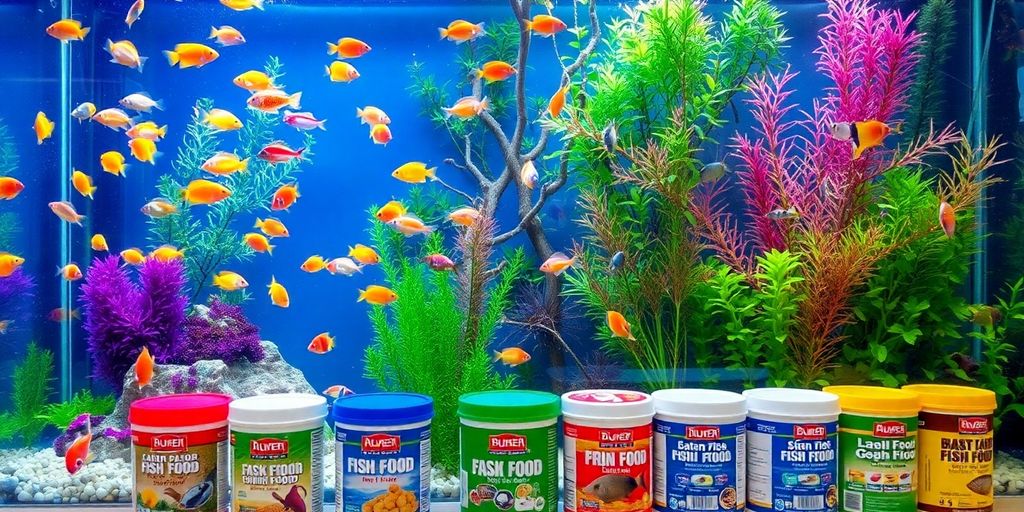
When selecting fish food for your aquarium, it’s essential to choose options that provide a balanced mix of proteins, fats, carbohydrates, vitamins, and minerals. Omega One is a popular brand known for its high-quality ingredients that promote fish health and vitality. Here are some common types of freshwater fish food:
- Flakes
- Pellets
- Freeze-dried options
Marine Fish Food
Marine fish have specific dietary needs that differ from freshwater species. It’s crucial to select food that meets these requirements. Some great options include:
- Omega One Marine Flakes
- Spirulina-based pellets
- Frozen food like brine shrimp
Specialty Fish Food
For fish with unique dietary needs, specialty foods are available. These can include:
- Cichlid pellets
- Betta food
- Herbivore flakes
| Type of Fish Food | Key Ingredients | Best For |
|---|---|---|
| Omega One Freshwater | Salmon, Spirulina | Freshwater Fish |
| Omega One Marine | Fish meal, Seaweed | Marine Fish |
| Cichlid Pellets | High protein, Spirulina | Cichlids |
Choosing the right fish food is vital for the health of your aquarium fish. Always check the ingredients to ensure they meet your fish’s dietary needs.
By understanding the different types of fish food available, you can make informed choices that will keep your aquatic pets happy and healthy.
Aquarium Lighting: What You Need to Know
LED Lighting
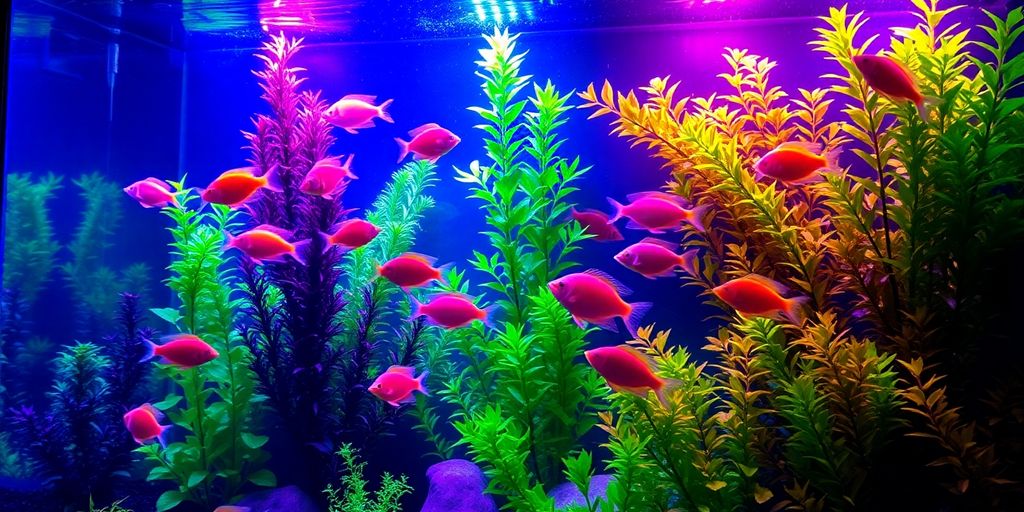
LED lights are energy-efficient and last a long time, making them a popular choice for many aquarists. They provide bright light while using less electricity, which is great for your wallet and the environment. Here are some benefits of LED lighting:
- Long lifespan
- Low heat output
- Adjustable brightness
Fluorescent Lighting
Fluorescent lights are also a good option, especially for plants. They help in plant growth and bring out vibrant colors in your fish. Here’s what to know:
- Available in various sizes
- Good for both freshwater and saltwater tanks
- More affordable than LED lights
Lighting for Plants
When choosing lights for a planted aquarium, consider the following:
- Light intensity: Different plants have different light needs.
- Light duration: Aim for 8-12 hours of light per day.
- Color spectrum: Plants thrive under specific light colors, especially red and blue.
Proper lighting is essential for a healthy aquarium. It not only enhances the beauty of your tank but also supports the well-being of your aquatic life.
Summary Table of Lighting Options
| Type of Light | Lifespan | Energy Efficiency | Best For |
|---|---|---|---|
| LED | 50,000 hrs | High | All types of aquariums |
| Fluorescent | 10,000 hrs | Medium | Freshwater plants |
| Incandescent | 1,000 hrs | Low | Specific needs |
Maintaining Water Quality in Your Aquarium
Good water quality is essential for the health of your fish and plants. Regular testing and monitoring are crucial to ensure that your aquarium environment remains safe and stable. Here are some key aspects to consider:
Water Testing Kits
- Use water testing kits to check important parameters like pH, ammonia, nitrite, and nitrate levels.
- Test your water at least once a week, especially after adding new fish or plants.
- Keep a log of your test results to track changes over time.
Chemical Treatments
- If you find harmful levels of ammonia or nitrite, consider using chemical treatments to neutralize them.
- Always follow the instructions on the product label to avoid harming your fish.
- Regular water changes (about 10-15% weekly) can help maintain water quality.
Biological Filtration
- A good biological filter is essential for breaking down waste products in your aquarium.
- Ensure your filter is clean and functioning properly. A thoroughly cleaned aquarium filter can significantly improve water quality.
- Remember to cycle your filter for several weeks after cleaning to restore beneficial bacteria.
Maintaining water quality is not just about keeping your fish alive; it’s about creating a thriving ecosystem. Regular checks and proper maintenance can prevent many common problems.
| Parameter | Ideal Range |
|---|---|
| pH | 6.5 – 7.5 |
| Ammonia | 0 ppm |
| Nitrite | 0 ppm |
| Nitrate | < 20 ppm |
By following these guidelines, you can ensure a healthy and vibrant aquarium environment for your aquatic life.
Decorating Your Aquarium: Tips and Ideas
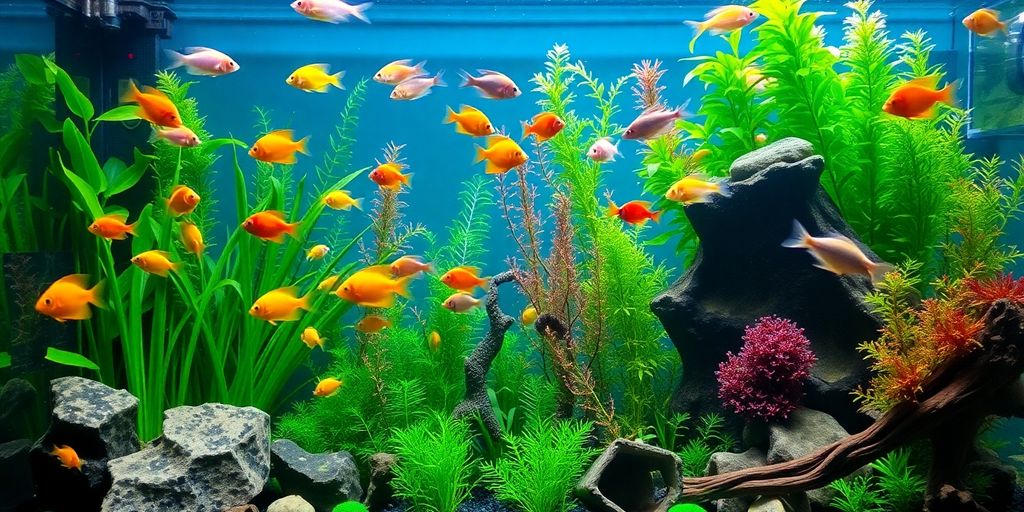
Creating a beautiful aquarium is not just about the fish; it’s also about how you decorate the tank. A well-decorated aquarium can enhance the overall look and provide a comfortable environment for your fish. Here are some tips to help you get started:
Choosing Substrate
- Gravel: A popular choice that comes in various colors and sizes.
- Sand: Ideal for certain fish species and gives a natural look.
- Soil: Great for planted tanks, providing nutrients for plants.
Adding Plants and Ornaments
- Live Plants: They improve water quality and provide hiding spots for fish. Consider adding Java Fern or Anubias for easy care.
- Decorative Rocks: Use them to create caves and hiding spots. Ensure they are aquarium-safe to avoid harming your fish.
- Driftwood: Adds a natural touch and can be used for fish to hide and explore.
Creating Hiding Spots
- Caves and Tunnels: Use ceramic or resin decorations to create safe spaces for shy fish.
- Plants: Tall plants can provide cover and make your fish feel secure.
- Layering: Arrange decorations at different heights to create depth and interest in your aquarium.
Remember, a balanced and natural look is key to a thriving aquarium. Avoid overcrowding with decorations to ensure your fish have enough swimming space.
By following these tips, you can create a stunning aquarium that not only looks great but also supports the health and happiness of your aquatic life. Happy decorating!
Aquarium Maintenance Tips
Regular Cleaning Schedule
To keep your aquarium healthy, establish a regular cleaning schedule. Here are some key tasks to include:
- Clean the tank walls to prevent algae buildup.
- Change 10-15% of the water weekly to maintain water quality.
- Clean the substrate to remove waste and debris.
Water Changes
Changing the water is crucial for your fish’s health. Follow these steps:
- Use a siphon to remove old water.
- Replace it with fresh, dechlorinated water.
- Test the water parameters to ensure they are safe for your fish.
Equipment Checks
Regularly check your equipment to ensure everything is functioning properly. This includes:
- Filters: Clean or replace filter media as needed.
- Heaters: Ensure they are maintaining the correct temperature.
- Lights: Replace bulbs that are dim or burnt out.
Maintaining your aquarium is essential for a thriving aquatic environment. Regular upkeep helps prevent issues and keeps your fish happy and healthy.
By following these tips, you can create a stable and clean environment for your aquatic life, ensuring they thrive in their underwater home. Remember, a little effort goes a long way in keeping your aquarium beautiful and healthy!
Setting Up a Saltwater Aquarium
Setting up a saltwater aquarium can be both exciting and challenging. Choosing the right equipment is essential for creating a thriving aquatic environment. Here’s what you need to know:
Choosing Saltwater Fish
- Research the types of fish that are compatible with each other.
- Consider the size of the fish and the tank.
- Look for healthy fish from reputable sources.
Live Rock and Sand
- Live rock provides essential filtration and habitat for fish.
- Use aragonite sand for a natural look and to help maintain water quality.
- Ensure the rock is cured before adding it to your tank to avoid ammonia spikes.
Maintaining Salinity Levels
- Use a hydrometer to measure salinity; it should be between 1.020 and 1.025.
- Regularly check salinity, especially after water changes.
- Adjust salinity slowly to avoid stressing your fish.
Remember, setting up a saltwater aquarium requires patience and attention to detail. Take your time to ensure a healthy environment for your aquatic life.
Aquarium Kits and Cabinets
When starting your aquarium journey, choosing the right kit and cabinet is essential. Aquarium kits often come with everything you need to get started, making them perfect for beginners. Here are some key points to consider:
Complete Aquarium Kits
- Terrarium Starter Kits: These kits are designed for beginners and include all necessary equipment.
- Size Options: Kits come in various sizes, from small 10-gallon tanks to larger 75-gallon setups.
- Included Equipment: Most kits include a tank, filter, heater, and sometimes even decorations.
Custom Aquarium Cabinets
- Storage Solutions: Cabinets provide storage for your aquarium supplies, keeping everything organized.
- Sturdy Designs: Look for cabinets with a heavy-duty metal frame to support larger tanks, like a 75-gallon fish tank.
- Aesthetic Appeal: Choose a cabinet that matches your home decor for a seamless look.
Installation Tips
- Level Surface: Ensure your cabinet is on a level surface to prevent any accidents.
- Weight Distribution: Distribute the weight evenly across the cabinet to avoid stress on any one point.
- Accessibility: Place your aquarium in a location that allows easy access for maintenance.
Remember, investing in a quality aquarium kit and cabinet can make your fishkeeping experience much more enjoyable. Explore options from brands like [Advatec](https://advatecaquatics.com/advatec-spotlight/) for reliable products that meet your needs!
Popular Aquarium Accessories
When setting up your aquarium, having the right accessories is crucial for maintaining a healthy environment for your fish. These accessories not only enhance the beauty of your tank but also ensure the well-being of your aquatic life. Here are some essential items you should consider:
Essential Tools for Maintenance
- Aquarium Vacuum: Helps in cleaning the substrate and removing debris.
- Algae Scraper: Keeps the glass clean and clear.
- Water Conditioner: Ensures the water is safe for your fish.
Decorative Accessories for Your Tank
- Aquatic Plants: Provide shelter and improve water quality.
- Decorative Rocks and Driftwood: Create hiding spots and enhance the aesthetic.
- Background Screens: Add depth and beauty to your aquarium.
Top Brands for Aquarium Accessories
| Brand Name | Type of Products Offered | Notable Features |
|---|---|---|
| AQUAEL | Filters, Maintenance Tools | Reliable and efficient |
| Polyplab | Water Conditioners, Fertilizers | High-quality ingredients |
| Fluval | Filters, Lighting, Decor | Innovative designs |
Remember, investing in quality accessories can make a significant difference in your aquarium’s health and appearance. Don’t forget to check out the latest deals at top shelf aquatics for everything saltwater reef tank related!
Selecting the Right Fish for Your Aquarium
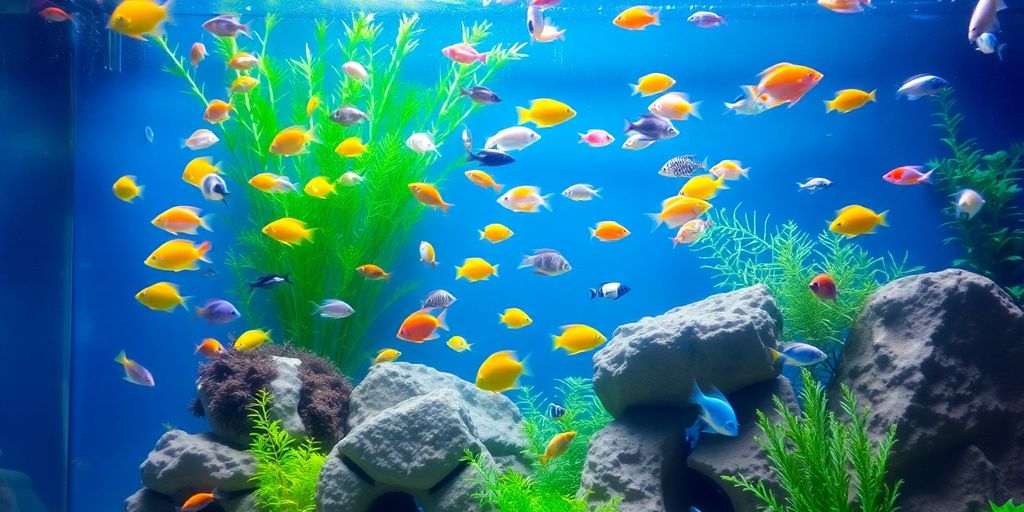
Choosing the right fish for your aquarium is essential for creating a healthy and vibrant environment. Compatibility is key when selecting fish, as different species have unique needs and behaviors.
Community Fish
When starting out, consider community fish that are known to get along well with others. Here are some popular options:
- Neon Tetras: Small and colorful, perfect for beginners.
- Guppies: Hardy and easy to care for, they come in various colors.
- Corydoras Catfish: Great for keeping the tank clean and friendly with other fish.
Aggressive Fish
If you’re looking for more personality, you might consider some aggressive fish. However, be cautious:
- Betta Fish: Known for their vibrant colors but can be territorial.
- African Cichlids: Beautiful but require specific tank conditions and can be aggressive.
Bottom Dwellers
Bottom dwellers can help maintain the cleanliness of your tank:
- Plecostomus: Great algae eaters that can grow quite large.
- Otocinclus: Small and effective at cleaning algae without disturbing other fish.
Remember, always check the natural habitat and water parameters of the fish you choose to ensure they thrive in your aquarium.
For a successful aquarium, consider purchasing All Products necessary for your setup, including filtration systems and water conditioners. This will help maintain a balanced environment for your fish.
Choosing the right fish for your aquarium is super important! You want to make sure your fish are happy and healthy. Take a look at our website for tips and the best products to help you create a great home for your aquatic friends!
Final Thoughts on Your Aquarium Journey
In conclusion, finding the best deals for your aquarium supplies and fish online can be both fun and rewarding. By exploring various websites, you can discover great prices on everything from tanks to fish food. Remember to look for reliable sellers and read reviews to ensure you get quality products. Whether you’re a beginner or a seasoned aquarist, the right supplies will help you create a beautiful underwater world. Happy fishkeeping!
Frequently Asked Questions
What size aquarium should I get for beginners?
A 20-gallon tank is a good choice for beginners. It’s big enough for fish to thrive but not too hard to maintain.
How often should I clean my aquarium?
You should clean your aquarium every two weeks. This includes changing about 10-15% of the water.
What type of fish can live together in one tank?
Community fish, like guppies and tetras, usually get along well. Avoid mixing aggressive fish with peaceful ones.
Do I need a filter for my aquarium?
Yes, a filter is important. It helps keep the water clean and provides oxygen for the fish.
How can I tell if my fish are healthy?
Healthy fish are active, have bright colors, and eat well. Watch for signs like fading colors or unusual swimming.
What should I feed my fish?
Different fish need different foods. Most freshwater fish enjoy flakes, while others may need pellets or live food.
How do I set up a saltwater aquarium?
Start with a tank, add saltwater mix, use a good filter, and choose fish that are compatible with saltwater.
What lighting do I need for my aquarium?
LED lights are great for most tanks. They save energy and help plants grow if you have them.