Setting up a saltwater aquarium can be an exciting yet challenging journey. Choosing the right fish is essential for creating a vibrant and healthy underwater environment. This guide will help you navigate through the various aspects of selecting saltwater fish, ensuring your aquarium thrives and becomes a stunning centerpiece in your home.
Key Takeaways
- Saltwater fish come in various colors and types, making them a great choice for aquariums.
- Researching fish compatibility is key to avoid conflicts in your tank.
- Maintaining water quality is vital for the health of your fish.
- Consider the size and behavior of fish before adding them to your aquarium.
- Regular feeding and proper tank setup will help your fish thrive.
Understanding Saltwater Tank Fish
What Are Saltwater Tank Fish?
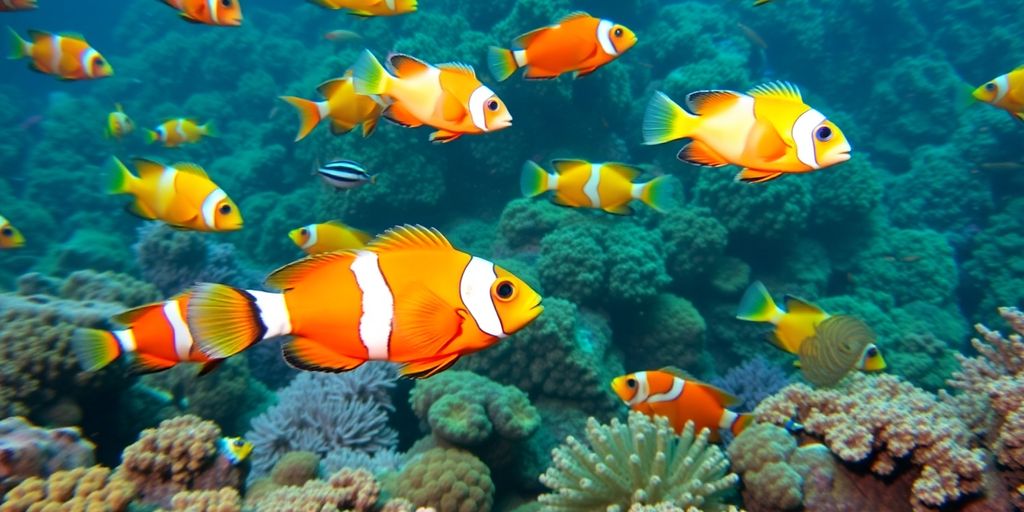
Saltwater tank fish are species that live in ocean waters, often found around coral reefs. They are known for their vibrant colors and unique behaviors. Some popular examples include clownfish, tangs, and angelfish. These fish play a vital role in the marine ecosystem.
Benefits of Keeping Saltwater Tank Fish
Keeping saltwater fish can be a rewarding experience. Here are some benefits:
- Aesthetic Appeal: Their bright colors enhance the beauty of your aquarium.
- Educational Value: Observing their behavior can teach you about marine life.
- Ecosystem Balance: They help maintain a balanced environment in your tank.
Common Misconceptions About Saltwater Tank Fish
Many people have misconceptions about saltwater fish. Here are a few:
- They are too hard to care for: While they require specific conditions, many species are suitable for beginners.
- They are all aggressive: Not all saltwater fish are aggressive; many are peaceful and can coexist.
- They need large tanks: Some species can thrive in smaller tanks, making them accessible for hobbyists with limited space.
Keeping saltwater fish can be a fulfilling hobby, but it requires research and commitment to ensure their well-being. Remember to check out products from Advatec and Omega One for quality supplies and food to keep your fish healthy!
Essential Equipment for a Saltwater Aquarium
Setting up a saltwater aquarium requires specific equipment to ensure a healthy environment for your fish and corals. Here’s what you need:
Aquarium Tanks and Stands
- Choose the right size tank: A larger tank is often more stable and easier to maintain.
- Sturdy stands: Ensure your stand can support the weight of the tank when filled with water and equipment.
- Consider aesthetics: The tank should fit well in your space and look appealing.
Filtration Systems
- Protein skimmers: These remove organic waste before it breaks down, keeping the water cleaner.
- Canister filters: Great for mechanical and chemical filtration, helping to maintain water clarity.
- Sump systems: These provide additional filtration and water volume, which can help stabilize water parameters.
Lighting and Heating
- LED lights: Essential for coral growth; consider options like the Fluval Marine & Reef LED Strip Light for optimal illumination.
- Heaters: Maintain a stable temperature, ideally around 78°F (25.6°C). Look for reliable brands to ensure consistent heating.
Remember: Proper equipment is crucial for the success of your aquarium. Investing in quality gear will save you time and money in the long run.
| Equipment Type | Recommended Product | Price |
|---|---|---|
| LED Lighting | Fluval Marine & Reef LED Strip Light, 22W | $158.99 |
| Protein Skimmer | Fluval Sea PS1 Protein Skimmer | $65.30 |
| Canister Filter | Seachem Tidal 110 Gallon Hang On Back Filter | $79.99 |
| Aquarium Heater | Fluval Glass Aquarium Heater | $29.99 |
By ensuring you have the right equipment, you can create a thriving environment for your saltwater reef fish and corals. Don’t forget to consider aquarium accessories that can enhance your setup!
Choosing the Right Saltwater Fish for Beginners
Beginner-Friendly Saltwater Fish
Starting a saltwater aquarium can be exciting yet overwhelming. For beginners, it’s best to choose fish that are easy to care for. Here are some great options:
- Ocellaris Clownfish: Known for their vibrant colors and friendly nature, clownfish are a popular choice.
- Blue-Green Chromis: These fish are peaceful and can adapt to various tank conditions, making them ideal for beginners.
- Royal Gramma: This fish is hardy and adds a splash of color to your tank.
Characteristics of Beginner Fish
When selecting fish, consider the following characteristics:
- Hardiness: Choose fish that can tolerate changes in water conditions.
- Size: Smaller fish are often easier to manage in a beginner tank.
- Temperament: Look for peaceful species that get along with others.
Tips for New Aquarists
To ensure a successful start, keep these tips in mind:
- Research: Always learn about the specific needs of each fish species.
- Water Quality: Regularly test your water parameters to maintain a healthy environment.
- Feeding: Use high-quality fish food to keep your fish healthy and vibrant.
Remember, patience is key! Take your time to set up your aquarium properly before adding fish.
By following these guidelines, you can create a thriving saltwater aquarium that brings joy and beauty to your home. Don’t forget to invest in good aquarium lights to enhance the colors of your fish and plants!
Colorful Saltwater Fish for Your Aquarium
Top Colorful Saltwater Fish
If you want to brighten up your aquarium, consider adding some colorful saltwater fish. Here are a few popular choices:
- Flame Angelfish: Known for its vibrant orange and blue colors, this fish is a stunning addition.
- Mandarin Dragonet: This fish has beautiful patterns and is a favorite among aquarists.
- Yellow Tang: With its bright yellow hue, this fish adds a cheerful touch to any tank.
Care Requirements for Colorful Fish
Taking care of colorful saltwater fish can be a bit tricky. Here are some important points to remember:
- Tank Size: Many colorful fish need larger tanks to thrive. A minimum of 30 gallons is often recommended.
- Water Quality: Regular testing and maintenance of water parameters are crucial. Use a good filtration system to keep the water clean.
- Diet: These fish often require a varied diet, including high-quality flakes and frozen foods.
Compatibility with Other Fish
When adding colorful fish to your aquarium, consider their compatibility with other species. Here are some tips:
- Research: Always check if the fish you want to add can live peacefully with your current fish.
- Avoid Aggressive Species: Some colorful fish can be shy, so avoid pairing them with aggressive species.
- Group Fish: Some fish, like the Banggai Cardinalfish, do well in groups, which can enhance their colors and reduce stress.
Remember: Using proper lighting, like Kessil lights, can enhance the colors of your fish and make your aquarium look stunning!
Hardy Saltwater Fish for a Resilient Aquarium
Top Hardy Saltwater Fish
When setting up a saltwater aquarium, choosing hardy fish is essential for beginners. Here are some of the best options:
- Green Chromis: Known for their vibrant color and active nature.
- Yellow Coris Wrasse: Great for pest control and very adaptable.
- Chalk Bass: Peaceful and easy to care for, making them perfect for community tanks.
Benefits of Hardy Fish
Hardy fish are ideal for new aquarists because they can withstand fluctuations in water conditions. Here are some benefits:
- Resilience: They adapt well to changes in water quality.
- Low Maintenance: Require less frequent monitoring compared to delicate species.
- Compatibility: Often get along with a variety of other fish, reducing stress in the tank.
Maintaining Water Quality
To keep your hardy fish healthy, maintaining water quality is crucial. Here are some tips:
- Regularly test water parameters like pH, salinity, and ammonia levels.
- Perform weekly water changes to keep the environment stable.
- Use a reliable filtration system to ensure clean water.
Remember, a stable environment is key to keeping your fish happy and healthy. Hardy fish can thrive in well-maintained tanks, making them a great choice for beginners.
| Fish Type | Difficulty Level | Ideal Tank Size |
|---|---|---|
| Green Chromis | Easy | 20 gallons |
| Yellow Coris Wrasse | Easy | 30 gallons |
| Chalk Bass | Easy | 20 gallons |
Peaceful Saltwater Fish for a Harmonious Tank
Creating a peaceful aquarium is essential for the well-being of your fish. Choosing the right species can lead to a harmonious environment. Here are some popular peaceful saltwater fish:
Top Peaceful Saltwater Fish
- Banggai Cardinalfish: Known for their striking appearance and calm nature.
- Clown Goby: Small and colorful, they are great for community tanks.
- Pajama Cardinalfish: These fish are social and thrive in groups.
Benefits of Peaceful Fish
- Reduced Stress: Peaceful fish are less likely to cause stress to each other.
- Community Living: They can coexist with various species, enhancing the beauty of your aquarium.
- Easier Care: Generally, peaceful fish are easier to care for, making them ideal for beginners.
Creating a Peaceful Environment
To maintain a harmonious tank, consider the following:
- Provide Hiding Spots: Use rocks and plants to create shelters.
- Monitor Tank Size: Ensure your tank is large enough to accommodate all fish comfortably.
- Regular Maintenance: Keep the water clean and well-filtered, using products like Seachem filters to maintain quality.
Remember, a well-planned aquarium can lead to happier, healthier fish. By understanding the needs of your fish, you can create a peaceful environment that enhances the beauty of your aquarium.
Aggressive Saltwater Fish and Their Care
Top Aggressive Saltwater Fish
Aggressive saltwater fish can add excitement to your aquarium, but they require careful selection and care. Here are some popular choices:
- Triggerfish: Known for their territorial nature.
- Lionfish: Beautiful but can be harmful to other fish.
- Groupers: Large and can bully smaller fish.
Challenges of Keeping Aggressive Fish
Keeping aggressive fish can be tricky. Here are some challenges you might face:
- Space Requirements: Aggressive fish need plenty of room to swim and hide.
- Compatibility Issues: Avoid mixing aggressive species with peaceful ones to prevent stress and fighting.
- Feeding Needs: Different species have unique dietary requirements, so research is essential.
Tank Setup for Aggressive Fish
To create a suitable environment for aggressive fish, consider the following:
- Large Tank Size: A bigger tank helps reduce territorial disputes.
- Hiding Spots: Use rocks and plants to create hiding places.
- Proper Equipment: Invest in quality aquarium kits and cabinets to ensure a stable environment.
Remember: Choosing the right tank mates is crucial for a successful aquarium. Start with peaceful species to create a harmonious environment.
Summary
Aggressive saltwater fish can be a thrilling addition to your aquarium, but they require special care. By understanding their needs and challenges, you can create a thriving environment for these fascinating creatures. Always consider their compatibility with other fish and ensure you have the right equipment to maintain water quality. Avoid aggressive or territorial species that may harm or stress out your nocturnal fish.
Feeding Your Saltwater Tank Fish
Feeding your saltwater fish is essential for their health and happiness. Different fish have unique dietary needs, so it’s important to know what type of fish you have and what they should eat.
Dietary Needs of Saltwater Fish
- Carnivores: Fish like lionfish and groupers need a high-protein diet. Suitable foods include:
- Herbivores: Fish such as tangs and rabbitfish thrive on plant matter. You can feed them:
- Omnivores: Clownfish and angelfish enjoy a mix of plant and animal foods. They can eat:
Feeding Schedule and Tips
- Feed your fish twice a day for optimal health.
- Offer only what they can consume in a few minutes to avoid overfeeding.
- Monitor their eating habits to adjust portions as needed.
Maintaining a balanced diet is key to keeping your fish healthy and vibrant. Overfeeding can lead to health issues and poor water quality.
Recommended Products
For high-quality fish food, consider brands like Omega One and Fluval. They offer a variety of options tailored to different fish types, ensuring your aquatic friends get the best nutrition possible.
By understanding the dietary needs of your fish and providing a varied diet, you can help ensure they thrive in your aquarium!
Maintaining Water Quality in a Saltwater Aquarium
Importance of Water Quality
Maintaining good water quality is essential for the health of your saltwater fish. Stable water conditions help prevent stress and illness. Regular monitoring ensures that harmful substances do not build up in the tank.
Testing Water Parameters
To keep your aquarium healthy, you should regularly test the following water parameters:
| Parameter | Ideal Range |
|---|---|
| Ammonia | 0 ppm |
| Nitrite | 0 ppm |
| Nitrate | < 20 ppm |
| pH | 7.8 – 8.5 |
| Salinity | 1.020 – 1.025 |
Using test strips like the Advatec 5 in 1 Test Strips can simplify this process. These strips help you monitor essential levels, ensuring a balanced environment for your fish.
Common Water Issues and Solutions
Here are some common water issues and their solutions:
- High Ammonia Levels: Perform a water change and check your filtration system.
- Low pH: Add a buffer to raise the pH gradually.
- High Nitrate Levels: Increase water changes and consider adding live plants.
Regular water testing is crucial to avoid common mistakes as a beginner. New setups can be unstable, and monitoring things like ammonia, nitrates, and phosphates helps you keep everything in balance.
Creating a Natural Habitat
To create a thriving environment for your fish, consider these tips:
- Use live rock for hiding spots and biological filtration.
- Incorporate natural elements like coral fragments and shells.
- Plan your layout to create caves and open spaces for fish to swim freely.
Choosing the Right Equipment
Investing in quality equipment is vital. Consider:
- Aquarium Heaters: Keep the temperature stable.
- Filtration Systems: Ensure clean water.
- Spare Parts: Always have backups for essential equipment.
By following these guidelines, you can create a thriving environment for your saltwater fish!
Pairing and Compatibility of Saltwater Fish
Pairing Saltwater Fish
Choosing the right fish for your aquarium is essential for a peaceful environment. Pairing saltwater fish means selecting species that can live together without fighting. Here are some popular pairings:
- Clownfish and damselfish
- Gobies and blennies
- Angelfish and tangs
When pairing fish, consider their size, temperament, and dietary needs. It’s best to introduce both fish at the same time to help reduce aggression.
Schooling Saltwater Fish
Some fish prefer to live in groups. These are called schooling fish. They are often more active and social. Here are some popular schooling fish:
- Anthias
- Chromis
- Cardinalfish
Make sure to provide enough space for them to swim and hide. Avoid overcrowding, as this can lead to stress and aggression.
Avoiding Aggressive Behavior
To keep your aquarium peaceful, follow these tips:
- Introduce fish at the same time to reduce territorial disputes.
- Monitor their behavior closely after adding new fish.
- Provide hiding spots to help fish feel secure.
Keeping a balanced community is key to a thriving aquarium. Researching compatibility can save you from future headaches.
| Fish Type | Compatibility Level | Notes |
|---|---|---|
| Clownfish | High | Territorial but can be friendly |
| Gobies | High | Peaceful and social |
| Angelfish | Moderate | Can be aggressive towards smaller fish |
Reef-Safe Saltwater Fish for Coral Tanks
Top Reef-Safe Fish
When setting up a coral tank, choosing the right fish is essential. Here are some popular reef-safe options:
- Clownfish: Known for their vibrant colors and symbiotic relationship with anemones.
- Blennies: Small, friendly fish that help control algae growth.
- Tangs: Active swimmers that add movement and color to your tank.
Benefits of Reef-Safe Fish
Keeping reef-safe fish has several advantages:
- Coral Protection: These fish are unlikely to harm your corals.
- Ecosystem Balance: They contribute to a healthy aquarium environment.
- Aesthetic Appeal: Their colors enhance the beauty of your tank.
Tips for a Thriving Reef Tank
To ensure your reef tank thrives, consider the following:
- Proper Equipment: Invest in quality filtration and lighting systems.
- Regular Maintenance: Perform water changes and monitor water quality.
- Research Compatibility: Make sure your fish can coexist peacefully.
Remember: Choosing the right fish is crucial for a successful coral tank. Investing in reef-safe species will protect your corals and enhance your aquarium’s beauty.
Common Health Issues in Saltwater Fish
Identifying Health Problems
Keeping your saltwater fish healthy is essential for a thriving aquarium. Common diseases can affect your fish, and recognizing them early is key. Here are some frequent issues to watch for:
- Ich (White Spot Disease): Look for white spots on the fish’s body.
- Fin Rot: Check for frayed or discolored fins.
- Marine Flukes: These parasites can cause stress and illness.
Preventative Measures
To keep your fish healthy, consider these steps:
- Quarantine New Fish: Always isolate new arrivals for at least two weeks.
- Regular Water Testing: Use test kits to monitor pH, ammonia, and nitrate levels.
- Observe Fish Behavior: Look for signs of stress, like rapid breathing or hiding.
Treatment Options
If your fish show signs of illness, here are some treatment options:
- Medicated Dips: These can help treat external parasites.
- Antibiotics: Use for bacterial infections, but consult a vet first.
- Salt Baths: Effective for certain parasites and stress relief.
Maintaining a clean and stable environment is essential for preventing diseases in your aquarium. Regular maintenance can save your fish from many health issues.
Importance of Water Quality
Maintaining optimal water quality is crucial. This includes monitoring temperature, salinity, pH, and using Aquarium Pumps and Filters to ensure a healthy environment for your fish. Regular water changes and testing of water parameters are vital for a healthy aquarium.
Saltwater fish can face various health problems that every aquarist should know about. Common issues include parasites, fin rot, and swim bladder disease. Keeping an eye on your fish and maintaining a clean tank can help prevent these problems. For more tips on keeping your aquatic friends healthy, visit our website!
Final Thoughts on Selecting Saltwater Fish
In summary, we hope this guide has helped you understand how to choose the best saltwater fish for your aquarium. Starting a saltwater tank can be tough, but with the right info, you can create a beautiful underwater world. When picking fish, think about their behavior, size, and how well they get along with others. We suggest starting with friendly fish that are easy to care for, like Ocellaris Clownfish, Blue-Green Chromis, and Starry Blenny. Remember, patience and care are key to making your aquarium thrive!
Frequently Asked Questions
What are some good saltwater fish for beginners?
Great saltwater fish for beginners include clownfish, damselfish, and chromis. These fish are hardy and easy to care for.
How long should I wait before adding fish to my new tank?
You should wait at least six weeks for your tank to cycle before adding fish. This helps create a stable environment.
Can I keep different types of fish together in one tank?
Yes, but it’s important to choose fish that are known to be peaceful. Some good options are clownfish and gobies.
How many fish can I have in a 55-gallon tank?
In a 55-gallon tank, you should limit it to about 12 inches of fish. This usually means three 4-inch fish or two 6-inch fish.
What makes a fish reef-safe?
Reef-safe fish are those that won’t harm your corals or invertebrates. Clownfish and blennies are good examples.
How often should I feed my saltwater fish?
Most saltwater fish should be fed once or twice a day, but be sure to check their specific dietary needs.
What should I do if my fish looks sick?
If your fish seems sick, check the water quality and parameters first. If everything seems fine, consider consulting a vet or an aquarium expert.
What are the best plants for a saltwater aquarium?
Some great plants for a saltwater aquarium include seagrasses and macroalgae, which can help maintain water quality.