Setting up a reef aquarium can be both exciting and challenging. It’s important to understand the various supplies you need to create a thriving underwater environment. This guide will help you navigate through the essentials, from choosing the right equipment to maintaining a healthy ecosystem for your aquatic life.
Key Takeaways
- Reef supply includes items like filters, lights, heaters, and test kits that help maintain a healthy aquarium.
- Quality supplies are crucial for the well-being of fish and corals; poor choices can lead to problems.
- Regular testing of water parameters is essential to keep the ecosystem balanced.
- Investing in good equipment can save you time and money in the long run.
- Understanding the needs of your marine life is key to a successful reef tank.
Understanding the Basics of Reef Supply
What is Reef Supply?
A reef supply refers to all the essential items needed to create and maintain a healthy reef aquarium. This includes equipment, food, and supplements that help mimic the natural environment of coral reefs. A well-stocked reef supply ensures your aquatic life thrives.
Importance of Quality Reef Supply
Using high-quality reef supplies is crucial for the health of your aquarium. Poor-quality products can lead to water quality issues, which can harm fish and corals. Here are some key points to consider:
- Water Quality: Quality supplies help maintain stable water conditions.
- Fish Health: Healthy fish require proper nutrition, which can be provided by brands like Omega One.
- Coral Growth: Good lighting and supplements are essential for coral health, with options like Kessil lights being popular among aquarists.
Common Types of Reef Supply
There are several types of reef supplies you should be aware of:
- Lighting: Essential for coral growth and health.
- Filtration Systems: Keeps the water clean and clear.
- Water Test Kits: Helps monitor water parameters.
- Fish Food: Provides necessary nutrients for fish and invertebrates.
- Heaters: Maintains the right temperature for marine life.
| Type of Supply | Purpose |
|---|---|
| Lighting | Supports coral photosynthesis |
| Filtration Systems | Removes toxins and waste |
| Water Test Kits | Monitors pH, ammonia, and other levels |
| Fish Food | Provides essential nutrients |
| Heaters | Maintains stable water temperature |
Remember, a thriving reef tank is a balance of quality supplies and regular maintenance. By investing in the right products, you can create a beautiful underwater ecosystem in your home.
Choosing the Right Aquarium Test Strips
Types of Test Strips
When it comes to aquarium test strips, there are several types available. Here are the most common:
- Ammonia Test Strips: Essential for monitoring ammonia levels, which can be harmful to fish.
- Nitrate and Nitrite Test Strips: Important for checking the nitrogen cycle in your tank.
- pH Test Strips: Helps maintain the right acidity levels for your aquatic life.
How to Use Test Strips
Using aquarium test strips is simple:
- Dip the strip into the water for the recommended time.
- Remove and shake off excess water.
- Wait for the color to develop as per the instructions.
- Compare the colors on the strip to the chart provided.
Interpreting Test Results
Understanding your test results is crucial for maintaining a healthy aquarium. Here’s a quick guide:
| Parameter | Ideal Range | Action Needed if Out of Range |
|---|---|---|
| Ammonia | 0 ppm | Perform a water change |
| Nitrite | 0 ppm | Check filtration system |
| Nitrate | < 20 ppm | Regular water changes |
| pH | 7.8 – 8.5 | Adjust with pH buffers |
Regular testing is key! Keeping track of your water parameters helps prevent stress and illness in your fish.
In summary, using aquarium test strips is a straightforward way to ensure your tank remains a safe environment for your aquatic life. Regular testing can help you catch problems early, ensuring a thriving aquarium.
Selecting the Best Aquarium Filters and Pumps
Types of Aquarium Filters
When it comes to keeping your reef tank clean, choosing the right filter is essential. Here are the main types:
- Canister Filters: These are powerful and can handle larger tanks. For example, the AQUAEL Ultramax canister filter is great for tanks up to 80 gallons.
- Hang-On-Back Filters: These are easy to install and maintain. They draw water through a series of filters before returning it to the tank.
- Internal Filters: These are placed inside the tank and are ideal for smaller setups.
Choosing the Right Pump
Selecting the right pump is crucial for maintaining water flow and quality. Here are some tips:
- Flow Rate: Ensure the pump can handle the size of your tank. For instance, a pump rated at 660 gallons per hour is suitable for larger tanks.
- Energy Efficiency: Look for pumps that consume less power while providing adequate flow.
- Noise Level: Choose a pump that operates quietly to avoid disturbing your aquatic life.
Maintenance Tips for Filters and Pumps
To keep your filters and pumps running smoothly, follow these maintenance tips:
- Regular Cleaning: Clean filter media and pump parts every month to prevent clogs.
- Check for Wear: Inspect hoses and seals for any signs of wear or leaks.
- Replace Parts: Keep spare parts on hand, especially for common issues.
Remember: A well-maintained filter and pump system is key to a thriving reef tank. Regular checks can prevent major issues down the line.
| Filter Type | Suitable Tank Size | Flow Rate (GPH) | Price Range |
|---|---|---|---|
| AQUAEL Ultramax | Up to 80 gallons | 265 | $182.96 |
| Hang-On-Back Filter | Up to 50 gallons | 200 | $50 – $100 |
| Internal Filter | Up to 30 gallons | 100 | $20 – $50 |
Essential Aquarium Heaters for Reef Tanks
Types of Aquarium Heaters
When it comes to aquarium heaters, there are several types to consider:
- Glass Heaters: These are popular for their reliability and accuracy.
- Plastic Heaters: Lightweight and often more affordable, but may not be as durable.
- In-Line Heaters: These are installed in the plumbing of your aquarium system, providing efficient heating without taking up space in the tank.
How to Choose the Right Heater
Choosing the right heater is crucial for maintaining a stable environment in your reef tank. Here are some tips:
- Size Matters: Make sure the heater is suitable for your tank size. For example, a 100-watt heater is ideal for tanks up to 40 gallons.
- Temperature Control: Look for heaters with precise temperature settings. Aqueon heaters, for instance, allow adjustments to 1°F.
- Safety Features: Ensure the heater has safety features like automatic shut-off to prevent overheating.
Installation and Maintenance Tips
Proper installation and maintenance of your heater can prolong its life and effectiveness:
- Placement: Position the heater near a water flow source to ensure even heating.
- Regular Checks: Monitor the heater’s performance regularly to ensure it’s functioning correctly.
- Cleanliness: Keep the heater clean and free from algae buildup to maintain efficiency.
Remember: A stable temperature is vital for the health of your reef tank inhabitants. Regularly check your heater and water temperature to ensure a thriving environment!
Optimal Fish Food for a Healthy Reef
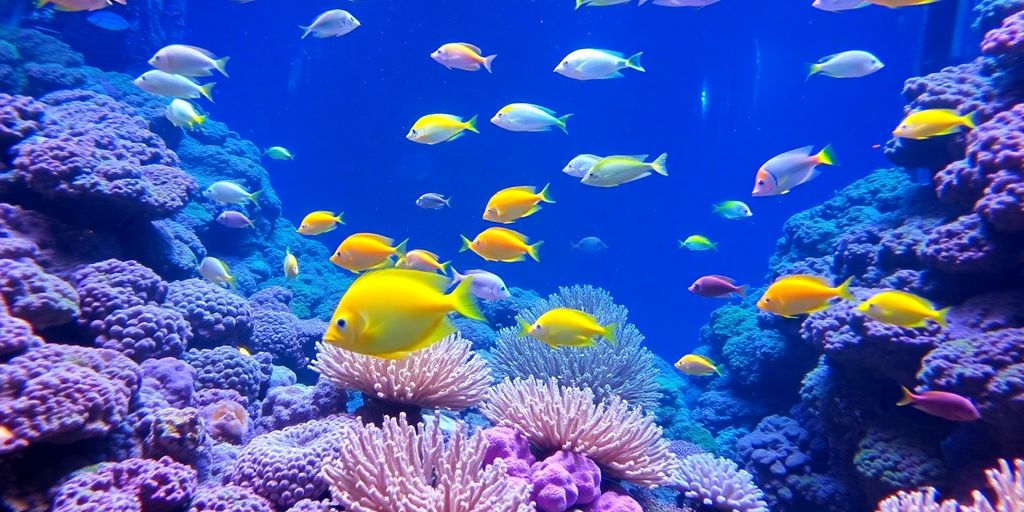
Types of Fish Food
Choosing the right fish food is essential for the health of your reef aquarium. Here are some common types:
- Flakes: Easy to use and suitable for many fish.
- Pellets: Nutrient-rich and often preferred by larger fish.
- Freeze-Dried: Great for variety and can include options like bloodworms.
- Frozen Food: Provides a natural diet and is often more appealing to fish.
Feeding Guidelines
To keep your fish healthy, follow these feeding guidelines:
- Feed small amounts 2-3 times a day.
- Remove uneaten food after a few minutes to maintain water quality.
- Vary the diet to include different types of food for balanced nutrition.
Benefits of High-Quality Fish Food
Using high-quality fish food can lead to:
- Improved health: Fish are less likely to get sick.
- Enhanced colors: Quality food can make your fish look more vibrant.
- Less waste: Good food breaks down better, keeping your tank cleaner.
Remember, the right food is key to a thriving reef tank. Regularly check your fish’s health and adjust their diet as needed.
| Food Type | Nutritional Value | Best For |
|---|---|---|
| Flakes | Moderate | Small to medium fish |
| Pellets | High | Larger fish |
| Freeze-Dried | High | All fish |
| Frozen Food | Very High | All fish, especially carnivores |
Aquarium Lighting: Key to a Thriving Reef
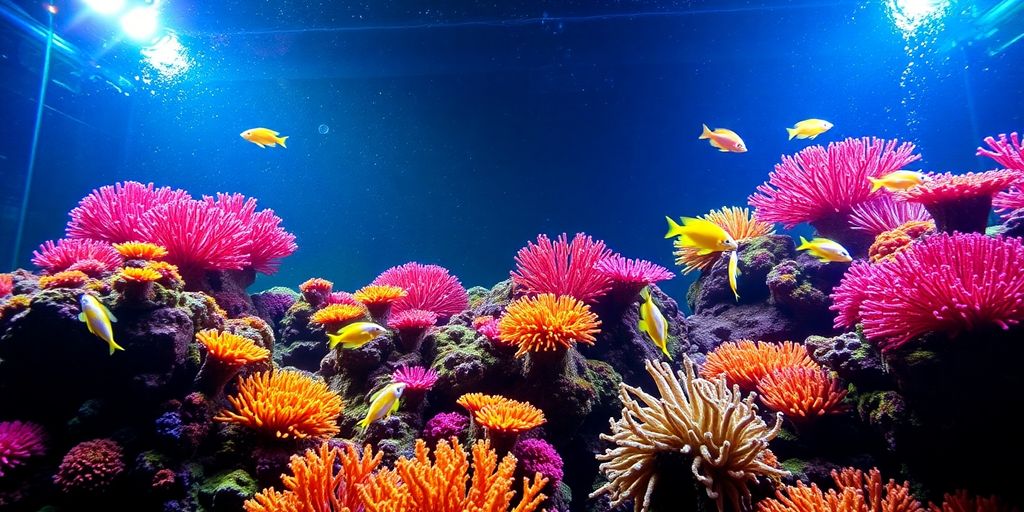
Types of Aquarium Lights
When it comes to lighting your reef tank, there are several options to consider:
- LED Lights: These are energy-efficient and can mimic natural light cycles, making them a popular choice.
- Metal Halide Lights: Known for their intensity, these lights are great for larger tanks but can generate heat.
- T5 Fluorescent Lights: These provide a good balance of light and energy efficiency, suitable for various tank sizes.
Choosing the Right Light for Your Reef
Selecting the right lighting is crucial for the health of your corals and fish. Here are some tips:
- Consider the Type of Coral: Different corals have varying light requirements.
- Tank Size: Larger tanks may need multiple light sources to ensure even coverage.
- Light Spectrum: Look for lights that provide a full spectrum to support photosynthesis.
Installation and Maintenance of Aquarium Lights
Proper installation and maintenance of your aquarium lights can enhance their performance:
- Mounting: Ensure lights are securely mounted above the tank.
- Cleaning: Regularly clean the light fixtures to prevent dust buildup.
- Schedule: Set a timer to maintain a consistent light cycle, as lighting matters for coral health.
Remember: A well-lit aquarium not only looks beautiful but also supports a thriving ecosystem. Investing in quality aquarium kits and cabinets can help streamline your setup and maintenance process.
Understanding Aquarium Filter Media
Types of Filter Media
Aquarium filter media is essential for maintaining a clean and healthy environment for your fish. There are three main types of filter media:
- Mechanical Filter Media: This type physically removes debris and particles from the water. Examples include sponges and filter pads.
- Biological Filter Media: This media supports beneficial bacteria that break down harmful substances like ammonia and nitrites. Common options are ceramic rings and bio-balls.
- Chemical Filter Media: This type removes impurities from the water using chemical reactions. Activated carbon is a popular choice for this purpose.
How to Choose the Right Filter Media
When selecting filter media, consider the following:
- Tank Size: Larger tanks may require more media.
- Type of Fish: Different fish have different needs, so choose media that suits your aquatic life.
- Filtration System: Ensure the media is compatible with your filter type.
Maintenance and Replacement Tips
To keep your filter media effective:
- Regular Cleaning: Rinse mechanical media in tank water to avoid killing beneficial bacteria.
- Monitor Condition: Replace media when it appears worn or clogged.
- Follow Manufacturer Guidelines: Always check the instructions for specific maintenance recommendations.
Remember, quality aquarium filter media is crucial for a thriving aquatic environment.
Aquarium Kits and Cabinets: A Comprehensive Guide
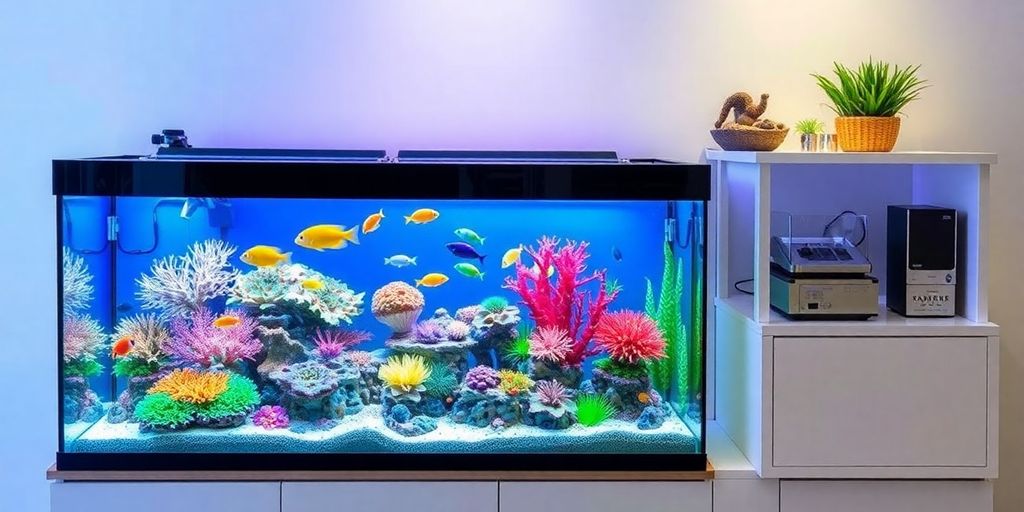
Types of Aquarium Kits
When starting your aquarium journey, choosing the right kit is essential. Here are some popular types:
- Complete Kits: These include everything you need, from the tank to the filter and heater.
- Nano Kits: Perfect for small spaces, these kits are compact and often come with built-in filtration.
- Custom Kits: For those who want to personalize their setup, these allow you to choose each component separately.
Choosing the Right Cabinet
Selecting a cabinet for your aquarium is just as important as the tank itself. Consider the following:
- Size: Ensure the cabinet can support the weight of your aquarium when filled with water.
- Material: Look for sturdy materials like wood or metal that can withstand moisture.
- Design: Choose a style that complements your home decor.
Installation and Setup Tips
Setting up your aquarium kit can be straightforward if you follow these steps:
- Read the Instructions: Always start by reading the manual that comes with your kit.
- Level the Tank: Make sure your aquarium is on a flat surface to prevent leaks.
- Add Equipment: Install the filter, heater, and any other equipment before adding water.
Remember, a well-chosen aquarium kit can make your setup process much easier and more enjoyable.
In addition to aquarium kits, don’t forget about Reptile Products if you’re considering a mixed setup. They can enhance your overall aquatic environment and provide a unique aesthetic.
Summary Table of Aquarium Kits
| Type of Kit | Features | Price Range |
|---|---|---|
| Complete Kits | All-in-one setup | $100 – $500 |
| Nano Kits | Compact, ideal for small spaces | $50 – $200 |
| Custom Kits | Personalized components | Varies |
Must-Have Aquarium Accessories
When setting up a reef tank, having the right aquarium accessories is essential for maintaining a healthy environment for your fish and corals. Here are some must-have items:
Essential Accessories for Reef Tanks
- Aquarium Test Strips: These are crucial for monitoring water quality. They help you check levels of ammonia, nitrite, nitrate, and pH.
- Protein Skimmers: These devices remove organic waste from the water, keeping it clean and clear.
- Aquarium Heaters: Maintaining the right temperature is vital for the health of your aquatic life.
How to Choose the Right Accessories
- Assess Your Tank Size: Different tanks require different sizes and types of accessories.
- Consider Your Inhabitants: The needs of your fish and corals will dictate what accessories are necessary.
- Quality Matters: Always opt for high-quality products to ensure the longevity and health of your aquarium.
Maintenance Tips for Accessories
- Regularly clean your accessories to prevent buildup of algae and waste.
- Check the functionality of heaters and filters monthly.
- Replace any worn-out parts promptly to keep your tank running smoothly.
Remember, the right accessories can make a significant difference in the health and beauty of your reef tank. Investing in quality items will pay off in the long run!
Spare Parts: Keeping Your Reef Tank Running Smoothly
Maintaining a healthy reef tank requires attention to detail, especially when it comes to spare parts. These components are essential for ensuring that your aquarium operates smoothly. Regularly checking and replacing spare parts can prevent major issues down the line.
Common Spare Parts for Reef Tanks
- Aquarium Pumps and Filters: These are crucial for maintaining water quality. Regularly inspect them for wear and tear.
- Heaters: Ensure your heater is functioning properly to keep the water at the right temperature for your marine life.
- Lighting Components: Replace bulbs and fixtures as needed to provide adequate light for your corals.
How to Choose Quality Spare Parts
- Research Brands: Look for reputable brands known for their reliability and quality.
- Read Reviews: Check customer feedback to gauge the performance of specific parts.
- Consider Compatibility: Ensure that the spare parts you choose are compatible with your existing equipment.
Tips for Replacing Spare Parts
- Keep a Spare Inventory: Always have essential spare parts on hand to avoid downtime.
- Regular Maintenance Checks: Schedule routine inspections to catch any issues early.
- Follow Manufacturer Guidelines: Adhere to the recommended replacement schedules provided by manufacturers.
Keeping your reef tank running smoothly is a combination of regular maintenance and timely replacement of spare parts. By staying proactive, you can ensure a thriving environment for your aquatic life.
Advanced Tips for Maintaining Your Reef Tank
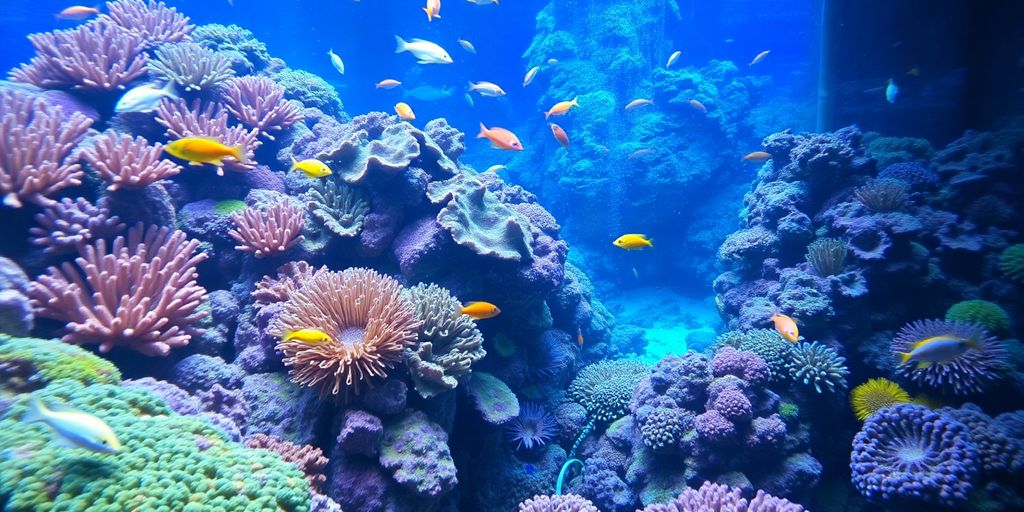
Maintaining a reef tank can be a rewarding experience, but it requires dedication and knowledge. Here are some advanced tips to help you keep your aquarium thriving.
Regular Maintenance Routines
Consistency is key in maintaining a healthy reef tank. Here are some essential tasks to include in your routine:
- Water Changes: Aim for 10-20% water changes every two weeks to remove toxins and replenish essential minerals. This helps maintain water quality and prevents algae growth.
- Testing Water Parameters: Regularly check pH, salinity, ammonia, nitrites, nitrates, calcium, alkalinity, and magnesium. Keeping these levels stable is crucial for the health of your corals and fish.
- Cleaning: Use algae magnets or scrapers to keep the glass clean. Regularly clean your filtration system to ensure it operates efficiently.
Troubleshooting Common Issues
Even with the best care, problems can arise. Here are some common issues and how to address them:
- Algae Overgrowth: If you notice excessive algae, reduce feeding, increase water changes, and consider adding more cleanup crew members like snails and hermit crabs.
- Pest Infestations: Keep an eye out for pests like bristle worms and aptasia. Manual removal or introducing natural predators can help manage these pests.
- Coral Health: If your corals look stressed, check your lighting and water flow. Adjusting these factors can often help them recover.
Advanced Techniques for Experienced Aquarists
For those looking to take their reef tank to the next level, consider these advanced techniques:
- Quarantine New Arrivals: Always quarantine new fish or corals before adding them to your main tank. This helps prevent the spread of diseases.
- Use Quality Test Kits: Invest in high-quality test kits, like those from Advatec, to ensure accurate readings of your water parameters.
- Monitor for Stability: Avoid making drastic changes to your tank. Stability is essential for the health of your reef ecosystem.
Remember, maintaining a reef tank is a journey. Enjoy the process and take time to appreciate the beauty of your underwater world!
Keeping your reef tank healthy is key to a thriving underwater world. Regular water tests, proper feeding, and maintaining the right temperature can make a big difference. For more tips and to find the best products for your tank, visit our website today!
Final Thoughts on Selecting the Right Reef Supplies
Choosing the right supplies for your reef aquarium is key to creating a healthy and beautiful underwater world. Remember to think about the needs of your fish and corals, as well as the size of your tank. Take your time to research different products and brands, and don’t hesitate to ask for help if you’re unsure. With the right equipment and care, your reef tank can thrive, bringing joy and a piece of the ocean into your home. Enjoy the journey of reef keeping, and may your aquarium flourish!
Frequently Asked Questions
What is reef supply?
Reef supply refers to the products and equipment needed to maintain a healthy reef aquarium. This includes items like test strips, filters, pumps, heaters, fish food, and lighting.
Why is quality reef supply important?
Using high-quality reef supplies is crucial because it helps keep your aquarium environment stable and safe for your fish and corals. Poor-quality supplies can lead to problems like disease or poor water conditions.
What types of aquarium test strips are available?
There are several types of test strips for aquariums, including those that measure pH, nitrate, nitrite, ammonia, and more. Each type helps you monitor different aspects of your water quality.
How do I choose the right aquarium filter?
Choosing the right aquarium filter depends on the size of your tank and the type of fish and corals you have. Look for filters that match your tank’s needs and ensure they provide adequate water flow and filtration.
What are the best heaters for reef tanks?
The best heaters for reef tanks are typically glass or plastic heaters that maintain a stable temperature. Look for heaters with adjustable settings and safety features to prevent overheating.
What should I feed my reef fish?
Reef fish should be fed a balanced diet that includes high-quality flakes, pellets, and frozen foods. It’s important to provide a variety of foods to ensure they get all the nutrients they need.
How do I choose the right lighting for my aquarium?
When choosing lighting for your aquarium, consider the type of corals and plants you have. LED lights are often recommended because they are energy-efficient and can simulate natural sunlight.
What spare parts should I keep for my reef tank?
Common spare parts for reef tanks include replacement filters, pumps, and heater components. Keeping these on hand can help you quickly fix any issues that arise.