Ordering live freshwater fish online can seem challenging, but with the right guidance, it can be a smooth experience. This guide will help aquarists understand how to choose the best vendors, prepare their tanks, and care for their new fish. From selecting the right species to ensuring a safe delivery, we’ve got you covered.
Key Takeaways
- Research and choose reputable online fish stores before making a purchase.
- Always read customer reviews to gauge the quality of the vendor’s service.
- Make sure to understand the shipping methods and what to expect during transit.
- Prepare your aquarium well in advance to ensure a safe environment for your new fish.
- Know your rights regarding returns and refunds in case of any issues with your order.
Choosing the Right Online Store to Order Live Freshwater Fish
When it comes to buying live freshwater fish online, choosing the right store is crucial. Here are some tips to help you make the best choice:
Researching Reputable Vendors
- Look for stores with a good reputation.
- Check if they specialize in freshwater fish.
- Ensure they have a variety of species available.
Reading Customer Reviews
- Read reviews to see what other customers say about their experiences.
- Pay attention to comments about fish health and shipping.
- Look for stores that respond well to customer feedback.
Checking for Certifications
- Verify if the store has any certifications for quality.
- Check if they follow ethical sourcing practices.
- Ensure they have a good DOA (Dead on Arrival) policy.
| Store Name | Specialization | Customer Rating |
|---|---|---|
| Aquarium Fish Depot | Freshwater & Saltwater Fish | 4.5/5 |
| Natural Environment Aquatix | Tropical Fish & Aquatic Plants | 4.7/5 |
| Arizona Aquatic Gardens | Rare Fish Species | 4.6/5 |
Always remember, the best online stores not only sell fish but also provide excellent customer service and support.
By following these steps, you can find a reliable online store to order your new aquatic friends!
Understanding Shipping Methods for Live Freshwater Fish
When ordering live freshwater fish online, understanding the shipping methods is crucial for ensuring the health and safety of your new pets. Choosing the right shipping method can make a big difference. Here are some key points to consider:
Overnight Shipping vs. Standard Shipping
- Overnight Shipping: This is the fastest option, ensuring that your fish arrive quickly, reducing stress and potential health issues.
- Standard Shipping: This is usually cheaper but may take longer, which can be risky for live fish.
Temperature Control During Transit
- Fish are sensitive to temperature changes. Many vendors use insulated boxes and heat packs to maintain a stable environment during shipping.
- Always check the vendor’s shipping policies to ensure they prioritize temperature control.
Handling Delays and Mishaps
- Delays can happen due to weather or other unforeseen circumstances. It’s important to know the vendor’s policy on handling such situations.
- Look for vendors that offer a DOA (Dead on Arrival) guarantee, which can provide peace of mind in case something goes wrong during shipping.
| Shipping Method | Cost | Delivery Time | Temperature Control |
|---|---|---|---|
| Overnight Shipping | Higher | 1 Day | Yes |
| Standard Shipping | Lower | 2-5 Days | Limited |
Always communicate with your seller about your shipping preferences and any concerns you may have. This can help ensure a smooth process and healthy fish upon arrival.
Preparing Your Aquarium for New Arrivals
When you’re ready to welcome new fish into your aquarium, it’s crucial to ensure that your setup is ready for them. Proper preparation can make a big difference in the health and happiness of your new aquatic friends. Here are the key steps to take:
Cycling Your Tank
- Cycling is essential for establishing beneficial bacteria that help break down fish waste. You can do a fish-in cycle or a fishless cycle.
- For a fish-in cycle, feed lightly for at least two months and monitor the water parameters regularly.
- If you choose a fishless cycle, you can add ammonia to kickstart the process.
Setting Up a Quarantine Tank
- Always keep a new fish in a quarantine tank for at least four weeks. This helps prevent the spread of diseases to your main tank.
- Make sure the quarantine tank has its own filter and heater to maintain stable conditions.
- Monitor the new fish closely for any signs of illness during this period.
Adjusting Water Parameters
- Before introducing new fish, check the water parameters such as pH, temperature, and ammonia levels.
- Use a testing kit to ensure that the water is safe for your new arrivals.
- Make any necessary adjustments gradually to avoid shocking the fish.
Remember, a well-prepared aquarium is key to a successful introduction of new fish. Taking these steps will help ensure a smooth transition for your aquatic pets!
Selecting the Best Species for Your Aquarium
Choosing the right fish for your aquarium is crucial for a healthy and harmonious environment. Compatibility is key when selecting species to ensure they can coexist peacefully.
Community Fish vs. Aggressive Fish
- Community Fish: These are generally peaceful and can live with other species. Examples include:
- Aggressive Fish: These species may not get along with others and can be territorial. Examples include:
Compatibility with Existing Fish
Before adding new fish, consider the following:
- Size: Ensure new fish are not too small or too large compared to existing ones.
- Temperament: Research the behavior of potential new additions to avoid conflicts.
- Water Requirements: Check if the new species thrive in the same water conditions as your current fish.
Special Care Requirements
Some fish have unique needs that must be met:
- Diet: Some may require specific types of food, like high-protein diets for carnivorous species.
- Habitat: Certain fish need specific tank setups, such as hiding spots or open swimming areas.
- Water Parameters: Regularly monitor pH, temperature, and hardness to keep all species healthy.
Remember, the right mix of fish can create a vibrant and lively aquarium. Always do your research before making a purchase!
Placing Your Order: Tips and Tricks
Timing Your Purchase
When ordering live fish, timing is crucial. Here are some tips to consider:
- Avoid ordering during extreme weather conditions.
- Check the vendor’s shipping schedule to ensure your fish arrive safely.
- Plan your order around your aquarium’s readiness.
Communicating with the Seller
Good communication can make a big difference. Here’s how:
- Ask about the fish’s health and care requirements.
- Inquire about shipping methods and timing.
- Confirm the vendor’s return policy in case of issues.
Understanding Return and Refund Policies
Before placing your order, make sure you know the rules:
- Check if the vendor offers a guarantee on live arrival.
- Understand the process for returns if the fish arrive unhealthy.
- Look for any hidden fees related to returns or refunds.
Remember, ordering fish online can be a rewarding experience, but it requires careful planning and communication to ensure your new aquatic friends thrive.
In summary, when you’re ready to order your live freshwater aquarium fish for sale, keep these tips in mind to ensure a smooth process. Whether you’re looking for a beautiful rare freshwater tropical fish like arowana or betta, being prepared will help you enjoy your new additions to the tank!
Unboxing and Acclimating Your New Fish
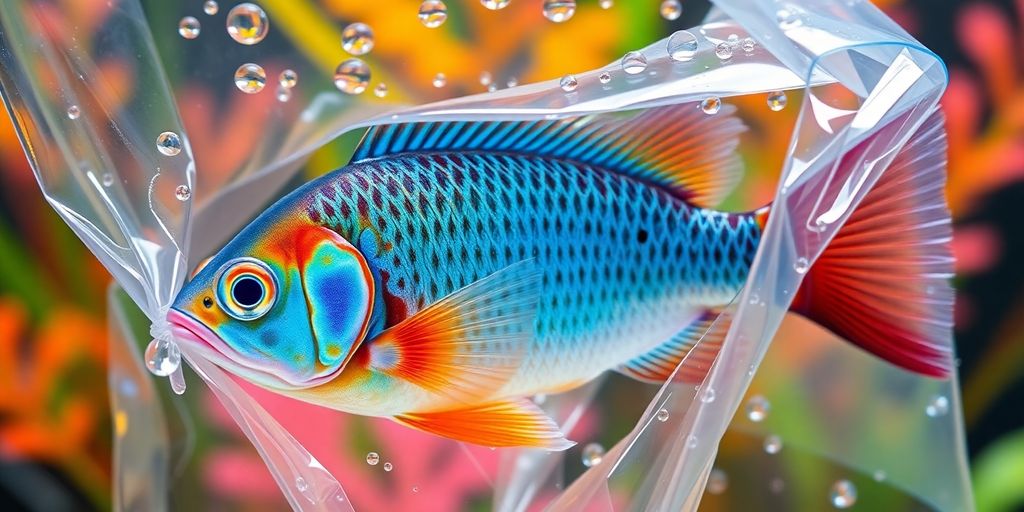
When your new fish arrive, it’s an exciting moment! However, it’s important to handle the unboxing and acclimation process carefully to ensure your fish thrive in their new home.
Inspecting the Shipment
- Check the packaging: Make sure the box is intact and there are no signs of damage.
- Look at the fish: Observe the fish in their bags. They should be swimming actively and not showing signs of distress.
- Temperature check: Ensure the water temperature in the bags is close to your tank’s temperature.
Acclimation Techniques
- Drip acclimation: This method is the best way to introduce your fish to the new environment. It helps them adjust to differences in water chemistry. Here’s how to do it:
- Place the fish bag in your tank to equalize the temperature for about 15-20 minutes.
- Open the bag and roll down the top to create a float.
- Use a siphon to slowly add tank water to the bag over 1-2 hours.
- Once the water volume in the bag has doubled, gently release the fish into the tank.
Introducing Fish to the Main Tank
- Turn off the lights: This helps reduce stress for the new fish.
- Release gently: Use a net to transfer the fish into the tank, avoiding adding bag water to your aquarium.
- Monitor closely: Keep an eye on the fish for the first few hours to ensure they are adjusting well.
Remember, patience is key! Allow your new fish time to explore their new environment and settle in.
By following these steps, you can help ensure a smooth transition for your new aquatic friends. Happy fishkeeping!
Feeding and Caring for Your New Fish
Choosing the Right Fish Food
When it comes to feeding your fish, variety is key. Different fish have different dietary needs, so it’s important to choose the right food. Here are some options:
- Flakes: Great for most small fish.
- Pellets: Ideal for larger fish.
- Frozen or live food: Such as brine shrimp or bloodworms, which many fish love.
Feeding Schedules
Establishing a feeding schedule helps maintain a healthy environment. Here’s a simple guide:
- Feed once or twice a day.
- Only give what they can eat in 2-3 minutes.
- Fast your fish one day a week to help with digestion.
Monitoring Fish Health
Keeping an eye on your fish is crucial. Look for these signs:
- Active swimming: Healthy fish are usually active.
- Eating well: If they’re not eating, it could be a sign of stress or illness.
- Clear skin and fins: Look for any discoloration or spots.
Remember, a well-fed fish is a happy fish! Proper care and feeding will enhance your aquarium experience and keep your fish thriving.
Summary Table of Fish Food Types
| Food Type | Best For | Notes |
|---|---|---|
| Flakes | Small fish | Easy to digest |
| Pellets | Larger fish | Sinks slowly |
| Frozen food | Most fish | Nutrient-rich |
| Live food | Carnivorous fish | Mimics natural diet |
Troubleshooting Common Issues
Identifying Signs of Stress
When your fish show signs of stress, it’s important to act quickly. Common signs include:
- Rapid gill movement
- Hiding or staying at the bottom
- Loss of appetite
If you notice these signs, check your water parameters immediately. Stress can lead to serious health issues, so monitoring is key.
Dealing with Illnesses
If your fish become ill, it’s crucial to identify the problem early. Here are some common illnesses:
- Ich: Look for white spots on the fish.
- Fin Rot: Check for frayed or discolored fins.
- Swim Bladder Disease: Watch for abnormal swimming behavior.
For treatment, consider using medications specifically designed for freshwater fish. Always follow the instructions carefully.
Handling Aggression
Aggressive behavior can disrupt your aquarium’s harmony. To manage this:
- Separate aggressive fish into a different tank.
- Add hiding spots in the main tank to reduce stress.
- Research compatibility before adding new fish.
Remember, a peaceful aquarium is a happy aquarium. Keeping an eye on your fish and their interactions can prevent many issues.
Summary Table of Common Issues
| Issue | Signs to Look For | Suggested Action |
|---|---|---|
| Stress | Rapid gill movement, hiding | Check water parameters |
| Illness (Ich) | White spots on fish | Use appropriate medication |
| Aggression | Fighting, chasing | Separate or add hiding spots |
Legal and Ethical Considerations
When ordering live freshwater fish online, it’s important to consider both legal and ethical aspects. Understanding local regulations is crucial to ensure you are compliant with laws regarding fish ownership and transportation. Here are some key points to keep in mind:
Understanding Local Regulations
- Know your state laws: Different states have varying laws about which fish can be kept and sold.
- Permits may be required: Some species may need special permits to own or transport.
- Check for invasive species: Ensure the fish you want to order are not considered invasive in your area.
Ethical Sourcing of Fish
- Choose reputable vendors: Look for sellers who prioritize the health and well-being of their fish.
- Avoid wild-caught fish: Whenever possible, opt for tank-bred fish to reduce environmental impact.
- Support sustainable practices: Purchase from vendors who follow ethical breeding and sourcing methods.
Environmental Impact
- Consider the ecosystem: Understand how your purchase may affect local ecosystems, especially if you plan to release fish into the wild.
- Educate yourself on fish care: Proper care can prevent fish from becoming a burden on local wildlife.
Remember, being a responsible aquarist means not just caring for your fish, but also considering the broader impact of your choices on the environment and local communities.
By keeping these considerations in mind, you can make informed decisions that benefit both your aquarium and the planet.
Enhancing Your Aquarium with Plants and Decorations
Creating a beautiful aquarium involves more than just adding fish; the right plants and decorations can transform your tank into a stunning aquatic landscape. Here’s how to enhance your aquarium effectively:
Choosing Suitable Plants
- Live Plants: They provide natural filtration and oxygen, but require proper care. Research which plants thrive in your lighting conditions.
- Silk Plants: These are softer than plastic and can look more realistic. They are easy to maintain and last a long time.
- Plastic Plants: Durable and low-maintenance, but ensure they have no sharp edges that could harm your fish.
Adding Safe Decorations
- Aquarium-Safe Materials: Always choose decorations labeled as safe for aquariums. Rinse them before adding to remove any chemicals.
- Natural Elements: Consider using rocks, driftwood, or coral to create a more natural environment.
- Avoid Pesticides: Be cautious with decorations from other habitats, as they may be treated with harmful substances.
Maintaining Aesthetic Balance
- Placement: Arrange plants and decorations to create hiding spots for fish while ensuring open swimming areas.
- Regular Maintenance: Trim plants regularly to promote healthy growth and prevent overcrowding.
- Color Coordination: Choose decorations that complement the colors of your fish and plants for a harmonious look.
Remember, a well-decorated aquarium not only looks good but also provides a healthy environment for your fish. Regular care and attention to detail will keep your aquatic habitat thriving!
Advanced Tips for Experienced Aquarists
Breeding Freshwater Fish
Breeding fish can be a rewarding experience. Here are some tips to get started:
- Research the species you want to breed; different fish have unique requirements.
- Set up a separate breeding tank to avoid stress on the main tank.
- Monitor water conditions closely, as they can affect breeding success.
Creating a Biotope Aquarium
A biotope aquarium mimics a specific natural environment. To create one:
- Choose a specific region or habitat to replicate.
- Select plants and fish that naturally coexist in that environment.
- Use appropriate substrate and decorations to enhance realism.
Using Advanced Filtration Systems
Proper filtration is crucial for maintaining water quality. Consider these options:
- Canister filters for larger tanks.
- Sponge filters for breeding or fry tanks.
- UV sterilizers to control algae and pathogens.
A well-maintained aquarium not only looks beautiful but also provides a healthy environment for your fish. Regular checks and adjustments can prevent many common issues.
By following these advanced tips, you can enhance your aquarium experience and ensure a thriving aquatic community. Remember, patience and dedication are key to successful fishkeeping!
Building a Community of Fellow Aquarists
Creating a network of fellow aquarists can greatly enhance your fishkeeping experience. Joining a community allows you to share knowledge, tips, and even fish! Here are some ways to connect with others in the hobby:
Joining Online Forums
- Participate in discussions on platforms like Reddit or specialized aquarium forums.
- Ask questions and share your experiences to learn from others.
- Look for threads about local meetups or events.
Participating in Local Clubs
- Search for local aquarium clubs in your area. These clubs often host events and auctions where you can buy or trade fish and plants.
- Clubs are a great way to meet experienced aquarists who can offer valuable advice.
- You can find clubs through social media or community boards.
Attending Aquarist Events
- Look for aquarium expos or conventions. These events often feature vendors, speakers, and workshops.
- Networking at these events can lead to friendships and partnerships in the hobby.
- Bring your business cards or contact information to share with new friends.
Building a community is not just about sharing fish; it’s about creating lasting friendships and learning together.
By engaging with fellow aquarists, you can enhance your knowledge and enjoyment of the hobby. Whether you’re a beginner or an expert, there’s always something new to learn from others!
Join our vibrant community of aquarists! Connect with fellow fish lovers, share tips, and learn from each other. Dive into discussions and discover new ideas to enhance your aquarium experience. Visit our website to get started and explore a world of aquatic wonders!
Final Thoughts on Ordering Freshwater Fish Online
Buying live freshwater fish online can be a fun and exciting experience. By following the tips in this guide, you can make sure your fish arrive healthy and happy. Always check the seller’s reputation and their return policy, especially for any issues like fish arriving sick. Remember to prepare your tank before the fish arrive and be ready to receive them right away. With a little care and research, you can enjoy a beautiful aquarium filled with vibrant fish.
Frequently Asked Questions
How do I choose a good online store for buying fish?
Look for stores with good reviews, a variety of fish, and customer support. Check if they have certifications to ensure quality.
What shipping options are available for live fish?
You can choose between overnight shipping for fast delivery or standard shipping. Make sure to check how they control temperature during shipping.
How should I prepare my aquarium before new fish arrive?
Cycle your tank to establish good bacteria, set up a quarantine tank, and adjust the water parameters to match the needs of your new fish.
What types of fish should I consider for my aquarium?
Think about whether you want community fish that get along or more aggressive types. Also, check if they will be compatible with your current fish.
What tips should I follow when placing my order?
Consider the timing of your purchase, communicate with the seller about any questions, and understand their return and refund policies.
How do I acclimate my new fish once they arrive?
Inspect the shipment for any issues, use proper acclimation techniques, and introduce the fish to your main tank gradually.
What should I feed my new fish?
Choose the right type of fish food based on their species, set a feeding schedule, and keep an eye on their health.
What should I do if I notice problems with my fish?
Look for signs of stress or illness and learn how to handle aggression among fish to keep your aquarium healthy.