Starting a freshwater aquarium can be a fun and rewarding experience. However, it is important to have the right equipment to ensure a healthy environment for your fish. This guide will help you understand the essential equipment needed for beginners to set up and maintain a successful aquarium.
Key Takeaways
- Choose a tank size that fits your space and future fish needs.
- Invest in a reliable filtration system to keep the water clean.
- Select an appropriate heater to maintain the right temperature.
- Use proper lighting to support fish and plant health.
- Regularly test water quality to ensure a stable environment.
Choosing the Right Aquarium Tank
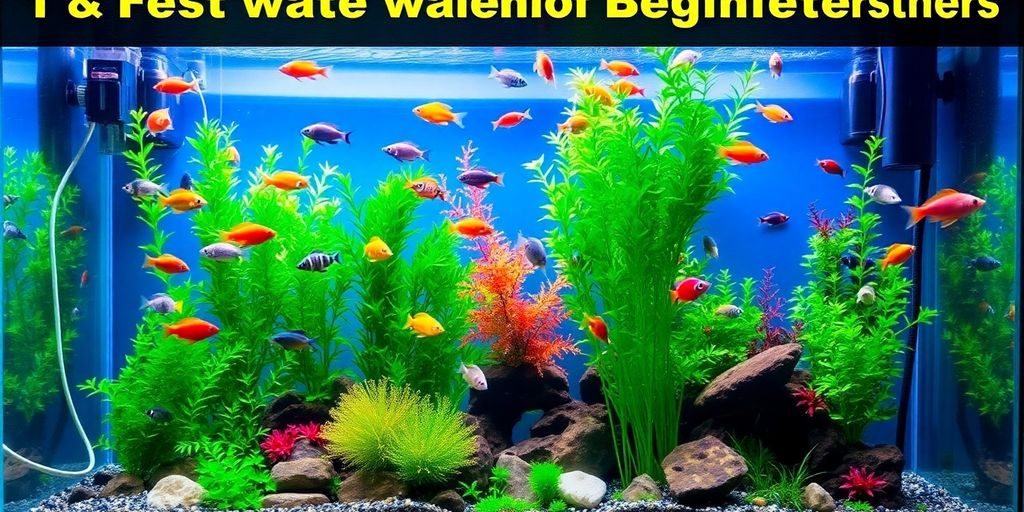
When starting your journey into the world of freshwater aquariums, selecting the right tank is crucial. Here are some key factors to consider:
Size and Shape Considerations
- Size: The size of your aquarium should be based on the space you have and the number of fish you plan to keep. A minimum of 20 gallons is recommended for beginners, as larger tanks provide a more stable environment.
- Shape: Common shapes include rectangular, cube, and bow-front. Rectangular tanks are often preferred because they offer more surface area for oxygen exchange, which is vital for fish health.
- Fish Species: Different fish species have varying space requirements. Research the species you want to keep to ensure they fit well in your chosen tank size.
Material: Glass vs. Acrylic
- Glass Tanks: Heavier and more durable, glass tanks are less prone to scratches and warping. They are a popular choice among aquarists.
- Acrylic Tanks: Lighter and more resistant to cracking, acrylic tanks can be easier to handle but may scratch more easily. They require support along the entire bottom surface.
Placement and Stand Requirements
- Weight Consideration: Remember that water weighs about 8.34 pounds per gallon. A 20-gallon tank can weigh over 200 pounds when filled, so ensure your stand can support this weight.
- Stand: Use a proper aquarium stand designed for the weight of your tank. Avoid using furniture not meant for aquariums, as it may not be sturdy enough.
Tip: Always check the manufacturer’s recommendations for tank placement and stand requirements to avoid accidents.
By considering these factors, you can create a thriving aquatic environment for your fish. Happy fishkeeping!
Essential Filtration Systems
Keeping your aquarium clean and healthy is crucial for your fish. A good filtration system is essential for maintaining water quality. There are three main types of filtration:
Types of Filters: Internal, External, and Sponge
- Mechanical Filtration: This type traps debris and particles as water passes through a filter pad.
- Chemical Filtration: Activated carbon is used to remove toxins from the water.
- Biological Filtration: Beneficial bacteria break down harmful substances like ammonia and nitrite.
| Filter Type | Best For | Example Products |
|---|---|---|
| Internal Filter | Small tanks | Aquael Turbo Internal Filter |
| External Filter | Medium to large tanks | Fluval 407 Performance Canister |
| Sponge Filter | Very small tanks | SunGrow Betta Fish Sponge Filter |
Choosing the Right Filter for Your Tank
When selecting a filter, consider the size of your aquarium and the type of fish you have. A filter should ideally cycle the entire tank water at least four times an hour. For example, a 20-gallon tank needs a filter with a flow rate of at least 80 gallons per hour (GPH).
Maintenance and Replacement
Regular maintenance is key to keeping your filter working well. Here are some tips:
- Clean or replace filter media as needed.
- Check for clogs regularly.
- Replace the entire filter system every few years.
Remember, a well-maintained filter not only keeps the water clean but also helps create a thriving aquatic environment for your fish. Regular testing of water parameters, such as ammonia levels, is crucial for fish health. Ammonia test strips can help monitor these levels effectively.
Heating Your Freshwater Aquarium
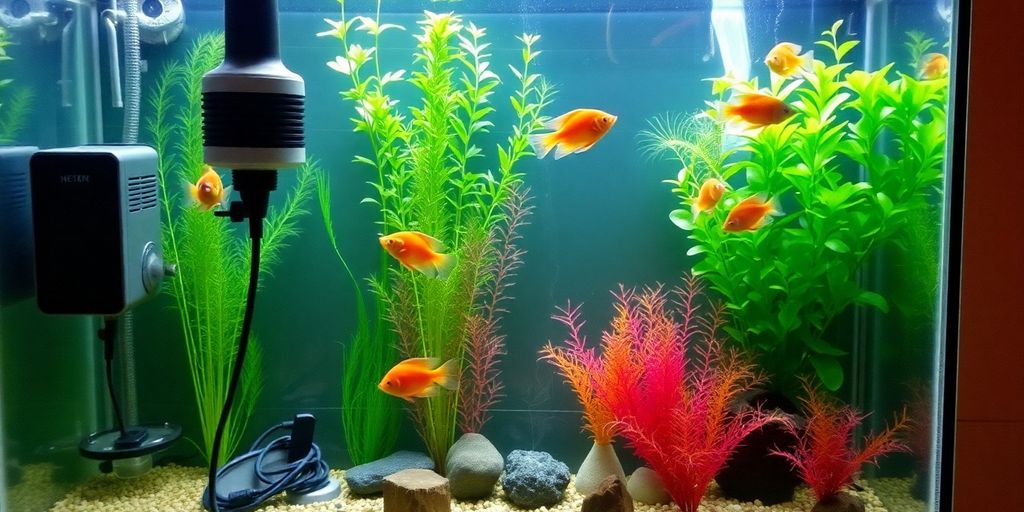
Keeping your fish comfortable is essential, and the right heater is key. Most tropical fish thrive in water temperatures between 75°F and 79°F. If your home temperature fluctuates, a heater will help maintain a stable environment.
Types of Aquarium Heaters
There are several types of heaters to consider:
- Hanging Heaters: These are easy to set up and often come with aquarium kits. They sit outside the tank and are great for beginners.
- Immersion Heaters: Also known as submersible heaters, these are commonly used. However, be cautious as they can harm fish if they get too close. Consider using a barrier for protection.
- In-line Heaters: These are built into the plumbing and are the safest option since fish cannot come into contact with them.
Selecting the Right Heater for Your Tank Size
To choose the right heater, follow these guidelines:
- Wattage: A general rule is to use 5 watts per gallon for smaller tanks and 3 watts per gallon for larger tanks.
- Size: For tanks over 40 gallons, consider using two smaller heaters for better heat distribution.
- Thermostat: Look for heaters with adjustable thermostats to maintain the desired temperature.
| Heater Type | Recommended Wattage | Suitable Tank Size |
|---|---|---|
| Hanging | 50-300W | Up to 100 gallons |
| Immersion | 50-300W | Up to 125 gallons |
| In-line | 300W | 90-125 gallons |
Maintaining Consistent Water Temperature
To ensure your heater is working properly:
- Purchase a thermometer to monitor the water temperature.
- Regularly check the heater for any signs of malfunction.
- Keep the heater clean and free from debris.
Remember, a stable environment is crucial for your fish’s health. Regular monitoring and maintenance will help you avoid issues.
In summary, choosing the right heater and maintaining it properly will create a comfortable habitat for your aquatic friends. Consider options like the mylivell 300W aquarium heater for larger tanks or the orlushy 300W adjustable heater for versatility. Both are excellent choices for beginners!
Lighting for Freshwater Aquariums
Lighting is a key part of setting up a freshwater aquarium. It not only helps you see your fish and plants but also supports their health. Choosing the right lighting can make a big difference in your aquarium’s success.
Types of Aquarium Lights
There are several types of lights you can use:
- Incandescent: These are common but not very energy-efficient.
- Fluorescent: A good choice for beginners; they are cooler and cost less to run.
- LED: These are the best option as they last longer and use less energy.
- Metal Halide: Great for larger tanks but can be expensive.
Choosing the Right Light Spectrum
Different fish and plants need different light spectrums. Here are some tips:
- Research your species: Know what your fish and plants need.
- Consider plant growth: If you have live plants, they may need specific light spectrums to thrive.
- Adjust brightness: Some fish prefer dimmer light, while others thrive in bright conditions.
Setting Up a Day-Night Cycle
To mimic natural conditions, set up a day-night cycle:
- Daytime: Keep lights on for 10-12 hours.
- Nighttime: Turn off the lights to give fish a rest.
Proper lighting is essential for a healthy aquarium. It helps create a natural environment for your fish and plants, ensuring they thrive.
Summary Table of Light Types
| Light Type | Energy Efficiency | Lifespan | Cost |
|---|---|---|---|
| Incandescent | Low | 1,000 hours | Low |
| Fluorescent | Medium | 10,000 hours | Medium |
| LED | High | 50,000 hours | High |
| Metal Halide | Medium | 10,000 hours | High |
Substrate and Decorations
Types of Substrate: Gravel vs. Sand
Choosing the right substrate is crucial for your aquarium. Gravel is a popular choice because it allows water to flow through easily and provides a surface for beneficial bacteria to grow. On the other hand, sand can be better for certain fish species that like to dig. Here’s a quick comparison:
| Feature | Gravel | Sand |
|---|---|---|
| Water Flow | Good | Moderate |
| Bacteria Growth | High | Low |
| Fish Compatibility | Most species | Some species |
Choosing Aquarium Decorations
Decorations not only make your aquarium look nice but also provide hiding spots for your fish. Here are some ideas:
- Rocks and caves: Great for fish that like to hide.
- Driftwood: Adds a natural look and can be a resting place for fish.
- Artificial plants: Easy to maintain and come in various styles.
Creating Hiding Spots for Fish
Fish feel safer when they have places to hide. Adding decorations like caves or dense plants can help reduce stress. Here are some tips:
- Use natural materials: Ensure that any rocks or wood are safe for your fish.
- Arrange strategically: Create open swimming areas while providing hiding spots.
- Avoid sharp edges: Make sure all decorations are smooth to prevent injury.
Remember, a well-decorated aquarium not only looks good but also creates a healthy environment for your fish. A balanced setup is key to a thriving aquarium!
Water Testing and Maintenance
Maintaining a healthy aquarium is crucial for the well-being of your fish. Regular water testing helps ensure that the environment remains safe and stable. Here’s what you need to know:
Essential Water Parameters to Monitor
To keep your fish happy and healthy, monitor these key water parameters:
- pH: Ideal range is between 6.5 and 7.5.
- Ammonia: Should be undetectable; high levels can be toxic.
- Nitrite: Also should be undetectable; it indicates a problem if present.
- Nitrate: Keep it as low as possible, ideally below 20 ppm.
| Parameter | Ideal Range | Importance |
|---|---|---|
| pH | 6.5 – 7.5 | Fish health |
| Ammonia | 0 ppm | Toxicity prevention |
| Nitrite | 0 ppm | Toxicity prevention |
| Nitrate | <20 ppm | Stress reduction |
Using Test Kits Effectively
Using test kits is essential for monitoring water quality. Here are some tips:
- Choose the Right Kit: Look for kits that test for ammonia, nitrite, nitrate, and pH.
- Follow Instructions: Always read the instructions carefully for accurate results.
- Test Regularly: Test your water at least once a month, or more often if you notice any issues.
Regular testing is vital for preventing problems before they affect your fish.
Regular Maintenance Schedule
To keep your aquarium in top shape, follow this maintenance schedule:
- Weekly: Check water parameters and perform partial water changes (20-30%).
- Monthly: Clean the tank, decorations, and substrate to prevent algae buildup.
- As Needed: Replace filter media and clean equipment to ensure optimal performance.
By following these guidelines, you can create a thriving environment for your fish. Remember, monitoring water quality is key to a successful aquarium!
Feeding Your Freshwater Fish
Types of Fish Food
When it comes to feeding your fish, there are several types of food to consider:
- Flakes: Great for most fish, easy to use.
- Pellets: Good for larger fish, they sink and are nutritious.
- Freeze-Dried: A treat for fish, like bloodworms or brine shrimp.
Feeding Schedules and Portions
To keep your fish healthy, follow these guidelines:
- Feed twice a day.
- Only give them what they can eat in about 5 minutes.
- Adjust portions based on the number of fish and their size.
Avoiding Overfeeding
Overfeeding can harm your fish and pollute the water. Here are some tips to prevent it:
- Monitor how much food is left after feeding.
- If food remains after 5 minutes, reduce the amount next time.
- Consider using a feeding schedule to keep track.
Keeping a consistent feeding routine helps maintain a healthy aquarium environment.
Summary
Feeding your fish properly is essential for their health. Choose the right type of food, stick to a schedule, and avoid overfeeding to ensure a thriving aquarium.
Aquarium Plants and Their Benefits
Types of Freshwater Aquarium Plants
Aquarium plants come in various types, each offering unique benefits:
- Foreground Plants: These are smaller plants that grow close to the substrate, like Dwarf Hairgrass and Java Moss.
- Midground Plants: These plants are taller and can provide a nice backdrop, such as Anubias and Cryptocoryne.
- Background Plants: Tall plants like Vallisneria and Amazon Sword create a lush background.
Benefits of Live Plants
Live plants are essential for a healthy aquarium. They help to:
- Improve water quality by absorbing excess nutrients.
- Provide oxygen through photosynthesis, which is vital for fish health.
- Offer hiding spots for fish, reducing stress and promoting natural behavior.
Plant Care and Maintenance
To keep your plants thriving, follow these simple steps:
- Ensure they receive adequate light, typically 8-10 hours a day.
- Use a suitable substrate that supports plant growth.
- Regularly trim dead leaves to encourage new growth.
Keeping live plants in your aquarium not only enhances its beauty but also creates a balanced ecosystem for your fish.
Summary Table of Common Freshwater Plants
| Plant Type | Light Requirement | Growth Rate |
|---|---|---|
| Dwarf Hairgrass | Moderate | Fast |
| Anubias | Low | Slow |
| Vallisneria | High | Moderate |
Stocking Your Freshwater Aquarium
When it comes to stocking your aquarium, there are a few key points to keep in mind to ensure a healthy and happy environment for your fish.
Choosing Compatible Fish Species
- Research different fish species to find out which ones can live together peacefully. Some fish are more aggressive than others, so compatibility is crucial.
- Consider the size of the fish when they are fully grown. Make sure your tank can accommodate them without overcrowding.
- Look for fish that thrive in similar water conditions, such as temperature and pH levels.
Introducing New Fish to the Tank
- Quarantine new fish in a separate tank for at least two weeks. This helps prevent any potential diseases from spreading to your main tank.
- Add only a few fish at a time to avoid shocking the aquarium’s biological system. This gradual introduction helps maintain water quality.
- Observe the behavior of the new fish closely for any signs of stress or aggression.
Avoiding Overcrowding
- A general rule is to allow one inch of fish per gallon of water. This helps maintain a balanced environment and reduces stress.
- Keep in mind that some fish, like goldfish, produce more waste than others, so they may require more space.
- Regularly monitor your fish and adjust the number as needed to keep the tank healthy.
Keeping your aquarium well-stocked with compatible fish can lead to a vibrant and lively environment. Take your time and enjoy the process!
Essential Aquarium Accessories
When setting up your aquarium, having the right accessories is crucial for maintaining a healthy environment for your fish. Here are some essential items you should consider:
Nets, Scrapers, and Siphons
- Fish Net: A must-have for safely catching and transferring fish. Look for a net with a fine mesh to avoid harming your fish.
- Algae Scraper: This tool helps keep your aquarium glass clean. You can choose between a manual scraper or a magnetic one for convenience.
- Siphon: Essential for performing water changes and cleaning the substrate. A gravel vacuum siphon is particularly effective for removing waste.
Backup Equipment
- Heater: Ensure your fish are comfortable by maintaining the right water temperature. A backup heater can be a lifesaver in case of failure.
- Filter: Having an extra filter on hand can help maintain water quality during emergencies.
- Air Pump: This is important for oxygenating the water, especially in densely stocked tanks.
Aquarium Cleaning Tools
- Gravel Vacuum: This tool helps remove debris from the substrate while performing water changes.
- Algae Pad: Use this to scrub off algae from the tank walls. Regular cleaning prevents algae buildup.
- Water Conditioner: Always treat tap water before adding it to your aquarium to remove harmful chemicals.
Remember, having the right accessories can make aquarium maintenance much easier and help keep your fish healthy.
By investing in these essential accessories, you can create a thriving environment for your aquatic pets. Happy fishkeeping!
Setting Up Your Aquarium
Setting up your aquarium can be an exciting journey! Here’s a simple guide to help you get started.
Step-by-Step Setup Guide
- Choose the Right Location: Find a flat, stable surface that can support the weight of your aquarium. Avoid direct sunlight to prevent algae growth.
- Clean Your Tank: Use a damp cloth to wipe the inside and outside of the tank. Do not use soap or any cleaning agents.
- Add Substrate: Pour in your chosen substrate, like gravel or sand, to create a base for your plants and decorations.
- Install Equipment: Set up your filter, heater, and any other equipment according to the manufacturer’s instructions.
- Fill with Water: Slowly fill the tank with dechlorinated water to avoid disturbing the substrate.
- Cycle Your Aquarium: Allow your tank to cycle for several weeks to establish beneficial bacteria before adding fish.
Cycling Your Aquarium
Cycling is crucial for creating a healthy environment for your fish. It helps establish beneficial bacteria that break down harmful waste. You can cycle your tank using:
- Fishless cycling: Add ammonia to start the process without fish.
- Fish cycling: Introduce a few hardy fish to help establish bacteria, but be cautious of their health.
Adding Fish and Plants
Once your tank is cycled, you can start adding fish and plants. Make sure to:
- Choose compatible species: Research fish that can live together peacefully.
- Introduce gradually: Add a few fish at a time to avoid overwhelming the tank.
Remember: Setting up your aquarium is just the beginning. Regular maintenance is key to keeping your fish happy and healthy!
Troubleshooting Common Issues
Identifying Common Problems
When keeping a freshwater aquarium, you may face various issues. Here are some common problems to watch for:
- Cloudy Water: This can be caused by overfeeding or a new tank cycle.
- Algae Growth: Excess light or nutrients can lead to algae blooms.
- Fish Behavior Changes: Look for signs of stress or illness, such as hiding or erratic swimming.
Solutions for Water Quality Issues
Maintaining good water quality is crucial for fish health. Here are some solutions:
- Regular Water Changes: Change 20-30% of the water every two weeks to keep it clean.
- Use Test Kits: Regularly test for pH, ammonia, nitrite, and nitrate levels to catch problems early.
- Adjust Filtration: Ensure your filter is working properly and is suitable for your tank size.
| Water Parameter | Ideal Range |
|---|---|
| pH | 6.5 – 7.5 |
| Ammonia | 0 ppm |
| Nitrite | 0 ppm |
| Nitrate | < 20 ppm |
Dealing with Fish Health Problems
If your fish show signs of illness, take action quickly:
- Isolate Sick Fish: Move them to a quarantine tank to prevent spreading disease.
- Consult a Vet: If symptoms persist, seek advice from an aquatic veterinarian.
- Monitor Water Conditions: Ensure the water parameters are within the ideal range to support recovery.
Remember: Regular maintenance and monitoring can prevent many common issues in your aquarium. Stay proactive to keep your fish healthy and happy!
If you’re facing issues with your aquarium setup, don’t worry! Many common problems can be fixed easily. Check out our website for helpful tips and solutions to get your aquarium back on track. Visit us today!
Final Thoughts on Freshwater Aquarium Essentials
Starting a freshwater aquarium can be a fun and rewarding hobby. With the right equipment, you can create a beautiful home for your fish. Remember to choose a good filter, heater, and lighting to keep your tank healthy. Regularly test your water to ensure it stays clean and safe for your fish. By taking care of your aquarium, you’ll enjoy watching your fish thrive and grow. So, gather your supplies, set up your tank, and dive into the wonderful world of fishkeeping!
Frequently Asked Questions
What size aquarium should I start with?
For beginners, a tank of at least 20 gallons is a good choice. Larger tanks are easier to maintain and provide a more stable environment for fish.
Do I need a filter for my aquarium?
Yes, a filter is essential for keeping the water clean and healthy for your fish. It helps remove waste and provides oxygen.
How often should I change the water in my aquarium?
It’s best to change about 10-15% of the water weekly to keep it clean and safe for your fish.
What type of food should I give my fish?
Different fish have different diets. Most freshwater fish eat flakes or pellets, but some may need special food like frozen or freeze-dried options.
How do I know if my fish are healthy?
Healthy fish are active, have bright colors, and eat well. If they are hiding a lot or not eating, they may be stressed or sick.
Can I keep different types of fish together?
Yes, but it’s important to research which species are compatible. Some fish can be aggressive or have different water needs.
What lighting do I need for my aquarium?
LED lights are a great choice because they are energy-efficient and provide good light for both fish and plants.
How do I set up my aquarium?
Start by cleaning the tank, adding substrate, setting up the filter and heater, and then filling it with water. Let it cycle for a few weeks before adding fish.