Setting up a freshwater aquarium can be an exciting adventure, whether you’re a beginner or a seasoned fish keeper. With so many options to choose from, it’s essential to know what to look for when selecting the perfect tank. This guide will help you explore the best freshwater aquariums available, along with tips on essential equipment, fish selection, and maintenance, ensuring a vibrant and healthy aquatic environment for your fish.
Key Takeaways
- Choose the right size tank based on your space and fish needs.
- Consider different shapes of aquariums for better aesthetics and fish health.
- Invest in quality equipment like filters, heaters, and lighting for a successful setup.
- Regular maintenance and water testing are crucial for a healthy aquarium.
- Explore various fish species to find compatible options for your tank.
Top Freshwater Aquariums for Sale: Find Your Perfect Match
When it comes to setting up a freshwater aquarium, finding the right tank is crucial. With so many options available, it can be overwhelming. Here’s a guide to help you navigate through the choices.
Best-Selling Aquarium Brands
- Fluval: Known for its high-quality filtration systems.
- Aqueon: Offers a variety of sizes and styles.
- Marina: Great for beginners with affordable options.
Popular Aquarium Sizes
| Size (Gallons) | Ideal For |
|---|---|
| 10 | Small fish or shrimp |
| 20 | Community tanks |
| 55 | Larger fish species |
Unique Aquarium Shapes
- Bow Front: Curved glass for a panoramic view.
- Cube: Compact and stylish, perfect for small spaces.
- Rimless: Sleek design that enhances visibility.
Choosing the right aquarium can make a big difference in the health and happiness of your fish. Always consider the space you have and the type of fish you want to keep!
Essential Equipment for Freshwater Aquariums
Setting up a freshwater aquarium requires several key pieces of equipment to ensure a healthy environment for your fish. Choosing the right equipment is crucial for maintaining water quality and fish health.
Choosing the Right Filtration System
A good filtration system is essential for keeping your aquarium clean. Here are some popular types:
- Hang-on-back (HOB) filters: Easy to install and maintain.
- Canister filters: Great for larger tanks and provide excellent filtration.
- Sponge filters: Ideal for breeding tanks and smaller setups.
| Filter Type | Pros | Cons |
|---|---|---|
| HOB Filters | Easy to use, affordable | Limited to tank size |
| Canister Filters | High efficiency, versatile | More expensive, complex setup |
| Sponge Filters | Gentle filtration, inexpensive | Limited flow rate |
Importance of Aquarium Heaters
Maintaining a stable water temperature is vital for fish health. Look for heaters that:
- Have the right wattage for your tank size.
- Feature adjustable thermostats for precise control.
- Are reliable and easy to install.
Lighting Options for Freshwater Tanks
Proper lighting helps create a natural environment for your fish and plants. Consider these options:
- LED lights: Energy-efficient and long-lasting.
- Fluorescent lights: Good for plant growth but may need replacement more often.
- Incandescent bulbs: Less common, but can be used for specific setups.
Remember, the right equipment not only enhances the beauty of your aquarium but also ensures a thriving habitat for your aquatic pets. Regular maintenance and monitoring are key to a successful aquarium experience!
Selecting the Ideal Fish for Your Freshwater Aquarium
Choosing the right fish for your aquarium is crucial for creating a vibrant and healthy environment. Different fish have unique needs, so understanding these can help you make the best choices.
Popular Freshwater Fish Species
Here are some popular fish species that are great for beginners:
- Goldfish: Hardy and easy to care for.
- Betta Fish: Colorful and can live alone.
- Tetras: Small and peaceful, perfect for community tanks.
Compatibility of Different Fish
When selecting fish, consider their compatibility:
- Aggressive vs. Peaceful: Some fish are territorial and may harm others.
- Schooling Fish: Fish like tetras prefer to be in groups.
- Size Differences: Ensure larger fish won’t eat smaller ones.
Feeding Requirements
Different fish have different diets. Here’s a quick guide:
| Fish Type | Diet Type | Feeding Frequency |
|---|---|---|
| Goldfish | Herbivore | 2-3 times a day |
| Betta Fish | Carnivore | Once a day |
| Tetras | Omnivore | 2-3 times a day |
Remember, researching your fish’s needs is essential for their health and happiness. This will help you create a thriving aquarium environment that both you and your fish will enjoy!
Aquarium Setup: Step-by-Step Guide
Setting up your aquarium can be a fun and rewarding experience. Follow these steps to create a beautiful and healthy environment for your fish.
Choosing the Right Location
- Pick a stable spot: Avoid areas with rapid temperature changes, like near windows or air vents.
- Ensure the surface can support the weight of the tank; remember, water is heavy—about eight pounds per gallon!
- Make sure there are power outlets nearby for your equipment.
Setting Up the Tank
- Clean the aquarium: Rinse it out to remove dust and check for any cracks.
- Place the aquarium stand in your chosen location and ensure it is level.
- Leave space behind the tank for filters and cords to make maintenance easier.
- Add any background decorations before filling the tank with water.
- Fill the tank about one-third full to check for leaks. If you see water pooling at the bottom, do not use this tank.
Adding Substrate and Decorations
- Install your filter according to the manufacturer’s instructions, but don’t turn it on yet.
- Rinse the substrate before adding it to the tank to remove dust.
- Arrange your decorations and plants to create a pleasing aquascape.
- Condition the water before filling the tank completely. Follow the instructions on your water conditioner.
- Finally, install the air stone and air pump to aerate the water.
- Fill the tank with the conditioned water.
Remember: Setting up your aquarium correctly from the start can help you avoid common pitfalls and create a thriving environment for your fish.
Summary Table
| Step | Action |
|---|---|
| 1 | Choose a stable location |
| 2 | Clean and inspect the tank |
| 3 | Set up the tank and add decorations |
| 4 | Condition the water |
| 5 | Fill the tank and install equipment |
Maintaining a Healthy Freshwater Aquarium
Keeping your freshwater aquarium healthy is essential for the well-being of your fish. Regular maintenance is key to ensuring a thriving aquatic environment. Here are some important steps to follow:
Regular Water Changes
- Change 10-20% of the water weekly to keep it clean and fresh.
- Avoid changing more than 50% at once, as this can stress your fish.
- Use a water conditioner to remove harmful chemicals from tap water.
Monitoring Water Quality
- Test your water regularly for pH, ammonia, nitrite, and nitrate levels. This helps you catch problems early.
- A simple water test kit can help you keep track of these important parameters.
Cleaning and Maintenance Tips
- Clean the aquarium glass and decorations to prevent algae growth.
- Check and clean your filter monthly to ensure it’s working properly.
- Remove any dead plants or fish immediately to maintain water quality.
| Maintenance Task | Frequency |
|---|---|
| Water Change | Weekly |
| Water Testing | Weekly |
| Filter Cleaning | Monthly |
Keeping your aquarium clean not only makes it look good but also creates a healthy habitat for your fish. Regular maintenance will help you enjoy your aquarium for years to come!
Aquarium Kits: All-in-One Solutions for Beginners
Starting your aquarium journey can be exciting yet overwhelming. Aquarium kits are perfect for beginners as they come with everything you need to get started. These kits typically include the tank, filtration system, heater, and sometimes even decorations and fish food.
Benefits of Aquarium Kits
- Convenience: All necessary equipment is included.
- Cost-effective: Buying a kit can be cheaper than purchasing items separately.
- Easy setup: Most kits come with clear instructions.
Top-Rated Aquarium Kits
| Brand | Size (Gallons) | Price Range |
|---|---|---|
| Aquael | 5 | $94.99 – $169.99 |
| Fluval | 12 | $259.99 – $319.99 |
| Aqueon | 20 | $105.49 – $189.99 |
What to Look for in an Aquarium Kit
- Tank Size: Choose a size that fits your space and desired fish.
- Filtration System: Ensure it’s suitable for the tank size.
- Heater: Check if it’s included and appropriate for your fish species.
Remember, starting with a good aquarium kit can make your experience enjoyable and successful. It sets the foundation for a thriving aquatic environment!
Customizing Your Freshwater Aquarium
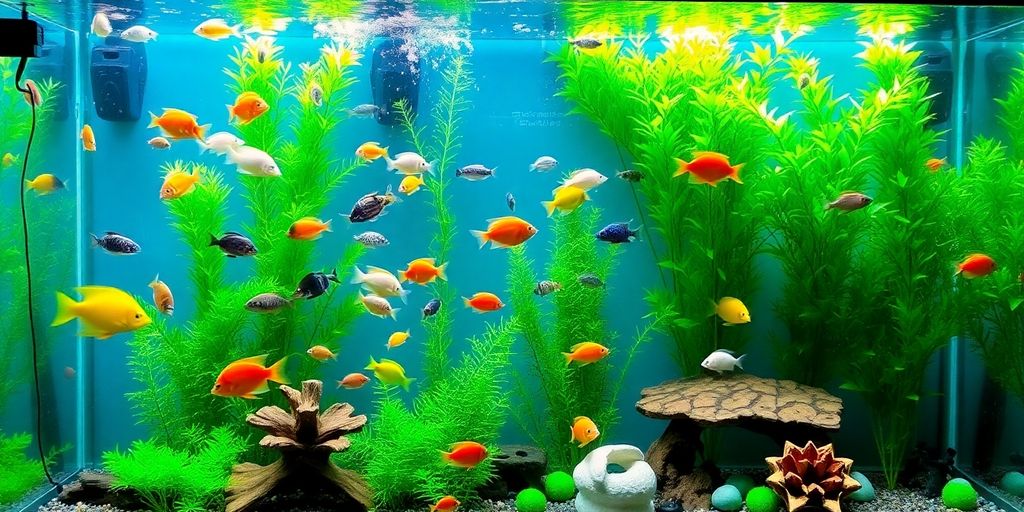
Creating a unique and beautiful aquarium is an exciting part of fishkeeping. Your aquarium can reflect your personal style and provide a healthy environment for your fish. Here are some ideas to help you customize your tank:
Aquascaping Ideas
- Use natural materials: Incorporate rocks, driftwood, and pebbles to create a natural look.
- Layer your substrate: Use different types of substrate to create depth and interest.
- Create hiding spots: Fish feel safer with places to hide, so add caves or plants.
Using Live Plants
- Benefits of live plants: They improve water quality and provide oxygen.
- Choose the right plants: Select plants that match your tank’s lighting and water conditions.
- Maintenance: Regularly trim and care for your plants to keep them healthy.
Incorporating Unique Decorations
- Personal touches: Add decorations that reflect your interests, like themed ornaments.
- Avoid harmful materials: Ensure all decorations are safe for aquatic life.
- Balance aesthetics and function: Make sure decorations do not obstruct water flow or fish movement.
Customizing your aquarium is not just about looks; it’s also about creating a thriving habitat for your fish.
By following these tips, you can create a stunning and functional aquarium that you and your fish will love!
Troubleshooting Common Freshwater Aquarium Problems
Identifying Fish Diseases
Fish can get sick just like any other pet. Knowing the signs of illness is crucial for keeping your fish healthy. Here are some common symptoms:
- Lethargy: Fish that are not swimming around much.
- Loss of appetite: If your fish are not eating, it could be a sign of illness.
- Visible spots or lesions: Look for white spots or sores on the fish’s body.
If you notice any of these signs, it’s important to act quickly. You can refer to a comprehensive guide to aquarium fish diseases for detailed advice on identifying and treating these issues.
Dealing with Algae Growth
Algae can be a common problem in aquariums. To manage it effectively, consider these tips:
- Limit light exposure: Too much light can cause algae to grow rapidly.
- Regular water changes: This helps keep nutrients low, which reduces algae growth.
- Use algae-eating fish: Certain fish can help control algae naturally.
Keeping nitrates low in the aquarium is essential, as this also helps keep phosphorus low, which is a key factor in algae growth.
Managing Water Parameters
Maintaining the right water conditions is vital for your fish’s health. Here’s a quick checklist:
- pH levels: Test regularly to ensure they are stable.
- Ammonia and nitrite levels: These should be at zero for a healthy tank.
- Temperature: Keep it consistent to avoid stressing your fish.
Regular testing of your water parameters is essential. It helps you catch problems early and keep your fish happy and healthy.
By following these guidelines, you can troubleshoot common issues in your freshwater aquarium and ensure a thriving environment for your fish.
Budget-Friendly Freshwater Aquariums for Sale
When looking for a freshwater aquarium, you don’t have to break the bank. There are many affordable options that still provide a great environment for your fish. Here’s what to consider:
Affordable Aquarium Options
- Size Matters: Smaller tanks are usually cheaper. A 10-gallon tank can be a great starter option.
- Material Choices: Glass tanks are more durable but can be pricier. Acrylic tanks are lighter and often less expensive.
- Brand Comparisons: Look for brands known for quality yet affordability, like Aqueon or Fluval.
Cost-Effective Equipment
- Filters: A good filter is essential. Look for budget-friendly options that still offer good filtration.
- Heaters: Make sure to get a reliable heater. Some brands offer good quality at lower prices.
- Lighting: LED lights are energy-efficient and can be found at reasonable prices.
Tips for Saving Money
- Buy Used: Check local listings for second-hand tanks and equipment.
- Start Small: Begin with a smaller tank to keep initial costs down.
- DIY Decor: Create your own decorations using safe materials from around your home.
Remember, starting a freshwater aquarium can be done on a budget. With careful planning and smart choices, you can create a beautiful aquatic environment without overspending!
Advanced Freshwater Aquarium Techniques
Creating a Biotope Aquarium
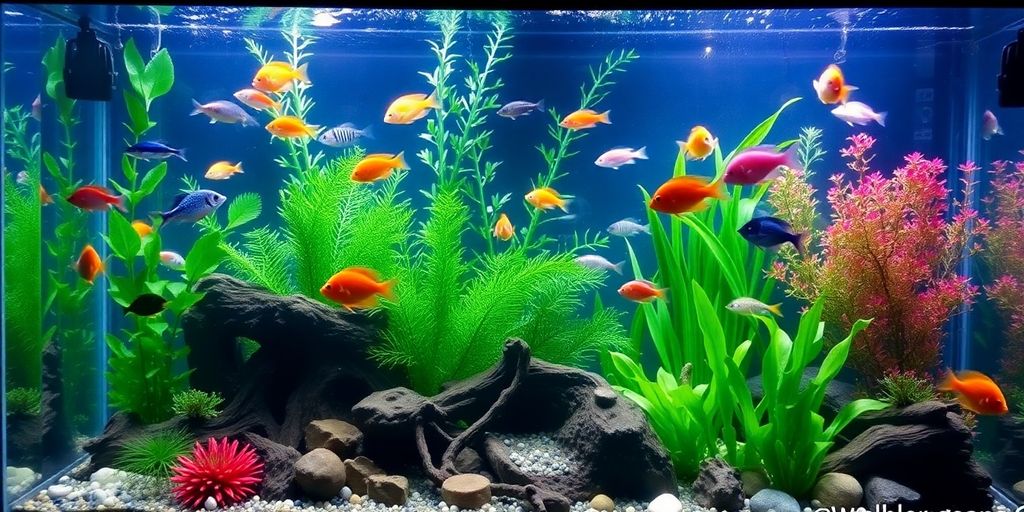
Creating a biotope aquarium means replicating a specific natural habitat. This involves selecting fish and plants that coexist in the same environment. This technique enhances the beauty and health of your aquarium. Here are some steps to consider:
- Research the natural habitat of your chosen fish species.
- Select plants and decorations that match the environment.
- Maintain water parameters similar to their natural habitat.
Breeding Freshwater Fish
Breeding fish can be a rewarding experience. Here are some tips:
- Choose the right species that are known to breed easily in captivity.
- Set up a separate breeding tank to protect the fry.
- Monitor water quality closely during the breeding process.
Advanced Filtration Methods
Using advanced filtration methods can greatly improve water quality. Consider these options:
- Canister filters for larger tanks.
- Sponge filters for breeding tanks.
- UV sterilizers to eliminate harmful bacteria.
Maintaining a healthy aquarium requires knowledge and dedication. Regular testing and adjustments can lead to a thriving aquatic environment.
| Filtration Type | Best For | Pros | Cons |
|---|---|---|---|
| Canister Filter | Large tanks | High efficiency | More expensive |
| Sponge Filter | Breeding tanks | Gentle filtration | Limited flow |
| UV Sterilizer | All tanks | Kills harmful organisms | Requires maintenance |
Aquarium Accessories to Enhance Your Setup
When setting up your freshwater aquarium, the right accessories can make a big difference. Choosing the right accessories not only improves the look of your tank but also helps maintain a healthy environment for your fish. Here are some essential accessories to consider:
Must-Have Accessories
- Filtration System: Keeps the water clean and clear.
- Heater: Maintains the right temperature for your fish.
- Lighting: Provides the necessary light for plants and fish.
Optional Enhancements
- Aquascaping Tools: Help create beautiful underwater landscapes.
- Air Pumps: Increase oxygen levels in the water.
- Decorations: Add personality and hiding spots for fish.
Where to Buy Quality Accessories
- Local Pet Stores: Often have a variety of options.
- Online Retailers: Can offer competitive prices and a wider selection.
- Aquarium Specialty Shops: Provide expert advice and high-quality products.
Remember, investing in quality accessories can lead to a more successful and enjoyable aquarium experience. Whether you’re a beginner or a seasoned aquarist, the right tools can help you create a thriving aquatic environment.
Understanding Freshwater Aquarium Chemistry
Maintaining a healthy aquarium requires understanding its chemistry. Water quality is crucial for the well-being of your fish and plants. Here are some key aspects to consider:
Importance of pH Levels
- The pH level indicates how acidic or basic the water is.
- Most freshwater fish thrive in a pH range of 6.5 to 7.5.
- Regular testing is essential to keep pH stable.
Balancing Ammonia and Nitrite
- Ammonia and nitrite are toxic to fish.
- Ammonia levels should be kept at 0 ppm to ensure fish health.
- Nitrite levels should also be monitored closely, as they can spike during the cycling process.
Using Water Conditioners
- Water conditioners help neutralize harmful chemicals in tap water.
- Always treat tap water before adding it to your aquarium.
- Consider using reverse osmosis (RO) water for better quality.
| Water Parameter | Ideal Range |
|---|---|
| pH | 6.5 – 7.5 |
| Ammonia | 0 ppm |
| Nitrite | 0 ppm |
| Nitrate | < 20 ppm |
Regular testing and adjustments are vital for a thriving aquarium. Keeping an eye on these parameters will help prevent stress and illness in your fish.
General Hardness (GH) and Carbonate Hardness (KH)
- GH measures the total concentration of dissolved minerals in the water.
- KH helps stabilize pH levels. Both GH and KH are important for fish health and should be monitored regularly.
By understanding these key aspects of aquarium chemistry, you can create a safe and healthy environment for your aquatic life.
Freshwater aquarium chemistry is essential for keeping your fish healthy and happy. Understanding the basics, like pH levels and ammonia, can make a big difference in your aquarium’s success. Want to learn more? Visit our website for tips and products that can help you create the perfect aquatic environment!
Final Thoughts on Choosing Your Freshwater Aquarium
In conclusion, picking the right freshwater aquarium is key to having a happy and healthy fish home. By considering factors like size, shape, and the type of fish you want, you can create a great environment for your aquatic friends. Remember to keep up with regular maintenance to ensure your tank stays clean and your fish thrive. With the right setup and care, your aquarium can be a beautiful and calming part of your home. Explore our selection of freshwater aquariums and start your journey into the world of fishkeeping today!
Frequently Asked Questions
What is the best size for a freshwater aquarium?
A good starting size for a freshwater aquarium is 20 gallons. Larger tanks are easier to maintain and provide a better environment for fish.
What types of fish can I keep in a freshwater aquarium?
You can choose from many fish types, like goldfish, tetras, and cichlids. Make sure to research which fish get along well together.
How often should I change the water in my aquarium?
It’s best to change 20-30% of the water every two weeks to keep it clean and healthy for your fish.
What equipment do I need for my aquarium?
You’ll need a filter, heater, light, and water conditioner. These help keep the water clean and at the right temperature.
How do I know if my fish are healthy?
Watch for signs like active swimming and good appetite. If they seem sick, look for issues like unusual swimming or not eating.
Can I use tap water in my aquarium?
Yes, but you should treat tap water with a conditioner to remove harmful chemicals before adding it to the tank.
What decorations are safe for my aquarium?
Use natural materials like rocks and driftwood, or safe plastic decorations. Avoid anything sharp that could hurt the fish.
How can I prevent algae growth in my tank?
Keep the tank clean, avoid overfeeding fish, and ensure proper lighting. Regular water changes can also help control algae.