Setting up a fish aquarium can be a rewarding hobby, but it requires the right tools and knowledge to create a healthy environment for your aquatic life. This guide covers the essential products that every aquarium owner should consider to ensure their underwater ecosystem thrives. From choosing the right tank to maintaining water quality, these tips will help you create a vibrant and safe habitat for your fish.
Key Takeaways
- Select a tank that fits your space and the needs of your fish.
- Use quality filtration systems to keep the water clean and healthy.
- Regularly test water parameters to maintain optimal conditions.
- Choose the right food for your fish to support their health and growth.
- Incorporate plants and decorations to enhance the aquarium’s ecosystem.
Choosing the Right Aquarium Tank
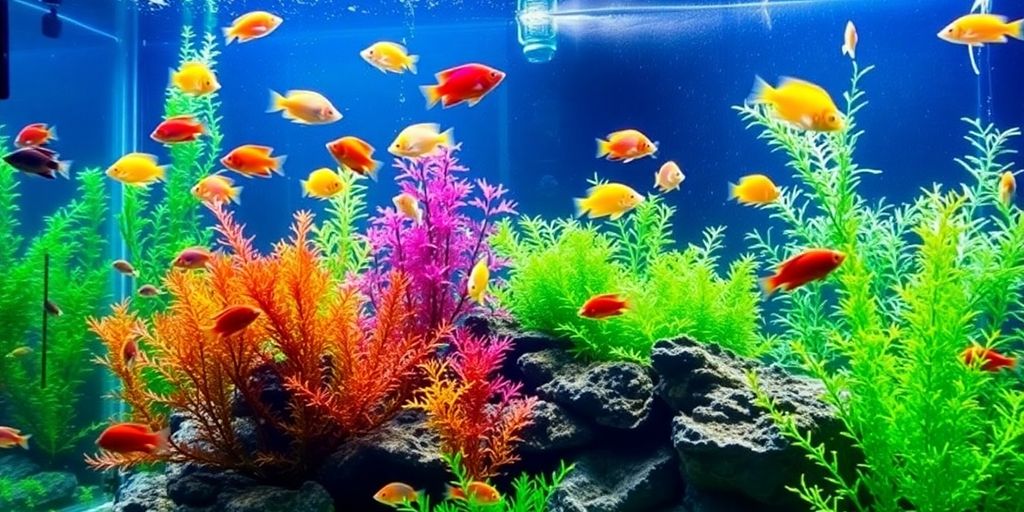
When setting up an aquarium, choosing the right tank is crucial for your fish’s health and happiness. Here are some key points to consider:
Glass vs. Acrylic Tanks
- Glass Tanks: Durable and scratch-resistant, but heavier and can break easily.
- Acrylic Tanks: Lighter and more impact-resistant, but can scratch more easily.
- Cost: Glass tanks are generally cheaper than acrylic.
Tank Size Considerations
- Small Tanks: Good for beginners, but harder to maintain stable water conditions.
- Large Tanks: More stable environment, but require more space and maintenance.
- Aim for at least 10 gallons for a small community tank.
Placement and Setup Tips
- Choose a Stable Surface: Ensure the tank is on a sturdy stand.
- Avoid Direct Sunlight: This helps prevent algae growth.
- Accessibility: Make sure you can easily reach the tank for maintenance.
Remember, the right tank can make a big difference in creating a thriving underwater ecosystem. Consider your fish’s needs when making your choice!
Essential Filtration Systems
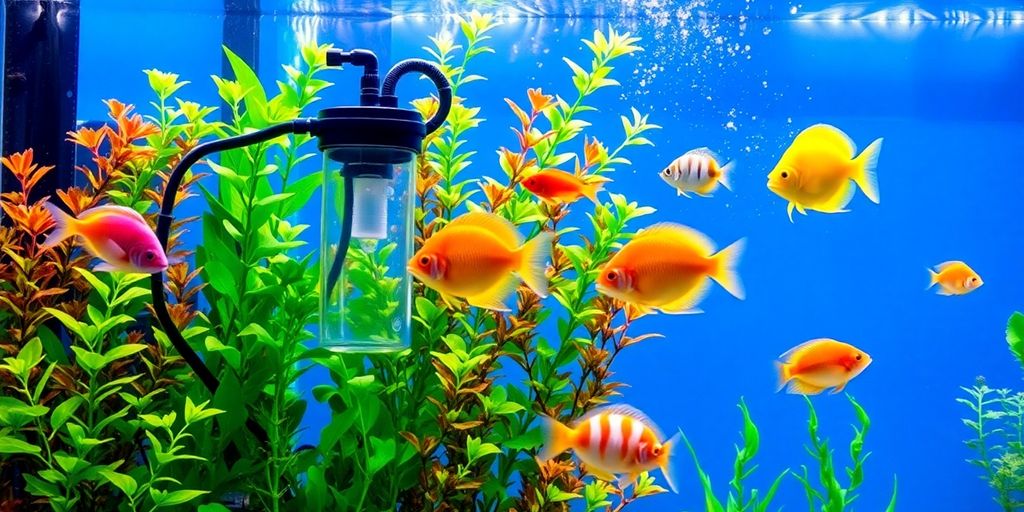
Aquarium filtration is crucial for keeping your fish healthy and your water clean. A good filtration system can make a big difference in maintaining a thriving aquatic environment. There are three main types of filtration:
Types of Aquarium Filters
- Mechanical Filtration: This type traps debris and particles as water passes through a filter pad.
- Chemical Filtration: Activated carbon is used here to remove toxins from the water.
- Biological Filtration: This involves beneficial bacteria that break down harmful substances like ammonia.
| Filter Type | Best For | Example Products |
|---|---|---|
| Canister Filters | Large tanks | Eheim Pro 4+, Fluval FX4 |
| Hang-On Filters | Medium to small tanks | Fluval C3, Seachem Tidal |
| Sponge Filters | Small tanks | SunGrow Betta Filter |
Choosing the Right Filter for Your Tank
When selecting a filter, consider the size of your aquarium and the type of fish you have. Here are some tips:
- Match the filter size to your tank size.
- Consider the fish species; some may need stronger filtration.
- Look for energy-efficient models to save on electricity.
Maintenance and Cleaning Tips
To keep your filter working well, follow these maintenance tips:
- Clean the filter media regularly to prevent clogging.
- Replace filter cartridges as needed, usually every month.
- Check for any unusual noises or leaks.
Regular maintenance of your filtration system is essential for a healthy aquarium. It helps prevent problems like algae blooms and fish diseases.
By investing in the right filtration system and maintaining it properly, you can ensure a clean and safe environment for your aquatic pets. Don’t forget to explore options like protein & surface skimmers for enhanced filtration, which are essential for maintaining water quality in aquatic environments.
Maintaining Water Quality
Keeping your aquarium’s water clean is essential for the health of your fish and plants. Regular monitoring and maintenance can prevent many common problems. Here are some key areas to focus on:
Importance of Water Testing
- Regularly test your water for key parameters:
- pH: Should be between 6.5 and 7.5 for most freshwater fish.
- Ammonia: Should be 0 ppm; high levels can be toxic.
- Nitrate and Nitrite: Keep nitrate below 20 ppm and nitrite at 0 ppm.
| Parameter | Ideal Range |
|---|---|
| pH | 6.5 – 7.5 |
| Ammonia | 0 ppm |
| Nitrate | < 20 ppm |
| Nitrite | 0 ppm |
Using Water Conditioners
- Water conditioners are crucial for making tap water safe for fish. They remove harmful substances like:
- Chlorine
- Chloramines
- Heavy metals (e.g., copper, lead)
Regular Water Changes
- Perform partial water changes every 1-2 weeks to keep the water fresh. This helps to:
- Remove waste products
- Maintain stable water parameters
- Reduce algae growth
Keeping your aquarium clean is not just about aesthetics; it’s about creating a healthy environment for your aquatic pets.
By following these guidelines, you can ensure a thriving underwater ecosystem for your fish and plants.
Selecting the Best Fish Food
Choosing the right fish food is crucial for the health and happiness of your aquatic pets. A balanced diet helps fish grow, thrive, and display vibrant colors. Here are some key points to consider:
Types of Fish Food
- Flakes: Common for many fish species, easy to feed.
- Pellets: Sinking or floating options, suitable for various fish sizes.
- Freeze-Dried: Great for treats, retains nutrients.
- Live Food: Such as brine shrimp, enhances natural hunting behavior.
Nutritional Requirements
Fish need a mix of:
- Proteins: For growth and energy.
- Fats: Essential for healthy skin and fins.
- Vitamins and Minerals: Support overall health and immune function.
| Food Type | Protein Level | Best For |
|---|---|---|
| Flakes | 30% | Small freshwater fish |
| Pellets | 35% | Cichlids and larger fish |
| Freeze-Dried Krill | 50% | Carnivorous fish |
Feeding Schedules
- Feed small amounts 1-2 times a day.
- Observe fish behavior; adjust portions as needed.
- Remove uneaten food to maintain water quality.
A well-fed fish is a happy fish! Regularly check the food’s expiration date and store it properly to maintain freshness.
By understanding the dietary needs of your fish, you can ensure they live a long and healthy life in your aquarium. Remember, variety is key to a balanced diet!
Aquarium Lighting Options
Lighting is a key part of any aquarium setup. It not only helps you see your fish and plants but also supports their growth and health. Here are some important points to consider:
Types of Aquarium Lights
- Incandescent Lights: These are the traditional bulbs but are not very energy-efficient.
- Fluorescent Lights: Available in various types, including standard and compact. They are better than incandescent lights for plant growth.
- LED Lights: These are becoming very popular because they last longer and use less energy. For example, the pawfly 9w aquarium led light offers a full spectrum of light, which is great for plant growth.
- Metal Halide Lights: These provide bright light and are often used in larger tanks.
Choosing the Right Light for Your Tank
- Consider the Size: Make sure the light fits your tank size. For instance, the Current USA Satellite Freshwater Plus Aquarium LED Light is suitable for larger tanks (48-60 inches).
- Think About Your Plants: If you have live plants, choose lights that support their growth. LED lights are often the best choice for this.
- Energy Efficiency: LED lights are more energy-efficient and can save you money in the long run.
Lighting Schedules and Maintenance
- Set a Schedule: Aim for about 10-12 hours of light per day to mimic natural conditions.
- Regular Cleaning: Keep the lights clean to ensure they work effectively. Dust can block light and reduce its effectiveness.
- Check for Burnout: Regularly check your lights to replace any burnt-out bulbs promptly.
Proper lighting is essential for a thriving aquarium. It not only enhances the beauty of your tank but also supports the health of your fish and plants.
By understanding the different types of lights and how to maintain them, you can create a beautiful and healthy underwater environment.
Aquarium Heaters and Temperature Control
Maintaining the right temperature in your aquarium is crucial for the health of your fish. Most tropical fish thrive in water temperatures between 75°F and 79°F. Here’s what you need to know about aquarium heaters and temperature control:
Types of Aquarium Heaters
- Hanging Heaters: These are easy to set up and are great for beginners. They sit outside the tank wall and are usually included in aquarium kits.
- Immersion Heaters: Also known as submersible heaters, these are commonly used but can be dangerous if fish get too close. Consider using a barrier to protect them.
- In-line Heaters: These are built into the plumbing and are the safest option since fish cannot come into contact with them.
Setting the Right Temperature
To ensure your fish are comfortable:
- Use a reliable thermometer to monitor the water temperature.
- Adjust the heater settings according to the needs of your fish species.
- Regularly check the heater to ensure it’s functioning properly.
Monitoring and Maintenance
- Check the heater regularly to ensure it’s working correctly.
- Clean the heater as needed to prevent algae buildup.
- Replace any faulty heaters immediately to avoid temperature fluctuations.
Keeping your aquarium at a stable temperature is essential for a healthy aquatic environment. Regular monitoring and maintenance can prevent many common issues.
For example, the Aqueon Submersible Aquarium Heater (300W) is designed for tanks up to 40 gallons, featuring precise temperature control from 68°F to 88°F. It has a shatter-resistant design and an automatic safety shut-off feature, making it a reliable choice for your aquarium.
Additionally, the Inkbird ITC-306A Wi-Fi Temperature Controller allows you to monitor and control the temperature remotely, ensuring your fish are always in a comfortable environment.
By choosing the right heater and maintaining the correct temperature, you can create a thriving underwater ecosystem for your fish.
Aquarium Plants and Decorations
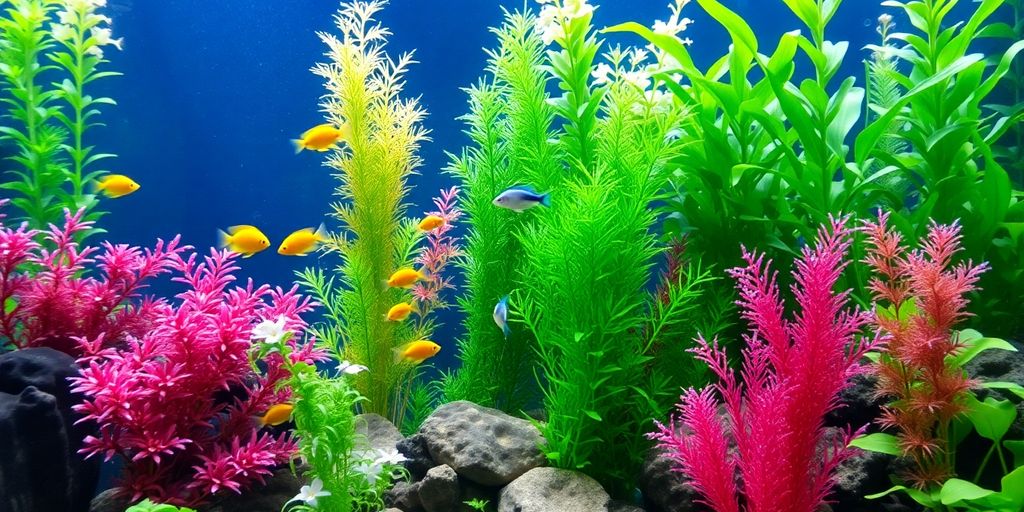
Creating a beautiful aquarium involves choosing the right plants and decorations. Plants not only enhance the look of your tank but also help maintain a healthy environment for your fish. Here are some key points to consider:
Choosing Live vs. Artificial Plants
- Live Plants: These provide oxygen and absorb harmful substances. They require proper lighting and care.
- Artificial Plants: Easier to maintain and come in various colors and shapes. They don’t require special lighting or care.
- Consider your fish species when choosing plants, as some may nibble on live plants.
Best Decorations for Fish Tanks
- Rocks and Driftwood: These create hiding spots and add natural beauty.
- Caves and Hiding Places: Essential for fish that need shelter from light or other fish.
- Backgrounds: Use backgrounds to enhance the visual appeal of your aquarium.
| Type of Decoration | Benefits | Maintenance |
|---|---|---|
| Live Plants | Oxygen production, natural look | Regular trimming, fertilization |
| Artificial Plants | Easy to clean, no special care | Simple dusting or rinsing |
| Rocks/Driftwood | Natural habitat, aesthetic appeal | Minimal, just rinse occasionally |
Maintenance of Plants and Decorations
- Regular Cleaning: Remove algae and debris to keep your tank looking fresh.
- Pruning: Trim live plants to promote growth and prevent overcrowding.
- Monitor your decorations for wear and tear, replacing them as needed.
Maintaining a balanced aquarium is crucial for the health of your fish and plants. Regular care will ensure a thriving ecosystem.
Essential Aquarium Cleaning Tools
Keeping your aquarium clean is vital for the health of your fish and plants. Here are some essential tools you should have:
Gravel Vacuums and Siphons
- Gravel vacuums help remove debris from the substrate while performing water changes.
- Siphons are great for draining water without disturbing the tank too much.
- Regular use of these tools can prevent waste buildup, which is harmful to fish.
Algae Scrapers and Magnets
- Algae scrapers are essential for keeping the glass clean and clear.
- Magnetic cleaners make it easy to remove algae without getting your hands wet.
- Using these tools regularly helps maintain a clear view of your aquatic life.
Cleaning Schedules
- Weekly: Use a gravel vacuum to clean the substrate and perform a partial water change.
- Monthly: Clean the glass with an algae scraper and check all equipment for any buildup.
- As Needed: Use a toothbrush to clean hard-to-reach areas and decorations.
Regular maintenance is key to a thriving aquarium. Keeping your tank clean not only enhances its appearance but also promotes a healthy environment for your fish.
By investing in the right cleaning tools, you can ensure that your aquarium remains a beautiful and healthy habitat for your aquatic friends!
Aquarium Test Kits and Their Importance
Types of Test Kits
Aquarium test kits are essential tools for any fish keeper. They help you monitor important water quality parameters, ensuring a safe environment for your fish. Regular testing is crucial to prevent harmful conditions. Here are some common types of test kits:
- Ammonia Test Kits: Measure ammonia levels, which can be toxic to fish.
- Nitrite and Nitrate Test Kits: Check for these nitrogen compounds that can affect fish health.
- pH Test Kits: Ensure the water’s acidity or alkalinity is suitable for your fish species.
How to Use Test Kits
Using test kits is straightforward. Follow these steps:
- Collect a Water Sample: Use a clean container to take a sample from your aquarium.
- Follow Instructions: Each kit comes with specific instructions. Make sure to read them carefully.
- Compare Results: Use the color chart provided to interpret your results.
Interpreting Test Results
Understanding your test results is vital. Here’s a quick guide:
- Ammonia: Should be at 0 ppm (parts per million). High levels can harm fish.
- Nitrite: Should also be undetectable. Any presence indicates a problem.
- Nitrate: Should be kept low, ideally below 20 ppm for most freshwater fish.
- pH: Most freshwater fish thrive in a pH range of 6.5 to 7.5.
Regular testing helps maintain a healthy aquarium. It’s recommended to test your water at least once a month or more frequently if you notice any issues.
Importance of Testing
Testing your aquarium water is not just about keeping it clean; it’s about creating a thriving ecosystem. Aquarium test kits are vital for maintaining healthy tank conditions. They help you monitor various aspects of water quality, including ammonia, nitrite, and nitrate levels. By using these kits, you can ensure your fish live in a safe and stable environment, reducing stress and promoting their overall health.
Creating a Balanced Ecosystem
Creating a thriving aquarium ecosystem is about more than just adding fish to water; it involves creating a balanced environment where fish, plants, and other aquatic life can thrive together. Here are some key points to consider:
Introducing Fish to the Tank
- Choose Compatible Species: Select fish that can live together peacefully. Research their temperaments and sizes to avoid conflicts.
- Acclimate New Fish: Gradually introduce new fish to the tank to reduce stress. Use a drip acclimation method to help them adjust to the water conditions.
- Monitor Behavior: Keep an eye on how the fish interact. Look for signs of stress or aggression and be ready to separate them if necessary.
Balancing Fish and Plant Life
- Select the Right Plants: Choose plants that suit your fish and the tank’s lighting conditions. Live plants can help maintain water quality and provide hiding spots for fish.
- Maintain Plant Health: Regularly trim and care for plants to prevent overgrowth, which can lead to poor water quality.
- Create a Natural Habitat: Arrange plants and decorations to mimic a natural environment, providing shelter and reducing stress for fish.
Managing Fish Health
- Regular Health Checks: Observe your fish for any signs of illness, such as unusual swimming patterns or discoloration. Early detection is key to treatment.
- Balanced Diet: Feed your fish a varied diet that meets their nutritional needs. This helps maintain their health and boosts their immune systems.
- Water Quality Monitoring: Regularly test water parameters like pH, ammonia, and nitrate levels to ensure a healthy environment.
A mature aquarium is one that has established a stable ecosystem, making it easier to maintain fish health and overall balance.
By following these guidelines, you can create a balanced ecosystem that supports the health and happiness of your aquatic life. Remember, patience and observation are essential in this journey!
Aquarium Accessories and Enhancements
Creating a beautiful aquarium goes beyond just having fish; it involves adding the right accessories to enhance the environment. These accessories can significantly improve the health and happiness of your aquatic life. Here are some essential items to consider:
Air Pumps and Aerators
- Air Pumps: These devices help to increase oxygen levels in the water, which is vital for fish health.
- Aerators: They create bubbles that not only oxygenate the water but also add a pleasing visual effect.
- Benefits: Improved water circulation and reduced algae growth.
Protein Skimmers
- Function: These devices remove organic waste from the water before it breaks down, helping to maintain water quality.
- Types: There are various models available, including hang-on-back and in-sump skimmers.
- Importance: Regular use can lead to a healthier aquarium environment.
Aquarium Backgrounds and Substrates
- Backgrounds: Adding a background can enhance the visual appeal of your tank. Options include 3D backgrounds or simple color sheets.
- Substrates: Choose between gravel, sand, or specialized substrates for planted tanks. Each type has its benefits, such as promoting plant growth or providing a natural look.
| Accessory Type | Purpose | Example Products |
|---|---|---|
| Air Pumps | Increase oxygen levels | Marina Air Pump |
| Protein Skimmers | Remove organic waste | Eheim Skimmer |
| Backgrounds | Enhance visual appeal | 3D Aquarium Backgrounds |
| Substrates | Provide a base for plants and decor | Pure Water Pebbles, Activ-Flora |
Remember, the right accessories not only beautify your aquarium but also contribute to a thriving ecosystem. Regular maintenance and thoughtful selection of these items can lead to a more enjoyable experience for both you and your fish!
Common Aquarium Problems and Solutions
Dealing with Algae Blooms
Algae can quickly take over your aquarium if not managed properly. Keeping nitrates low is key to preventing algae growth. Here are some tips to control algae:
- Perform regular water changes.
- Limit light exposure to 8-10 hours a day.
- Use algae-eating fish or snails to help manage growth.
Treating Fish Diseases
Fish can get sick just like any other pet. Common signs include lethargy, loss of appetite, or unusual swimming patterns. Here’s how to handle it:
- Isolate sick fish to prevent spreading.
- Identify the disease and research treatment options.
- Use appropriate medications and follow the instructions carefully.
Handling Water Cloudiness
Cloudy water can be a sign of poor water quality or overfeeding. To clear it up:
- Test your water for ammonia and nitrite levels.
- Perform a partial water change.
- Avoid overfeeding your fish to reduce waste.
Maintaining a clean and balanced aquarium is essential for the health of your fish. Regular monitoring and prompt action can prevent many common issues.
Ammonia Spikes
Ammonia spikes can be harmful to fish. They often occur due to overstocking or inadequate filtration. To prevent this:
- Monitor your fish load and avoid overcrowding.
- Ensure your filter is working properly and clean it regularly.
- Use ammonia-removing products if necessary.
Summary Table of Common Problems
| Problem | Cause | Solution |
|---|---|---|
| Algae Blooms | High nitrates | Regular water changes, limit light |
| Fish Diseases | Poor water quality, stress | Isolate and treat sick fish |
| Cloudy Water | Overfeeding, poor filtration | Test water, partial water change |
| Ammonia Spikes | Overstocking, bad filtration | Monitor fish load, clean filter |
Aquariums can face a variety of issues, from cloudy water to fish health problems. Understanding these common challenges is key to keeping your aquatic friends happy and healthy. If you’re looking for solutions, visit our website for expert tips and quality products that can help you maintain a thriving aquarium!
Final Thoughts on Aquarium Essentials
In conclusion, setting up a successful aquarium requires careful thought and the right tools. By using essential products like water test kits, quality filters, and nutritious fish food, you can create a healthy environment for your fish. Regular maintenance and monitoring are key to keeping your underwater world thriving. Remember, a happy aquarium not only looks beautiful but also ensures the well-being of your aquatic friends. Enjoy the journey of building your own underwater paradise!
Frequently Asked Questions
What kind of tank should I choose for my fish?
You can choose between glass and acrylic tanks. Glass is sturdy and scratch-resistant, while acrylic is lighter and can be shaped easily. Think about where you’ll place it and how big it needs to be.
How often should I clean my aquarium?
You should clean your aquarium regularly. A good rule is to do a partial water change every 1-2 weeks and a full clean once a month.
What type of filter is best for my aquarium?
The best filter depends on your tank size and the fish you have. Common types include canister filters, hang-on-back filters, and internal filters.
How do I test the water quality in my aquarium?
You can use test strips or kits that measure pH, ammonia, nitrites, and nitrates. Testing regularly helps keep your fish healthy.
What should I feed my fish?
Different fish have different diets. You can choose flakes, pellets, or frozen food. Make sure to provide a balanced diet for their health.
How do I set the right temperature for my aquarium?
Most tropical fish prefer a temperature between 75-80°F. Use a heater and a thermometer to maintain the right temperature.
Can I use tap water in my aquarium?
Yes, but you need to treat it first. Use a water conditioner to remove harmful chemicals like chlorine.
What should I do if my fish get sick?
If your fish show signs of illness, check the water quality first. You may need to treat them with medication or adjust their environment.