Setting up a saltwater aquarium can be an exciting adventure, but it comes with its own set of challenges. Choosing the right fish is crucial for a successful and enjoyable experience. This guide will help you navigate the important aspects of selecting saltwater fish for your home tank, ensuring that you create a vibrant and healthy underwater environment.
Key Takeaways
- Saltwater fish are colorful and can enhance the beauty of your aquarium.
- Researching fish compatibility is essential to avoid conflicts in your tank.
- Maintaining good water quality is key to keeping your fish healthy.
- Consider the size and temperament of fish before adding them to your aquarium.
- Regular feeding and proper tank setup will help your fish thrive.
Understanding Saltwater Aquarium Fish
What Are Saltwater Aquarium Fish?
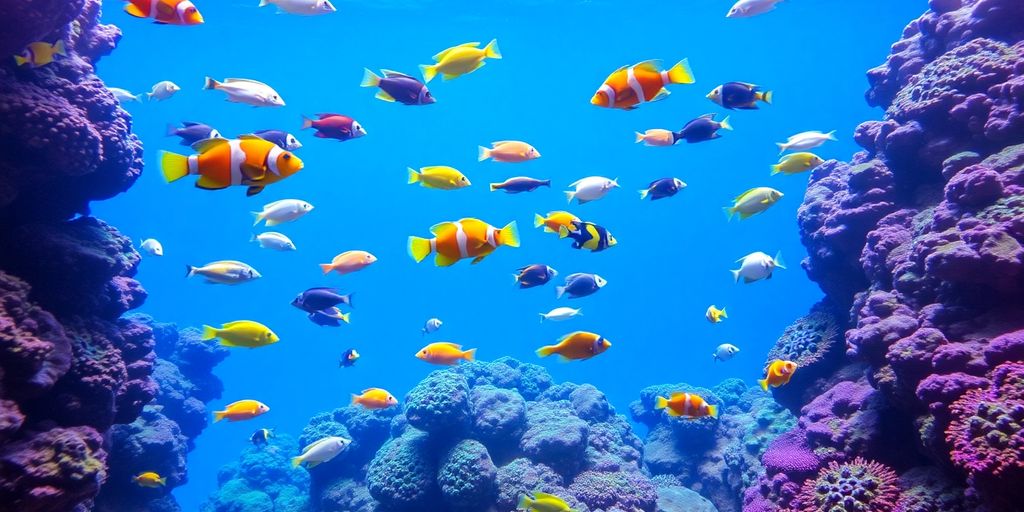
Saltwater aquarium fish are species that live in the ocean. They are known for their bright colors and interesting behaviors. These fish are important for the health of their ecosystems. Some popular types include clownfish, tangs, and angelfish.
Benefits of Keeping Saltwater Aquarium Fish
Keeping saltwater fish can be a fun and rewarding hobby. Here are some benefits:
- Aesthetic Appeal: Their vibrant colors make your aquarium look beautiful.
- Educational Value: Watching their behavior can teach you about marine life.
- Ecosystem Balance: They help keep a balanced environment in your tank.
Common Misconceptions About Saltwater Aquarium Fish
Many people have wrong ideas about saltwater fish. Here are a few:
- They are too hard to care for: While they need specific conditions, many types are good for beginners.
- They are all aggressive: Not all saltwater fish are mean; many can live peacefully together.
- They need large tanks: Some fish can do well in smaller tanks, making them easier for hobbyists with limited space.
Keeping saltwater fish can be a fulfilling hobby, but it requires research and commitment to ensure their well-being.
| Fish Type | Difficulty Level | Ideal Tank Size |
|---|---|---|
| Clownfish | Easy | 20 gallons |
| Royal Gramma | Easy | 20 gallons |
| Blue Tang | Moderate | 75 gallons |
Setting Up Your Saltwater Aquarium
Choosing the Right Tank Size
When starting a saltwater aquarium, selecting the right tank size is crucial. A larger tank is often more stable, making it easier to maintain water quality. Here are some common sizes:
- 20 gallons: Good for beginners.
- 55 gallons: Offers more options for fish.
- 100 gallons: Ideal for advanced setups.
Essential Equipment for Your Aquarium
To create a thriving environment, you’ll need the right equipment. Here’s a list of essentials:
- Filtration System: Keeps the water clean.
- Heater: Maintains a stable temperature.
- Lighting: Important for coral health and fish visibility.
- Powerheads: Helps with water circulation, which is vital for fish health.
- Live Rock: Provides hiding spots and helps with biological filtration.
Maintaining Water Quality
Water quality is key to a healthy aquarium. Regular testing is necessary to ensure your fish thrive. Here are some important parameters to monitor:
| Parameter | Ideal Range |
|---|---|
| Ammonia | 0 ppm |
| Nitrite | 0 ppm |
| Nitrate | < 20 ppm |
| pH | 7.8 – 8.5 |
| Salinity | 1.020 – 1.025 |
Remember, keeping your water parameters stable is essential for the health of your fish. Regular testing can help you avoid common mistakes as a beginner.
By following these guidelines, you can create a successful and beautiful saltwater aquarium in your home!
Popular Saltwater Aquarium Fish for Beginners
Ocellaris Clownfish
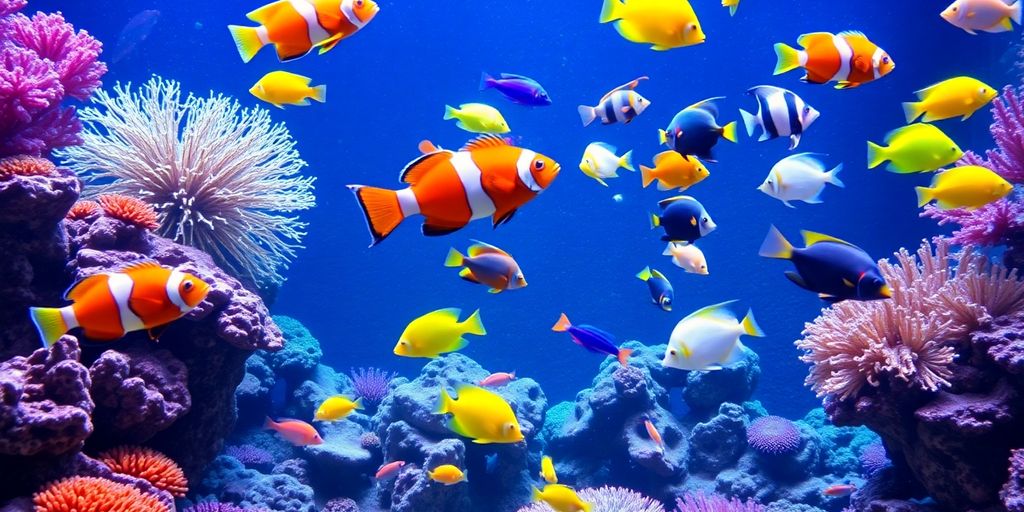
The Ocellaris Clownfish is one of the most popular choices for beginners. These fish are known for their vibrant colors and friendly nature. They are also quite hardy, making them a great option for new aquarium owners. You can find them at most pet stores, and they usually cost around $10 to $20 each.
Blue-Green Chromis
Another excellent choice is the Blue-Green Chromis. These fish are peaceful and thrive in groups. They are easy to care for and can add a beautiful splash of color to your tank. A small school of these fish can be a lively addition to your aquarium.
Royal Gramma
The Royal Gramma is a striking fish with a purple body and yellow tail. They are generally peaceful but can be territorial. They are also carnivorous, so be sure to provide them with a varied diet.
| Fish Name | Price Range | Temperament | Size (inches) |
|---|---|---|---|
| Ocellaris Clownfish | $10 – $20 | Semi-aggressive | 3 – 4 |
| Blue-Green Chromis | $5 – $15 | Peaceful | 2 – 3 |
| Royal Gramma | $15 – $25 | Semi-aggressive | 3 – 4 |
Choosing the right fish is crucial for a successful aquarium. Always consider their compatibility and care needs before making a purchase!
Advanced Saltwater Aquarium Fish
Mandarinfish
Mandarinfish are known for their stunning colors and unique patterns. They require a well-established tank with plenty of live rock for hiding and hunting. These fish are not easy to care for, as they primarily eat live foods like copepods.
Angelfish
Angelfish are beautiful and can be a centerpiece in your aquarium. They come in various species, each with different care needs. Some angelfish can be aggressive, so it’s important to choose tank mates wisely. Here are some key points:
- Size: They can grow quite large, so a bigger tank is necessary.
- Diet: They need a varied diet, including algae and meaty foods.
- Compatibility: Some species may not get along with others, so research is essential.
Butterflyfish
Butterflyfish are colorful and graceful swimmers. They thrive in reef tanks but can be sensitive to water quality. Here’s what to consider:
- Tank Size: A minimum of 50 gallons is recommended.
- Diet: They require a diet rich in marine foods and should be fed multiple times a day.
- Hiding Spots: Provide plenty of live rock for them to explore and hide.
Keeping advanced saltwater fish can be rewarding, but it requires careful planning and commitment to their care.
| Fish Type | Difficulty Level | Ideal Tank Size |
|---|---|---|
| Mandarinfish | Hard | 30 gallons |
| Angelfish | Moderate | 75 gallons |
| Butterflyfish | Moderate | 50 gallons |
Choosing the right advanced fish can enhance your aquarium’s beauty and diversity. Make sure to do thorough research before adding them to your tank!
Feeding Your Saltwater Aquarium Fish
Feeding your saltwater fish is essential for their health and happiness. Different fish have unique dietary needs, so it’s important to know what type of fish you have and what they should eat.
Types of Fish Food
- Carnivores: Fish like lionfish and groupers need a high-protein diet. You can feed them:
- Herbivores: Fish such as tangs and rabbitfish thrive on plant matter. Suitable foods include:
- Omnivores: Clownfish and angelfish enjoy a mix of plant and animal foods. You can offer:
Feeding Schedule
- Feed your fish twice a day for optimal health.
- Offer only what they can consume in a few minutes to avoid overfeeding.
- Monitor their eating habits to adjust portions as needed.
Remember: A balanced diet is key to keeping your fish healthy and vibrant. Overfeeding can lead to health issues and poor water quality.
Supplementing Diets
- Consider using high-quality foods like Omega One products, which are known for enhancing fish health and color. For example, their marine flakes are rich in omega fatty acids, promoting strong immune systems.
By understanding the dietary needs of your fish and providing a varied diet, you can help ensure they thrive in your aquarium!
Compatibility and Tank Mates
Understanding Fish Temperament
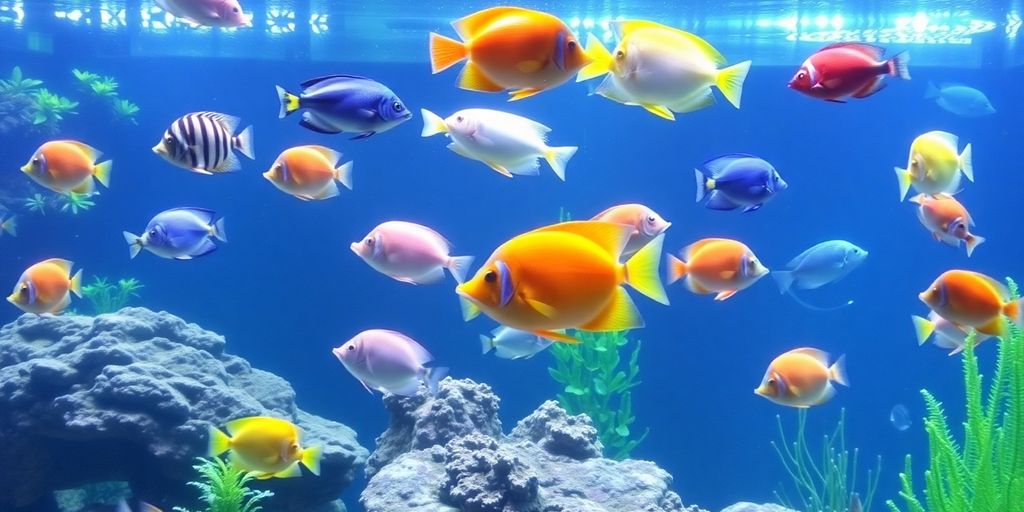
Choosing the right tank mates is crucial for a peaceful aquarium. Some fish can be aggressive, while others are more peaceful. Here are some key points to consider:
- Size: Ensure that the fish are similar in size to avoid bullying.
- Temperament: Research each species to understand their behavior.
- Diet: Make sure all fish can eat the same type of food.
Best Tank Mates for Saltwater Reef Fish
When selecting tank mates, consider these popular combinations:
- Clownfish and damselfish
- Gobies and blennies
- Angelfish and tangs
These pairings often coexist well, creating a vibrant community.
Avoiding Conflicts in the Aquarium
To prevent conflicts:
- Introduce fish at the same time to reduce territorial disputes.
- Monitor behavior closely after adding new fish.
- Provide hiding spots to help fish feel secure.
Keeping a balanced community is key to a thriving aquarium. Researching compatibility can save you from future headaches.
| Fish Type | Compatibility Level | Notes |
|---|---|---|
| Clownfish | High | Territorial but can be friendly |
| Gobies | High | Peaceful and social |
| Angelfish | Moderate | Can be aggressive towards smaller fish |
By understanding the needs and behaviors of your fish, you can create a harmonious environment that enhances the beauty of your aquarium.
Common Health Issues and Treatments
Identifying Common Diseases
Keeping your fish healthy is essential for a thriving aquarium. Here are some common diseases to watch for:
- Ich (White Spot Disease): Look for tiny white spots on the fish’s body.
- Fin Rot: Check for frayed or discolored fins.
- Marine Flukes: These parasites can cause stress and illness.
Treatment Options
If your fish show signs of illness, consider these treatment options:
- Medicated Dips: Useful for treating external parasites.
- Antibiotics: Effective for bacterial infections, but consult a vet first.
- Salt Baths: Helpful for certain parasites and stress relief.
Preventative Measures
To keep your fish healthy, follow these steps:
- Quarantine New Fish: Always isolate new arrivals for at least two weeks.
- Regular Water Testing: Use test kits to monitor pH, ammonia, and nitrate levels.
- Observe Fish Behavior: Look for signs of stress, like rapid breathing or hiding.
Maintaining a clean and stable environment is essential for preventing diseases in your aquarium. Regular maintenance can save your fish from many health issues.
By understanding these common health issues and treatments, you can ensure a long and healthy life for your aquatic friends. Remember, early detection is the best way to manage fish health!
Aquascaping for Saltwater Aquariums
Creating a stunning aquascape is essential for your saltwater aquarium. It not only enhances the beauty of your tank but also provides a healthy environment for your fish. A well-planned aquascape can mimic natural habitats, making your fish feel more at home.
Choosing the Right Substrate
Choosing the right substrate is crucial for your aquarium’s health. Here are some options:
- Sand: Many fish, like the sand-sifting goby, rely on sand for food and shelter.
- Gravel: While not as common, it can be used for certain species.
- Bare bottom: This is easier to clean but may not provide the same benefits as sand or gravel.
Incorporating Live Rock
Adding live rock is a great way to create hiding spots and promote biological filtration. Here’s why:
- Hiding spots: Fish feel safer with places to hide.
- Biological filtration: Live rock helps maintain water quality.
- Natural look: It mimics a real reef environment.
Creating Hiding Spots
Hiding spots are essential for reducing stress in fish. Here are some ideas:
- Use live rock to create caves and crevices.
- Incorporate PVC pipes for additional hiding spots.
- Arrange rocks to form open spaces for swimming.
Remember, a balanced aquascape not only looks good but also supports the health of your fish. Regularly check your setup to ensure it remains functional and beautiful.
By following these tips, you can create a vibrant and healthy environment for your saltwater fish, ensuring they thrive in their new home!
Maintaining Your Saltwater Aquarium
Regular Cleaning Routines
To keep your aquarium healthy, establish a cleaning routine. Here are some key tasks:
- Change 10-15% of the water weekly to maintain water quality.
- Clean the tank walls to prevent algae buildup.
- Rinse filters and equipment monthly to ensure they function well.
Monitoring Water Parameters
Regularly check the following water parameters:
- Ammonia: 0 ppm
- Nitrite: 0 ppm
- Nitrate: < 20 ppm
- pH: 7.8 – 8.5
- Salinity: 1.020 – 1.025
Using test strips like the Advatec 5 in 1 Test Strips can simplify this process. Regular testing is essential to avoid common mistakes as a beginner.
Seasonal Maintenance Tips
As seasons change, your aquarium may need different care. Here are some tips:
- Summer: Keep an eye on your aquarium thermometer; if the water temperature rises to 28 °C or more, consider using a fan or chiller.
- Winter: Ensure your heater is functioning properly to maintain a stable temperature.
- Spring/Fall: Check for any equipment wear and replace as needed.
Maintaining a healthy aquarium environment is essential for the well-being of your fish. Regular maintenance and observation can prevent many issues before they arise.
By following these guidelines, you can create a thriving environment for your saltwater fish.
Budgeting for Your Saltwater Aquarium
Setting up a saltwater aquarium can be a thrilling experience, but planning your budget is crucial. Knowing the costs involved helps you avoid unexpected expenses later. Here’s a breakdown of what to expect:
Initial Setup Costs
- Aquarium Tank: The size of your tank greatly affects the cost. A 20-gallon tank can start around $100, while larger tanks can go up to $500 or more.
- Filtration System: A good filtration system is essential. Expect to spend between $100 and $300.
- Lighting: Quality lighting is crucial for coral health. Prices can range from $50 for basic LED lights to over $400 for advanced systems.
- Live Rock and Substrate: Live rock can cost about $5 to $10 per pound, and substrate can range from $30 to $100.
- Fish and Coral: Depending on the species, fish can cost anywhere from $10 to $100 each, while corals can range from $20 to several hundred dollars.
| Item | Estimated Cost |
|---|---|
| Aquarium Tank | $100 – $500 |
| Filtration System | $100 – $300 |
| Lighting | $50 – $400 |
| Live Rock (per pound) | $5 – $10 |
| Fish (each) | $10 – $100 |
| Coral (each) | $20 – $500 |
Ongoing Maintenance Expenses
- Food: Quality fish food can cost around $10 to $30 per month.
- Water Testing Kits: Regular testing is necessary, costing about $20 to $50 every few months.
- Replacement Filters and Supplies: Budget around $50 to $100 annually for replacements.
Cost-Saving Tips
- Buy Used Equipment: Check local listings for second-hand tanks and equipment.
- Start Small: Begin with a smaller tank to minimize initial costs and expand later.
- DIY Projects: Consider making your own filtration or lighting systems if you’re handy.
Remember, patience and planning are key to creating a successful and beautiful saltwater aquarium!
Legal and Ethical Considerations
Sourcing Fish Responsibly
When choosing fish for your saltwater aquarium, responsible sourcing is crucial. This means buying fish from reputable suppliers who follow ethical practices. Here are some tips:
- Research suppliers: Look for stores that provide information about where their fish come from.
- Choose captive-bred fish: These fish are often healthier and help reduce the impact on wild populations.
- Ask about fishing practices: Ensure that the fish are caught using methods that do not harm the environment.
Understanding Local Regulations
Different regions have various laws regarding the ownership of saltwater fish. It’s important to:
- Check local laws: Some species may be illegal to own or require special permits.
- Stay informed: Regulations can change, so keep up to date with local wildlife agencies.
- Respect protected species: Avoid purchasing fish that are endangered or threatened.
Ethical Fishkeeping Practices
Keeping fish is a commitment that requires understanding their needs. Here are some ethical practices:
- Provide a suitable environment: Ensure your tank mimics the fish’s natural habitat.
- Avoid overstocking: Too many fish can lead to stress and health issues.
- Educate yourself: Learn about the specific needs of the species you choose to keep.
Maintaining ethical practices in fishkeeping not only benefits the fish but also contributes to the overall health of our oceans and ecosystems. Doing the right thing ensures a sustainable hobby for future generations.
Summary
In summary, being a responsible aquarist involves understanding the legal and ethical aspects of keeping saltwater fish. By sourcing fish responsibly, adhering to local regulations, and practicing ethical fishkeeping, you can enjoy your aquarium while protecting marine life.
When it comes to keeping aquatic pets, understanding the legal and ethical rules is very important. These rules help ensure that animals are treated well and that their habitats are protected. If you want to learn more about how to care for your pets responsibly, visit our website for helpful tips and resources!
Final Thoughts on Choosing Saltwater Fish
In conclusion, picking the right saltwater fish for your aquarium is both fun and important. Remember to think about the size of your tank and the needs of the fish you want. It’s best to start with friendly and easy-to-care-for fish, like clownfish or chromis. Always check if the fish can live together peacefully. With the right choices and a little patience, you can create a beautiful underwater world that you and your family will enjoy for years to come.
Frequently Asked Questions
What are some beginner-friendly saltwater fish?
Good choices for beginners include clownfish, damselfish, and chromis. These fish are tough and easy to care for.
How long should I wait before adding fish to my new aquarium?
Wait at least six weeks for your tank to cycle. This helps create a stable environment for the fish.
Can I mix different types of fish in one tank?
Yes, but choose fish that are known to be friendly. Clownfish and gobies are good options.
How many fish can I keep in a 55-gallon tank?
A general rule is one inch of fish per gallon of water. So, you could have about 55 inches of fish.
What do I need to maintain water quality in my aquarium?
You need a good filter, regular water changes, and test kits to check ammonia, nitrites, and nitrates.
Do saltwater fish need special food?
Yes, saltwater fish often need marine-specific food that meets their dietary needs.
How can I tell if my fish are healthy?
Healthy fish are active, have bright colors, and eat well. If they are hiding a lot or not eating, they may be sick.
What should I do if my fish get sick?
Isolate sick fish in a separate tank and consult a vet or do some research on treatment options.