Buying tropical fish by mail can be an exciting adventure, but it also comes with its own set of challenges. To ensure a smooth experience, it’s important to know what to look for when selecting fish, how to prepare your aquarium, and how to care for your new aquatic friends. This guide provides essential tips and best practices to help you navigate the process of purchasing tropical fish online and keeping them healthy and happy in your home.
Key Takeaways
- Choose fish that are compatible with each other to avoid conflicts.
- Always check the health of the fish before purchasing, looking for signs of disease.
- Prepare your aquarium in advance to create a welcoming environment for new arrivals.
- Use reputable online retailers to ensure quality and safe shipping.
- Monitor water quality regularly to maintain a healthy habitat for your fish.
Choosing the Right Tropical Fish by Mail
When buying tropical fish online, it’s essential to make informed choices. Selecting the right species can lead to a thriving aquarium. Here are some key points to consider:
Popular Tropical Fish Species
- Mollies: Hardy and adaptable, great for beginners.
- Guppies: Colorful and easy to care for, perfect for community tanks.
- Zebra Danios: Active swimmers that get along with many species.
- Bettas: Beautiful but territorial; keep them alone or with compatible fish.
- Swordtails: Peaceful and lively, ideal for community setups.
- Catfish: Great for cleaning the tank and adding variety.
Understanding Fish Compatibility
Choosing fish that can live together peacefully is crucial. Here are some tips:
- Research: Look into the natural habitats and behaviors of the species.
- Social Needs: Some fish prefer to be in groups, while others are solitary.
- Size Matters: Ensure that larger fish won’t bully smaller ones.
Selecting Healthy Fish
To ensure you receive healthy fish, consider the following:
- Check Reviews: Look for retailers with positive feedback and good practices.
- Inspect Photos: Reputable sellers often provide clear images of their fish.
- Ask Questions: Don’t hesitate to contact the seller about their fish care practices.
Remember, the health of your fish starts with the right selection. Take your time to choose wisely!
Preparing Your Aquarium for New Arrivals
When you get new tropical fish, it’s important to make sure your aquarium is ready for them. A well-prepared tank can help your fish thrive. Here are some key steps to follow:
Setting Up the Tank
- Clean the tank: Rinse the aquarium with water (no soap) to remove any dust or residues.
- Add substrate: Use gravel or sand as a base for your tank. Make sure it’s rinsed well before adding.
- Install equipment: Set up your filter, heater, and any decorations or plants you want to include.
Water Quality and Parameters
- Test the water: Use a test kit to check for ammonia, nitrite, and pH levels. This is crucial for a healthy environment.
- Condition the water: Use a water conditioner to remove chlorine and other harmful chemicals from tap water.
- Cycle the tank: Allow the tank to cycle for a few weeks to establish beneficial bacteria. This is essential for maintaining water quality. Cycling a new aquarium is a vital step.
Acclimating New Fish
- Float the bag: When your fish arrive, float the sealed bag in the tank for about 15-20 minutes to equalize the temperature.
- Gradual mixing: Slowly add small amounts of tank water to the bag over the next hour. This helps the fish adjust to the new water conditions.
- Release the fish: Gently place the fish into the tank without adding the bag water to avoid introducing any contaminants.
Remember, taking the time to prepare your aquarium properly will help your new fish settle in and reduce stress. Following these steps can lead to a healthier and happier aquatic environment!
Finding Reputable Online Fish Retailers
When buying tropical fish online, it’s crucial to find trustworthy retailers. Researching your options can save you time and money. Here are some tips to help you choose the right store:
Researching Retailers
- Look for stores that specialize in tropical fish.
- Check if they have a wide selection of species.
- Ensure they follow sustainable practices in sourcing their fish.
Reading Reviews and Testimonials
- Read customer reviews to gauge the quality of service.
- Look for testimonials about the health of the fish upon arrival.
- Pay attention to feedback regarding shipping and customer support.
Checking Shipping Policies
- Confirm that the retailer offers a live arrival guarantee.
- Check their shipping methods and delivery times.
- Look for free shipping options on larger orders, like those offered by Natural Environment Aquatix.
| Retailer Name | Live Arrival Guarantee | Free Shipping on Orders Over | Special Features |
|---|---|---|---|
| Natural Environment Aquatix | Yes | $200 | Wide selection of freshwater fish |
| Aquarium Fish Depot | Yes | $150 | Large variety of saltwater and freshwater fish |
| Advatec Aquatics | Yes | $100 | Discounts on bulk orders |
Remember, a good retailer will prioritize the health of their fish and provide clear information about their practices.
By following these steps, you can ensure a positive experience when purchasing tropical fish online.
Understanding Shipping Methods for Tropical Fish
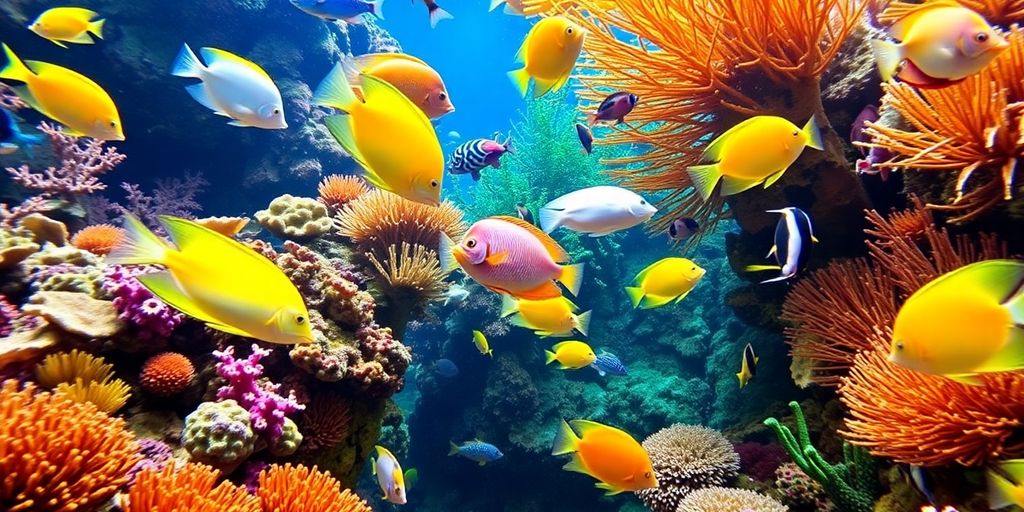
When buying tropical fish online, understanding the shipping methods is crucial for ensuring the health of your new pets. Choosing the right shipping method can make a big difference in the survival of your fish. Here are some key points to consider:
Overnight Shipping vs. Standard Shipping
- Overnight Shipping: This is the fastest option, ensuring your fish arrive quickly. Many retailers, like Aquarium Fish Depot, offer this service for safe delivery.
- Standard Shipping: This is usually cheaper but can take longer, which may stress the fish. It’s important to check the retailer’s policies on shipping times.
Packaging Techniques
Proper packaging is essential for keeping fish safe during transit. Here are some common practices:
- Double-bagging: Fish are often placed in two bags to prevent leaks.
- Insulation: Styrofoam boxes or heat packs may be used to maintain temperature.
- Oxygen: Bags are filled with oxygen to help fish breathe during the journey.
Handling Delays and Issues
Sometimes, delays can happen. Here’s what to do:
- Track Your Shipment: Always use the tracking number provided by the retailer.
- Inspect the Package on Arrival: Check for any signs of damage or leaks.
- Contact the Retailer: If your fish arrive dead or sick, reach out to the seller immediately for a refund or replacement.
Remember, the health of your fish depends on how well they are shipped. Always choose a reputable retailer that prioritizes the well-being of their aquatic life.
Ensuring Safe Delivery of Tropical Fish by Mail
When buying tropical fish online, ensuring their safe delivery is crucial. Proper shipping methods can make a big difference in the health of your new fish. Here are some key points to consider:
Tracking Your Shipment
- Always get a tracking number for your order.
- Check the status regularly to know when your fish will arrive.
- Be ready to receive your package as soon as it arrives.
Inspecting the Package on Arrival
- Look for any signs of damage to the box.
- Ensure the temperature inside the package is appropriate for the fish.
- Open the package carefully to avoid stressing the fish.
Steps to Take if Fish Arrive Dead or Sick
- Document the condition: Take clear photos of the fish and the packaging.
- Contact the seller: Reach out to them within 2 hours of delivery.
- Follow their instructions: They may ask for photos or other details to process a refund or credit.
Remember, using overnight shipping is often the best choice to maintain conditions during transport. This helps ensure your fish arrive healthy and ready for their new home!
Acclimating Tropical Fish to Their New Environment
When you receive your new fish, it’s crucial to help them adjust to their new home. Acclimating is a slow, steady process that ensures your fish can thrive in their new environment.
Float Method
- Float the bag: Place the sealed bag with your fish in the aquarium for about 15 minutes. This helps equalize the temperature.
- Add tank water: After 15 minutes, add about half a cup of tank water to the bag. Wait another 15 minutes.
- Repeat: Continue adding tank water every 15 minutes until the bag is full. This gradual process helps the fish adjust to the water conditions.
Drip Method
- Prepare a drip line: Use a piece of airline tubing to create a slow drip from the tank into the bag.
- Drip slowly: Allow water to drip into the bag at a rate of about 2-4 drops per second.
- Wait: Continue this for about 1-2 hours before introducing the fish to the tank.
Monitoring Fish Behavior
- Watch for stress: After introducing the fish, observe them closely for signs of stress or aggression.
- Check compatibility: Ensure that the new fish are compatible with your existing tank mates to avoid conflicts.
- Adjust as needed: If you notice any issues, be ready to separate the fish if necessary.
Acclimating your fish properly is essential for their health and happiness. Taking the time to do it right can prevent stress and ensure a smooth transition into their new home.
| Method | Time Required | Key Steps |
|---|---|---|
| Float Method | 1 hour | Float bag, add tank water, repeat |
| Drip Method | 1-2 hours | Set up drip line, monitor water levels |
Feeding Your Tropical Fish
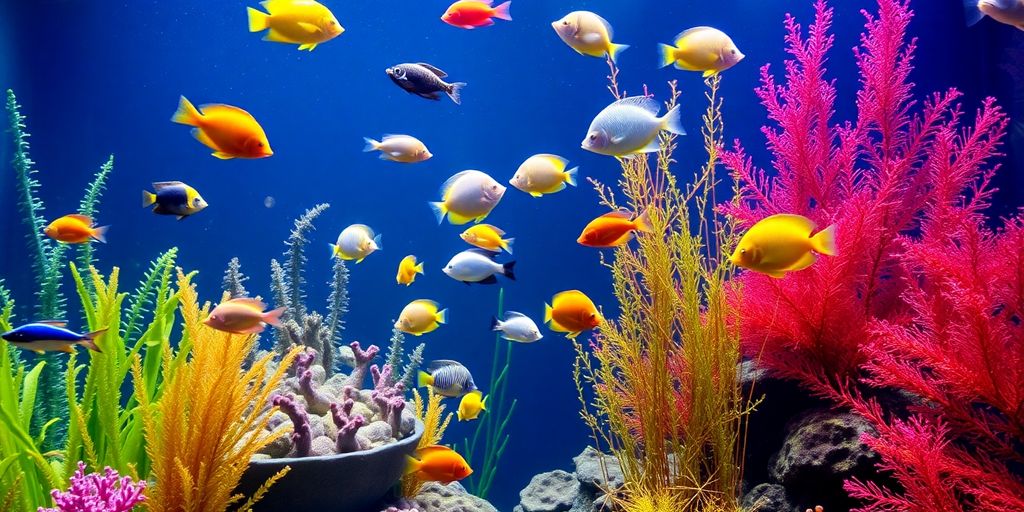
Feeding your tropical fish properly is crucial for their health and happiness. A balanced diet can lead to vibrant colors and active behavior. Here are some key points to consider:
Choosing the Right Food
- Types of Food: Most tropical fish thrive on a mix of high-quality flakes, pellets, and occasional live or frozen foods.
- Nutritional Needs: Different species have different dietary requirements. Research the specific needs of your fish.
- Quality Matters: Look for foods that contain natural ingredients and avoid those with fillers.
Feeding Schedules
- Frequency: Feed your fish 1-2 times a day, but only what they can consume in a few minutes.
- Portion Control: Overfeeding can lead to poor water quality and health issues.
- Variety: Rotate different types of food to ensure a balanced diet.
Avoiding Overfeeding
- Signs of Overfeeding: Watch for uneaten food and cloudy water. If you see these, reduce the amount you feed.
- Health Risks: Overfeeding can cause obesity and stress in fish, leading to diseases.
Remember, a well-fed fish is a happy fish! Keeping a close eye on their eating habits will help you maintain a healthy aquarium environment.
| Food Type | Benefits | Recommended Frequency |
|---|---|---|
| Flakes | Easy to digest, good for daily use | Daily |
| Pellets | Nutrient-rich, promotes growth | Daily |
| Frozen Foods | High in protein, great for treats | 2-3 times a week |
Maintaining Water Quality in Your Aquarium
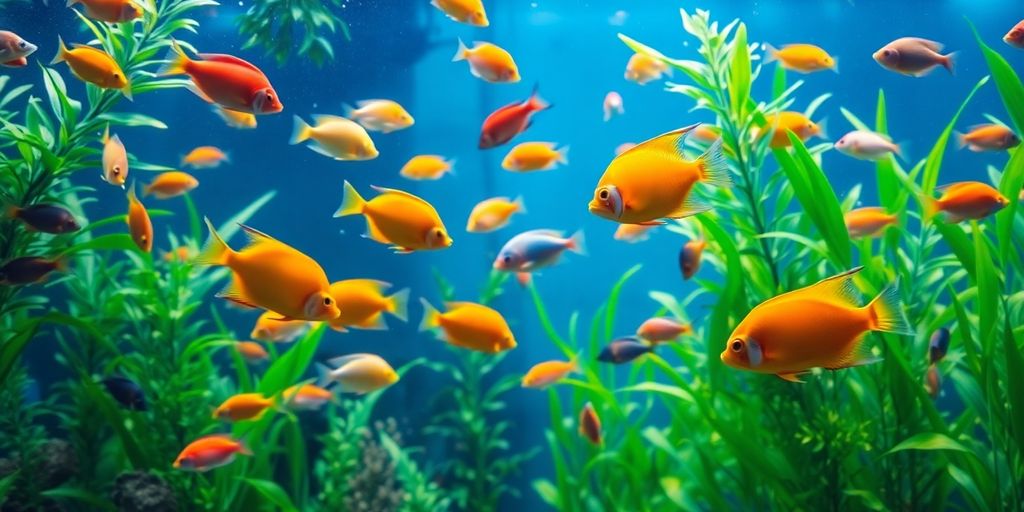
Keeping your aquarium water clean is essential for the health of your fish. Here are some key points to consider:
Regular Water Testing
- Use test kits to check for ammonia, nitrite, nitrate, and pH levels.
- Aim for ammonia and nitrite levels at zero; keep nitrates low to avoid stress.
- Regular testing helps you catch problems early.
Water Changes
- Change 10-20% of the water weekly to remove toxins.
- Always use a water conditioner to dechlorinate tap water before adding it to the tank.
- Consider using a siphon to clean the gravel while changing water.
Maintaining Proper Temperature
- Tropical fish thrive in warm water, so keep the temperature stable.
- Use an aquarium heater to maintain the right temperature for your fish species.
| Water Parameter | Ideal Range |
|---|---|
| Ammonia | 0 ppm |
| Nitrite | 0 ppm |
| Nitrate | < 20 ppm |
| pH | 6.5 – 7.5 |
| Temperature | 75°F – 80°F |
Maintaining good water quality is the most important part of keeping your fish healthy. Regular testing and water changes will help you achieve this goal.
Conclusion
By following these steps, you can ensure a safe and healthy environment for your tropical fish. Remember, a clean tank leads to happy fish!
Preventing and Treating Common Fish Diseases
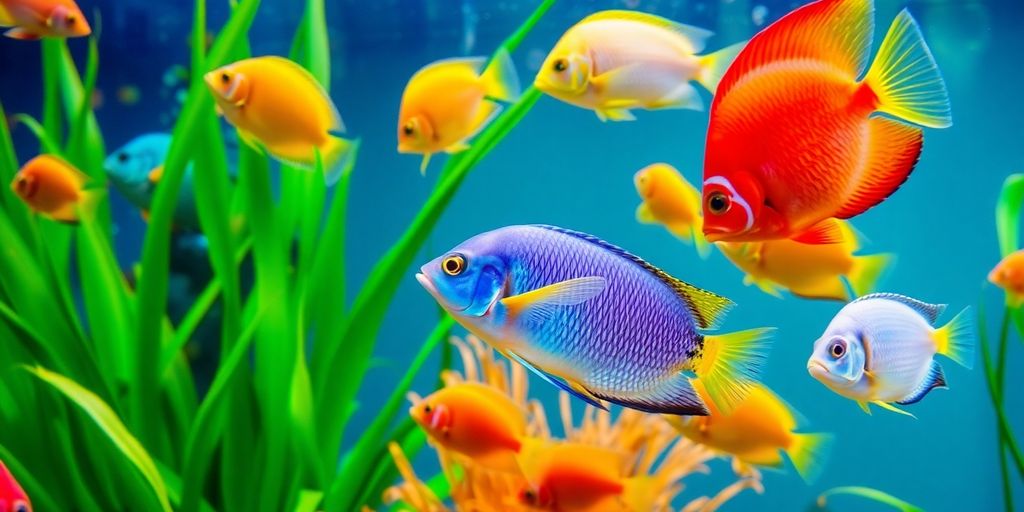
Identifying Symptoms
Tropical fish can get sick just like any other pet. Understanding common diseases in fish is essential for prevention and treatment. Here are some signs to watch for:
- Changes in swimming behavior (e.g., swimming sideways or floating)
- Loss of appetite or not eating
- Visible spots or lesions on the body
- Rapid gill movement or gasping for air
Quarantine Procedures
To keep your fish healthy, it’s important to quarantine new arrivals before adding them to your main tank. This helps prevent the spread of diseases. Here’s how to do it:
- Set up a separate tank with similar water conditions.
- Observe the new fish for at least two weeks.
- Look for any signs of illness during this time.
Effective Treatments
If you notice any symptoms, you may need to treat your fish. Here are some common treatments:
- Medications: Use aquarium fish medicine designed for specific diseases. This can help treat infections and parasites.
- Salt Baths: For some external parasites, a salt bath can be effective. Make sure to follow the right dosage.
- Improving Water Quality: Regular water changes and maintaining clean conditions can help prevent diseases.
| Disease Type | Symptoms | Treatment |
|---|---|---|
| Bacterial Infections | Red sores, swelling | Antibiotics |
| Fungal Infections | White cotton-like growth | Antifungal medications |
| Parasitic Infestations | Scratching against objects | Anti-parasitic treatments |
Keeping your fish’s environment clean and well-maintained is crucial for their well-being. Regular water changes and monitoring can significantly reduce the risk of disease.
Enhancing the Aquarium Environment
Creating a beautiful and healthy aquarium environment is essential for your tropical fish. Adding the right decorations and plants can significantly improve their habitat. Here are some key aspects to consider:
Adding Plants and Decorations
- Live Plants: Plants like Java Fern, Anubias, and Amazon Swords not only beautify the tank but also provide hiding spots for fish. They help maintain water quality by absorbing carbon dioxide and releasing oxygen.
- Decorative Items: Choose decorations that match your style, such as rocks, caves, or shipwrecks. Ensure they are safe for fish and thoroughly rinsed before adding them to the tank.
- Hiding Spots: Fish feel more secure when they have places to hide. Consider adding caves or large decorations with openings.
Creating a Natural Look
- Use natural materials that mimic the fish’s natural habitat. This can include:
- Driftwood
- Natural stones
- Substrate that resembles riverbeds or ocean floors
Importance of Lighting
- Proper lighting is crucial for plant growth and fish health. Consider using LED lights, which are energy-efficient and provide the right spectrum for plant growth.
Remember, a well-decorated aquarium not only looks good but also creates a stress-free environment for your fish, promoting their health and happiness.
Summary Table of Key Elements
| Element | Purpose |
|---|---|
| Live Plants | Oxygen production, hiding spots |
| Decorations | Aesthetic appeal, security for fish |
| Lighting | Plant growth, fish health |
Tips for Long-Term Care of Tropical Fish
Routine Maintenance Tasks
To keep your tropical fish happy and healthy, regular maintenance is key. Here are some essential tasks:
- Change the water regularly to remove toxins.
- Clean the filter to ensure proper water flow.
- Remove any debris or uneaten food from the tank.
Monitoring Fish Health
Observing your fish daily can help you catch any health issues early. Look for:
- Changes in behavior, like hiding or not eating.
- Physical signs such as spots or discoloration.
- Signs of stress, like rapid gill movement.
Adjusting Care for Different Species
Different fish have unique needs. Here’s how to cater to them:
- Research the specific requirements of each species.
- Adjust feeding schedules based on their activity levels.
- Ensure compatible tank mates to reduce stress.
Keeping your fish’s environment clean and well-maintained is crucial for their well-being. Regular water changes are necessary to remove accumulated toxins and maintain optimal water quality.
Summary Table of Key Care Tasks
| Task | Frequency | Purpose |
|---|---|---|
| Water Change | Weekly | Remove toxins |
| Filter Cleaning | Monthly | Maintain water flow |
| Health Check | Daily | Spot issues early |
Taking care of tropical fish can be a fun and rewarding hobby! To keep your fish healthy for a long time, make sure to maintain clean water, feed them the right food, and check their environment regularly. If you want to learn more about caring for your fish, visit our website for helpful tips and products!
Final Thoughts on Buying Tropical Fish by Mail
In conclusion, buying tropical fish by mail can be a rewarding experience if done right. Always research the fish you want and choose a reliable seller. Make sure to check the shipping methods and how the fish will be packed. When your fish arrive, take your time to acclimate them to their new home. Remember, the health of your fish depends on the care you provide. With these tips, you can enjoy a beautiful aquarium filled with vibrant fish. Happy fishkeeping!
Frequently Asked Questions
What should I do if my fish arrive dead or sick?
If your fish arrive dead or sick, contact the seller immediately. Take photos of the fish and the packaging to show the condition they arrived in. Most reputable sellers will offer a refund or replacement.
How can I ensure my new fish are healthy?
To ensure your new fish are healthy, buy from reputable sellers, check for signs of illness, and ask about their care practices before purchasing.
What is the best way to acclimate my new fish?
The best way to acclimate your new fish is to slowly introduce them to your tank’s water. You can do this by floating the sealed bag in your tank for about 15 minutes, then gradually mixing tank water into the bag.
How do I choose compatible fish for my aquarium?
To choose compatible fish, research their behavior and habitat needs. Avoid mixing aggressive species with peaceful ones, and consider their size and water requirements.
What should I do if my fish are not eating?
If your fish are not eating, check the water quality, ensure the food is appropriate, and give them time to adjust to their new environment. If the problem persists, consult with a vet or an expert.
How can I maintain the water quality in my aquarium?
To maintain water quality, regularly test the water parameters, perform partial water changes, and use a good filtration system. Also, avoid overfeeding your fish.
What are the signs of stress in fish?
Signs of stress in fish include hiding, rapid gill movement, loss of appetite, and unusual swimming patterns. If you notice these signs, check the water quality and tank conditions.
How often should I feed my tropical fish?
Most tropical fish should be fed once or twice a day, offering only as much food as they can consume in a few minutes. Adjust feeding based on their specific needs.