Buying live fish online can be an exciting way to start or expand your aquarium. However, it’s important to know how to choose healthy fish and set up your tank properly. This guide will help you navigate the process of buying live fish online, ensuring your aquatic friends thrive in their new home.
Key Takeaways
- Research various online fish stores for better selection and prices.
- Always check for reviews to ensure the store’s reputation.
- Understand the specific needs of different fish types before purchasing.
- Prepare your aquarium properly to create a safe environment for new fish.
- Be aware of shipping processes and how to acclimate fish to their new home.
Why Buy Live Fish Online?
Buying live fish online has become a popular choice for many aquarium enthusiasts. Here are some reasons why:
Convenience and Variety
Purchasing fish online offers unmatched convenience. You can browse a wide selection of fish from the comfort of your home. Many online stores provide a variety of species that may not be available in local pet shops. This means you can find the perfect fish for your aquarium without the hassle of traveling.
Health and Quality
When you buy fish online, you often get access to fresh, never frozen fish. Studies show that eating fresh fish with a shorter journey from the sea to your plate not only preserves the taste of the fish but also its nutritional value. This is crucial for maintaining a healthy aquarium.
Expert Advice and Support
Many online fish stores offer expert advice and support. They can help you choose the right fish for your tank and provide tips on care and maintenance. This guidance can be invaluable, especially for beginners.
Buying fish online can be a great way to enhance your aquarium experience, ensuring you have healthy and vibrant fish.
In summary, buying live fish online is a convenient option that provides a wide variety of healthy fish, along with expert support to help you succeed in your aquarium journey.
Choosing the Right Online Fish Store
When it comes to buying live fish online, selecting the right store is crucial. Here are some key factors to consider:
Reputation and Reviews
- Look for stores with positive customer feedback.
- Check for any complaints about fish health or delivery issues.
- Consider stores that are recommended by fellow aquarists.
Shipping Policies
- Ensure the store has a clear shipping policy.
- Look for guarantees on live arrival, which is essential for your fish’s health.
- Check if they offer tracking for your order to monitor its progress.
Customer Service
- Good customer service can make a big difference.
- Reach out with questions before purchasing to gauge their responsiveness.
- Look for stores that offer expert advice and support, as this can help you make informed decisions.
| Store Name | Reputation | Shipping Guarantee | Customer Service |
|---|---|---|---|
| Advatec Aquatics | High | Yes | Excellent |
| Imperial Tropicals | High | Yes | Good |
| Aquatic Motiv | Medium | Yes | Fair |
Choosing a reputable online fish store can help ensure that you receive healthy fish and quality service. Take your time to research and make an informed decision!
Understanding Different Types of Live Fish
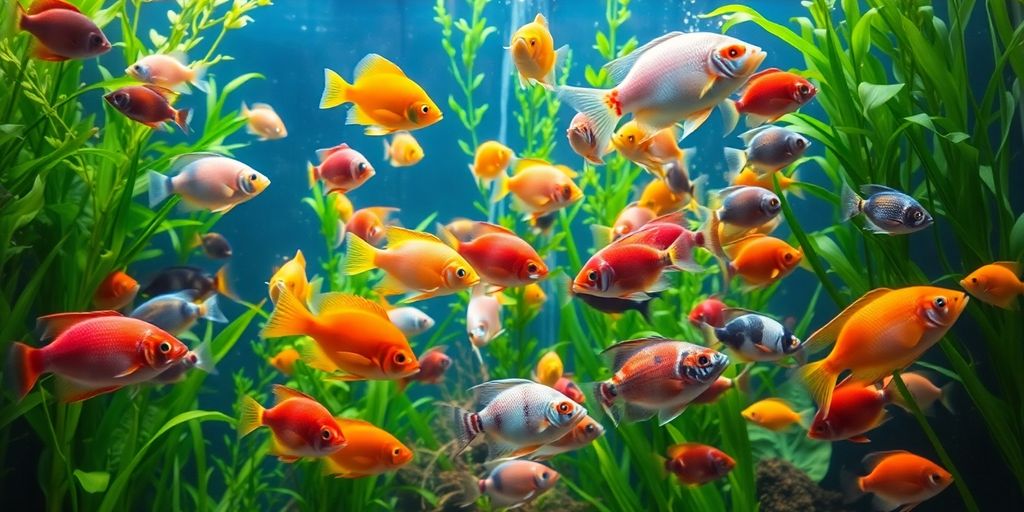
When it comes to setting up your aquarium, understanding the different types of live fish is crucial. Each type has its own unique needs and characteristics. Choosing the right fish can make a big difference in your aquarium’s health and beauty.
Freshwater Fish
Freshwater fish are often the best choice for beginners. They are generally easier to care for and come in a wide variety of species. Here are some popular options:
- Betta Fish: Known for their vibrant colors and flowing fins.
- Goldfish: A classic choice that can live for many years.
- Neon Tetras: Small, colorful fish that thrive in schools.
Saltwater Fish
Saltwater fish can be more challenging to care for but are often more colorful and diverse. Some common saltwater fish include:
- Clownfish: Famous for their bright orange color and friendly nature.
- Tang Fish: Known for their vibrant colors and active swimming.
- Angelfish: Beautiful and elegant, but require more care.
Tropical Fish
Tropical fish can be either freshwater or saltwater, but they thrive in warmer waters. They often have stunning colors and patterns. Here are a few examples:
- Discus Fish: Known for their round shape and vibrant colors.
- Guppies: Small, hardy fish that come in many colors.
- Cichlids: Diverse group with many species, some of which can be aggressive.
| Type of Fish | Care Level | Lifespan | Compatibility |
|---|---|---|---|
| Freshwater Fish | Easy | 5-10 years | Generally good |
| Saltwater Fish | Moderate | 5-15 years | Varies by species |
| Tropical Fish | Moderate | 3-10 years | Varies by species |
Understanding the specific needs of each fish type is essential for creating a thriving aquarium. Research and consult with experts to ensure you make the best choices for your aquatic friends.
Preparing Your Aquarium for New Fish
Setting up your aquarium properly is essential for the health of your new fish. A well-prepared tank ensures a smooth transition for your aquatic friends. Here are the key steps to follow:
Cycling Your Tank
- Establish beneficial bacteria: This process helps convert harmful ammonia from fish waste into less toxic substances.
- Monitor water parameters: Regularly check pH, ammonia, nitrite, and nitrate levels to ensure a healthy environment.
- Wait for stabilization: This process usually takes a few weeks. Only introduce fish once the water conditions are stable.
Setting Up the Environment
- Choose the right substrate: Gravel or sand can affect water quality and fish health.
- Add decorations and plants: These provide hiding spots and make the tank visually appealing.
- Install equipment: Ensure your filtration system, heater, and lighting are set up correctly.
Testing Water Parameters
Before adding fish, it’s crucial to test the water:
| Parameter | Ideal Range |
|---|---|
| pH | 6.5 – 7.5 |
| Ammonia | 0 ppm |
| Nitrite | 0 ppm |
| Nitrate | < 20 ppm |
Always keep a new fish in a quarantine tank for at least four weeks to monitor for any health issues. This step is vital to prevent diseases from spreading to your main aquarium.
By following these steps, you can create a safe and welcoming environment for your new fish, ensuring they thrive in their new home!
Selecting Healthy Fish Online
When buying fish online, it’s essential to ensure you are selecting healthy specimens. Here are some tips to help you make the right choice:
Signs of Healthy Fish
- Bright colors: Healthy fish should have vibrant colors, indicating good health.
- Active behavior: Look for fish that are swimming actively and not hiding.
- Clear eyes and fins: Healthy fish have clear eyes and fins without any signs of damage or discoloration.
Avoiding Common Health Issues
- Research the species: Different fish have different health needs. Make sure you understand the specific requirements of the fish you want to buy.
- Check for diseases: Look for signs of common diseases like ich or fin rot. Avoid fish that show any symptoms.
- Read reviews: Check customer reviews to see if others have had issues with the fish from that seller.
Quarantine Procedures
- Set up a quarantine tank: Before introducing new fish to your main tank, keep them in a separate tank for at least two weeks.
- Monitor for illness: During this time, watch for any signs of illness or stress.
- Gradual introduction: If the fish appear healthy after quarantine, gradually introduce them to your main tank to reduce stress.
Remember, healthy fish lead to a thriving aquarium. Taking the time to select the right fish can save you from future headaches and ensure a beautiful aquatic environment.
| Health Indicator | Description |
|---|---|
| Bright Colors | Indicates good health |
| Active Behavior | Shows the fish is healthy and not stressed |
| Clear Eyes | No signs of disease or infection |
Feeding Your Live Fish
Feeding your fish is more than just a daily routine—it’s about understanding their dietary needs and providing them with the best nutrition possible. Here are some key points to consider:
Types of Fish Food
- Flakes: Common and easy to use.
- Pellets: Good for larger fish.
- Frozen or Live Food: Great for picky eaters.
Feeding Schedules
- Feed small amounts 1-2 times a day.
- Adjust based on the fish species and their habits.
- Avoid overfeeding to prevent waste.
Nutritional Requirements
- Look for foods high in protein, especially for carnivorous fish.
- Ensure a mix of vitamins and minerals for overall health.
- Avoid foods with excessive grains, as fish don’t need carbohydrates.
| Nutrient | Importance |
|---|---|
| Protein | Essential for growth and energy |
| Vitamins | Supports immune function |
| Minerals | Important for bone health |
Remember, a balanced diet is crucial for the health and vitality of your fish. Choose wisely!
Maintaining a Clean and Healthy Aquarium
Keeping your aquarium clean is vital for the health of your fish. Regular maintenance helps prevent diseases and keeps your fish happy. Here are some key areas to focus on:
Regular Cleaning Routines
- Water Changes: Aim for a 10-15% water change every week to remove waste and toxins.
- Filter Maintenance: Clean or replace filter media regularly to ensure efficient waste removal and water circulation. This is essential for a healthy aquarium.
- Algae Control: Scrub algae off the glass and decorations to maintain a clear view and a healthy environment.
Water Quality Management
- Test Water Parameters: Regularly check pH, ammonia, nitrite, and nitrate levels to ensure a safe environment for your fish. Use test strips for quick results.
- Temperature Control: Keep the water temperature stable, as fluctuations can stress your fish.
- Additives: Use water conditioners to remove harmful chemicals from tap water before adding it to your tank.
Disease Prevention
- Quarantine New Fish: Always quarantine new fish for at least two weeks before introducing them to your main tank to prevent the spread of diseases.
- Monitor Fish Behavior: Keep an eye on your fish for any signs of illness, such as unusual swimming patterns or loss of appetite.
- Regular Health Checks: Inspect your fish regularly for any signs of disease or stress.
Maintaining a clean aquarium is not just about aesthetics; it’s crucial for the well-being of your aquatic pets. Regular attention to cleaning and water quality can lead to a thriving aquarium environment.
Handling Fish During Shipping and Delivery
When you order live fish online, it’s important to handle them properly during shipping and delivery to ensure their health and safety. Proper care during delivery is crucial to keep your fish happy and healthy.
Unpacking Your Fish
- Open the package carefully: Use scissors to cut the tape without damaging the bags inside.
- Inspect the fish: Look for any signs of stress or injury. Healthy fish should be active and responsive.
- Prepare a safe area: Have a clean, quiet space ready for the fish to acclimate.
Acclimating Fish to the Tank
- Float the bag: Place the sealed bag in your aquarium for about 15-20 minutes to equalize the temperature.
- Gradual mixing: Slowly add small amounts of tank water into the bag every 5 minutes for about 30 minutes.
- Release the fish: Gently net the fish and place them in the tank, avoiding adding the shipping water.
Dealing with Shipping Stress
- Monitor water conditions: Check the temperature and pH levels in your tank to ensure they are stable.
- Limit feeding: Avoid feeding the fish for the first 24 hours to reduce stress.
- Observe behavior: Keep an eye on your fish for any signs of distress or illness.
Remember, the journey from the store to your home can be stressful for fish. Taking the time to acclimate them properly will help them adjust to their new environment and thrive in your aquarium.
By following these steps, you can ensure a smooth transition for your new aquatic friends. Happy fish-keeping!
Common Mistakes to Avoid When Buying Live Fish Online
When purchasing live fish online, it’s easy to make mistakes that can harm your new pets. Here are some common pitfalls to avoid:
Overstocking the Tank
- Don’t overcrowd your aquarium. Each fish needs its own space to thrive. Overstocking can lead to stress and health issues.
- Follow the general rule of one inch of fish per gallon of water.
- Consider the adult size of the fish, not just their size when you buy them.
Ignoring Compatibility
- Always check if the fish species can live together peacefully. Some fish are territorial and may harm others.
- Research the temperament and needs of each species before adding them to your tank.
- Use compatibility charts to guide your choices.
Skipping Quarantine
- Never skip the quarantine process. New fish can carry diseases that may spread to your existing fish.
- Set up a separate tank for new arrivals and observe them for at least two weeks.
- This step is crucial for maintaining a healthy aquarium environment.
Remember, taking the time to research and prepare can save you from costly mistakes and ensure a thriving aquarium.
By avoiding these common mistakes, you can create a healthier and happier environment for your fish. Happy fishkeeping!
Enhancing Your Aquarium with Accessories
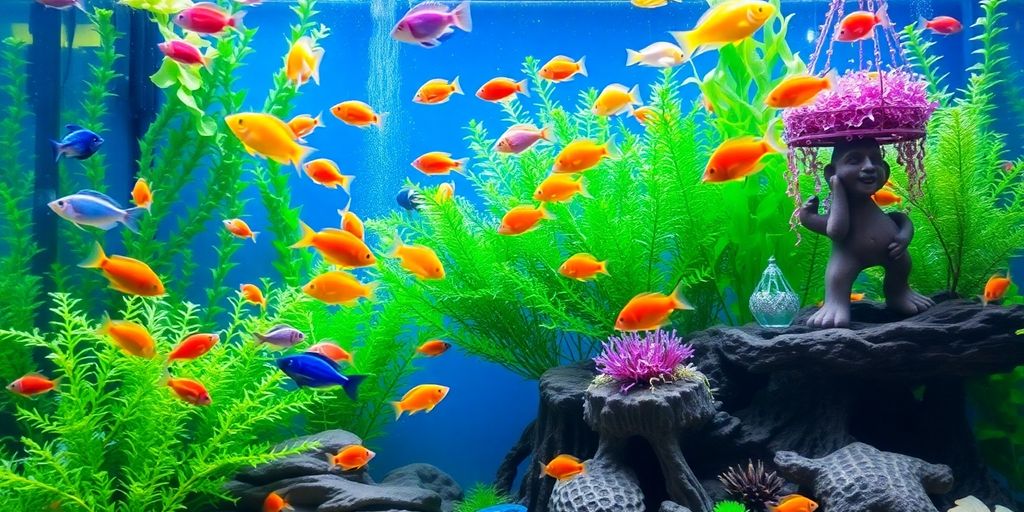
Creating a beautiful aquarium goes beyond just adding fish. Accessories play a vital role in enhancing both the aesthetics and health of your aquatic environment. Here are some key accessories to consider:
Aquarium Lighting
- LED Lights: These are energy-efficient and can mimic natural sunlight, promoting plant growth and enhancing fish colors.
- Color Spectrum: Different lights can bring out the vibrant colors of your fish and plants, making your aquarium more visually appealing.
- Timers: Using timers can help maintain a consistent light cycle, which is essential for the well-being of your fish and plants.
Decorations and Plants
- Live Plants: They not only beautify your tank but also improve water quality by absorbing toxins and providing oxygen. They create a natural habitat for your fish.
- Plastic Plants: Easier to maintain than live plants, they still offer hiding spots for fish but lack the health benefits of live plants.
- Ornaments: Choose safe, non-toxic decorations that provide shelter and enhance the visual appeal of your aquarium.
Filtration Systems
- Canister Filters: These are great for larger tanks and provide excellent water circulation and filtration.
- Hang-On-Back Filters: Ideal for smaller tanks, they are easy to install and maintain.
- Sponge Filters: Perfect for breeding tanks, they provide gentle filtration and aeration.
Remember, the right accessories can create a thriving environment for your fish, making your aquarium a stunning centerpiece in your home.
By carefully selecting the right accessories, you can ensure that your aquarium is not only beautiful but also a healthy habitat for your fish. Explore options that suit your tank’s needs and your personal style!
Understanding the Costs Involved
When setting up an aquarium, it’s essential to understand the costs involved. Budgeting is key to ensuring a successful aquatic environment.
Initial Setup Costs
- Tank: The size of your aquarium will greatly affect the price. A larger tank generally costs more.
- Equipment: This includes filtration systems, heaters, and lighting. For example, a good filtration system can range from $50 to $300.
- Decorations: Plants, rocks, and other decorations can add to the beauty of your tank but also to the cost.
Ongoing Maintenance Costs
- Food: Depending on the type of fish, food can cost anywhere from $10 to $30 per month.
- Water Treatments: Regular treatments for water quality can add up, costing around $10 to $20 monthly.
- Veterinary Care: If your fish get sick, veterinary care can be an unexpected expense.
Shipping Costs
When buying fish online, consider shipping fees. For instance, some stores charge a flat fee of $19.99 for shipping live fish. This can add to your overall costs, especially if you order multiple fish at once.
| Cost Type | Estimated Cost Range |
|---|---|
| Initial Setup | $200 – $1,000 |
| Monthly Maintenance | $30 – $100 |
| Shipping Fees | $19.99 per order |
Remember, the average monthly cost of owning a fish can vary based on your location and the type of fish you choose. It’s important to plan ahead to avoid surprises!
When it comes to setting up your aquarium, understanding the costs is key. From filters to fish food, every item adds up. To make the best choices for your budget, visit our website for helpful tips and great deals!
Final Thoughts on Buying Live Fish Online
In conclusion, purchasing live fish online can be a rewarding experience if done wisely. Always choose a reliable seller who prioritizes the health of their fish. Make sure to check the shipping methods and the condition of the fish upon arrival. Remember, a well-maintained aquarium is key to keeping your fish happy and healthy. By following the tips in this guide, you can create a vibrant underwater world that thrives. Happy fishkeeping!
Frequently Asked Questions
Why should I buy live fish online instead of at a store?
Buying live fish online offers convenience, a wider selection, and often better quality. You can find rare species and get expert advice without leaving your home.
How do I choose a trustworthy online fish store?
Look for stores with good reviews, clear shipping policies, and responsive customer service. Check if they have guarantees for live arrival.
What types of fish can I buy online?
You can find various types of fish online, including freshwater, saltwater, and tropical species. Each type has different care needs.
How do I prepare my aquarium for new fish?
Make sure your tank is cycled, set up properly, and that water parameters are tested and adjusted before adding new fish.
What should I look for to ensure I’m buying healthy fish?
Healthy fish are active, have clear eyes, and show no signs of disease like spots or unusual behavior. Always ask for details on their care.
How often should I feed my fish?
Feeding schedules depend on the fish species. Most fish do well with one or two small meals a day, but some may need more frequent feeding.
What are common mistakes to avoid when buying fish online?
Avoid overstocking your tank, ignoring the compatibility of species, and skipping the quarantine process for new fish.
How can I enhance my aquarium with accessories?
Consider adding plants, decorations, and proper lighting to create a healthy and attractive environment for your fish.