Buying freshwater fish online can be a fun and rewarding experience, but it’s important to know what to look for to ensure you choose the right fish and keep them healthy. This guide will help you navigate the process from selecting fish to maintaining a thriving aquarium.
Key Takeaways
- Choose fish that get along well together to avoid conflicts in the tank.
- Make sure your tank is the right size for the fish you want to keep.
- Look for healthy fish with bright colors and no signs of illness.
- Read reviews and check for guarantees before buying fish online.
- Always quarantine new fish before adding them to your main aquarium.
Choosing the Right Freshwater Fish for Your Aquarium
Setting up an aquarium is exciting, but selecting the right fish is key to a successful experience. Here are some important factors to consider:
Understanding Fish Compatibility
- Research species: Some fish get along well, while others may fight.
- Group dynamics: Some fish prefer to be in schools, while others are solitary.
- Size matters: Ensure that larger fish don’t bully smaller ones.
Selecting Fish Based on Tank Size
- Tank size: Make sure your fish have enough space to swim.
- Stocking levels: Avoid overcrowding; a good rule is one inch of fish per gallon of water.
- Growth potential: Consider how big the fish will get as adults.
Considering Fish Temperament
- Behavior: Some fish are peaceful, while others can be aggressive.
- Activity level: Choose fish that match your desired tank energy.
- Long-term commitment: Some fish live longer than others, so think about your commitment.
Remember, the right fish food, like Omega One, is essential for keeping your fish healthy and vibrant. Choose wisely to create a beautiful and harmonious aquarium!
Where to Buy Freshwater Fish Online
When it comes to buying freshwater fish for your aquarium, the internet offers a wide range of options. Shopping online provides convenience and access to a variety of fish species that may not be available in local stores. Here are some key points to consider:
Top Online Retailers for Freshwater Fish
- Imperial Tropicals: Known for their quality and selection.
- Aquatic Motiv: Offers a variety of fish and supplies.
- Bishop Aquatics: Focuses on customer service and healthy fish.
Reading Customer Reviews
- Always check customer feedback to gauge the reliability of the seller.
- Look for reviews that mention the health and quality of the fish received.
- Pay attention to comments about shipping times and customer service.
Checking for Live Arrival Guarantees
- Ensure the retailer offers a live arrival guarantee to protect your purchase.
- This guarantee means that if your fish arrive dead or unhealthy, you can get a refund or replacement.
| Retailer | Live Arrival Guarantee | Customer Rating |
|---|---|---|
| Imperial Tropicals | Yes | 4.8/5 |
| Aquatic Motiv | Yes | 4.5/5 |
| Bishop Aquatics | Yes | 4.7/5 |
Remember, buying fish online can be a great experience if you choose reputable brands and do your research. Always prioritize the health and well-being of your new aquatic friends!
Evaluating the Health of Freshwater Fish Before Purchase
When buying freshwater fish, it’s crucial to ensure they are healthy. Healthy fish are more likely to thrive in your aquarium. Here are some key points to consider:
Signs of Healthy Fish
- Good Appetite: Fish should eat quickly and enthusiastically.
- Breathing Well: Look for gills rising and falling rhythmically.
- Active Behavior: Fish should be active and alert, swimming around the tank.
Common Health Issues to Watch For
- Cloudy Water: This can indicate poor water quality.
- Visible Damage: Look for split fins or white spots on the fish.
- Dead Fish: Presence of dead fish in the tank is a red flag.
Importance of Quarantine Tanks
- Prevent Disease Spread: Quarantine new fish for at least two weeks before introducing them to your main tank.
- Monitor Health: This allows you to observe any signs of illness without risking your existing fish.
- Reduce Stress: A separate tank can help new fish acclimate without the stress of established tank mates.
Always remember, taking the time to evaluate the health of your fish can save you from future problems in your aquarium.
By following these guidelines, you can ensure that the fish you purchase will be a healthy addition to your aquarium.
Essential Equipment for a Freshwater Aquarium
Aquarium Filters and Pumps
Having a good filter is crucial for keeping your aquarium clean. Filters help remove waste and keep the water clear. Here are some types of filters you might consider:
- External Filters: Great for larger tanks, they sit outside the aquarium.
- Hang-On-Back Filters: Easy to install and maintain, perfect for beginners.
- Internal Filters: Compact and fit inside the tank, suitable for smaller aquariums.
Aquarium Heaters
Most freshwater fish need warm water to thrive. Heaters help maintain a stable temperature. Here are some options:
- Glass Heaters: Common and reliable, but handle with care.
- Plastic Heaters: More durable and less likely to break.
- In-Line Heaters: Installed in the filter system, they save space.
Aquarium Lighting
Proper lighting is essential for both fish and plants. It helps create a natural environment. Consider these types:
- LED Lights: Energy-efficient and long-lasting.
- Fluorescent Lights: Good for plant growth and come in various colors.
- Incandescent Lights: Less common now, but can be used for specific setups.
Remember, investing in quality aquarium accessories will help ensure a healthy environment for your fish. You can find all products you need, including aquarium kits and cabinets, online.
Feeding Your Freshwater Fish
Types of Fish Food
When it comes to feeding your freshwater fish, there are several types of food to consider:
- Flakes: These are the most common and are suitable for many fish species.
- Pellets: These can be floating or sinking and are often more nutritious than flakes.
- Freeze-Dried Food: This includes options like bloodworms and brine shrimp, which can be a treat for your fish.
Feeding Schedules
Establishing a feeding schedule is important for the health of your fish. Here are some tips:
- Feed once or twice a day: This is usually sufficient for most fish.
- Observe your fish: Make sure they eat all the food within 5 to 10 minutes. If not, reduce the amount you feed.
- Adjust based on species: Some fish may require more frequent feeding, while others may need less.
Avoiding Overfeeding
Overfeeding can lead to water pollution and health issues for your fish. Here are some ways to prevent it:
- Use a timer to remind you when to feed.
- Keep track of how much food you give each time.
- If you notice uneaten food, cut back on the amount you provide.
Remember, a healthy diet is key to vibrant and active fish. Consider using Screen Terrariums to create a suitable environment for your fish while ensuring they receive the right nutrition.
Maintaining Water Quality in Your Freshwater Aquarium
Keeping your aquarium’s water clean and safe is essential for the health of your fish. Regular testing is crucial to ensure that the water parameters are within the right range. Here are some key points to consider:
Using Aquarium Test Strips
- Test for important parameters like pH, ammonia, nitrite, and nitrate levels. These are vital for maintaining aquatic water quality and care.
- Use products like Advatec test strips for accurate results. They can help you monitor multiple parameters at once, making it easier to keep track of your aquarium’s health.
Water Changes and Maintenance
- Perform regular water changes (about 10-15% weekly) to keep the water fresh and reduce harmful substances.
- Clean the substrate and decorations to prevent waste buildup.
- Always treat tap water with a dechlorinator before adding it to the tank.
Managing Algae Growth
- Control algae by limiting light exposure and ensuring proper filtration.
- Consider adding algae-eating fish or snails to help manage growth naturally.
- Regularly check for signs of excessive algae, which can indicate poor water quality.
| Parameter | Ideal Range |
|---|---|
| pH | 6.5 – 7.5 |
| Ammonia | 0 ppm |
| Nitrite | 0 ppm |
| Nitrate | < 20 ppm |
Remember, maintaining the aquarium’s water parameters is one of the most critical tasks you must do to keep your plants, fish, snails, and shrimp healthy. Regular monitoring and maintenance will ensure a thriving aquatic environment for your fish.
Creating a Suitable Habitat for Freshwater Fish
Creating a comfortable and safe environment for your fish is essential for their health and happiness. A well-planned habitat can significantly enhance the quality of life for your aquatic pets. Here are some key elements to consider:
Aquarium Plants and Decorations
- Live Plants: Adding live plants not only beautifies the tank but also provides hiding spots and helps maintain water quality.
- Decorative Items: Use rocks, driftwood, and other decorations to create a natural environment. Ensure they are safe for fish and won’t leach harmful substances.
- Terrarium Starter Kits: These kits can be a great way to start your aquarium setup, providing essential items for creating a suitable habitat.
Substrate Choices
Choosing the right substrate is crucial for your aquarium’s ecosystem. Here are some options:
- Gravel: Good for most freshwater fish and easy to clean.
- Sand: Ideal for bottom-dwelling fish but requires more maintenance.
- Soil: Beneficial for planted tanks, providing nutrients for plants.
Setting Up Hiding Spots
Fish need places to hide to feel secure. Consider the following:
- Caves and Tunnels: These can be made from rocks or purchased from pet stores.
- Plants: Tall plants can provide cover and create a sense of security.
- Decorative Structures: Items like hollow logs or ceramic pots can serve as hiding spots.
Remember, a well-designed habitat not only looks good but also promotes the health and well-being of your fish. Regularly check and maintain the environment to ensure it remains suitable for your aquatic friends.
Understanding the Nitrogen Cycle in Freshwater Aquariums
The nitrogen cycle is a crucial process in maintaining a healthy aquarium. It helps convert harmful substances into safer ones for your fish. This cycle begins when fish waste and leftover food break down, producing ammonia, which is toxic to fish.
What is the Nitrogen Cycle?
The nitrogen cycle involves several steps:
- Ammonia Production: Fish waste and decaying food create ammonia.
- Nitrite Formation: Beneficial bacteria convert ammonia into nitrite, which is also harmful to fish.
- Nitrate Creation: Another type of bacteria changes nitrite into nitrate, which is less harmful.
- Nitrate Removal: Regular water changes or plants can help remove nitrate from the tank.
Steps to Establish the Nitrogen Cycle
To set up the nitrogen cycle in your aquarium, follow these steps:
- Add Fish Gradually: Start with a few fish to avoid overwhelming the system.
- Monitor Water Parameters: Use test strips to check ammonia, nitrite, and nitrate levels regularly.
- Be Patient: The cycle can take several weeks to establish fully.
Monitoring Ammonia, Nitrite, and Nitrate Levels
It’s essential to keep an eye on these levels:
- Ammonia: Should be at 0 ppm.
- Nitrite: Should also be at 0 ppm.
- Nitrate: Ideally below 20 ppm for a healthy environment.
| Parameter | Ideal Level | Action Needed |
|---|---|---|
| Ammonia | 0 ppm | Water change |
| Nitrite | 0 ppm | Water change |
| Nitrate | <20 ppm | Regular maintenance |
Remember, maintaining a balanced nitrogen cycle is key to a thriving aquarium. Using products like AQUAEL filters can help manage these levels effectively. Additionally, consider incorporating glass terrariums for a unique aesthetic while ensuring your fish’s health.
Common Freshwater Fish Species for Beginners
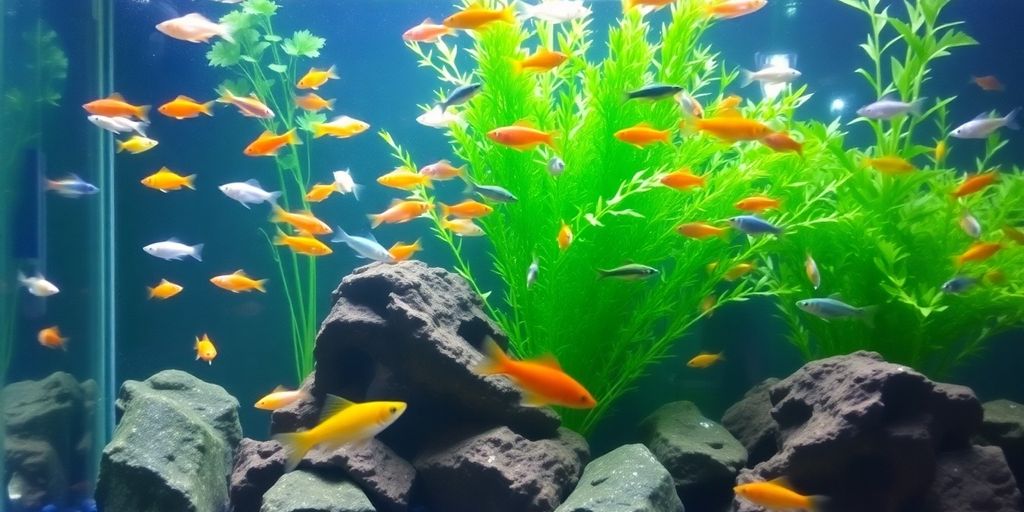
When starting your aquarium journey, choosing the right fish is crucial. Here are some popular species that are perfect for beginners:
Tetras
- Neon Tetras: These small, colorful fish are easy to care for and thrive in schools. They prefer a well-planted tank with gentle filtration.
- Cardinal Tetras: Similar to neon tetras but with a more vibrant red stripe. They are peaceful and do well in community tanks.
Guppies
- Guppies are hardy and come in various colors. They are livebearers, meaning they give birth to live young, which can be exciting for new aquarists.
- They adapt well to different water conditions, making them a great choice for beginners.
Betta Fish
- Betta fish are known for their stunning colors and flowing fins. They can be kept alone or with compatible species, but avoid housing them with other male bettas.
- Bettas are relatively easy to care for, but they do require a tank with a heater and filter.
Summary Table of Fish Species
| Fish Species | Size (inches) | Care Level | Compatibility |
|---|---|---|---|
| Neon Tetra | 1.5 | Easy | Community |
| Cardinal Tetra | 1.5 | Easy | Community |
| Guppy | 1-2 | Easy | Community |
| Betta | 2-3 | Easy | Semi-aggressive |
Remember: Always research the specific needs of each species before adding them to your tank. Using brands like Exo-Terra and Polyplab can help ensure you have the right equipment and supplies for a healthy aquarium environment.
Handling and Acclimating New Fish
When you get new fish for your aquarium, it’s important to handle and acclimate them properly. This helps reduce stress and ensures a smooth transition to their new home.
Proper Acclimation Techniques
- Float the Bag: Place the sealed bag with the fish in your aquarium for about 15-20 minutes. This allows the water temperature to equalize.
- Mix Water: After floating, open the bag and slowly add a cup of your aquarium water to the bag every 5 minutes for about 30 minutes.
- Transfer Fish: Use a net to transfer the fish into the aquarium. Avoid adding the bag water to your tank to prevent contamination.
Minimizing Stress During Transfer
- Keep the Lights Dim: Bright lights can stress fish. Dim the lights in your aquarium during the transfer.
- Be Gentle: Handle the fish carefully to avoid injury. Use a net instead of your hands.
- Limit Noise: Keep the area quiet to help the fish feel safe.
Introducing Fish to the Main Tank
- Observe Behavior: Watch how the new fish interact with the existing ones. Look for signs of aggression or stress.
- Provide Hiding Spots: Ensure there are plenty of places for fish to hide, which can help reduce stress.
- Monitor Water Quality: After introducing new fish, check the water parameters regularly to ensure a healthy environment.
Remember, acclimating your fish properly is crucial for their health and happiness. Following these steps will help you create a thriving aquarium. If you’re looking for quality fish, consider checking out brands like Laguna for reliable options.
Preventing and Treating Common Fish Diseases
Identifying Symptoms of Fish Diseases
Recognizing the signs of illness in your fish is crucial for their health. Common symptoms include:
- Changes in behavior (e.g., hiding or lethargy)
- Physical signs like spots, lesions, or discoloration
- Changes in appetite (eating less or not at all)
Treatment Options
Once you identify a disease, prompt action is essential. Here are some treatment options:
- Quarantine affected fish to prevent spreading diseases.
- Use medications specifically designed for the identified disease.
- Maintain optimal water conditions using Aquarium Test Strips to monitor parameters like pH and ammonia levels.
Preventative Measures
To keep your fish healthy, consider these preventative steps:
- Regularly check water quality with Aquarium Test Strips.
- Ensure proper filtration and water changes to maintain a clean environment.
- Avoid overfeeding, which can lead to waste buildup and poor water quality.
Keeping your aquarium clean and monitoring fish health regularly can prevent many common diseases. Healthy fish are happy fish!
Aquarium Maintenance Tips
Maintaining your aquarium is essential for the health of your fish and the overall beauty of your setup. Here are some key tips to keep your aquarium thriving:
Regular Cleaning Routines
- Perform a 50% water change every two months to keep the water fresh and clean.
- Clean only the mechanical media in the filter once a week to avoid disrupting beneficial bacteria.
- Wipe down the front glass to remove algae and keep your view clear.
Checking and Replacing Equipment
- Regularly inspect your Aquarium Pumps and Filters to ensure they are functioning properly.
- Replace filter media as needed to maintain water quality.
- Check heaters and lighting systems to ensure they are working efficiently.
Seasonal Maintenance Tasks
- In spring and fall, consider a thorough cleaning of the tank and equipment.
- Test water parameters regularly to catch any issues early.
- Prepare for seasonal changes that may affect water temperature and quality.
Keeping your aquarium clean and well-maintained is crucial for the health of your fish. Regular maintenance not only enhances the beauty of your aquarium but also ensures a safe environment for your aquatic pets. Remember, a little effort goes a long way!
Keeping your aquarium clean and healthy is essential for your fish’s happiness. Regularly check the water quality, change the filters, and feed your fish the right food. For more tips and to find the best products for your aquarium, visit our website today!
Final Thoughts on Buying Freshwater Fish Online
In conclusion, buying freshwater fish online can be a fun and rewarding experience if you follow the right steps. Always do your homework on the seller to make sure they are trustworthy and provide healthy fish. Look for reviews and check if they have a guarantee for live arrival. Remember to think about the type of fish that will fit well in your aquarium and how to care for them properly. With careful planning and a little patience, you can create a beautiful underwater world that brings you joy for years to come.
Frequently Asked Questions
What types of freshwater fish can I buy for my aquarium?
You can find many types of freshwater fish like Tetras, Guppies, and Betta Fish that are great for beginners.
How do I know if the fish are healthy before buying?
Look for clear eyes, bright colors, and active swimming. Avoid fish that are hiding or have unusual spots.
What should I consider when choosing fish for my tank?
Think about the size of your tank, the compatibility of the fish, and their care needs.
Where can I buy freshwater fish online?
You can buy freshwater fish from reputable online retailers, local pet stores, or specialized fish breeders.
How do I acclimate new fish to my aquarium?
To acclimate fish, float the bag in the tank for about 15 minutes, then slowly mix tank water into the bag before releasing them.
What should I feed my freshwater fish?
Feed them a variety of foods like flakes, pellets, and frozen foods that are suitable for their species.
How often should I change the water in my aquarium?
It’s good to change about 10-15% of the water weekly to keep it clean and healthy.
What equipment do I need for a freshwater aquarium?
You’ll need a filter, heater, and lighting, along with decorations and plants to create a suitable habitat.