Marine reefs are among the most beautiful and diverse ecosystems on our planet. They are home to countless species of fish, corals, and other marine life. This article will guide you through the wonders of creating a sustainable marine reef aquarium, helping you appreciate the beauty of these underwater worlds while also protecting them. Whether you’re a beginner or an experienced aquarist, you’ll find valuable tips on setting up and maintaining your aquarium.
Key Takeaways
- Coral reefs are vital for marine biodiversity and need protection.
- Setting up a marine aquarium requires careful planning and the right equipment.
- Choosing compatible marine life is crucial for a healthy aquarium.
- Regular water testing helps maintain a stable environment for fish and corals.
- Sustainable practices are essential to minimize environmental impacts.
Understanding the Marine Reef Ecosystem
The Importance of Coral Reefs
Coral reefs are vital to our oceans. They provide homes for many marine species and help protect coastlines from erosion. Coral reefs are often called the "rainforests of the sea" because of their rich biodiversity. They support about 25% of all marine life, making them essential for a healthy ocean ecosystem.
Biodiversity in Marine Reefs
Marine reefs are home to a wide variety of species, including fish, invertebrates, and plants. This biodiversity is crucial for maintaining the balance of the ecosystem. Here are some key points about biodiversity in marine reefs:
- Habitat: Reefs provide shelter and breeding grounds for many species.
- Food Source: They are a source of food for numerous marine animals.
- Economic Value: Healthy reefs support fishing and tourism industries.
Threats to Marine Reefs
Despite their importance, coral reefs face many threats, including:
- Climate Change: Rising ocean temperatures lead to coral bleaching.
- Pollution: Runoff from land can harm reef ecosystems.
- Overfishing: Unsustainable fishing practices can disrupt the balance of marine life.
Protecting coral reefs is essential for the health of our oceans and the survival of countless marine species. By understanding these ecosystems, we can take steps to preserve them for future generations.
| Threats to Marine Reefs | Impact on Ecosystem |
|---|---|
| Climate Change | Coral bleaching |
| Pollution | Harm to marine life |
| Overfishing | Disruption of balance |
Setting Up Your Marine Reef Aquarium
Creating a marine reef aquarium can be an exciting adventure. Here’s how to get started:
Choosing the Right Tank
- Size Matters: A larger tank is often more stable and easier to maintain.
- Shape: Consider a rectangular tank for better water circulation.
- Material: Glass or acrylic are common choices, each with pros and cons.
Essential Equipment for Marine Reefs
To ensure a thriving environment, you’ll need the following:
- Filtration System: A good filter is crucial for keeping the water clean.
- Heater: Maintaining a stable temperature is vital for marine life.
- Lighting: Proper lighting helps corals and plants grow.
| Equipment Type | Purpose |
|---|---|
| Filtration | Cleans water |
| Heater | Maintains temperature |
| Lighting | Supports photosynthesis |
Water Quality and Filtration
Maintaining water quality is essential for your aquarium’s health. Here are some tips:
- Regular Testing: Use test kits to check pH, ammonia, and nitrate levels.
- Water Changes: Change 10-15% of the water weekly to keep it fresh.
- Use RO/DI Water: Reverse osmosis/deionized water is best for marine tanks.
Tip: Always monitor your water parameters to prevent issues before they arise.
By following these steps, you can set up a successful marine reef aquarium that supports a vibrant underwater ecosystem!
Selecting Marine Life for Your Aquarium
Popular Fish Species
When choosing fish for your marine reef aquarium, consider starting with hardy species that can adapt well to new environments. Here are some popular options:
- Clownfish: Known for their vibrant colors and friendly nature.
- Damselfish: Hardy and easy to care for, making them great for beginners.
- Tangs: Beautiful and active swimmers that help control algae.
Invertebrates and Corals
Invertebrates and corals add beauty and diversity to your aquarium. Here are some to consider:
- Shrimp: Such as cleaner shrimp, which help keep the tank clean.
- Starfish: Interesting creatures that can add unique movement to your tank.
- Corals: Soft corals like mushroom corals are easier to care for than hard corals.
Compatibility and Coexistence
Compatibility is key when selecting marine life. Here are some tips:
- Research each species’ temperament and needs.
- Avoid mixing aggressive fish with peaceful ones.
- Ensure that the tank size is adequate for all inhabitants.
Remember, creating a balanced ecosystem is essential for a thriving aquarium.
By carefully selecting your marine life, you can create a vibrant and sustainable underwater world that mimics the beauty of natural reefs. Start with a solid plan and enjoy the journey of building your aquarium!
Maintaining Water Quality in Marine Reef Aquariums
Testing Water Parameters
Regularly testing your aquarium’s water is crucial for keeping your marine life healthy. Weekly tasks include monitoring water parameters, scrubbing glass, and inspecting equipment. Here are some key parameters to check:
- pH Levels: Aim for a pH between 7.8 and 8.5.
- Ammonia and Nitrite: Both should be at 0 ppm.
- Nitrate: Keep it below 20 ppm for optimal health.
Common Water Quality Issues
Water quality can deteriorate due to various factors. Here are some common issues:
- High Ammonia Levels: Can cause stress and illness in fish.
- Algae Blooms: Often a sign of excess nutrients.
- Low Oxygen Levels: Can lead to fish suffocation.
Using Filtration Systems
A good filtration system is essential for maintaining water quality. Consider these types:
- Mechanical Filters: Remove solid debris like waste and uneaten food.
- Chemical Filters: Use activated carbon to remove toxins.
- Biological Filters: Support beneficial bacteria that break down waste.
Maintaining water quality is not just about keeping fish alive; it’s about creating a thriving ecosystem that mimics their natural habitat.
By following these guidelines, you can ensure a healthy environment for your marine reef aquarium.
Lighting Solutions for Marine Reef Aquariums
Types of Aquarium Lighting
When setting up a marine reef aquarium, choosing the right lighting is crucial. Different types of lights can affect the health and growth of your corals and fish. Here are some common types:
- LED Lights: Energy-efficient and customizable, they provide a full spectrum of light.
- Metal Halide Lights: These offer intense light but can generate a lot of heat.
- T5 Fluorescent Lights: Good for shallow tanks, they provide a balanced light spectrum.
Benefits of LED Lighting
LED lighting is a popular choice among aquarists for several reasons:
- Energy Efficiency: They consume less power compared to other types.
- Long Lifespan: LEDs can last for years, reducing replacement costs.
- Customizable Settings: Many LED systems allow you to adjust the light spectrum and intensity.
Setting Up a Lighting Schedule
To mimic natural conditions, it’s important to set a proper lighting schedule:
- Morning: Gradually increase light intensity to simulate sunrise.
- Midday: Maintain full brightness for several hours.
- Evening: Gradually decrease light to simulate sunset.
- Night: Turn off the lights or use a dim blue light to simulate moonlight.
Proper lighting is essential for the health of your marine reef inhabitants. It not only enhances their colors but also supports their growth and overall well-being.
Recommended Lighting Products
Here are some popular lighting options:
| Product Name | Type | Watts | Price |
|---|---|---|---|
| Fluval Marine & Reef LED Strip Light | LED | 46 | $219.99 |
| Kessil A360X LED Aquarium Light | LED | 360 | $444.68 |
| T5 Fluorescent Light Fixture | Fluorescent | 54 | $129.99 |
Feeding Your Marine Reef Inhabitants
Types of Fish Food
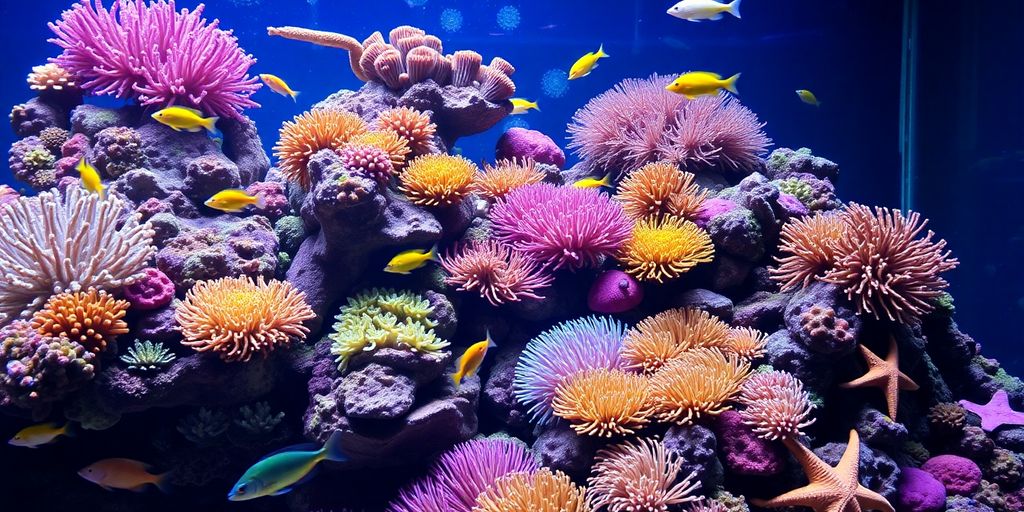
Feeding your marine fish is essential for their health and happiness. Here are some common types of fish food:
- Flakes: Easy to use and suitable for many fish species.
- Pellets: Nutrient-rich and available in various sizes.
- Frozen Food: Great for picky eaters and provides variety.
Feeding Corals and Invertebrates
Corals and invertebrates also need proper nutrition. They often feed on:
- Plankton: Tiny organisms that provide essential nutrients.
- Liquid Foods: Specially formulated for corals and invertebrates.
- Algae: Some species graze on algae, so consider adding it to your tank.
Avoiding Overfeeding
Overfeeding can harm your aquarium. Here are some tips to prevent it:
- Feed small amounts that your fish can consume in a few minutes.
- Observe your fish to see if they are eating well.
- Adjust feeding based on the number of fish and their size.
Remember, a healthy feeding routine is key to a thriving marine reef aquarium.
Highlighted Tips
- For a fallow system, simple feeding can replace nutrients that fish would normally provide to corals. (Highlight: "fallow system")
- [Nocturnal fish](https://reefcoaquariums.com/blogs/news/tips-for-keeping-caring-for-nocturnal-reef-fish?srsltid=AfmBOopYEqc-JEbcWs3pH7WFA9_HhNr0HnneYZX-kJKo3FI9_x0ec6fO) prefer to be fed at night, so adjust your feeding schedule accordingly. (Highlight: "nocturnal fish")
- Always monitor your fish’s health and adjust their diet as needed. (Highlight: "monitor your fish’s health")
Aquascaping Your Marine Reef Aquarium
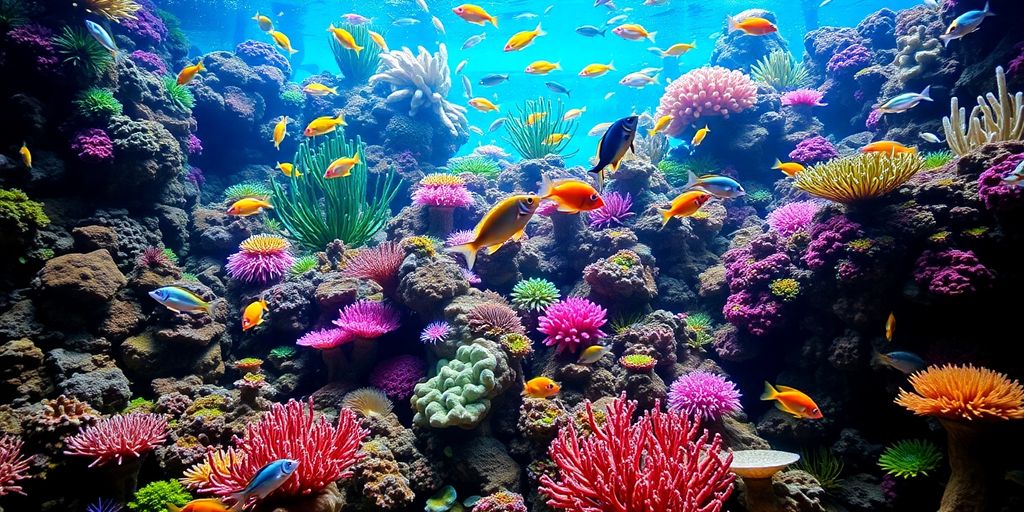
Creating a beautiful marine reef aquarium is an exciting journey. The layout of your aquarium can greatly affect the health and happiness of its inhabitants. Here are some key points to consider:
Designing the Layout
- Plan your design: Sketch out your ideas before starting.
- Create zones: Different areas can cater to various species.
- Use height: Varying heights can create depth and interest.
Choosing the Right Substrate
- Sand or gravel: Choose based on the needs of your marine life.
- Live sand: This can help establish beneficial bacteria.
- Thickness: Aim for 1-2 inches for most setups.
Incorporating Live Rock
- Natural filtration: Live rock helps maintain water quality.
- Hiding spots: It provides shelter for shy fish.
- Aquascaping: Arrange rocks to create caves and overhangs.
Remember, a well-planned aquascape not only looks good but also supports the ecosystem within your aquarium.
By following these guidelines, you can create a stunning and functional marine reef aquarium that thrives for years to come!
Sustainable Practices for Marine Reef Aquariums
Creating a marine reef aquarium can be a rewarding experience, but it’s essential to do it sustainably. Here are some practices to consider:
Ethical Sourcing of Marine Life
- Choose sustainably sourced fish and corals. This helps protect wild populations and ecosystems.
- Look for suppliers who follow sustainable fishing practices.
- Avoid purchasing species that are endangered or threatened.
Reducing Environmental Impact
- Use energy-efficient equipment to minimize electricity usage.
- Implement water-saving techniques, such as using a closed-loop system.
- Recycle and reuse materials whenever possible, like using old tanks or equipment.
Supporting Conservation Efforts
- Participate in local conservation programs that focus on marine habitats.
- Educate yourself and others about the importance of coral reefs and marine biodiversity.
- Consider donating to organizations that work to protect marine ecosystems.
Remember, every small action counts! By adopting sustainable practices, you contribute to the health of our oceans and the future of marine life.
By following these guidelines, you can enjoy your aquarium while also being a responsible steward of the marine environment.
| Practice | Description |
|---|---|
| Ethical Sourcing | Purchase from sustainable suppliers |
| Energy Efficiency | Use energy-saving devices |
| Conservation Support | Engage in local marine conservation efforts |
Troubleshooting Common Issues in Marine Reef Aquariums
Identifying Health Problems
When your fish or corals show signs of distress, it’s crucial to act quickly. Common symptoms include unusual swimming patterns, discoloration, or lack of appetite. Here are some steps to help identify health issues:
- Check water parameters like pH, ammonia, and nitrate levels.
- Observe the behavior of your fish and corals closely.
- Look for signs of disease, such as spots or lesions.
Dealing with Algae Blooms
Algae blooms can be a nuisance in marine aquariums. To manage them effectively, consider these strategies:
- Reduce lighting duration to limit algae growth.
- Increase water circulation to improve filtration.
- Regularly clean the tank and remove excess nutrients.
| Type of Algae | Cause | Solution |
|---|---|---|
| Green Algae | High light | Reduce light exposure |
| Brown Algae | Poor water quality | Improve filtration |
| Red Algae | High nutrients | Regular water changes |
Managing Pests and Parasites
Pests and parasites can harm your marine life. Common issues include ich, flatworms, and bristle worms. Here’s how to tackle them:
- Quarantine new arrivals to prevent spreading.
- Use appropriate treatments for specific pests.
- Maintain a clean tank to reduce pest populations.
Regular monitoring and maintenance are key to a healthy marine reef aquarium. By staying vigilant, you can prevent many common issues before they escalate.
Advanced Techniques for Experienced Aquarists
Breeding Marine Fish
Breeding marine fish can be a rewarding challenge. Here are some key steps to consider:
- Select Compatible Species: Choose fish that are known to breed well in captivity.
- Create a Breeding Environment: Set up a separate breeding tank with appropriate conditions.
- Monitor Water Quality: Keep a close eye on water parameters to ensure a healthy environment.
Fragging Corals
Fragging is a method used to propagate corals. Here’s how to do it:
- Choose Healthy Corals: Select corals that are thriving in your aquarium.
- Use Proper Tools: Have sharp scissors or a saw ready for cutting.
- Place Frags in Recovery Area: After cutting, place the frags in a low-flow area to recover.
Automating Your Aquarium
Automation can simplify maintenance. Consider these options:
- Automated Feeders: Schedule feedings to ensure your fish are fed consistently.
- Smart Lighting: Use programmable lights to mimic natural day/night cycles.
- Water Quality Monitors: Invest in devices that continuously check water parameters.
Remember: Automation should not replace regular monitoring and care.
By mastering these advanced techniques, you can create a thriving marine ecosystem that not only looks beautiful but also supports the health of its inhabitants. Successful aquarists know that attention to detail and ongoing education are key to maintaining a sustainable aquarium.
The Role of Technology in Modern Marine Reef Aquariums
Smart Aquarium Devices
In today’s world, technology plays a crucial role in maintaining healthy marine reef aquariums. Smart devices can help monitor and control various aspects of your aquarium, making it easier for both beginners and experienced aquarists. Here are some popular smart devices:
- Water quality monitors: These devices continuously check parameters like pH, salinity, and temperature.
- Automated feeders: They ensure your fish are fed at regular intervals, preventing overfeeding.
- Lighting controllers: These allow you to set schedules for your aquarium lights, mimicking natural day and night cycles.
Automated Feeding Systems
Automated feeding systems are a game-changer for busy aquarists. They help maintain a consistent feeding schedule, which is vital for the health of your marine life. Here are some benefits:
- Convenience: You can set feeding times and amounts, reducing daily tasks.
- Consistency: Regular feeding helps prevent stress in fish.
- Flexibility: You can adjust settings easily through an app or control panel.
Remote Monitoring and Control
With advancements in technology, you can now monitor your aquarium from anywhere. Remote monitoring systems allow you to:
- Check water parameters in real-time.
- Receive alerts for any changes or issues.
- Control equipment like heaters and filters remotely.
Technology has transformed how we care for marine reefs, making it easier to create a thriving underwater environment. By integrating smart devices, aquarists can ensure their tanks remain healthy and sustainable.
In conclusion, embracing technology in marine reef aquariums not only enhances the experience but also supports the well-being of aquatic life. As you explore the wonders of your aquarium, consider how these tools can help you maintain a vibrant ecosystem.
Creating a Thriving Marine Reef Community
Balancing Fish and Coral Populations
Creating a balanced community in your marine reef aquarium is essential for the health of both fish and corals. A well-planned setup can lead to a vibrant ecosystem. Here are some tips to achieve this balance:
- Choose fish species that are known to coexist peacefully.
- Ensure that the number of fish is appropriate for the size of your tank.
- Regularly monitor the health of both fish and corals to catch any issues early.
Encouraging Natural Behaviors
To help your marine life thrive, it’s important to encourage their natural behaviors. This can be done by:
- Providing hiding spots using rocks and corals.
- Creating open swimming areas for fish to roam freely.
- Mimicking natural light cycles to promote healthy growth.
Long-Term Care and Growth
Maintaining a thriving marine reef community requires ongoing care. Here are some key practices:
- Regularly test water parameters to ensure a healthy environment.
- Feed your fish and corals a varied diet to support their growth.
- Stay informed about the specific needs of your marine life to adapt your care routine accordingly.
Remember, a thriving marine reef community is not just about having beautiful fish and corals; it’s about creating a sustainable environment where all species can flourish together.
By following these guidelines, you can create a harmonious and thriving marine reef community in your aquarium.
Building a successful marine reef community is not just about having beautiful fish and corals; it’s about creating a balanced environment where all creatures can thrive. If you want to learn more about how to set up your own vibrant reef, visit our website for tips and products that can help you succeed!
Conclusion
In conclusion, creating a sustainable marine reef aquarium is not just about having beautiful fish and corals; it’s about understanding and respecting the delicate balance of marine life. By choosing the right equipment, like the Marine Spectrum LED lights, and following best practices for care, you can create a thriving underwater world in your home. Remember, every small action counts in protecting our oceans. By making informed choices, you contribute to the health of marine ecosystems. So, dive into this rewarding hobby with a commitment to sustainability, and enjoy the wonders of the reef right in your living room!
Frequently Asked Questions
What should I do if my aquarium light arrives damaged?
If your aquarium light comes damaged, make sure to note the damage on the delivery receipt and tell the delivery driver. Take pictures of the damage to help with the claim.
How can I maintain water quality in my marine aquarium?
You can keep water quality good by regularly testing the water and using proper filtration systems. Make sure to change the water as needed.
What types of fish can I keep together in my reef tank?
When choosing fish, look for species that get along well. Research their compatibility to ensure a peaceful environment.
How often should I feed my fish and corals?
Feed your fish and corals a few times a week, but be careful not to overfeed. It’s better to feed smaller amounts more often.
What lighting is best for a marine reef aquarium?
LED lights are great for marine tanks because they provide the right spectrum of light for corals and are energy-efficient.
How can I reduce algae growth in my tank?
To limit algae, keep your tank clean, avoid overfeeding, and ensure proper water circulation and filtration.
Is it important to have live rock in my aquarium?
Yes, live rock helps create a natural environment for fish and corals, and it also provides beneficial bacteria for water quality.
What are some sustainable practices for marine aquariums?
You can practice sustainability by sourcing your fish and corals ethically and reducing waste in your aquarium.