Choosing the right fish for your aquarium can be a fun but daunting task. With so many options available, it’s essential to know which species will thrive in your setup and fit your experience level. This guide will help you navigate through the best freshwater and saltwater fish, tips for beginners, and how to maintain a healthy aquarium.
Key Takeaways
- Freshwater fish like Betta Fish and Neon Tetras are great for beginners.
- Saltwater fish such as Clownfish and Tang Fish require more care but are popular choices.
- Consider tank size and fish compatibility before making a purchase.
- Look for hardy fish that are easy to care for and adapt well to new environments.
- Always check the health of fish before buying, especially when purchasing online.
Top Freshwater Fish for Sale
When it comes to selecting the best freshwater fish for your aquarium, there are many vibrant and lively options to consider. Here are some popular choices:
Betta Fish
Betta fish are known for their stunning colors and flowing fins. They are relatively easy to care for and can thrive in smaller tanks. However, they can be territorial, so it’s best to keep them alone or with non-aggressive species.
Neon Tetras
Neon tetras are small, colorful fish that are perfect for community tanks. They are peaceful and enjoy being in schools of six or more. Their bright blue and red colors make them a favorite among hobbyists.
Guppies
Guppies are hardy fish that come in a variety of colors. They are easy to care for and breed quickly, making them a great choice for beginners. Guppies thrive in groups and can add a splash of color to any tank.
Angelfish
Angelfish are elegant and graceful, known for their unique shape and striking patterns. They require a larger tank and can be semi-aggressive, so it’s important to choose tank mates carefully.
| Fish Type | Price Range | Size (inches) | Care Level |
|---|---|---|---|
| Betta Fish | $5 – $30 | 2 – 3 | Easy |
| Neon Tetras | $2 – $5 | 1 – 1.5 | Easy |
| Guppies | $1 – $10 | 1 – 2 | Very Easy |
| Angelfish | $10 – $30 | 6 – 8 | Moderate |
Remember, the right fish can create a beautiful and harmonious aquarium. Always research the specific needs of each species before making a purchase!
Popular Saltwater Fish for Sale
Saltwater fish are a fantastic addition to any aquarium, bringing vibrant colors and unique behaviors. Clownfish are among the most popular choices for both beginners and experienced aquarists alike. Here’s a closer look at some of the top saltwater fish available for sale:
Clownfish
- Clownfish are known for their bright orange color and white stripes. They are friendly and can be kept in pairs or groups.
- They are relatively easy to care for, making them perfect for beginners.
- Clownfish can live for over 10 years in a well-maintained aquarium.
Damselfish
- Damselfish are hardy and can adapt to various water conditions.
- They are often used to cycle new tanks due to their resilience.
- However, they can be territorial, so it’s best to keep them with other non-aggressive species.
Tang Fish
- Tang fish are known for their striking colors and unique shapes.
- They require larger tanks due to their active swimming habits.
- Tangs are also great algae eaters, helping to keep your tank clean.
Wrasses
- Wrasses are colorful and active fish that can add excitement to your aquarium.
- They are generally peaceful but can be territorial with their own kind.
- Wrasses often help control pests in the tank, making them beneficial for reef setups.
When selecting saltwater fish, always consider their compatibility with other species and the specific needs of your aquarium.
In summary, choosing the right saltwater fish can enhance your aquarium experience. Make sure to research each species to ensure a harmonious environment for your aquatic friends!
Choosing the Right Fish for Your Aquarium
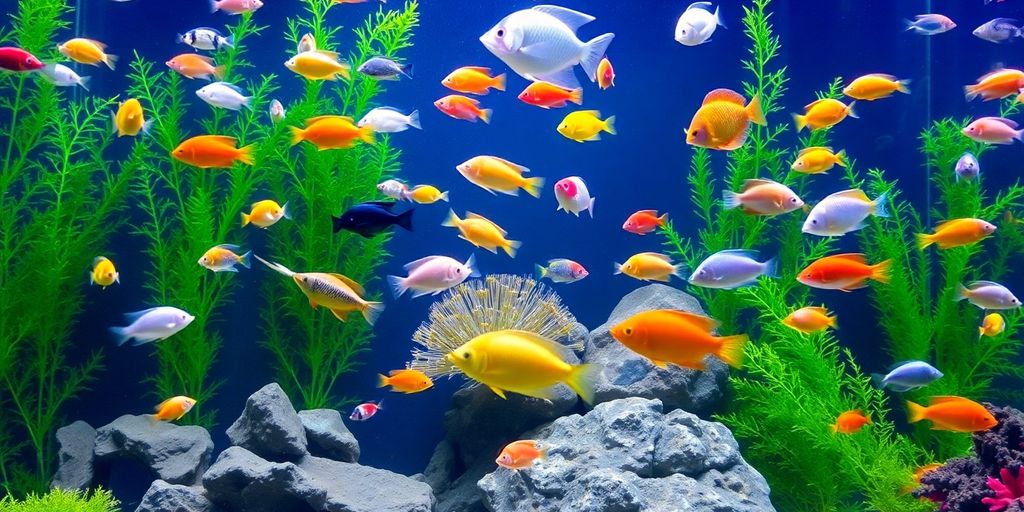
When setting up your aquarium, selecting the right fish is crucial for a healthy and happy environment. Here are some key factors to consider:
Tank Size Considerations
- Size Matters: Ensure your tank is large enough for the fish you want. A common rule is 1 inch of fish per 5 gallons of water, but this can vary.
- Surface Area: The shape of the tank affects how many fish it can hold. A wider tank offers more surface area for oxygen exchange.
- Space for Swimming: Fish need room to swim freely, so avoid overcrowding.
Compatibility with Other Fish
- Peaceful vs. Aggressive: Choose fish that can live together peacefully. For example, schooling fish like tetras and rasboras are great community fish.
- Bottom Dwellers: Consider adding bottom dwellers like corydoras catfish, which can coexist well with other species.
- Research: Always check compatibility charts before introducing new fish to your tank.
Water Conditions
- Temperature: Different fish require different water temperatures. Make sure to maintain a stable environment.
- pH Levels: Test your water regularly to ensure it meets the needs of your fish species.
- Salinity: For saltwater fish, maintaining the right salinity is essential for their health.
Feeding Requirements
- Diet Variety: Some fish are picky eaters. Opt for species that accept a variety of foods, including pellets and flakes.
- Feeding Frequency: Understand how often to feed your fish. Some may need multiple feedings a day, while others can thrive on once a day.
Remember, creating a balanced aquarium ecosystem is key to keeping your fish healthy and happy!
Best Fish for Beginners
Hardy Fish Species
When starting your aquarium journey, it’s crucial to choose fish that are known for their hardiness. Hardy fish can adapt well to new environments and are less likely to get sick. Some great options include:
- Betta Fish
- Guppies
- Neon Tetras
Low Maintenance Fish
For beginners, low maintenance fish are ideal. They require less care and are easier to keep alive. Here are some popular choices:
- Goldfish
- Zebra Danios
- Pygmy Corydoras
Captive-Bred Options
Choosing captive-bred fish is a smart move. These fish are bred in controlled environments, making them healthier and more accustomed to aquarium life. They are often more resilient and easier to care for.
Affordable Choices
Budget is always a consideration. Here are some affordable fish that are perfect for beginners:
- Guppies
- Neon Tetras
- Betta Fish
Remember, starting with the right fish can lead to a successful and enjoyable aquarium experience. Choose wisely!
Exotic Fish for Advanced Hobbyists
When it comes to keeping exotic fish, advanced hobbyists have a world of options. These fish often require special care and conditions, making them a rewarding challenge for experienced aquarists. Rare species can add unique beauty to your aquarium. Here are some categories to consider:
Rare Freshwater Species
- German Blue Ram: A colorful cichlid that thrives in a well-maintained tank.
- Kribensis Cichlid: Known for their vibrant colors and interesting behavior.
- Platinum Blue Medaka Ricefish: A rare variant that can adapt to various water conditions.
Unique Saltwater Fish
- Clown Triggerfish: A striking fish with a bold personality.
- Mandarinfish: Known for their stunning colors, but require a well-established tank.
- Lionfish: Beautiful but venomous, requiring careful handling.
High-Maintenance Fish
- Discus Fish: These require specific water conditions and a stable environment.
- Angelfish: While stunning, they can be territorial and need ample space.
- Butterflyfish: Known for their vibrant colors, but they need a varied diet.
Special Care Requirements
- Water Quality: Regular testing and maintenance are crucial.
- Feeding: Many exotic fish have specific dietary needs that must be met.
- Tank Setup: A well-planned aquascape can help mimic their natural habitat.
Keeping exotic fish is not just about aesthetics; it’s about creating a thriving ecosystem. Proper care and attention can lead to a beautiful and healthy aquarium.
For those looking to explore the world of exotic fish, remember that patience and knowledge are key. Whether you’re drawn to the vibrant colors of rare freshwater species or the unique behaviors of saltwater fish, there’s always something new to learn and discover in the aquarium hobby.
Fish for Planted Aquariums
When setting up a planted aquarium, choosing the right fish is essential for a thriving ecosystem. Here are some great options:
Algae Eaters
- Siamese Algae Eater: Known for their ability to keep algae in check.
- Otocinclus: Small and peaceful, perfect for community tanks.
- Amano Shrimp: Not a fish, but excellent for algae control.
Small Schooling Fish
- Neon Tetras: Bright and colorful, they add vibrancy to your tank.
- Rasboras: Peaceful and great in groups, enhancing the tank’s beauty.
- Emperor Tetras: A stunning choice that thrives in planted environments.
Colorful Species
- Betta Fish: While they can be territorial, their colors are striking.
- Rainbowfish: These fish come in various colors and are lively swimmers.
- Guppies: Easy to care for and come in many colors, making them a popular choice.
Plant-Friendly Fish
- Corydoras Catfish: They help keep the substrate clean without disturbing plants.
- Dwarf Gourami: Peaceful and colorful, they fit well in planted tanks.
- Platies: Hardy and adaptable, they coexist well with plants.
Remember: It is difficult to have a well-planted tank with a lot of sizable fish. The fish require aeration to do well, and the plants do not like aeration.
Choosing the right fish can enhance the beauty of your aquarium while ensuring a balanced ecosystem. Consider the needs of both the fish and the plants to create a harmonious environment.
Aquarium Supplies for Healthy Fish
To keep your fish happy and healthy, you need the right supplies. Quality aquarium supplies are essential for creating a thriving environment. Here are some key items you should consider:
Quality Fish Food
- Choose high-quality fish food that meets the nutritional needs of your fish species.
- Look for options that enhance color and promote growth.
- Consider specialized diets for different types of fish, such as herbivores or carnivores.
Effective Filtration Systems
- A good filter keeps the water clean and safe for your fish.
- Look for filters that match your tank size and type.
- Regular maintenance of the filter is crucial to prevent buildup of harmful substances.
Proper Lighting
- Lighting is important for both fish and plants in your aquarium.
- Use LED lights for energy efficiency and to reduce heat.
- Aim for about 12 hours of light per day to mimic natural conditions.
Essential Water Treatments
- Regularly test your water quality using test strips to monitor pH, nitrite, and nitrate levels.
- Use water conditioners to remove harmful chemicals from tap water.
- Consider adding beneficial bacteria to help maintain a healthy ecosystem.
Maintaining a balanced aquarium is key to the health of your fish. Regular testing and proper supplies can prevent many common issues.
Summary Table of Essential Supplies
| Item | Purpose |
|---|---|
| Quality Fish Food | Nutrition and health |
| Effective Filtration | Water cleanliness |
| Proper Lighting | Mimics natural habitat |
| Water Treatments | Ensures safe water conditions |
By investing in these essential supplies, you can create a safe and vibrant home for your aquatic friends. Remember, the right supplies lead to a healthier aquarium!
Tips for Buying Fish Online
Choosing Reputable Sellers
When buying fish online, it’s crucial to select trustworthy sellers. Look for stores that specialize in aquarium supplies and have positive feedback from other fish enthusiasts. This ensures you are getting healthy fish and quality service.
Understanding Shipping Processes
Shipping can be stressful for fish. Make sure the seller has a good shipping process in place. They should use insulated boxes and provide oxygen for the fish during transit. This helps reduce stress and increases the chances of your fish arriving healthy.
Acclimating New Fish
Once your fish arrive, it’s important to acclimate them properly. Gradually introduce them to your aquarium’s water conditions to minimize stress. This can be done by floating the bag in your tank for about 15-30 minutes before releasing the fish.
Ensuring Fish Health
Before purchasing, ask about the seller’s quarantine procedures. A good seller will quarantine new arrivals for a few weeks to ensure they are healthy. This practice helps prevent the spread of diseases to your existing fish.
Remember, healthy fish lead to a thriving aquarium. Take your time to research and choose wisely!
Creating a Balanced Aquarium Ecosystem
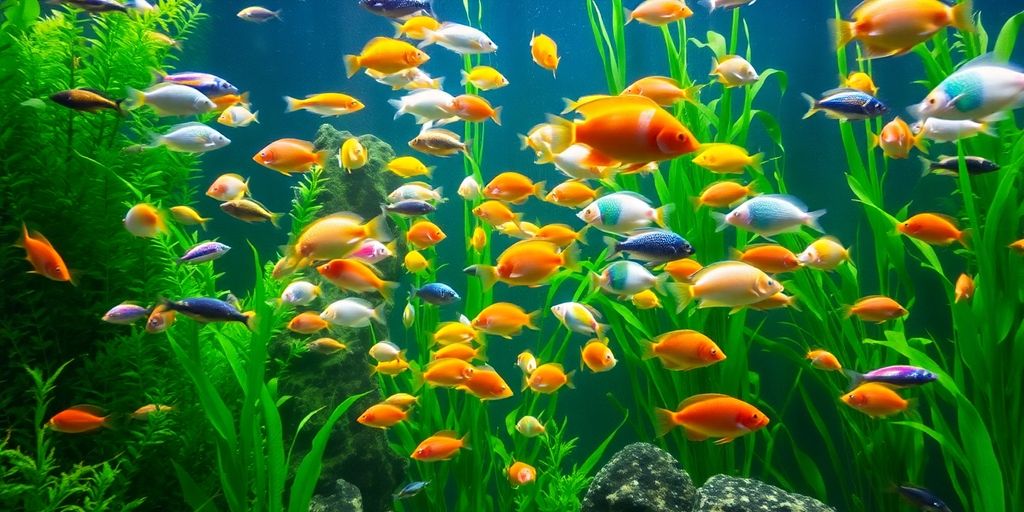
Creating a balanced aquarium ecosystem is essential for the health of your fish and plants. A well-maintained tank can thrive for years. Here are some key points to consider:
Maintaining Water Quality
- Regularly test your water for pH, ammonia, nitrites, and nitrates.
- Change 10-15% of the water weekly to keep it fresh.
- Use a good filtration system to remove waste and toxins.
Balancing Fish Population
- Avoid overcrowding; a general rule is one inch of fish per gallon of water.
- Research fish compatibility to prevent aggression.
- Introduce new fish gradually to allow the ecosystem to adjust.
Incorporating Plants and Decorations
- Adding plants not only beautifies the tank but also helps in oxygen production and waste absorption.
- Use rocks, driftwood, or PVC pipes to create hiding spots for fish.
- Ensure decorations are safe and free from sharp edges.
A balanced aquarium is like a miniature world where every element plays a role. By following these guidelines, you can create a vibrant environment for both fish and aquarists.
Regular Tank Maintenance
- Clean the tank and decorations every month.
- Monitor the health of your fish regularly.
- Adjust feeding schedules based on fish activity and waste production.
By focusing on these aspects, you can create a thriving aquarium that supports a healthy ecosystem for your aquatic companions.
Seasonal Fish Care Tips
Summer Care
During the hot summer months, it’s crucial to keep your aquarium cool. High temperatures can stress fish and lead to health issues. Here are some tips:
- Use a fan or air conditioning to maintain a stable temperature.
- Ensure your tank is not in direct sunlight.
- Regularly check water temperature.
Winter Care
In winter, the water can get too cold for your fish. Here’s how to keep them warm:
- Use a reliable heater to maintain a consistent temperature.
- Insulate your tank if it’s near a drafty window.
- Monitor the water temperature frequently.
Handling Temperature Fluctuations
Temperature changes can be harmful to fish. To manage this:
- Gradually adjust the temperature when making changes.
- Use a thermometer to keep track of the water temperature.
- Avoid sudden changes in water conditions.
Keeping your fish healthy through seasonal changes is essential for their well-being. Regular monitoring and adjustments can make a big difference.
Seasonal Feeding Adjustments
Fish may require different feeding routines based on the season. Consider these points:
- In warmer months, fish may eat more due to increased activity.
- In colder months, reduce feeding as fish metabolism slows down.
- Always provide high-quality food like Omega One to ensure proper nutrition.
| Season | Feeding Frequency | Temperature Range |
|---|---|---|
| Summer | 2-3 times a day | 75-80°F |
| Winter | 1-2 times a day | 68-72°F |
Fish Breeding for Enthusiasts
Breeding fish can be a rewarding experience for aquarium lovers. Understanding the needs of your fish is crucial for successful breeding. Here are some key points to consider:
Breeding Freshwater Fish
- Choose the Right Species: Some fish are easier to breed than others. Popular choices include:
- Guppies
- Betta Fish
- Neon Tetras
- Set Up a Breeding Tank: A separate tank helps control conditions. Ensure it has:
- Clean water
- Proper filtration
- Hiding spots for fry
- Monitor Water Quality: Maintaining optimal water conditions is essential. Regularly check:
- pH levels
- Temperature
- Ammonia and nitrite levels
Breeding Saltwater Fish
- Select Compatible Pairs: Not all fish get along. Look for species that are known to breed well together, like:
- Clownfish
- Damselfish
- Provide a Suitable Environment: Saltwater fish need specific conditions. Make sure to have:
- Live rock for hiding
- Stable salinity levels
- Feed Properly: A balanced diet is vital for breeding success. Use high-quality foods to encourage spawning.
Caring for Fry
- Separate Fry from Adults: Adult fish may eat their young. Use a separate tank or breeding box.
- Feed Appropriate Food: Start with fine foods like powdered flakes or baby brine shrimp.
- Maintain Clean Water: Regular water changes help keep the fry healthy.
Breeding fish requires patience and attention to detail. By following these guidelines, you can create a thriving environment for your aquatic friends.
Common Challenges
- Disease Control: Keep an eye out for signs of illness. Quarantine new fish to prevent outbreaks.
- Water Quality Management: Regular testing and maintenance are key to a successful breeding setup.
By understanding these aspects, you can enjoy the fascinating journey of fish breeding and contribute to the health of your aquarium.
Common Fish Diseases and Treatments
Identifying Symptoms
Fish can suffer from various diseases, and recognizing the symptoms early is crucial. Here are some common signs to look for:
- White spots on the skin, which may indicate freshwater ich.
- Cloudy eyes, often a sign of poor water quality or infection.
- Frayed fins or missing scales, which could suggest aggression or disease.
Common Diseases
Here are five very common diseases in freshwater aquariums:
- Freshwater Ich (Ichthyophthirius multifiliis) – Characterized by white spots on the fish.
- Velvet Disease (Oodinium) – Causes a gold dust appearance on the fish.
- Columnaris Disease – Also known as cotton wool disease, it affects the skin and fins.
- Fin Rot – Often caused by poor water quality, leading to frayed fins.
- Dropsy – A serious condition where the fish’s body swells due to internal issues.
Preventative Measures
To keep your fish healthy, consider these steps:
- Maintain water quality by regularly testing and changing the water.
- Quarantine new fish before introducing them to your main tank to prevent disease spread.
- Observe fish behavior for any signs of stress or illness.
Keeping your aquarium clean and monitoring your fish regularly can help prevent many diseases.
Effective Treatments
If you notice any symptoms, here are some treatments:
- Medicated dips can help with parasites and infections.
- Antibiotics for bacterial infections like columnaris.
- Salt baths for ich and other external parasites.
By being proactive and attentive, you can ensure a healthy environment for your fish.
Fish can get sick just like any other pet. Common issues include fin rot, ich, and swim bladder disease. It’s important to know how to spot these problems early and treat them effectively. For more information on how to keep your fish healthy and happy, visit our website today!
Final Thoughts on Choosing Your Aquarium Fish
In conclusion, picking the right fish for your aquarium can be a fun and exciting journey. Remember to think about the size of your tank, the types of fish that get along, and their care needs. Each fish has its own personality and requirements, so do your homework before making a choice. By following the tips in this guide, you can create a lively and healthy home for your fish. Enjoy the process and happy fish keeping!
Frequently Asked Questions
What are some good fish for beginners?
Some great fish for beginners include Betta fish, Guppies, and Neon Tetras. They are easy to care for and can adapt well to different tank conditions.
How do I know if a fish is healthy before buying?
Look for fish that are active and swimming around. Healthy fish usually have bright colors and clear eyes. Avoid fish that seem lethargic or have visible signs of illness.
What size tank do I need for my fish?
The size of the tank depends on the type and number of fish you want to keep. A general rule is to have at least one gallon of water per inch of fish.
Can I keep different species of fish together?
Yes, but it’s important to choose species that are compatible. Some fish can be territorial or aggressive, so research their behaviors before mixing them.
What should I feed my fish?
Most fish eat flakes or pellets, but some may also enjoy live or frozen food. Check the specific dietary needs of your fish species.
How often should I change the water in my aquarium?
It’s best to change about 10-15% of the water weekly. This helps keep the water clean and healthy for your fish.
Do I need a filter for my aquarium?
Yes, a filter is important as it helps keep the water clean by removing waste and toxins. It also provides oxygen for the fish.
What temperature should my aquarium water be?
Most tropical fish thrive in water temperatures between 74°F and 78°F. Use a heater to maintain the right temperature.