Setting up a tropical fish aquarium can be both exciting and challenging. To ensure a healthy environment for your fish, it’s crucial to have the right equipment. This guide will cover the essential tools every aquarium enthusiast needs to create a thriving aquatic habitat.
Key Takeaways
- Choose an appropriately sized aquarium to accommodate your fish.
- Invest in a reliable filtration system to keep the water clean.
- Maintain a stable temperature with a good heater for tropical fish.
- Use proper lighting to support plant growth and fish health.
- Regularly test water quality to prevent harmful conditions.
Choosing the Right Aquarium for Tropical Fish
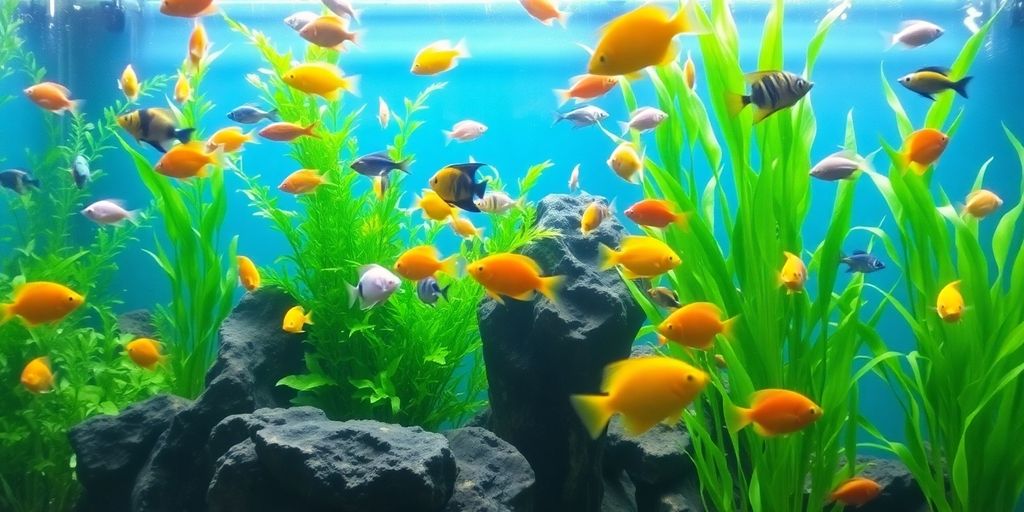
When starting your journey in tropical fish keeping, selecting the right aquarium is crucial. The size, shape, and material of your tank can greatly affect the health and happiness of your fish. Here are some key points to consider:
Size and Shape Considerations
- Bigger is better: Larger tanks provide more stable water conditions, which is essential for tropical fish. A bigger volume helps maintain consistent temperatures and reduces stress on the fish.
- Shape matters: Consider the shape of the aquarium. Long tanks are often better for swimming fish, while taller tanks can be great for species that prefer vertical space.
Material and Build Quality
- Glass vs. Acrylic: Glass tanks are more scratch-resistant and offer better clarity, while acrylic tanks are lighter and less prone to breaking. Choose based on your needs and preferences.
- Quality construction: Ensure the tank is well-built to prevent leaks and ensure durability. Look for tanks with sturdy frames and secure seals.
Placement and Location Tips
- Stable surface: Place your aquarium on a stable, level surface to avoid any accidents.
- Away from direct sunlight: Position the tank away from windows to prevent algae growth and temperature fluctuations.
- Accessibility: Ensure the tank is in a location where you can easily perform maintenance and enjoy watching your fish.
Remember, investing in a quality aquarium, like Terrarium Starter Kits, can set you up for success in your tropical fish adventure!
Essential Filtration Systems for Tropical Fish Tanks
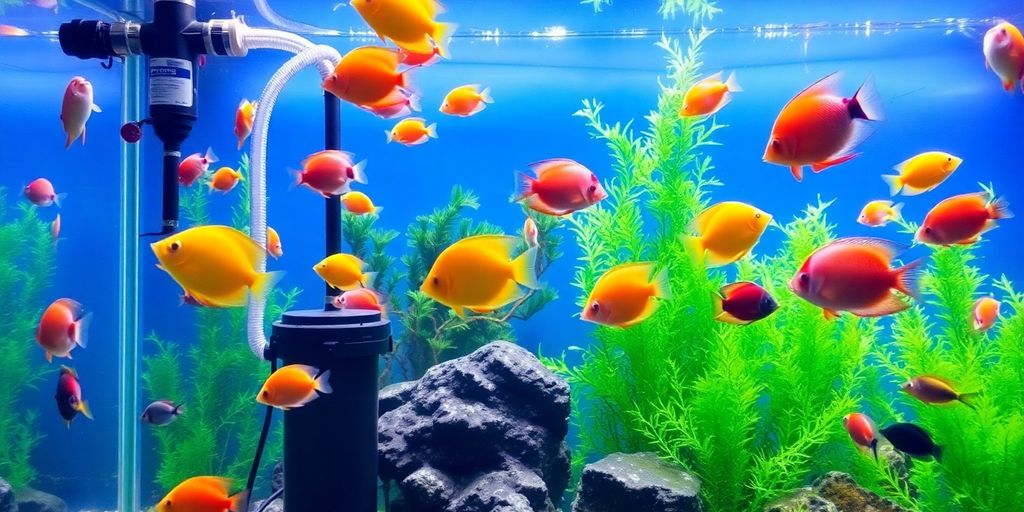
Keeping your tropical fish healthy starts with a good filtration system. Filters are crucial for maintaining clean water by removing waste and toxins. Here’s what you need to know:
Types of Aquarium Filters
- Hang-On Filters: These are easy to install and great for smaller tanks. They hang on the back and are affordable.
- Canister Filters: Ideal for larger tanks, these filters provide powerful filtration and can hold various filter media.
- Sump Filters: These are more complex and are usually used in larger setups. They can handle a lot of water and provide excellent filtration.
Choosing the Right Filter Media
Selecting the right filter media is essential for effective filtration. Here are some common types:
- Activated Carbon: Removes impurities and odors.
- Zeolites: Help in ammonia removal.
- Biological Media: Supports beneficial bacteria that break down waste.
Maintenance and Cleaning Tips
To keep your filter working well:
- Clean the filter media regularly, but avoid over-cleaning to preserve beneficial bacteria.
- Replace filter media as needed, usually every few months.
- Check for clogs and ensure water flow is optimal.
Regular maintenance is key to a thriving aquarium. Keeping your filter clean will help maintain a healthy environment for your fish.
By understanding these essential filtration systems, you can create a safe and clean habitat for your tropical fish.
Heating Solutions for Tropical Aquariums
Tropical fish need warm water to thrive, so having a reliable heater is essential. A good heater keeps the water temperature stable, which is crucial for fish health. Here are some key points to consider when choosing a heater:
Types of Aquarium Heaters
- Submersible Heaters: These are placed directly in the water and are the most common type. They are efficient and easy to use.
- In-Line Heaters: These are connected to the filter system and heat the water as it passes through.
- External Heaters: These are placed outside the tank and are less common but can be useful for larger setups.
Setting and Monitoring Temperature
- Adjustable Settings: Look for heaters with adjustable dials to set the temperature accurately.
- Thermometers: Always use a thermometer to monitor the water temperature. It should not fluctuate more than 1-2°F daily.
- Safety Features: Choose heaters with automatic shut-off features to prevent overheating.
Safety Tips for Using Heaters
- Placement: Ensure the heater is placed correctly in the tank, away from decorations that could block water flow.
- Regular Checks: Regularly check the heater and thermometer to ensure they are functioning properly.
- Quality Brands: Consider reputable brands like AQUAEL for reliable performance.
Remember, investing in quality equipment is key to creating a healthy environment for your tropical fish. A heater that maintains a stable temperature can prevent stress and illness in your aquatic pets.
| Heater Type | Features | Price Range |
|---|---|---|
| Submersible | Adjustable, fully submersible | $25 – $50 |
| In-Line | Connects to filter, efficient | $50 – $100 |
| External | Outside tank, less common | $40 – $80 |
Lighting Options for Tropical Fish Tanks
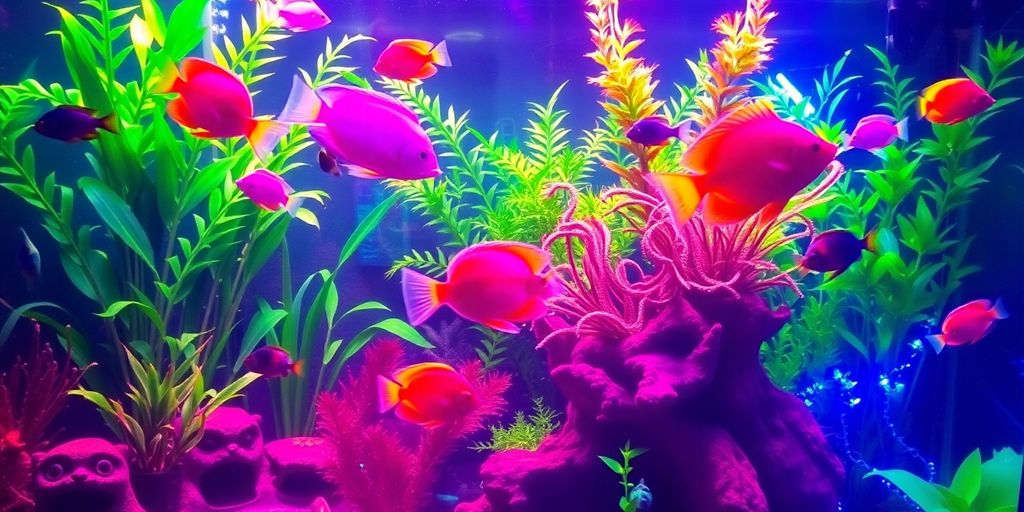
Types of Aquarium Lights
When it comes to lighting your tropical fish tank, there are several options to consider:
- LED Lights: These are energy-efficient and long-lasting. They provide bright light and can enhance the colors of your fish and plants.
- Fluorescent Lights: A popular choice for many aquarists, these lights are cooler and can be used for both freshwater and saltwater tanks.
- Metal Halide Lights: These are powerful and great for larger tanks, but they can generate a lot of heat.
Benefits of Proper Lighting
Proper lighting is essential for a healthy aquarium. Here are some benefits:
- Promotes Plant Growth: Plants need light for photosynthesis, which is vital for their health and the overall ecosystem of the tank.
- Enhances Fish Colors: Good lighting can make your fish appear more vibrant and beautiful, creating a stunning display.
- Regulates Fish Behavior: Light affects the daily rhythms of fish, helping them feel secure and active.
How to Choose the Right Lighting
Choosing the right lighting for your aquarium involves several factors:
- Tank Size: Larger tanks may require more powerful lights.
- Type of Fish and Plants: Different species have different lighting needs. Research your specific fish and plants to find the best match.
- Light Duration: Aim for about 10-12 hours of light per day to mimic natural conditions.
Remember: The right lighting not only beautifies your aquarium but also supports the health of your fish and plants. High-tech lights are not only the best lights for plants and reducing algae, but will also make your fish and livestock appear extremely vibrant and beautiful.
Substrate Choices for Tropical Fish Tanks
Choosing the right substrate is crucial for your tropical fish tank. Soft substrates like sand and gravel are popular choices because they create a comfortable environment for your fish. Here are some key points to consider:
Types of Substrates
- Sand: Great for bottom-dwelling fish and plants. It allows for easy digging and is aesthetically pleasing.
- Gravel: Comes in various colors and sizes. It provides good drainage and is easy to clean.
- Soil Substrates: Ideal for planted tanks, as they provide nutrients for plants. A cellulose-rich soil under a cap of sand or gravel can work well in all types of planted aquariums.
How to Prepare and Clean Substrate
- Rinse the substrate thoroughly to remove dust and debris.
- Boil or soak any natural materials to eliminate harmful bacteria.
- Layer the substrate evenly at the bottom of the tank, ensuring a depth of at least 1-2 inches.
Impact on Fish and Plant Health
- The right substrate can enhance the growth of aquatic plants, which in turn benefits fish by providing oxygen and hiding spots.
- A well-chosen substrate can help maintain water quality by supporting beneficial bacteria that break down waste.
Remember, the substrate you choose not only affects the look of your aquarium but also the health and happiness of your fish. Make sure to select one that suits both your aesthetic preferences and the needs of your aquatic life!
Aquarium Decorations and Plants
Choosing Safe Decorations
When it comes to decorating your aquarium, safety is key. Here are some tips to ensure your decorations are safe for your fish:
- Use aquarium-safe materials: Avoid items that can leach harmful chemicals into the water.
- Avoid sharp edges: Decorations with sharp edges can injure your fish.
- Clean before use: Always wash new decorations to remove dust or residues.
Benefits of Live Plants
Adding live plants to your aquarium can greatly enhance the environment. Here are some benefits:
- Natural filtration: Plants help filter the water, improving quality.
- Oxygen production: They produce oxygen, which is essential for fish health.
- Habitat: Live plants provide hiding spots and breeding grounds for fish.
Aquascaping Tips for Beginners
Creating a beautiful aquascape can be fun and rewarding. Here are some simple tips:
- Plan your layout: Sketch your design before placing items in the tank.
- Use a variety of heights: Mix tall and short plants for visual interest.
- Group similar items: Cluster decorations and plants for a natural look.
Remember, a well-decorated aquarium not only looks great but also provides a healthy environment for your fish. Incorporating aquarium accessories like rocks, driftwood, and plants can create a vibrant underwater world.
Summary Table of Decoration Options
| Type of Decoration | Pros | Cons |
|---|---|---|
| Live Plants | Natural filtration, oxygen production | Requires maintenance |
| Artificial Plants | Low maintenance, no algae growth | Less natural look |
| Rocks and Driftwood | Natural habitat, aesthetic appeal | Can alter water chemistry |
Feeding Your Tropical Fish
Feeding your tropical fish properly is crucial for their health and happiness. Different fish species have unique dietary needs, so it’s important to choose the right food for your aquarium. Here are some key points to consider:
Types of Fish Food
- Flakes: Common and easy to use, suitable for many species.
- Pellets: Often more nutritious and can sink for bottom feeders.
- Granules: Good for larger fish and can provide a varied diet.
- Freeze-Dried Food: Great for adding variety and protein.
Feeding Schedules and Amounts
Most fish do well with one feeding per day, but some may need more. Here’s a simple guide:
- Adult Fish: Feed once a day.
- Juvenile Fish: Feed two to three times a day.
- Overfeeding: Avoid giving too much food at once; it can lead to poor water quality and health issues.
Tips for Maintaining Water Quality
- Remove Uneaten Food: Always clean up any leftover food to prevent toxins.
- Monitor Water Parameters: Regularly check your water quality to ensure a healthy environment.
- Use Quality Food: Invest in high-quality fish food to support your fish’s health.
Keeping your fish well-fed is essential, but remember that overfeeding can harm your aquarium’s ecosystem. Always prioritize their health and the quality of their environment.
By following these guidelines, you can ensure that your tropical fish thrive in their aquatic home!
Water Testing and Maintenance
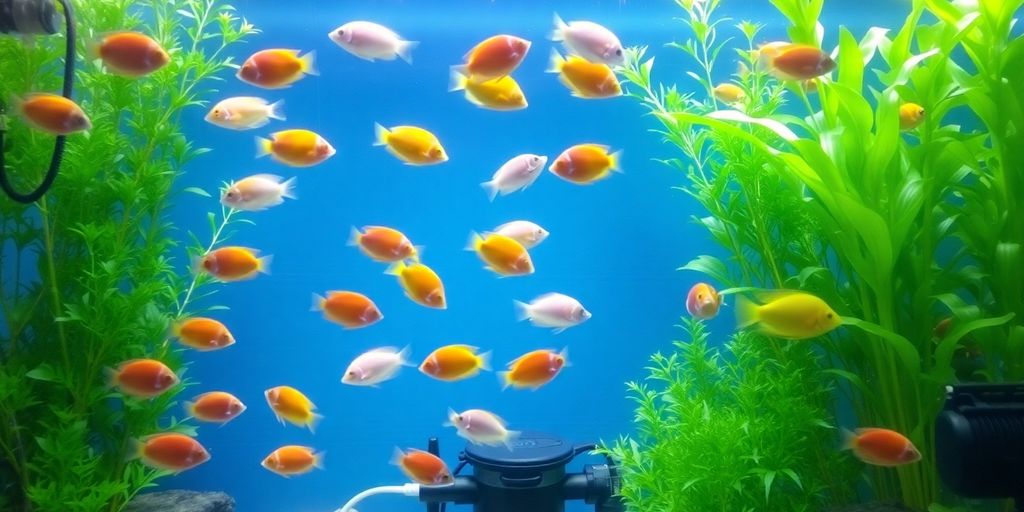
Maintaining a healthy aquarium is crucial for the well-being of your tropical fish. Regular water testing helps ensure that the environment remains safe and stable. Here are some key points to consider:
Essential Water Parameters
To keep your fish happy and healthy, monitor these important water parameters:
- pH Level: Ideal range is usually between 6.5 and 7.5.
- Ammonia: Should be at 0 ppm; high levels can be toxic.
- Nitrite and Nitrate: Nitrite should be 0 ppm, while nitrates should be kept below 20 ppm.
Using Test Kits Effectively
When it comes to testing your aquarium water, you have several options:
- Test Strips: Quick and easy to use, but may not be as accurate.
- Liquid Test Kits: More precise, allowing you to test for multiple parameters.
- Digital Monitors: Offer real-time readings but can be more expensive.
| Test Kit Type | Pros | Cons |
|---|---|---|
| Test Strips | Fast and easy | Less accurate |
| Liquid Test Kits | Highly accurate | More time-consuming |
| Digital Monitors | Real-time data | Higher cost |
Regular Maintenance Routines
To keep your aquarium in top shape, follow these maintenance tips:
- Weekly Water Changes: Change 10-20% of the water weekly to remove toxins.
- Clean Equipment: Regularly clean filters and other equipment to ensure they function well.
- Monitor Fish Behavior: Keep an eye on your fish; changes in behavior can indicate water quality issues.
Remember, maintaining water quality is vital for your fish’s health. Regular testing and maintenance can prevent many common problems.
By using reliable brands for your testing kits and conditioners, you can ensure a thriving environment for your aquatic friends. Regular monitoring will help you discover the joy of keeping a beautiful aquarium!
Aquarium Accessories and Tools
Nets and Gravel Vacuums
When setting up your aquarium, having the right tools is essential. Here are some must-have accessories:
- Fish Nets: Perfect for catching fish without harming them.
- Gravel Vacuums: Helps keep the substrate clean by removing debris.
- Algae Scrapers: Keeps the glass clear and free from algae buildup.
Algae Scrapers and Magnets
Maintaining a clean aquarium is crucial for the health of your fish. Consider these tools:
- Algae Scrapers: Use these to remove stubborn algae from the tank walls.
- Magnets: These make cleaning the glass easier without getting your hands wet.
- Sponge Cleaners: Great for reaching corners and tight spots.
Backup Equipment and Spare Parts
It’s wise to be prepared for any situation. Here’s what you might need:
- Spare Filters: Always have a backup filter on hand.
- Heater: A spare heater can save your fish in case of a malfunction.
- Test Kits: Regular testing is vital for water quality.
Remember, having the right aquarium accessories can make a big difference in maintaining a healthy environment for your fish. Whether you’re looking for Terrarium Accessories, All Products, or Aquarium Kits and Cabinets, investing in quality tools is key. Don’t forget about Glass Terrariums for your aquatic plants!
Setting Up a New Tropical Fish Tank
Setting up a new tropical fish tank can be an exciting adventure! Here are some essential steps to ensure your aquarium is ready for your new aquatic friends.
Cycling Your Aquarium
Cycling your aquarium is crucial for creating a healthy environment. This process involves establishing beneficial bacteria that help break down harmful waste products. Here’s how to do it:
- Add a source of ammonia: You can use fish food or pure ammonia.
- Monitor water parameters: Use a test kit to check ammonia, nitrite, and nitrate levels.
- Wait for the cycle to complete: This can take 4-6 weeks.
Introducing Fish Safely
Once your tank is cycled, it’s time to add fish! Follow these steps for a smooth introduction:
- Turn off lights: This reduces stress for the fish.
- Float the bag: Let the bag with your fish float in the tank for about 20 minutes.
- Gradually mix water: Slowly add tank water to the bag over 30-40 minutes.
- Release the fish: Use a net to gently place them in the tank.
Common Mistakes to Avoid
To ensure a successful setup, avoid these common pitfalls:
- Overcrowding the tank: Too many fish can lead to stress and poor water quality.
- Skipping the cycling process: Adding fish too soon can harm them.
- Neglecting water testing: Regularly check water parameters to maintain a healthy environment.
Remember, patience is key when setting up your aquarium. Taking the time to properly cycle your tank and introduce fish will lead to a thriving aquatic ecosystem.
For those interested in expanding their aquarium supplies, consider exploring Reptile Products as well, which can offer unique decorations and habitats for your fish!
Troubleshooting Common Aquarium Problems
Identifying and Treating Diseases
When your fish show signs of illness, it’s important to act quickly. Common symptoms include unusual swimming patterns, discoloration, or lesions. Here are steps to help you identify and treat diseases:
- Observe your fish for any changes in behavior or appearance.
- Isolate sick fish to prevent spreading illness.
- Research symptoms to determine possible diseases.
- Consult a vet or aquarium expert for treatment options.
Dealing with Algae Blooms
Algae blooms can be a nuisance in any aquarium. They often indicate an imbalance in your tank. Here’s how to manage them:
- Reduce light exposure: Limit the time your aquarium lights are on to 6-8 hours a day.
- Increase water circulation: Ensure your filter is working efficiently.
- Perform regular water changes: Change 10-20% of the water weekly to maintain quality.
Managing Water Quality Issues
Water quality is crucial for the health of your fish. Regular testing can help you avoid problems. Here are essential water parameters to monitor:
| Parameter | Ideal Range |
|---|---|
| pH | 6.5 – 7.5 |
| Ammonia | 0 ppm |
| Nitrite | 0 ppm |
| Nitrate | < 20 ppm |
If you notice any spikes in ammonia or nitrite levels, immediate action is necessary. Regular testing and maintenance can help prevent these issues.
Remember, keeping a close eye on your aquarium’s environment is key to a thriving aquatic habitat. Regular maintenance and monitoring can save you from many common problems.
Advanced Equipment for Experienced Aquarists
As you dive deeper into the world of aquariums, investing in advanced equipment can significantly enhance your fish-keeping experience. High-quality tools not only improve the health of your aquatic life but also make maintenance easier. Here are some essential pieces of equipment for seasoned aquarists:
Protein Skimmers and UV Sterilizers
- Protein Skimmers: These devices remove organic waste from the water before it breaks down, helping to maintain water quality. They are especially useful in saltwater tanks.
- UV Sterilizers: These help eliminate harmful microorganisms in the water, ensuring a healthier environment for your fish.
Automated Feeding Systems
- Convenience: Automated feeders can dispense food at scheduled times, ensuring your fish are fed even when you’re not home.
- Variety: Many systems can handle different types of food, from flakes to pellets.
Advanced Filtration and Lighting
- Filtration: Upgrading to a multi-stage filtration system can provide better mechanical, biological, and chemical filtration. This is crucial for maintaining a stable environment.
- Lighting: Consider using Kessil lights, which offer adjustable spectrum and intensity, perfect for both fish and plant health.
| Equipment Type | Benefits |
|---|---|
| Protein Skimmers | Removes organic waste |
| UV Sterilizers | Eliminates harmful microorganisms |
| Automated Feeders | Ensures consistent feeding |
| Advanced Filtration | Improves water quality |
| Kessil Lighting | Enhances growth and color of aquatic life |
Investing in advanced equipment is a game-changer for any serious aquarist. It not only simplifies maintenance but also creates a thriving environment for your fish.
For seasoned aquarists, having the right tools can make all the difference in maintaining a thriving aquarium. Explore our advanced equipment designed to elevate your fish-keeping experience. Don’t miss out on the best products available—visit our website today!
Final Thoughts on Tropical Fish Equipment
In conclusion, having the right tools is key to keeping tropical fish happy and healthy. From filters and heaters to lights and food, each piece of equipment plays an important role in creating a safe home for your fish. Remember to regularly check water quality and maintain your aquarium to ensure a thriving environment. With the right setup, you can enjoy the beauty of tropical fish and the joy they bring to your life. Happy fishkeeping!
Frequently Asked Questions
What size aquarium should I choose for my tropical fish?
The size of your aquarium depends on the types and number of fish you want. Generally, a larger tank is better because it provides a more stable environment.
How often should I clean my aquarium?
You should clean your aquarium every couple of weeks. This includes changing some of the water and cleaning the filter.
What type of filter is best for a tropical fish tank?
A good filter for tropical fish tanks is one that provides mechanical, biological, and chemical filtration to keep the water clean.
How do I know what temperature to set my aquarium heater?
Most tropical fish prefer water temperatures between 74°F and 82°F. Use a thermometer to check the temperature regularly.
Can I use tap water for my aquarium?
Yes, but make sure to treat it with a water conditioner to remove harmful chemicals like chlorine.
What kind of food should I feed my tropical fish?
You can feed your tropical fish flakes, pellets, or frozen food. Make sure to choose food that is suitable for the specific types of fish you have.
How can I tell if my fish are healthy?
Healthy fish are active and have bright colors. Look out for signs of illness, such as not eating or staying at the bottom of the tank.
What should I do if my fish get sick?
If your fish show signs of illness, you should isolate them and treat them with appropriate medication. It’s also important to check the water quality.