Maintaining a home aquarium can be a rewarding hobby, but it also requires some knowledge and care. This beginner’s guide provides essential tips to help you keep your fish happy and healthy. From choosing the right tank to understanding water quality, these tips will set you on the right path to successful fishkeeping.
Key Takeaways
- Select the right type and size of aquarium for your space.
- Regularly check and maintain water quality to keep fish healthy.
- Introduce fish gradually to avoid overcrowding and stress.
- Feed your fish the right amount and type of food at regular intervals.
- Keep the aquarium clean by changing water and cleaning equipment regularly.
Choosing the Right Aquarium for Your Home
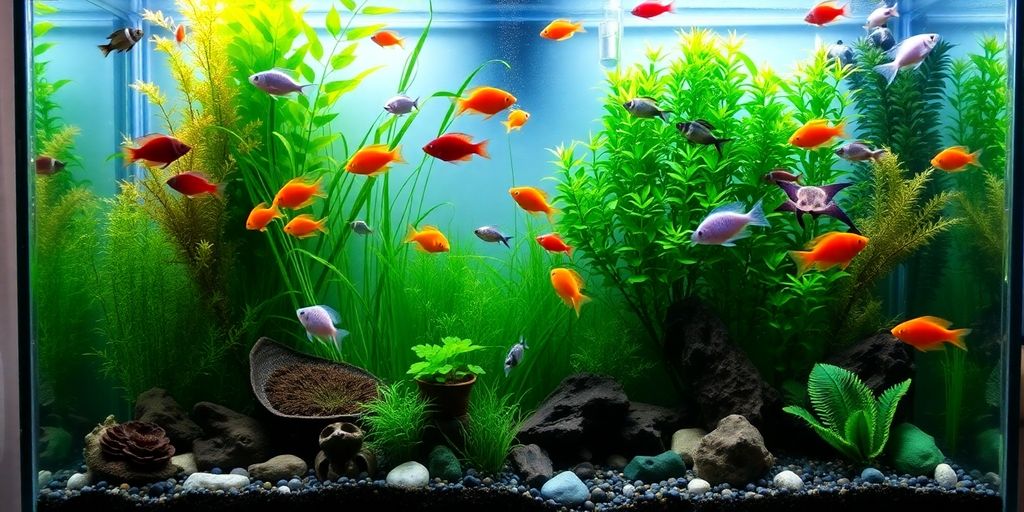
When starting your aquarium journey, selecting the right tank is crucial. The type and size of your aquarium can greatly affect the health and happiness of your fish. Here are some key points to consider:
Types of Aquariums
- Freshwater Aquariums: Easier to maintain and ideal for beginners.
- Saltwater Aquariums: More complex but can house a wider variety of colorful fish.
- Brackish Aquariums: A mix of salt and freshwater, suitable for specific species.
Size Considerations
Choosing the right size is essential. A general guideline is to allow one inch of fish per gallon of water, but it’s crucial to go beyond that and consider compatibility. Here’s a quick reference:
| Aquarium Size (Gallons) | Recommended Fish Length (Inches) |
|---|---|
| 10 | 10 |
| 20 | 20 |
| 55 | 55 |
Placement Tips
- Flat Surface: Ensure the aquarium is on a level surface to avoid stress on the glass.
- Away from Heat Sources: Keep it away from heaters or air conditioners to maintain stable temperatures.
- Avoid Direct Sunlight: This helps prevent excessive algae growth.
Remember, bigger is better when it comes to aquariums. Larger tanks provide more stable water conditions, making it easier to maintain a healthy environment for your fish.
By carefully considering these factors, you can create a thriving aquatic environment that will keep your fish happy and healthy!
Setting Up Your New Aquarium
Setting up your aquarium is an exciting step in your fishkeeping journey. Here are some essential tips to get you started:
Cleaning and Preparing the Tank
- Clean the tank: Use a damp cloth to wipe down the inside and outside of the tank. Avoid using soap or any cleaning agents.
- Rinse thoroughly: Make sure to rinse the tank well to remove any dust or residue.
- Let it dry: Allow the tank to air dry completely before proceeding.
Adding Gravel and Decorations
- Choose the right substrate: Use gravel that is either coated or pre-washed to ensure a clean environment for your fish.
- Decorate wisely: Only use decorations that are safe for aquariums, such as live or artificial plants and ornaments.
- Arrange thoughtfully: Create hiding spots and open spaces for your fish to swim freely.
Filling the Aquarium with Water
- Use a water conditioner: Treat tap water with a water conditioner to remove harmful chemicals like chlorine.
- Fill slowly: Pour water gently to avoid disturbing the gravel and decorations.
- Check the temperature: Ensure the water temperature is suitable for the fish you plan to keep.
Remember: Patience is key! Allow your aquarium to cycle for at least 24 hours before adding any fish. This helps create a stable environment for your aquatic friends.
By following these steps, you can create a healthy and welcoming home for your fish. For more detailed guidance, check out resources like Advatec, which offer valuable tips for beginners and enthusiasts alike.
Understanding Aquarium Filtration Systems
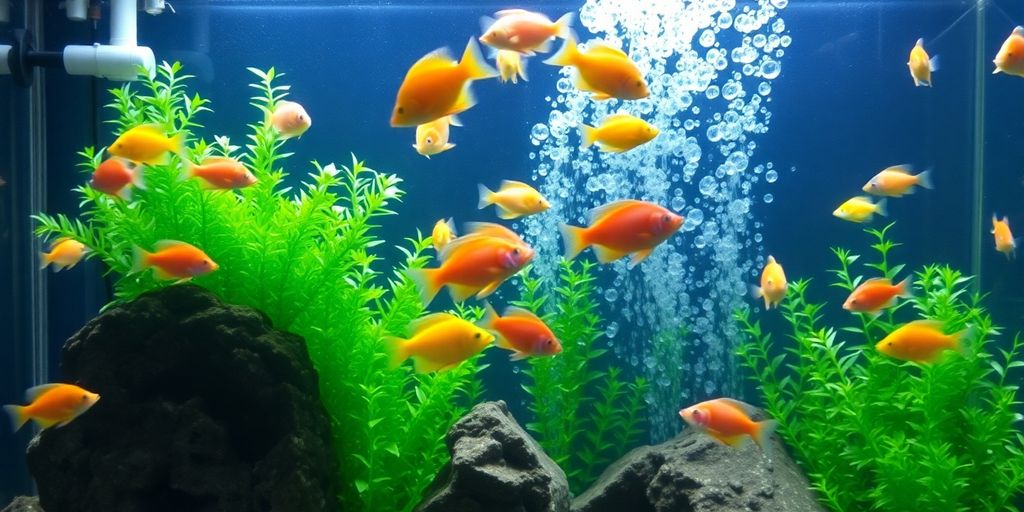
Keeping your aquarium clean and your fish healthy requires a good filtration system. Filtration is essential for maintaining water quality and ensuring a thriving aquatic environment. There are three main types of filtration systems:
Mechanical Filtration
Mechanical filtration is the first line of defense. It traps solid debris like uneaten food and fish waste. Here are some key points:
- Uses filter cartridges to capture dirt.
- Helps keep the water clear.
- Regularly replace cartridges for best results.
Chemical Filtration
Chemical filtration uses special media, such as activated carbon, to remove dissolved pollutants. This helps in:
- Reducing water discoloration.
- Eliminating odors.
- Keeping the water safe for your fish.
Biological Filtration
Biological filtration relies on beneficial bacteria to break down harmful substances like ammonia and nitrite. This process is crucial because:
- Bacteria convert toxic substances into less harmful nitrates.
- It naturally occurs on surfaces like gravel and decorations.
- Regular water changes help maintain a healthy balance.
| Filtration Type | Purpose | Maintenance Needs |
|---|---|---|
| Mechanical | Traps solid waste | Replace cartridges regularly |
| Chemical | Removes dissolved pollutants | Change media as needed |
| Biological | Breaks down harmful substances | Ensure bacteria growth |
Remember: A well-maintained filter means cleaner water and healthier fish. Regular checks and maintenance are key to success.
Using a reliable brand like AQUAEL can make a significant difference in your aquarium’s health. Choose the right filtration system to keep your fish happy and thriving!
Heating and Lighting Your Aquarium
Choosing the Right Heater
When it comes to keeping your fish happy, maintaining the right water temperature is crucial. Most tropical fish thrive in water that is between 75°F and 80°F. Here are some tips for selecting a heater:
- Choose a heater that is appropriate for the size of your aquarium.
- Consider adjustable heaters for better temperature control.
- Look for reliable brands like Kessil for quality assurance.
Selecting Appropriate Lighting
Aquarium lights are essential not just for aesthetics but also for the health of your fish and plants. Here’s what to keep in mind:
- LED lights are energy-efficient and long-lasting.
- Fluorescent lights can be a good option for plant growth.
- Limit lighting to 7-10 hours a day to prevent excessive algae growth.
| Type of Light | Pros | Cons |
|---|---|---|
| LED | Energy-efficient | Higher initial cost |
| Fluorescent | Good for plants | Needs replacement often |
| Incandescent | Affordable | Not energy-efficient |
Managing Algae Growth
Algae can be a nuisance in your aquarium. Here are some strategies to keep it under control:
- Limit light exposure to 7-10 hours daily.
- Regularly clean the tank to remove excess nutrients.
- Introduce algae-eating fish to help manage growth.
Remember, a well-lit aquarium not only enhances the beauty of your fish but also supports their health. Proper lighting and heating are key to creating a thriving aquatic environment!
Introducing Fish to Your Aquarium
Selecting Compatible Fish
When you’re ready to add fish to your aquarium, choose species that can live together peacefully. Some fish are more aggressive than others, so it’s important to research which types are compatible. Here are some tips:
- Consult with your local fish store for recommendations.
- Look for fish that thrive in similar water conditions.
- Avoid mixing species that are known to be territorial.
Acclimating New Fish
Before introducing your new fish, proper acclimatization is crucial. Start by floating the bag containing your fish in the aquarium for about 15 minutes. This helps equalize the temperature. Then, gradually add small amounts of aquarium water to the bag every five minutes. After about 30 minutes, gently net the fish and place them in the tank. Do not add the bag water to your aquarium. This process minimizes stress for the fish and helps them adjust to their new home. Remember, a comprehensive guide to acclimatizing aquarium fish can be very helpful.
Avoiding Overcrowding
It’s tempting to fill your tank with many fish, but overcrowding can lead to stress and health issues. Here are some guidelines to follow:
- Start with a few fish and gradually add more over several weeks.
- Monitor the behavior of your fish to ensure they are comfortable.
- Keep track of the tank’s capacity to avoid exceeding it.
Tip: Always prioritize the health of your fish over the number of fish in your aquarium. A few happy fish are better than many stressed ones.
By following these steps, you can create a thriving environment for your aquatic friends!
Maintaining Water Quality
Keeping your aquarium’s water clean is essential for the health of your fish. Regular maintenance is key to ensuring a thriving aquatic environment. Here are some important aspects to consider:
Regular Water Changes
- Change 10-15% of the water weekly to keep it fresh.
- Always treat tap water with a dechlorinator before adding it to the tank.
- Use water that is similar in temperature to avoid shocking your fish.
Using Water Conditioners
- Water conditioners help remove harmful chemicals from tap water.
- They can also help maintain a stable pH level, which is crucial for fish health.
- Always follow the instructions on the product label for best results.
Monitoring Water Parameters
- Regularly check the water for ammonia, nitrite, and nitrate levels.
- Use a test kit to ensure that the water quality remains optimal.
- If levels are off, take immediate action to correct them.
Keeping your aquarium clean is not just about aesthetics; it’s about creating a safe and healthy environment for your fish.
By following these tips, you can help ensure that your fish remain happy and healthy in their home. Remember, a little effort goes a long way in maintaining water quality!
Feeding Your Fish
Choosing the Right Fish Food
Feeding your fish the right food is essential for their health. High-quality fish food, like Omega One, provides essential nutrients. Here are some types of fish food you might consider:
- Flakes: Good for most fish, easy to use.
- Pellets: Great for larger fish, they sink and are less messy.
- Frozen or live food: A treat for many fish, but should be given sparingly.
Feeding Schedules
Establishing a feeding schedule helps keep your fish healthy. Here’s a simple plan:
- Feed twice a day: Morning and evening.
- Only give what they can eat in 5 minutes: This prevents overfeeding.
- Skip a day occasionally: This can help with digestion and prevent waste buildup.
Avoiding Overfeeding
Overfeeding is a common mistake among new fish owners. Here are some tips to avoid it:
- Watch your fish: If they leave food uneaten, reduce the amount.
- Use a timer: This can help you stick to a schedule.
- Educate yourself: Learn about your specific fish’s needs to avoid mistakes.
Remember, a healthy diet leads to happy fish! Keeping an eye on their eating habits is crucial for their well-being.
By following these guidelines, you can ensure your fish receive the proper nutrition they need to thrive in their aquatic home.
Cleaning and Maintaining Your Aquarium
Keeping your aquarium clean is essential for the health of your fish. Regular maintenance helps prevent problems and keeps your aquatic environment thriving.
Cleaning the Gravel
- Use a gravel vacuum to remove waste and debris.
- Aim for a thorough cleaning every two weeks.
- Avoid disturbing the beneficial bacteria in the substrate.
Replacing Filter Cartridges
- Change your filter cartridge every 4-6 weeks.
- This helps maintain water quality and clarity.
- Always rinse the new cartridge before installation to remove any dust.
Inspecting Equipment
- Regularly check your heater, filter, and lighting.
- Look for any signs of wear or malfunction.
- Ensure that all equipment is functioning properly to avoid stress on your fish.
Remember, a clean aquarium is a happy aquarium! Regular maintenance not only keeps your fish healthy but also enhances the beauty of your setup.
By following these simple steps, you can ensure that your aquarium remains a vibrant and healthy environment for your fish. A 50% water change every two months is a good rule of thumb to follow, along with cleaning the algae off the front glass regularly. Don’t forget to clean only the mechanical media in the filter once a week to keep everything running smoothly!
Common Mistakes to Avoid
Overfeeding Fish
One of the biggest mistakes new aquarium owners make is overfeeding their fish. Fish only need a small amount of food, and excess can lead to poor water quality. Here are some tips to avoid this mistake:
- Feed only what your fish can consume in 2-3 minutes.
- Use high-quality brands of fish food to ensure proper nutrition.
- Observe your fish to see if they are eating all the food you provide.
Skipping Regular Maintenance
Regular maintenance is crucial for a healthy aquarium. Neglecting this can lead to serious problems. Remember to:
- Perform regular water changes to keep the environment clean.
- Clean the gravel to remove waste and debris.
- Replace filter cartridges as needed to maintain filtration efficiency.
Ignoring Water Quality Issues
Water quality is vital for fish health. Monitoring water parameters is essential. Here’s what to check:
- Ammonia and nitrite levels should be at zero.
- Nitrate levels should be kept low.
- Use water conditioners to treat tap water before adding it to the tank.
Tip: Regularly test your water to catch any issues early. Keeping an eye on your aquarium accessories can help you maintain a healthy environment for your fish.
By avoiding these common mistakes, you can ensure a happier and healthier aquarium for your fish!
Decorating Your Aquarium
Creating a beautiful aquarium is not just about the fish; it’s also about how you decorate the tank. The right decorations can enhance the beauty of your aquarium and provide a comfortable environment for your fish. Here are some tips to help you get started:
Choosing Safe Decorations
- Aquatic Plants: Live or artificial plants can add color and texture to your aquarium. They also provide hiding spots for fish, which can help reduce stress.
- Rocks and Wood: Use rocks and pieces of wood to create hiding spots and focal points in your aquarium. Make sure they are safe for aquatic life.
- Avoid Toxic Materials: Always choose decorations that are specifically made for aquariums to ensure they are safe for your fish.
Arranging Plants and Ornaments
- Layering: Place larger plants at the back and smaller ones at the front. This arrangement allows fish to swim freely and creates a natural look.
- Spacing: Leave enough space between decorations for fish to swim comfortably.
- Balance: Aim for a balanced look by distributing decorations evenly throughout the tank.
Creating a Natural Habitat
- Mimic Nature: Try to replicate a natural environment by using a mix of plants, rocks, and wood. This can help your fish feel more at home.
- Consider Fish Behavior: Some fish prefer hiding spots, while others like open swimming areas. Plan your layout based on the needs of your fish.
- Regular Maintenance: Keep your decorations clean to prevent algae growth and maintain water quality.
Remember, a well-decorated aquarium not only looks good but also contributes to the health and happiness of your fish. Regularly check your decorations to ensure they are safe and clean.
By following these tips, you can create a stunning aquarium that is both beautiful and beneficial for your fish. Don’t forget to consider their needs when choosing decorations, as happy fish lead to a thriving aquarium!
Understanding Fish Behavior
Recognizing Stress Signs
Fish can show signs of stress in various ways. Common indicators include hiding, rapid gill movement, and loss of appetite. It’s essential to monitor your fish closely to ensure they are comfortable in their environment. Here are some signs to watch for:
- Hiding more than usual
- Faded colors
- Erratic swimming patterns
Observing Normal Behavior
Understanding what is normal for your fish can help you identify when something is wrong. Typical behaviors include showing a good appetite during feeding times, peaceful interactions with tank mates, and a natural curiosity about their surroundings. Keeping an eye on these behaviors can help you maintain a healthy aquarium.
Handling Aggression
Some fish can be territorial or aggressive. To manage this, consider the following tips:
- Research fish compatibility before adding them to your tank.
- Provide plenty of hiding spots and decorations to reduce stress.
- Monitor interactions closely, especially during feeding times.
Remember, a well-maintained aquarium with proper filtration, like aquarium pumps and filters, can help reduce stress and aggression among fish. Regular maintenance is key to keeping your aquatic friends happy and healthy!
Planning for Vacation
When you’re getting ready to go on vacation, it’s important to make sure your fish are well taken care of. Here are some tips to help you plan:
Automated Feeders
- Consider using an automated feeder to ensure your fish get their meals on time. These devices can be set to dispense food at specific intervals, so your fish won’t go hungry while you’re away.
- Look for feeders that are compatible with your fish food, like those from Fluval, which are known for their reliability.
- Test the feeder before you leave to make sure it works properly.
Preparing the Aquarium
- Perform a water change a few days before you leave. This helps maintain water quality and ensures a healthy environment for your fish.
- Check all equipment, including filters and heaters, to make sure everything is functioning well.
- Reduce the light exposure to limit algae growth while you’re away.
Enlisting Help
- If you’re going to be gone for an extended period, consider asking a friend or neighbor to check on your aquarium.
- Provide them with clear instructions on feeding and maintenance. Make sure they know how to use the automated feeder if you have one.
- Leave them a list of emergency contacts, including your local aquarium store, in case they need assistance.
Taking these steps will help ensure your fish remain happy and healthy while you enjoy your vacation.
Are you ready to plan your next vacation? Start by checking out our website for all the essentials you need to make your trip unforgettable! From aquarium supplies to fish food, we have everything to keep your aquatic friends happy while you’re away. Don’t miss out—visit us today!
Final Thoughts on Aquarium Care
Taking care of an aquarium might seem tricky at first, but it can be a fun and rewarding hobby. By following the tips we’ve shared, you can create a happy home for your fish. Remember to keep an eye on water quality, feed your fish the right amount, and clean the tank regularly. With just a little time each week, you can enjoy a beautiful underwater world right in your home. So, dive in and start your fishkeeping journey with confidence!
Frequently Asked Questions
What type of aquarium is best for beginners?
A glass or acrylic tank is usually a great choice for new fish owners. They come in many sizes and shapes, so you can pick one that fits your space.
How often should I change the water in my aquarium?
It’s best to change about 10-15% of the water every week. This keeps the water clean and healthy for your fish.
What is the right temperature for my aquarium?
Most tropical fish like water between 75°F and 80°F. Make sure to check the needs of your specific fish.
How do I know if my fish are healthy?
Healthy fish are active and have bright colors. If they are hiding or not eating, they might be stressed or sick.
Can I keep different types of fish together?
Yes, but be careful! Some fish don’t get along. Always check compatibility before adding new fish.
What should I feed my fish?
Fish food comes in flakes, pellets, or granules. Choose food that matches the type of fish you have.
How can I tell if my aquarium filter is working?
If the water is clear and smells fresh, your filter is likely doing its job. If the water is cloudy or has a bad smell, it might need cleaning.
What should I do if my fish are acting strange?
Look for signs of stress, like hiding or not eating. Check the water quality and make sure the tank isn’t overcrowded.