Setting up a saltwater aquarium can be a rewarding experience for any fish lover. However, it requires careful planning and the right supplies to create a thriving underwater environment. This guide will help you understand the essential items needed for a successful saltwater tank, ensuring your aquatic pets live in a healthy and beautiful habitat.
Key Takeaways
- Choose between glass and acrylic tanks based on durability and weight.
- Regularly test your water quality to keep fish healthy.
- Proper heating and lighting are crucial for marine life.
- Maintain good water circulation for a balanced environment.
- Have backup systems in place for emergencies.
Choosing the Right Aquarium Tank
When setting up a saltwater aquarium, choosing the right tank is crucial. You have two main options: glass and acrylic tanks. Each has its pros and cons, so consider your needs carefully.
Glass vs. Acrylic Tanks
- Glass Tanks: More scratch-resistant and less expensive. They are heavier and can break easily.
- Acrylic Tanks: Lighter and more durable, but they can scratch easily. They also offer better insulation.
Tank Size Considerations
Choosing the right size tank is essential. Here are some points to think about:
- Space: Ensure you have enough room for the tank and its stand.
- Fish Type: Larger fish need more space to swim.
- Budget: Bigger tanks require more equipment and maintenance.
Placement and Stand
- Location: Place your tank away from direct sunlight to prevent algae growth.
- Stand: Make sure your stand can support the weight of the tank when filled with water and decorations.
Remember, a well-chosen tank can make your aquarium experience much more enjoyable!
Essential Filtration Systems
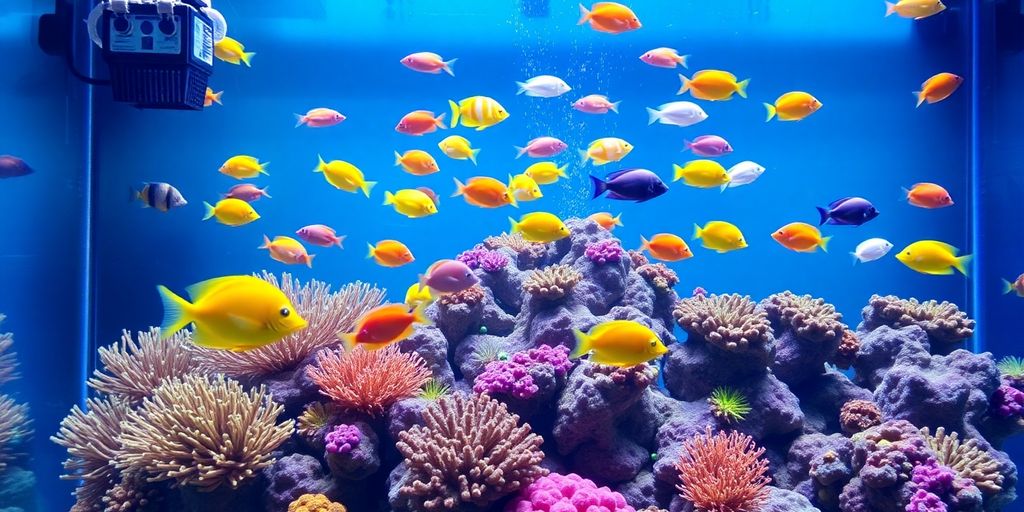
When setting up a saltwater aquarium, having the right filtration system is crucial for maintaining a healthy environment for your fish and corals. A good filtration system helps keep the water clean and safe. Here are the main types of filtration systems you should consider:
Protein Skimmers
- Function: Removes dissolved organic compounds (DOCs) from the water.
- Benefits: Helps reduce the load on biological filters, allowing for a larger fish population.
- Consideration: Not essential, but highly recommended for saltwater tanks.
Canister Filters
- Function: Provides mechanical, chemical, and biological filtration.
- Best For: Larger tanks, as they can handle higher volumes of water.
- Example: Eheim Pro 4+ 600, which is effective for tanks up to 150 gallons.
Hang-On-Back Filters
- Function: Easy to install and maintain, these filters hang on the back of the tank.
- Best For: Medium to small tanks, offering a simple solution for filtration.
- Example: Fluval C3, suitable for tanks up to 50 gallons.
| Filter Type | Best For | Example Product |
|---|---|---|
| Protein Skimmer | All tanks | Reef Octopus Classic 110 |
| Canister Filter | Large tanks | Eheim Pro 4+ 600 |
| Hang-On-Back Filter | Medium/Small tanks | Fluval C3 |
Choosing the right filtration system is essential for the health of your aquarium. Regular maintenance and monitoring will ensure your aquatic life thrives in a clean environment.
By understanding these filtration options, you can make an informed choice that best suits your aquarium’s needs. Remember, clean water is key to a successful saltwater tank!
Heating and Temperature Control
Maintaining the right temperature in your saltwater aquarium is crucial for the health of your fish and corals. Most modern saltwater aquarium heaters come with a built-in thermometer controller, allowing you to set the temperature accurately. Here are some key points to consider:
Choosing the Right Heater
- Types of Heaters:
- Hanging Heaters: These are easy to set up and great for beginners.
- Immersion Heaters: Submersible heaters that can be dangerous if fish get too close.
- In-line Heaters: Built into the plumbing, making them safer for fish.
Using Thermometers
- It’s essential to have a thermometer to monitor the water temperature. Options include:
- Stick-on thermometers
- Floating thermometers
- Digital sensors
Maintaining Stable Temperatures
- Regular Checks: Monitor the temperature daily to ensure it stays within the ideal range of 75-79°F.
- Backup Systems: Consider having a backup heater in case the primary one fails.
| Heater Type | Recommended Tank Size | Price |
|---|---|---|
| [Aquael Platinium Heater (200W) | 34-53 gallons](https://advatecaquatics.com/aquael-platinium-heater-200-watts-34-53-gallons/) | $30.68 |
| Aquael Platinium Heater (50W) | 15-50 liters | $26.90 |
Keeping your aquarium at a stable temperature is vital for the well-being of your aquatic life. Regular maintenance and monitoring can prevent temperature fluctuations that could harm your fish.
Lighting for Saltwater Tanks
Types of Aquarium Lights
When setting up a saltwater tank, choosing the right lighting is crucial. The most common types of lights include:
- LED Lights: These are popular due to their energy efficiency and low heat output. They can be customized for different needs.
- Metal Halide Lights: Often used for larger tanks, they provide intense light but can be costly to run.
- T5 Fluorescent Lights: These are a good middle ground, offering decent light without the high energy costs of metal halide.
Lighting for Coral Growth
Corals need specific light to thrive. Here are some tips:
- Understand Light Requirements: Different corals have varying light needs. Soft corals may need less light than stony corals.
- Adjust Light Intensity: Too much light can harm corals. Start with lower intensity and gradually increase.
- Monitor Coral Health: Watch for signs of stress, like bleaching, which can indicate lighting issues.
Setting Up a Lighting Schedule
A consistent lighting schedule helps maintain a healthy environment. Here’s a simple plan:
- 8-10 hours of light for most tanks.
- Gradual transitions: Use timers to simulate sunrise and sunset.
- Regular adjustments: Change the schedule based on seasonal needs or coral growth.
Proper lighting is essential for a thriving marine ecosystem. It not only enhances the beauty of your aquarium but also supports the health of its inhabitants.
Summary
In summary, the right lighting is vital for the success of your saltwater tank. Investing in quality lights will pay off in the long run, ensuring a vibrant and healthy aquatic environment.
Water Quality and Testing
Maintaining good water quality is crucial for the health of your fish. Regular testing helps prevent problems that can harm your aquatic friends. Here are some key points to consider:
Importance of Water Testing
- Testing water quality ensures that harmful substances are kept in check.
- It helps maintain a balanced environment for your fish.
- Regular checks can prevent stress and illness in your aquatic pets.
Types of Test Kits
Using the right test kits is essential. Here are some popular options:
| Test Kit Name | Parameters Tested | Count |
|---|---|---|
| Advatec 9 in 1 Test Strips | Iron, Copper, Nitrate, Nitrite, Chlorine, Total Hardness, Total Alkalinity, Carbonate, pH | 100 strips |
| Advatec Ammonia Test Strips | Ammonia levels | 25 strips |
| API Freshwater Master Test Kit | Ammonia, Nitrite, Nitrate, pH | 800 tests |
Regular Maintenance Tips
- Test your water at least once a month.
- For new tanks, test every other day for the first few weeks.
- Always test when a fish shows signs of illness or dies.
Keeping your aquarium clean and balanced is key to a thriving aquatic environment. Regular testing is a simple yet effective way to ensure your fish stay healthy and happy.
By using tools like the Advatec 9 in 1 aquarium test strips, you can easily monitor your water quality and make necessary adjustments to keep your fish safe and healthy.
Circulation and Flow
Powerheads and Wave Makers
Good water circulation is vital for a healthy saltwater tank. Powerheads and wave makers help create movement in the water, which is essential for fish and coral health. Here are some benefits of using these devices:
- Improved oxygen exchange: Helps fish breathe better.
- Prevents dead spots: Keeps waste from settling.
- Encourages coral growth: Provides nutrients and removes waste.
Setting Up Proper Flow
When setting up your tank, consider the following:
- Positioning: Place powerheads to create a circular flow.
- Adjustable flow rates: Use devices like the Fluval Sea CP3 for customizable currents.
- Monitor flow: Ensure all areas of the tank receive adequate movement.
Benefits of Good Circulation
Maintaining good circulation in your aquarium has several advantages:
- Healthier fish: Reduces stress and promotes activity.
- Cleaner water: Helps filter out debris and waste.
- Balanced temperature: Prevents hot or cold spots in the tank.
Good circulation is key to a thriving aquarium. It helps keep your aquatic life healthy and your water clean.
Aquarium Substrate Options
Choosing the right substrate is crucial for your saltwater tank. The substrate not only affects the look of your aquarium but also plays a role in the health of your fish and plants. Here are some common types of substrates:
Types of Substrates
- Sand: Great for fish that like to burrow. It can also help with biological filtration.
- Gravel: Comes in various sizes and colors, making it a popular choice for many aquarists.
- Commercial Soils: Often used in planted tanks, these can provide nutrients for plants.
Choosing the Right Substrate
When selecting a substrate, consider:
- Fish Type: Some fish prefer sand, while others thrive in gravel.
- Tank Setup: If you have live plants, a nutrient-rich substrate is essential.
- Maintenance: Some substrates are easier to clean than others.
Maintaining Substrate Health
To keep your substrate healthy:
- Regularly vacuum the substrate to remove waste.
- Monitor for any signs of algae growth.
- Replace or refresh the substrate as needed to maintain water quality.
Remember, the right substrate can enhance the beauty of your aquarium while supporting the health of your aquatic life. Choosing wisely will lead to a thriving environment for your fish and plants!
Decorations and Live Rock
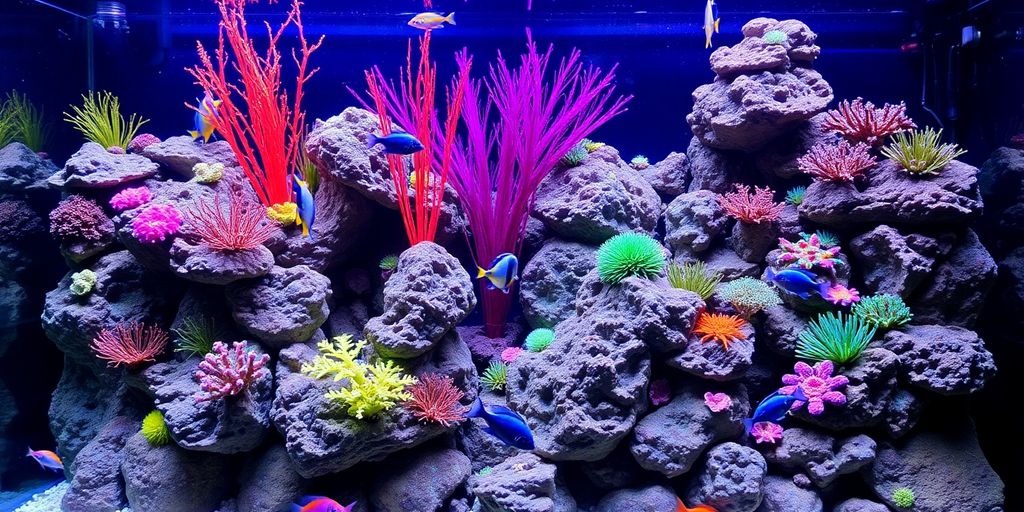
Benefits of Live Rock
Live rock is a key part of any saltwater aquarium. It not only looks great but also provides essential benefits:
- Natural filtration: Live rock helps filter the water, keeping it clean and healthy for your fish.
- Habitat creation: It offers hiding spots for fish and invertebrates, making them feel secure.
- Biodiversity: Live rock is home to various beneficial organisms that contribute to a balanced ecosystem.
Choosing Aquarium Decorations
When selecting decorations for your tank, consider the following:
- Material: Use safe materials like resin or natural stone that won’t harm your fish.
- Size: Ensure decorations fit well in your tank without overcrowding.
- Theme: Choose a theme that complements your fish and overall tank design.
Setting Up a Natural Habitat
To create a natural habitat for your aquatic life:
- Layer the substrate: Use sand or gravel to mimic the ocean floor.
- Arrange live rock strategically to create caves and open spaces.
- Add plants: Incorporate live plants to enhance the environment and provide oxygen.
Remember, a well-decorated tank not only looks beautiful but also supports the health and happiness of your fish. Investing in quality decorations and live rock is essential for a thriving aquarium.
Feeding Your Saltwater Fish
Types of Fish Food
When it comes to feeding your saltwater fish, variety is key. Here are some common types of fish food:
- Flakes: Easy to use and suitable for many fish species.
- Pellets: Often more nutritious and can sink or float.
- Frozen or Freeze-Dried Foods: Great for providing a natural diet, including brine shrimp and bloodworms.
Feeding Schedules
Establishing a consistent feeding schedule is important for your fish’s health. Here are some tips:
- Feed small amounts 1-2 times a day.
- Observe your fish to ensure they are eating well.
- Adjust portions based on the fish’s size and species.
Supplementing Diets
To ensure your fish get all the nutrients they need, consider these supplements:
- Vitamin-enriched foods: Boosts immune health.
- Marine algae: Provides essential nutrients for herbivorous fish.
- Omega-3 fatty acids: Supports overall health and vitality.
Remember: Overfeeding can lead to poor water quality and health issues for your fish. Monitor their eating habits closely.
In summary, a balanced diet is crucial for your fish’s health. By providing a variety of foods and maintaining a consistent feeding schedule, you can help your aquatic friends thrive in their environment. Choosing the right food is essential for their well-being!
Maintaining Aquarium Equipment
Keeping your aquarium equipment in good shape is essential for a healthy tank. Regular maintenance can prevent costly repairs and ensure your fish thrive. Here are some key areas to focus on:
Routine Equipment Checks
- Inspect filters: Check for clogs and clean them monthly to maintain water flow.
- Examine heaters: Ensure they are functioning properly to keep the water at a stable temperature.
- Test pumps: Make sure they are running efficiently to provide adequate circulation.
Cleaning and Replacing Parts
- Clean your equipment: Use vinegar or specialized cleaners to remove algae and buildup.
- Replace worn parts: Regularly check and replace any damaged or old components, like filter cartridges.
- Keep a maintenance log: Document when you clean or replace parts to track your routine.
Troubleshooting Common Issues
- Identify strange noises: If your filter or pump is making unusual sounds, it may need attention.
- Check for leaks: Regularly inspect hoses and connections for any signs of leaks.
- Monitor water quality: Use test kits to ensure your water parameters are stable, as poor water quality can indicate equipment failure.
Keeping your aquarium equipment well-maintained is crucial for the health of your aquatic life. Regular checks and cleaning can help you avoid major issues down the line.
By following these steps, you can ensure that your aquarium remains a safe and healthy environment for your fish. Remember, consistency is key in aquarium maintenance!
Safety and Backup Systems
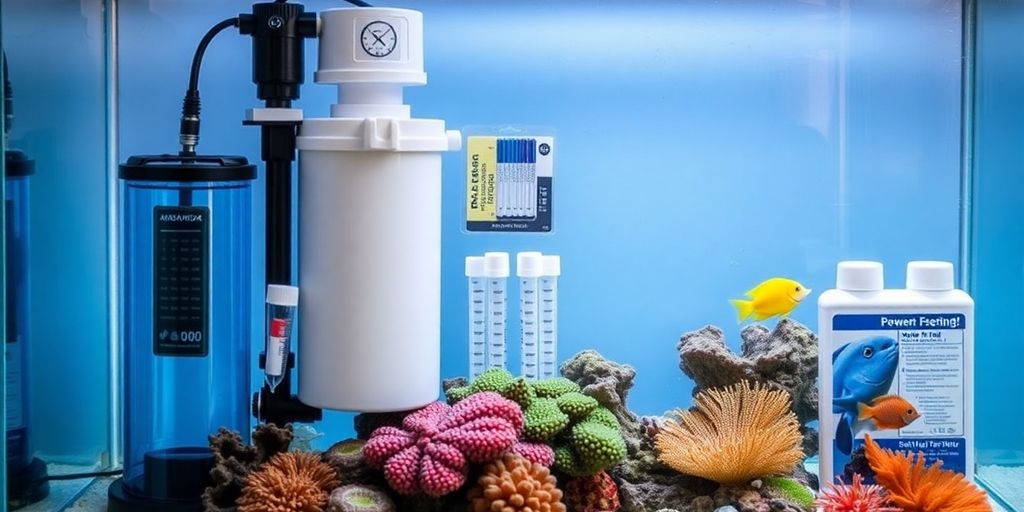
Power Backup Solutions
Having a reliable power backup is crucial for your aquarium. Investing in a good power backup system can save your aquatic life during unexpected outages. Here are some options:
- Uninterruptible Power Supply (UPS): Provides immediate power during outages.
- Portable Generators: Useful for longer outages, especially in emergencies.
- Battery-Powered Air Pumps: Keep water oxygenated when the main power is down.
Monitoring Systems
Monitoring your aquarium’s conditions is essential for maintaining a healthy environment. Consider these tools:
- Temperature Monitors: Ensure your tank stays within the right temperature range.
- Water Quality Test Kits: Regular testing helps catch issues early.
- Automated Alerts: Systems that notify you of changes in water parameters can be lifesavers.
Emergency Preparedness
Being prepared for emergencies can make a big difference. Here are some steps to take:
- Create an Emergency Plan: Know what to do in case of power outages or equipment failure.
- Keep Spare Equipment: Have backup heaters, filters, and pumps ready.
- Regular Maintenance: Routine checks can prevent many issues before they arise.
Remember, a well-prepared aquarist is a successful one. Regularly review your safety measures to ensure your aquatic friends remain safe and healthy.
In summary, having a solid plan for power backup, monitoring, and emergency preparedness is essential for every aquarist. This will help you maintain a thriving aquarium environment, even during unexpected situations. Stay proactive to keep your tank in top shape!
Additional Supplies and Accessories
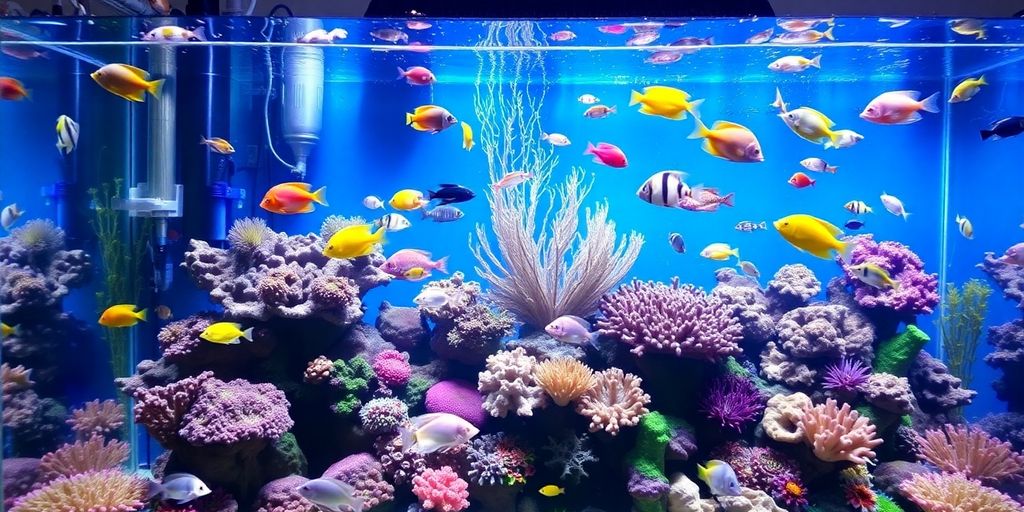
When setting up a saltwater aquarium, having the right accessories can make a big difference in maintaining a healthy environment for your fish and corals. Here’s a look at some essential supplies you should consider:
Nets and Cleaning Tools
- Nets: Useful for catching fish or removing debris.
- Algae Scrapers: Keep your tank glass clean and clear.
- Siphon Tubes: Great for water changes and cleaning substrate.
Water Conditioners
- Dechlorinators: Essential for making tap water safe for your aquarium.
- pH Adjusters: Help maintain the right pH levels for your marine life.
- Bacterial Supplements: Boost beneficial bacteria for a healthy tank.
Aquarium Maintenance Logs
- Keeping a log helps track water parameters, feeding schedules, and maintenance tasks. This can be crucial for identifying issues early.
| Item | Purpose |
|---|---|
| Nets | Catching fish and debris |
| Algae Scrapers | Cleaning tank glass |
| Siphon Tubes | Water changes and substrate cleaning |
| Dechlorinators | Making tap water safe |
| pH Adjusters | Maintaining proper pH levels |
| Bacterial Supplements | Supporting beneficial bacteria growth |
Remember: Having a complete list of aquarium essentials for beginners is vital for success. This includes not just the tank and stand, but also the right accessories to ensure a thriving aquatic environment.
When setting up your aquarium, don’t forget about the extra supplies and accessories that can make a big difference! From filters to lights, these items help keep your fish happy and healthy. Visit our website to explore a wide range of essential products that will enhance your aquatic experience!
Final Thoughts on Saltwater Tank Supplies
Setting up a saltwater aquarium can be a fun and rewarding experience. Having the right supplies is key to keeping your fish and plants healthy. From test kits to filters, each item plays an important role in your tank’s success. Remember to regularly check water quality and maintain your equipment. With the right tools and a bit of care, you can create a beautiful underwater world that thrives. Enjoy your journey as an aquarist!
Frequently Asked Questions
What supplies do I need to set up a saltwater aquarium?
To set up a saltwater aquarium, you’ll need a tank, filtration system, heater, lighting, substrate, and water test kits.
How often should I test the water in my saltwater tank?
You should test the water every few days for new tanks. Once established, testing once a week is usually enough.
What is a protein skimmer and do I need one?
A protein skimmer removes waste from the water. It’s not absolutely necessary, but it helps keep the water clean.
Do I need special salt for my saltwater tank?
Yes, you need marine salt mix specifically designed for saltwater aquariums.
How do I maintain the temperature in my saltwater aquarium?
Use a heater to keep the water warm and a thermometer to check the temperature regularly.
Can I use tap water for my saltwater tank?
It’s better to use RO/DI water because tap water can have chemicals that harm fish.
What types of fish can I keep in a saltwater tank?
You can keep various fish, but it’s important to choose species that are compatible with each other.
How often should I change the water in my saltwater tank?
Aim to change about 10-15% of the water every week to keep it clean and healthy.