Creating a vibrant freshwater fish tank can be a rewarding experience. To ensure your aquarium thrives, it’s essential to have the right supplies and knowledge. This guide will help you understand the key components necessary for a successful freshwater aquarium, from choosing the right tank to maintaining water quality.
Key Takeaways
- Choose a tank size that suits your space and the fish you want to keep.
- Select a reliable filtration system to keep the water clean and healthy.
- Maintain a stable water temperature with an appropriate heater.
- Provide proper lighting to support fish and plant health.
- Regularly test water quality to prevent issues and ensure a thriving environment.
Choosing the Right Freshwater Fish Tank
When starting your journey with a freshwater aquarium, selecting the right tank is crucial. Here are some key factors to consider:
Considerations for Tank Size
- Space Available: Measure the area where you plan to place the tank. Larger tanks (20 gallons or more) are generally easier to maintain.
- Fish Population: Think about how many fish you want to keep. More fish require a larger tank to ensure a healthy environment.
- Stability: Bigger tanks provide a more stable ecosystem, which is beneficial for fish health.
Glass vs. Acrylic Tanks
| Feature | Glass Tanks | Acrylic Tanks |
|---|---|---|
| Weight | Heavier | Lighter |
| Durability | Scratch-resistant | More prone to scratches |
| Cost | Generally less expensive | Can be more costly |
- Glass tanks are sturdy and allow for clear viewing, while acrylic tanks are lighter and can be shaped more creatively.
Selecting the Ideal Shape
- Rectangular Tanks: Most common and provide ample surface area for oxygen exchange.
- Cube-shaped Tanks: Offer a unique look but may limit fish swimming space.
- Bow-front Tanks: Provide a panoramic view but can be more challenging to clean.
Choosing the right tank shape and size is essential for creating a thriving environment for your freshwater fish.
Essential Filtration Systems for Freshwater Aquariums
Types of Aquarium Filters
When setting up a freshwater aquarium, choosing the right filter is crucial. There are three main types of filters:
- Canister Filters: Great for larger tanks, they provide powerful filtration.
- Hang-On-Back Filters: Ideal for medium to small tanks, they are easy to install and maintain.
- Sponge Filters: Best for small tanks, they are gentle and perfect for delicate fish.
Benefits of Canister Filters
Canister filters are often recommended for their efficiency. They offer:
- High filtration capacity: They can handle larger volumes of water.
- Versatility: Suitable for various tank sizes and setups.
- Quiet operation: They run quietly, making them ideal for home environments.
Maintaining Your Filter
To keep your aquarium healthy, regular maintenance of your filter is essential. Here are some tips:
- Clean the filter media every month to prevent clogging.
- Replace filter cartridges as needed, usually every 4-6 weeks.
- Check for any leaks or unusual noises to ensure proper function.
Regular maintenance of your filtration system is key to a thriving aquarium. A clean filter means healthier fish!
Heating Solutions for Freshwater Fish Tanks
Maintaining the right temperature in your aquarium is crucial for the health of your fish. A stable water temperature helps prevent stress and illness. Here are some key points to consider:
Importance of Stable Water Temperature
- Most tropical fish thrive in temperatures between 75°F and 79°F.
- Sudden temperature changes can be harmful, so it’s essential to monitor the water regularly.
- Use a reliable thermometer to keep track of the temperature.
Types of Aquarium Heaters
Common types of heaters include:
- Hanging Heaters: These are easy to set up and great for beginners. They sit outside the tank wall and are usually inexpensive.
- Immersion Heaters: Also known as submersible heaters, these are commonly used but can pose a risk to fish if they get too close. Consider using a barrier for safety.
- In-line Heaters: These are built into the plumbing and are considered the safest option since fish cannot come into contact with them.
| Heater Type | Description | Pros | Cons |
|---|---|---|---|
| Hanging Heaters | Sit outside the tank wall | Easy to install | May not heat evenly |
| Immersion Heaters | Submersible heaters that warm the water directly | Effective heating | Risk of fish injury |
| In-line Heaters | Built into external plumbing | Safe for fish | More complex installation |
Choosing the Right Heater for Your Tank
To select the best heater:
- Follow the manufacturer’s recommendations for wattage based on your tank size.
- A heater that is too small may not keep the water warm enough, while a larger one can be more efficient if it fits well.
- For example, a 50-watt adjustable aquarium heater can warm water from 68°F to 91°F.
Remember, investing in a quality heater is essential for a thriving aquarium. Regularly check your heater’s performance to ensure your fish remain healthy and happy!
Aquarium Lighting for Freshwater Tanks
Benefits of Proper Lighting
Proper lighting is essential for a healthy aquarium. It helps plants grow and keeps fish happy. Here are some key benefits:
- Supports photosynthesis for live plants.
- Enhances the colors of your fish.
- Creates a natural day-night cycle.
Types of Aquarium Lights
There are several types of lights you can use:
- LED Lights: Energy-efficient and long-lasting.
- Fluorescent Lights: Good for general use but may need replacement more often.
- Metal Halide Lights: Bright and effective for larger tanks but can generate heat.
| Type of Light | Lifespan (Hours) | Energy Efficiency | Heat Output |
|---|---|---|---|
| LED | 50,000 | High | Low |
| Fluorescent | 10,000 | Medium | Medium |
| Metal Halide | 10,000 | Low | High |
Choosing the Right Light Spectrum
Different fish and plants have specific lighting needs. Here’s how to choose:
- Freshwater Plants: Look for full-spectrum lights that support plant growth.
- Fish Colors: Use lights that enhance the natural colors of your fish.
- Adjustable Settings: Consider lights with adjustable settings for different times of the day.
Remember, the right lighting can make your aquarium not only healthier but also more beautiful. Investing in quality lights is worth it!
Selecting the Best Substrate for Your Freshwater Aquarium
Choosing the right substrate is crucial for your aquarium’s health and appearance. A suitable substrate not only enhances the look of your tank but also supports beneficial bacteria. Here are some key points to consider:
Types of Substrate
- Gravel: Popular for its versatility and ease of cleaning.
- Sand: Ideal for certain fish species and plants.
- Commercial Soils: Great for planted tanks, providing nutrients.
Benefits of Gravel vs. Sand
| Feature | Gravel | Sand |
|---|---|---|
| Maintenance | Easier to clean | Can compact and trap waste |
| Plant Growth | Supports root systems | May require special plants |
| Fish Compatibility | Suitable for most species | Best for bottom dwellers |
How to Clean and Maintain Substrate
- Regular Vacuuming: Use a gravel vacuum to remove debris.
- Water Changes: Change 10-15% of the water weekly to keep it clean.
- Monitor Levels: Check for ammonia and nitrate levels regularly.
Remember, the right substrate can make a big difference in your fish’s health and happiness. Choose wisely to create a thriving environment!
Decorations and Accessories for Freshwater Aquariums
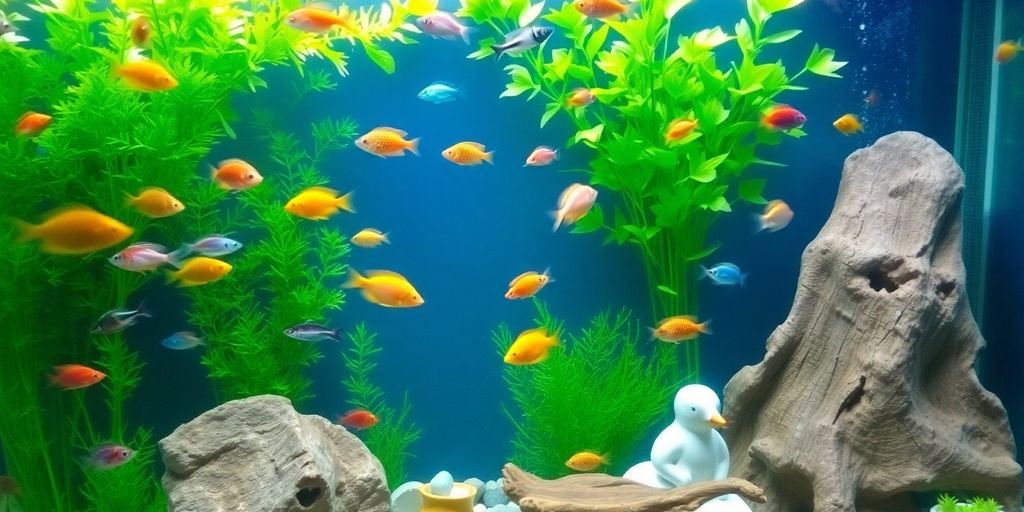
Creating a beautiful and healthy environment for your fish involves choosing the right decorations and accessories. Decorations not only enhance the look of your aquarium but also provide essential hiding spots for your fish. Here are some key points to consider:
Choosing Safe Decorations
- Materials: Always select decorations made from safe, non-toxic materials. For example, a fish tank decor kit with artificial plants and hideouts is a great choice as it is made of safe and non-toxic resin for fish to get in and out.
- Natural vs. Artificial: Natural decorations like rocks and driftwood can create a more realistic environment, while artificial plants are easier to maintain.
- Size and Shape: Ensure that decorations fit well in your tank without overcrowding the space.
Benefits of Live Plants
- Oxygen Production: Live plants help produce oxygen, which is vital for fish health.
- Natural Habitat: They provide a more natural habitat for your fish, promoting their well-being.
- Aesthetic Appeal: Live plants can enhance the beauty of your aquarium, making it more visually appealing.
Essential Aquarium Accessories
- Aquarium Net: Useful for catching fish or removing debris.
- Thermometer: To monitor water temperature and ensure it stays within a safe range.
- Water Testing Kits: Essential for checking water quality and ensuring a healthy environment for your fish.
Remember, investing in quality accessories is recommended to reduce long-term maintenance costs. By choosing the right decorations and accessories, you can create a thriving aquarium that your fish will love!
Feeding Your Freshwater Fish
Feeding your fish properly is essential for their health and happiness. Choosing the right food can make a big difference in their growth and color. Here are some key points to consider:
Types of Fish Food
- Flakes: These are the most common type of fish food. They float on the surface and are easy for fish to eat.
- Pellets: These are often more nutritious than flakes and can sink to the bottom, making them suitable for bottom feeders.
- Freeze-Dried Foods: These include options like bloodworms and brine shrimp, which are great for adding variety to your fish’s diet.
Feeding Schedules and Portions
- Feed your fish once or twice a day.
- Only give them as much food as they can eat in about 2-3 minutes.
- Remove any uneaten food to keep the water clean.
Special Dietary Needs
Some fish have unique dietary requirements:
- Cichlids: They often need high-protein foods.
- Herbivores: Fish like plecos thrive on plant-based foods.
- Betta Fish: They benefit from high-quality pellets or frozen foods.
Remember, a balanced diet is key to keeping your fish healthy and vibrant. Regularly check their health and adjust their diet as needed.
| Food Type | Benefits | Example Products |
|---|---|---|
| Flakes | Easy to feed, widely available | Omega One Freshwater Flakes |
| Pellets | Nutrient-rich, good for various fish types | Omega One Betta Buffet Pellets |
| Freeze-Dried | Adds variety, high in protein | Omega One Freeze Dried Krill |
Water Quality and Testing for Freshwater Aquariums
Maintaining good water quality is essential for the health of your fish. Regular testing helps ensure a safe environment. Here are some key points to consider:
Importance of Water Testing
- Testing your aquarium water regularly helps you catch problems early.
- It’s crucial to monitor levels of ammonia, nitrite, nitrate, and pH.
- Use a reliable test kit, like the API Freshwater Master Test Kit, to check these levels.
Types of Water Test Kits
| Test Kit Type | Features |
|---|---|
| API Freshwater Master Test Kit | Tests for ammonia, nitrite, nitrate, pH, and more. |
| 7 in 1 Fish Tank Water Testing Kit | Cost-effective with 100 test strips for regular monitoring. |
| 5 in 1 Test Strips | Quick results for pH, hardness, and more. |
How to Interpret Test Results
- Ammonia: Should be 0 ppm; high levels can be toxic.
- Nitrite: Should be undetectable; any level is harmful.
- Nitrate: Keep it as low as possible; under 20 ppm is ideal.
- pH: Most freshwater fish thrive in a range of 6.5 to 7.5.
Regular testing is vital for a thriving aquarium. It helps you maintain a balanced environment for your fish.
By following these guidelines, you can ensure your freshwater aquarium remains a healthy habitat for your aquatic friends. Regular testing and maintenance will lead to a thriving aquarium!
Maintaining a Healthy Freshwater Aquarium
Keeping your freshwater aquarium in top shape is essential for the health of your fish. Here are some key practices to follow:
Regular Cleaning Practices
- Water Changes: Change 20-30% of the water every two weeks to keep it clean and remove waste. This helps maintain stable water conditions.
- Glass and Substrate Cleaning: Clean the glass and substrate regularly to prevent algae growth and debris buildup.
- Filter Maintenance: Check and clean your filter as needed, but avoid over-cleaning to maintain beneficial bacteria.
Monitoring Fish Health
- Observe your fish daily for signs of stress or illness, such as unusual swimming patterns or loss of appetite.
- Keep a record of any changes in behavior to help identify potential issues early.
- Early detection is key to preventing disease outbreaks in your tank.
Preventing Common Diseases
- Maintain good water quality by regularly testing for ammonia, nitrite, and nitrate levels. Use a reliable test kit to monitor these parameters.
- Quarantine new fish before introducing them to your main tank to avoid spreading diseases.
- Ensure your fish are not overcrowded, as this can lead to stress and increased disease risk.
A clean and well-maintained aquarium not only looks good but also creates a healthy environment for your fish to thrive. Regular maintenance is the key to a successful aquarium!
Setting Up a Freshwater Aquarium
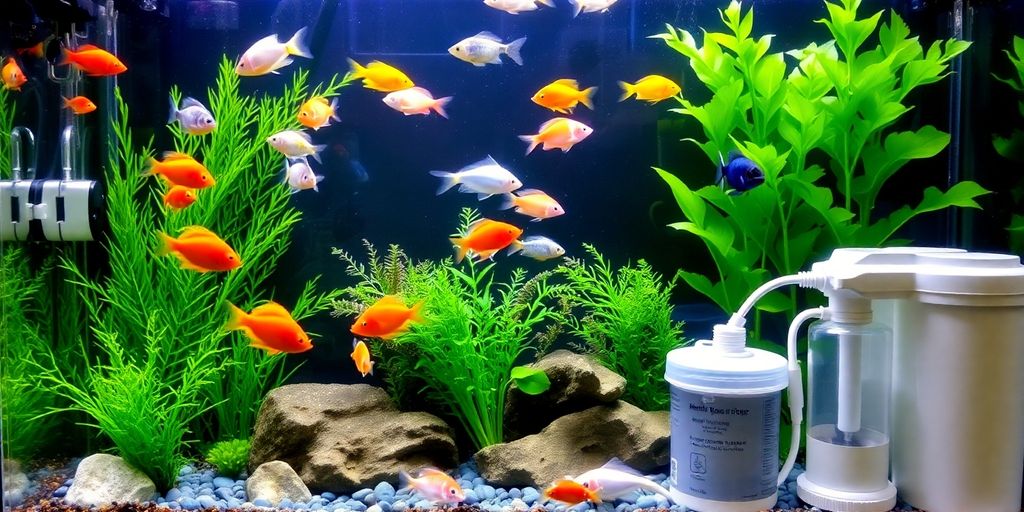
Creating a beautiful and thriving aquarium is an exciting journey. Follow these essential steps to ensure your fish have a safe and healthy environment.
Initial Setup Steps
- Choose the Right Location: Find a spot away from direct sunlight and heat sources. This helps prevent algae growth and keeps the water temperature stable.
- Prepare Your Tank: Rinse the tank with water (no soap) and set it on a sturdy stand. Make sure it can hold the weight of the filled tank.
- Add Substrate: Use gravel or sand as the base. Rinse it thoroughly before adding it to the tank.
Cycling Your Aquarium
- What is Cycling?: This process establishes beneficial bacteria that help break down fish waste.
- How to Cycle: You can cycle your tank using fish or by adding ammonia. This usually takes 4-6 weeks.
- Test Water Quality: Regularly check ammonia, nitrite, and nitrate levels using a water test kit.
Introducing Fish to the Tank
- Choose Compatible Fish: Research fish species that can live together peacefully.
- Acclimate Your Fish: Gradually introduce them to the tank by floating the bag in the water for about 15 minutes before releasing them.
- Add Fish Slowly: Start with a few fish to avoid overwhelming the tank’s ecosystem.
Remember, patience is key when setting up your aquarium. Rushing can lead to problems down the line, so take your time to create a thriving aquatic environment.
Highlights
- Creating a beautiful and thriving aquarium
- Choose the Right Location
- Test Water Quality
- Acclimate Your Fish
Aquarium Kits and Cabinets
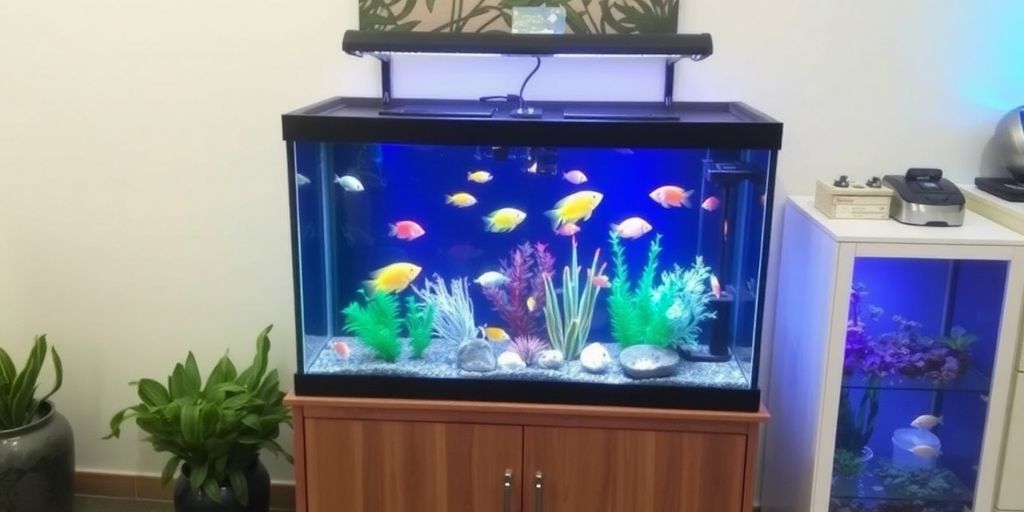
When setting up a freshwater aquarium, choosing the right kit and cabinet is essential. These kits often come with everything you need to get started, making them a great choice for beginners.
Benefits of Aquarium Kits
- All-in-One Solution: Most kits include a tank, filter, heater, and sometimes even decorations.
- Cost-Effective: Buying a kit can be cheaper than purchasing items separately.
- Easy Setup: Kits are designed for straightforward assembly, perfect for new aquarists.
Choosing the Right Cabinet
When selecting a cabinet for your aquarium, consider the following:
- Size: Ensure the cabinet can support the weight of the tank when filled with water.
- Storage Options: Look for cabinets with shelves or drawers for storing supplies.
- Material: Choose a sturdy material that can withstand moisture.
Popular Aquarium Kits
| Kit Name | Size | Price | Features |
|---|---|---|---|
| jbj aquazen 4g aquarium kit | 4 gallons | $99.99 | Includes tank, filter, and light |
| fluval premium betta aquarium kit | 2.6 gallons | $93.98 | Designed for bettas, includes essential accessories |
| aqqa 1.5 gallon aquarium kit | 1.5 gallons | $49.99 | Compact design with filtration and lighting |
A well-chosen aquarium kit and cabinet can transform your space into a serene underwater oasis, making it easier to maintain a thriving aquatic environment.
Power Heads and Wave Makers for Freshwater Tanks
Importance of Water Movement
Water movement is crucial in a freshwater aquarium. It helps to distribute nutrients, maintain oxygen levels, and create a more natural environment for your fish. Using power heads and wave makers can significantly enhance the health of your aquatic life.
Types of Power Heads
There are several types of power heads available:
- Standard Power Heads: These are versatile and can be used for various applications, including filtration and water movement.
- Wave Makers: Designed to create waves, these devices simulate natural water currents, which can be beneficial for certain fish species.
- Circulation Pumps: These pumps help to keep water moving throughout the tank, preventing dead spots where debris can accumulate.
Installing and Maintaining Wave Makers
To ensure your wave maker operates effectively:
- Placement: Position the wave maker to create a circular flow in the tank, avoiding direct blasts on your fish.
- Adjust Flow Rate: Most wave makers allow you to adjust the flow rate. Start with a lower setting and gradually increase it based on your fish’s comfort.
- Regular Cleaning: Clean the wave maker every few weeks to prevent algae buildup and ensure optimal performance.
Maintaining proper water movement is essential for a thriving aquarium. Regularly check your equipment to ensure it’s functioning correctly and adjust as needed.
Recommended Products
Here are some popular options:
| Product Name | Flow Rate | Price |
|---|---|---|
| Fluval Sea CP3 | 660 GPH | $33.87 |
| Freesea Wave Maker | 1600 GPH | $31.86 |
| Aquael Circulator | 1000 GPH | $27.13 |
If you’re looking to enhance your freshwater tank, power heads and wave makers are essential tools. They help keep the water moving, ensuring your fish stay healthy and happy. Visit our website to explore a variety of options that can transform your aquarium experience!
Conclusion
Creating a successful freshwater fish tank is both rewarding and enjoyable. By choosing the right supplies and maintaining your aquarium properly, you can ensure a healthy home for your fish. Remember to select quality equipment, monitor water conditions, and keep your tank clean. With the right care, your aquarium will thrive, bringing beauty and peace to your space. At Fish Tanks Direct, we have everything you need to start your aquatic journey. Explore our wide range of products and let us help you build a vibrant and healthy fish tank that you can enjoy for years to come.
Frequently Asked Questions
What size tank should I start with for freshwater fish?
It’s best to begin with a tank that holds at least 20 gallons. Bigger tanks are easier to care for and provide a stable environment for your fish.
What type of filter is best for a freshwater aquarium?
Canister filters are often recommended for their efficiency, but hang-on-back filters are also a good choice for smaller tanks.
How do I keep my aquarium water clean?
Regular water changes (20-30% every two weeks) and using a good filtration system will help keep your water clean.
What should I feed my freshwater fish?
You can feed them flakes, pellets, or freeze-dried food made specifically for freshwater fish. Make sure to choose food that meets their dietary needs.
How often should I test my aquarium water?
It’s a good idea to test your water weekly, especially for ammonia, nitrite, and nitrate levels, to ensure a healthy environment.
Can I use tap water in my aquarium?
Yes, but you should treat it with a water conditioner to remove harmful chemicals like chlorine before adding it to your tank.
What decorations are safe for my fish tank?
Use decorations that are labeled as aquarium-safe. Live plants are also a great option for both beauty and fish health.
How do I introduce new fish to my aquarium?
Add new fish slowly, one or two at a time. Quarantine them in a separate tank for a few weeks first to avoid spreading diseases.