Setting up an aquarium can be both exciting and overwhelming. Whether you’re a beginner or just looking to refresh your knowledge, understanding the essential supplies needed for a successful fish tank is crucial. This article breaks down everything you need to know about setting up and maintaining a healthy aquarium environment for your fish.
Key Takeaways
- Choose the right size and type of aquarium, whether glass or acrylic, based on your needs.
- A good filtration system is vital for keeping the water clean and healthy for your fish.
- Maintain the right temperature with a suitable heater and monitor it using a thermometer.
- Proper lighting is important for both fish and plants; select the right type for your setup.
- Regular maintenance with the right tools can ensure a thriving aquarium.
Choosing the Right Aquarium
When starting your aquarium journey, selecting the right tank is crucial. The size and type of aquarium you choose will depend on your available space, the fish species you want, and your budget. Here are some key points to consider:
Glass vs. Acrylic Tanks
- Glass tanks are generally less expensive and do not scratch easily. They also maintain clarity over time.
- Acrylic tanks are lighter and less prone to breakage, but they can be more costly.
- Consider the support needed for each type; acrylic tanks require full bottom support, while glass tanks can rest on their edges.
Size Considerations
- Bigger is better! Larger tanks provide more stable water conditions and are more forgiving of mistakes.
- Avoid tall, narrow tanks; they limit swimming space and are best for less active fish. Instead, opt for shorter, wider tanks that allow for better gas exchange and more room for fish to swim.
- A 10 or 20-gallon tank is often a better choice than a tiny desktop aquarium, especially if you plan to keep multiple fish.
Aquarium Stands
- Ensure your aquarium stand is sturdy enough to support the weight of the tank when filled. A filled aquarium can weigh about 10 lbs. per gallon.
- For tanks larger than 5 gallons, it’s best to use a stand specifically designed for aquariums to ensure safety and stability.
Tip: Always place your aquarium in a location where you spend a lot of time, so you can enjoy watching your fish thrive!
Essential Filtration Systems
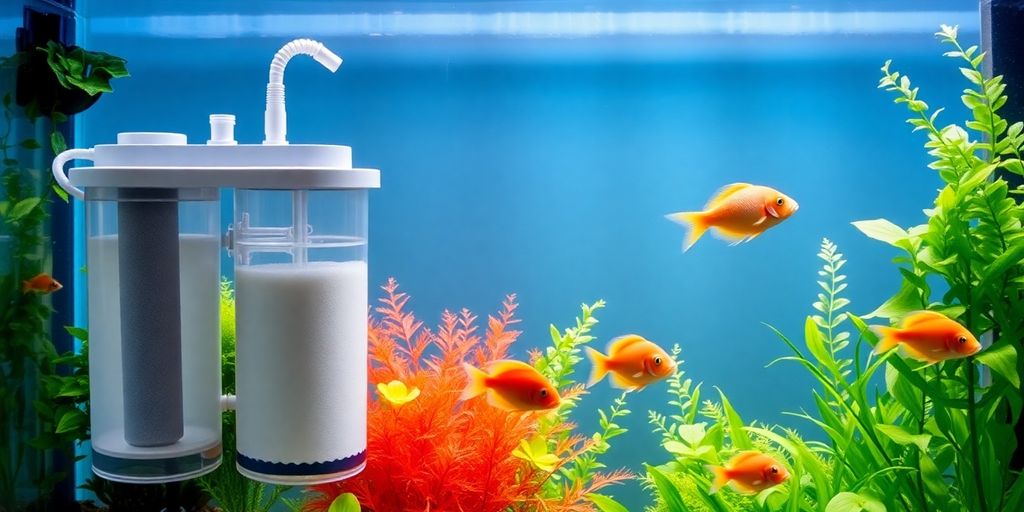
Keeping your fish healthy requires a good filtration system. Choosing the right filter is crucial for maintaining a clean and safe environment for your aquatic friends. Here’s what you need to know:
Types of Filters
- External Power Filters: These hang on the back of the aquarium and are popular for their ease of use. They draw water in, filter it, and return it to the tank.
- Canister Filters: These are versatile and can handle larger tanks. They sit outside the aquarium and can filter a lot of water at once.
- Sponge Filters: Great for breeding tanks, these filters use a sponge to provide both mechanical and biological filtration without trapping baby fish.
Choosing the Right Filter
- Size Matters: Always select a filter rated for a slightly larger tank than yours. This ensures better performance.
- Consider Your Fish: The type and number of fish you have will affect the filter you need. More fish means more waste, so a stronger filter is necessary.
- Maintenance: Look for filters that are easy to clean and maintain. Regular upkeep is key to keeping your aquarium healthy.
Maintenance Tips
- Regular Cleaning: Clean or replace filter media as needed to keep the water clear.
- Monitor Performance: Check the flow rate of your filter regularly. If it slows down, it may need cleaning.
- Replace Media: Change out chemical media like carbon when it becomes saturated to ensure effective filtration.
Remember, a good filtration system is essential for a thriving aquarium. It helps keep the water clean and your fish happy!
Heating and Temperature Control
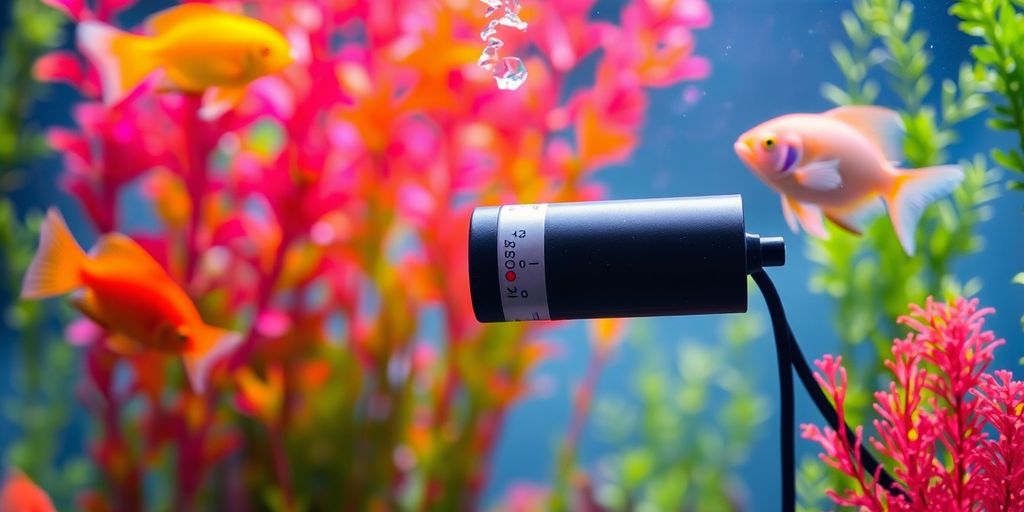
Types of Heaters
When it comes to keeping your fish happy, having the right aquarium heater is essential. Here are some common types:
- Submersible Heaters: These can be placed fully underwater and are adjustable for different temperatures. They often come with an LED light to show when they are heating.
- Flat Heaters: These are compact and can be hidden behind decorations. They provide a constant heat supply, but be careful not to use one that’s too big for your tank.
- Preset Heaters: These are set to a specific temperature, usually around 78°F, making them easy to use without adjustments.
Choosing the Right Heater
Selecting the right heater depends on several factors:
- Tank Size: Make sure to choose a heater that matches your aquarium size. For example, a 5-gallon tank typically needs a 50-watt heater.
- Temperature Needs: Different fish species have different temperature preferences. Research what your fish need.
- Safety Features: Look for heaters with safety shutoff features to prevent overheating.
Using Thermometers
To ensure your heater is working correctly, use a thermometer. Here’s how:
- Place it away from the heater to get an accurate reading.
- Check the temperature regularly to ensure it stays within the ideal range for your fish.
- Consider using a digital thermometer for precise readings.
Remember: Maintaining the right temperature is crucial for the health of your fish. Aqueon heaters are a reliable choice for keeping your aquarium warm and cozy.
| Aquarium Size | Recommended Heater Wattage |
|---|---|
| 5 Gallon | 50 watt |
| 10 Gallon | 50 watt |
| 20 Gallon | 100 watt |
| 30 Gallon | 150 watt |
| 55 Gallon | 200 watt |
| 100 Gallon | 300 watt |
Lighting Your Aquarium
Types of Aquarium Lights
When it comes to lighting your aquarium, there are several options to choose from:
- Incandescent
- Fluorescent (standard, compact, high output)
- Metal Halide
- LED
Each type has its own benefits and drawbacks. For example, LED lights are energy-efficient and last longer than traditional bulbs, making them a popular choice among aquarists.
Choosing the Right Light
Selecting the right light for your aquarium is crucial. Consider the following:
- Tank Size: Ensure the light covers the entire area.
- Type of Fish and Plants: Different species have varying light needs.
- Budget: Some lights are more expensive but offer better efficiency.
Lighting for Plants
If you have live plants, proper lighting is essential for their growth. Here are some tips:
- Use lights with the right spectrum for photosynthesis.
- Maintain a consistent day/night cycle of about 12 hours of light.
- Monitor algae growth, as excessive light can lead to problems.
Proper lighting not only enhances the beauty of your aquarium but also supports the health of your fish and plants. Choose wisely!
Substrate and Decorations
Types of Substrate
Substrate is the material that covers the bottom of your aquarium. Common choices include:
- Aquarium gravel: Great for most fish tanks.
- Sand: Ideal for fish that like to dig.
- Plant substrate: Best for live plants.
Remember to rinse your substrate before adding it to your tank to avoid cloudy water. Avoid using soap or cleaning products, as they can harm your fish.
Choosing Decorations
Decorations are essential for creating a comfortable environment for your fish. Here are some options:
- Live plants: They help with oxygen levels and provide hiding spots.
- Artificial plants: Easy to maintain and look good.
- Rocks and driftwood: Create natural hiding places and territories.
When placing decorations, arrange taller items at the back and shorter ones in the front for a nice visual effect. This setup also helps hide equipment like filters and heaters.
Cleaning and Maintenance
To keep your aquarium looking great:
- Rinse all new decorations before adding them to the tank.
- Regularly clean the substrate using a siphon or gravel vacuum.
- Check for algae growth on decorations and clean as needed.
Tip: Using darker decorations can help your fish’s colors stand out and make algae less noticeable.
When selecting brands for your fish supplies, consider options like Omega One for high-quality fish food and water conditioners. This ensures your fish thrive in a healthy environment.
In summary, choosing the right substrate and decorations is crucial for your aquarium’s success. By following these tips, you can create a beautiful and safe habitat for your aquatic pets.
Water Quality and Conditioning
Maintaining good water quality is crucial for the health of your fish. Poor water quality can lead to stress and illness. Here are some key points to consider:
Using Water Conditioners
- Water conditioners are essential for making tap water safe for your fish. They help remove harmful substances like chlorine, chloramines, and heavy metals.
- For example, the API Tap Water Conditioner is effective in detoxifying and removing ammonia, nitrite, chlorine, and chloramine from both saltwater and freshwater.
- Always use a water conditioner when filling your tank or changing the water.
Testing Water Quality
- Regular testing of your aquarium water is important. You should check for:
- Ammonia
- Nitrite
- Nitrate
- pH
- Water hardness
- Use test kits to monitor these parameters. A good test kit will give you results in about 60 seconds, helping you maintain a healthy environment for your fish.
Maintaining Water Parameters
- To keep your fish happy, aim for the following water quality parameters:
- Ammonia: 0 ppm
- Nitrite: 0 ppm
- Nitrate: as low as possible
- pH: generally between 6.5 and 7.5, depending on the species.
Remember, maintaining proper water quality is the most important part of keeping your aquarium fish healthy. Regular checks and using the right products can make a big difference!
Feeding Your Fish
Types of Fish Food
When it comes to feeding your fish, there are several types of fish food available:
- Flakes: Great for surface feeders.
- Pellets: Suitable for various fish types.
- Freeze-dried treats: A special treat for your fish.
Feeding Schedules
Establishing a proper feeding schedule is crucial. Here are some tips:
- Feed young fish 2-3 times daily.
- Adult fish can be fed once or twice a day.
- Consider fasting your fish one day a week to help with digestion.
Avoiding Overfeeding
Overfeeding can harm your fish and pollute the water. Watch for these signs:
- Uneaten food remains after 5 minutes.
- Cloudy water or foul odors.
- Excessive algae growth.
Providing your fish with the right diet and feeding schedule will ensure growth, disease resistance, vibrant colors, and long, healthy lives. Remember to choose quality food like Advatec to keep your fish happy!
Aquarium Maintenance Tools
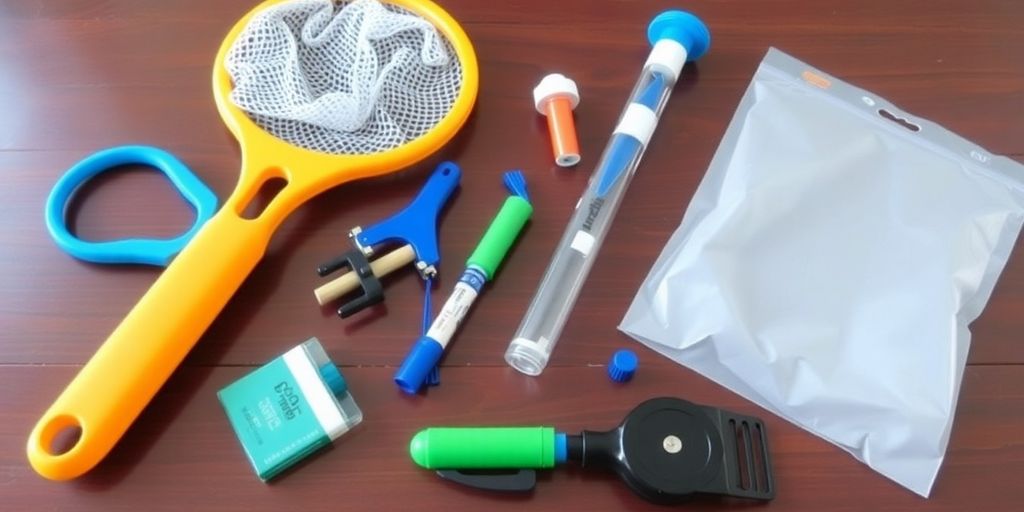
Keeping your aquarium clean and healthy is essential for the well-being of your fish. Here are some important tools every aquarist should have:
Siphons and Gravel Vacuums
A siphon is a must-have for cleaning your tank. It helps you remove waste from the gravel while changing the water. Using a siphon makes water changes easier and keeps your fish happy. You can find simple siphons or more advanced models that connect to your tap for convenience.
Algae Scrubbers
Algae can grow in any aquarium, so having an algae scrubber is important. You can use a pad or a magnet scrubber to clean the glass without putting your hands in the tank. This tool helps maintain a clear view of your fish and decorations.
Water Change Buckets
A dedicated bucket for aquarium use is essential. Make sure it’s labeled "For Aquarium Use Only" to avoid any harmful residues. This bucket will help you easily transfer water during changes.
Testing Kits
Regularly testing your water is crucial. You should have kits to check for ammonia, nitrite, and pH levels. Keeping these levels in check ensures a safe environment for your fish.
Additional Tools
- Water Conditioner: Removes harmful chemicals from tap water.
- Thermometer: Helps monitor the water temperature.
- Fishnet: Useful for catching fish during maintenance.
Remember, regular maintenance is key to a thriving aquarium. Having the right aquarium accessories can make this task much easier.
By investing in these essential tools, you can create a healthy environment for your fish and enjoy your aquarium to the fullest. Don’t forget to check out aquarium kits and cabinets for a complete setup!
Setting Up a Freshwater Tank
Setting up a freshwater tank can be an exciting adventure for any aquarist. Follow these essential steps to create a thriving environment for your fish.
Initial Setup Steps
- Choose a stable, level surface for your aquarium, away from direct sunlight and drafts. This helps maintain a consistent temperature.
- Rinse the aquarium and all accessories to remove dust. Install the tank background to enhance the look.
- Place the tank on the stand and add the substrate, which is the material at the bottom of the tank.
- Install the filter and heater, then add decorations to hide the equipment.
- Fill the tank with room temperature water and add a dechlorinator to make the water safe for fish.
- Plant any live plants, ensuring their roots are properly placed in the substrate.
- Install the lid and light, and wait 30 minutes before turning on the equipment.
- Wait 24 hours to check for leaks and ensure everything is working properly.
- Start cycling the aquarium to grow beneficial bacteria, which is crucial for a healthy fish environment.
- Gradually add fish once the tank is ready, considering a quarantine tank for new arrivals.
Cycling Your Tank
Cycling your tank is vital for establishing a healthy ecosystem. This process can take several weeks, so patience is key. During this time, beneficial bacteria will grow, helping to break down fish waste and keep the water clean.
Adding Fish Safely
When adding fish, do so slowly. Introduce one or a few fish at a time to avoid overwhelming the filter. This gradual approach helps maintain water quality and ensures your fish adapt well to their new home.
Remember, setting up a tank is not just about filling it with water and fish. It’s about creating a balanced environment where your aquatic pets can thrive!
Special Considerations for Saltwater Tanks
Setting up a saltwater aquarium can be a rewarding experience, but it comes with its own set of challenges. Saltwater tanks require specialized equipment and careful monitoring. Here are some key points to consider:
Additional Equipment Needed
- Protein Skimmer: Helps remove organic waste from the water.
- Heater: Essential for maintaining the right temperature, especially for tropical fish.
- Lighting: High-quality lights, like those from Kessil, are crucial for coral growth.
Maintaining Salinity Levels
Maintaining the right salinity is vital for the health of your fish and corals. Use a hydrometer or refractometer to check salinity regularly. Aim for a salinity level of 1.020 to 1.025 specific gravity.
Caring for Coral and Invertebrates
- Water Quality: Regularly test for nitrates, phosphates, and other parameters.
- Feeding: Use high-quality foods and supplements, such as those from Seachem, to ensure your corals and invertebrates thrive.
- Lighting: Ensure your lighting is suitable for the types of coral you have.
Remember, starting with a smaller tank can be more manageable. It allows for easier monitoring and adjustments, making it a great option for beginners.
By keeping these considerations in mind, you can create a thriving saltwater environment for your aquatic life.
Choosing Fish for Your Aquarium
Selecting the right fish for your aquarium is crucial for creating a thriving aquatic environment. Research is key to ensuring that your fish will live happily together. Here are some important points to consider:
Researching Fish Species
- Know the species: Understand where the fish come from and their natural habitat.
- Size matters: Make sure the fish will fit comfortably in your tank as they grow.
- Diet requirements: Some fish need special food, while others can eat standard flakes or pellets.
Compatibility with Other Fish
- Peaceful vs. aggressive: Choose fish that will get along with each other. Mixing aggressive and peaceful species can lead to stress and harm.
- Territorial behavior: Some fish need their own space and may not tolerate others of the same species.
- Community tanks: Consider asking your local fish store for advice on creating a balanced community tank.
Acclimating New Fish
- Slow introduction: Gradually introduce new fish to avoid shocking them.
- Use Aquarium Test Strips: Test water parameters to ensure a safe environment for your new fish.
- Monitor behavior: Keep an eye on how the new fish interact with existing ones.
Remember, taking the time to research and choose the right fish will lead to a healthier and more enjoyable aquarium experience.
By following these guidelines, you can create a vibrant and harmonious aquatic community. Don’t forget to check out All Products available for your aquarium needs!
When picking fish for your aquarium, think about their size, colors, and how they get along with each other. It’s important to choose fish that will thrive in the same environment. For more tips and to find the best products for your aquarium, visit our website today!
Final Thoughts on Essential Fish Supplies
Setting up a fish tank can be a fun adventure, but it’s important to have the right supplies to keep your fish happy and healthy. From the tank itself to filters, heaters, and decorations, each item plays a key role in creating a safe home for your aquatic friends. Remember to do your research and take your time when choosing your supplies. With the right tools and a little patience, you’ll be well on your way to enjoying the beauty of your own underwater world.
Frequently Asked Questions
What type of aquarium is better, glass or acrylic?
Glass tanks are strong and scratch-resistant, but they can be heavy. Acrylic tanks are lighter and less likely to break, but they scratch more easily.
How big should my first aquarium be?
A good size for beginners is at least 20 gallons. Bigger tanks are easier to take care of because they have more stable water conditions.
What kind of filter should I use?
There are different types of filters like hang-on-back, canister, and internal filters. Choose one that fits your tank size and the fish you have.
How do I keep the water warm for my fish?
You’ll need a heater. Most tropical fish like water around 75°F to 80°F. Make sure to check the temperature regularly.
What should I feed my fish?
Fish food comes in flakes, pellets, and freeze-dried options. Make sure to choose food that matches the type of fish you have.
How often should I clean my aquarium?
You should do partial water changes every 1-2 weeks and clean the tank as needed to keep it healthy.
How can I keep the water clean?
Use a filter to help clean the water and do regular water changes. Avoid overfeeding your fish, as leftover food can pollute the water.
How do I introduce new fish to my aquarium?
Acclimate new fish slowly by floating the bag in the tank for about 15 minutes and then adding a little tank water to the bag before releasing them.