Setting up a fish aquarium can be exciting, but it requires the right components to create a healthy environment for your aquatic friends. From selecting the right tank to ensuring proper filtration, heating, and lighting, each part plays a crucial role in maintaining a thriving aquatic habitat. This guide will help you understand the essential parts of an aquarium and how they contribute to the well-being of your fish.
Key Takeaways
- Choose the right size tank for your fish species and space.
- Invest in a good filtration system to keep the water clean.
- Maintain a stable temperature with a suitable heater.
- Use appropriate lighting to support both fish and plant growth.
- Regular maintenance tools are essential for a healthy aquarium.
Choosing the Right Aquarium Tank
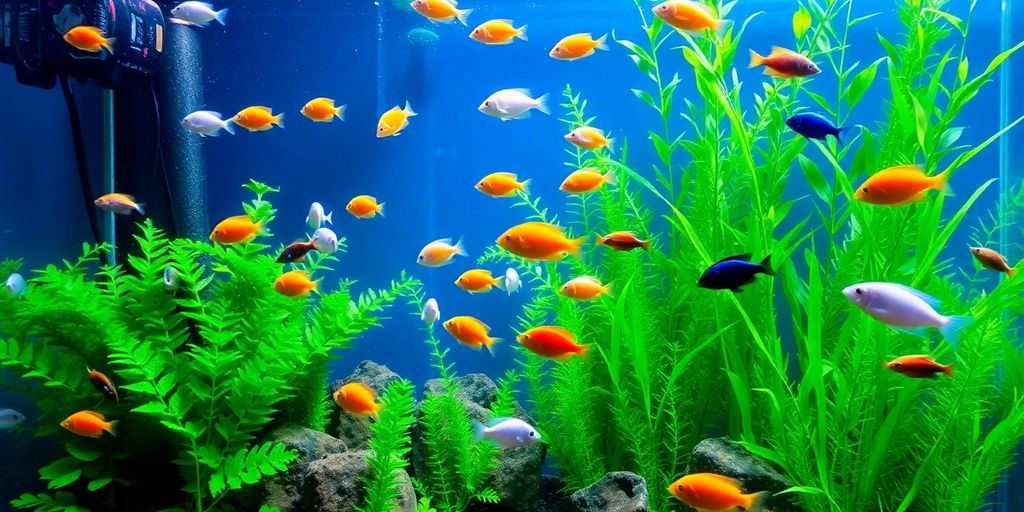
When setting up an aquarium, the tank itself is the most important part. You need to think about several factors to create a healthy home for your fish.
Selecting the Appropriate Size
Choosing the right size tank is crucial. Here are some points to consider:
- Smaller tanks (5-20 gallons) fit in tight spaces but can be harder to maintain.
- Larger tanks (30 gallons and above) provide a more stable environment, making it easier to keep water conditions right.
- Think about the fish species you want. For example, goldfish need more space than smaller fish like tetras.
Material Considerations: Glass vs. Acrylic
You have two main options for tank material:
- Glass tanks are usually cheaper and more scratch-resistant but can be heavier and fragile.
- Acrylic tanks are lighter and more durable but can scratch easily and often cost more.
| Material | Pros | Cons |
|---|---|---|
| Glass | Scratch-resistant, cheaper | Heavier, fragile |
| Acrylic | Lightweight, impact-resistant | Scratches easily, more expensive |
Placement and Setup Tips
Where you place your tank is just as important as the tank itself. Here are some tips:
- Ensure the stand is sturdy enough to hold the tank’s weight.
- Place it near a power outlet for your equipment.
- Avoid direct sunlight to prevent algae growth.
- Consider the room’s traffic; a quiet area can help reduce stress on your fish.
Remember, a well-chosen tank can make a big difference in the health and happiness of your aquatic pets. Brands like Fluval and Aqueon offer great options for beginners and experienced aquarists alike.
Essential Filtration Systems
Aquarium filters are crucial for keeping your fish healthy and your water clean. Without proper filtration, your aquarium can quickly become a toxic environment. There are several types of filters to consider:
Types of Aquarium Filters
- Hang-On-Back (HOB) Filters: These are easy to install and maintain. They hang on the back of the tank and provide excellent mechanical, biological, and chemical filtration.
- Canister Filters: Best for larger tanks, these external units offer strong filtration and can hold a lot of filter media.
- Sponge Filters: Ideal for small tanks, they are gentle on fish and provide great biological filtration.
- Internal Filters: These are placed inside the tank and can be hidden among decorations, suitable for medium-sized aquariums.
Benefits of Biological Filtration
Biological filtration is essential for breaking down harmful substances like ammonia. This process is supported by beneficial bacteria that thrive in your filter media. Using products like Seachem can enhance this process, ensuring a healthier environment for your fish.
Maintaining Your Filter
Regular maintenance is key to keeping your filter working effectively. Here are some tips:
- Clean filter media every month to prevent clogging.
- Replace filter cartridges as recommended by the manufacturer.
- Check the flow rate to ensure it meets your tank’s needs.
| Filter Type | Ideal Tank Size | Maintenance Frequency |
|---|---|---|
| HOB Filters | Up to 55 gallons | Monthly |
| Canister Filters | 50+ gallons | Every 3-6 months |
| Sponge Filters | Up to 10 gallons | Monthly |
| Internal Filters | 20-40 gallons | Monthly |
Remember, a good filter is the backbone of your aquarium setup. It not only keeps the water clean but also supports the overall health of your aquatic life. Consider investing in quality Aquarium Kits and Cabinets that include reliable Aquarium Pumps and Filters for a thriving aquatic environment.
Heating Solutions for Aquariums
Maintaining the right temperature in your aquarium is crucial for the health of your fish. Most tropical fish thrive in water temperatures between 75°F and 79°F. If the temperature drops too low, it can stress your fish and lead to health issues. Here are some key points to consider:
Importance of a Stable Temperature
- Fish are sensitive to temperature changes, which can affect their metabolism and immune system.
- A stable environment helps reduce stress and promotes healthy growth.
- Regularly check the temperature with a thermometer to ensure it stays within the ideal range.
Types of Aquarium Heaters
There are several types of heaters available:
- Hanging Heaters: These are easy to set up and great for beginners. They sit outside the tank wall.
- Immersion Heaters: Also known as submersible heaters, these are placed inside the tank. Be cautious, as they can be a hazard for fish if they get too close.
- In-line Heaters: These are built into the filtration system and are considered the safest option since fish cannot come into contact with them.
Choosing the Right Heater for Your Tank
To find the right heater size, follow this simple guide:
- Use 5 watts per gallon of water. For example, a 10-gallon tank needs a 50-watt heater.
- Consider the room temperature; colder environments may require a more powerful heater.
- Always check the manufacturer’s recommendations for specific wattage needs.
Remember, a good heater is essential for a thriving aquatic environment. Brands like AQUAEL offer reliable options that can help maintain a stable temperature in your tank.
By understanding these heating solutions, you can create a comfortable habitat for your fish, ensuring they remain healthy and active.
Aquarium Lighting Options
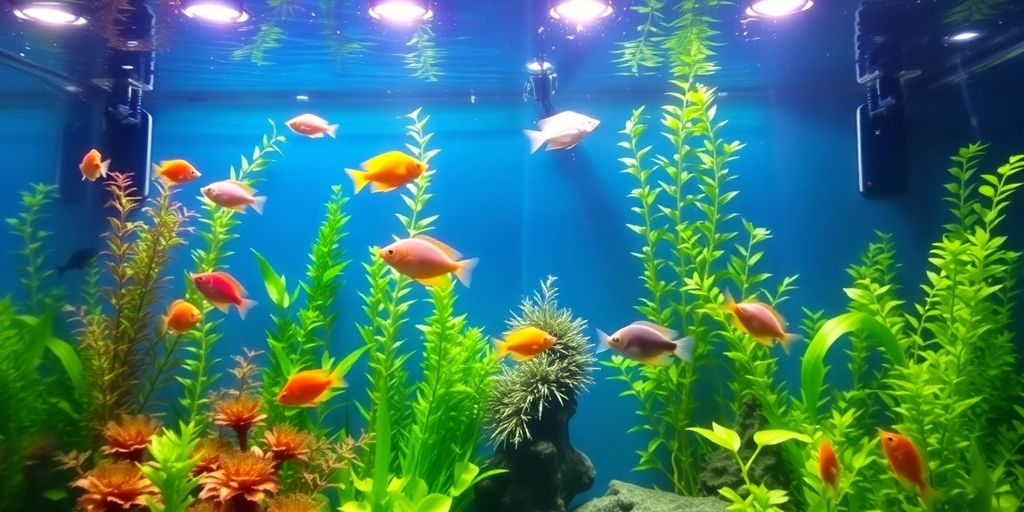
Benefits of LED Lighting
Proper lighting is essential for your aquarium’s health and beauty. LED lights are popular because they are energy-efficient and last a long time. They also produce less heat, which helps maintain a stable water temperature. Here are some benefits of using LED lighting:
- Long lifespan
- Low energy consumption
- Minimal heat output
Day-Night Cycle Simulation
To keep your fish happy, it’s important to mimic their natural environment. This means having a day-night cycle. Aim for about 8-10 hours of light each day. Using a timer can help you manage this easily. Kessil lights are great for simulating natural light conditions, making your tank look vibrant.
Lighting for Plant Growth
Plants in your aquarium need the right light to grow. Full-spectrum lights are best for this purpose. They provide the necessary wavelengths for photosynthesis. Here’s a quick guide:
| Light Type | Best For | Notes |
|---|---|---|
| LED | All types of tanks | Energy-efficient and long-lasting |
| Fluorescent | Freshwater plants | Bright and even light |
| Metal Halide | Reef tanks | High intensity, more heat |
Proper lighting not only enhances the beauty of your aquarium but also supports the health of your fish and plants. Make sure to choose the right type for your setup!
Substrate and Gravel Choices
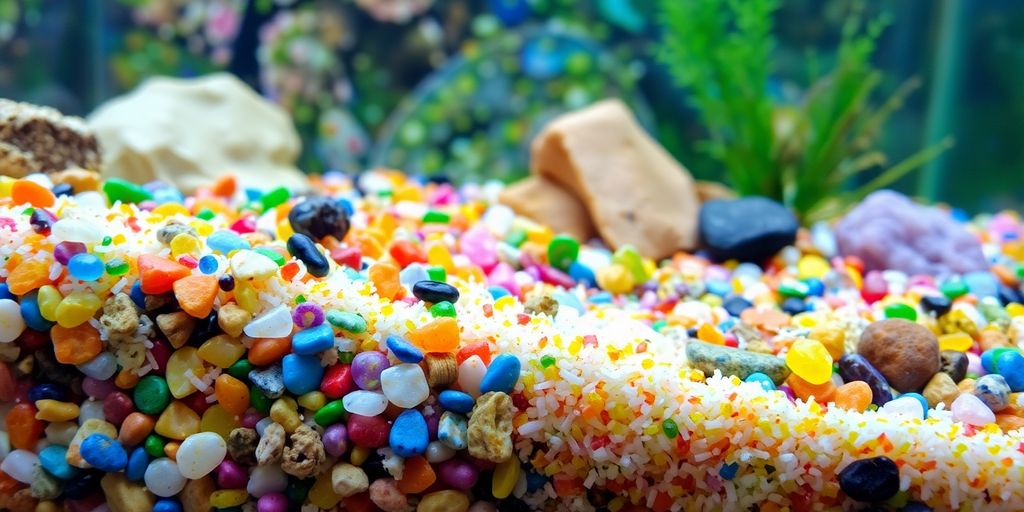
Choosing the right substrate is crucial for a healthy aquarium. The substrate not only enhances the look of your tank but also supports the well-being of your fish and plants. Here are some key points to consider:
Types of Substrates
- Gravel: A popular choice, gravel comes in various colors and sizes. It allows for good water flow and is easy to clean. Smaller, rounded gravel is best for creating a more natural environment.
- Sand: Ideal for bottom-dwelling fish like Catfish, sand mimics natural riverbeds. However, it can compact, affecting plant roots.
- Plant-specific substrates: These are nutrient-rich and designed to support aquatic plants, making them perfect for heavily planted tanks.
Benefits for Fish and Plants
- Provides a habitat for beneficial bacteria, which helps in maintaining water quality.
- Supports plant roots, allowing for healthy growth.
- Enhances the aesthetic appeal of the aquarium, making it more inviting.
How to Clean and Maintain Substrate
- Rinse thoroughly: Before adding substrate, rinse it to remove dust and debris.
- Regular cleaning: Use a gravel vacuum to remove waste and uneaten food.
- Monitor depth: Aim for a depth of 2-3 inches for most tanks, ensuring even coverage to prevent waste buildup.
Maintaining the right substrate is essential for a thriving aquatic environment. Regular care can significantly impact the health of your fish and plants.
In summary, selecting the right substrate, such as Omega One gravel or plant-specific options, is vital for creating a balanced aquarium. Remember, the right substrate can also enhance the effectiveness of your aquarium filter media by providing a surface for beneficial bacteria to thrive.
Aquarium Decorations and Ornaments
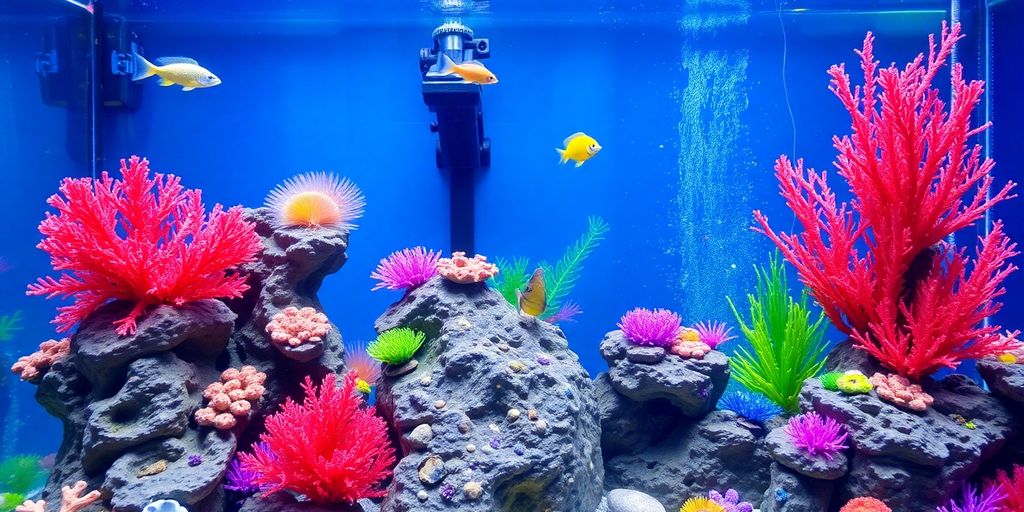
Creating a vibrant and engaging aquarium environment is essential for the well-being of your fish. Decorations not only enhance the visual appeal but also provide necessary hiding spots and stimulation for your aquatic pets. Here are some key aspects to consider:
Safe and Non-Toxic Materials
- Always choose materials labeled as aquarium-safe.
- Avoid untreated metals or painted items that can leach harmful chemicals.
- Safe options include ceramic, resin, and certain plastics.
Creating Hiding Spots with Rocks and Driftwood
- Adding rocks, driftwood, and caves can mimic a natural habitat.
- Popular choices like slate and lava rocks are safe and non-toxic.
- Boil driftwood before use to eliminate contaminants.
Using Backgrounds and Ornaments Effectively
- Backgrounds can transform your tank into a stunning underwater scene.
- Choose themes that complement your decor, such as underwater or forest scenes.
- Ornaments like castles or sunken ships can serve as unique visuals and hiding spots.
Remember, the right aquarium accessories can make a significant difference in your fish’s happiness and health.
In summary, when decorating your aquarium, prioritize safety and functionality. By incorporating safe materials and thoughtful designs, you can create a thriving aquatic environment that your fish will love. Don’t forget to consider aquarium lights to enhance the beauty of your setup!
Air Pumps and Aeration
Benefits of Air Pumps
An air pump is essential for keeping your aquarium healthy. It helps oxygenate the water, which is crucial for your fish to breathe. The pump creates bubbles that increase surface movement, allowing for better gas exchange. This is especially important in tanks with many fish or plants.
Using Air Stones
Air stones are a great addition to your setup. They diffuse air into smaller bubbles, which enhances oxygen levels throughout the tank. You can place them in different spots to maximize coverage. Here are some benefits of using air stones:
- Improved oxygenation for fish
- Prevention of harmful gas buildup
- Enhanced water circulation
Placement Tips for Optimal Aeration
To get the best results from your air pump and stones, consider these placement tips:
- Position air stones near the filter outlet to help distribute oxygen evenly.
- Avoid placing them in corners where water movement is minimal.
- Adjust the air pump flow rate to prevent excessive bubbles that can stress fish.
Maintaining a well-aerated aquarium is vital for a thriving aquatic environment. Regularly check your air pump and replace any spare parts as needed to ensure optimal performance.
By following these guidelines, you can create a healthier environment for your fish and plants, ensuring they thrive in your aquarium.
Water Conditioners and Treatments
Maintaining a healthy aquarium is essential for the well-being of your fish. Water conditioners play a crucial role in ensuring that the water is safe and suitable for aquatic life. They help remove harmful substances from tap water, making it safe for your fish to thrive.
Importance of Water Quality
Water quality is vital for the health of your aquarium. Here are some key points to consider:
- Chlorine and Chloramines: These chemicals are often found in tap water and can be harmful to fish. Water conditioners neutralize these substances, making the water safe.
- Heavy Metals: Tap water may contain heavy metals like copper and lead, which can be toxic. Using a conditioner helps detoxify these elements.
- Ammonia: This is another harmful substance that can be present in tap water. Effective water conditioners can help eliminate ammonia, ensuring a safer environment for your fish.
Types of Water Conditioners
There are various water conditioners available on the market. Here are a few popular options:
- API Tap Water Conditioner: This product instantly removes chlorine and neutralizes chloramines, making it a reliable choice for aquarium owners.
- Aqueon Tap Water Conditioner: Known for its effectiveness, this conditioner also detoxifies heavy metals, ensuring your fish are safe.
- Seachem Prime: This is another well-regarded option that not only conditions the water but also promotes fish health by enhancing their slime coat.
How to Use Water Treatments Effectively
Using water treatments correctly is essential for maintaining a healthy aquarium. Here are some tips:
- Read Instructions: Always follow the manufacturer’s instructions for the best results.
- Test Water Regularly: Use test kits to monitor ammonia, nitrite, and nitrate levels to ensure they are within safe ranges.
- Perform Regular Water Changes: Regularly changing a portion of the water helps maintain quality and reduces harmful substances.
Keeping your aquarium water clean and safe is crucial for the health of your fish. Regular use of water conditioners can help create a thriving aquatic environment.
Maintenance Tools and Accessories
Keeping your aquarium clean and healthy requires several essential tools. These tools help manage algae, ensure clean water, maintain the filter system, prune plants, and keep the tank’s glass clear.
Essential Cleaning Tools
- Aquarium Test Strips: These are vital for checking water quality, ensuring your fish thrive in a safe environment.
- Gravel vacuum: This tool helps remove debris from the substrate, keeping the tank clean and healthy.
- Algae scrapers: These tools help keep the glass and decorations free from algae buildup.
Using a Gravel Vacuum
- Turn off the filter to prevent debris from being sucked in.
- Insert the vacuum into the gravel and start the siphon.
- Move the vacuum around to clean the substrate without disturbing your fish.
Importance of Regular Maintenance
Regular maintenance is crucial for a thriving aquarium. It helps maintain water quality and ensures a healthy environment for your fish.
Additional Tools
- Water change buckets and hoses: These make changing water easier and prevent contamination.
- Plant pruning tools: Scissors and tweezers designed for aquatic plants help you trim and arrange them without disturbing the tank.
- Aquarium glass cleaner: This helps maintain a crystal-clear view of your aquatic environment without harming your fish.
By using these tools, you can create a thriving aquatic environment that keeps your fish happy and healthy!
Feeding Solutions for Your Fish
Types of Fish Food
When it comes to feeding your fish, there are several types of food to consider:
- Flakes: Great for most fish, easy to digest.
- Pellets: Ideal for larger fish, providing balanced nutrition.
- Freeze-Dried: A treat that adds variety to their diet.
Benefits of Automatic Feeders
Using an automatic fish feeder can be a game changer for your aquarium. These devices ensure your fish are fed consistently, even when you’re not home. Here are some advantages:
- Regular Feeding: They help maintain a precise feeding schedule.
- Reduced Stress: Fish experience less stress from irregular feeding.
- Prevention of Overfeeding: Automatic feeders can help avoid health issues caused by overfeeding or underfeeding, as they dispense the right amount of food at the right time. For example, the automatic fish feeder with 4 timer settings is powered by two long-lasting AA batteries, ensuring timely meals for your aquatic pets.
Feeding Schedule Tips
To keep your fish healthy, consider these feeding schedule tips:
- Feed them small amounts 1-2 times a day.
- Observe their eating habits to adjust portions.
- Remove uneaten food after a few minutes to maintain water quality.
Remember, a well-fed fish is a happy fish! Keeping a consistent feeding routine is essential for their health and happiness.
Advanced Aquarium Equipment
Protein Skimmers for Marine Tanks
Protein skimmers are essential for marine aquariums. They help remove organic waste before it breaks down, keeping the water clean and healthy. Using a protein skimmer can significantly improve water quality. Here are some key points to consider:
- Efficiency: They work by creating bubbles that trap waste.
- Types: There are various models, including hang-on and in-sump skimmers.
- Maintenance: Regular cleaning is necessary for optimal performance.
CO2 Systems for Planted Tanks
For aquarists with planted tanks, CO2 systems are vital. They provide the necessary carbon dioxide for plants to thrive. Here’s what to know:
- Types: You can choose between pressurized and DIY systems.
- Benefits: Enhanced plant growth and healthier fish.
- Setup: Ensure proper diffusion for even distribution.
UV Sterilizers for Pathogen Control
UV sterilizers help eliminate harmful pathogens in the water. They are especially useful in maintaining a healthy environment. Consider these points:
- Function: They use UV light to kill bacteria and algae.
- Installation: Can be added to the filtration system.
- Effectiveness: Regular use can prevent outbreaks of disease.
Investing in advanced equipment like protein skimmers and CO2 systems can lead to a thriving aquatic environment.
In summary, having the right advanced equipment is crucial for maintaining a healthy aquarium. From protein skimmers to UV sterilizers, each piece plays a role in ensuring your aquatic life flourishes. Don’t forget about Aquarium Heaters to keep your fish comfortable!
Aquarium Stands and Placement
Choosing the Right Stand
When setting up your aquarium, the stand is crucial. It needs to be sturdy and level to support the weight of the tank, which can be quite heavy when filled with water, substrate, and decorations. Look for stands made from solid wood or metal that can hold the tank securely.
Placement Considerations
Here are some important tips for placing your aquarium:
- Ensure the surface is stable: The stand must be able to support the full weight of the aquarium.
- Avoid direct sunlight: This helps prevent algae growth and keeps the water temperature stable.
- Consider room traffic: Placing the tank in a quiet area can reduce stress on your fish.
Storage Space for Supplies
Having storage in your stand is very practical. You’ll need space for items like [fish food](https://advatecaquatics.com/all-fish-turtle-food/), cleaning tools, and water conditioners. A stand with shelves or drawers keeps everything organized and within reach, making maintenance easier.
A well-chosen stand not only supports your aquarium but also enhances the overall look of your room.
Aesthetic Match with Room Decor
Your aquarium stand should match your room’s style. Choose a design that complements your existing furniture. This way, the stand enhances the overall look without overshadowing the aquarium itself.
Ensuring Compatibility with Tank Size and Weight
Make sure the stand fits the size and weight of your tank. Check the dimensions and weight capacity to avoid accidents. Using a stand that is too small can lead to spills or damage to your home and aquarium.
When setting up your aquarium, choosing the right stand and placement is key to keeping your fish happy and healthy. Make sure your stand is sturdy and can hold the weight of your tank. Also, think about where you place it; it should be away from direct sunlight and drafts. For more tips and to find the best aquarium products, visit our website!
Conclusion
In summary, creating a successful aquarium involves more than just filling a tank with water and adding fish. It’s essential to choose the right equipment and decorations to ensure a healthy environment for your aquatic friends. From filters that keep the water clean to heaters that maintain the right temperature, each part plays a vital role. Adding natural elements like rocks and plants not only enhances the beauty of your tank but also provides hiding spots for your fish. Remember to prioritize safety by selecting non-toxic materials and regularly maintaining your setup. With the right care and equipment, your aquarium can thrive, offering a peaceful escape and a glimpse into the underwater world.
Frequently Asked Questions
What size aquarium is best for beginners?
A 20-gallon tank is a great choice for beginners. It gives you enough space to keep different fish and helps maintain water quality.
Do I need a filter for my aquarium?
Yes, a filter is essential. It keeps the water clean and safe for your fish by removing harmful substances.
How often should I clean my aquarium?
You should do a partial water change every 1-2 weeks and clean the tank every 6 months.
What type of heater do I need?
Choose a heater that matches your tank size. Tropical fish usually need water around 75-80°F.
Can I use tap water in my aquarium?
Yes, but you need to treat it with a water conditioner to remove harmful chemicals like chlorine.
What decorations are safe for my fish?
Use items labeled as aquarium-safe. Avoid anything made from untreated metal or harmful paints.
How do I maintain the right water temperature?
Use a reliable heater and a thermometer to monitor the temperature regularly.
What should I feed my fish?
Feed your fish a balanced diet of flakes, pellets, or frozen food, depending on their species.