Setting up an aquarium can be a fun and rewarding experience. However, it requires careful planning and the right accessories to ensure a healthy environment for your fish. This guide will help you discover the essential items you need to create a thriving aquarium, from filtration systems to lighting options. Whether you’re a beginner or an experienced aquarist, understanding these essentials will help you maintain a beautiful aquatic habitat.
Key Takeaways
- Choose the right equipment for your aquarium to ensure a healthy environment for your fish.
- Select fish food that meets the nutritional needs of your specific fish species.
- Incorporate decorations and live plants to create a natural habitat for your fish.
- Regularly test your aquarium water to maintain optimal quality and health for your fish.
- Keep your aquarium clean and well-maintained to prevent common problems and ensure fish longevity.
Top Fish Accessories for a Thriving Aquarium
Creating a successful aquarium requires the right accessories. Here are some essential items to consider:
Essential Aquarium Equipment
- Filter: Keeps the water clean and healthy for your fish.
- Heater: Maintains the right temperature for your aquatic pets.
- Lighting: Provides the necessary light for plants and fish.
Choosing the Right Fish Food
Selecting the right food is crucial for your fish’s health. Consider:
- Type of fish: Different species have different dietary needs.
- Quality: Look for high-quality brands that provide balanced nutrition.
- Feeding schedule: Regular feeding times help maintain fish health.
Decorations and Plants for Your Tank
Decorations not only enhance the look of your aquarium but also provide hiding spots for fish. Here are some options:
- Live plants: Help oxygenate the water and provide shelter.
- Rocks and driftwood: Create natural hiding spots.
- Aquarium backgrounds: Hide equipment and enhance aesthetics.
Remember, a well-decorated tank can reduce stress for your fish and create a more enjoyable viewing experience for you!
Understanding Aquarium Filtration Systems
Aquarium filtration is essential for keeping your fish healthy and your water clean. A good filtration system helps remove waste and toxins from the water. There are three main types of filtration: mechanical, chemical, and biological.
Types of Aquarium Filters
- Mechanical Filters: These filters trap solid debris like uneaten food and fish waste. They are often found in filter cartridges.
- Chemical Filters: These use materials like activated carbon to remove dissolved pollutants that can discolor the water.
- Biological Filters: These rely on beneficial bacteria to convert harmful substances like ammonia into less harmful ones. This process is vital for maintaining a healthy aquarium environment.
| Filter Type | Function | Example |
|---|---|---|
| Mechanical | Traps solid waste | Filter cartridges |
| Chemical | Removes dissolved pollutants | Activated carbon |
| Biological | Converts harmful substances | Bio-Wheel systems |
Benefits of Proper Filtration
- Improves water quality: Keeps the water clear and safe for fish.
- Reduces maintenance: Less frequent water changes are needed.
- Promotes fish health: Healthy water leads to healthy fish.
How to Maintain Your Filter
- Regularly clean the filter media: This prevents clogging and ensures efficient operation.
- Replace filter cartridges as needed: Follow the manufacturer’s guidelines for replacement.
- Monitor water quality: Use test kits to check for ammonia, nitrite, and nitrate levels.
Remember, without proper filtration, waste products can build up, harming your fish and making the water unsafe. Regular maintenance is key to a thriving aquarium!
Heating Solutions for Your Aquarium
Keeping your aquarium at the right temperature is crucial for the health of your fish. Most tropical fish thrive in temperatures between 74°F and 80°F. If your home is cooler than this, you will need a heater to maintain a stable environment.
Different Types of Heaters
- Submersible Heaters: These are placed directly in the water and are often adjustable.
- Hang-On Heaters: These are attached to the side of the tank and are easier to install.
- In-Line Heaters: These are connected to the filter system and heat the water as it circulates.
How to Choose the Right Heater
- Wattage: A good rule of thumb is to use 5 watts per gallon of water. For example, a 10-gallon tank would need a 50W heater.
- Adjustability: Look for heaters that allow you to set the temperature, especially if you have different species of fish.
- Backup Options: For larger tanks, consider using two smaller heaters instead of one large one. This way, if one fails, the other can still maintain the temperature.
Maintaining Optimal Water Temperature
- Use a Thermometer: Regularly check the water temperature to ensure it stays within the desired range.
- Avoid Overheating: Make sure your heater is not too powerful for your tank size, as this can lead to overheating.
- Regular Checks: Inspect your heater for any signs of wear or malfunction.
Remember, a stable temperature is key to keeping your fish healthy and happy. Regular maintenance and monitoring can prevent many common aquarium problems.
By understanding the different types of heaters and how to choose the right one, you can create a comfortable environment for your aquatic pets. Don’t forget to check out the latest innovations in aquarium heating solutions to enhance your fishkeeping experience!
Lighting Options for Your Aquarium
Types of Aquarium Lights
When it comes to lighting your aquarium, there are several options to consider:
- LED Lights: These are energy-efficient and produce less heat, making them a popular choice for many aquarists. They also come in various colors to enhance the beauty of your fish and plants.
- Fluorescent Lights: A good option for beginners, these lights are affordable and provide adequate brightness for most setups.
- Metal Halide Lights: These are powerful and great for larger tanks or those with live plants, but they can be more expensive to run.
Benefits of Proper Lighting
Proper lighting is essential for a healthy aquarium. Here are some benefits:
- Promotes Plant Growth: If you have live plants, the right light helps them thrive.
- Enhances Fish Colors: Good lighting can make your fish look more vibrant and beautiful.
- Controls Algae Growth: By managing light duration, you can help prevent excessive algae growth.
How to Install and Maintain Aquarium Lights
- Choose the Right Location: Position your lights above the tank to ensure even coverage.
- Use Timers: Set a timer for 7-10 hours of light per day to mimic natural conditions.
- Regular Cleaning: Keep the lights clean to ensure maximum brightness and efficiency.
Important Note: Always check the wattage and type of light suitable for your specific aquarium setup to ensure the best results.
By understanding these lighting options, you can create a beautiful and healthy environment for your aquatic friends!
Selecting the Best Fish Food
Types of Fish Food
When it comes to feeding your fish, there are several types of food to consider:
- Flakes: Great for surface feeders.
- Pellets: Ideal for mid-water and bottom feeders.
- Freeze-Dried: A treat that can enhance color and health.
- Live Food: Provides natural nutrition and stimulates hunting instincts.
Nutritional Needs of Different Fish
Different fish species have unique dietary requirements. Here’s a quick overview:
| Fish Type | Protein Needs | Recommended Food Type |
|---|---|---|
| Goldfish | 20-30% | Flakes or pellets |
| Cichlids | 30-40% | Pellets or live food |
| Betta | 30-40% | Pellets or freeze-dried |
Choosing the right food is essential for your fish’s health. Look for options that offer a balanced mix of proteins, fats, carbohydrates, vitamins, and minerals.
Feeding Tips and Schedules
To keep your fish healthy, follow these feeding tips:
- Feed small amounts twice a day.
- Remove uneaten food after 5 minutes to prevent water pollution.
- Adjust the amount based on the fish’s size and activity level.
Remember, overfeeding can lead to health issues and poor water quality. Keep it simple and consistent!
Aquarium Test Kits and Water Quality
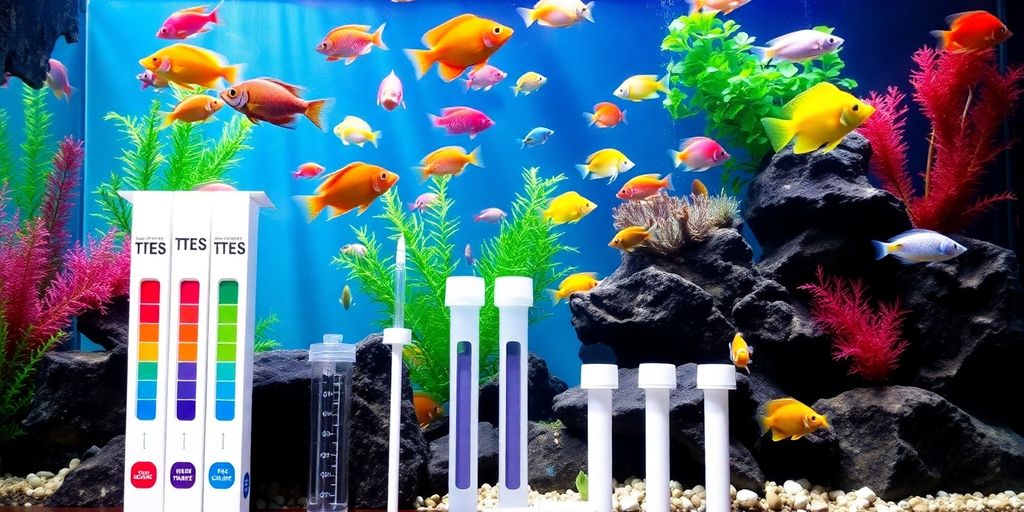
Maintaining a healthy aquarium is essential for the well-being of your fish. Regular testing of water quality is crucial to ensure that your aquatic friends thrive in a safe environment. Here’s what you need to know about aquarium test kits and water quality.
Importance of Water Testing
- Testing your aquarium water helps identify harmful levels of chemicals.
- It ensures that the water parameters are suitable for your fish species.
- Regular testing can prevent stress and illness in your fish.
Types of Aquarium Test Kits
There are various test kits available, including:
- API Freshwater Master Test Kit: This kit allows you to quickly measure and modify the six aquarium levels that are most important to the health of your freshwater fish.
- 8-in-1 Test Strips: These strips measure free chlorine, nitrate, nitrite, hardness, carbonate, total alkalinity, pH, and ammonia nitrogen, providing a comprehensive overview of your water quality.
- Ammonia Test Strips: Essential for monitoring ammonia levels, which can be harmful to fish if not kept in check.
| Test Kit Type | Parameters Tested | Frequency of Testing |
|---|---|---|
| API Freshwater Master Kit | pH, Ammonia, Nitrite, Nitrate, Hardness | Weekly |
| 8-in-1 Test Strips | Free Chlorine, Nitrate, Nitrite, Hardness, pH | Every 2 weeks |
| Ammonia Test Strips | Ammonia levels | Every other day |
How to Use Test Kits Effectively
- Follow the instructions provided with your test kit for accurate results.
- Test your water at the same time each week for consistency.
- Keep a log of your test results to track changes over time.
Regular testing is not just a chore; it’s a vital part of keeping your fish healthy and happy. By using the right test kits, you can create a thriving underwater habitat for your aquatic pets.
In conclusion, investing in quality test kits and understanding water quality is key to successful fishkeeping. Make sure to choose the right kits for your aquarium needs and test regularly to keep your fish safe and healthy!
Aquarium Kits and Cabinets
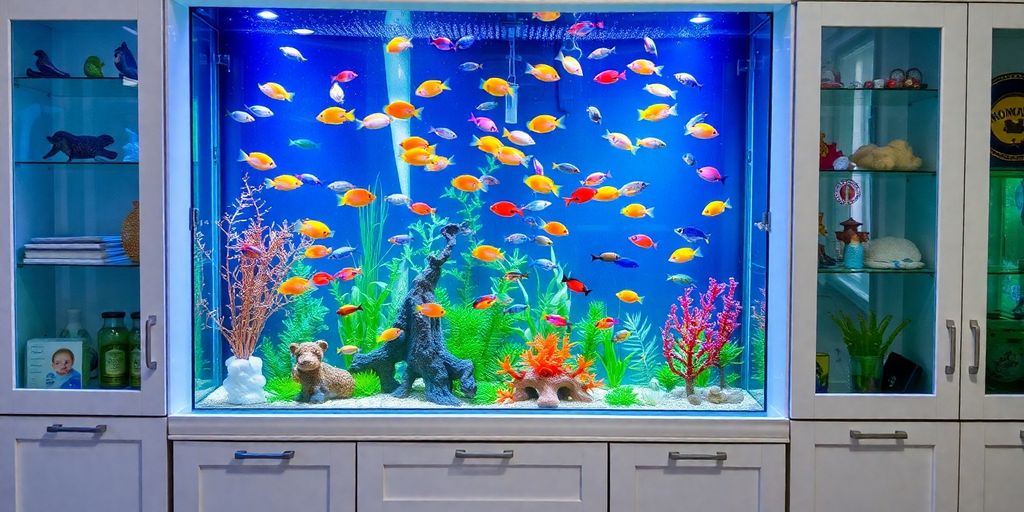
When setting up an aquarium, choosing the right kit and cabinet is essential for both functionality and aesthetics. A well-designed aquarium cabinet not only supports the tank but also enhances your living space. Here’s what you need to know:
Benefits of Aquarium Kits
- All-in-One Solution: Most kits come with everything you need, including the tank, filter, and heater.
- Cost-Effective: Buying a kit can be cheaper than purchasing items separately.
- Ease of Setup: Kits are designed for easy assembly, making them perfect for beginners.
Choosing the Right Aquarium Cabinet
- Weight Capacity: Ensure the cabinet can support the weight of your aquarium. For example, a 20-gallon tank can weigh around 200 pounds when filled.
- Design and Style: Look for cabinets that match your home decor. Waterbox furniture is designed to elevate your living spaces with our first in class cabinetry and finishes.
- Storage Options: Consider cabinets with shelves or drawers for storing supplies.
Setting Up Your Aquarium Kit
- Select a Location: Choose a stable, level surface away from direct sunlight.
- Assemble the Kit: Follow the instructions carefully to set up the tank, filter, and heater.
- Add Water and Decor: Fill the tank with water and add substrate, plants, and decorations.
- Cycle the Tank: Allow the tank to cycle for a few weeks before adding fish.
Remember, a well-maintained aquarium not only looks great but also keeps your fish healthy and happy!
Aquarium Filter Media Explained
Types of Filter Media
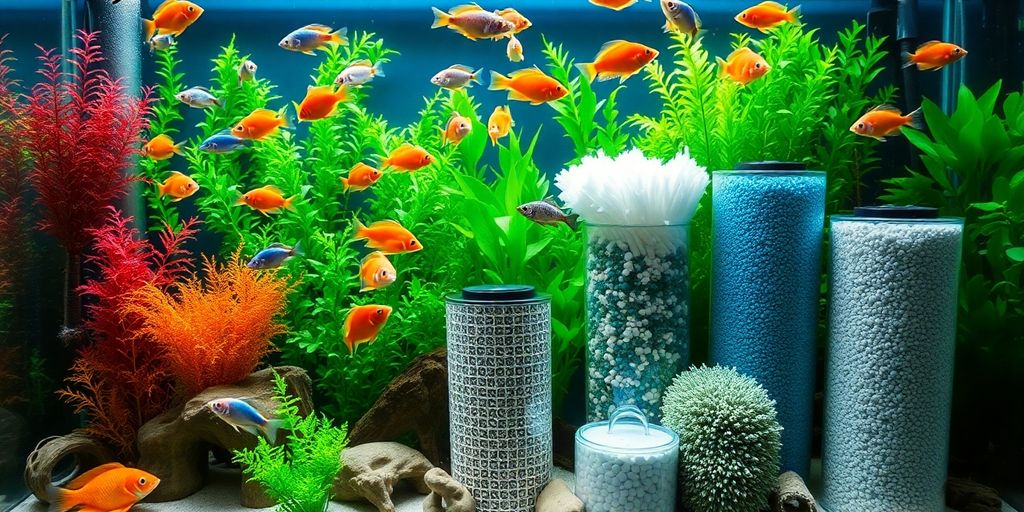
There are three main types of filter media used in aquariums:
- Mechanical Filter Media: This type traps solid debris like uneaten food and fish waste. It helps keep the water clear.
- Chemical Filter Media: This includes materials like activated carbon, which removes dissolved pollutants that can cause bad odors and discoloration.
- Biological Filter Media: This media supports beneficial bacteria that break down harmful substances like ammonia and nitrite, turning them into less harmful nitrate.
How to Choose the Right Filter Media
When selecting filter media, consider the following:
- Tank Size: Larger tanks may require more media.
- Fish Type: Different fish have different needs; some may require more filtration.
- Water Quality: If your water quality is poor, you may need more chemical filtration.
Maintaining Your Filter Media
To keep your filter media effective:
- Regular Cleaning: Rinse mechanical media in tank water every month.
- Replace Chemical Media: Change chemical media like activated carbon every 4-6 weeks.
- Monitor Biological Media: Ensure beneficial bacteria are thriving; avoid over-cleaning.
Maintaining your filter media is crucial for a healthy aquarium. Regular checks and replacements can prevent many common problems.
By understanding these types of filter media and how to maintain them, you can create a thriving environment for your fish. Remember, a clean tank leads to happy fish!
Aquarium Accessories You Didn’t Know You Needed
Unique Aquarium Accessories
When setting up your aquarium, you might overlook some unique accessories that can enhance both the beauty and health of your fish. Here are a few you might not have considered:
- Aquarium Siphon: This tool helps you clean the substrate and perform water changes easily.
- Algae Magnets: These allow you to clean the glass without getting your hands wet.
- Water Conditioners: Essential for making tap water safe for your fish by removing harmful chemicals.
Benefits of Using Accessories
Using the right accessories can significantly improve your aquarium’s environment. Here are some benefits:
- Improved Water Quality: Accessories like filters and test kits help maintain a healthy habitat.
- Enhanced Aesthetics: Unique decorations and plants can make your aquarium visually appealing.
- Fish Comfort: Hiding spots and shelters can reduce stress for your fish, promoting better health.
How to Choose the Right Accessories
Choosing the right accessories can be overwhelming. Here are some tips:
- Research: Look into what specific fish need in terms of habitat and care.
- Quality Over Quantity: Invest in high-quality items that will last longer and provide better results.
- Compatibility: Ensure that any new accessory is compatible with your existing setup.
Remember, a well-equipped aquarium not only looks good but also keeps your fish happy and healthy!
Creating a Natural Habitat for Your Fish
Creating a natural habitat for your fish is essential for their health and happiness. A well-planned aquarium can mimic the fish’s natural environment, making them feel safe and comfortable.
Using Live Plants in Your Aquarium
- Live plants not only beautify your tank but also provide oxygen and absorb harmful substances.
- They create hiding spots for fish, which is crucial for their well-being.
- Some popular choices include:
- Anubias
- Java Fern
- Amazon Sword
Choosing the Right Substrate
- The substrate is the material at the bottom of your tank. It can affect water quality and fish health.
- Common options include:
- Gravel: Good for most fish and easy to clean.
- Sand: Ideal for bottom-dwelling fish.
- Plant substrate: Best for live plants.
Creating Hiding Spots and Shelters
- Fish need places to hide, especially when they feel threatened. Adding decorations like rocks, driftwood, and caves can help.
- Ensure that all decorations are safe for fish and free from sharp edges.
- Consider using:
- Natural rocks
- Commercially available caves
- Driftwood
Remember, a well-designed aquarium not only looks good but also promotes a healthy environment for your fish. Regular maintenance and monitoring of water quality are key to keeping your aquatic friends happy!
Maintaining a Healthy Aquarium
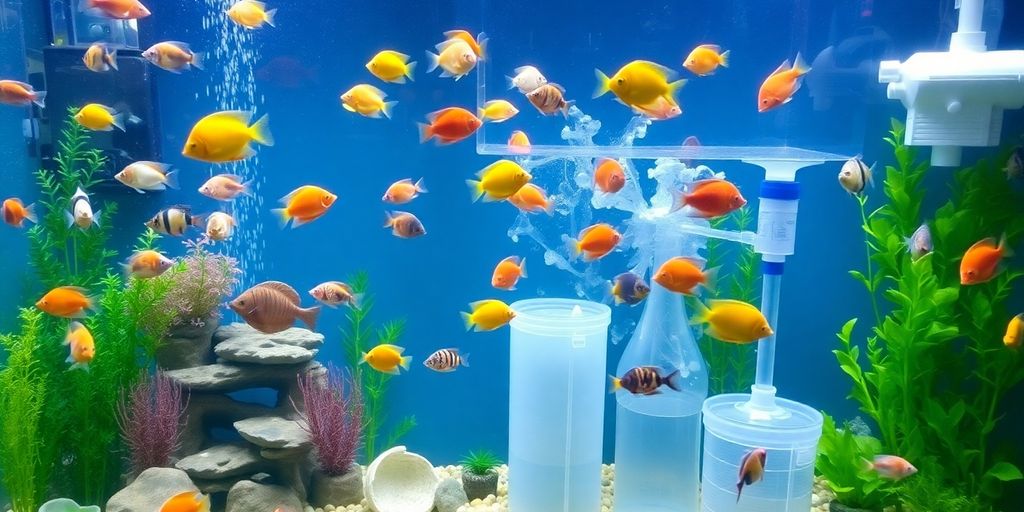
Keeping your aquarium in good shape is essential for the health of your fish. Regular maintenance is key to a thriving aquatic environment. Here are some important tips to help you maintain a healthy aquarium:
Regular Maintenance Tips
- Change 25% of the water every one to two weeks to keep it fresh.
- Clean the gravel and decorations to remove waste and algae.
- Check and replace filter media as needed to ensure proper filtration.
Common Aquarium Problems and Solutions
- Cloudy Water: This can be caused by overfeeding or too many fish. Perform a water change and check your filtration.
- Algae Growth: Limit light exposure and consider adding algae-eating fish.
- Fish Stress: Ensure your tank is not overcrowded and that water parameters are stable.
How to Keep Your Fish Healthy
- Monitor water quality regularly using test kits for ammonia, nitrite, and pH levels.
- Feed your fish the right amount of food, avoiding overfeeding.
- Observe your fish for any signs of illness or stress, and act quickly if you notice any issues.
Keeping your aquarium clean and well-maintained not only benefits your fish but also enhances your enjoyment of this beautiful hobby. Remember, a little effort goes a long way in ensuring a healthy aquatic environment!
Keeping your aquarium healthy is essential for your fish and plants. Regularly check the water quality, feed your fish the right food, and clean the tank often. If you want to learn more about maintaining a vibrant aquarium, visit our website for tips and products that can help!
Final Thoughts on Your Aquarium Journey
In conclusion, finding the right fish accessories shop is key to creating a healthy and beautiful aquarium. With the right tools and supplies, you can ensure your fish thrive in their environment. Remember to choose quality products, whether it’s filters, heaters, or food, to keep your aquatic friends happy. Don’t hesitate to explore different shops and compare their offerings. Your aquarium can be a stunning centerpiece in your home, and with the right accessories, you’ll enjoy watching your fish flourish. Happy fishkeeping!
Frequently Asked Questions
What are the must-have items for a fish tank?
You need essentials like a tank, filter, heater, and light. Don’t forget decorations and plants for your fish to feel at home.
How do I choose the right fish food?
Select food based on your fish type. Look for options like flakes, pellets, or freeze-dried food.
Why is water testing important for my aquarium?
Testing water helps ensure it’s safe for fish. You want to check levels of ammonia, nitrite, and pH.
How often should I clean my fish tank?
Clean your tank every two weeks. Change about 10-15% of the water to keep it fresh.
Can I use tap water in my aquarium?
Yes, but treat it with a dechlorinator to remove harmful chemicals.
What should I do if my fish are acting strangely?
Check the water quality first. Changes in behavior can be a sign of stress or illness.
How can I maintain the right temperature in my tank?
Use a heater and thermometer. Most fish prefer temperatures between 75°F and 80°F.
What decorations are safe for my fish tank?
Use items made for aquariums like rocks, plants, and driftwood. Rinse them well before adding.