Setting up a water aquarium can be exciting, especially for beginners. It involves choosing the right tank, selecting equipment, and ensuring a healthy environment for your fish. This guide will walk you through essential tips to create a thriving aquarium that you and your fish can enjoy.
Key Takeaways
- Choose the right aquarium size based on the space you have and the fish you want.
- Invest in essential equipment like filters, heaters, and lights to maintain a healthy environment.
- Properly cycle your aquarium to establish beneficial bacteria before adding fish.
- Regularly test water quality to keep your fish healthy and happy.
- Consider adding live plants for a natural look and improved water quality.
Choosing the Right Aquarium for Your Space
When starting your aquarium journey, selecting the right tank is crucial. Here are some key points to consider:
Assessing Available Space
- Measure the area where you plan to place the aquarium.
- Ensure there is enough room for maintenance and equipment.
- Avoid placing the tank in direct sunlight to prevent algae growth.
Considering Aquarium Shapes and Sizes
- Larger tanks are generally better; they provide more stable water conditions. Bigger is better when it comes to aquariums.
- Common sizes include:
- 10 gallons (small fish)
- 20 gallons (more options)
- 30 gallons (great for beginners)
| Size (Gallons) | Recommended Fish Types | Notes |
|---|---|---|
| 10 | Betta, Guppies | Limited options |
| 20 | Tetras, Goldfish | More stable |
| 30 | Cichlids, Barbs | Best for beginners |
Understanding Weight and Support Requirements
- Water is heavy; a gallon weighs about 8 pounds. Ensure your stand can support the weight of a full tank.
- Check the floor’s strength, especially if placing the aquarium on an upper level.
Remember, careful planning can help you avoid mistakes and create a thriving aquatic environment!
Essential Equipment for Your Water Aquarium
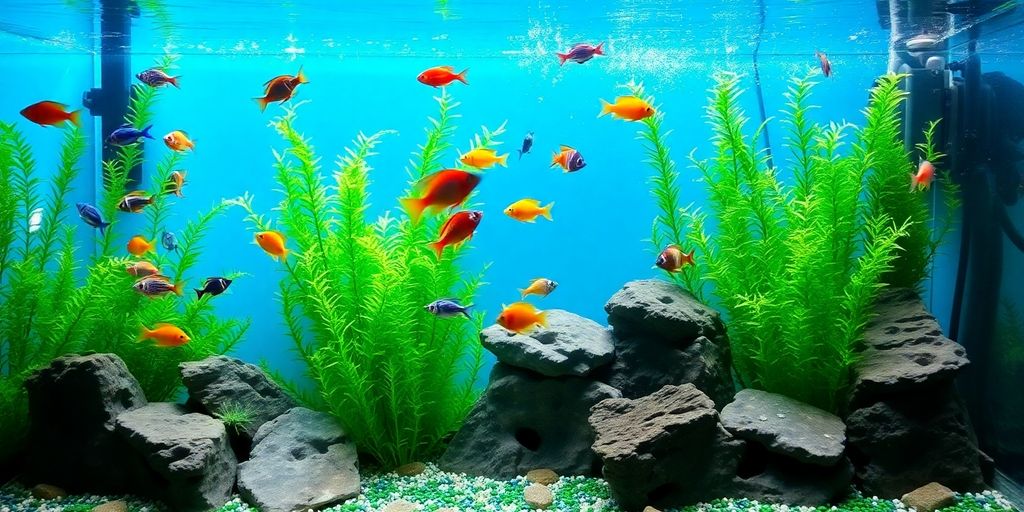
Setting up a water aquarium requires some essential equipment to ensure a healthy environment for your fish. Here’s a breakdown of what you need:
Filters and Pumps
A good filtration system is crucial for maintaining clean water. It helps remove waste and toxins, keeping your fish healthy. Aim for a filter that can turn over at least 3-5 times the volume of your aquarium every hour. Here’s a quick list of filter types:
- Hang-on-back filters: Great for smaller tanks.
- Canister filters: Suitable for larger setups.
- Internal filters: Good for smaller aquariums.
Heaters and Thermometers
If you plan to keep tropical fish, a heater is necessary. It helps maintain a stable temperature, which is vital for fish health. Choose a heater that matches your tank size. Additionally, a thermometer is essential to monitor the water temperature accurately. Adjustable heaters are recommended for better control.
Lighting Options
Proper lighting is important for both fish and plants. Here are some options:
- LED lights: Energy-efficient and long-lasting.
- Fluorescent lights: Good for plant growth.
- Incandescent bulbs: Less common but can be used for specific setups.
Remember, having the right equipment is key to creating a thriving aquatic environment. Invest in quality gear to ensure your fish live happily and healthily.
Additional Supplies
Don’t forget these important items:
- Water conditioner: To detoxify tap water.
- Aquarium salt: Helps with fish health.
- Testing kits: To monitor water quality.
By gathering these essentials, you’ll be well on your way to creating a beautiful and healthy aquarium!
Setting Up Your Water Aquarium
Cleaning and Inspecting the Tank
Before you start, make sure your aquarium is clean. Rinse it out with water to remove any dust or debris. Check for cracks in the glass, as these can lead to leaks later on.
Adding Substrate and Decorations
- Choose the right substrate: Aim for a depth of 1-2 inches. This will help with cleaning and provide a good base for plants.
- Add decorations: Use rocks, plants, or ornaments that are safe for aquariums. These will create hiding spots for your fish.
- If you’re using live plants, research which ones are best for beginners. Some plants need more light than others, so choose wisely.
Filling and Conditioning the Water
- Fill the tank one-third of the way to check for leaks. If you see water pooling at the bottom, stop using that tank.
- Condition the water: Use a water conditioner to remove harmful chemicals from tap water. This is crucial for keeping your fish healthy.
- Finally, fill the tank completely with conditioned water and install your filter and heater before turning them on.
Tip: Always place your aquarium on a sturdy, level surface to support its weight. A gallon of water weighs about eight pounds, so make sure your stand can handle it!
Cycling Your Aquarium: The Nitrogen Cycle
Understanding the Nitrogen Cycle
The nitrogen cycle is a crucial process in your aquarium. It involves a series of biological reactions that help break down waste. This cycle starts when fish waste and leftover food produce ammonia. Ammonia is toxic to fish, so it’s important to manage it effectively.
Steps to Properly Cycle Your Tank
- Set up your aquarium: Fill it with water and add your equipment.
- Introduce beneficial bacteria: You can do this by adding a source of ammonia or using a bacteria starter.
- Monitor ammonia levels: Use a test kit to check ammonia, nitrite, and nitrate levels regularly.
- Wait for the cycle to complete: This can take 4 to 6 weeks. During this time, the bacteria will convert ammonia into nitrite and then into nitrate.
Monitoring Water Parameters
Regular testing is essential. Here’s a simple table to help you track your water parameters:
| Parameter | Ideal Level | Frequency of Testing |
|---|---|---|
| Ammonia | 0 ppm | Every 2-3 days |
| Nitrite | 0 ppm | Every 2-3 days |
| Nitrate | < 20 ppm | Weekly |
Remember, cycling your aquarium is vital for creating a healthy environment for your fish. Without it, your fish may suffer from stress or illness.
Conclusion
Cycling your aquarium is a key step in ensuring a safe habitat for your fish. By understanding the nitrogen cycle and monitoring your water parameters, you can create a thriving aquatic environment. Patience is essential during this process.
Selecting the Right Fish for Your Aquarium
Choosing the right fish is crucial for a successful aquarium. Selecting compatible species ensures a harmonious environment. Here are some key points to consider:
Popular Beginner Fish Species
- Betta Fish: Colorful and easy to care for.
- Neon Tetras: Small, vibrant, and best kept in groups.
- Guppies: Hardy and come in various colors.
Compatibility and Behavior
- Schooling Fish: Fish like Tetras thrive in groups of 5 or more.
- Territorial Fish: Some species may need their own space to avoid conflicts.
- Peaceful vs. Aggressive: Always check if the fish can coexist peacefully.
Acclimating New Fish
- Float the Bag: Let the fish acclimate to the tank temperature by floating the bag for 15 minutes.
- Gradual Mixing: Add small amounts of tank water to the bag every 5 minutes.
- Release Gently: Use a net to transfer the fish into the tank, avoiding bag water.
Remember, patience is key when introducing new fish. Rushing can lead to stress and health issues for your aquatic friends.
By following these guidelines, you can create a thriving aquatic community that brings joy and beauty to your home!
Maintaining Water Quality
Regular Water Testing
To keep your aquarium healthy, regular water testing is crucial. You should check for:
- pH levels
- Ammonia
- Nitrite
- Nitrate
Using a good liquid test kit is recommended over strips for accuracy. This helps ensure that your fish thrive in a safe environment.
Using Water Conditioners
Always treat tap water with a dechlorinator before adding it to your aquarium. This step is essential because untreated water can harm your fish. Some popular options include:
- Seachem Prime
- API Stress Coat
- Tetra AquaSafe
Managing Algae and Waste
Algae can quickly take over your tank if not managed. Here are some tips to keep it under control:
- Perform regular water changes (about 25-50% weekly).
- Use a siphon to remove waste from the substrate.
- Limit light exposure to reduce algae growth.
Keeping your aquarium clean and well-maintained is key to preventing diseases and ensuring a healthy environment for your fish. Properly maintaining the filtration system is essential for efficient waste removal and water circulation.
Summary Table of Water Parameters
| Parameter | Ideal Range |
|---|---|
| pH | 6.5 – 7.5 |
| Ammonia | 0 ppm |
| Nitrite | 0 ppm |
| Nitrate | <20 ppm |
By following these steps, you can maintain a clean and healthy aquarium for your fish to thrive in!
Feeding Your Aquarium Fish
Types of Fish Food
Fish enjoy a varied diet, just like humans. Here are some common types of fish food:
- Flakes: Great for surface feeders.
- Pellets: Suitable for most fish, especially bottom feeders.
- Frozen Foods: Such as brine shrimp or bloodworms, which many fish love.
- Live Foods: Like worms or small insects, which can stimulate breeding.
Feeding Schedules and Portions
To keep your fish healthy, follow these tips:
- Feed twice a day: Only give them what they can eat in about five minutes.
- Vary their diet: Include different types of food to ensure they get all the nutrients they need.
- Avoid overfeeding: This can lead to health issues and poor water quality.
Avoiding Overfeeding
Overfeeding is a common mistake among beginners. Here are some signs:
- Fish seem bloated or lethargic.
- Uneaten food settles at the bottom of the tank.
- Water quality deteriorates, leading to cloudy water.
Remember, it’s good practice to fast your fish one day a week to help their digestive systems. This can also prevent constipation, especially if you feed them peas occasionally.
| Food Type | Best For | Notes |
|---|---|---|
| Flakes | Surface feeders | Easy to use and store. |
| Pellets | Most fish | Sinking pellets are great for bottom feeders. |
| Frozen Foods | Carnivorous fish | Nutrient-rich and highly palatable. |
| Live Foods | Breeding and active fish | Can be more challenging to source. |
Aquarium Plants: Live vs. Artificial
When setting up your aquarium, one important decision is whether to use live plants or artificial ones. Each option has its own benefits and challenges.
Benefits of Live Plants
- Oxygen Production: Live plants produce oxygen and absorb carbon dioxide, which is essential for fish health.
- Natural Filtration: They help control algae growth and improve water quality by consuming excess nitrates and toxins.
- Aesthetic Appeal: Live plants can create a beautiful, natural look in your aquarium.
Drawbacks of Live Plants
- Maintenance: They require specific lighting and care to thrive. If neglected, they can rot and harm water quality.
- Compatibility: Not all fish species get along with live plants, so research is necessary.
Benefits of Artificial Plants
- Low Maintenance: They don’t require special lighting or care, making them easy to maintain.
- Durability: Artificial plants last a long time and won’t rot or decay.
- Variety: Available in many shapes, sizes, and colors, they can fit any aquarium theme.
Drawbacks of Artificial Plants
- No Oxygen Production: Unlike live plants, they do not contribute to oxygen levels in the water.
- Less Natural: Some fish may prefer real plants for hiding or spawning, which can affect their behavior.
Summary Table
| Feature | Live Plants | Artificial Plants |
|---|---|---|
| Oxygen Production | Yes | No |
| Maintenance | Moderate to High | Low |
| Aesthetic Appeal | Natural | Varied |
| Durability | Moderate | High |
In conclusion, choosing between live and artificial plants depends on your aquarium goals and the time you can dedicate to maintenance. Consider your fish’s needs and your own preferences when making this decision.
Troubleshooting Common Issues
Identifying and Treating Fish Illnesses
Fish can get sick for various reasons, including poor water quality and stress. Regularly check your fish for signs of illness. Common symptoms include:
- Lethargy: Fish that are not swimming around much.
- Loss of appetite: Not eating their food.
- Visible spots or lesions: Any unusual marks on their bodies.
If you notice any of these signs, consider:
- Testing the water quality.
- Isolating sick fish in a separate tank.
- Consulting a vet or aquarium expert.
Dealing with Cloudy Water
Cloudy water can be a sign of several issues, such as overfeeding or a lack of filtration. Here’s how to fix it:
- Check your filter: Make sure it’s working properly.
- Perform a water change: Change 10-20% of the water weekly.
- Avoid overfeeding: Only feed what your fish can eat in a few minutes.
Preventing and Managing Algae Blooms
Algae can grow quickly if conditions are right. To manage algae:
- Limit light exposure: Keep lights on for no more than 8-10 hours a day.
- Use live plants: They can outcompete algae for nutrients.
- Regularly clean the tank: Remove any excess waste and uneaten food.
Keeping your aquarium clean and monitoring water quality are essential steps for a healthy environment. Regular maintenance can prevent many common issues.
Advanced Aquarium Care Tips
Creating a Balanced Ecosystem
To maintain a thriving aquarium, creating a balanced ecosystem is essential. This involves:
- Ensuring proper filtration and water circulation.
- Regularly testing water parameters like pH, ammonia, and nitrate levels.
- Introducing beneficial bacteria to help break down waste.
Using CO2 Systems
If you have live plants, consider using a CO2 system. This helps plants grow better by providing them with the carbon dioxide they need. Here are some benefits:
- Promotes lush plant growth.
- Helps control algae by outcompeting it for nutrients.
- Enhances the overall health of your aquarium.
Incorporating Advanced Filtration
Advanced filtration systems can significantly improve water quality. Consider these options:
- Canister Filters: Great for larger tanks, providing powerful filtration.
- Sump Filters: Ideal for saltwater tanks, offering excellent water movement and filtration.
- Protein Skimmers: Essential for saltwater aquariums to remove organic waste before it breaks down.
Maintaining a healthy aquarium requires consistent effort and attention. Regular monitoring and adjustments will lead to a vibrant aquatic environment.
Summary Table of Advanced Care Tips
| Tip | Description |
|---|---|
| Balanced Ecosystem | Ensure proper filtration and water testing. |
| CO2 Systems | Boost plant growth and control algae. |
| Advanced Filtration | Use canister, sump, or protein skimmers. |
Seasonal Care for Your Water Aquarium
Taking care of your aquarium changes with the seasons. Here are some essential tips to keep your fish happy and healthy all year round.
Adjusting for Temperature Changes
- Monitor water temperature regularly, especially during seasonal shifts. Fish can be sensitive to temperature changes.
- Use a reliable heater and thermometer to maintain a stable environment.
- Consider using a chiller during hot months to prevent overheating.
Seasonal Cleaning Routines
- Spring Cleaning: Remove algae and debris that may have built up over winter.
- Summer Check: Ensure your filtration system is working efficiently, as warmer water can lead to faster algae growth.
- Fall Preparation: Start preparing for winter by checking your heater and ensuring it’s functioning properly.
Preparing for Vacations
- If you plan to be away, consider using an automatic feeder to maintain feeding schedules.
- Perform a water change before leaving to ensure good water quality.
- Ask a friend or neighbor to check on your aquarium while you’re away.
Keeping your aquarium in top shape through seasonal changes is crucial for the health of your fish. Regular maintenance can prevent many common issues and ensure a thriving aquatic environment.
By following these tips, you can create a stable and healthy environment for your fish, no matter the season!
Taking care of your aquarium changes with the seasons. In winter, make sure your heater is working well to keep your fish warm. During summer, check the water temperature and add a fan if it gets too hot. Regularly clean your tank and change the water to keep your fish healthy. For more tips and to find the best products for your aquarium, visit our website!
Final Thoughts on Setting Up Your Aquarium
Creating a beautiful aquarium can be a fun and rewarding experience. Remember, the key to a happy fish tank is keeping the water clean and stable. Regularly check the water quality using test strips to make sure everything is just right for your fish. Don’t forget to feed them properly and avoid overcrowding the tank. With a little patience and care, your aquarium will thrive, bringing joy and relaxation to your home. Enjoy your journey into the world of fishkeeping!
Frequently Asked Questions
What size aquarium should I get for a beginner?
For beginners, a larger aquarium is often better because it is easier to maintain stable water conditions. A 20-gallon tank is a good starting point.
How do I cycle my aquarium?
Cycling your aquarium means establishing beneficial bacteria that help break down fish waste. This usually takes 4 to 6 weeks and involves adding ammonia to the tank.
What fish are best for beginners?
Some great beginner fish include bettas, guppies, and tetras. These species are hardy and easy to care for.
How often should I change the water in my aquarium?
You should change about 10-15% of the water weekly to keep it clean and healthy for your fish.
What should I feed my fish?
Fish food comes in flakes, pellets, and freeze-dried options. Choose the right type for your fish species and avoid overfeeding.
How can I tell if my fish are sick?
Signs of illness in fish include changes in behavior, such as hiding, not eating, or unusual swimming patterns. Look for physical signs like spots or swelling.
Do I need a heater for my aquarium?
If you’re keeping tropical fish, a heater is essential to maintain a stable water temperature, usually between 75°F and 80°F.
How do I clean my aquarium?
Use a gravel vacuum to clean the substrate and change some water regularly. Avoid using soap or chemicals inside the tank.