Setting up a saltwater aquarium can be a thrilling adventure, whether you’re a beginner or an experienced aquarist. This guide will help you navigate through the essential steps and considerations needed to create a beautiful and healthy marine environment. From choosing the right tank to maintaining water quality, we’ll cover everything you need to know to ensure your aquarium thrives.
Key Takeaways
- Start with a suitable tank size, ideally around 40 gallons for beginners.
- Invest in quality equipment like proper lighting and filtration systems.
- Regularly test water parameters to keep your fish healthy.
- Choose compatible fish and invertebrates to create a balanced ecosystem.
- Stay informed about sustainable practices to protect marine life.
Choosing the Right Saltwater Aquarium Fish Tank
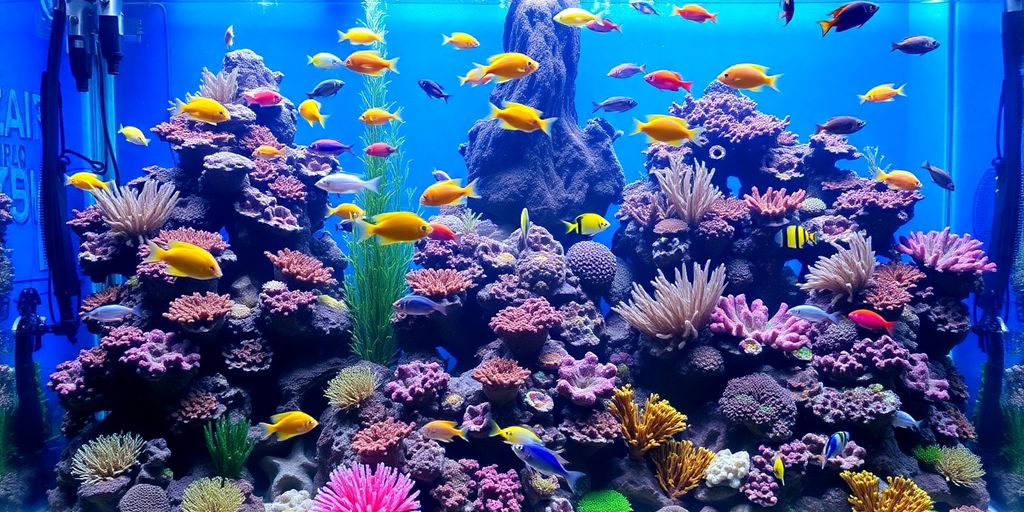
When starting your saltwater aquarium journey, selecting the right tank is crucial. Here are some key factors to consider:
Tank Size Considerations
- Space: Ensure you have enough room for the tank and its stand.
- Fish Needs: Different fish require different amounts of space. For example, a 20-gallon tank can house a couple of clownfish and a goby, but larger fish need more room.
- Future Plans: Think about the types of fish you want. If you plan to keep larger species, opt for a bigger tank from the start.
Material and Build Quality
- Glass vs. Acrylic: Glass tanks are more scratch-resistant, while acrylic is lighter and can be molded into various shapes.
- Thickness: Ensure the glass or acrylic is thick enough to handle the water pressure, especially for larger tanks.
- Stand Quality: A sturdy stand is essential to support the weight of the tank when filled.
All-in-One vs. Custom Setups
- All-in-One Kits: These are great for beginners as they come with everything you need, including filtration and lighting.
- Custom Setups: For experienced aquarists, building a custom setup allows for more flexibility and personalization.
Remember, starting with a simple setup can help you manage expectations. Your first tank won’t be perfect, but it will be a great learning experience!
Essential Equipment for Your Saltwater Aquarium
Setting up a saltwater aquarium requires specific equipment to ensure a healthy environment for your fish and corals. Here are the essential components you need:
Lighting Options
- LED Lights: These are energy-efficient and provide the right spectrum for coral growth.
- T5 Fluorescent Lights: Good for both fish and coral, offering a balanced light spectrum.
- Metal Halide Lights: Best for deeper tanks, providing intense light but generating more heat.
Filtration Systems
- Canister Filters: Great for larger tanks, offering mechanical, chemical, and biological filtration.
- Hang-On-Back Filters: Easy to install and maintain, suitable for smaller tanks.
- Protein Skimmers: Essential for removing organic waste, especially in reef tanks.
Heating and Temperature Control
- Aquarium Heaters: Maintain a stable temperature; choose one based on your tank size.
- Thermometers: Monitor water temperature accurately; digital options are often more reliable.
- Chillers: Necessary for keeping temperatures down in warmer climates or during summer months.
Remember: For beginners, it’s best to start with a complete kit that includes the essentials: a tank, a filter, a heater, and lighting. This will simplify the setup process and help you avoid common mistakes.
| Equipment Type | Recommended Options | Notes |
|---|---|---|
| Lighting | LED, T5, Metal Halide | Choose based on tank depth and needs. |
| Filtration | Canister, Hang-On-Back, Protein Skimmer | Essential for water quality. |
| Heating | Heaters, Thermometers, Chillers | Maintain stable temperatures. |
Setting Up Your Saltwater Aquarium Fish Tank
Setting up your saltwater aquarium is an exciting journey! Here are some essential steps to get you started:
Selecting the Perfect Location
- Choose a spot where you can enjoy your aquarium daily.
- Ensure the surface can support the weight of the tank, especially when filled with water.
- Avoid placing it near direct sunlight to prevent algae growth.
Assembling the Tank and Stand
- Follow the instructions carefully to assemble your tank and stand.
- Make sure everything is level; use shims if necessary.
- Connect any required tubing for the filtration system before adding water.
Adding Water and Substrate
- Use RO/DI water for the best quality.
- Add live sand to the bottom of the tank, about 1-2 inches deep.
- Mix salt into the water according to the instructions on the salt package.
Remember: Stability is key for a thriving aquarium. Avoid making too many changes at once to keep your fish happy and healthy.
By following these steps, you can create a beautiful and functional environment for your aquatic friends!
Creating a Thriving Aquascape
Creating a beautiful aquascape is essential for a healthy saltwater aquarium. A well-designed aquascape not only enhances the visual appeal but also provides a suitable habitat for your fish and corals. Here are some key steps to consider:
Choosing Live Rock and Sand
- Live Rock: Use live rock or reef rock to create a solid structure. This rock serves as a habitat for fish and beneficial bacteria.
- Sand Bed: A sand bed is important for certain fish and invertebrates. It also helps maintain water quality by supporting beneficial bacteria.
Aquascaping Techniques
- Structure: Arrange rocks to create caves, arches, and overhangs. This provides hiding spots for fish and adds depth to your tank.
- Height Variation: Keep rocks at least 1.5 to 2 inches away from the glass for easy cleaning. Vary the height of the rocks to create visual interest.
- Placement: Ensure that the rockwork allows space for coral placement and does not touch the tank walls.
Maintaining Water Quality
- Regularly test water parameters to ensure a healthy environment for your aquatic life.
- Adjust salinity and pH as needed to keep conditions stable.
A thriving aquascape is not just about looks; it’s about creating a balanced ecosystem that supports the health of your fish and corals.
By following these tips, you can create a stunning aquascape that will be the centerpiece of your home. Remember, the right setup is crucial for both beginners and experienced aquarists alike!
Introducing Fish and Invertebrates

Selecting Compatible Species
Choosing the right fish and invertebrates is crucial for a successful aquarium. Here are some popular options:
- Clownfish: Great for beginners and very colorful.
- Angelfish: Beautiful but can be territorial.
- Butterfly Fish: Stunning but requires more care.
Acclimating New Additions
Acclimating new fish properly is essential to prevent stress and disease. Follow these steps:
- Float the bag: Place the sealed bag in the tank for 15-20 minutes.
- Mix water: Gradually add tank water to the bag over 30 minutes.
- Release fish: Gently place the fish in the tank without adding bag water.
Monitoring Health and Behavior
After introducing new fish, keep an eye on their health and behavior. Look for signs of stress or illness, such as:
- Hiding excessively
- Not eating
- Changes in color
Remember: Regular monitoring helps catch issues early, ensuring a healthy aquarium environment.
By carefully selecting species and acclimating them properly, you can create a vibrant and thriving saltwater aquarium. Learn how to introduce new fish into an aquarium effectively to help prevent issues such as stress and spreading disease.
Maintaining Optimal Water Conditions
Regular Water Testing
To keep your saltwater aquarium healthy, regular water testing is essential. You should check the following parameters:
- pH levels: Aim for a pH between 7.8 and 8.5.
- Salinity: Use a hydrometer to maintain salinity between 1.020 and 1.025.
- Ammonia and Nitrite: Both should be at 0 ppm for a healthy tank.
| Parameter | Ideal Range |
|---|---|
| pH | 7.8 – 8.5 |
| Salinity | 1.020 – 1.025 |
| Ammonia | 0 ppm |
| Nitrite | 0 ppm |
| Nitrate | < 20 ppm |
Adjusting Salinity and pH
Maintaining the right salinity and pH is crucial for your fish’s health. Techniques such as using a saltwater mixing measuring tool can help ensure that you maintain optimal conditions for your reef tank. Here are some tips:
- Use RO/DI water for mixing saltwater.
- Add salt gradually to avoid sudden changes.
- Test frequently to ensure levels remain stable.
Managing Nitrate and Ammonia Levels
High levels of nitrates and ammonia can harm your fish. To manage these levels:
- Perform regular water changes (10-20% weekly).
- Use a protein skimmer to remove organic waste.
- Add live rock to help with biological filtration.
Keeping your aquarium’s water conditions stable is key to a thriving environment. Regular testing and adjustments will help prevent issues before they arise.
By following these guidelines, you can create a safe and healthy habitat for your aquatic life.
Feeding Your Saltwater Aquarium Fish
Choosing the Right Food
Feeding your fish a varied diet is essential for their health. Different species have different nutritional needs, so it’s important to choose the right food. Here are some options:
- Flakes: Good for surface feeders.
- Pellets: Ideal for bottom feeders.
- Frozen or Freeze-Dried Foods: Great for adding variety.
Feeding Schedules and Techniques
Establishing a feeding schedule helps maintain a healthy environment. Here are some tips:
- Feed small amounts 2-3 times a day.
- Observe your fish to ensure they are eating.
- Remove uneaten food after a few minutes to prevent water pollution.
Avoiding Overfeeding
Overfeeding can lead to poor water quality and health issues. Keep these points in mind:
- Follow the recommended amounts on food packaging.
- Watch for signs of overfeeding, like cloudy water or fish that seem lethargic.
- Adjust feeding based on the number of fish and their activity levels.
Remember, a balanced diet is key to a thriving aquarium. Healthy fish are happy fish!
Preventing and Treating Common Issues
Identifying Common Diseases
In a saltwater aquarium, fish can face various health issues. Recognizing symptoms early is crucial for effective treatment. Here are some common diseases:
- Ich (White Spot Disease): Look for white spots on fish.
- Fin Rot: Check for frayed or discolored fins.
- Velvet Disease: Notice a gold dust appearance on fish.
Quarantine Procedures
To prevent the spread of diseases, always quarantine new fish before introducing them to your main tank. Follow these steps:
- Set up a separate tank for quarantine.
- Monitor water quality closely.
- Observe fish for at least two weeks for any signs of illness.
Using Medications Safely
When treating your fish, it’s important to use medications correctly. Here are some tips:
- Read labels carefully to understand dosage.
- Avoid mixing medications unless specified.
- Remove carbon filters during treatment to prevent medication absorption.
Keeping your aquarium clean and monitoring fish health regularly can help prevent many issues.
By following these guidelines, you can create a healthier environment for your aquatic pets and enjoy a thriving aquarium.
Advanced Tips for Experienced Aquarists

Coral Care and Propagation
Taking care of corals can be tricky, but with the right approach, you can create a stunning reef. Start with easier corals like LPS before moving to more challenging ones like SPS. Here are some tips:
- Lighting: Ensure you have the right lighting for your corals.
- Water Quality: Regularly test your water parameters to keep them stable.
- Propagation: Learn how to frag corals to expand your collection.
Advanced Filtration Techniques
Using advanced filtration can greatly improve your tank’s health. Consider these options:
- Protein Skimmers: Essential for removing organic waste.
- Refugiums: Help maintain a balanced ecosystem.
- Activated Carbon: Use to remove impurities from the water.
Automating Your Aquarium Maintenance
Automation can save you time and ensure your tank stays healthy. Here are some tools to consider:
- Auto Top-Off Systems: Keep water levels stable.
- Dosing Pumps: Automatically add supplements to your tank.
- Smart Controllers: Monitor and adjust your tank’s conditions remotely.
Remember, regular maintenance is key to a thriving aquarium. Perform necessary maintenance on your filter and other tank equipment about once a month.
By following these advanced tips, you can enhance your saltwater aquarium experience and create a beautiful underwater world.
Enhancing the Aesthetic Appeal of Your Aquarium
Creating a beautiful saltwater aquarium is not just about the fish; it’s also about how you arrange everything inside. Good design can make your aquarium a stunning centerpiece. Here are some tips to enhance the look of your tank:
Using LED Lighting for Visual Impact
- Choose the right lighting: LED lights can bring out the vibrant colors of your fish and corals. They also help in plant growth.
- Adjustable settings: Look for lights that allow you to change the brightness and color. This can create different moods in your aquarium.
- Light cycles: Mimicking natural light cycles can help regulate fish behavior and enhance their colors.
Incorporating Decorative Elements
- Live rock and coral: These not only provide hiding spots for fish but also add natural beauty to your tank.
- Plants: Adding live plants can create a lush environment and improve water quality.
- Backgrounds: Consider using a colorful background to make your aquarium stand out.
Creating a Natural Look
- Aquascaping: Arrange rocks and plants in a way that mimics natural habitats. This can make your aquarium more inviting for fish.
- Layering: Use different heights and textures to create depth and interest.
- Avoid clutter: Keep the design simple to avoid overwhelming the viewer.
A well-designed aquarium not only looks good but also provides a healthy environment for your fish. Regular maintenance and thoughtful design choices can keep your tank thriving and beautiful.
By following these tips, you can create an aquarium that is not only functional but also a stunning visual experience. Remember, the key is to balance aesthetics with the needs of your aquatic life!
Sustainable Practices for Saltwater Aquariums
Eco-Friendly Equipment Choices
When setting up your saltwater aquarium, consider using energy-efficient equipment. This not only helps the environment but also saves you money on electricity bills. Here are some options:
- LED lighting: Consumes less energy and lasts longer than traditional bulbs.
- Energy-efficient pumps: Look for models with high energy ratings.
- Solar-powered accessories: These can reduce your carbon footprint.
Sourcing Ethically Captured Fish
Choosing ethically sourced fish is crucial for maintaining marine biodiversity. Here are some tips:
- Research suppliers: Ensure they follow sustainable practices.
- Avoid overfished species: Check local guidelines on fish populations.
- Consider aquaculture: Farm-raised fish can be a more sustainable option.
Reducing Energy Consumption
To keep your aquarium running efficiently, consider these practices:
- Use timers: Automate lighting and feeding schedules to minimize waste.
- Regular maintenance: Clean filters and equipment to ensure they operate efficiently.
- Monitor water temperature: Keeping it stable can reduce heating costs.
By adopting these sustainable practices, you can create a thriving saltwater aquarium that respects the environment and supports marine life. Every small change counts!
If you want to keep your saltwater aquarium thriving, consider using eco-friendly methods. Simple steps like reducing waste and choosing the right equipment can make a big difference. For more tips and products that support sustainable practices, visit our website today!
Final Thoughts on Your Saltwater Aquarium Journey
Setting up a saltwater aquarium can be a fun and rewarding experience for both beginners and experts. Remember, the key to success is patience and careful planning. Start with the right equipment, like a good tank and proper lighting, and always keep an eye on water quality. Regular testing and maintenance will help keep your fish and corals healthy. Don’t forget to enjoy the process and learn as you go. With time, your aquarium will flourish, bringing a piece of the ocean right into your home.
Frequently Asked Questions
Can beginners successfully maintain a saltwater aquarium?
Yes! Starting with a 40-gallon tank is a great way for beginners to learn. It gives you room to make mistakes and still keep fish happy.
What size tank should I get for my first saltwater aquarium?
A 40-gallon tank is recommended for beginners. It’s big enough to handle mistakes but not too overwhelming.
What equipment do I need for a saltwater aquarium?
You’ll need a good filter, heater, lighting, and saltwater test kits. These help keep the water clean and the fish healthy.
How do I introduce new fish to my saltwater tank?
Always acclimate new fish slowly to their new environment. This helps reduce stress and keeps them healthy.
What type of fish can I keep together?
Choose fish that are known to get along. Research species compatibility before adding them to your tank.
How often should I test the water in my aquarium?
Test your water weekly, especially during the first few months. This helps catch any problems early.
What should I feed my saltwater fish?
Feed them high-quality fish food that meets their nutritional needs. Avoid overfeeding, as it can harm water quality.
How can I prevent diseases in my aquarium?
Keep the tank clean, monitor water quality, and quarantine new fish before adding them to your main tank.