Setting up your first aquarium can be both exciting and a bit overwhelming. With so many choices to make, it’s essential to know what you need for a successful start. This guide will help you understand the key items required for creating a thriving fish tank environment. From selecting the right tank to maintaining water quality, we’ll cover all the essentials to ensure your fish live happily and healthily.
Key Takeaways
- Choose a tank size of at least 10 gallons for easier maintenance.
- A good filtration system is vital for keeping the water clean.
- Proper heating and lighting are important for fish and plant health.
- Use safe decorations and substrate to enhance the tank’s appearance.
- Regular water testing helps maintain a healthy environment for your fish.
Choosing the Right Aquarium Tank
When starting your aquarium journey, selecting the right tank is crucial. A good rule of thumb is to choose a tank that is at least 10 gallons. This size allows for a small community of fish while being manageable for beginners. However, if you have the space and budget, consider going larger, as bigger is better when it comes to aquariums. Larger tanks provide more stable temperatures and water conditions, which is essential for fish health.
Tank Size Considerations
- 10 gallons: Ideal for beginners, manageable maintenance.
- 20-30 gallons: Offers more flexibility in stocking options and a visually appealing setup.
- Weight: Remember that a full tank can weigh significantly, so ensure your surface can support it.
Material and Shape Options
Aquarium tanks come in various materials and shapes. Here are some common options:
- Glass: Durable and provides a clear view of your fish.
- Acrylic: Lighter and less prone to breaking but can scratch easily.
- Shapes: Rectangular tanks are popular, but hexagonal or bow-front tanks can add aesthetic appeal.
Placement and Location Tips
Choosing the right location for your aquarium is just as important as the tank itself. Here are some tips:
- Stable Surface: Ensure the surface is level and can support the weight of the tank.
- Avoid Direct Sunlight: This can lead to excessive algae growth and temperature fluctuations.
- Away from Heat Sources: Keep the tank away from heating vents or radiators to maintain a stable environment.
Setting up your aquarium correctly from the start will help ensure a healthy environment for your fish and make maintenance easier in the long run. Don’t forget to consider essential aquarium accessories to enhance your setup!
Essential Filtration Systems
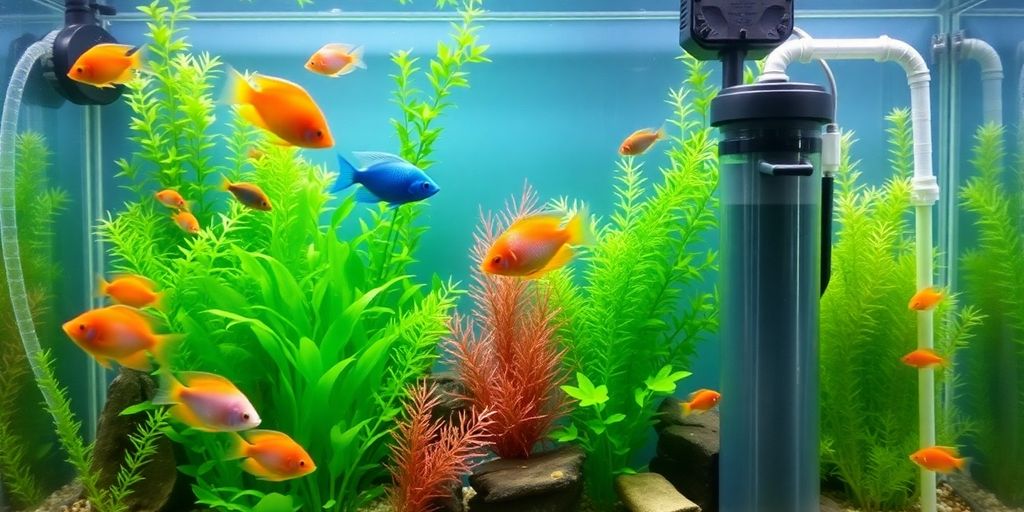
Filtration is crucial for maintaining a healthy aquarium. A good filtration system keeps the water clean and safe for your fish. There are three main types of filtration systems:
Types of Aquarium Filters
- Mechanical Filters: These remove debris and particles from the water.
- Chemical Filters: These use materials like activated carbon to remove toxins and impurities.
- Biological Filters: These rely on beneficial bacteria to break down harmful substances like ammonia.
| Filter Type | Description | Best For |
|---|---|---|
| Mechanical | Removes physical debris | All tanks |
| Chemical | Removes toxins and odors | All tanks |
| Biological | Converts harmful ammonia to less harmful nitrate | Established tanks |
Choosing the Right Filter
When selecting a filter, consider:
- Tank Size: Ensure the filter is suitable for your aquarium’s size.
- Fish Type: Different fish have different needs.
- Maintenance: Look for filters that are easy to clean and maintain.
Maintenance and Cleaning
Regular maintenance is key to a successful aquarium. Here are some tips:
- Clean the filter media every month.
- Replace filter cartridges as needed.
- Check for clogs and clean the intake regularly.
Remember: Keeping your filter clean helps maintain a healthy environment for your fish. Regular checks can prevent problems before they start.
By investing in quality filtration, you ensure a thriving aquatic environment for your fish. This is one of the essential items needed for a successful aquarium setup!
Heating and Temperature Control
Importance of Stable Temperature
Maintaining a stable temperature in your aquarium is crucial for the health of your fish. Most tropical fish thrive in temperatures between 74°F and 80°F. A heater is essential to keep the water warm, especially if your home is cooler than this range.
Types of Aquarium Heaters
There are various types of aquarium heaters available:
- Submersible Heaters: These are placed directly in the water and are very effective.
- In-line Heaters: These are installed in the filter system and heat the water as it passes through.
- Aqueon and AQUAEL Heaters: Both brands offer reliable options for maintaining the right temperature.
| Heater Type | Pros | Cons |
|---|---|---|
| Submersible | Easy to install | Can be visible in the tank |
| In-line | Hidden from view | More complex to set up |
| Aqueon/AQUAEL | Trusted brands | May be pricier |
Using Thermometers Effectively
To ensure your heater is working properly, use a thermometer. Here are some tips:
- Place the thermometer away from the heater to get an accurate reading.
- Check the temperature daily to ensure it stays within the ideal range.
- Adjust the heater settings as needed to maintain stability.
Remember: A heater that is too small for your tank can lead to underheating, which is harmful to your fish. It’s often better to choose a slightly larger heater for safety.
By following these guidelines, you can create a comfortable environment for your fish, ensuring their health and happiness in your aquarium setup.
Lighting for Your Aquarium
Benefits of Proper Lighting
Proper lighting is essential for both the health of your fish and the growth of aquatic plants. Good lighting enhances the colors of your fish and creates a vibrant environment. Here are some key benefits:
- Promotes plant growth
- Enhances fish colors
- Creates a visually appealing setup
Types of Aquarium Lights
There are several types of aquarium lights available, each serving different purposes:
- LED Lights: Energy-efficient and long-lasting, ideal for most setups.
- Fluorescent Lights: Good for general lighting but may need replacement more often.
- Metal Halide Lights: Powerful and suitable for larger tanks or reef setups.
| Type of Light | Lifespan | Energy Efficiency |
|---|---|---|
| LED | 50,000 hrs | High |
| Fluorescent | 10,000 hrs | Moderate |
| Metal Halide | 10,000 hrs | Low |
Setting Up a Lighting Schedule
To maintain a healthy aquarium, it’s important to set a proper lighting schedule. Here are some tips:
- Limit lighting to 8-12 hours a day to prevent algae growth.
- Use a timer for consistency.
- Adjust based on the needs of your plants and fish.
Remember, Kessil lights are a great option for those looking for high-quality lighting solutions. They provide excellent color and intensity control, making them perfect for both freshwater and saltwater tanks.
In conclusion, choosing the right Aquarium Lights and setting them up properly is crucial for the success of your aquarium. By understanding the types of lights available and their benefits, you can create a thriving environment for your aquatic life.
Selecting the Right Substrate
Choosing the right substrate for your aquarium is essential for both the health of your fish and the overall look of your tank. The substrate not only affects the aesthetics but also provides a suitable environment for your aquatic life. Here are some key points to consider:
Types of Substrates
- Gravel: A popular choice for beginners, gravel is easy to clean and allows for good water flow.
- Sand: This gives a natural look but can compact easily, so it requires more maintenance.
- Specialized substrates: Products like Omega One and Advatec offer nutrients for plants and beneficial bacteria for fish.
Benefits of Different Substrates
- Aesthetic Appeal: Different substrates can enhance the beauty of your aquarium.
- Fish Health: Some substrates provide a better environment for specific fish species.
- Plant Growth: Nutrient-rich substrates support healthy plant growth, which benefits the entire ecosystem.
How to Prepare and Clean Substrate
- Rinse the substrate thoroughly before adding it to your tank to remove dust and debris.
- Avoid using soap or chemicals, as these can harm your fish.
- Ensure the substrate is safe and free from contaminants.
Choosing the right substrate is a crucial step in setting up your aquarium. It can significantly impact the health and happiness of your fish, so take your time to select wisely!
Decorations and Ornaments
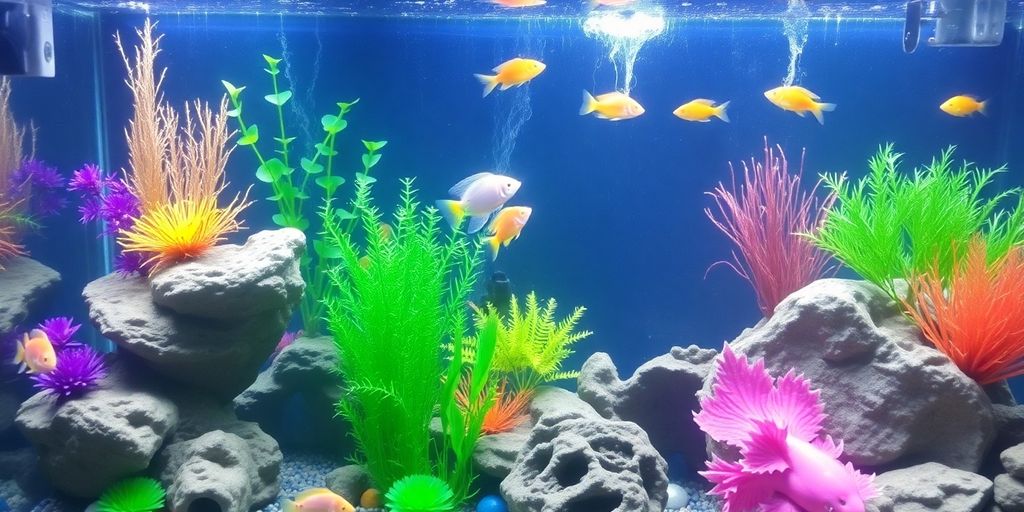
Creating a beautiful aquarium involves more than just filling it with water and fish. The right decorations can enhance the look and feel of your tank. They also provide essential hiding spots and enrichment for your fish. Here are some key points to consider:
Choosing Safe Decorations
- Always select decorations that are specifically made for aquariums.
- Avoid items that can leach harmful substances into the water.
- Look for decorations that are smooth and free of sharp edges to protect your fish.
Natural vs. Artificial Decorations
- Natural decorations like rocks and driftwood can create a more realistic environment.
- Artificial plants are easier to maintain and come in various colors and styles.
- Consider mixing both types for a balanced look.
Placement and Aesthetic Tips
- Arrange decorations to create open swimming spaces for your fish.
- Use taller items in the back and shorter ones in the front for depth.
- Group decorations in clusters to mimic natural habitats.
Remember, a well-decorated aquarium not only looks good but also helps your fish feel secure and happy.
For a vibrant touch, consider using products like the mechpia 13 pieces aquarium decorations kit to invigorate your aquarium decor with vibrantly-colored artificial plants. You can also explore options like the fish tank decor kit with artificial plants and hideouts to add a bold splash of color. Lastly, think about unique items such as interactive decorations that can enhance your aquarium experience.
Water Conditioners and Treatments
Importance of Water Conditioners
When setting up your aquarium, using water conditioners is crucial. Most tap water contains harmful substances like chlorine and chloramines, which can be deadly to fish. To make your water safe, always treat it before adding it to your tank. Check with your local dealer for the best dechlorinator for your area.
Types of Water Treatments
There are several types of water treatments available:
- Dechlorinators: Remove chlorine and chloramines from tap water.
- Water Conditioners: Help detoxify heavy metals and improve water quality.
- Bacterial Supplements: Introduce beneficial bacteria to help establish a healthy environment.
| Treatment Type | Purpose |
|---|---|
| Dechlorinators | Remove harmful chemicals from tap water |
| Water Conditioners | Detoxify heavy metals |
| Bacterial Supplements | Establish beneficial bacteria in the tank |
How to Use Water Conditioners
- Measure the water: Determine how much water you are adding to the tank.
- Add the conditioner: Follow the instructions on the product label for the correct dosage.
- Mix well: Ensure the conditioner is evenly distributed in the water before adding it to the tank.
Remember, always replace old water with new water of similar temperature to avoid shocking your fish.
Using the right water conditioners and treatments is essential for maintaining a healthy aquarium. Products like All Products and Aquarium Kits and Cabinets can help you find the best options for your setup.
Understanding the Nitrogen Cycle
The nitrogen cycle is a vital process in maintaining a healthy aquarium. Without it, your fish could be in serious danger. This cycle involves three main stages:
What is the Nitrogen Cycle
- Ammonia Conversion: Fish waste breaks down into ammonia, which is toxic. Beneficial bacteria, like Nitrosomonas, convert ammonia into nitrite.
- Nitrite Conversion: Another type of bacteria, known as Nitrobacter, then changes nitrite into nitrate, which is less harmful.
- Nitrate Removal: Finally, plants and regular water changes help remove nitrate, keeping the water safe for your fish.
Steps to Establish the Cycle
- Set Up Your Tank: Ensure all equipment is working.
- Add Ammonia: Introduce a source of ammonia to kickstart the cycle.
- Monitor Water Parameters: Regularly check ammonia, nitrite, and nitrate levels.
- Wait for Completion: This process can take 4-6 weeks.
- Perform Water Changes: Keep nitrate levels safe by changing some water.
- Introduce Fish: Once levels are stable, you can add fish.
Remember: Patience is key! Allow your aquarium to cycle fully before adding any fish.
By understanding the nitrogen cycle, you can create a safe environment for your aquatic friends. Regular testing and maintenance will help keep this cycle balanced, ensuring a thriving aquarium.
Feeding Your Fish
Types of Fish Food
When it comes to feeding your fish, there are several types of fish food available:
- Flakes: Great for most small fish.
- Pellets: Ideal for larger fish and can be found in various sizes.
- Freeze-dried: A treat that many fish love, but should be given sparingly.
Feeding Schedules and Amounts
To keep your fish healthy, follow these guidelines:
- Feed twice a day.
- Only give them what they can eat in about five minutes.
- Adjust the amount based on the type of fish you have.
Avoiding Overfeeding
Overfeeding can lead to serious problems in your aquarium. Here are some tips to prevent it:
- Monitor how much your fish eat during feeding time.
- Remove any uneaten food after five minutes.
- Consider using an automatic feeder if you’re away for a while.
Remember, a healthy fish tank starts with proper feeding. If you take care of your fish food and feeding habits, your fish will thrive!
Cleaning and Maintenance Tools
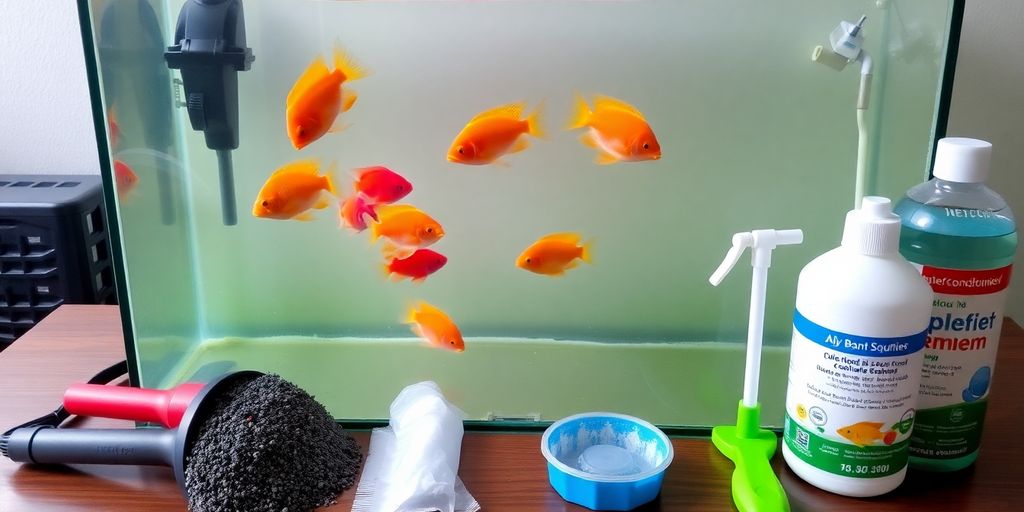
Keeping your aquarium clean is essential for the health of your fish and plants. Here are some important tools you will need:
Essential Cleaning Tools
- Aquarium Pumps and Filters: These are crucial for maintaining clean water. They help remove waste and keep the water circulating.
- Siphon: This tool is used to remove debris and perform water changes effectively.
- Scrapers and Brushes: Use these to clean algae off the glass and decorations.
Routine Maintenance Tips
- Check water levels regularly and top off as needed.
- Change 25% of the water every two weeks to keep it fresh.
- Clean the filter monthly to ensure it works efficiently.
Deep Cleaning Procedures
- Remove decorations and clean them with warm water.
- Siphon the substrate to remove waste and uneaten food.
- Inspect and clean the filter media to prevent clogging.
Regular maintenance is key to a thriving aquarium. A clean tank leads to happy fish!
By using the right tools and following these steps, you can ensure your aquarium remains a beautiful and healthy environment for your aquatic life.
Testing and Monitoring Water Quality
Maintaining a healthy aquarium is crucial for the well-being of your fish. Regular testing of water quality helps prevent problems before they arise. Here are some key points to consider:
Importance of Water Testing
- Ensures a safe environment for your fish.
- Helps identify issues like high ammonia or nitrite levels.
- Allows for timely adjustments to maintain balance.
Types of Water Test Kits
- [Aquarium Test Strips](https://advatecaquatics.com/aquarium-test-strips/): Quick and easy to use, these strips can test multiple parameters at once, such as pH, nitrate, and chlorine.
- Liquid test kits: More accurate but require more time and effort.
- Digital testers: Provide instant readings but can be more expensive.
How to Interpret Test Results
- pH Levels: Should typically be between 6.5 and 7.5 for most freshwater fish.
- Ammonia and Nitrite: Should be at 0 ppm; any detectable amount can be harmful.
- Nitrate: Should be below 40 ppm; higher levels can stress fish.
| Parameter | Ideal Range | Action if Out of Range |
|---|---|---|
| pH | 6.5 – 7.5 | Adjust with buffers |
| Ammonia | 0 ppm | Perform water change |
| Nitrite | 0 ppm | Perform water change |
| Nitrate | < 40 ppm | Perform water change |
Regular testing is essential for a thriving aquarium. It helps you catch problems early and keep your fish happy and healthy!
Setting Up a Quarantine Tank
Why Quarantine is Important
Setting up a quarantine tank is crucial for keeping your main aquarium healthy. This separate space allows you to monitor new fish for diseases before introducing them to your main tank. Quarantine helps prevent the spread of illness and keeps your fish safe.
Steps to Set Up a Quarantine Tank
- Choose the Right Size: A 10 to 20-gallon tank is usually sufficient for most fish. Larger tanks may be needed for bigger fish or multiple occupants.
- Install Equipment: Make sure to set up a filter and heater. The filter will help keep the water clean, while the heater ensures a stable temperature.
- Add Water and Condition: Fill the tank with dechlorinated water. Use a water conditioner to make it safe for your fish.
- Decorate: Add some simple decorations or plants. This will help reduce stress for the fish.
- Cycle the Tank: Allow the tank to cycle for a few days before adding any fish. This helps establish beneficial bacteria.
Caring for Fish in Quarantine
- Monitor Water Quality: Regularly test the water to ensure it’s safe for your fish.
- Observe Fish Behavior: Watch for any signs of illness, such as unusual swimming patterns or lack of appetite.
- Limit Feeding: Feed sparingly to avoid water quality issues.
Quarantine is a vital step in fish care. It ensures that your main aquarium remains a healthy environment for your fish.
By following these steps, you can create a safe space for your new fish and protect your existing aquatic friends from potential diseases. Remember, taking the time to quarantine can save you a lot of trouble later on!
Setting up a quarantine tank is a smart move for any fish owner. It helps keep your main aquarium safe from diseases. To get started, find a small tank, add a filter, and make sure the water is clean and warm. This way, you can monitor new fish before introducing them to your main tank. For more tips and products to help you set up your quarantine tank, visit our website!
Conclusion
Setting up your first aquarium can be a fun and rewarding experience. By gathering the right supplies, like a good tank, filter, and heater, you can create a safe home for your fish. Remember to keep an eye on water quality and temperature, and don’t rush to add fish until your tank is ready. With patience and care, you’ll enjoy watching your underwater world thrive. Happy fish keeping!
Frequently Asked Questions
What are the basic items needed to set up an aquarium?
To set up an aquarium, you need a tank, substrate like gravel or sand, a filter, heater, lighting, decorations, water conditioner, fish food, and a water test kit.
How do I choose the right size aquarium?
For beginners, a tank of at least 10 gallons is best. It gives enough space for fish and is easier to maintain.
What type of filter should I use?
There are different types of filters like power filters and canister filters. Choose one based on your tank size and fish needs.
How do I keep the water temperature stable?
Use a heater that fits your tank size and check the temperature regularly with a thermometer.
What kind of lighting do I need for my aquarium?
LED lights are a good choice as they are energy-efficient and help plants grow if you have them in your tank.
How often should I clean my aquarium?
You should do a partial water change every 1-2 weeks and clean the tank and decorations as needed.
What is the nitrogen cycle and why is it important?
The nitrogen cycle helps break down fish waste into less harmful substances. It’s essential for keeping your aquarium healthy.
How do I know if the water quality is good for my fish?
Use a water test kit to check levels of pH, ammonia, nitrites, and nitrates to ensure a safe environment for your fish.