If you’re an aquarium lover looking to buy freshwater fish, ordering online can be a great choice. Not only does it offer a wide variety of species, but it also saves you time and effort. This guide will help you navigate the process of buying fish online, ensuring that you make informed decisions and provide a healthy environment for your new aquatic friends.
Key Takeaways
- You can find many types of fish online that may not be available in local stores.
- Ordering fish online is convenient and can save you time and effort.
- Reputable online stores prioritize the health and quality of their fish.
- Always check reviews and return policies before buying from an online store.
- Proper acclimation is crucial for the health of your new fish.
Benefits of Ordering Freshwater Fish Online
Ordering freshwater fish online has become a popular choice for many aquarium enthusiasts. Here are some key benefits:
Wide Selection of Species
One of the biggest advantages of buying fish online is the wide variety available. Unlike local pet stores, online retailers often have a larger selection of species. This means you can find specific fish that may not be available nearby. For example:
- Tropical fish
- Coldwater fish
- Rare species
Convenience and Time-Saving
Shopping online is incredibly convenient. You can browse and order fish from the comfort of your home, saving you time and effort. No more long drives to the store! You can have your fish delivered right to your door, making it easier to start or expand your aquarium.
Health and Quality Assurance
Reputable online fish stores prioritize the health of their fish. They often have strict quality control measures in place to ensure that the fish are healthy and free from diseases. This reduces the risk of introducing illness into your aquarium. Many stores also provide heat packs for tropical fish during shipping to keep them comfortable.
Access to Information and Reviews
When you shop online, you can easily access detailed information about each fish species. This includes care requirements, compatibility, and behavior. Additionally, you can read customer reviews to help you make informed decisions about where to buy your fish. This transparency is a significant advantage over traditional stores.
Buying fish online not only offers a wider selection but also ensures that you receive healthy fish, making it a smart choice for any aquarium enthusiast.
In summary, ordering freshwater fish online provides a range of benefits that can enhance your fish-keeping experience. From a broader selection to health assurance, it’s a convenient option for both beginners and seasoned hobbyists alike.
Choosing the Right Online Store
When it comes to buying freshwater fish online, selecting a reputable store is crucial. Here are some key factors to consider:
Reputation and Reviews
- Look for stores with positive customer feedback.
- Check for reviews on independent sites to get a balanced view.
- Consider stores that are well-known in the aquarium community, such as Omega One.
Shipping Policies
- Ensure the store has clear shipping options.
- Look for guarantees on live arrival, which is essential for fish health.
- Check if they offer free shipping on larger orders, as this can save you money.
Customer Support
- A good online store should have responsive customer service.
- Look for contact options like chat, email, or phone support.
- Read reviews to see how they handle issues or questions.
Return and Refund Policies
- Understand the store’s return policy in case of any issues.
- Check if they offer refunds for fish that arrive unhealthy.
- A clear policy can give you peace of mind when ordering.
Remember, choosing the right online store can make a big difference in your fish-keeping experience. Take your time to research and find a store that meets your needs!
Popular Freshwater Fish Species to Order Online

Angelfish
Angelfish are a popular choice for many aquarium enthusiasts. These fish are known for their striking appearance and graceful swimming. They thrive in a well-maintained tank and can be kept with other peaceful species. When ordering online, ensure you choose a reputable seller to guarantee the health of your fish.
Bettas
Bettas, also known as Siamese fighting fish, are vibrant and colorful. They are relatively easy to care for, making them great for beginners. However, it’s important to keep them alone or with compatible species to avoid aggression. Remember to provide them with high-quality fish food to maintain their health.
Cichlids
Cichlids are diverse and come in many varieties, each with unique colors and behaviors. They can be more challenging to care for due to their territorial nature. It’s essential to research the specific type of cichlid you want to keep, as some require larger tanks and specific water conditions.
Guppies
Guppies are small, lively fish that are perfect for community tanks. They are easy to breed and come in a variety of colors. Guppies are also known for their hardiness, making them suitable for beginners. Ensure they have a balanced diet with quality fish food to keep them vibrant and healthy.
| Fish Species | Average Price | Minimum Tank Size |
|---|---|---|
| Angelfish | $14.99 | 20 gallons |
| Bettas | $9.99 | 5 gallons |
| Cichlids | $29.99 | 30 gallons |
| Guppies | $4.99 | 10 gallons |
When ordering fish online, always check the seller’s reputation and reviews to ensure a safe and healthy delivery.
Preparing Your Aquarium for New Fish
When you’re ready to welcome new fish into your aquarium, it’s essential to prepare properly. A well-prepared tank ensures a smooth transition for your new aquatic friends. Here’s how to get started:
Setting Up the Tank
- Clean the Tank: Make sure your aquarium is clean and free from any harmful chemicals. Rinse it with water, but avoid soap.
- Add Substrate: Choose a suitable substrate for your fish. For example, gravel or sand works well for most freshwater species.
- Install Equipment: Set up your filter, heater, and any decorations. Ensure everything is functioning correctly before adding fish.
Water Parameters
- Temperature: Keep the water temperature stable, ideally between 75°F and 80°F for most tropical fish.
- pH Level: Aim for a pH level between 6.5 and 7.5, depending on the species you plan to keep.
- Ammonia and Nitrite Levels: Ensure these levels are at 0 ppm before introducing any fish.
Acclimation Process
- Turn Off Aquarium Lighting: This helps reduce stress for the new fish.
- Open the Packaging Carefully: Handle the bags gently to avoid startling the fish.
- Check Fish Health: Look for any signs of distress or illness before introducing them to the tank.
Remember, one inch of fish per gallon of water is a good rule to follow for stocking your aquarium. This helps prevent overcrowding and maintains a healthy environment for your fish.
Essential Equipment
- Filter: Keeps the water clean and oxygenated.
- Heater: Maintains the right temperature for your fish.
- Test Kits: Regularly check water parameters to ensure a healthy habitat.
By following these steps, you can create a welcoming environment for your new fish, ensuring they thrive in their new home. Happy fish keeping!
How to Acclimate Your New Fish

Acclimating your new fish is a crucial step to ensure they thrive in their new home. Following the right steps can help reduce stress and promote health. Here’s how to do it:
Turning Off Aquarium Lighting
- Create a calm environment by turning off the aquarium lights and dimming the room lights. This helps your fish feel less stressed during the transition.
- Close curtains or blinds to minimize disturbances from outside.
Opening the Packaging Carefully
- When your fish arrive, handle the package gently. Open it slowly to avoid damaging any bags inside.
- Be cautious of sudden movements or loud noises that might startle the fish.
Checking Fish Health
- Look for signs of health in the sealed bags. Healthy fish should be active, have clear eyes, and vibrant colors.
- If you notice any issues, such as unusual behavior or injuries, contact the seller immediately.
Floating the Bags Unopened
- Float the sealed bags in your aquarium for 15 to 30 minutes. This allows the fish to adjust to the water temperature gradually.
Piercing and Floating the Bags
- Gently pierce the top of the bag near the seal with scissors. Roll down the top, keeping it partially filled with air, and start mixing water.
Gradual Water Mixing
- You can either add about 25mm of tank water to the bag every 5 minutes for 25 to 30 minutes or place the fish in a separate container and mix the water similarly. This helps the fish adapt to the new water conditions.
Net and Release the Fish
- Instead of pouring the bag water into your tank, gently net the fish and place them directly into the aquarium. Avoid adding the bag water, as it may contain waste.
- After releasing the fish, keep the lights off for 2 to 3 hours to help them settle in.
Monitor Closely and Check for Feeding and Bullying
- Keep an eye on your new fish for the first 24 to 72 hours. Look for signs of feeding and ensure there’s no bullying from other fish. This monitoring is essential for their well-being.
Remember, proper acclimation is key to a successful introduction of your new fish to your aquarium. Following these steps will help ensure a smooth transition and a healthy environment for your aquatic friends. Aqueon products can assist in maintaining optimal water conditions for your new arrivals.
Understanding Shipping and Delivery
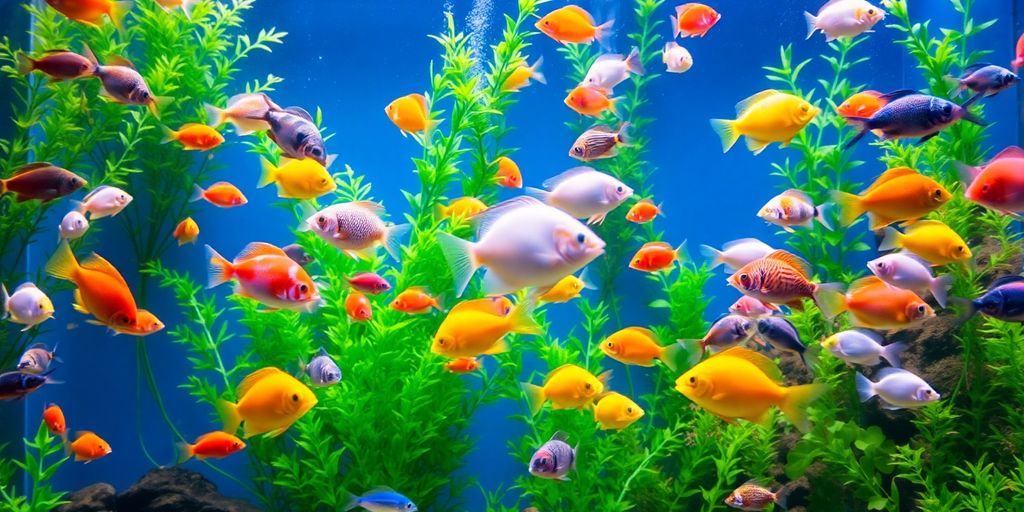
When ordering freshwater fish online, understanding the shipping and delivery process is crucial for ensuring your new pets arrive safely. Proper packaging is essential to keep the fish healthy during transit. Here are some key points to consider:
Shipping Methods
- Standard Shipping: Most stores use reliable carriers like FedEx or UPS.
- Express Shipping: For quicker delivery, express options are available, often at a higher cost.
- Local Delivery: Some stores may offer local delivery services for nearby customers.
Tracking Your Order
- After placing your order, you should receive a tracking number.
- Use this number to monitor your shipment’s progress.
- Check for updates regularly to anticipate the arrival time.
Handling Delays
- Weather Conditions: Extreme weather can delay shipments. Always check forecasts.
- Holidays: Shipping may take longer during holiday seasons.
- Contact Customer Support: If you notice a delay, reach out to the store for assistance.
Receiving the Package
- Upon arrival, inspect the package for any damage.
- Open it carefully to avoid stressing the fish.
- Ensure the fish are healthy and acclimate them properly before introducing them to your aquarium.
Remember, the concern about how fish are shipped remains paramount to ensure their well-being during transportation. Always choose a reputable store that prioritizes the health of their fish.
Common Issues and How to Avoid Them
Disease Prevention
One of the biggest challenges when ordering fish online is ensuring they are healthy. Preventing disease is crucial for the well-being of your aquarium. Here are some tips to help:
- Research the species you want to buy to understand their specific needs.
- Always check for reputable sellers with good reviews.
- Quarantine new fish for at least two weeks before introducing them to your main tank.
Avoiding Overcrowding
Overcrowding can lead to stress and health issues for your fish. To avoid this:
- Calculate the size of your tank and the number of fish it can support.
- Follow the one-inch-per-gallon rule for stocking.
- Monitor fish behavior to ensure they are comfortable and not stressed.
Managing Water Quality
Maintaining good water quality is essential for fish health. Here’s how to manage it:
- Test water parameters regularly (pH, ammonia, nitrites, and nitrates).
- Perform regular water changes (at least 10-15% weekly).
- Use a good filtration system to keep the water clean.
Handling Stress in Fish
Stress can be detrimental to fish health. To minimize stress:
- Create a calm environment by reducing noise and sudden movements.
- Provide hiding spots in the tank using plants or decorations.
- Acclimate new fish slowly to help them adjust to their new home.
Remember, taking the time to prepare and research can lead to a healthier and happier aquarium. Proper care and attention can make all the difference!
Special Considerations for Different Types of Freshwater Fish
When ordering freshwater fish online, it’s important to consider the specific needs of different types of fish. Understanding these needs can help ensure a healthy environment for your new pets.
Tropical Fish
Tropical fish thrive in warm water and often require a well-maintained aquarium with plants and decorations. Here are some key points:
- Temperature: Keep the water between 75°F and 80°F.
- Lighting: Use a quality light, like a Kessil, to promote plant growth.
- Water Quality: Regularly test water parameters using Aquarium Test Strips.
Coldwater Fish
Coldwater fish are easier to care for and can live in unheated tanks. Consider the following:
- Temperature: Maintain water between 60°F and 70°F.
- Tank Size: A minimum of 10 gallons is recommended for most species.
- Compatibility: Ensure they are housed with other coldwater species to avoid stress.
Brackish Fish
Brackish fish require a mix of fresh and saltwater. Here’s what to keep in mind:
- Salinity: Adjust salinity levels gradually.
- Tank Setup: Use a tank with proper filtration to handle the unique environment.
- Species Selection: Choose species that can thrive in brackish conditions.
Nano Fish
Nano fish are small and perfect for smaller tanks. Here are some tips:
- Tank Size: A 5-gallon tank is ideal for nano fish.
- Schooling: Keep them in groups of at least 5 to reduce stress.
- Feeding: Provide a varied diet to meet their nutritional needs.
Remember, each type of fish has unique requirements. Researching these needs before making a purchase can lead to a thriving aquarium.
By understanding the specific needs of tropical, coldwater, brackish, and nano fish, you can create a suitable environment that promotes their health and happiness. This knowledge will also help you explore the best freshwater fish store for your aquarium needs effectively!
Maintaining a Healthy Aquarium After Adding New Fish

Regular Water Changes
To keep your aquarium healthy, it’s essential to perform regular water changes. Here are some tips:
- Change 10-15% of the water weekly.
- Use a water conditioner to remove harmful chemicals.
- Test water parameters regularly to ensure they are within safe limits.
Monitoring Fish Behavior
Keeping an eye on your fish is crucial. Look for signs of stress or illness:
- Observe their swimming patterns.
- Check for any unusual hiding or aggression.
- Ensure they are eating properly.
Feeding Guidelines
Feeding your fish the right amount is important for their health:
- Feed small amounts 1-2 times a day.
- Remove uneaten food after a few minutes.
- Choose high-quality brands for fish food to ensure proper nutrition.
Cleaning and Maintenance
Regular cleaning helps maintain a healthy environment:
- Clean the tank walls and decorations as needed.
- Replace filter media according to the manufacturer’s instructions.
- Keep the substrate clean by vacuuming it during water changes.
Maintaining a healthy aquarium is a continuous process. Regular care will help your fish thrive and keep your aquarium looking great!
Budgeting for Your Online Fish Order
When it comes to ordering freshwater fish online, planning your budget is essential. Here are some key points to consider:
Cost of Fish
- The price of fish can vary widely based on species and size. For example, popular fish like Angelfish may cost around $5 to $20 each, while rarer species can be much more expensive.
- Consider bulk purchasing options, as many online stores offer discounts for buying multiple fish at once.
Shipping Fees
- Shipping costs can add up, especially if you order from a store that charges per fish. Look for stores that offer free shipping on orders over a certain amount, like £49.
- Some retailers provide next-day delivery if you order by a specific time, which can be convenient but may also increase costs.
Additional Supplies
- Don’t forget to budget for essential supplies like food, water conditioners, and equipment. For instance, a quality filter like Fluval can be a significant investment but is crucial for maintaining a healthy environment.
- You might also need to purchase a quarantine tank or other equipment to ensure your new fish are healthy before introducing them to your main aquarium.
Long-Term Costs
- Remember that the initial cost of fish is just the beginning. Regular expenses include food, water changes, and potential veterinary care.
- It’s wise to set aside a monthly budget for ongoing care to keep your aquarium thriving.
| Expense Type | Estimated Cost |
|---|---|
| Fish | $5 – $100+ each |
| Shipping | $10 – $30 |
| Equipment (e.g., Fluval) | $50 – $300 |
| Monthly Supplies | $20 – $50 |
Tip: Always check for seasonal discounts or coupons to save money on your orders. Many online stores offer promotions that can help you get the best deals on your fish and supplies!
Legal and Ethical Considerations
Regulations on Fish Trade
When buying fish online, it’s important to understand the legal regulations surrounding fish trade. Different countries have various laws that protect certain species from overfishing and illegal trade. Always check if the fish you want to buy is legal to own in your area.
Ethical Sourcing
Ethical sourcing means ensuring that the fish you purchase are obtained in a way that does not harm the environment or the species. Look for online stores that prioritize sustainable practices and provide information about where their fish come from. This helps in supporting responsible fishkeeping.
Environmental Impact
The impact of fish trade on the environment can be significant. Overfishing can lead to the decline of fish populations and disrupt ecosystems. By choosing stores that follow sustainable practices, you can help reduce this impact. Consider the following:
- Choose stores that use sustainable practices.
- Support local fish farms.
- Avoid buying endangered species.
Supporting Sustainable Practices
By purchasing from reputable online stores, you can support sustainable practices in the fish trade. This includes:
- Buying from certified suppliers.
- Reading reviews and feedback from other customers.
- Being aware of the fish’s origin and habitat.
Remember, your choices as a consumer can influence the future of fish populations and their habitats. By being informed, you can make a positive impact.
In conclusion, when ordering fish online, consider the legal and ethical aspects to ensure that your hobby is both enjoyable and responsible. This includes being mindful of the Aquarium Lights and Terrarium Accessories you use, as well as supporting brands like Exo-Terra that promote sustainable practices.
When it comes to keeping aquatic pets, understanding the legal and ethical rules is very important. These rules help ensure that animals are treated well and that their habitats are protected. If you want to learn more about how to care for your pets responsibly, visit our website for helpful tips and resources!
Final Thoughts on Ordering Freshwater Fish Online
In summary, buying freshwater fish online is a fun and easy way to grow your aquarium. By following the steps we’ve shared, you can help your new fish settle in and live happily in their new home. Always remember to take good care of your fish and keep their environment clean and safe. Enjoy your journey in fishkeeping, and don’t hesitate to share your favorite online fish stores with others!
Frequently Asked Questions
What are the benefits of buying freshwater fish online?
Buying fish online gives you a larger variety of species to choose from. It’s also more convenient since you can shop from home and have the fish delivered right to your door.
How do I choose the best online store for fish?
Look for stores with good reviews and a solid reputation. Check their shipping policies and customer service options to ensure a smooth buying experience.
What types of freshwater fish can I order online?
You can find many species online, including Angelfish, Bettas, Cichlids, and Guppies, among others.
How should I prepare my aquarium for new fish?
Make sure your tank is set up properly, with the right water conditions and equipment before adding new fish.
What is the acclimation process for new fish?
Start by turning off the lights in your aquarium. Then, carefully open the fish’s packaging and check their health before floating the bags in your tank.
What should I know about shipping and delivery of fish?
Be aware of the shipping methods used, track your order, and know how to handle delays to ensure your fish arrive safely.
What common issues should I watch for when keeping fish?
Keep an eye out for diseases, avoid overcrowding your tank, manage water quality, and reduce stress for your fish.
Are there special considerations for different fish types?
Yes, tropical, coldwater, brackish, and nano fish all have unique needs that you should consider when buying and caring for them.